
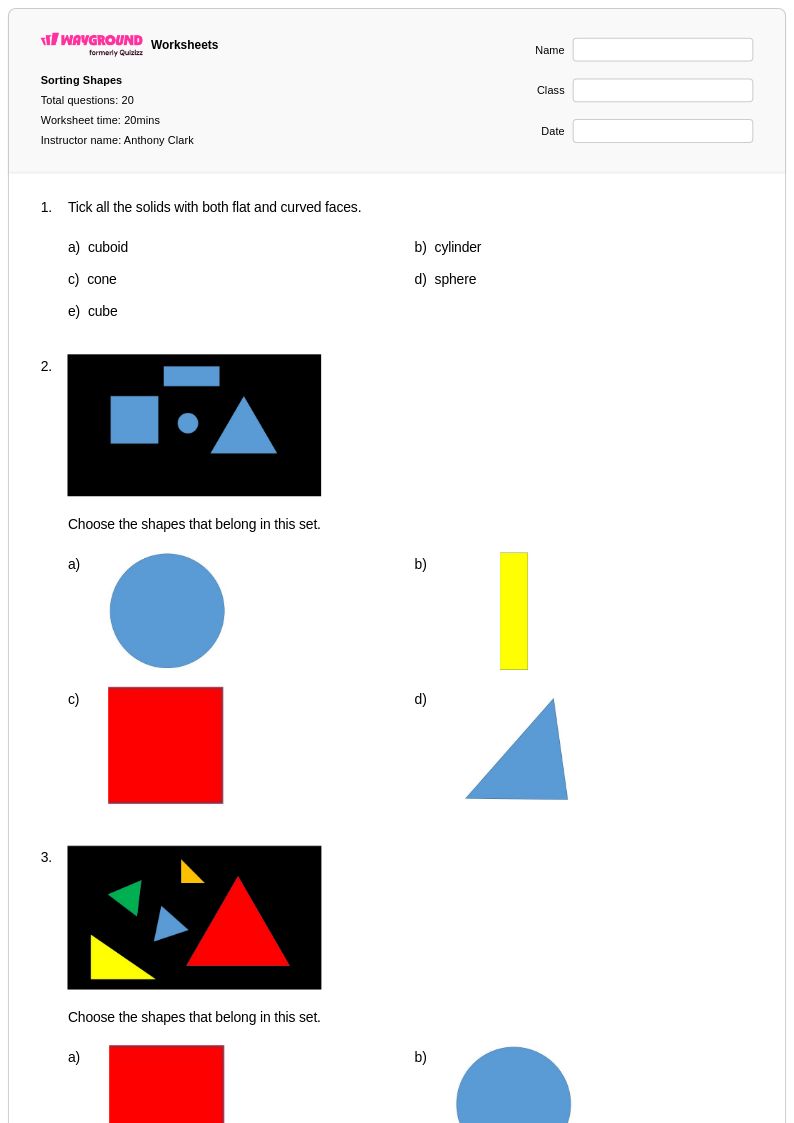
20 Q
1st - Uni
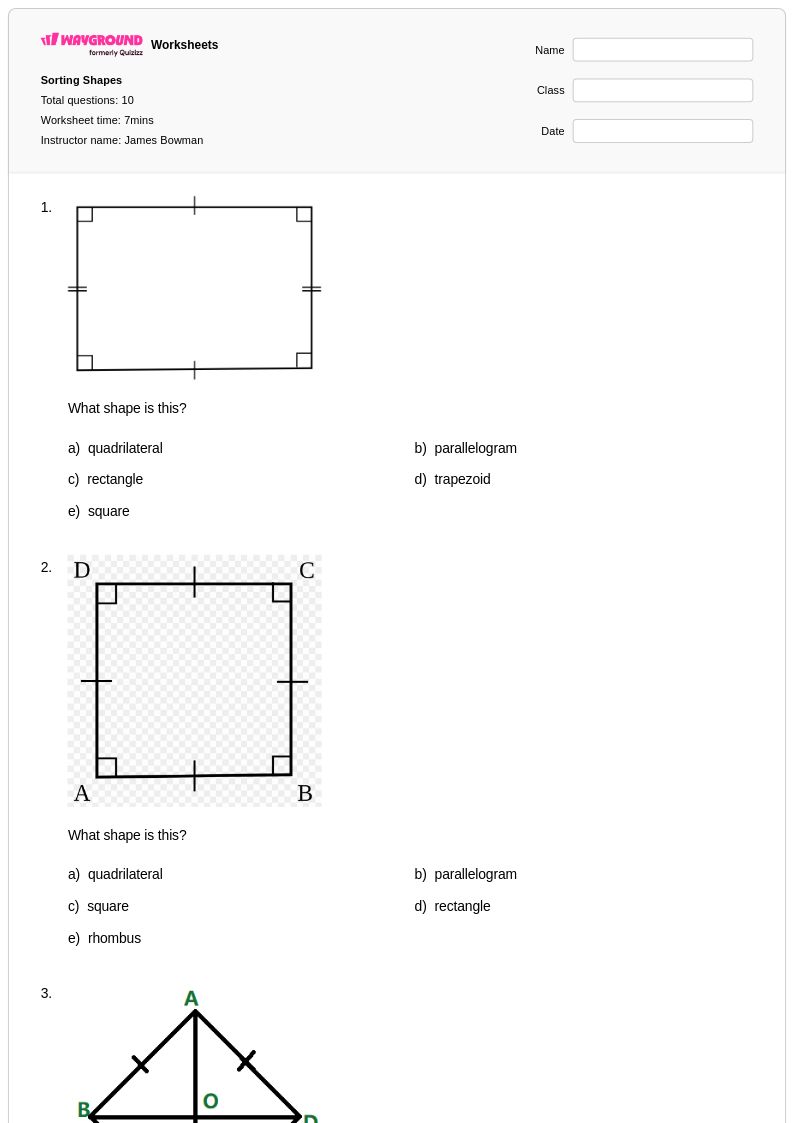
10 Q
8th
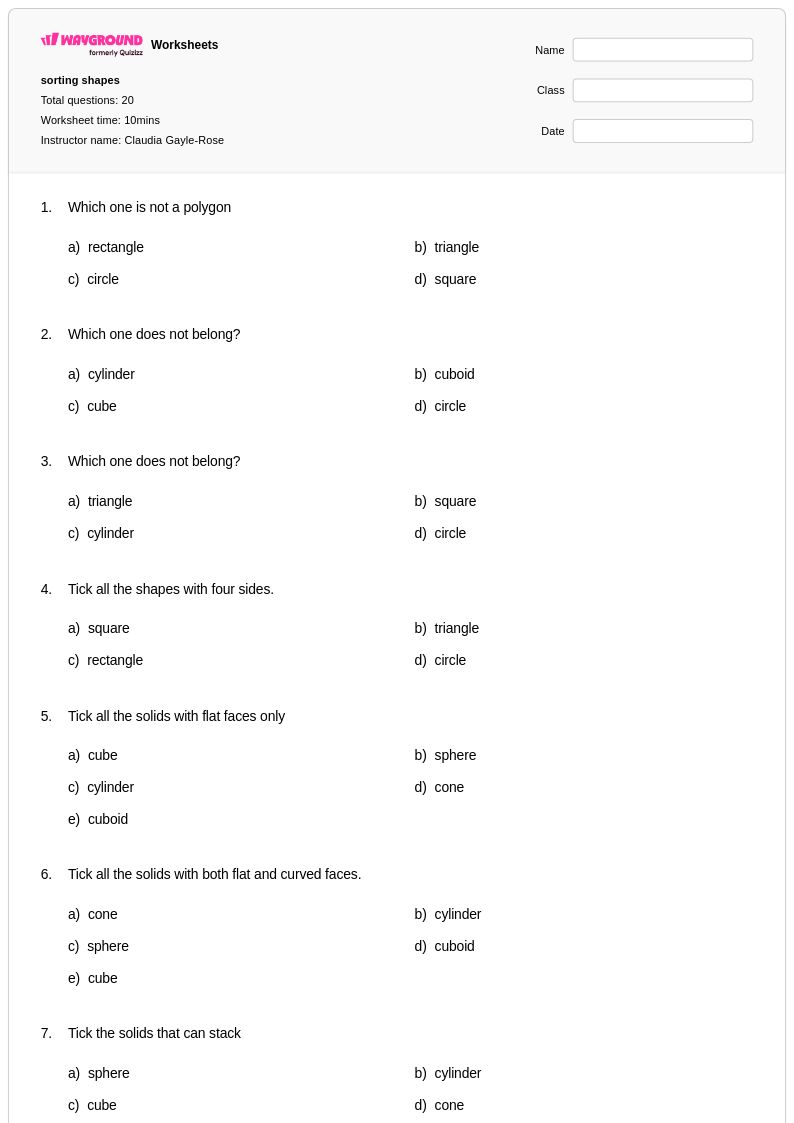
20 Q
1st - 2nd
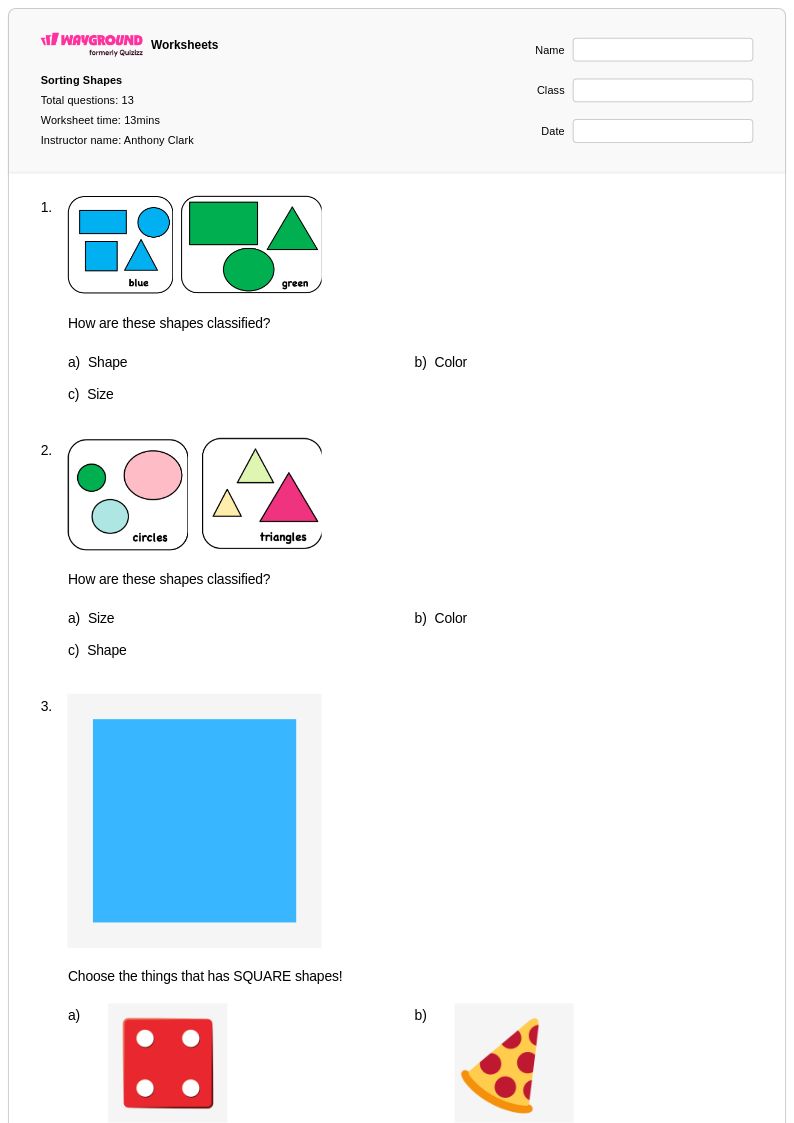
13 Q
1st - Uni
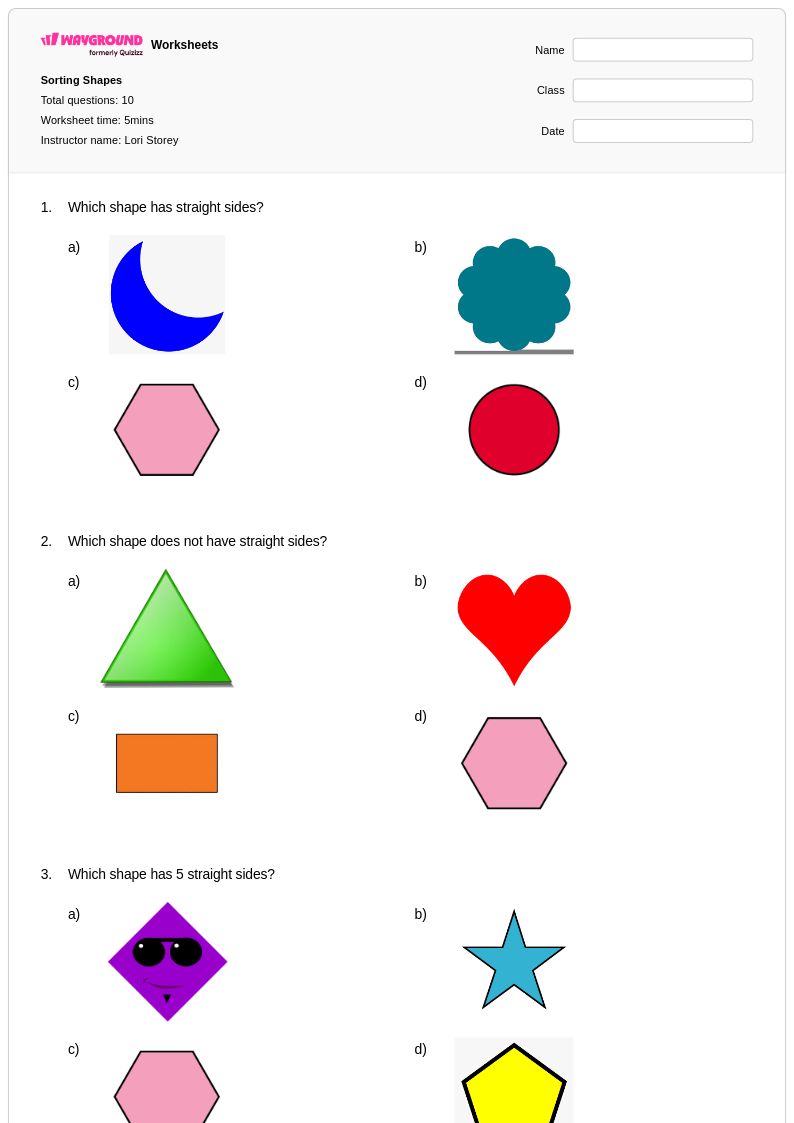
10 Q
KG - 1st
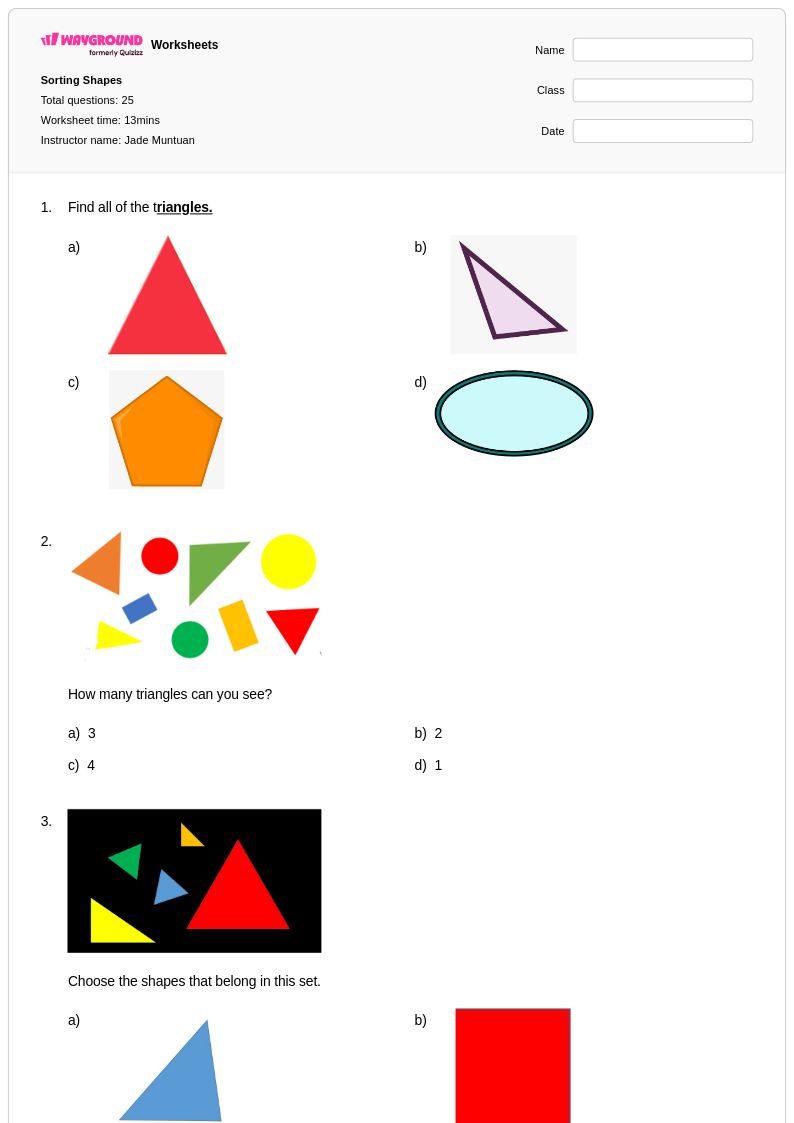
25 Q
1st
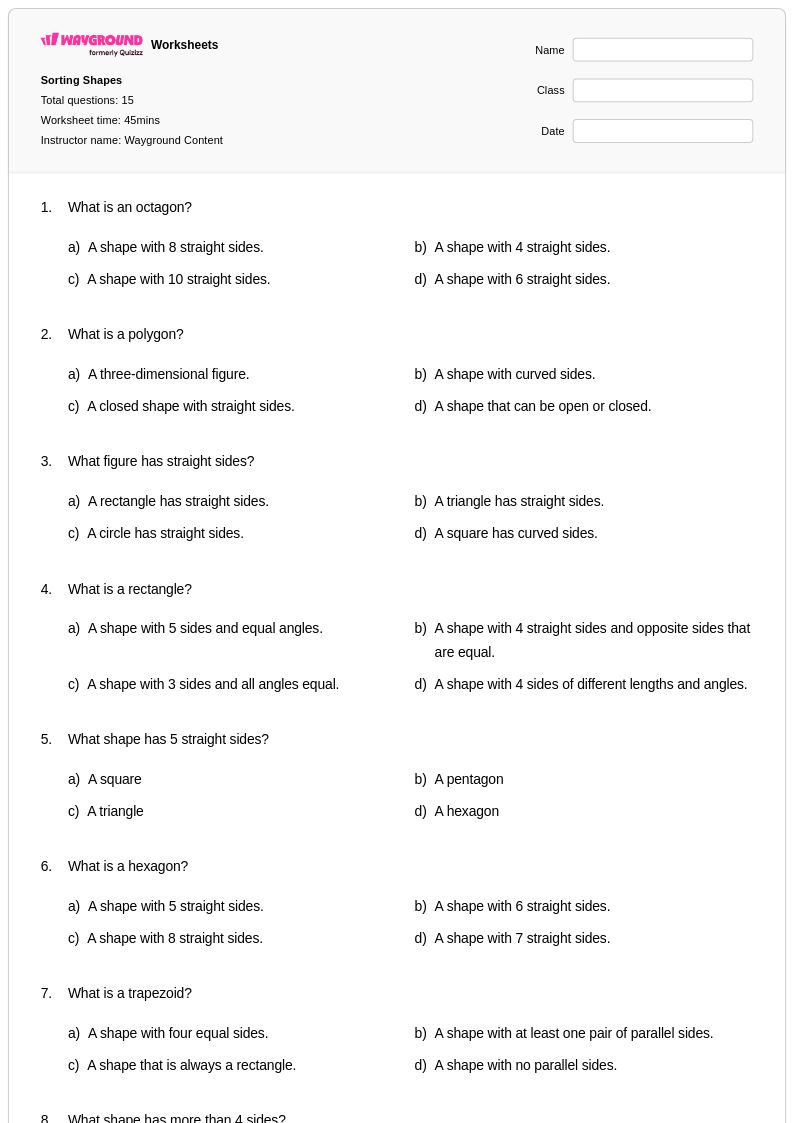
15 Q
KG - 1st
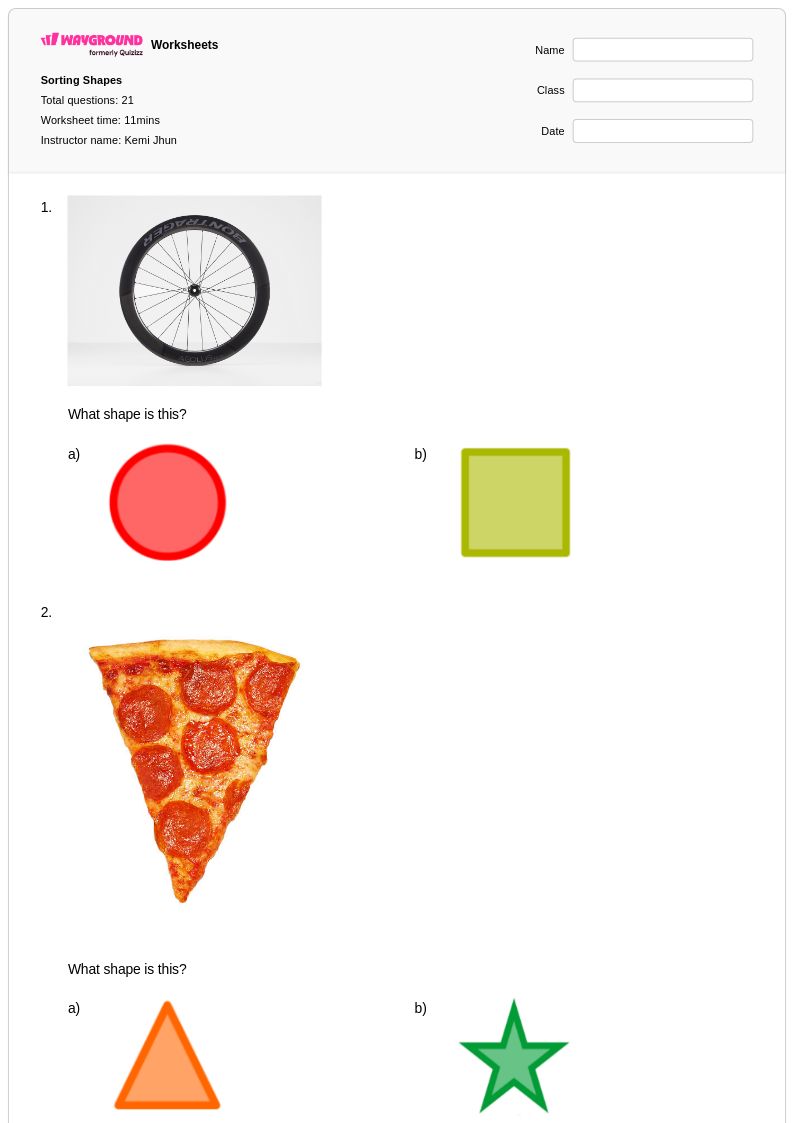
21 Q
KG - 5th
6 Q
KG - 1st
5 Q
KG
15 Q
KG - 5th
7 Q
KG - 2nd
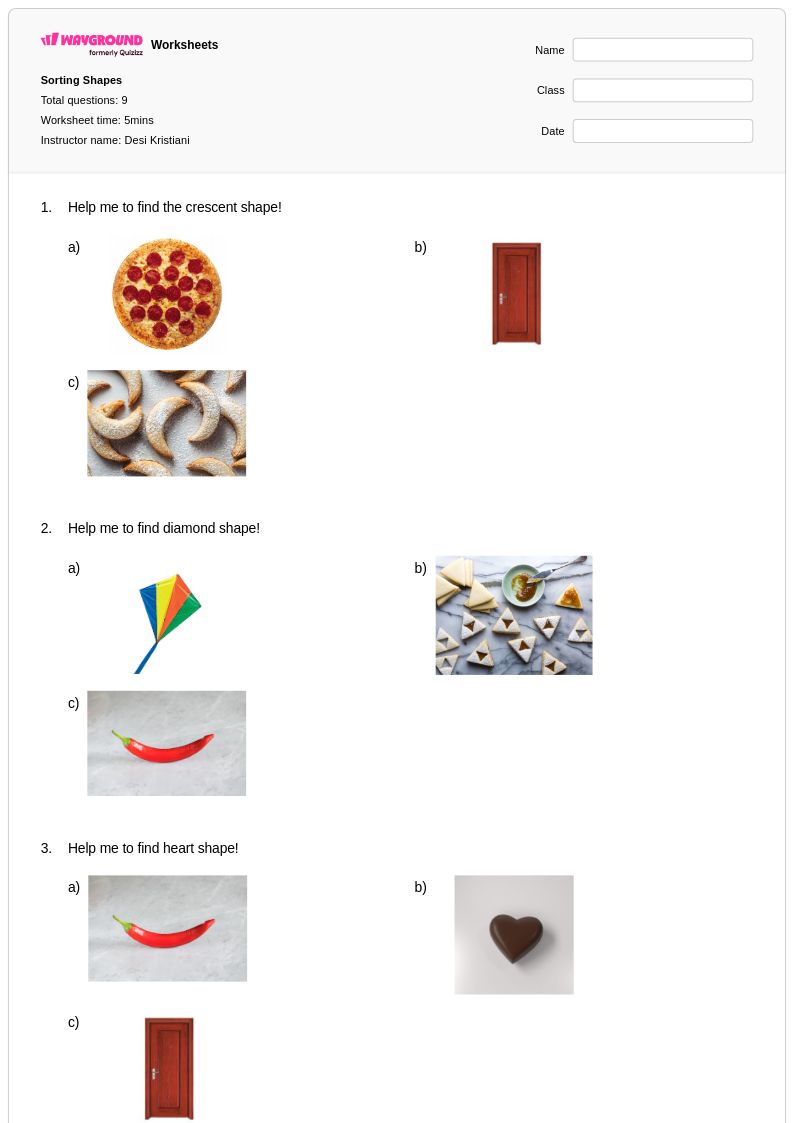
9 Q
KG
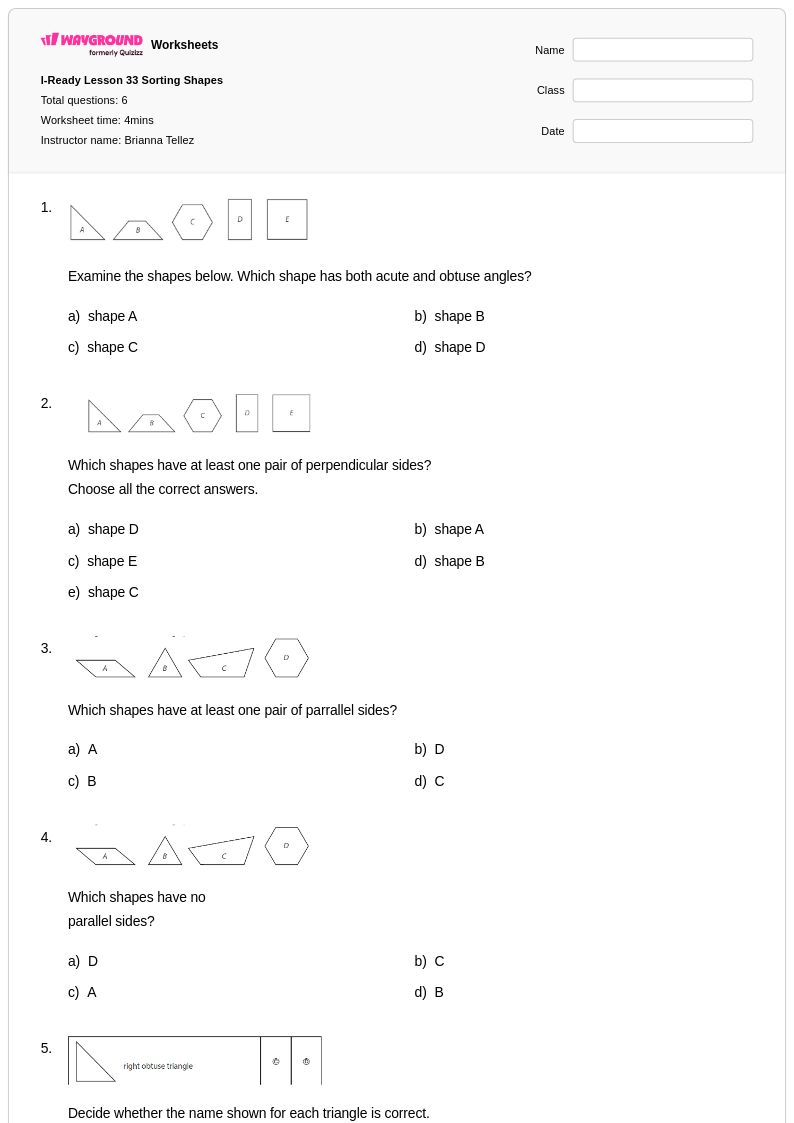
6 Q
4th
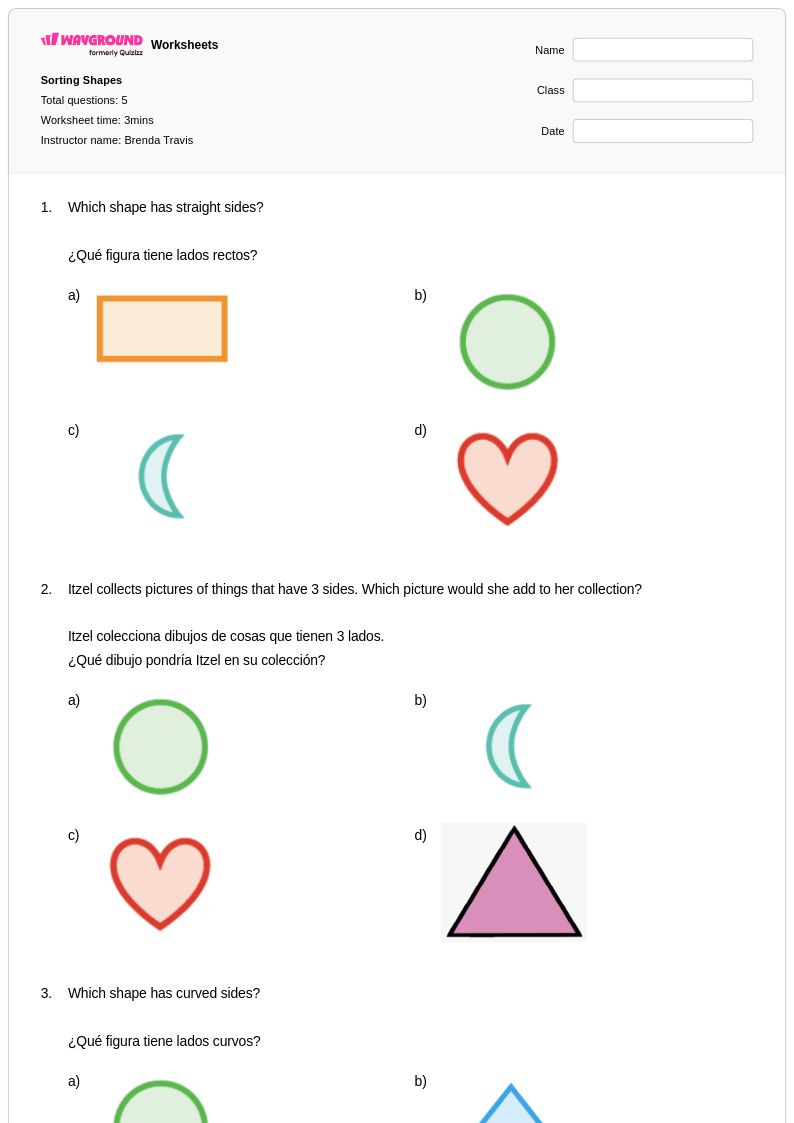
5 Q
KG - 1st
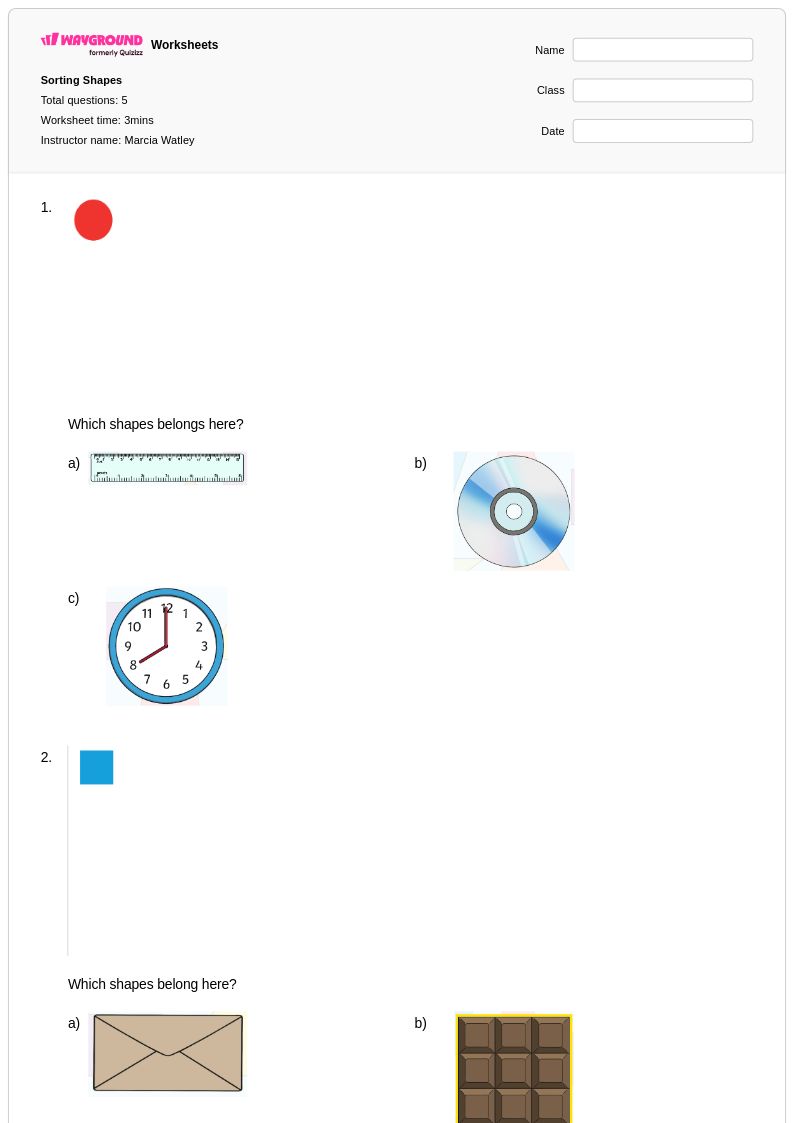
5 Q
KG

11 Q
3rd
6 Q
KG - 1st
18 Q
5th
10 Q
1st
16 Q
8th - Uni
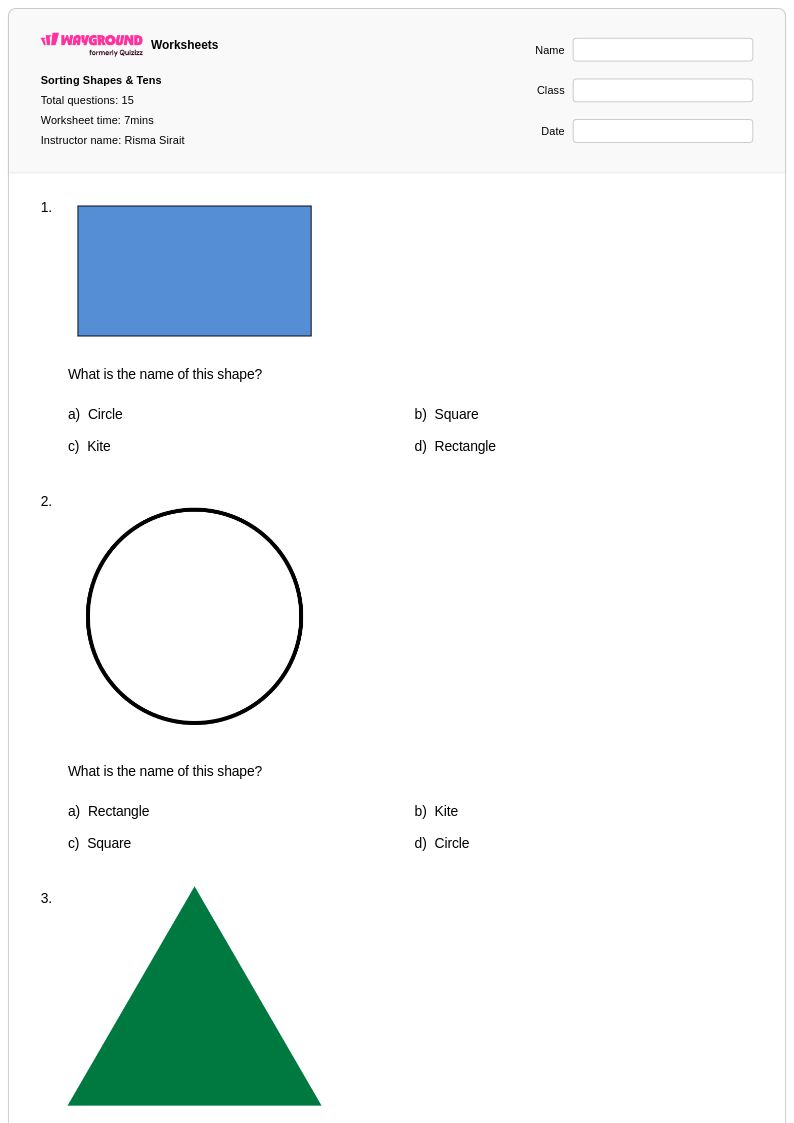
15 Q
KG - 1st
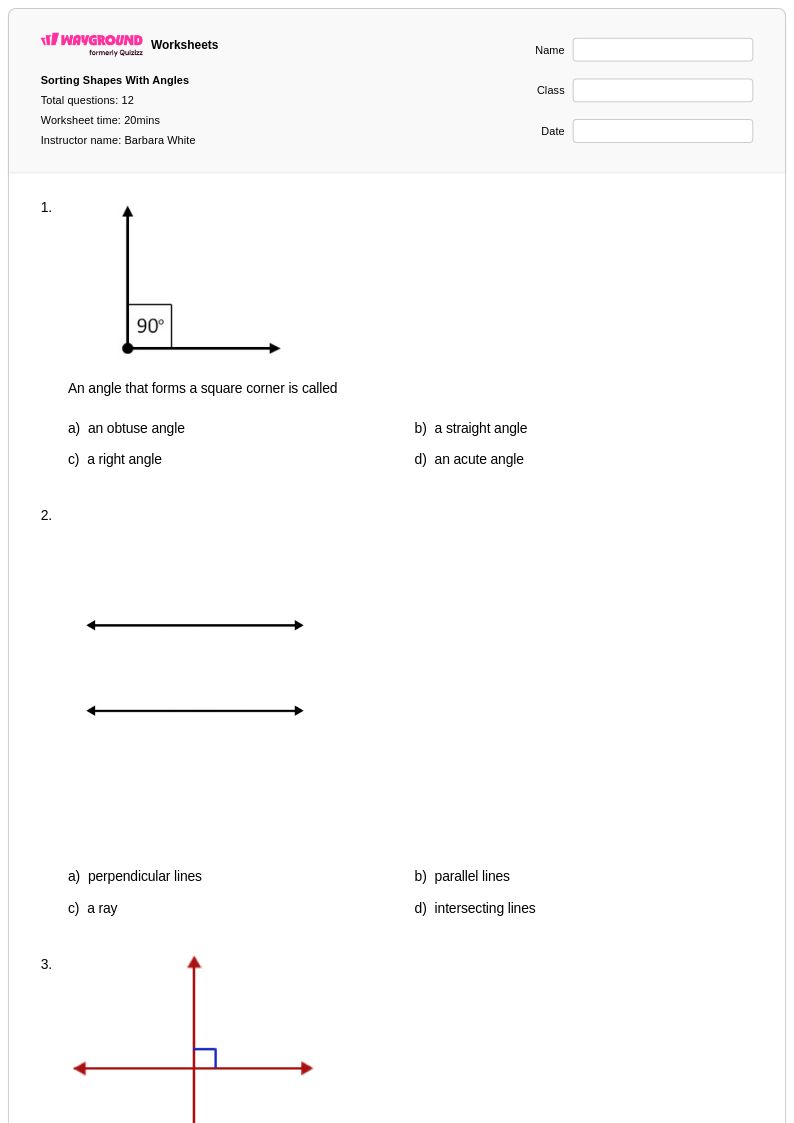
12 Q
4th
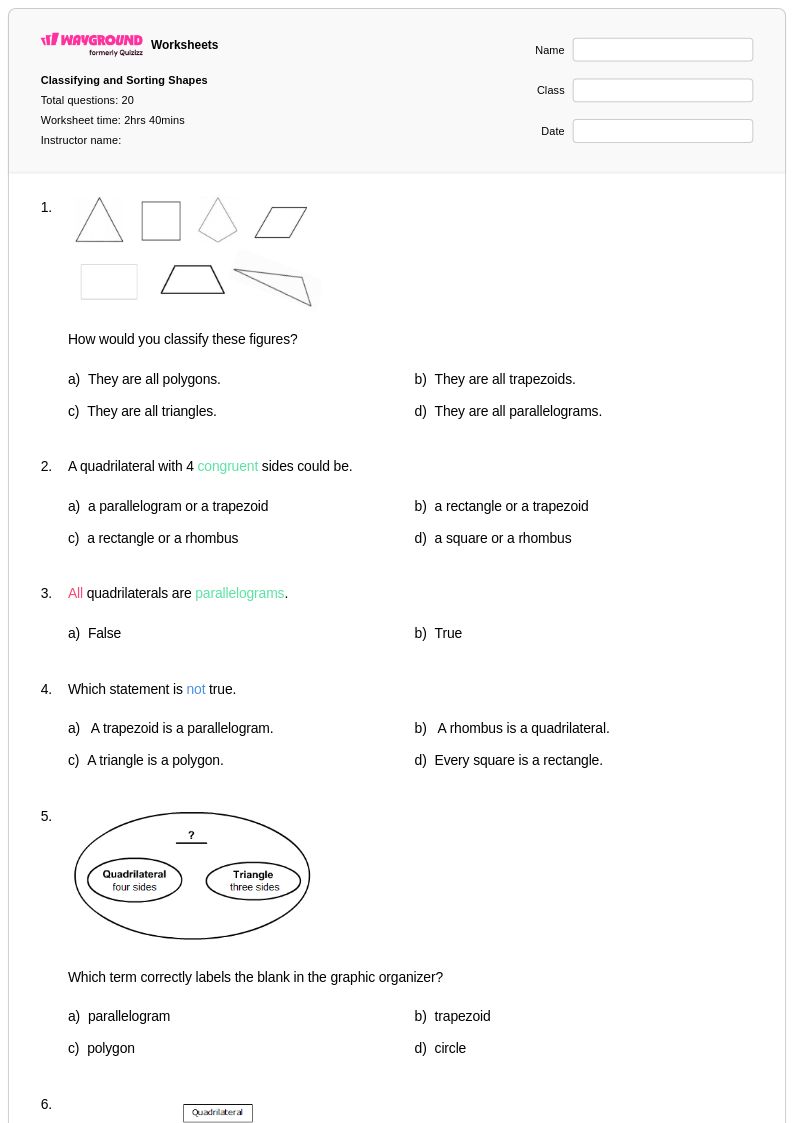
20 Q
5th
Explore Other Subject Worksheets for kindergarten
Explore printable Sorting Shapes worksheets for Kindergarten
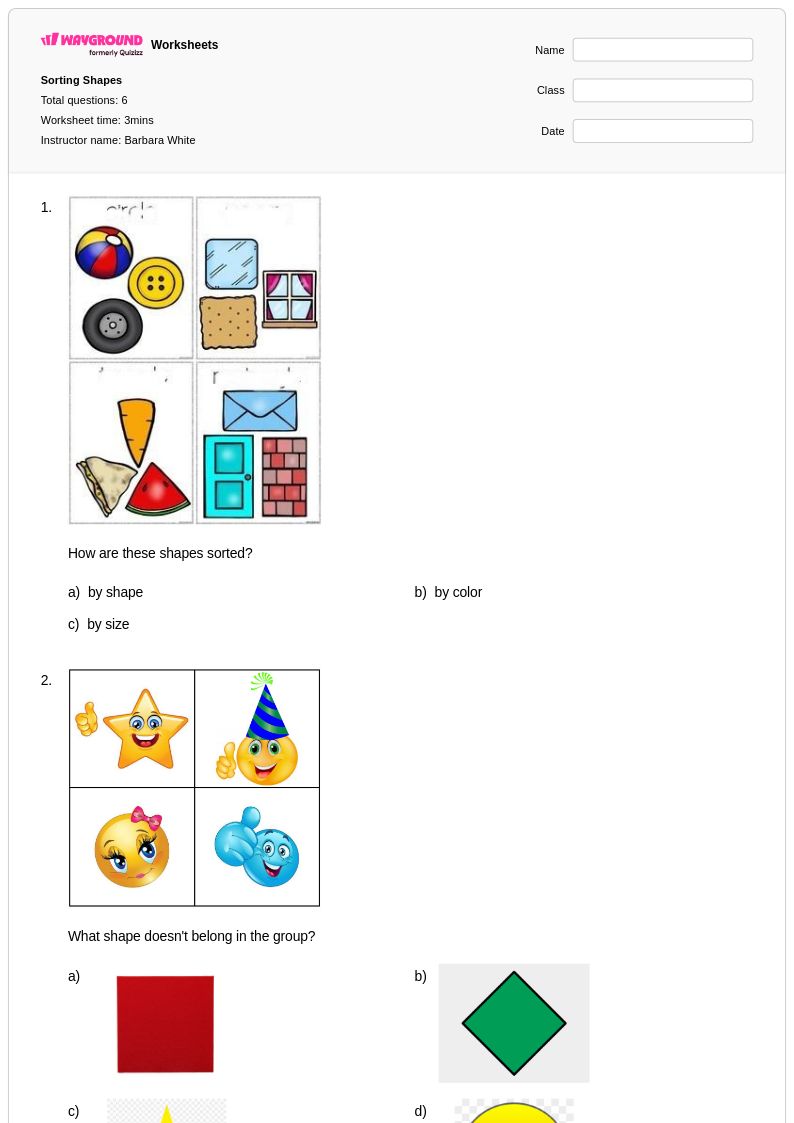
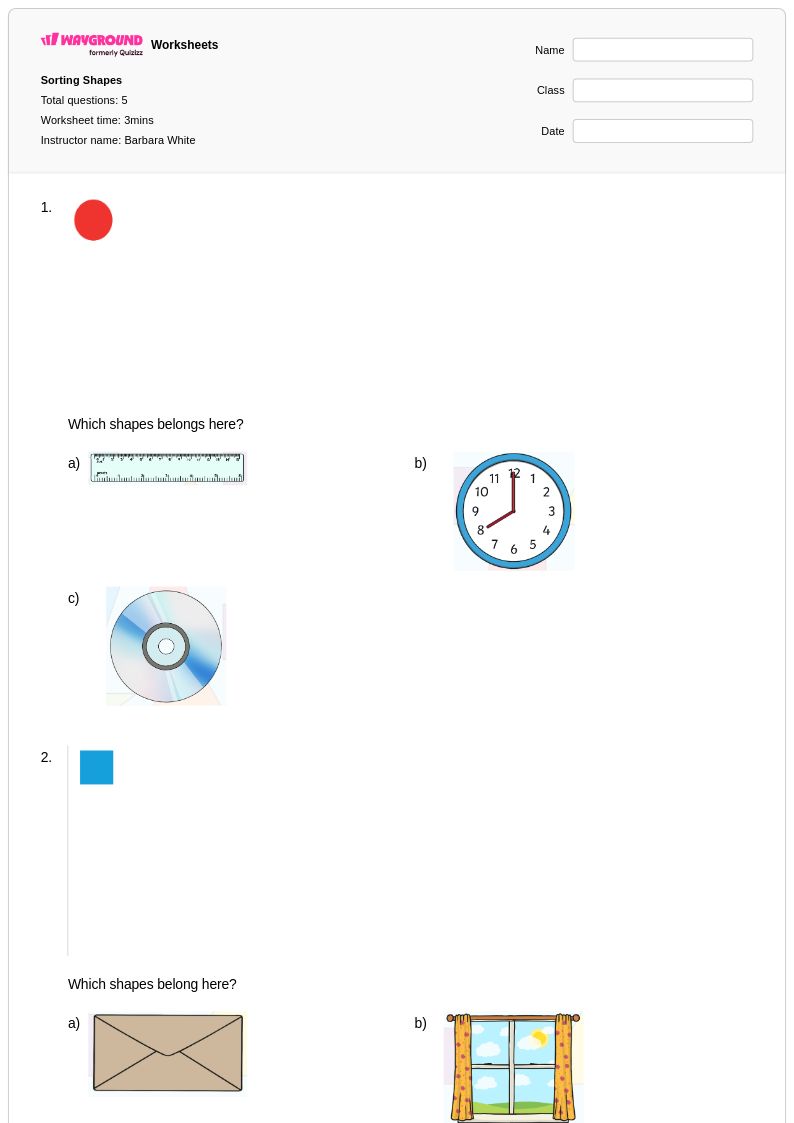
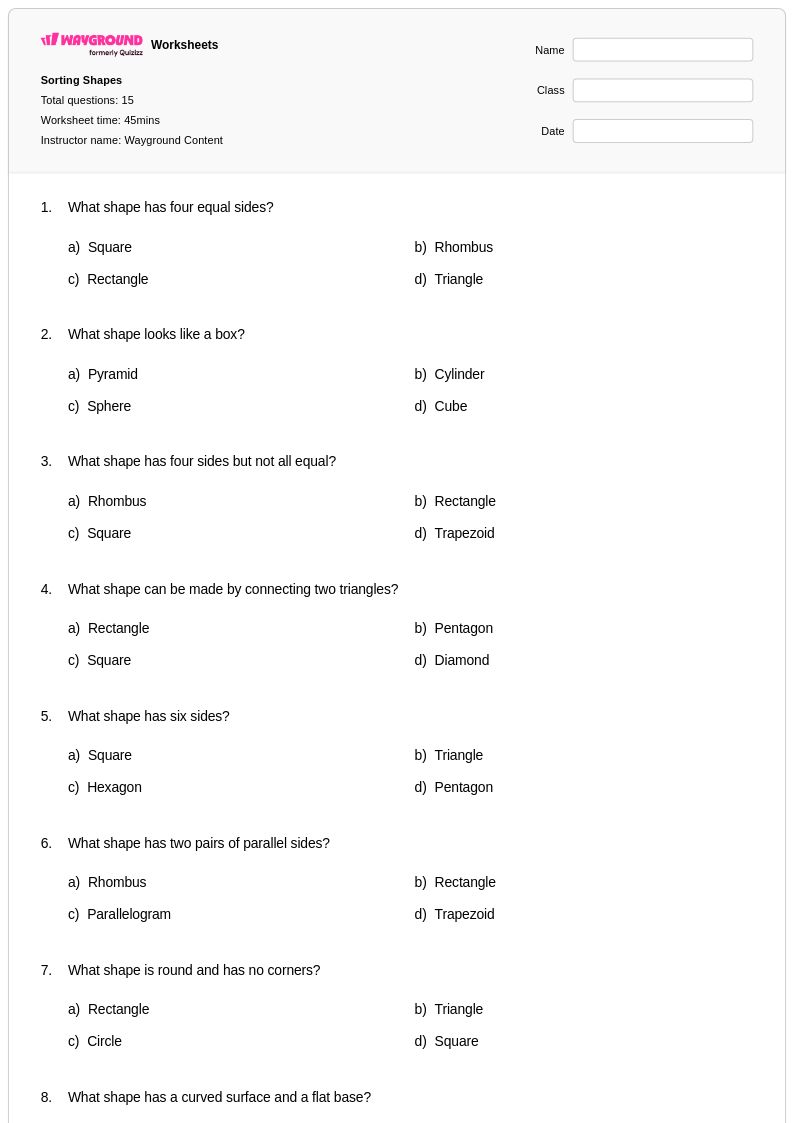
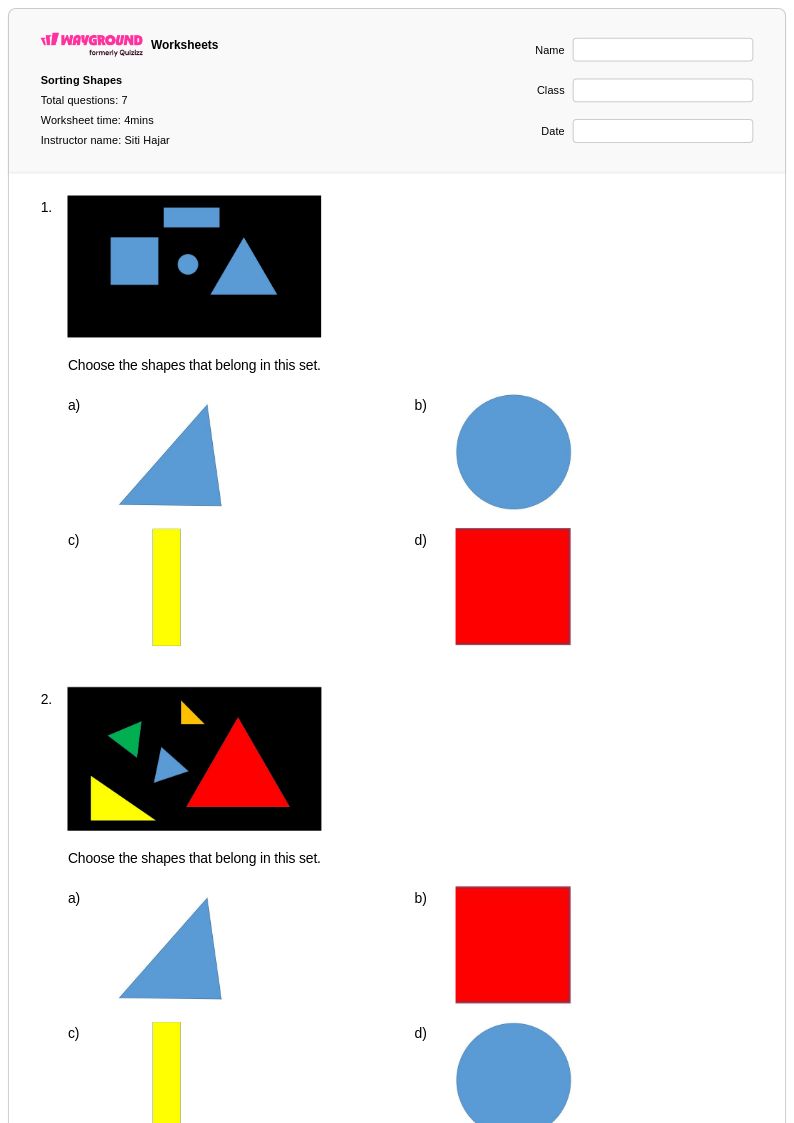
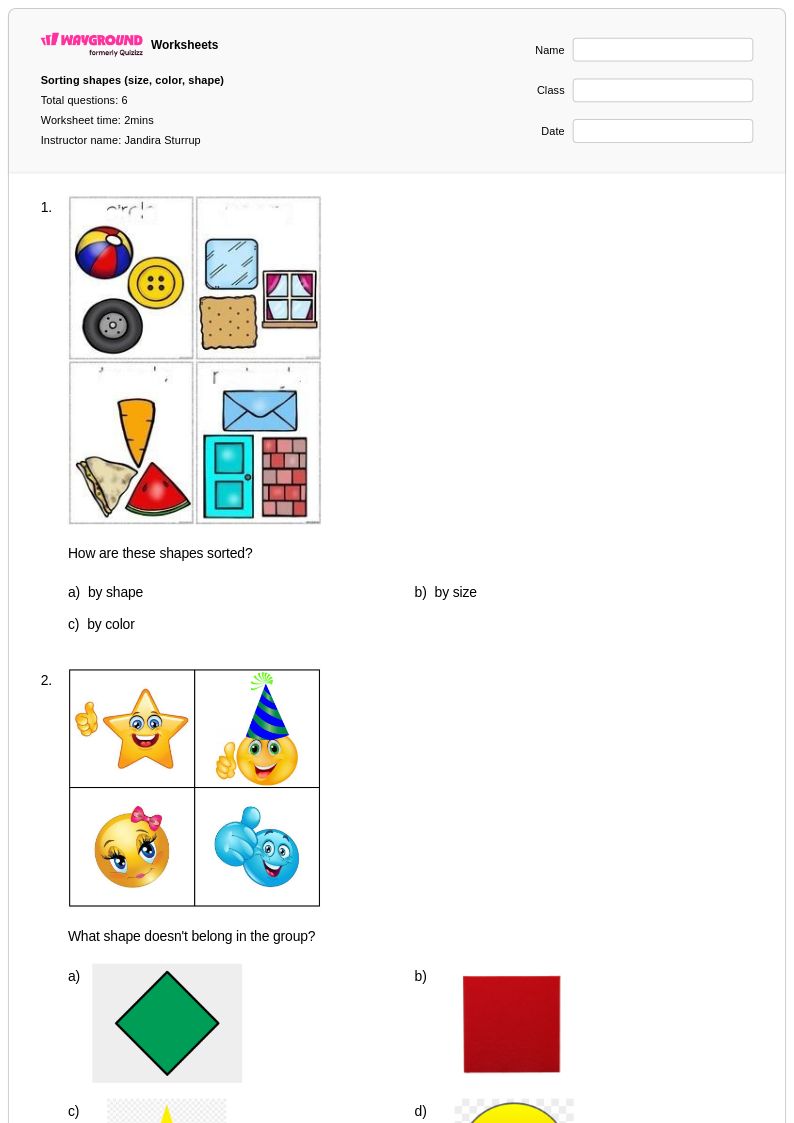
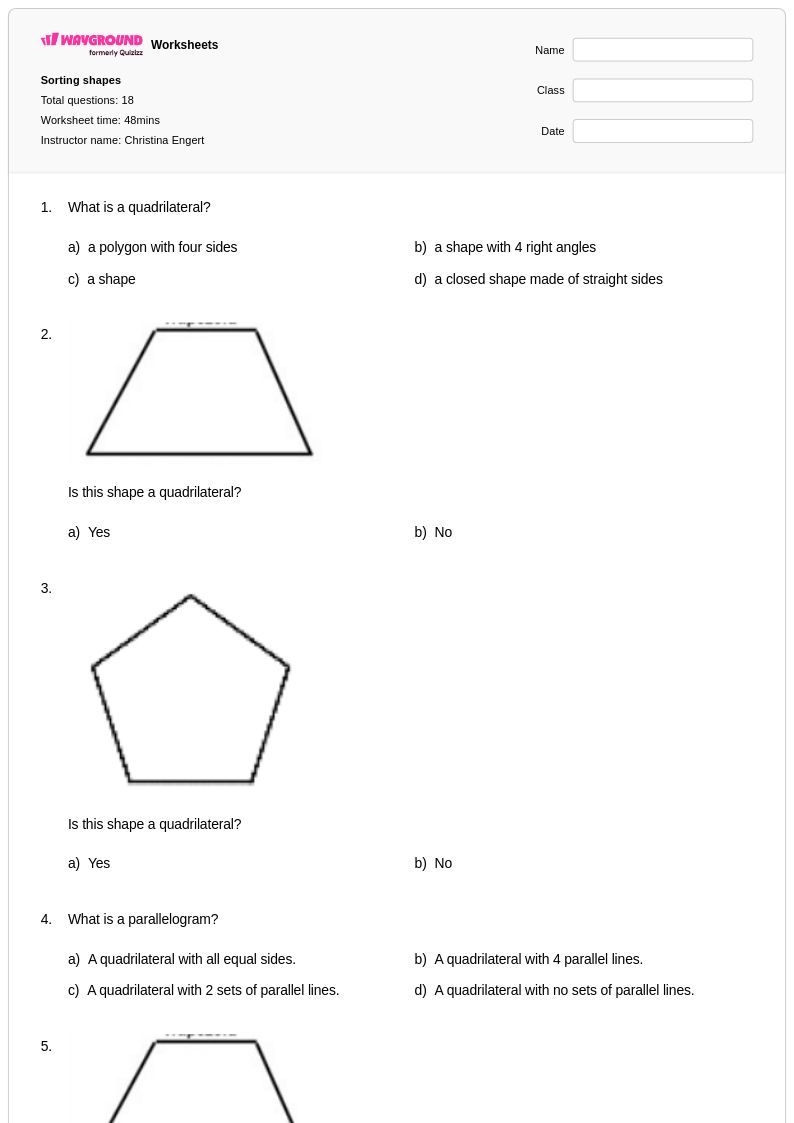
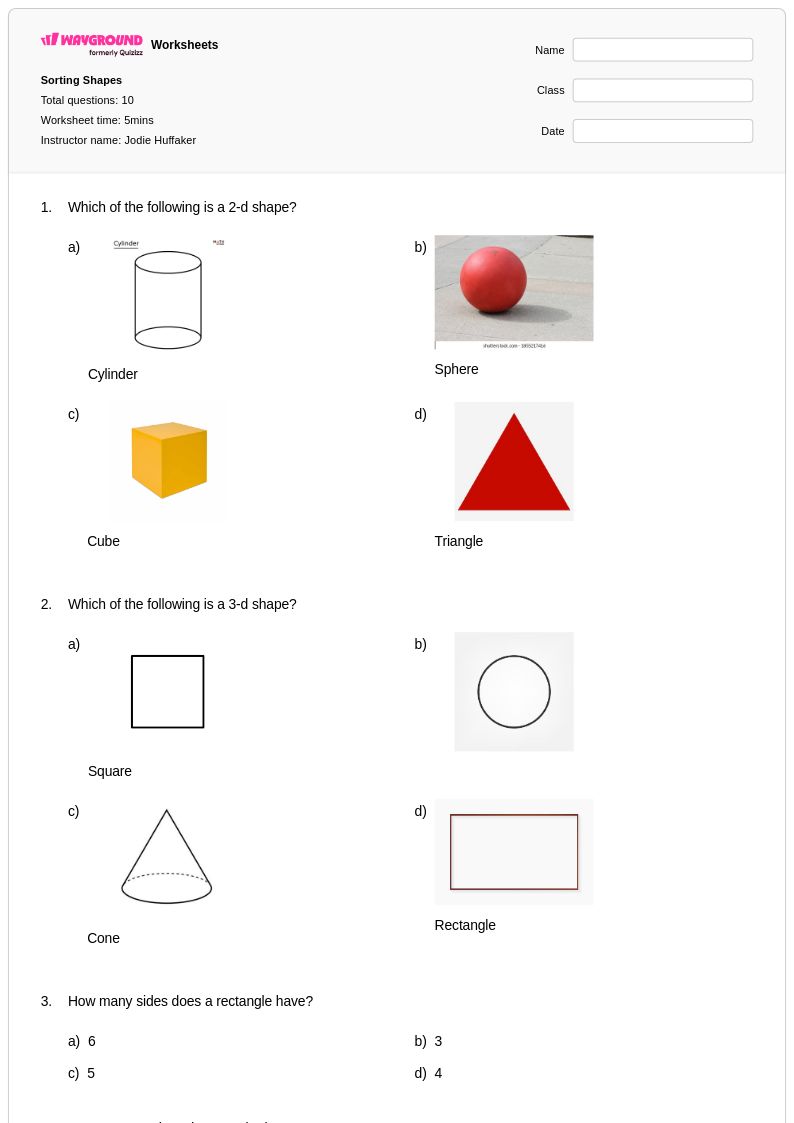
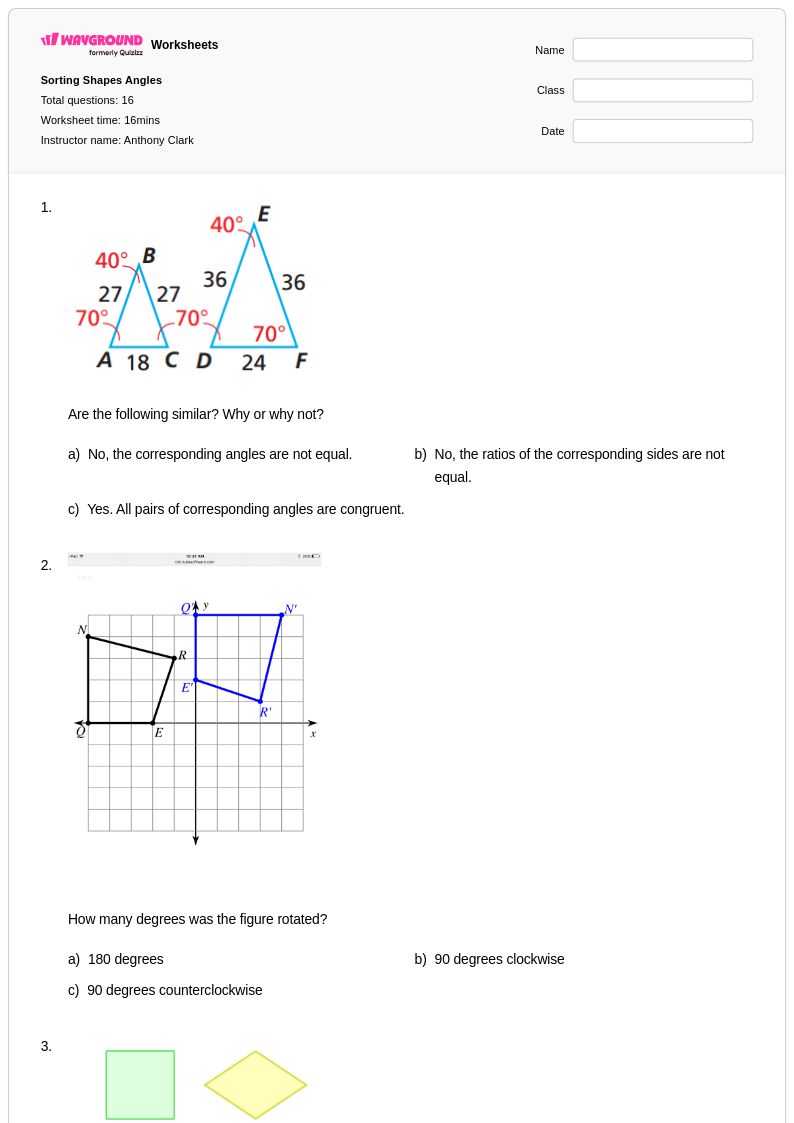
Sorting shapes worksheets for kindergarten provide young learners with essential foundational experiences in geometric recognition and classification skills. These carefully designed printables help students identify, compare, and categorize basic shapes such as circles, squares, triangles, and rectangles while developing critical thinking and visual discrimination abilities. Through engaging practice problems that encourage hands-on sorting activities, kindergarten students strengthen their understanding of shape attributes including size, color, and form. Each worksheet collection includes comprehensive answer keys and free pdf resources that support both independent practice and guided instruction, making shape recognition an accessible and enjoyable learning experience for beginning mathematicians.
Wayground (formerly Quizizz) empowers educators with an extensive library of millions of teacher-created sorting shapes resources specifically designed for kindergarten mathematics instruction. The platform's robust search and filtering capabilities allow teachers to quickly locate worksheets that align with curriculum standards and meet diverse classroom needs, whether for initial skill introduction, targeted remediation, or advanced enrichment activities. These customizable materials are available in both printable and digital formats, including downloadable pdfs that seamlessly integrate into lesson planning and homework assignments. The comprehensive differentiation tools enable teachers to modify content difficulty and presentation style, ensuring that every kindergarten student can successfully engage with shape sorting concepts while building confidence in their early geometry skills.
FAQs
How do I teach sorting shapes in kindergarten?
What are good shape-sorting activities for kindergarten?
What mistakes do kindergarteners make when sorting shapes?
How can I use a kindergarten sorting shapes worksheet?
Is sorting shapes part of the Common Core kindergarten curriculum?
How can I support kindergarteners who struggle with shape sorting?
What grade do students learn to sort shapes?