
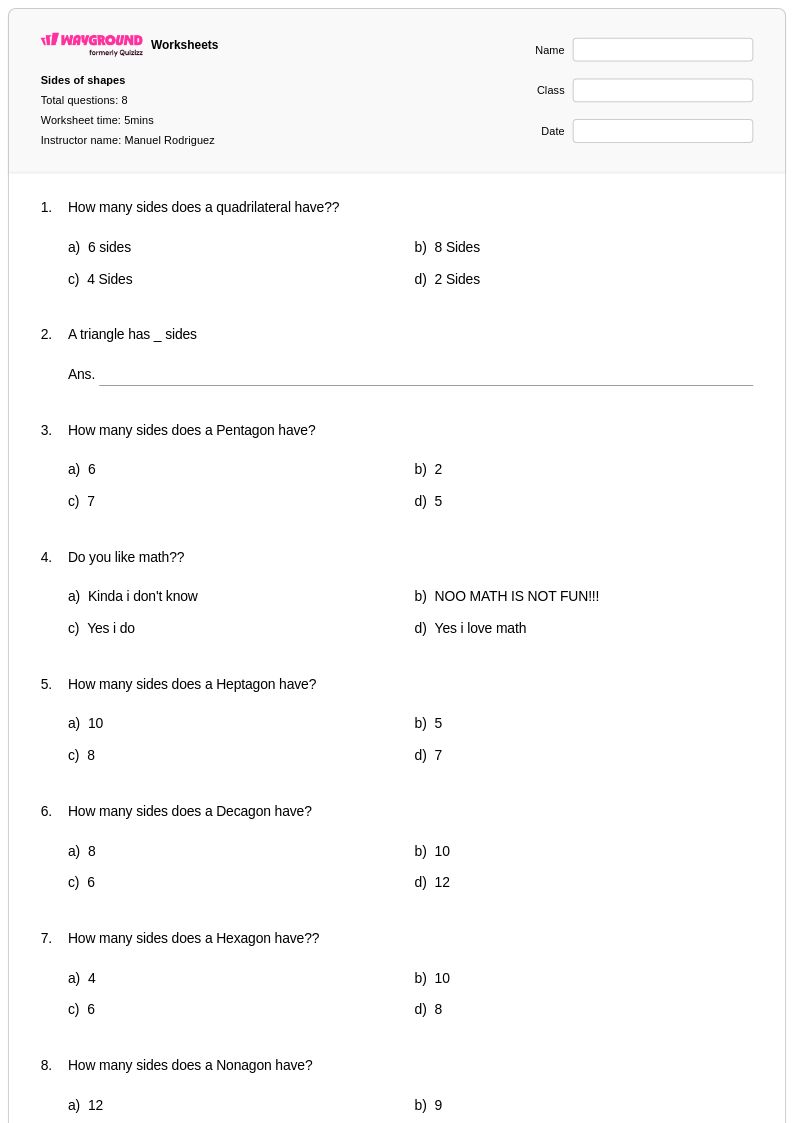
8 Q
KG - Uni
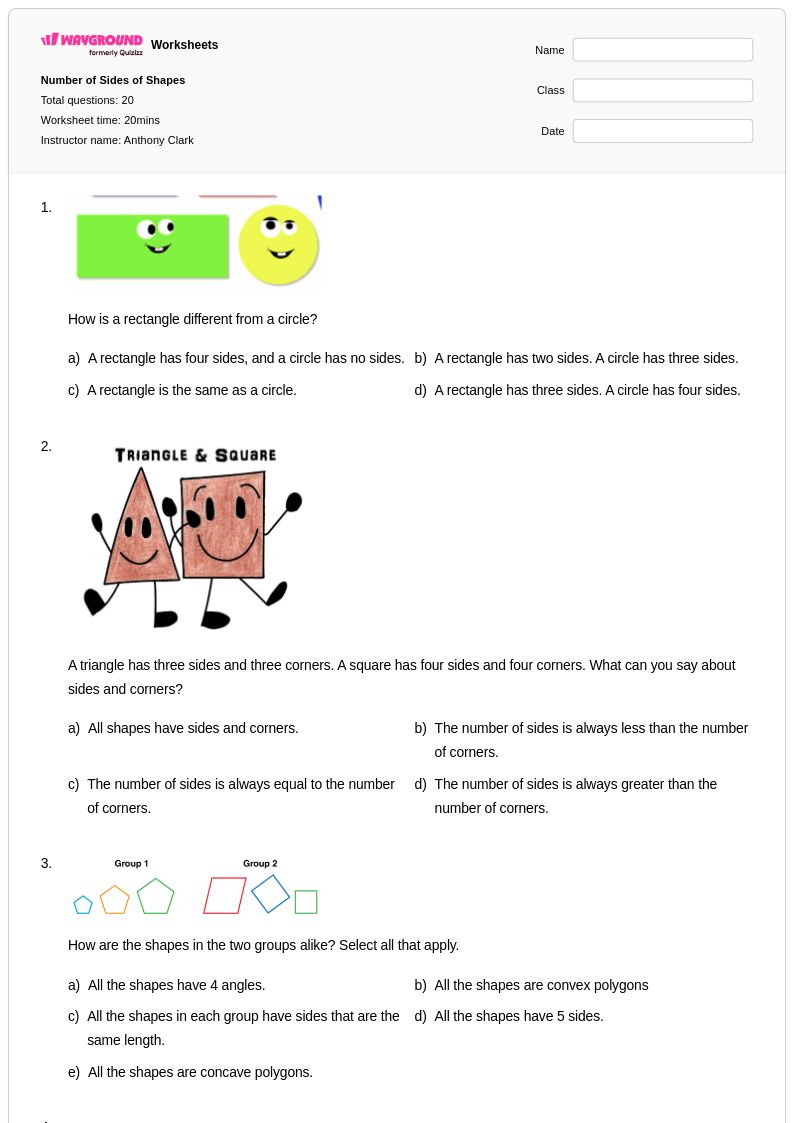
20 Q
3rd - Uni
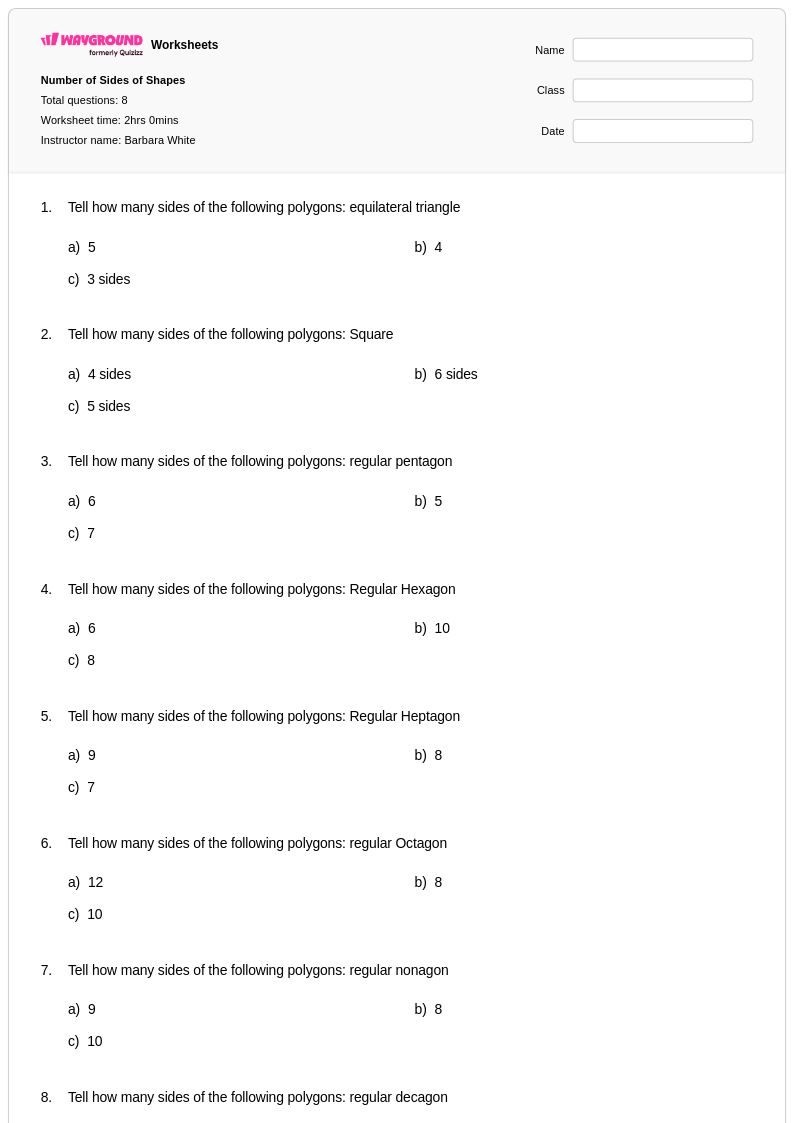
8 Q
3rd
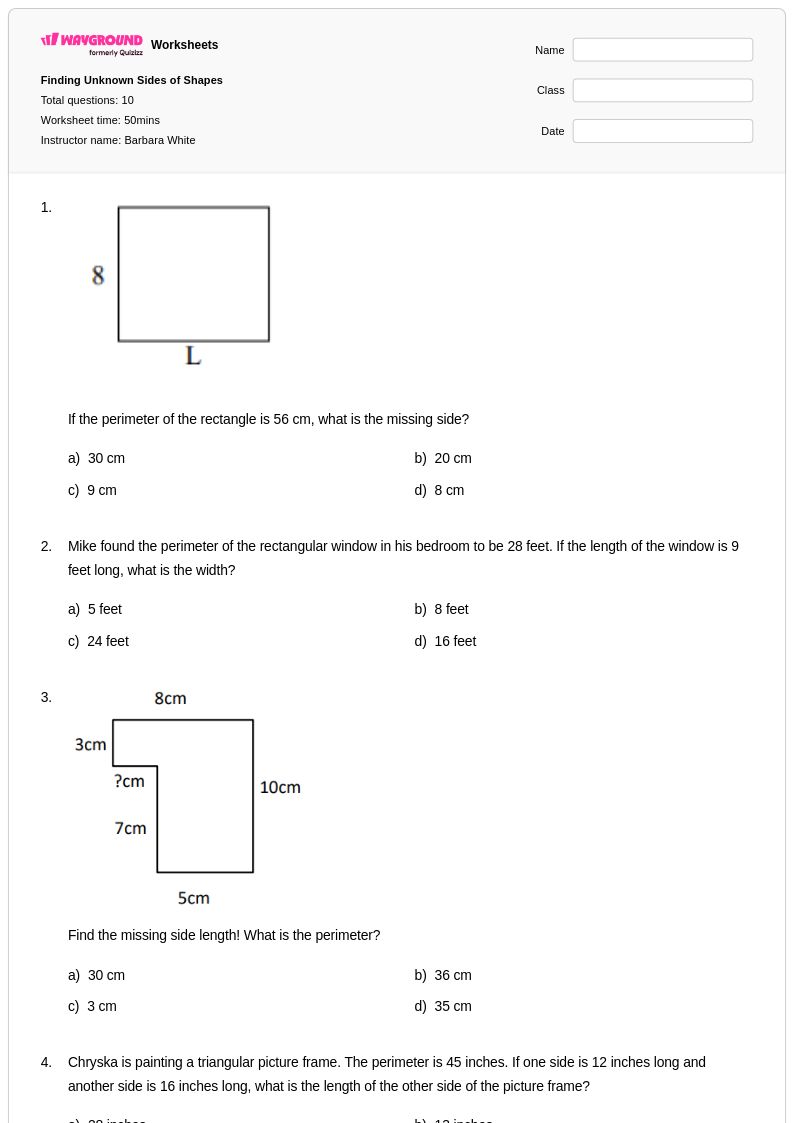
10 Q
3rd
16 Q
6th
20 Q
3rd
13 Q
3rd
8 Q
2nd
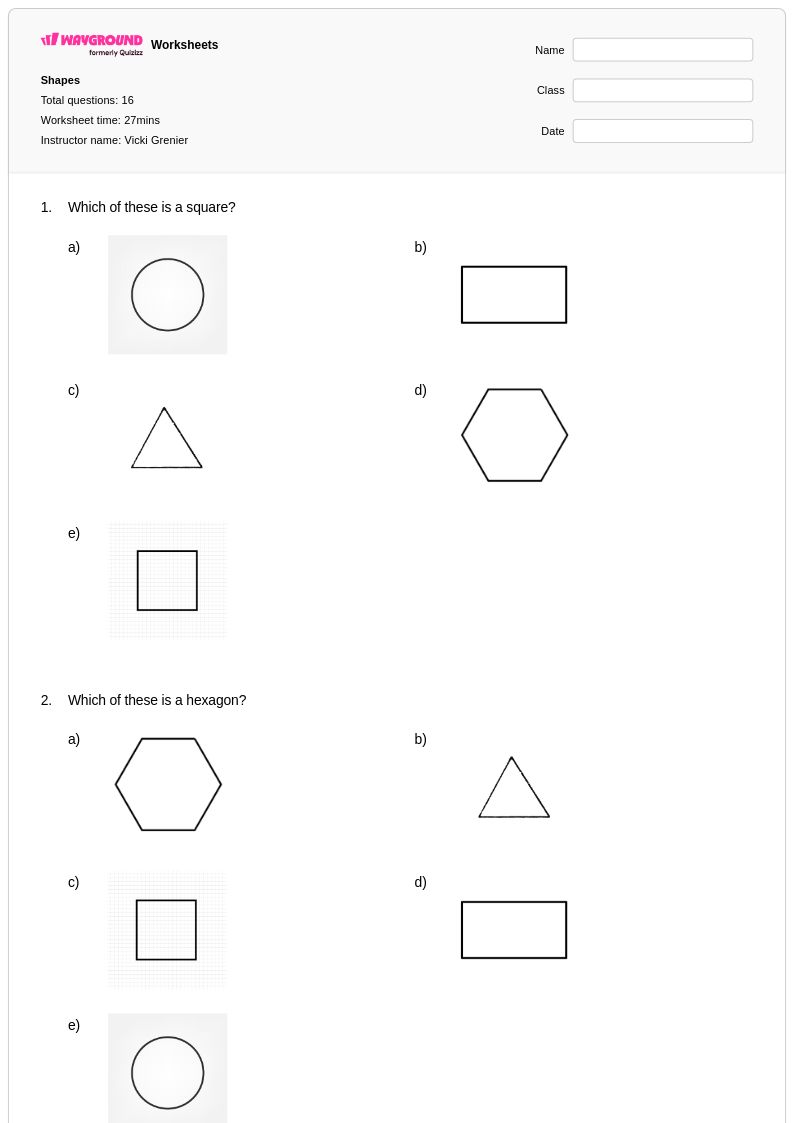
16 Q
KG
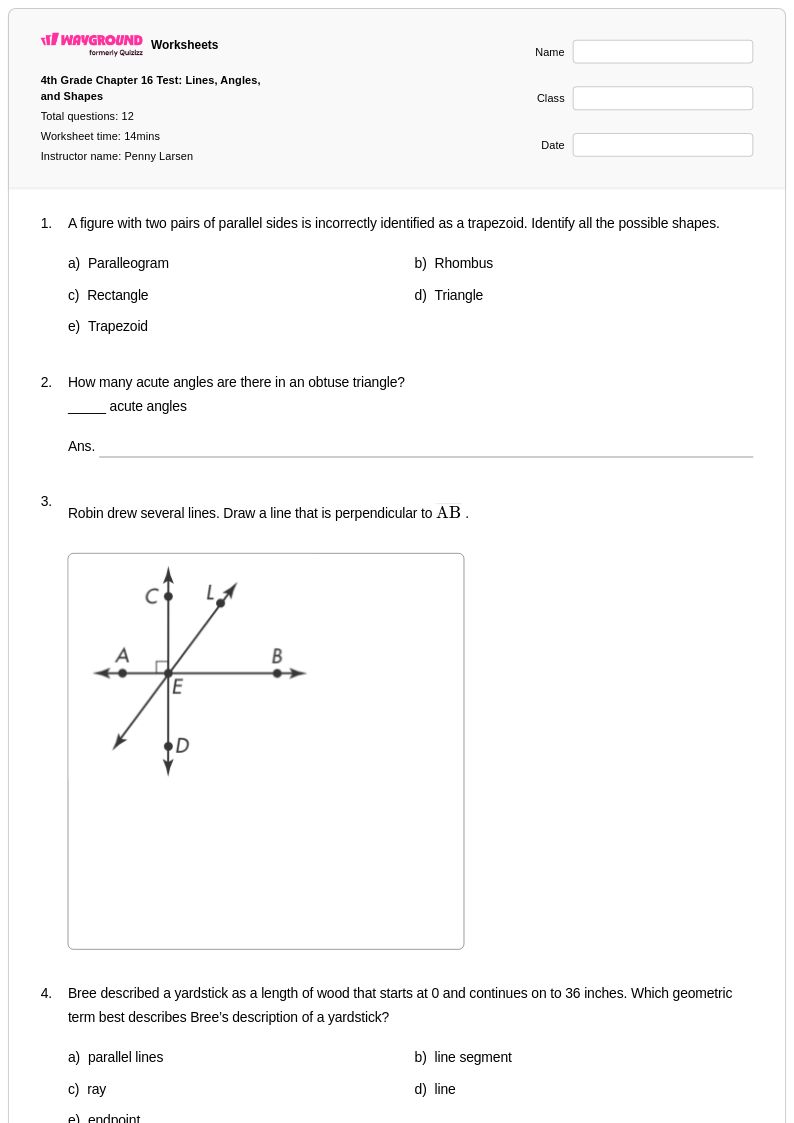
12 Q
4th
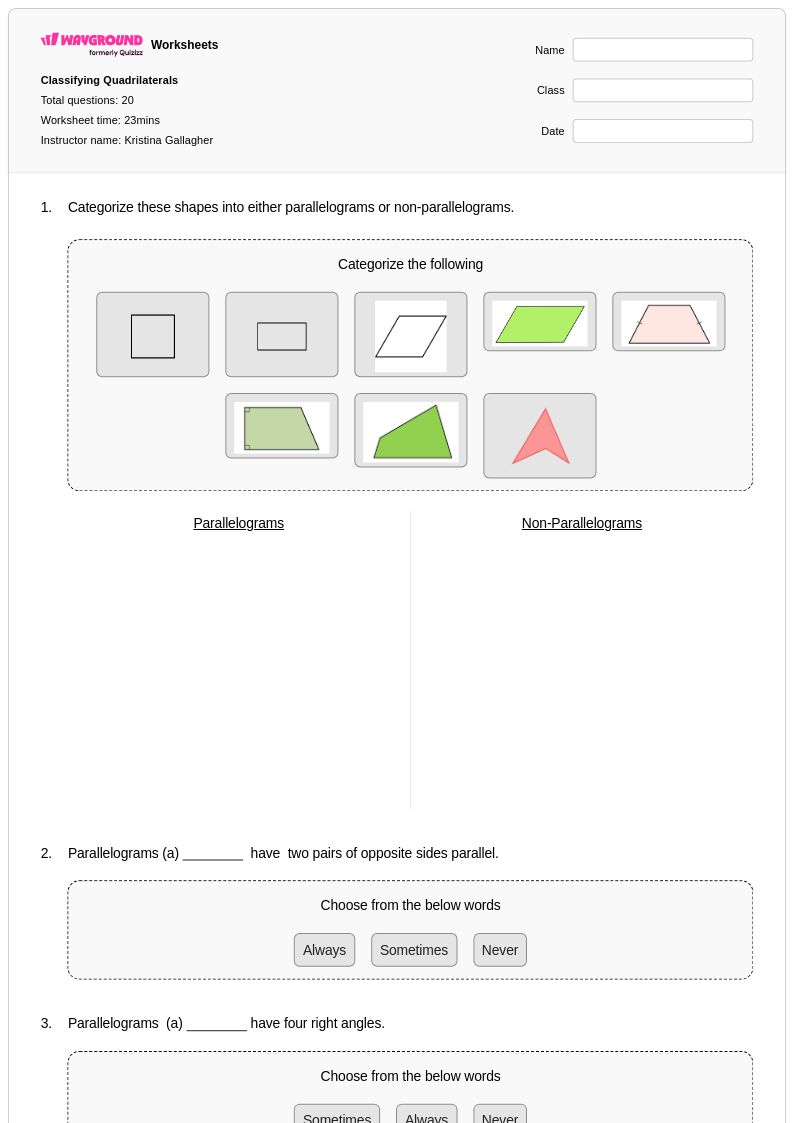
20 Q
5th
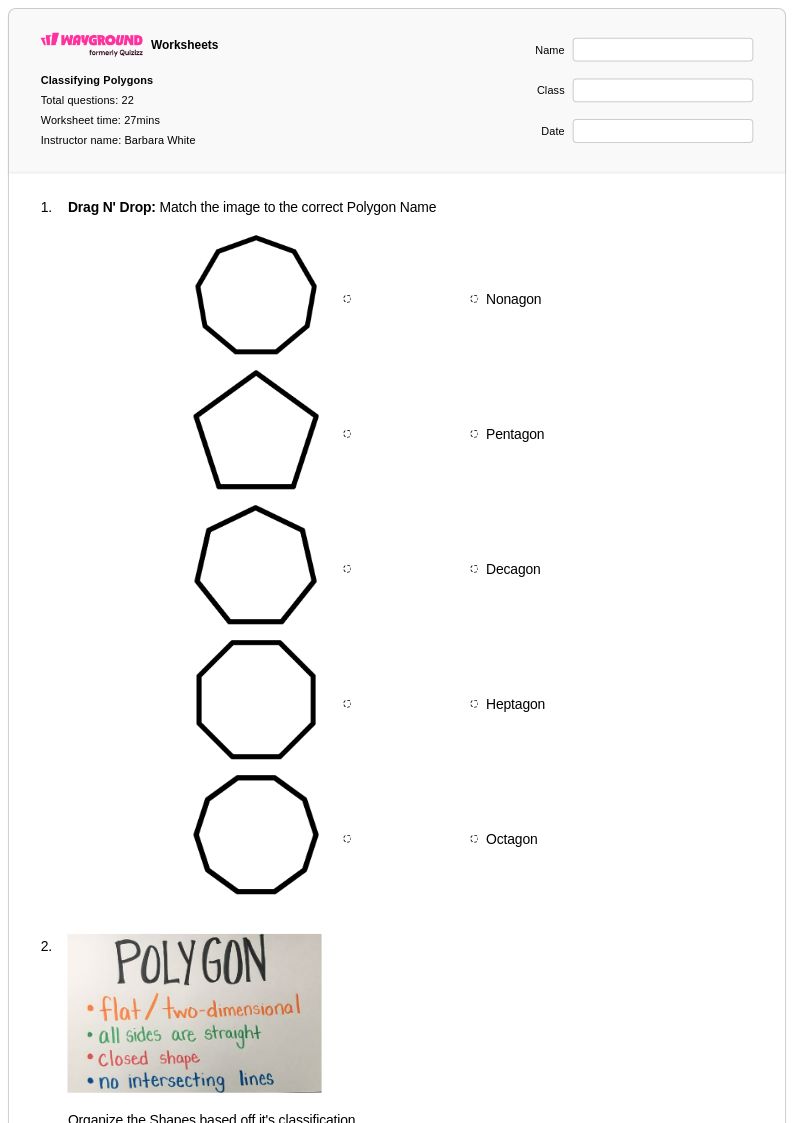
22 Q
5th
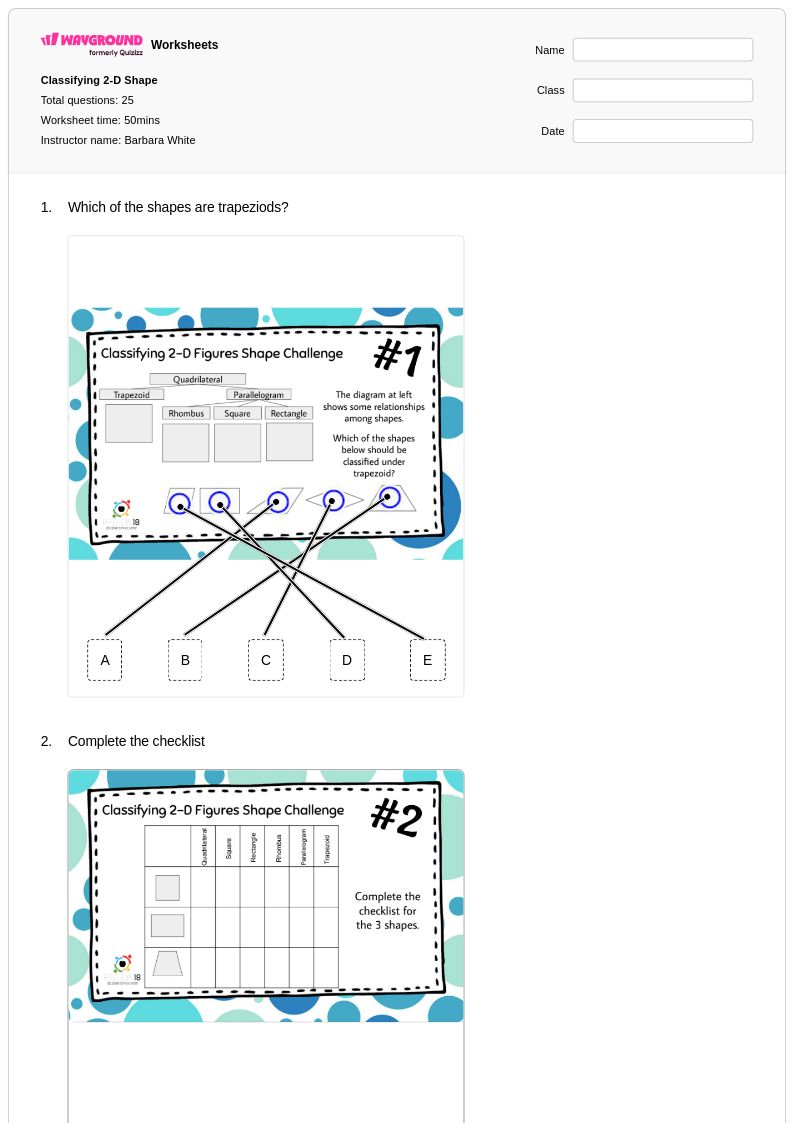
25 Q
5th
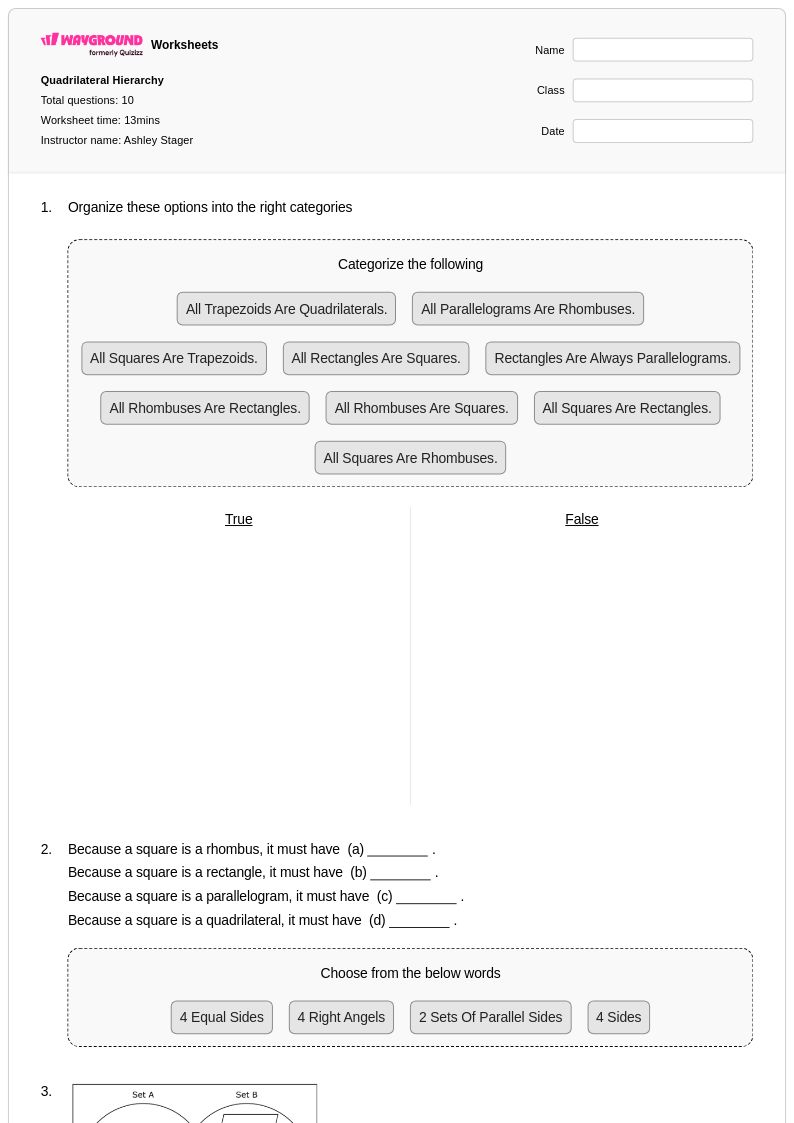
10 Q
5th
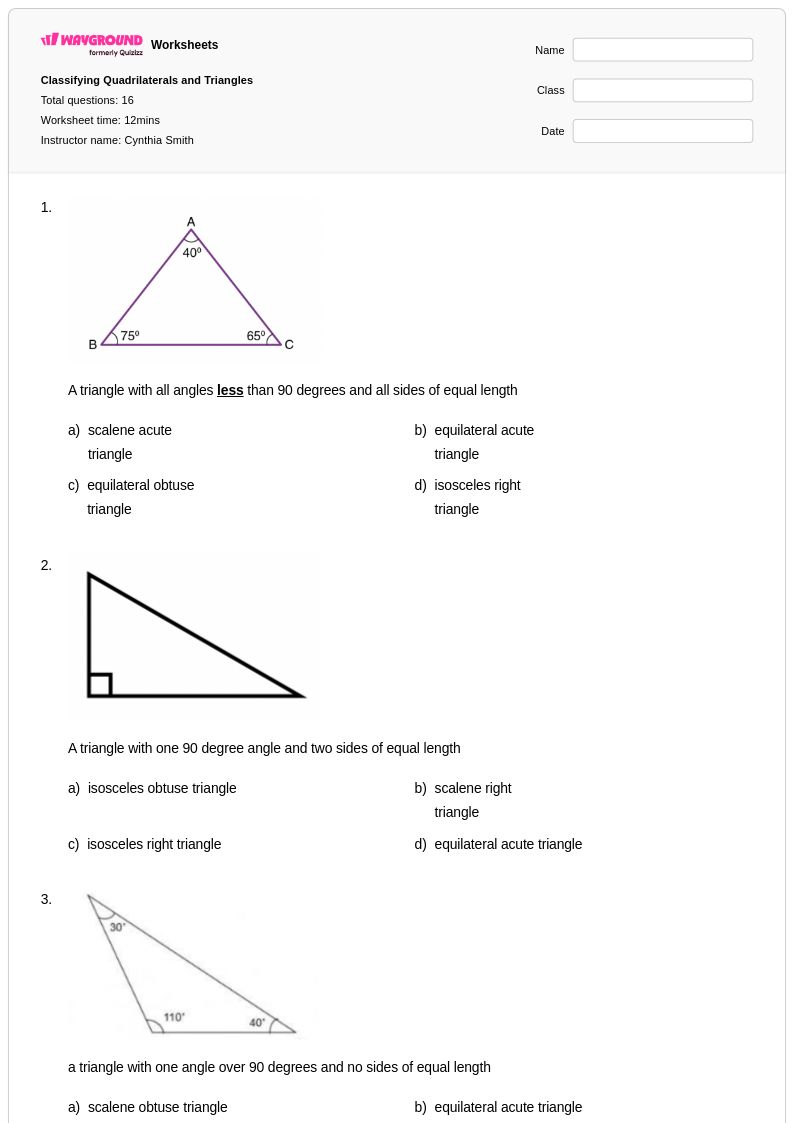
16 Q
5th
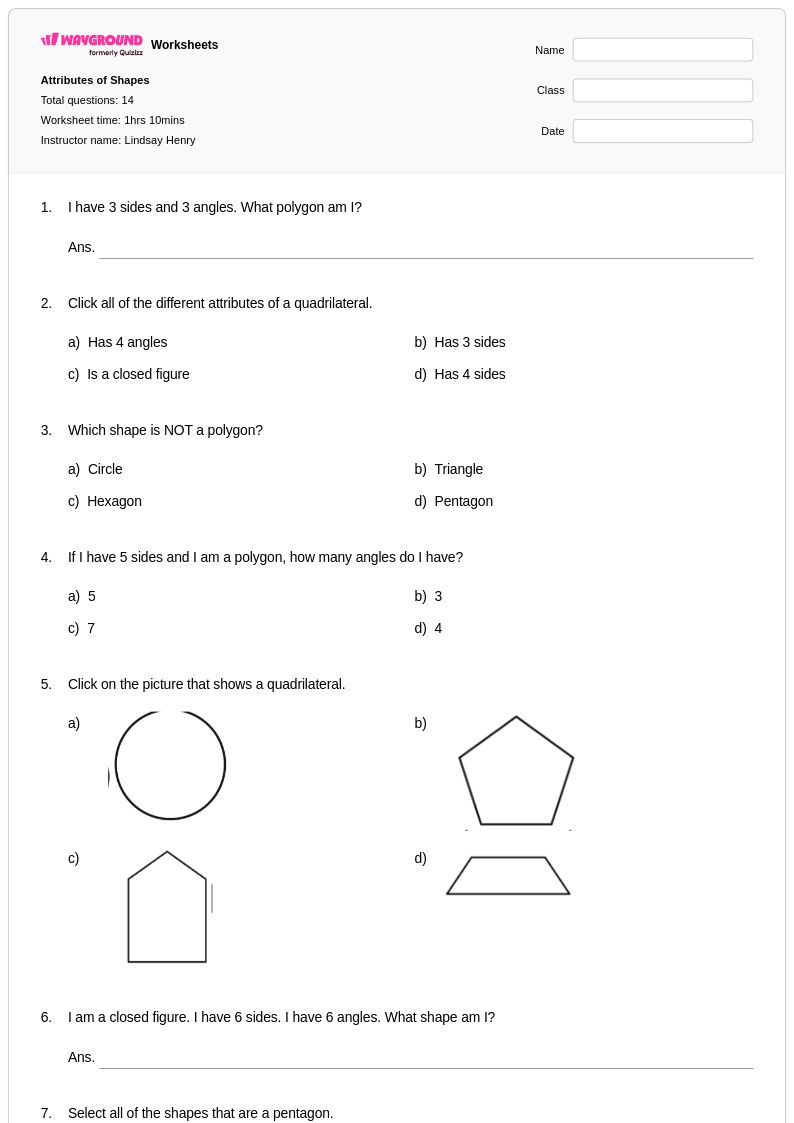
14 Q
2nd
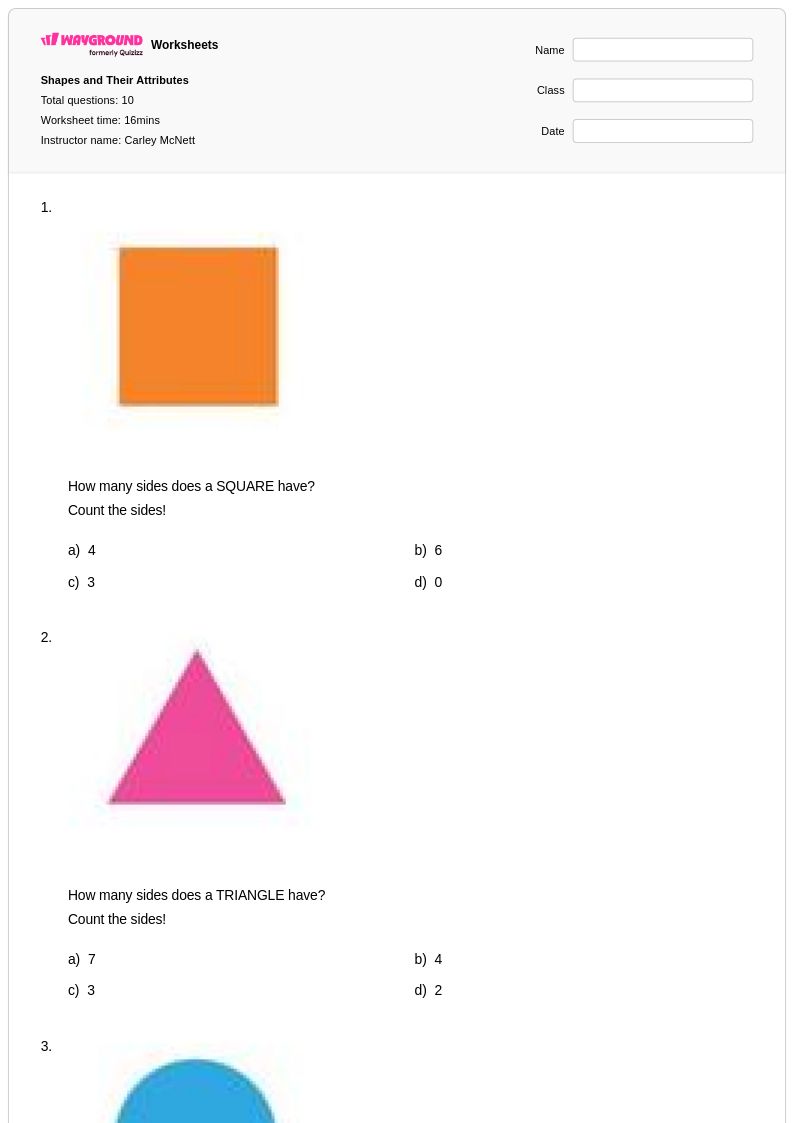
10 Q
2nd
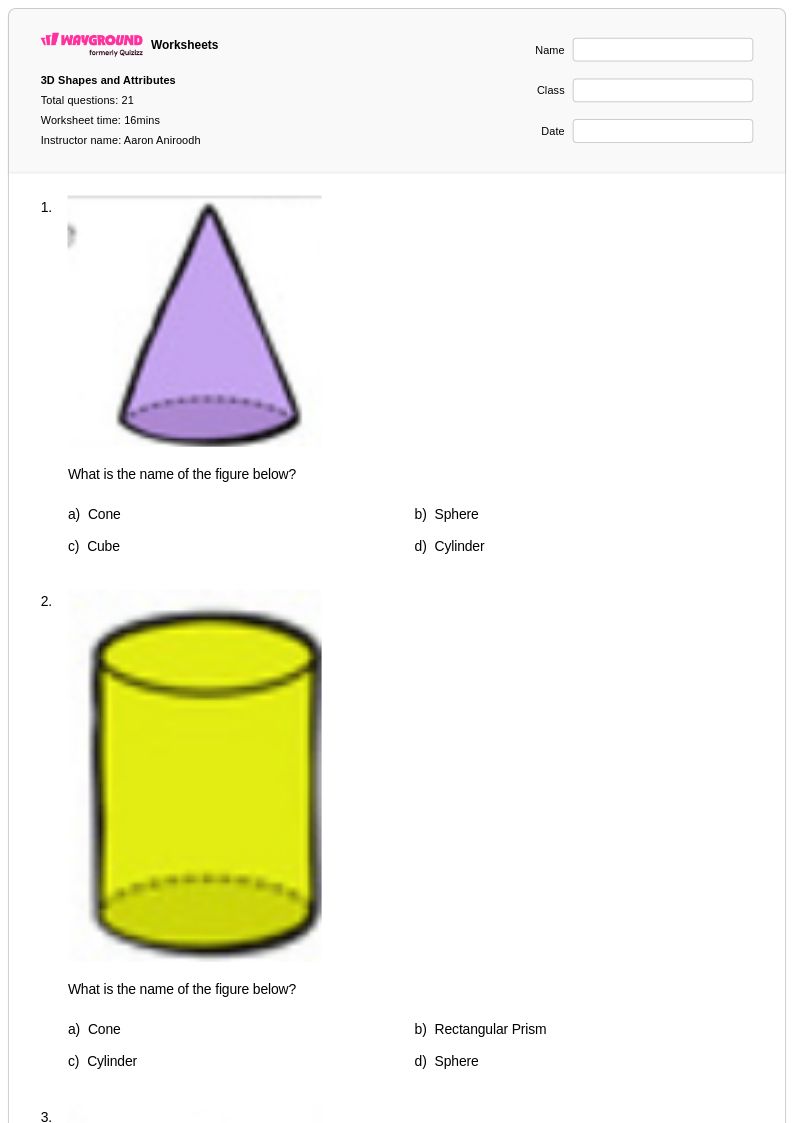
21 Q
3rd
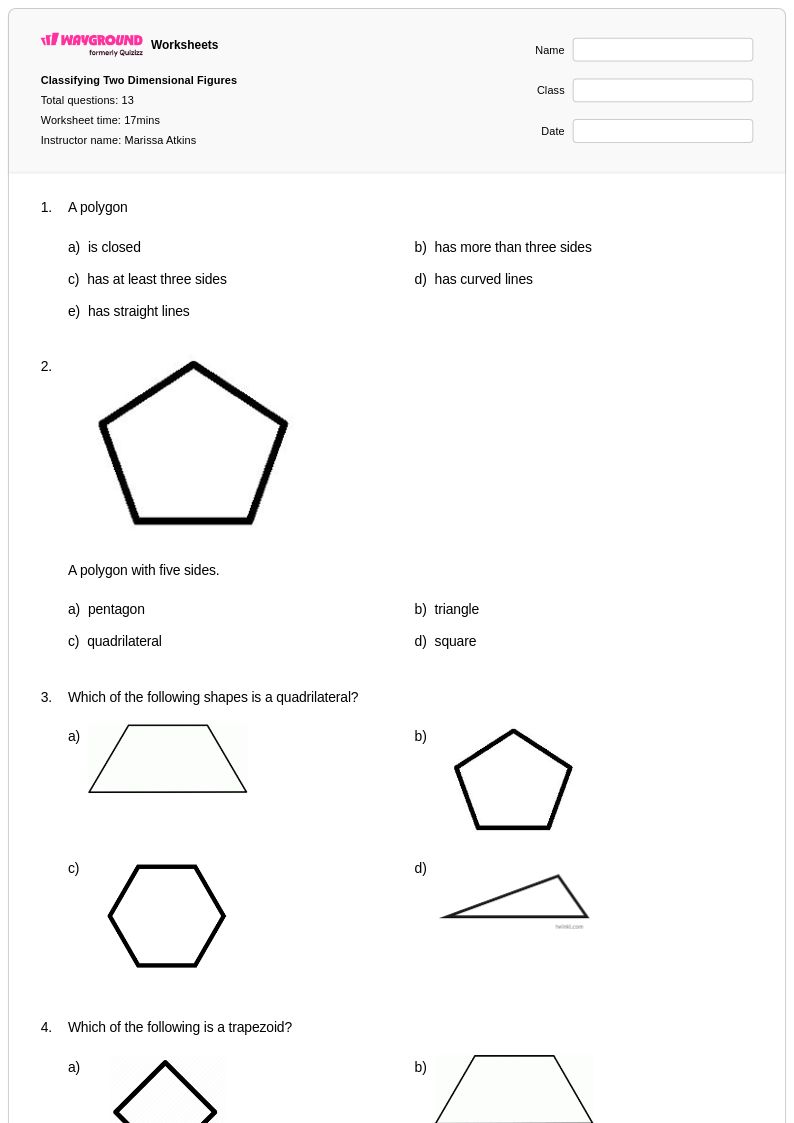
13 Q
5th
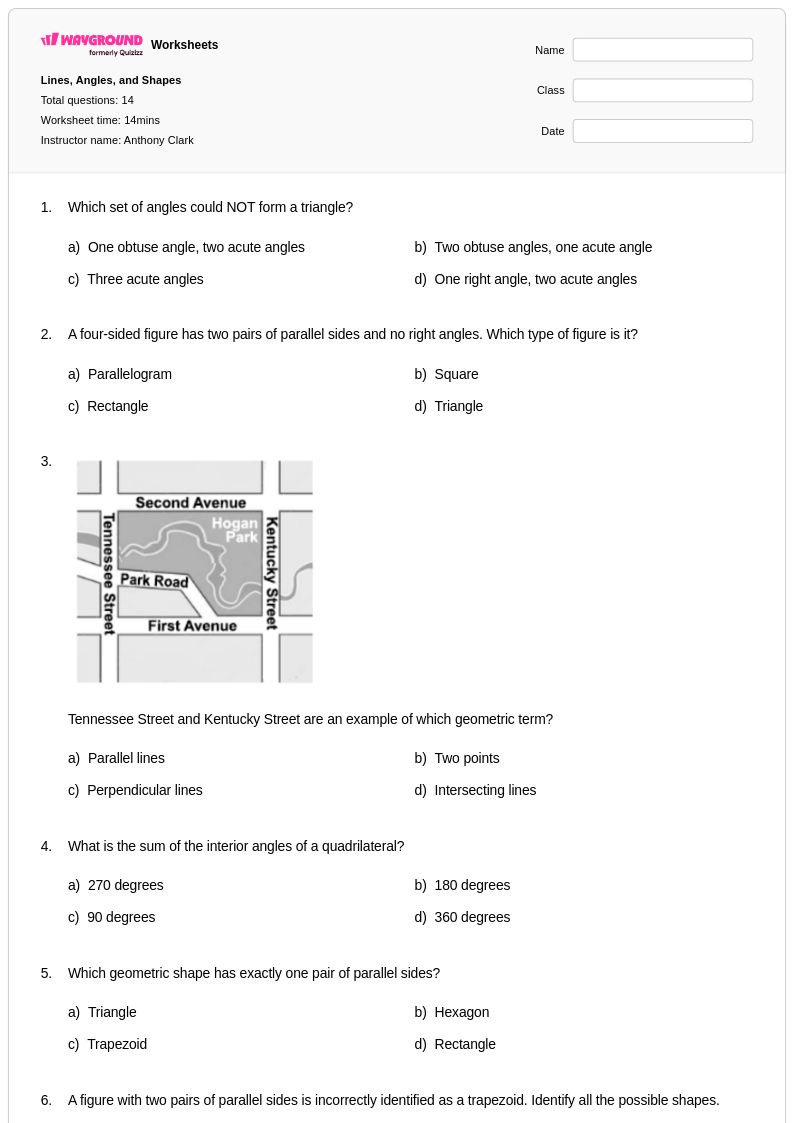
14 Q
4th - Uni
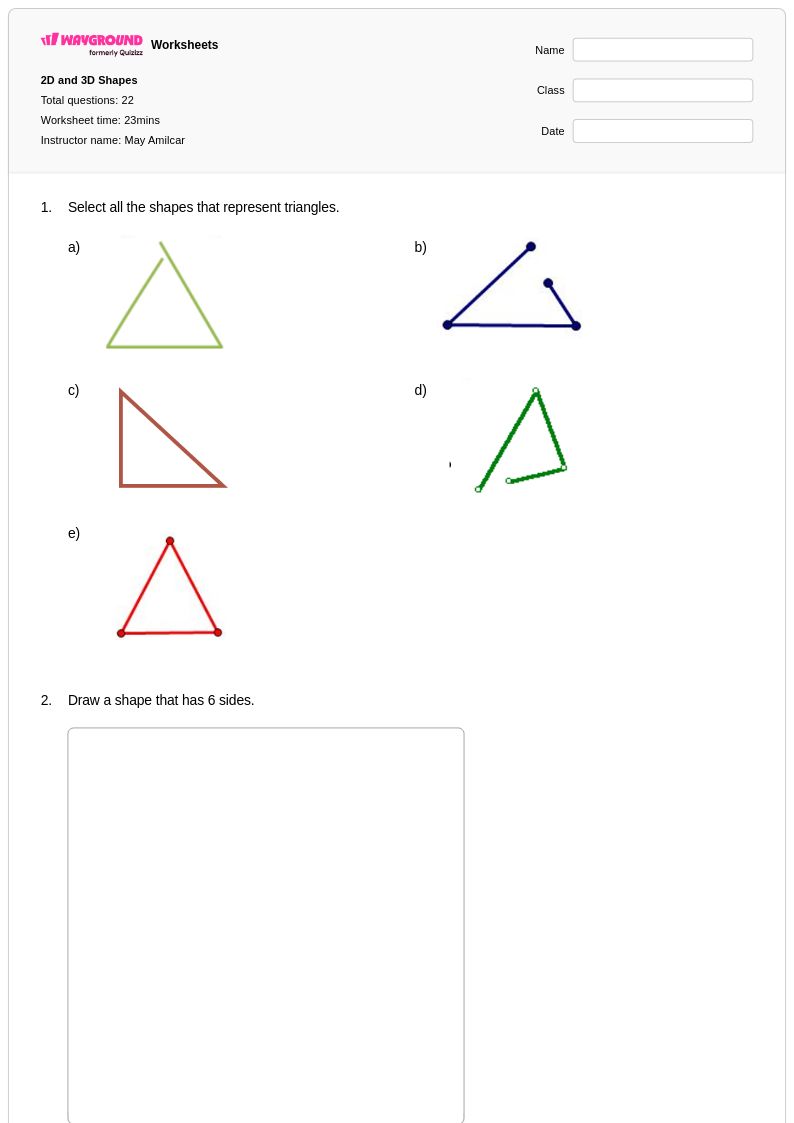
22 Q
1st
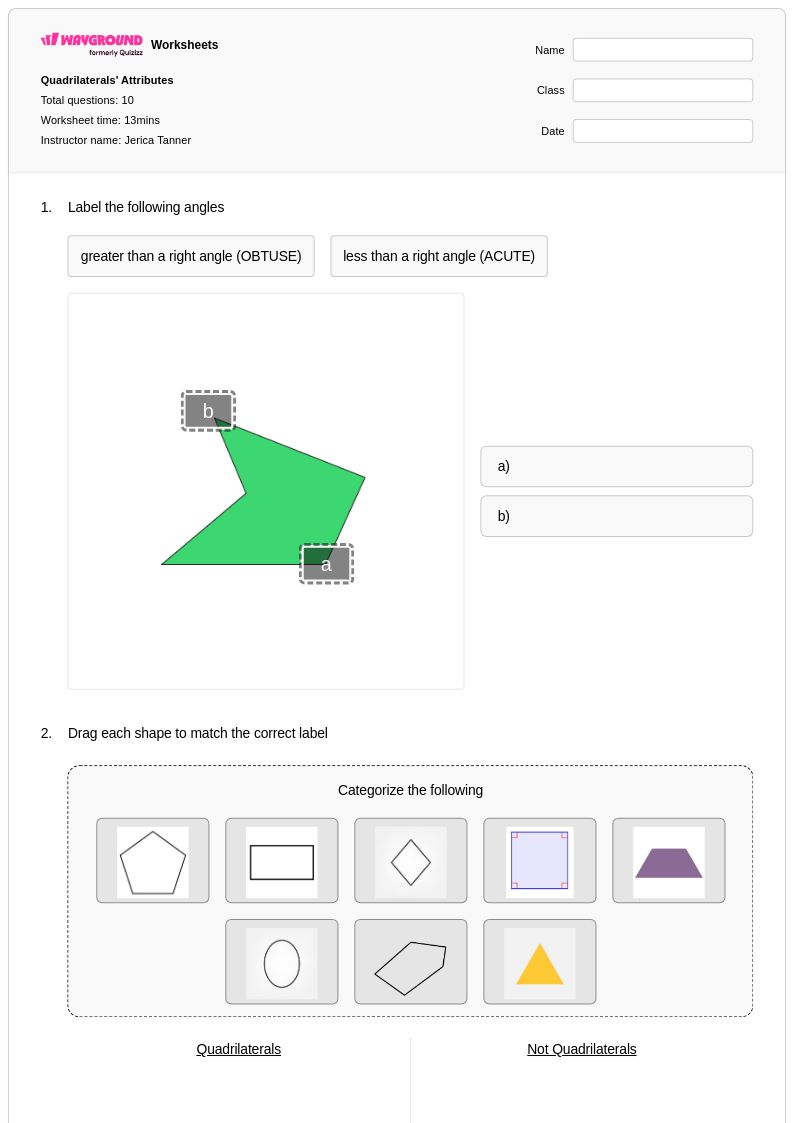
10 Q
3rd
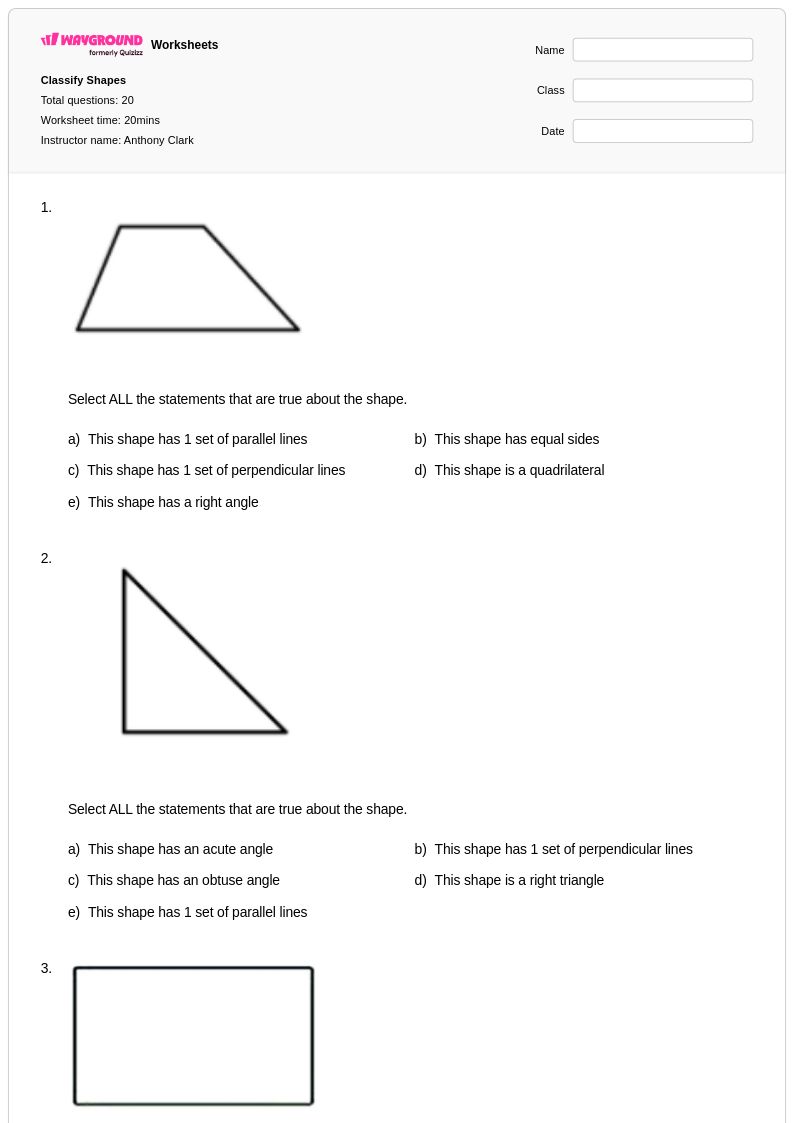
20 Q
5th - Uni
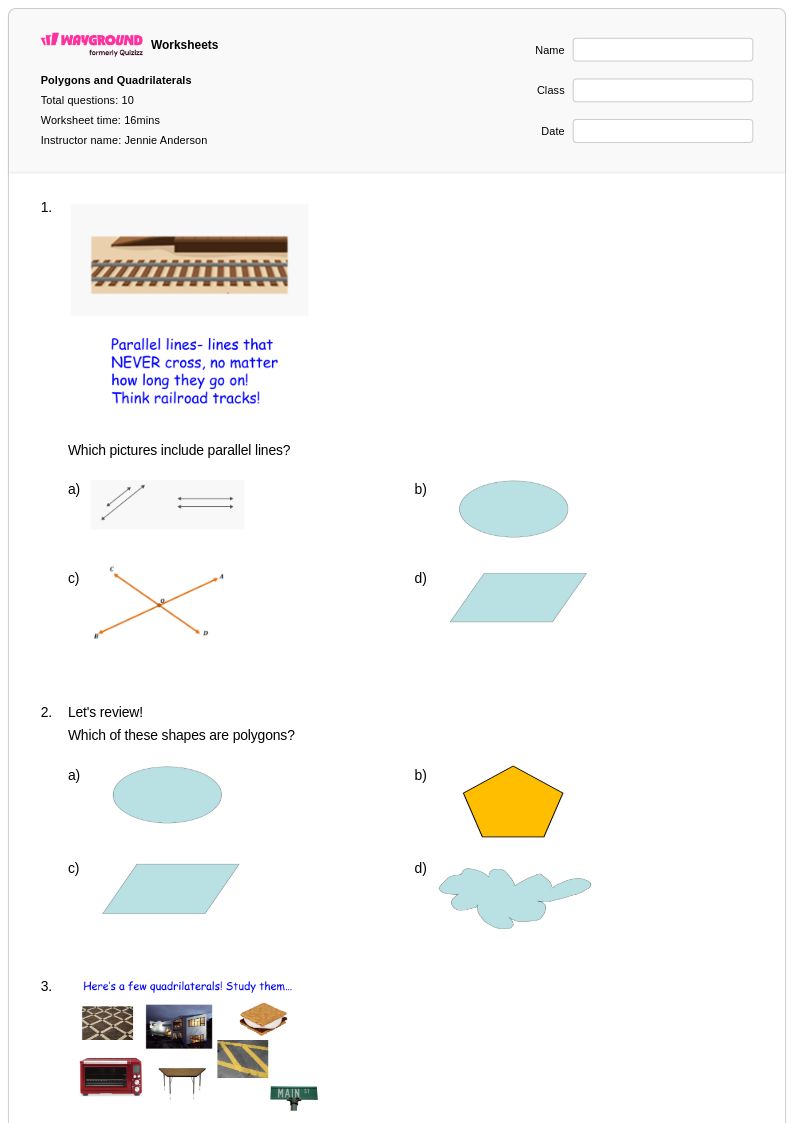
10 Q
3rd
Explore Other Subject Worksheets for kindergarten
Explore printable Sides of Shapes worksheets for Kindergarten
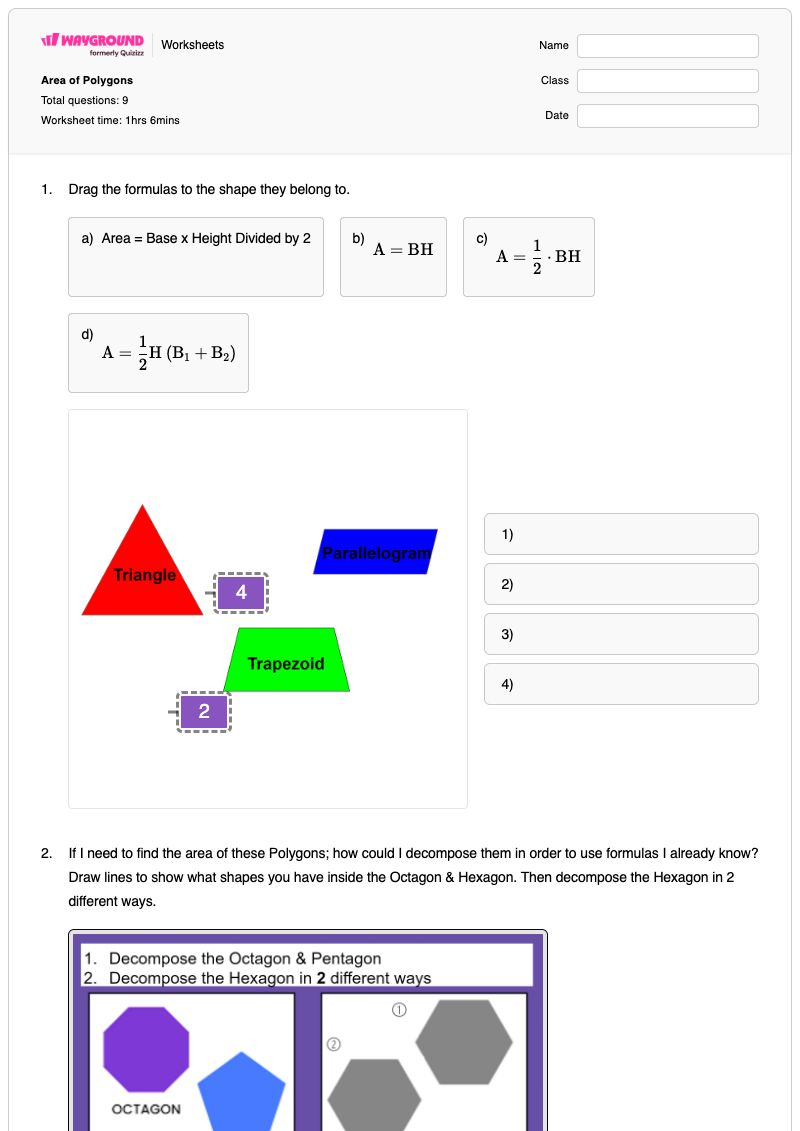
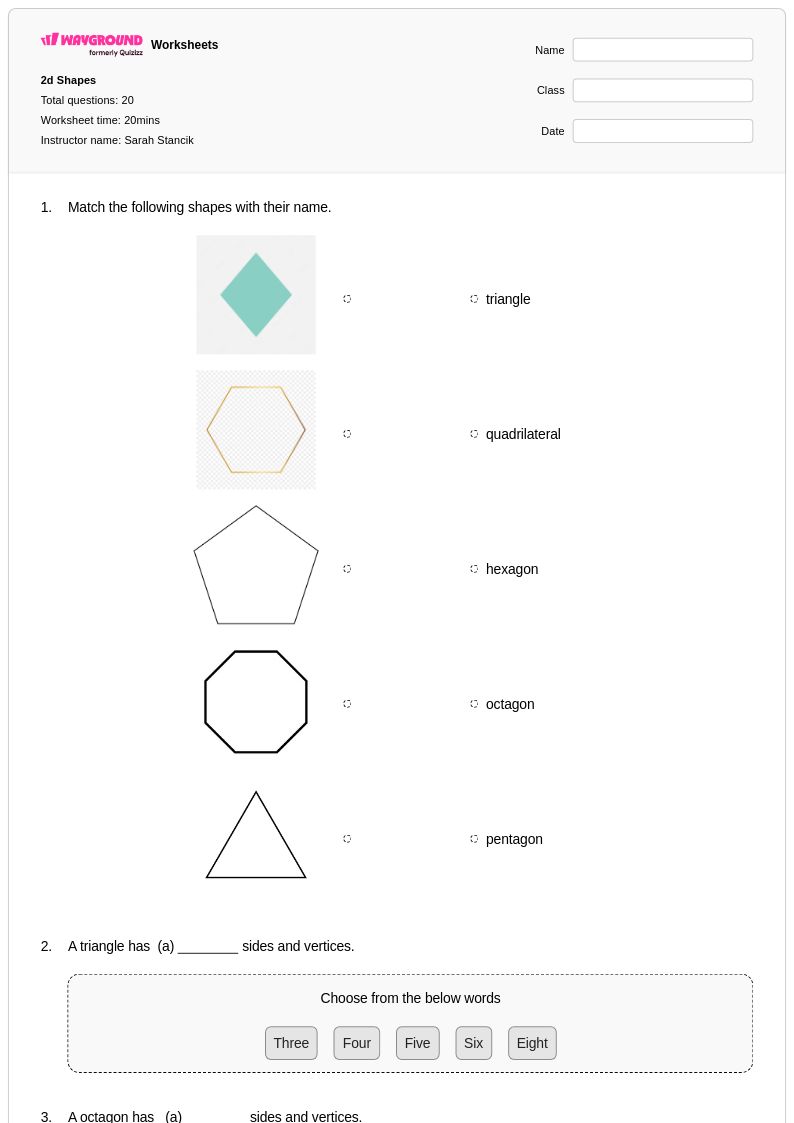
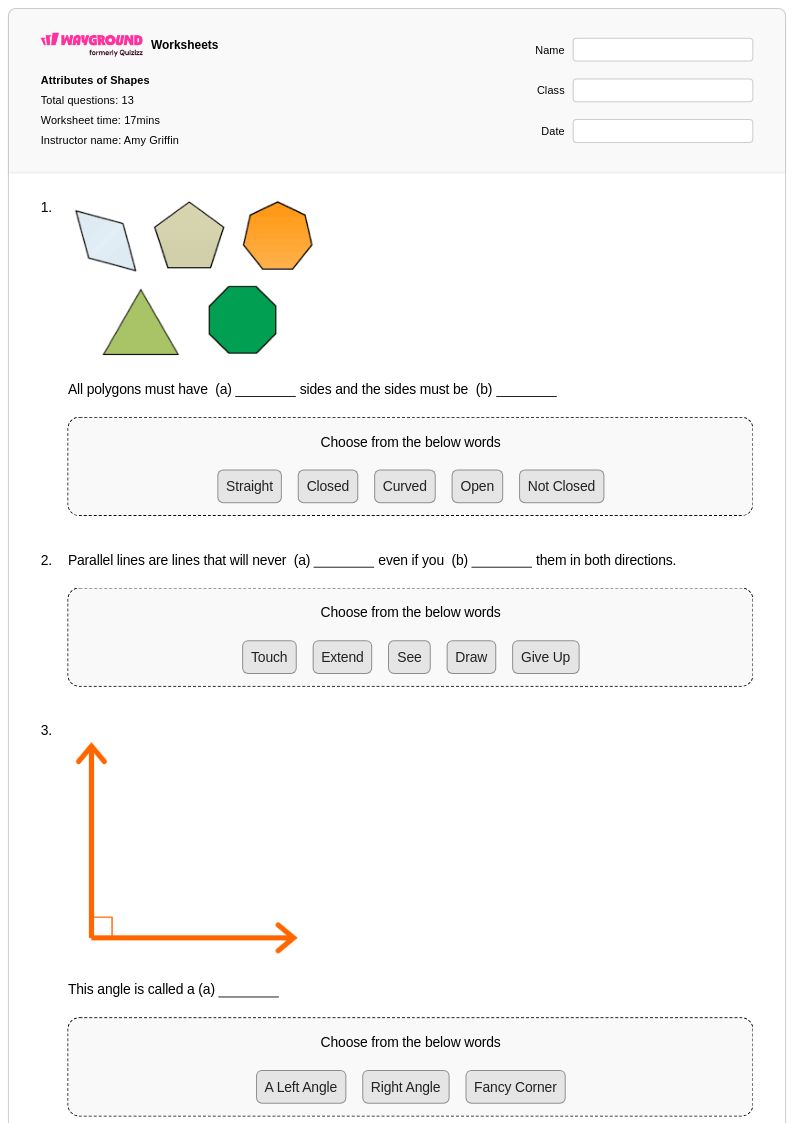
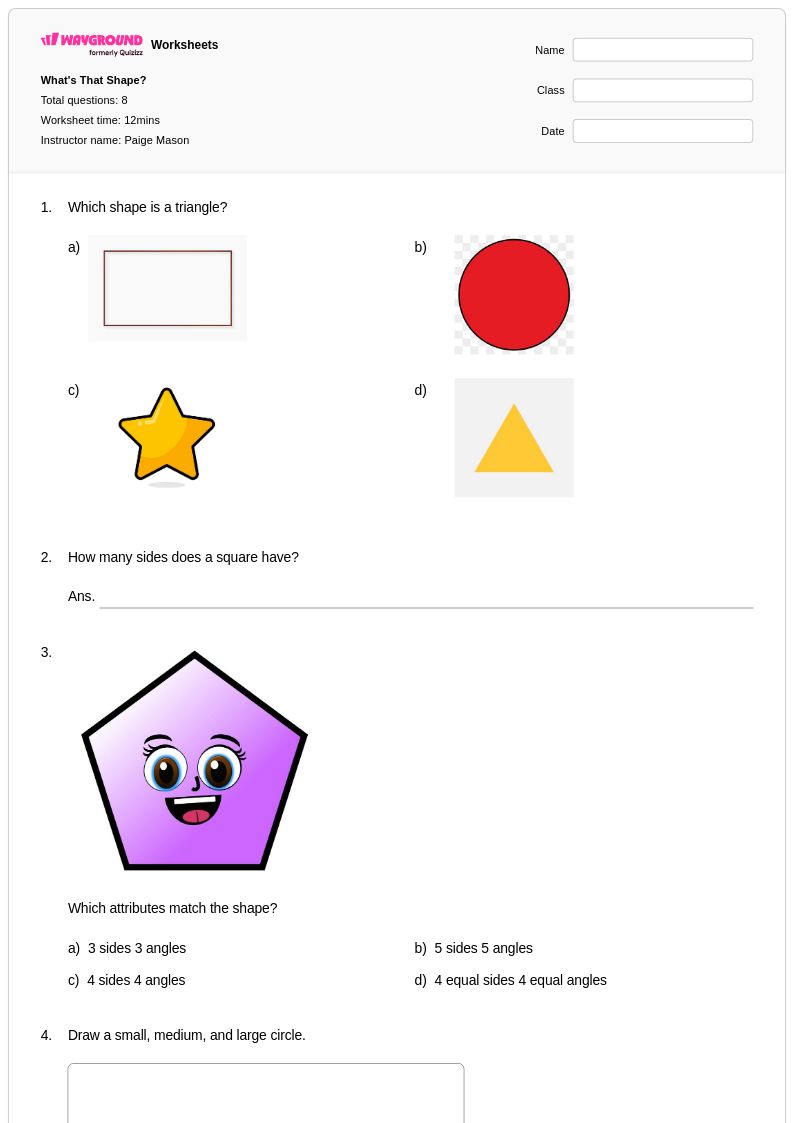
Sides of shapes worksheets for kindergarten students available through Wayground (formerly Quizizz) provide essential foundational geometry practice that helps young learners identify, count, and analyze the sides of basic geometric figures. These carefully designed worksheets strengthen critical visual discrimination skills and mathematical vocabulary as students explore triangles, squares, rectangles, and circles through engaging activities that make abstract geometric concepts concrete and accessible. Each printable worksheet includes an answer key to support accurate assessment, and the free pdf format ensures teachers can easily distribute practice problems both in classroom settings and for at-home reinforcement, building the spatial reasoning abilities that form the cornerstone of geometric understanding.
Wayground (formerly Quizizz) empowers teachers with an extensive collection of millions of teacher-created resources specifically focused on sides of shapes and kindergarten geometry concepts, featuring robust search and filtering capabilities that allow educators to quickly locate materials aligned with their curriculum standards and student needs. The platform's differentiation tools enable teachers to customize worksheets for various learning levels within their classroom, while the flexible availability in both printable and digital pdf formats supports diverse instructional approaches and technology integration. These comprehensive features streamline lesson planning while providing targeted resources for remediation, enrichment, and systematic skill practice, ensuring that kindergarten students develop strong foundational knowledge about the fundamental properties of geometric shapes through repeated exposure and varied practice opportunities.
FAQs
What grade do students learn to count the sides of shapes?
What's the best way to introduce the concept of 'sides' to kindergarteners?
What kinds of activities help kindergarteners practice identifying sides?
What's a common confusion for kindergarteners when counting sides?
How can I use this kindergarten worksheet for sides of shapes?
How can I support students who struggle with counting sides?