
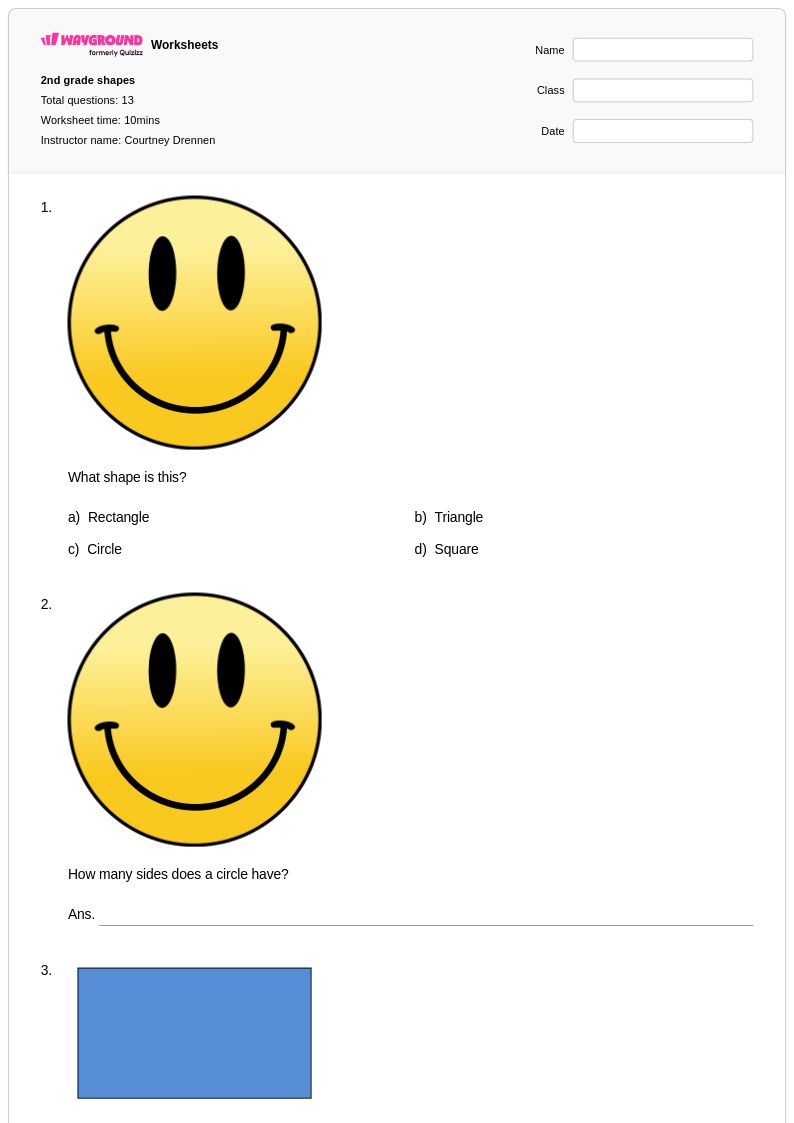
13 Q
2nd
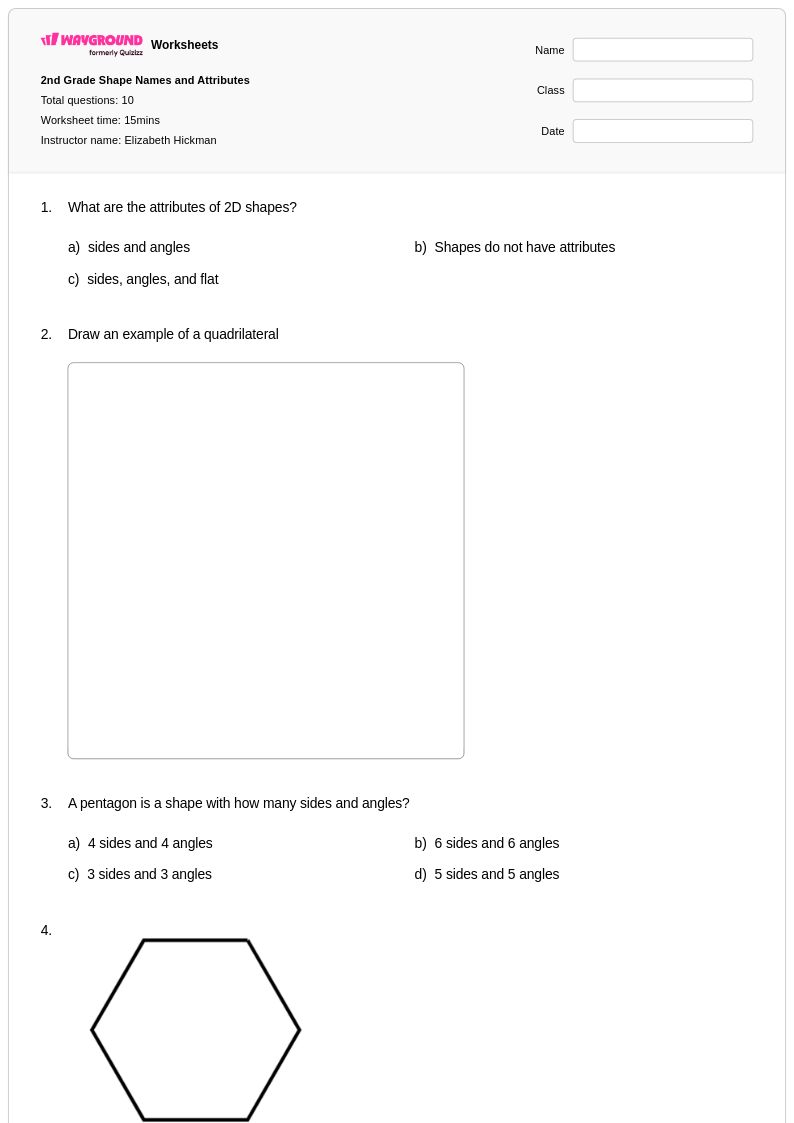
10 Q
2nd
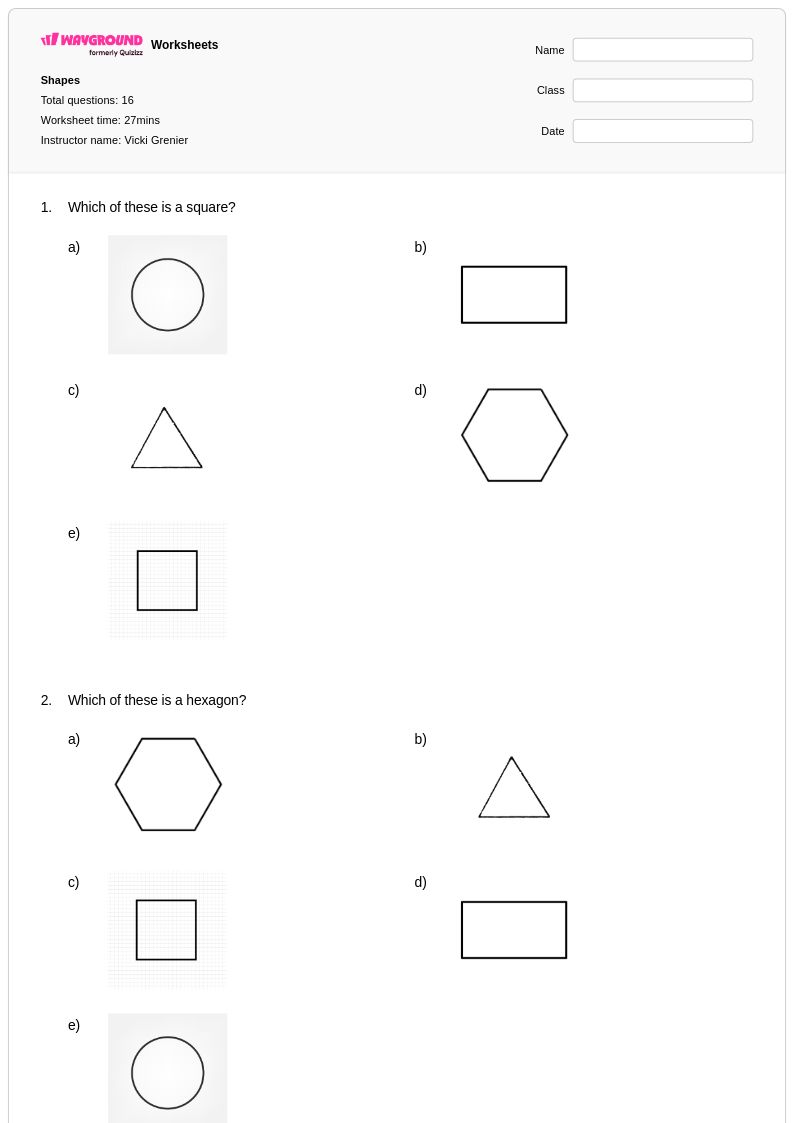
16 Q
KG
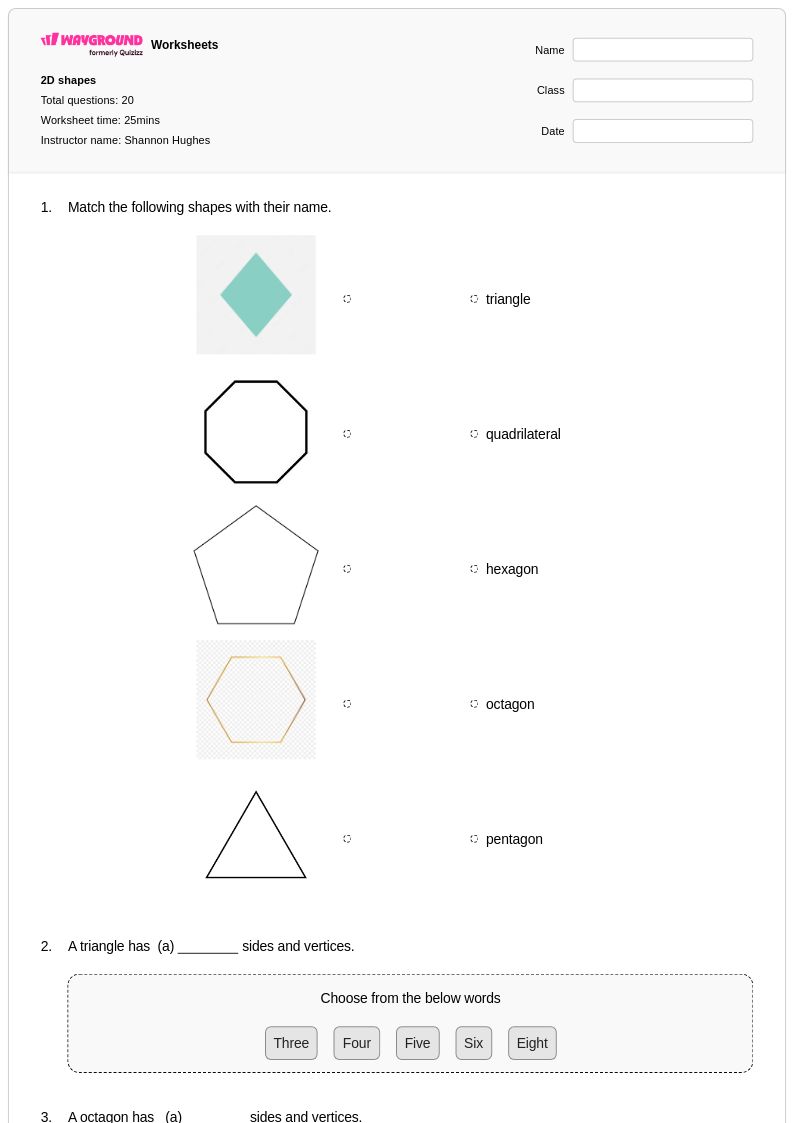
20 Q
2nd
13 Q
7th
20 Q
7th
10 Q
1st - 2nd
10 Q
KG
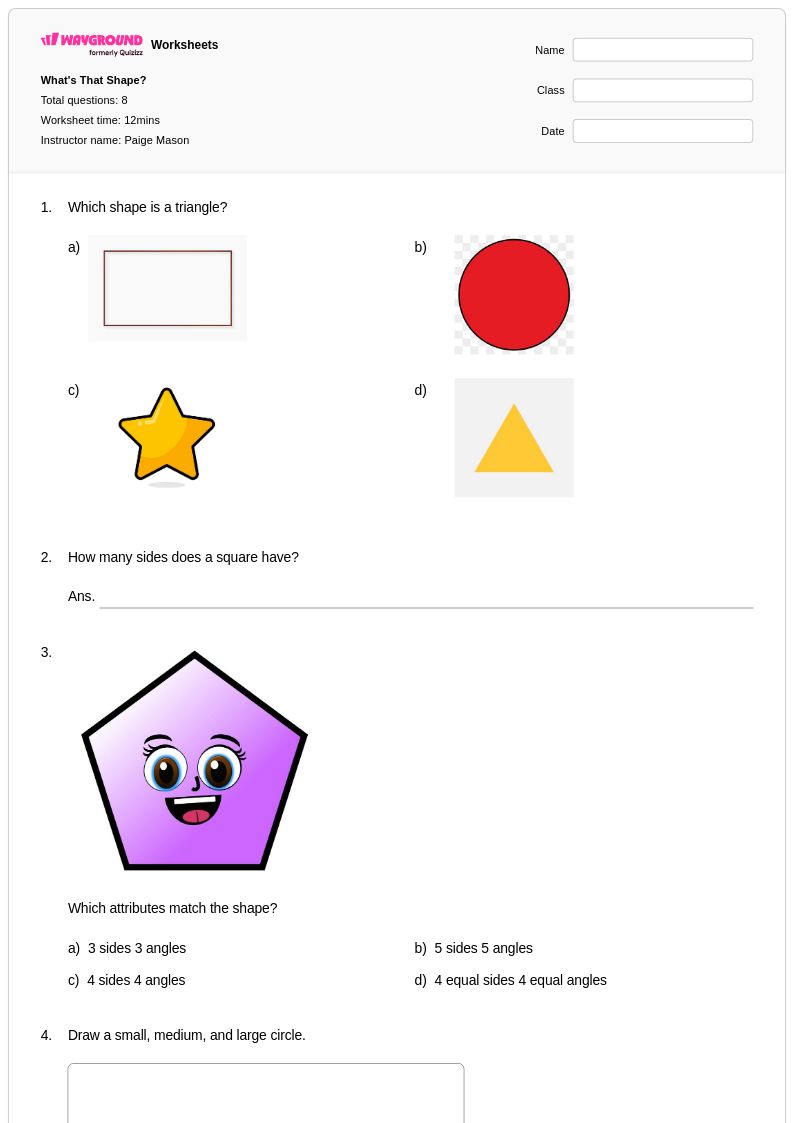
8 Q
2nd
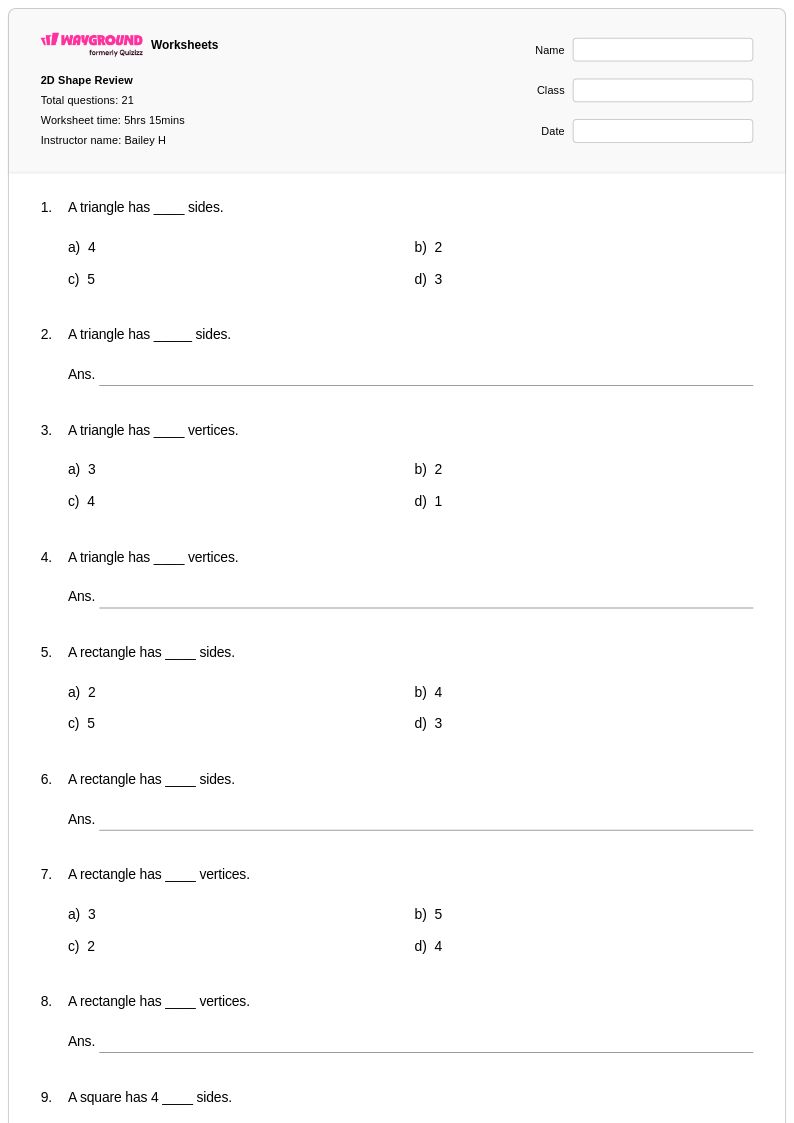
21 Q
KG - 3rd
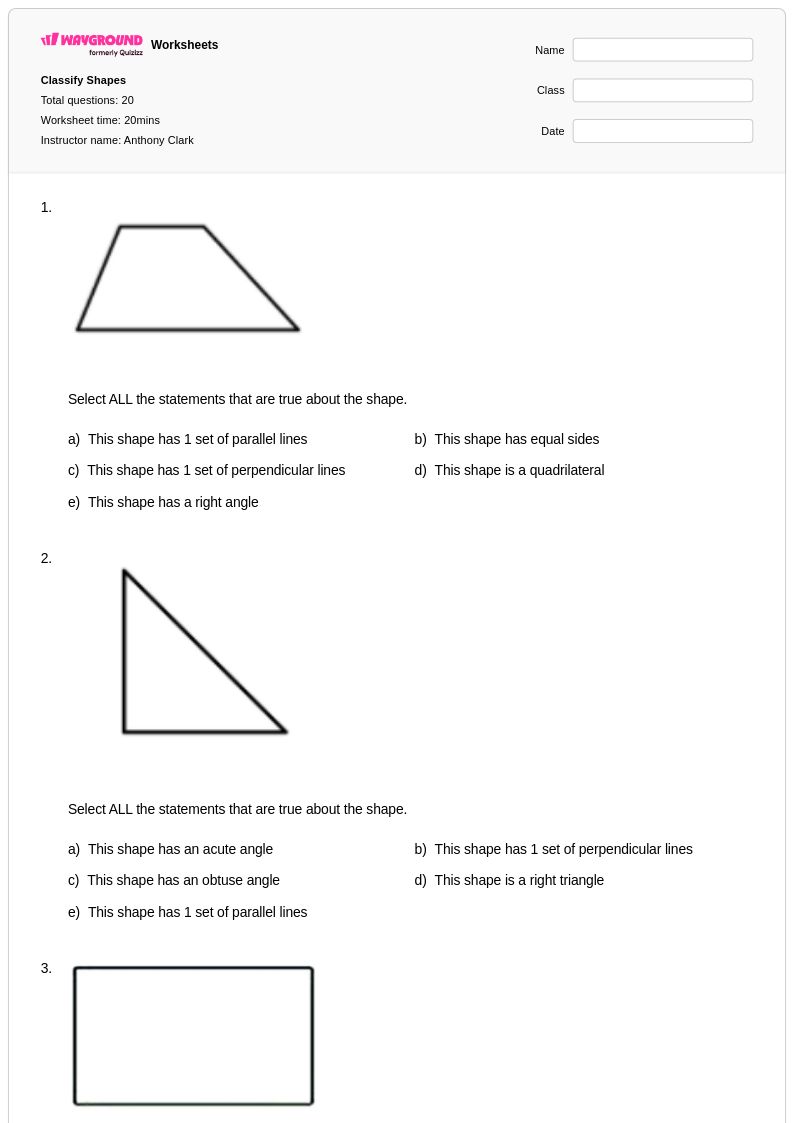
20 Q
5th - Uni
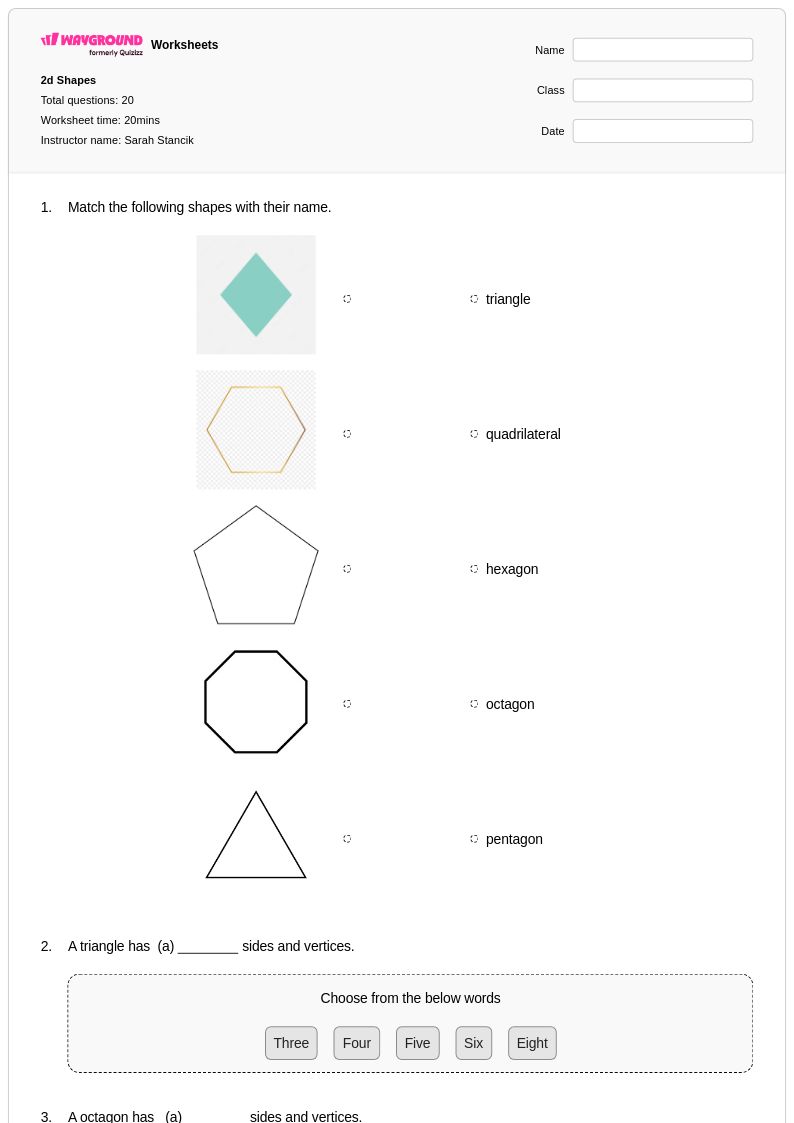
20 Q
3rd
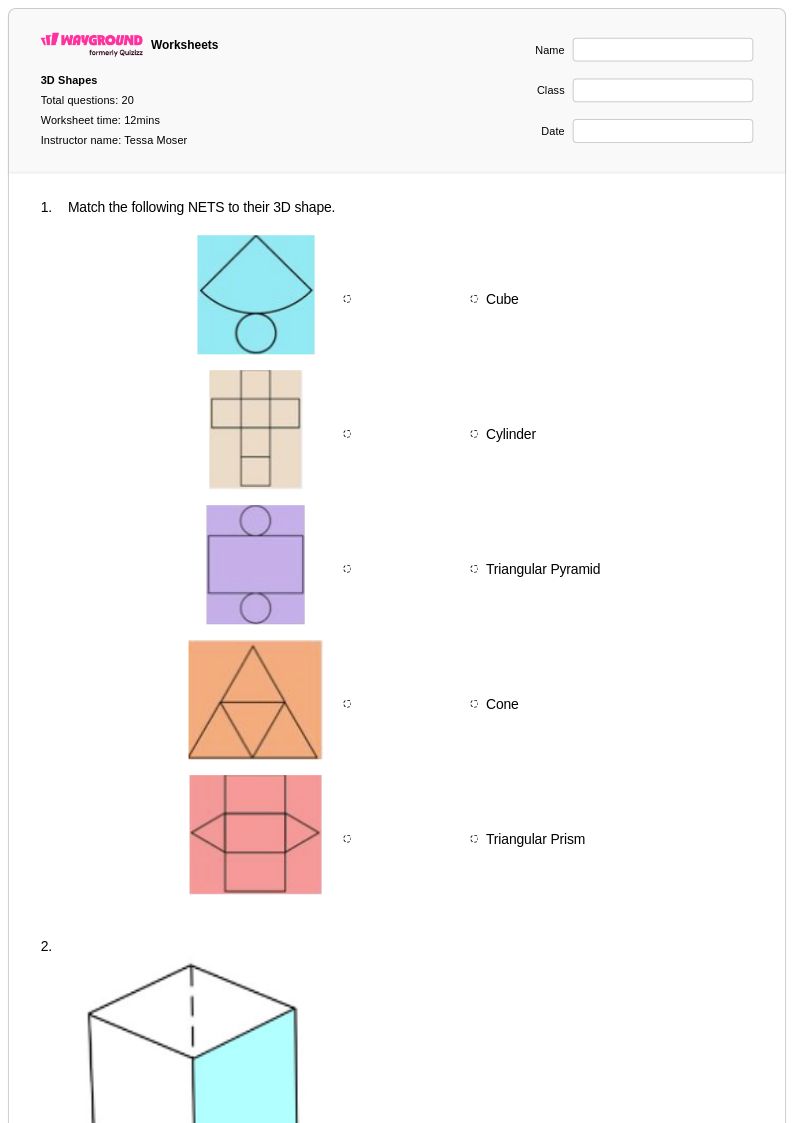
20 Q
10th
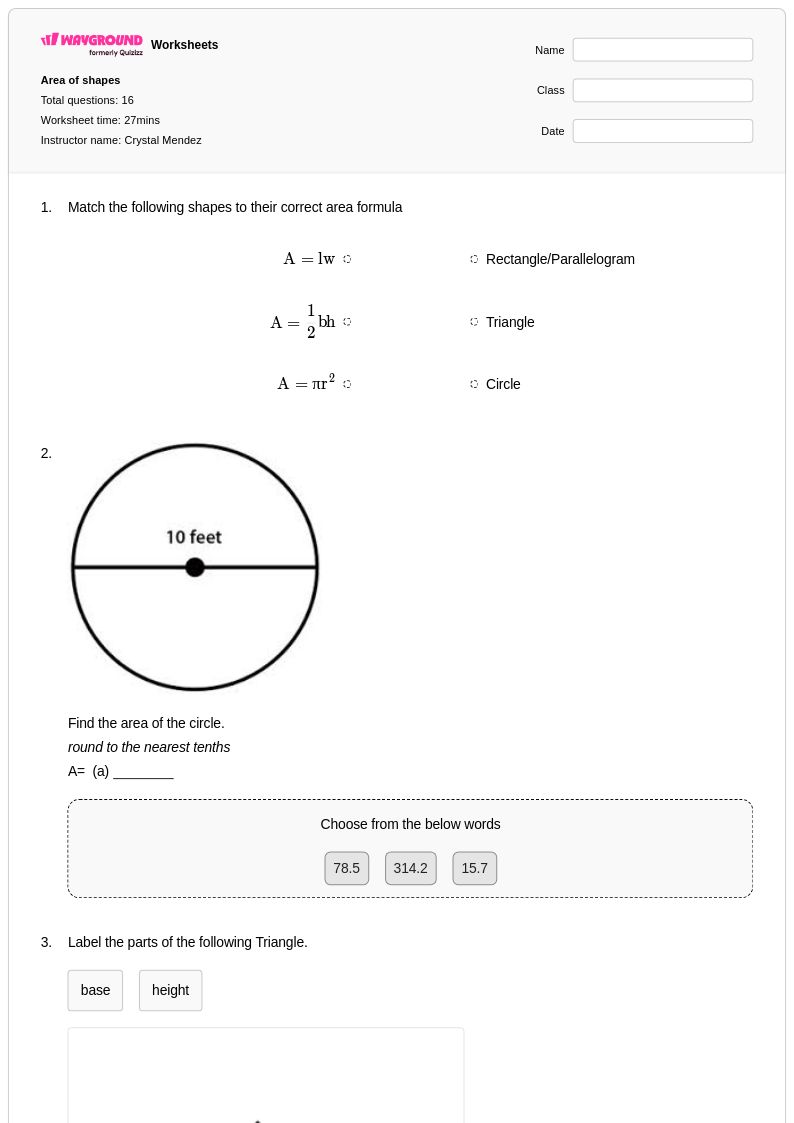
16 Q
10th

12 Q
9th
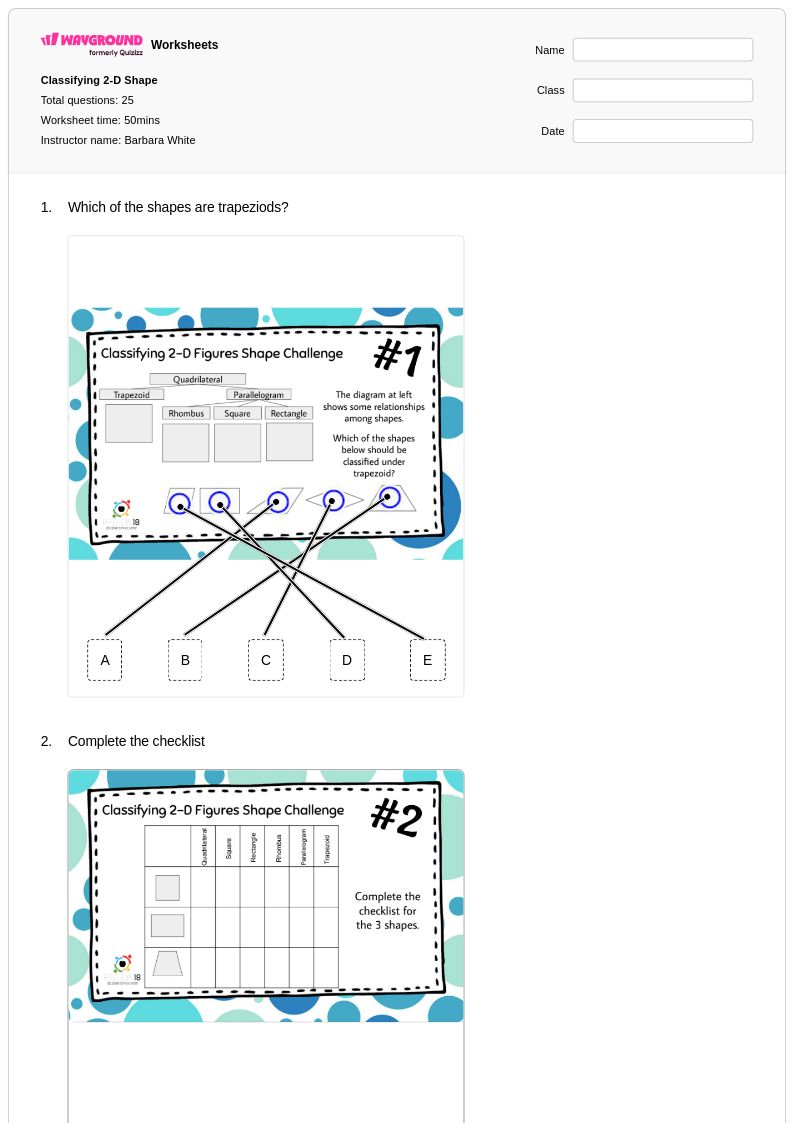
25 Q
5th
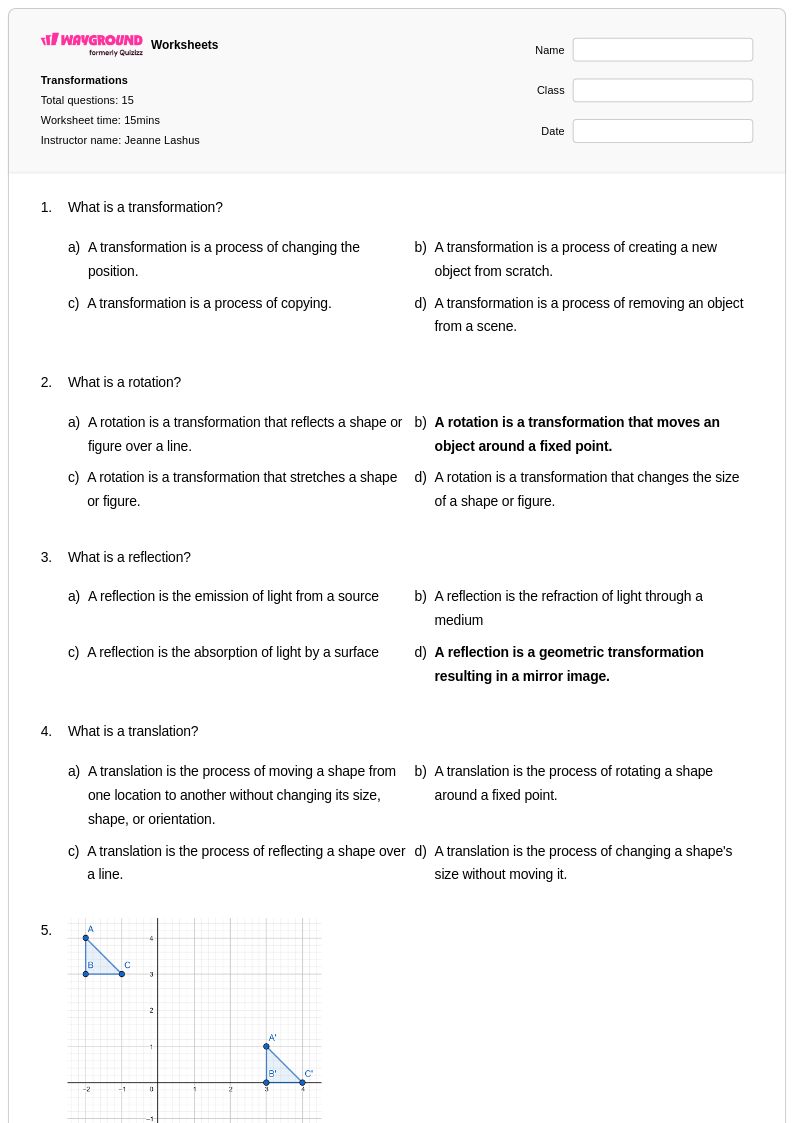
15 Q
5th
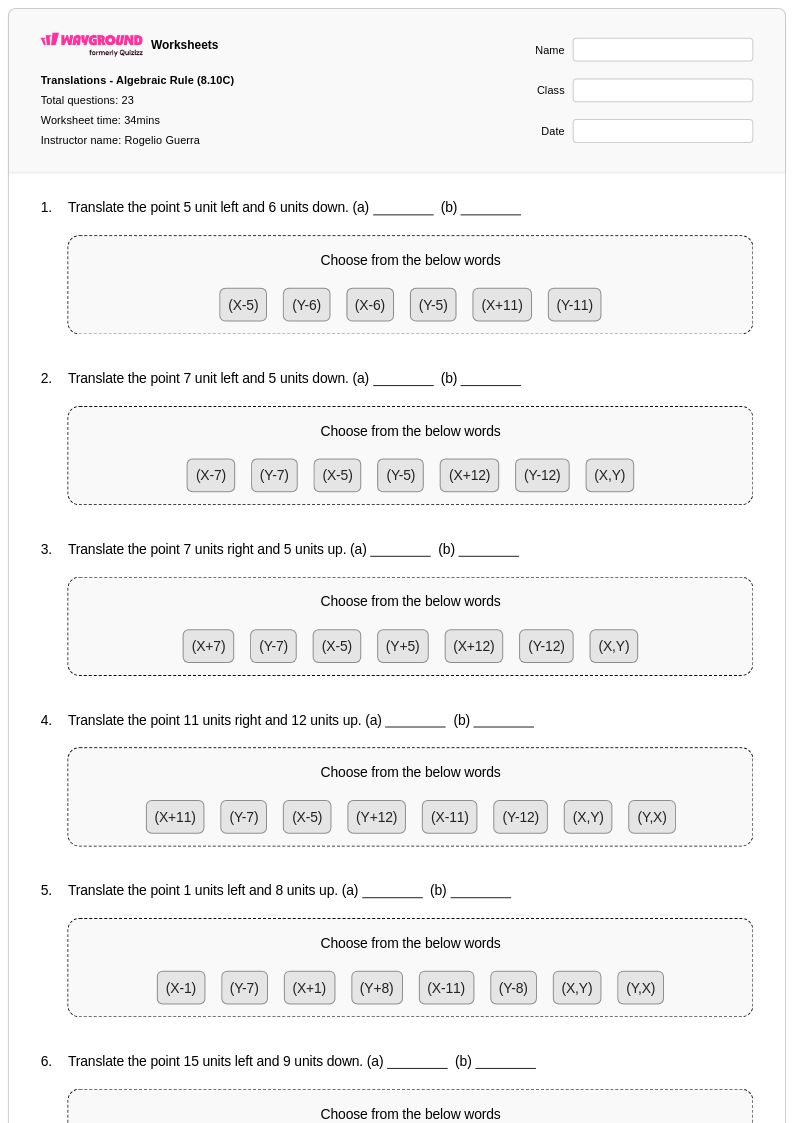
23 Q
8th
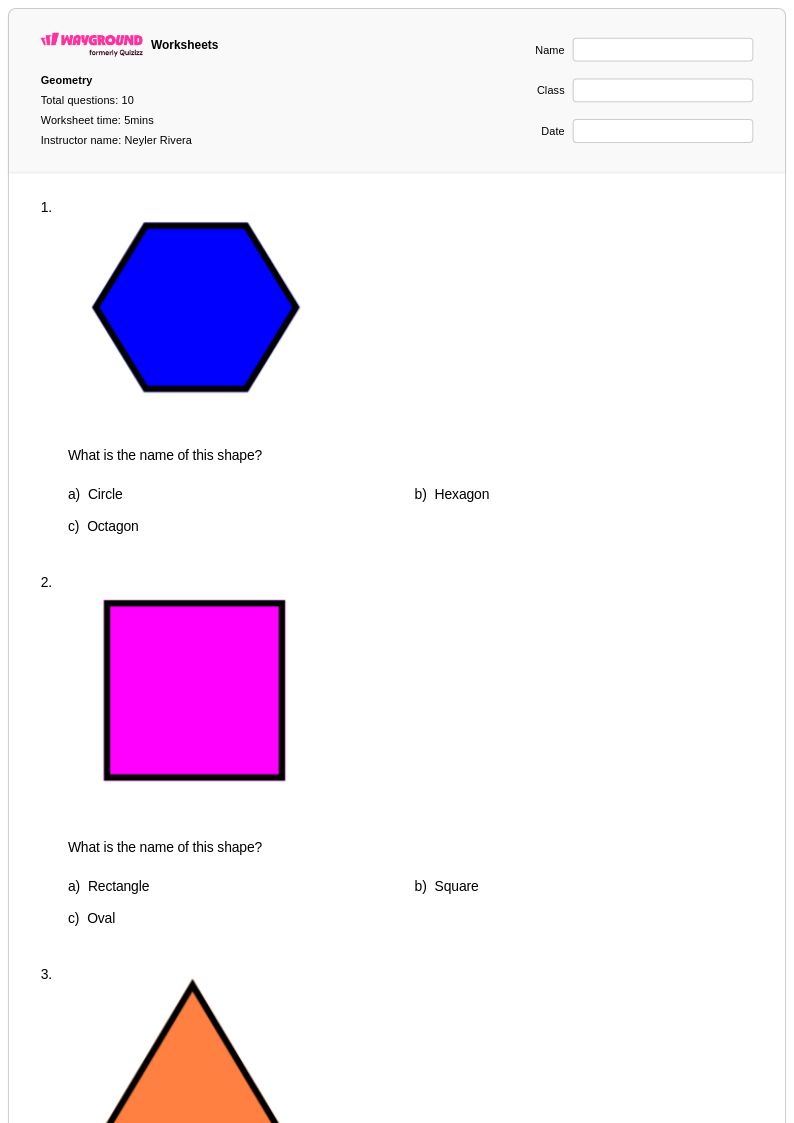
10 Q
2nd - 3rd
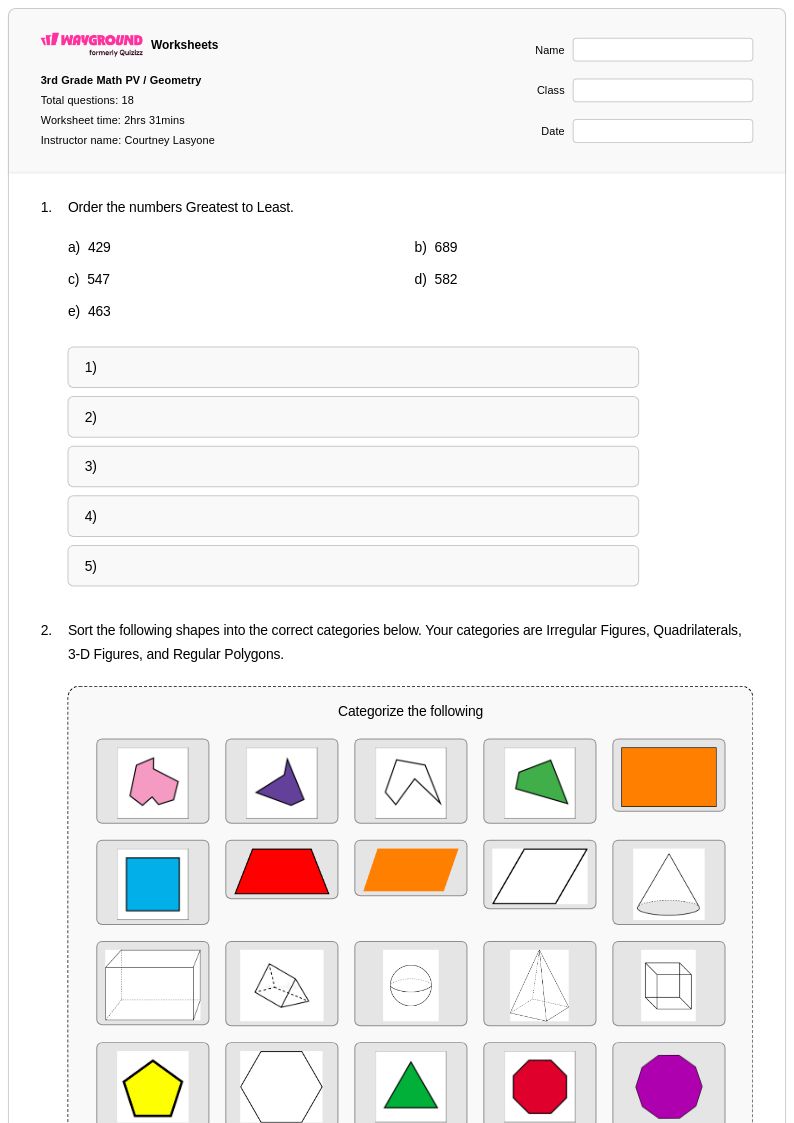
18 Q
3rd
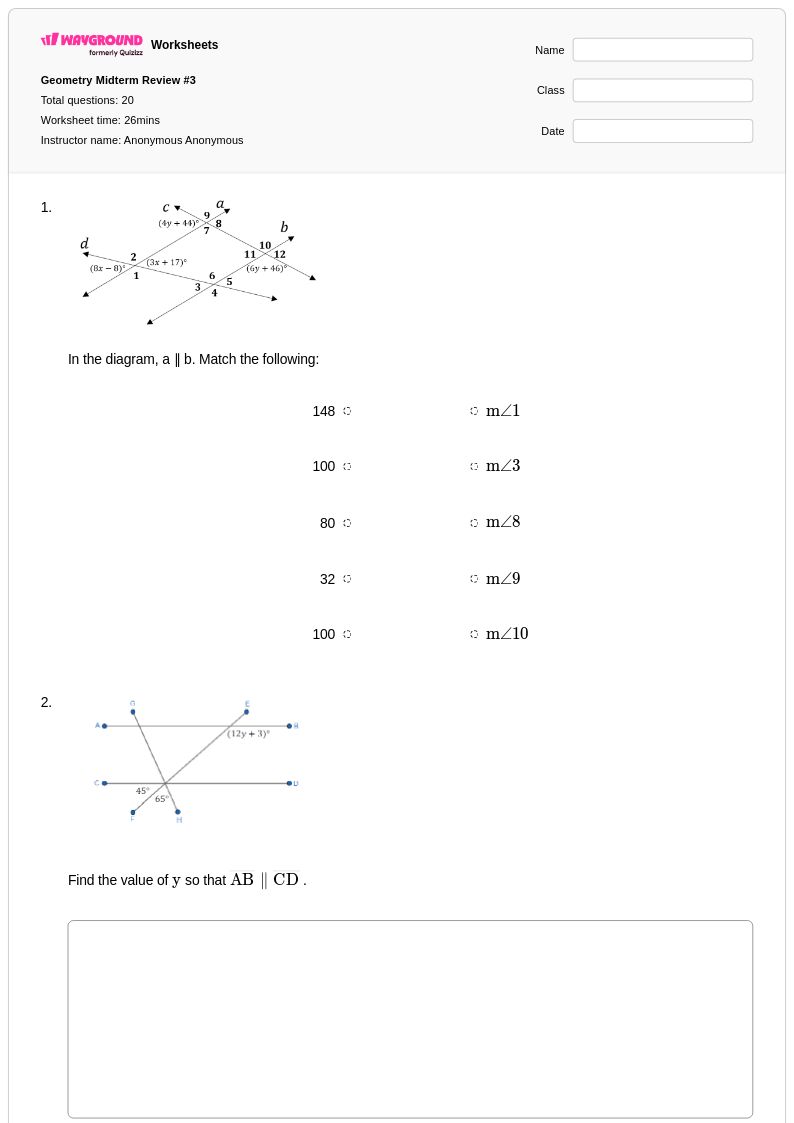
20 Q
10th
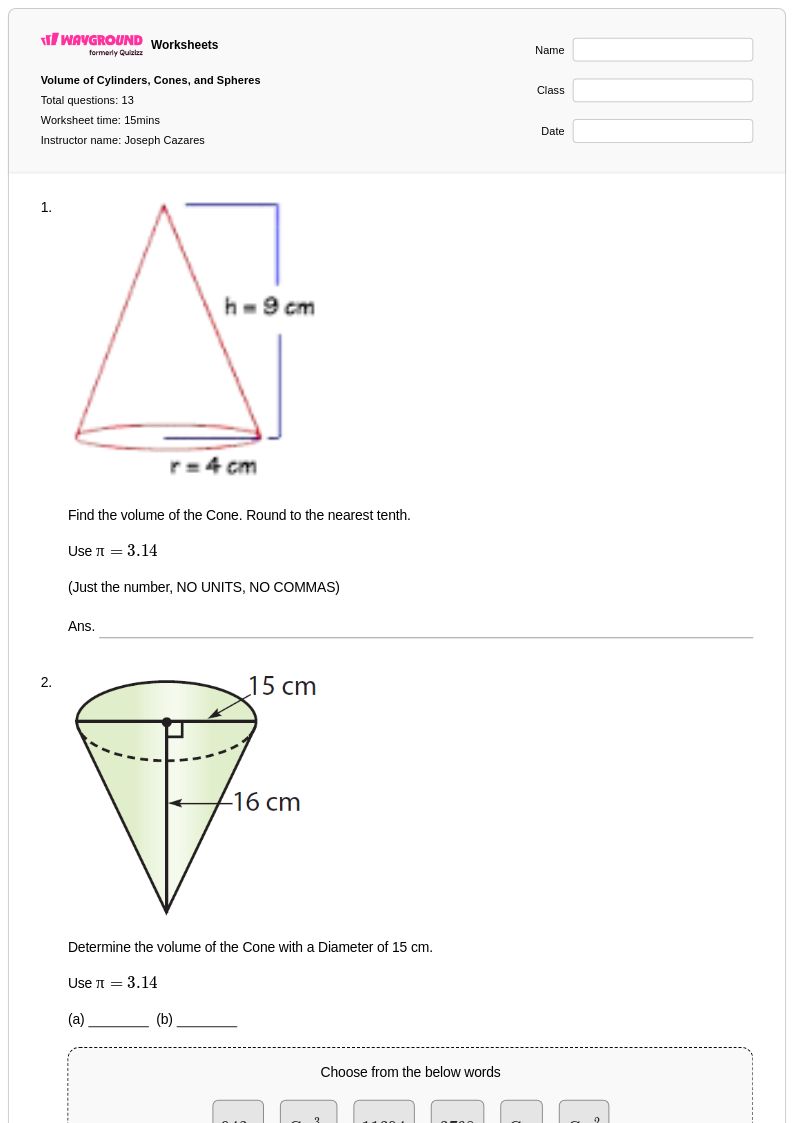
13 Q
8th
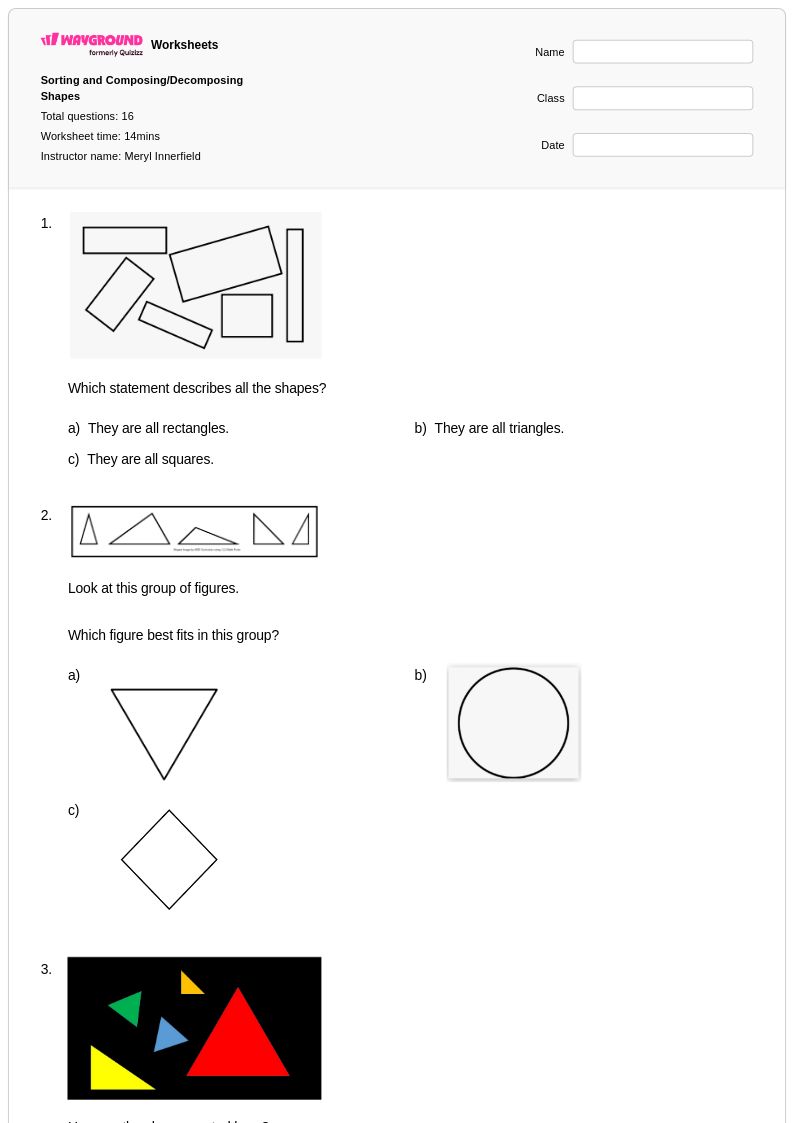
16 Q
1st
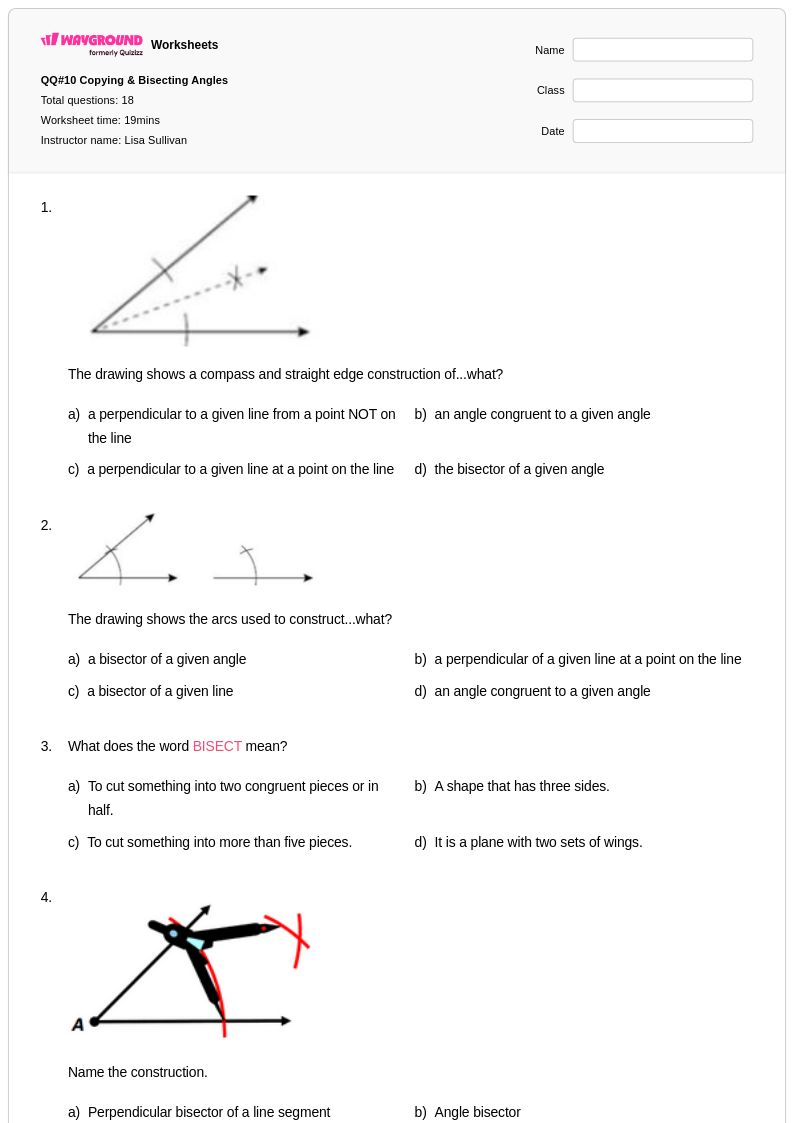
18 Q
9th
Explore Shape Copying Worksheets by Grades
Explore Other Subject Worksheets for kindergarten
Explore printable Shape Copying worksheets for Kindergarten
Shape copying worksheets for kindergarten mathematics provide young learners with essential foundational practice in geometric recognition and fine motor skill development through Wayground's comprehensive collection. These carefully designed printables focus on helping kindergarten students develop spatial awareness, visual discrimination, and hand-eye coordination as they trace, replicate, and reproduce basic geometric shapes including circles, squares, triangles, and rectangles. Each worksheet strengthens critical pre-writing skills while reinforcing shape identification and properties through engaging practice problems that challenge students to accurately copy shapes in various sizes and orientations. The free pdf resources include clear answer keys for easy assessment and feature age-appropriate activities that build confidence in geometric concepts while supporting kindergarten mathematics curriculum standards.
Wayground's platform empowers teachers with access to millions of educator-created shape copying resources specifically tailored for kindergarten geometry instruction. The robust search and filtering system allows teachers to quickly locate worksheets that align with specific learning objectives and standards requirements, while differentiation tools enable customization for diverse learning needs and ability levels. Teachers can seamlessly integrate these materials into lesson planning for skill practice, remediation support for struggling learners, or enrichment activities for advanced students. The flexible format options support both traditional classroom instruction through printable pdf worksheets and modern digital learning environments, ensuring that shape copying practice remains accessible and engaging regardless of the teaching context or individual student requirements.
FAQs
What grade do students learn to copy basic shapes?
How should I introduce shape copying to my kindergarten class?
What are the main benefits of shape copying for kindergarteners?
What are common difficulties for kindergarteners learning to copy shapes?
How can I help a kindergartener who is struggling with copying shapes?
How can I use this kindergarten shape copying worksheet?