
50 T
8th
25 T
8th
12 T
3rd
20 T
2nd - Uni
15 T
5th
30 T
8th
25 T
6th
13 T
4th
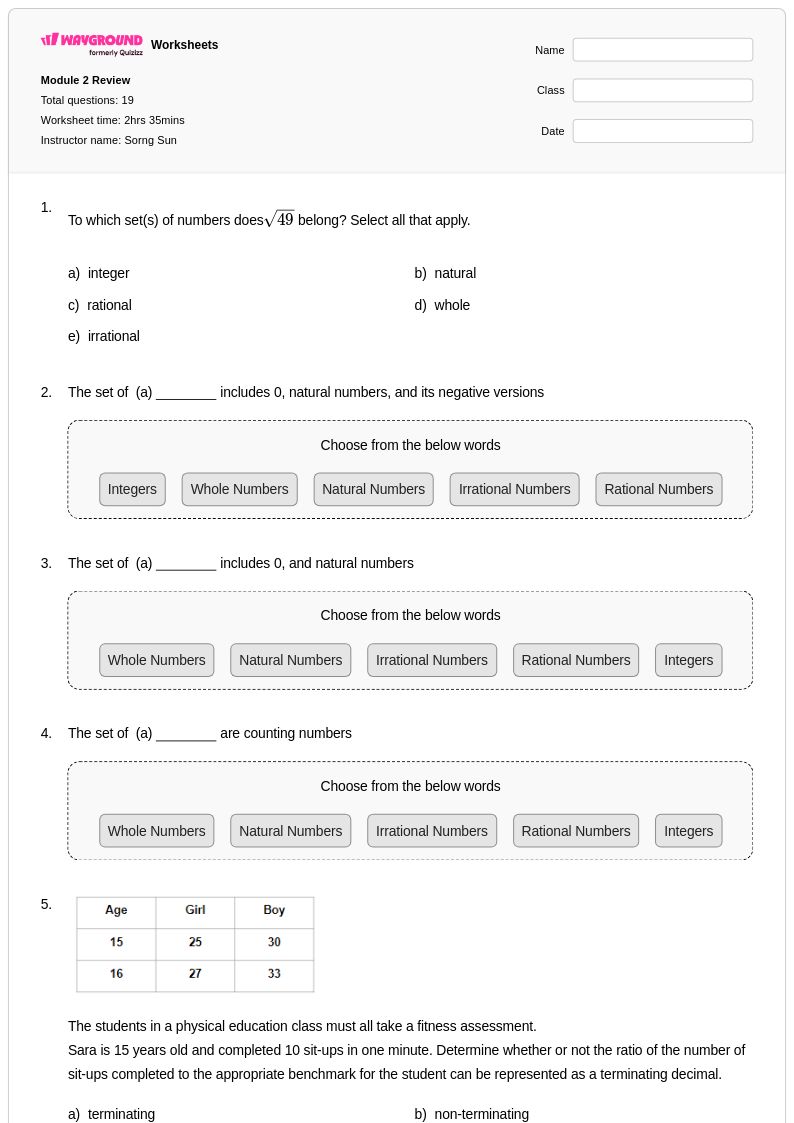
19 T
8th
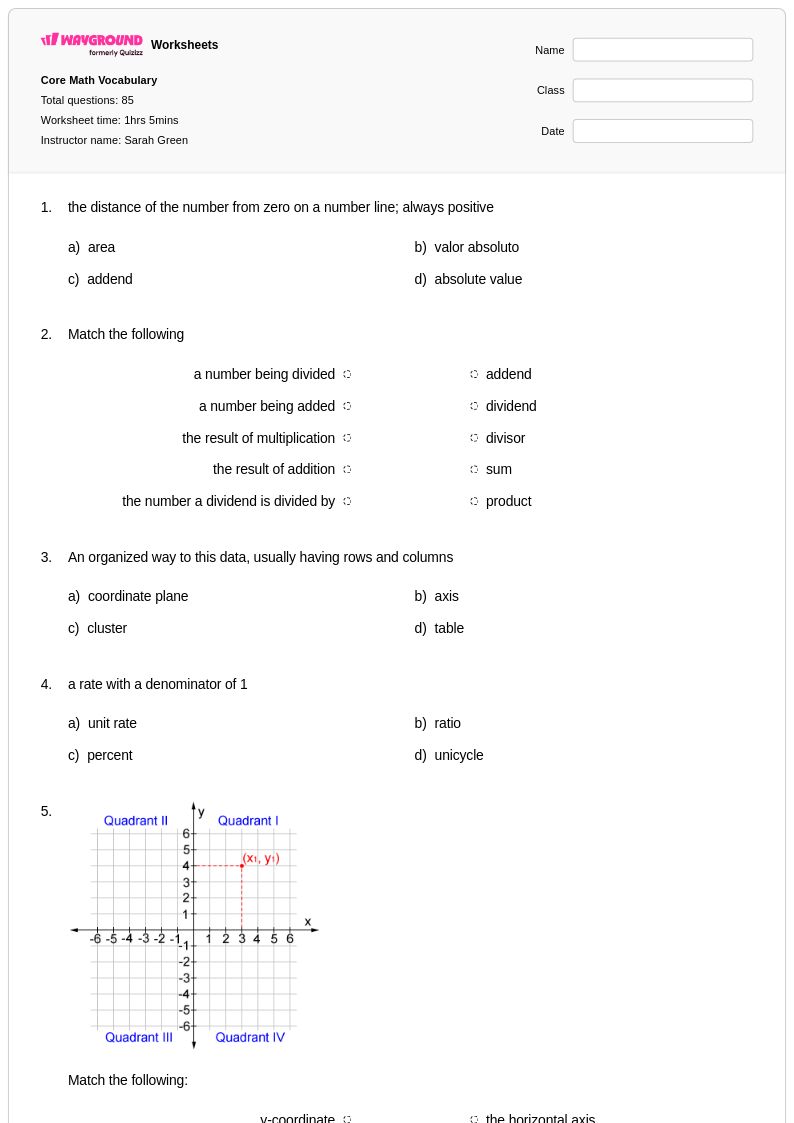
85 T
6th - 8th
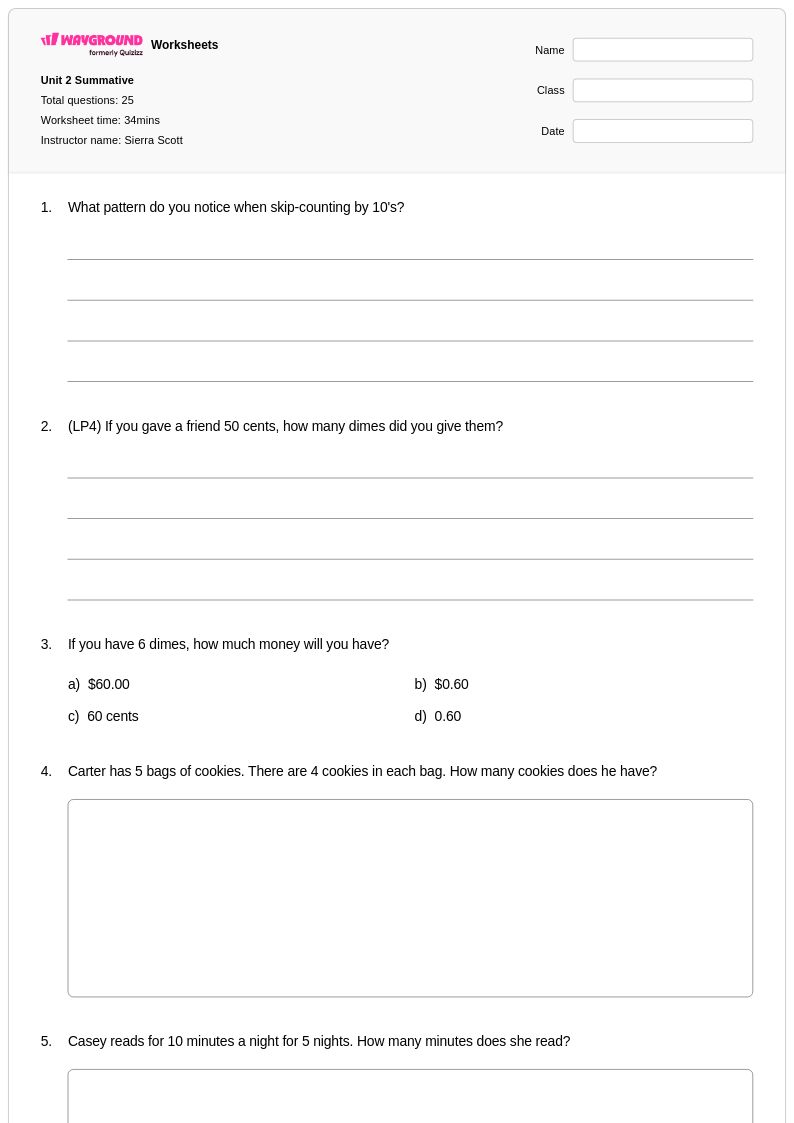
25 T
3rd
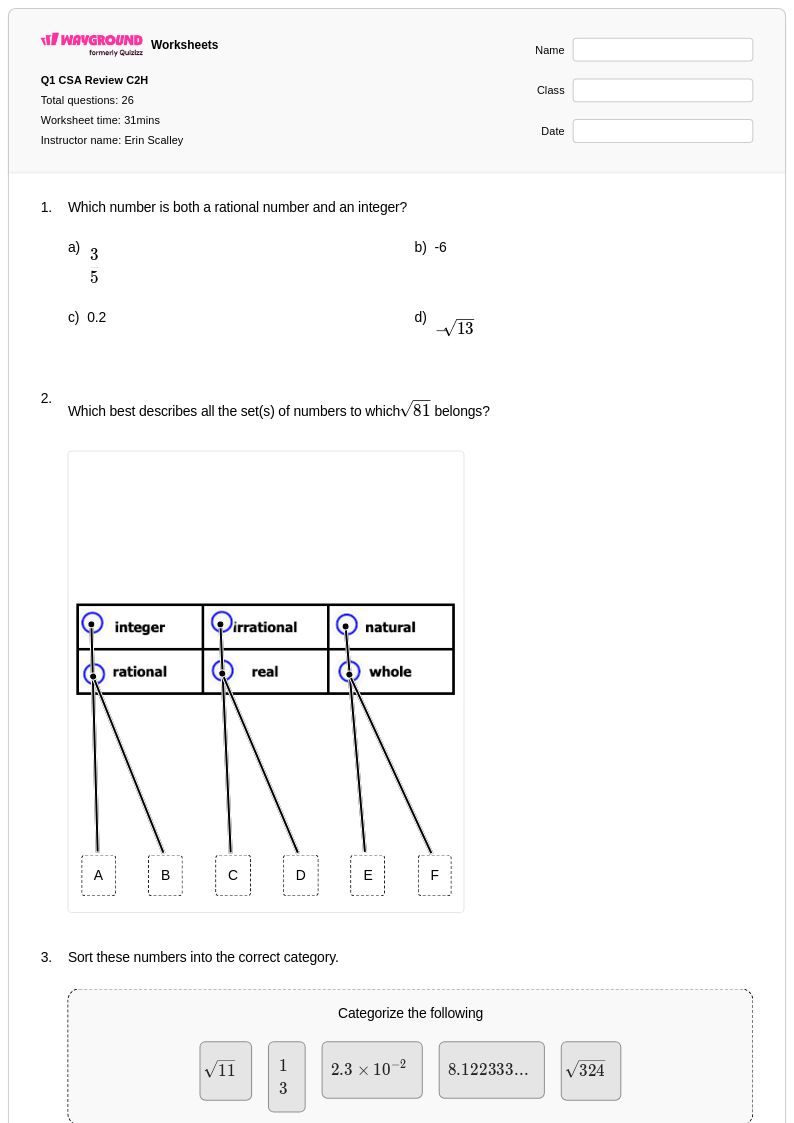
26 T
8th
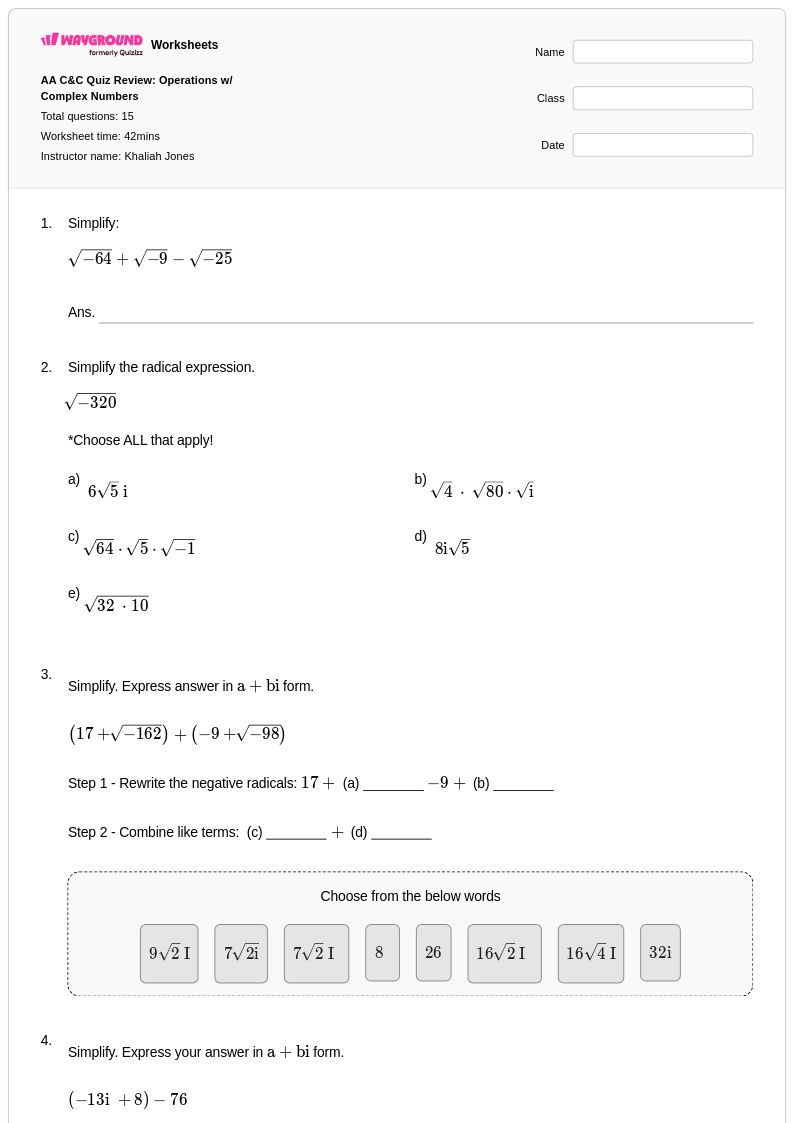
15 T
11th
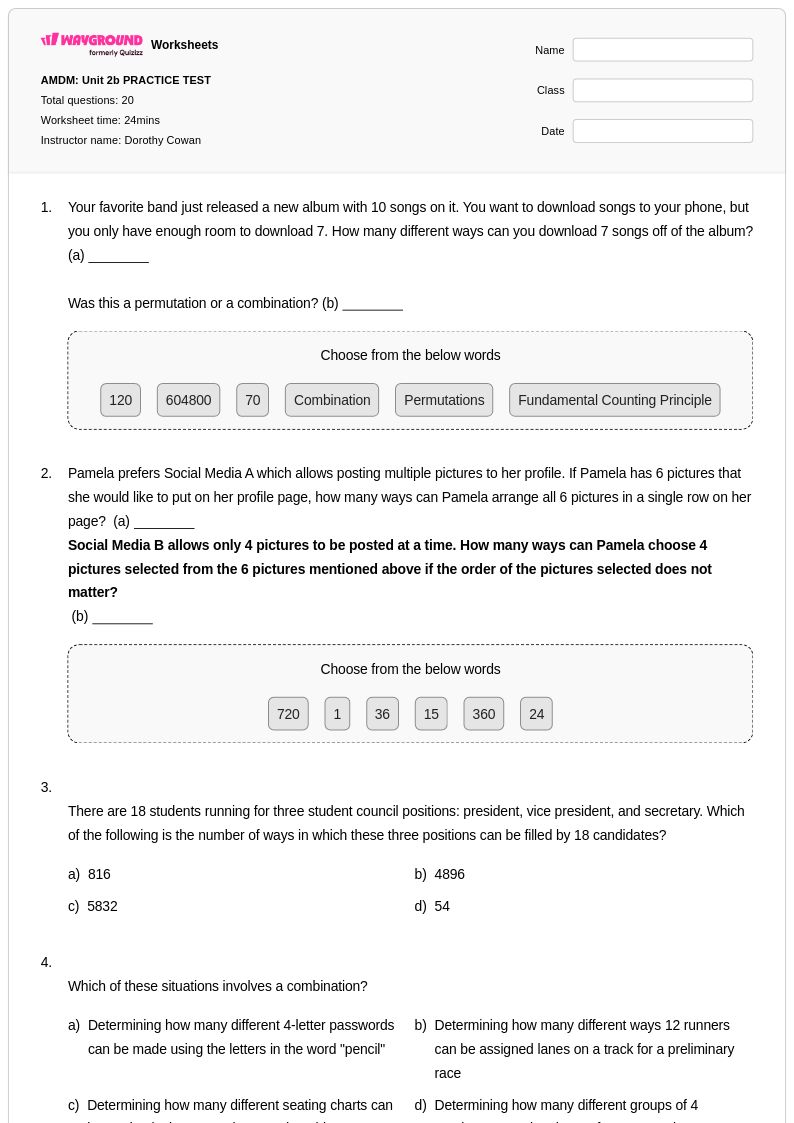
20 T
12th
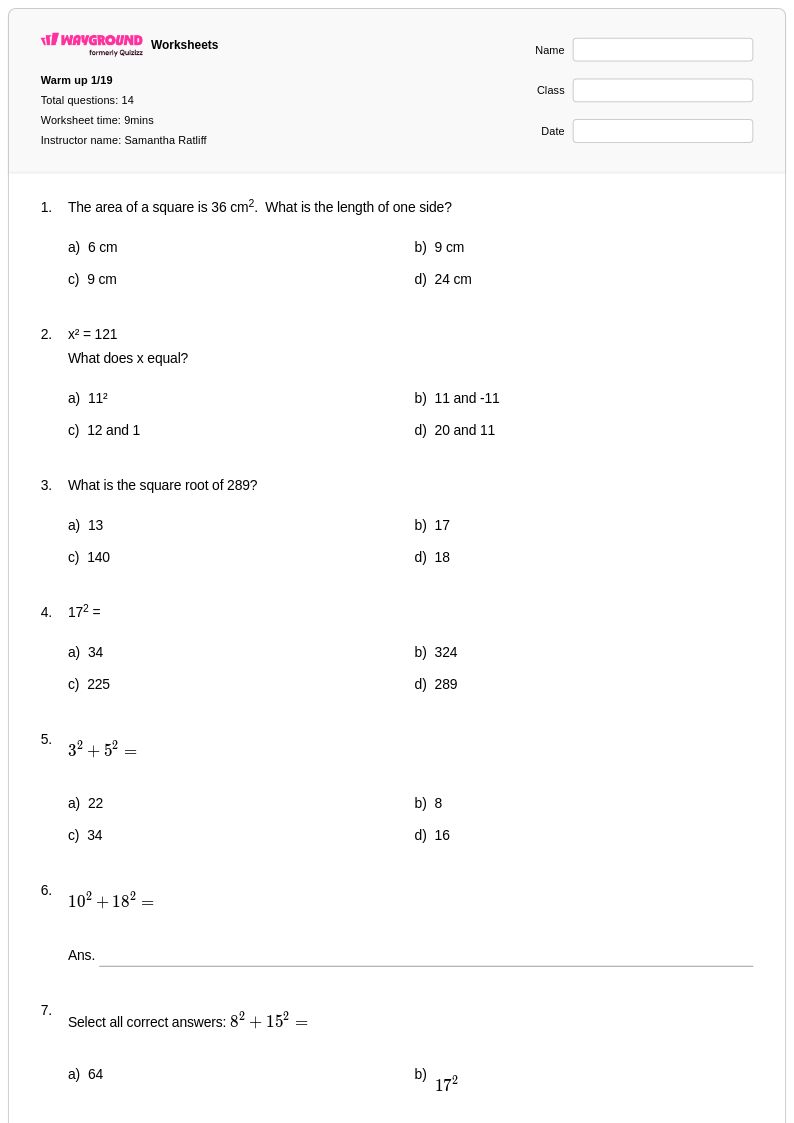
14 T
8th
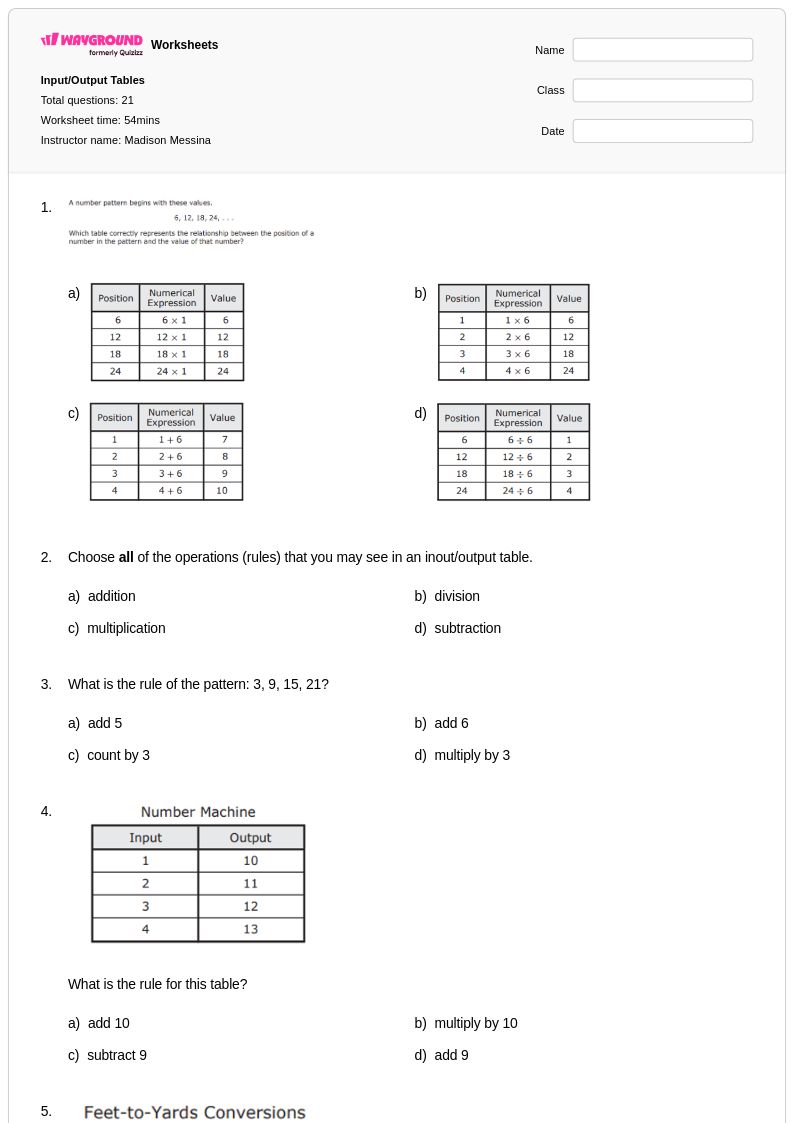
21 T
4th
20 T
8th
401 T
8th
10 T
KG - 1st
10 T
6th
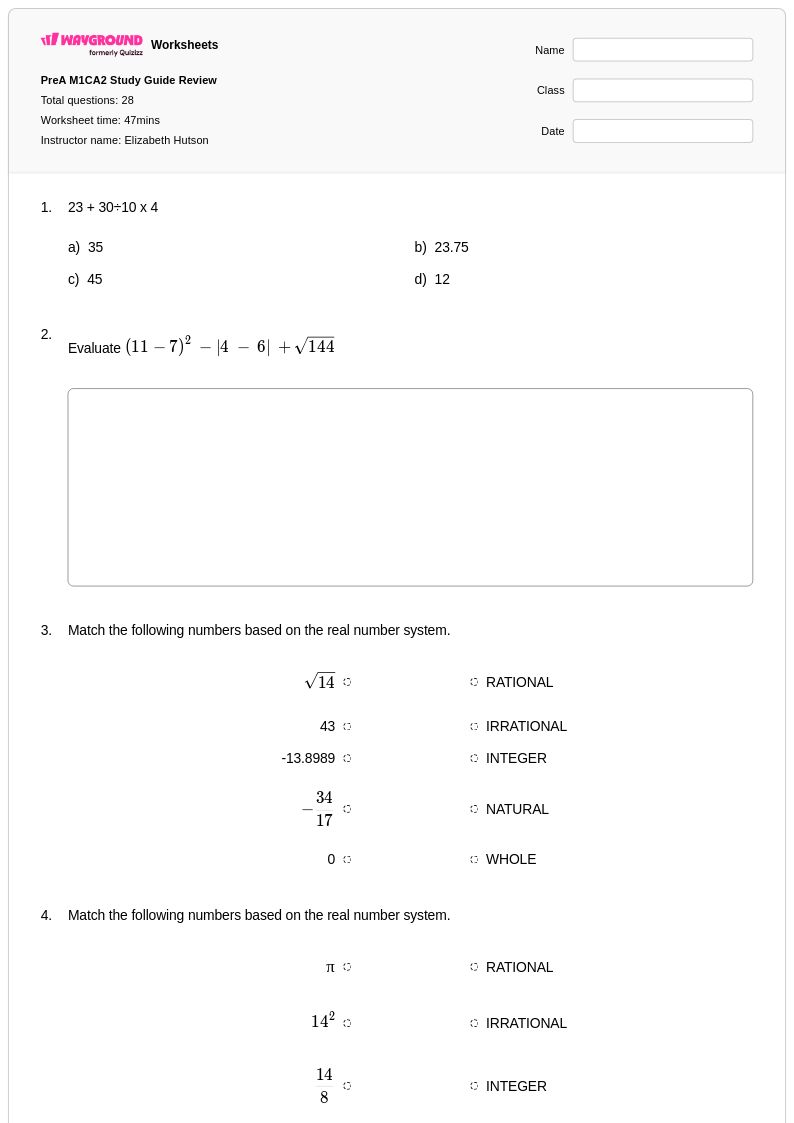
28 T
8th
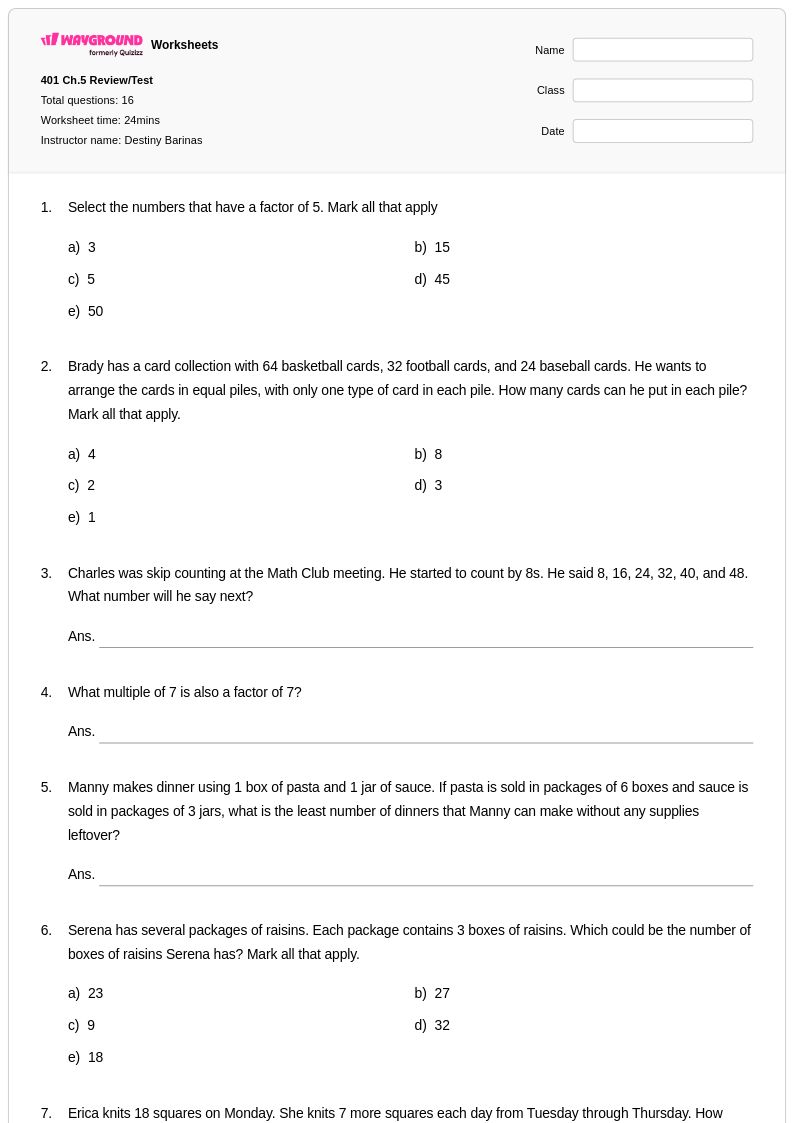
21 T
4th
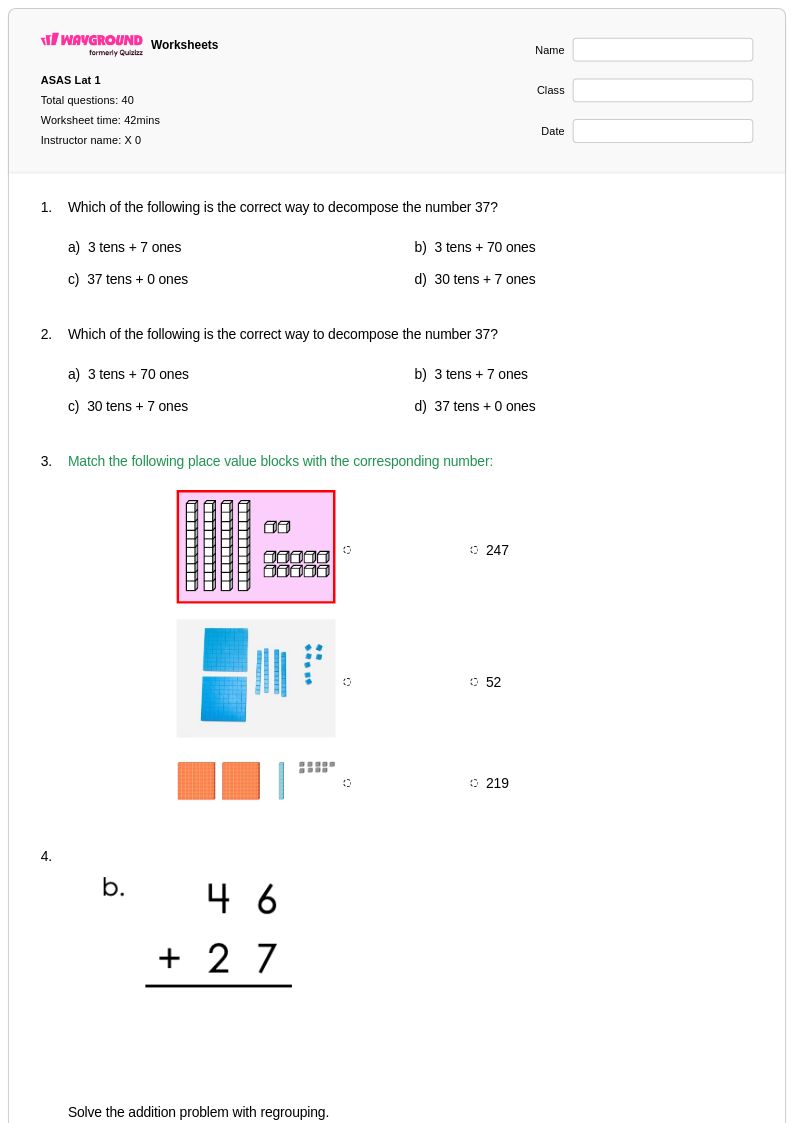
40 T
1st - Uni
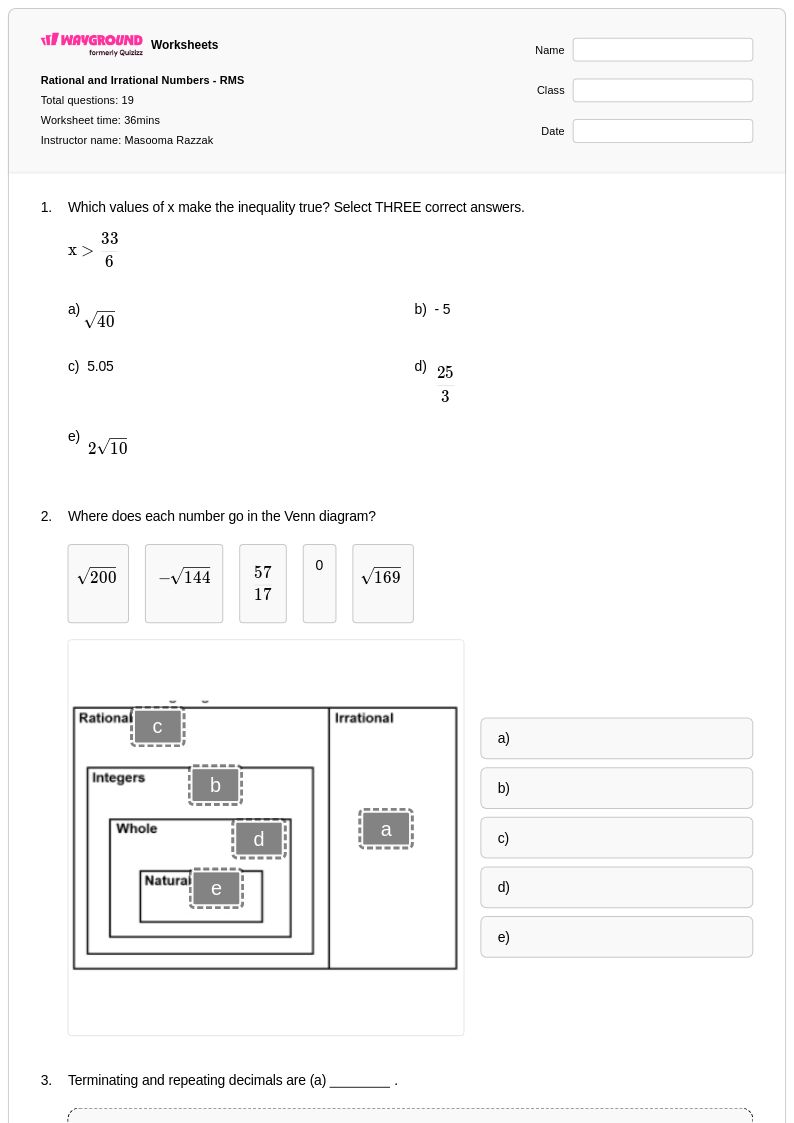
19 T
8th
Jelajahi Lembar Kerja berdasarkan Kelas
Jelajahi Lembar Kerja berdasarkan Subjek
Explore printable Counting Numbers 11-20 worksheets
Counting numbers 11-20 worksheets available through Wayground (formerly Quizizz) provide essential foundational practice for young learners developing their numerical recognition and counting skills beyond the first ten numbers. These comprehensive worksheets strengthen critical mathematical abilities including number identification, sequencing, one-to-one correspondence, and the understanding of teen numbers as combinations of ten plus additional units. Each worksheet collection features varied practice problems that reinforce number recognition through visual representations, counting exercises, and number writing activities, with complete answer keys provided for efficient assessment. The free printable pdf format ensures accessibility for both classroom instruction and independent practice, allowing students to build confidence with these more complex number concepts through repeated, structured practice.
Wayground (formerly Quizizz) supports educators with an extensive library of millions of teacher-created counting numbers 11-20 resources, featuring robust search and filtering capabilities that enable quick identification of materials aligned with specific learning objectives and educational standards. The platform's differentiation tools allow teachers to customize worksheets based on individual student needs, while the flexible format options include both printable pdf versions for traditional paper-and-pencil work and digital formats for interactive learning experiences. These comprehensive features streamline lesson planning by providing ready-to-use materials for skill practice, targeted remediation for students struggling with teen number concepts, and enrichment opportunities for advanced learners, ultimately supporting effective mathematics instruction across diverse classroom settings and learning environments.
FAQs
How do I teach students to count numbers from 11 to 20?
What activities help students practice counting from 11 to 20?
What mistakes do students make when counting numbers 11 to 20?
How can I use these counting numbers 11–20 worksheets?
How does counting from 11 to 20 fit into the Common Core math progression?
How can I differentiate counting numbers 11–20 practice?