Free Printable Double Displacement Reaction Worksheets for Class 6
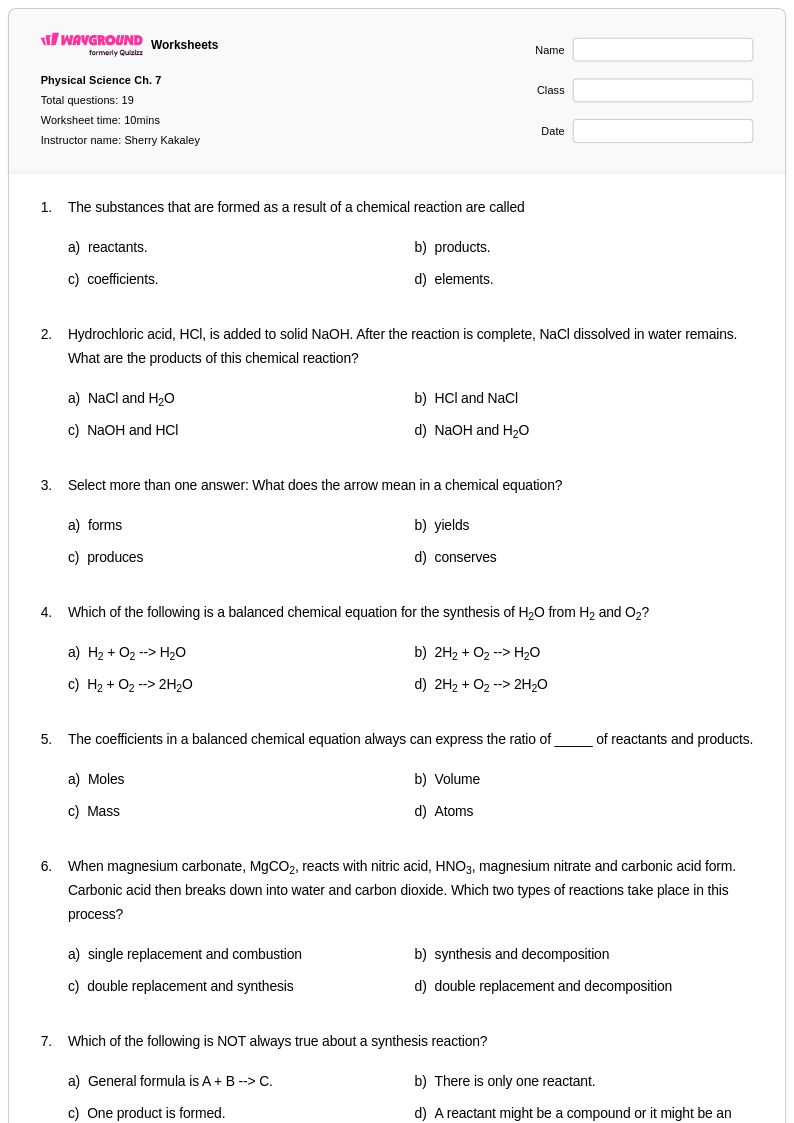
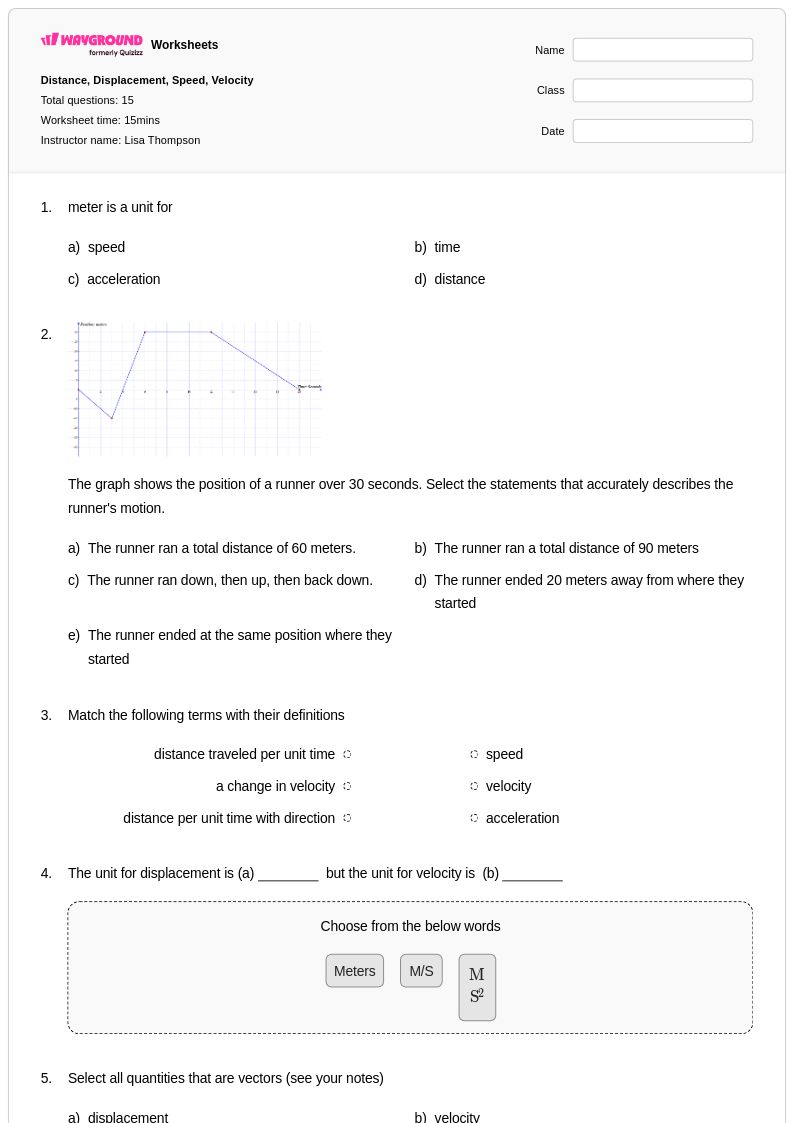
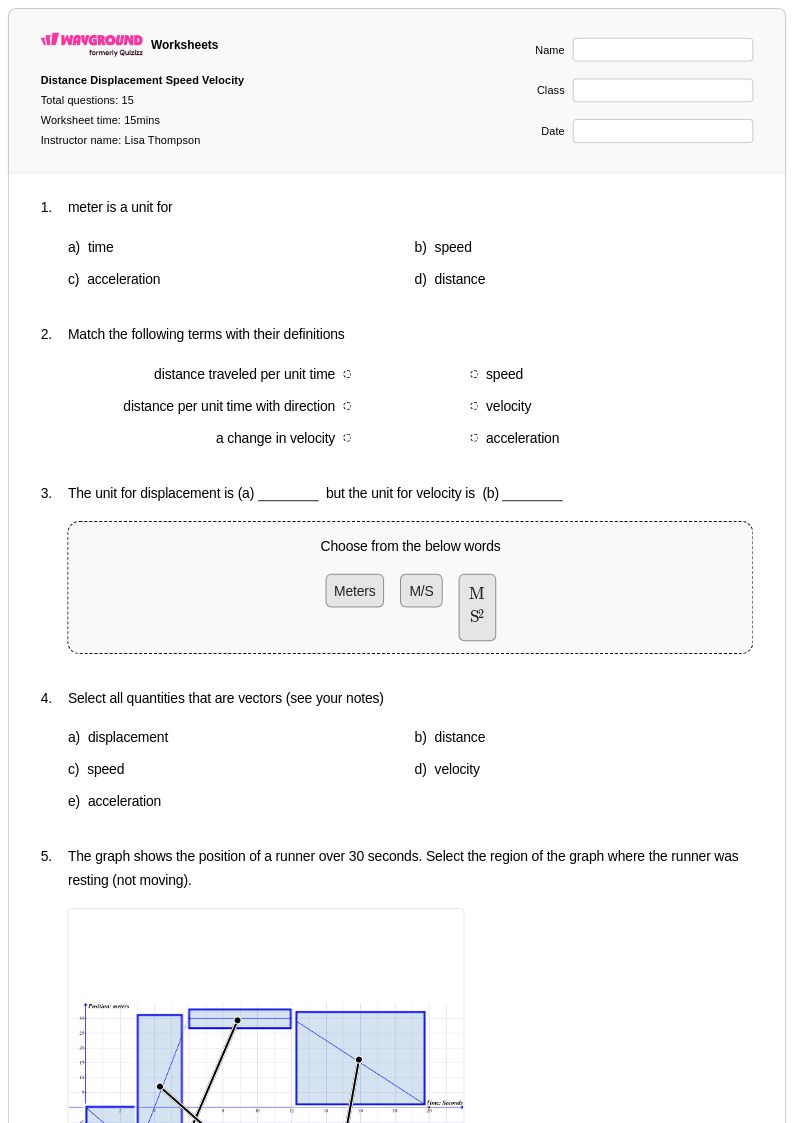
Class 6 double displacement reaction worksheets from Wayground help students master chemical equation balancing and reactant identification through engaging printables, practice problems, and comprehensive answer keys.
Explore printable Double Displacement Reaction worksheets for Class 6
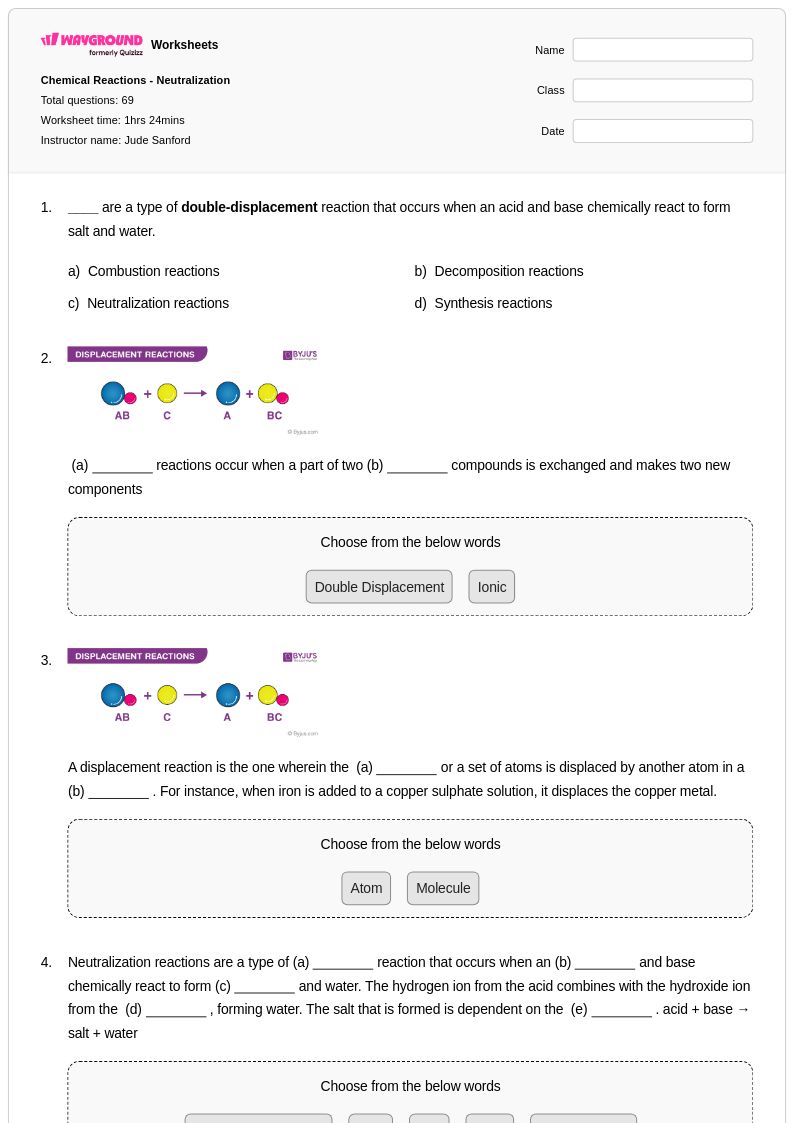
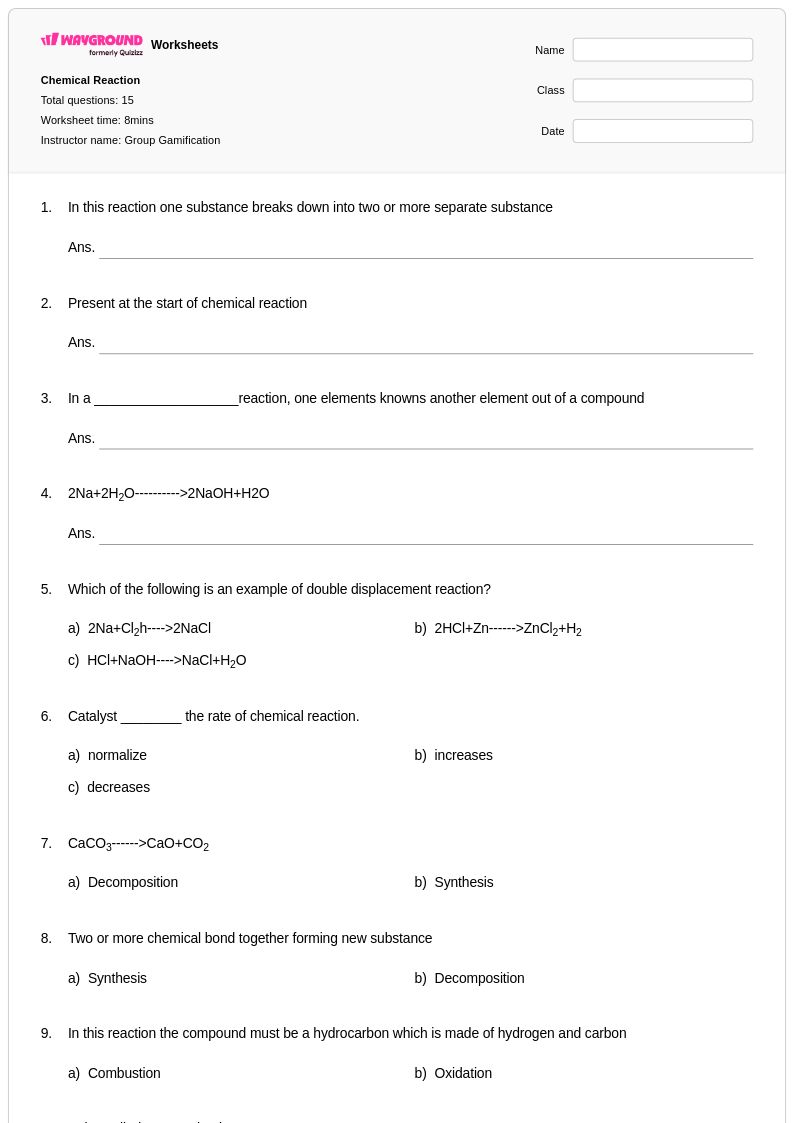
Double displacement reactions represent a fundamental concept in Class 6 chemistry, where students learn how two ionic compounds exchange ions to form two new compounds. Wayground's comprehensive collection of double displacement reaction worksheets provides educators with expertly crafted resources that guide students through identifying reactants and products, predicting outcomes, and balancing chemical equations for these exchange reactions. These practice problems systematically build understanding by starting with simple salt formations and progressing to more complex precipitation reactions, helping students recognize patterns such as the formation of insoluble compounds and the driving forces behind these chemical changes. Each worksheet includes detailed answer keys and is available as free printables, allowing teachers to provide immediate feedback while students master the essential skills of writing chemical formulas, applying solubility rules, and understanding the conservation of mass in chemical reactions.
Wayground supports chemistry educators with millions of teacher-created resources specifically designed for Class 6 double displacement reaction instruction, featuring robust search and filtering capabilities that allow teachers to quickly locate materials aligned with specific learning standards and student needs. The platform's differentiation tools enable educators to customize worksheets for various skill levels, from introductory concept reinforcement to advanced problem-solving challenges, while flexible formatting options provide both digital and printable pdf versions to accommodate diverse classroom environments. These extensive resources streamline lesson planning by offering ready-to-use materials for initial instruction, targeted remediation for struggling students, and enrichment activities for advanced learners, ensuring that all Class 6 students can develop confidence in predicting and analyzing double displacement reactions through systematic skill practice and scaffolded learning experiences.
FAQs
How do I teach double displacement reactions to chemistry students?
Start by ensuring students are comfortable with ionic compound notation and the concept of ions before introducing double displacement reactions. Use a clear visual model showing how cations and anions swap partners between two ionic compounds to form two new compounds. Reinforce the concept by connecting it to observable outcomes such as precipitate formation, gas evolution, or the production of a molecular compound like water, since these driving forces explain why the reaction actually proceeds.
What exercises help students practice double displacement reactions?
Effective practice exercises progress from simple ion-swapping drills, where students identify the cation and anion in each reactant and switch partners, to more demanding problems requiring students to balance the resulting equations and apply solubility rules to determine whether a precipitate forms. Precipitation reaction problems are especially valuable because they require students to integrate multiple skills simultaneously, including writing ionic formulas, applying solubility rules, and balancing equations. Including acid-base neutralization and metathesis problems rounds out practice by exposing students to the full range of double displacement reaction types.
What mistakes do students commonly make with double displacement reactions?
The most common error is incorrectly swapping ions, where students swap entire formulas rather than just the cations between the two compounds. Students also frequently forget to apply solubility rules, writing precipitates as soluble or vice versa without checking. A related misconception is assuming every double displacement reaction automatically proceeds, when in reality a reaction only occurs if there is a driving force such as an insoluble precipitate, a gas, or a molecular compound being formed.
How do I use Wayground's double displacement reaction worksheets in my classroom?
Wayground's double displacement reaction worksheets are available as printable PDFs for traditional classroom use and in digital formats for technology-integrated learning environments, giving teachers flexibility for in-class practice, homework, or lab prep. Teachers can also host worksheets as a quiz directly on Wayground, making it straightforward to assign and collect student work digitally. Each worksheet includes a detailed answer key that walks through the step-by-step process for determining products and writing balanced equations, reducing grading time and supporting student self-correction.
How can I differentiate double displacement reaction practice for students at different skill levels?
For students new to double displacement reactions, begin with structured problems that prompt them to identify the cation and anion in each compound before swapping, reducing the cognitive load of holding multiple steps in mind at once. More advanced students can move to open-ended problems involving complex ionic compounds, multi-step balancing, and real-world applications such as water treatment or pharmaceutical synthesis. On Wayground, teachers can apply individual accommodations such as reduced answer choices or read-aloud support for students who need additional scaffolding, while the rest of the class receives standard settings without disruption.
How do solubility rules connect to double displacement reactions?
Solubility rules are essential to double displacement reactions because they determine whether the products of an ion swap will actually separate from solution as a precipitate, which is one of the primary driving forces that makes the reaction proceed. Students need to check the solubility of both predicted products after performing the ion exchange, and only write a compound as a precipitate if the rules confirm it is insoluble in water. Teaching solubility rules as an integrated step in the double displacement process, rather than as an isolated memorization task, significantly improves student accuracy when predicting reaction outcomes.