
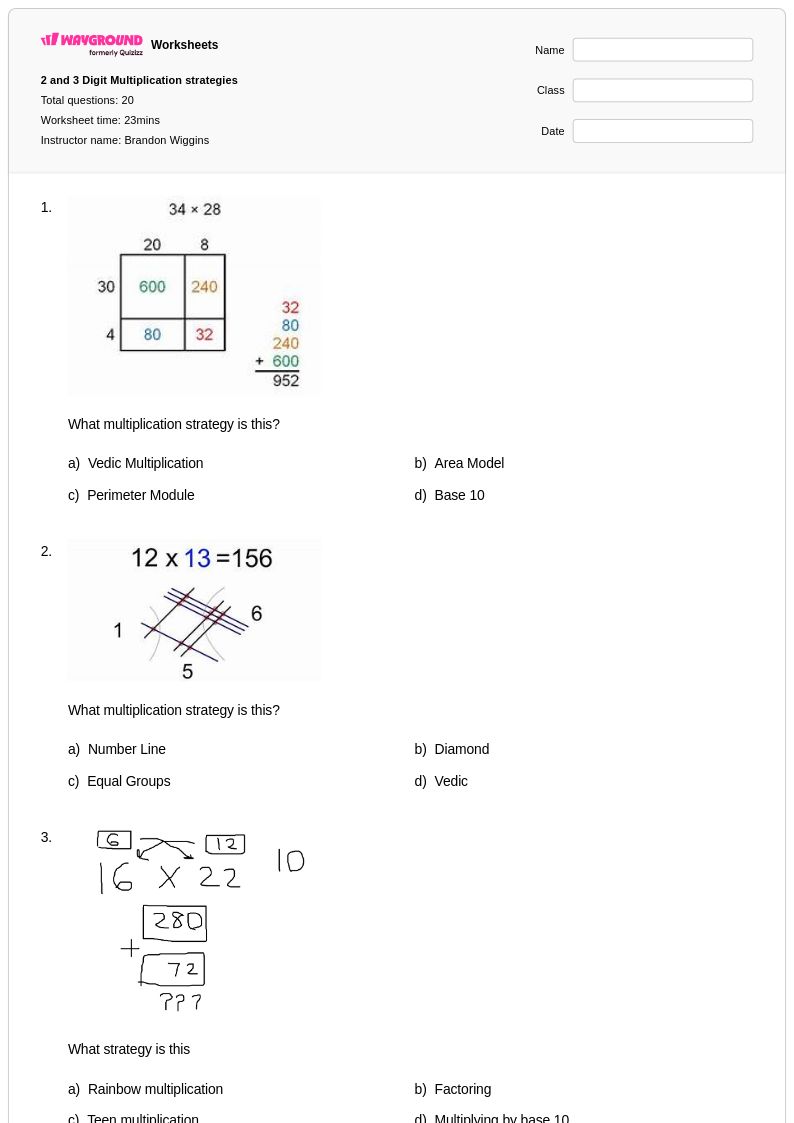
20 Q
3rd - 5th
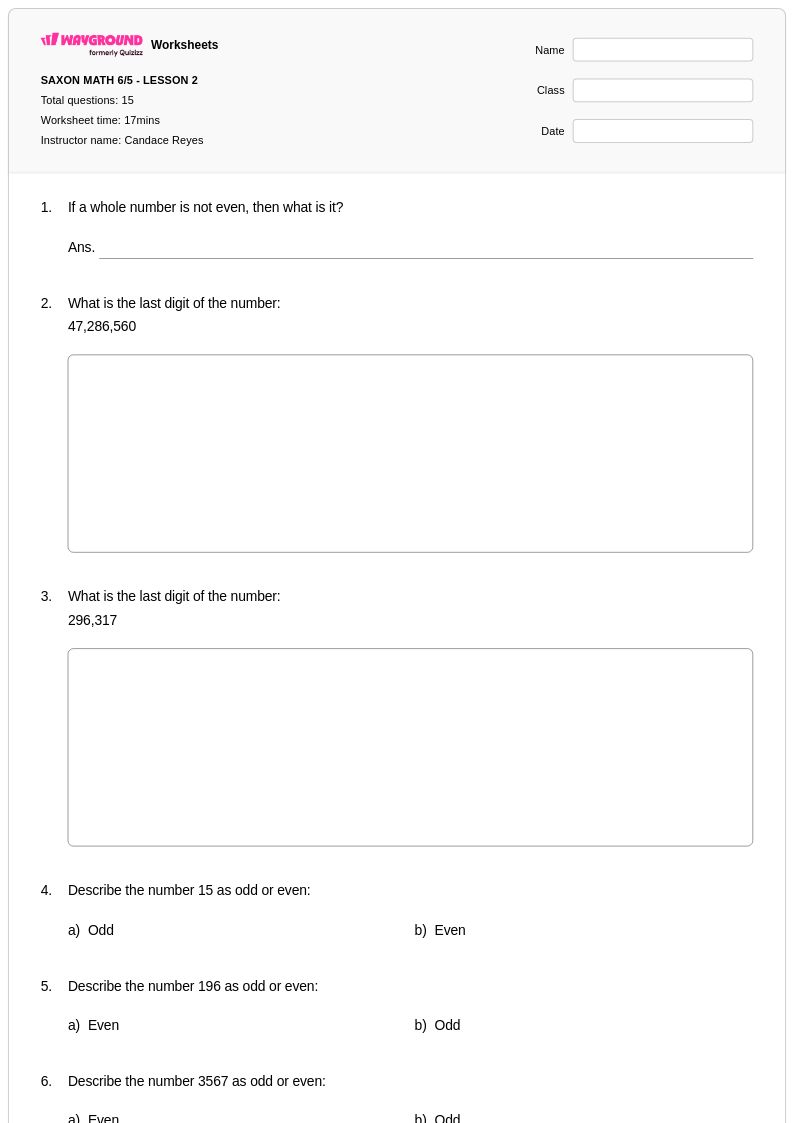
15 Q
5th
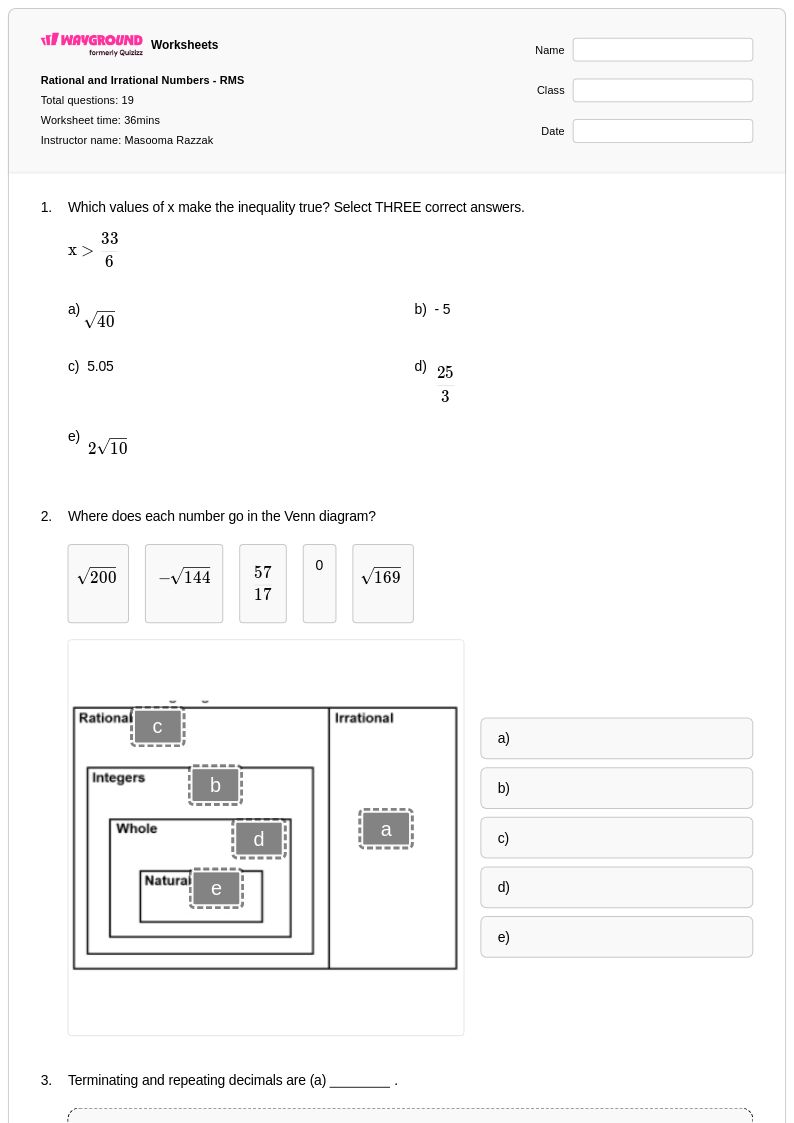
19 Q
8th
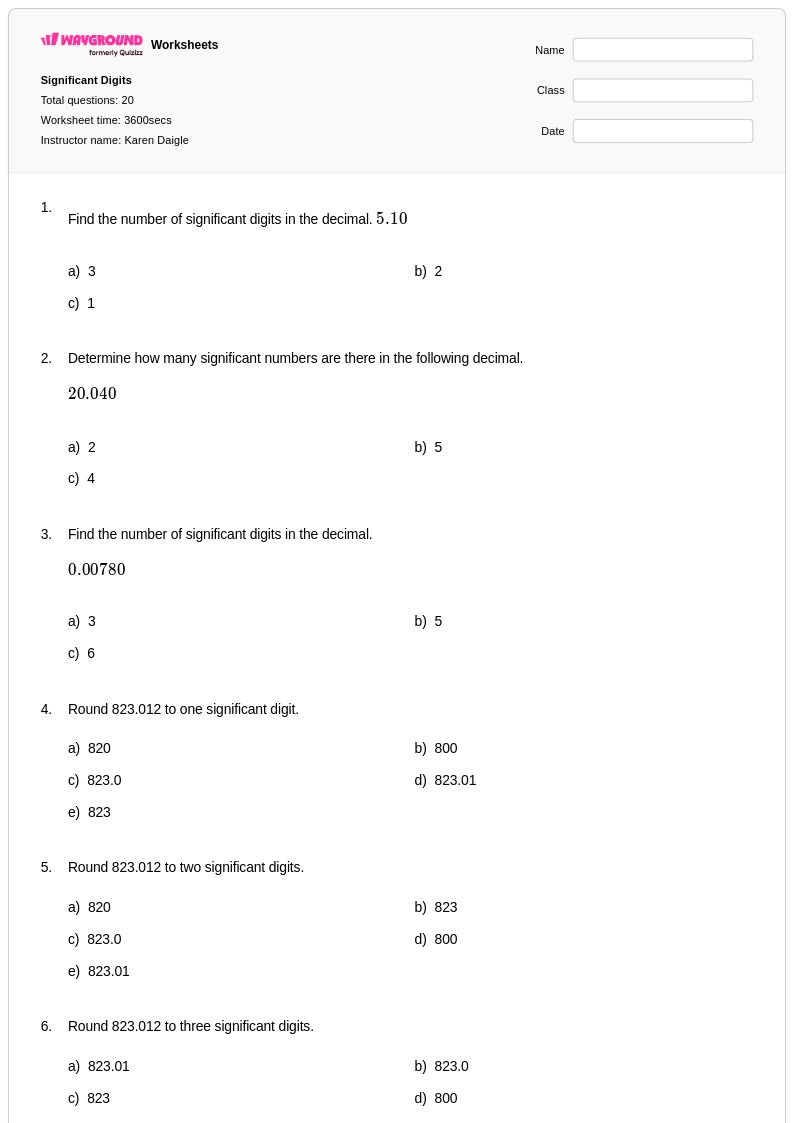
20 Q
9th
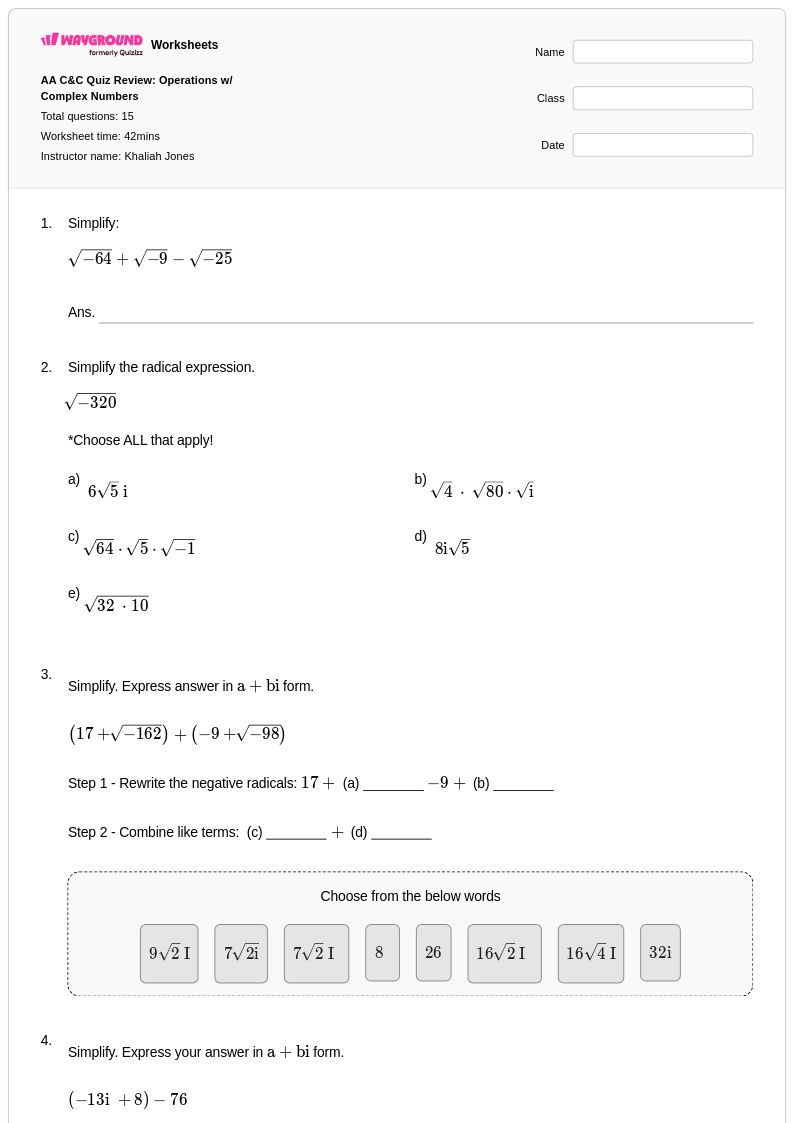
15 Q
11th
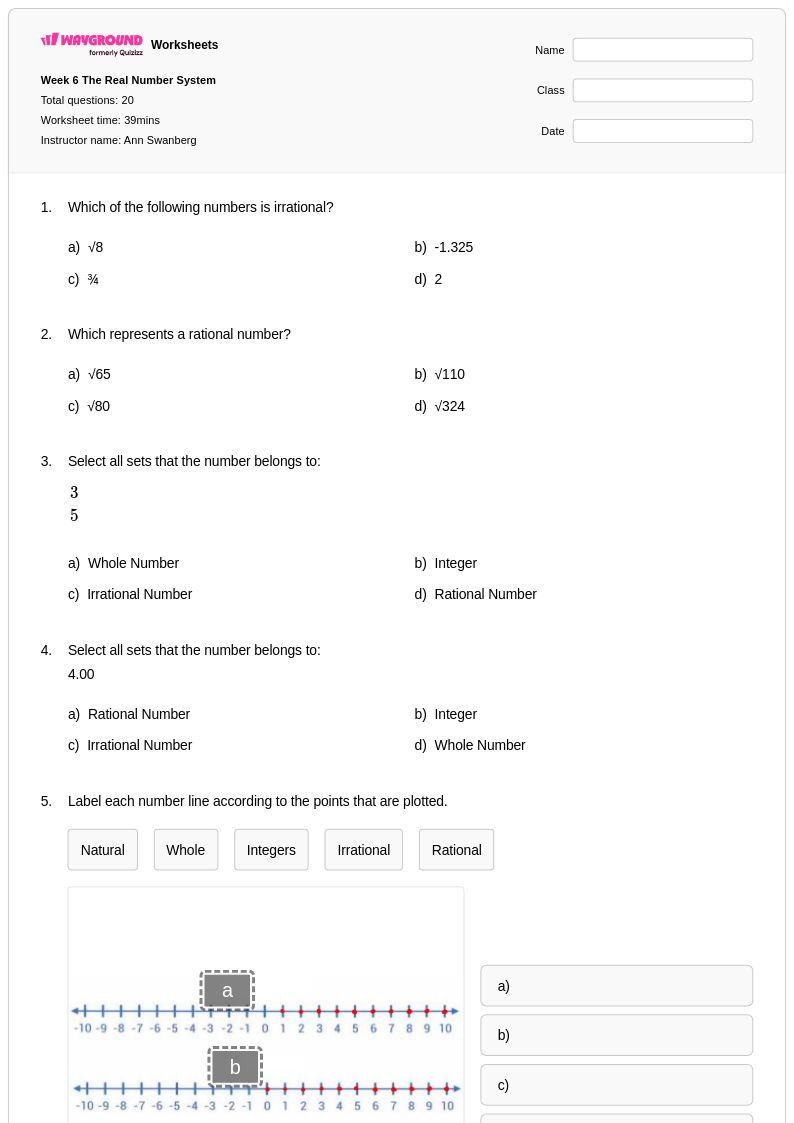
20 Q
8th
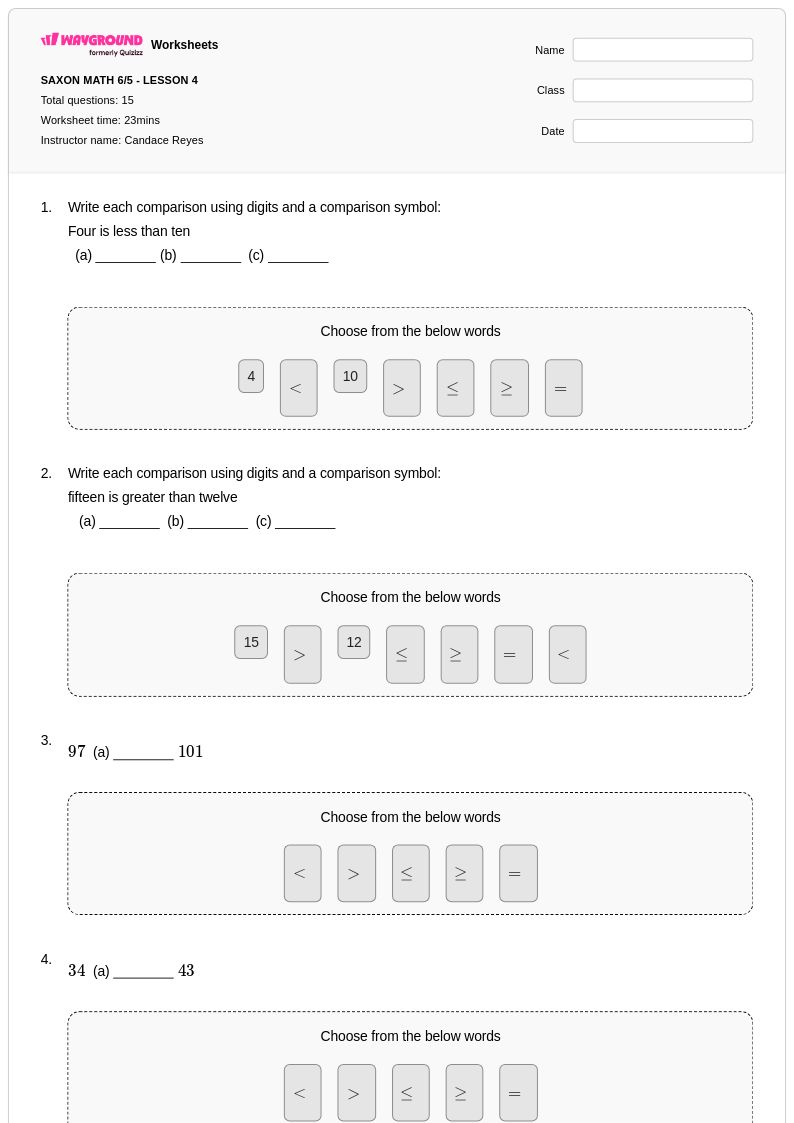
15 Q
5th
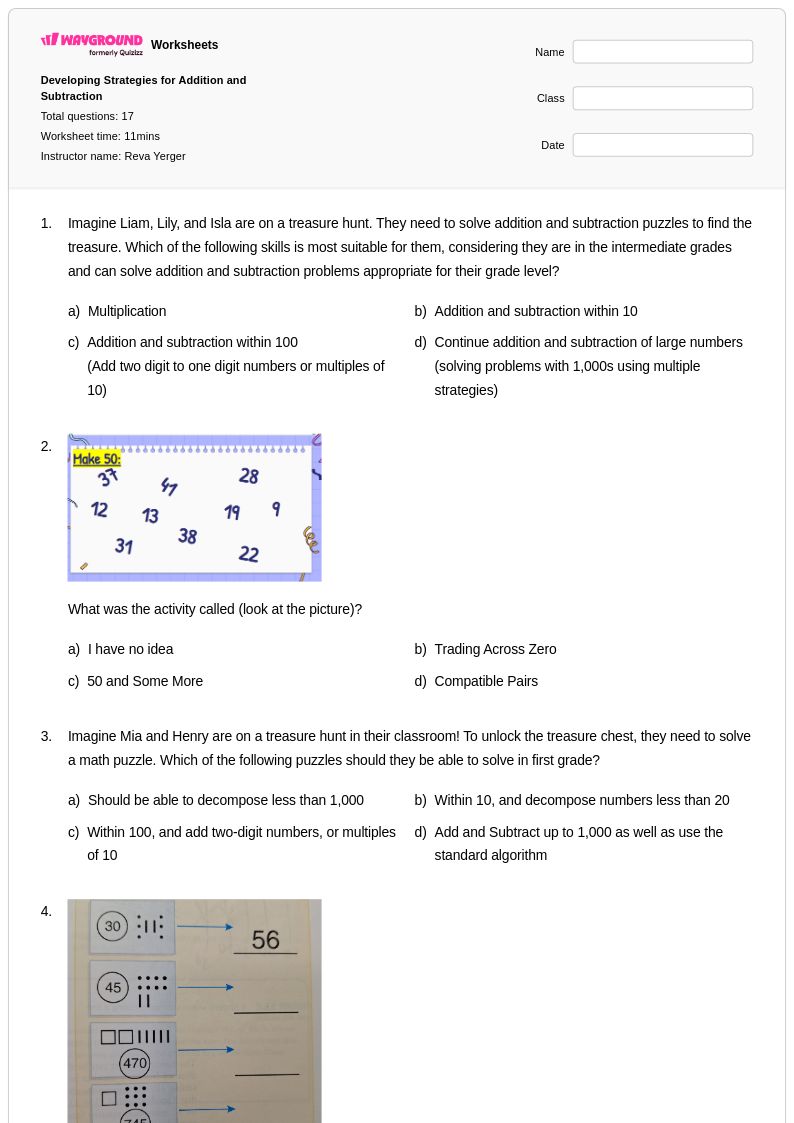
17 Q
Uni
15 Q
9th - 12th
10 Q
3rd
13 Q
8th
9 Q
4th
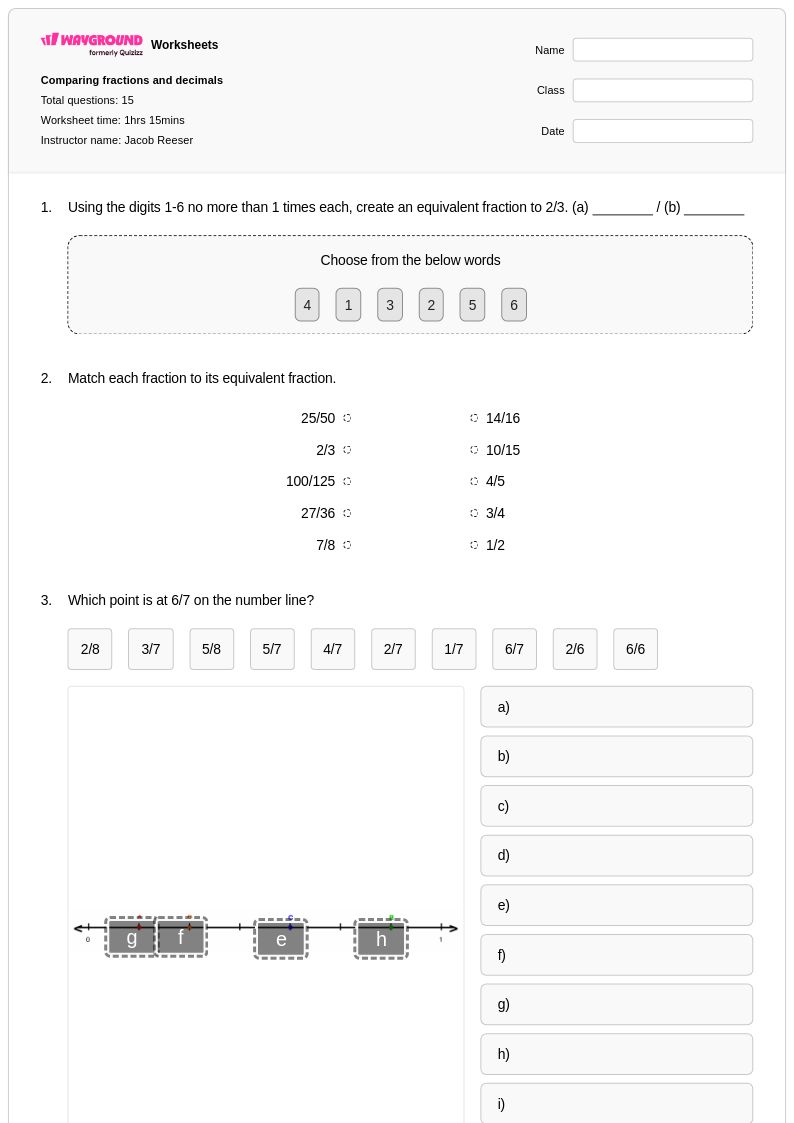
15 Q
5th
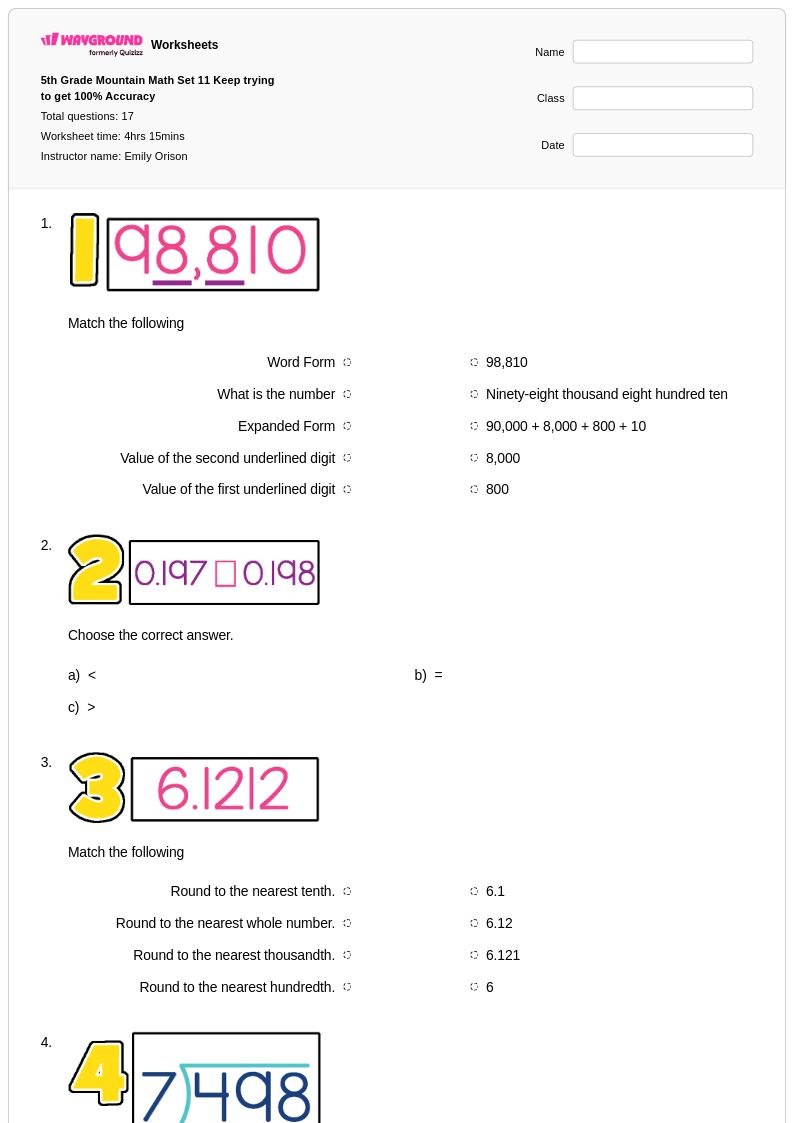
17 Q
5th
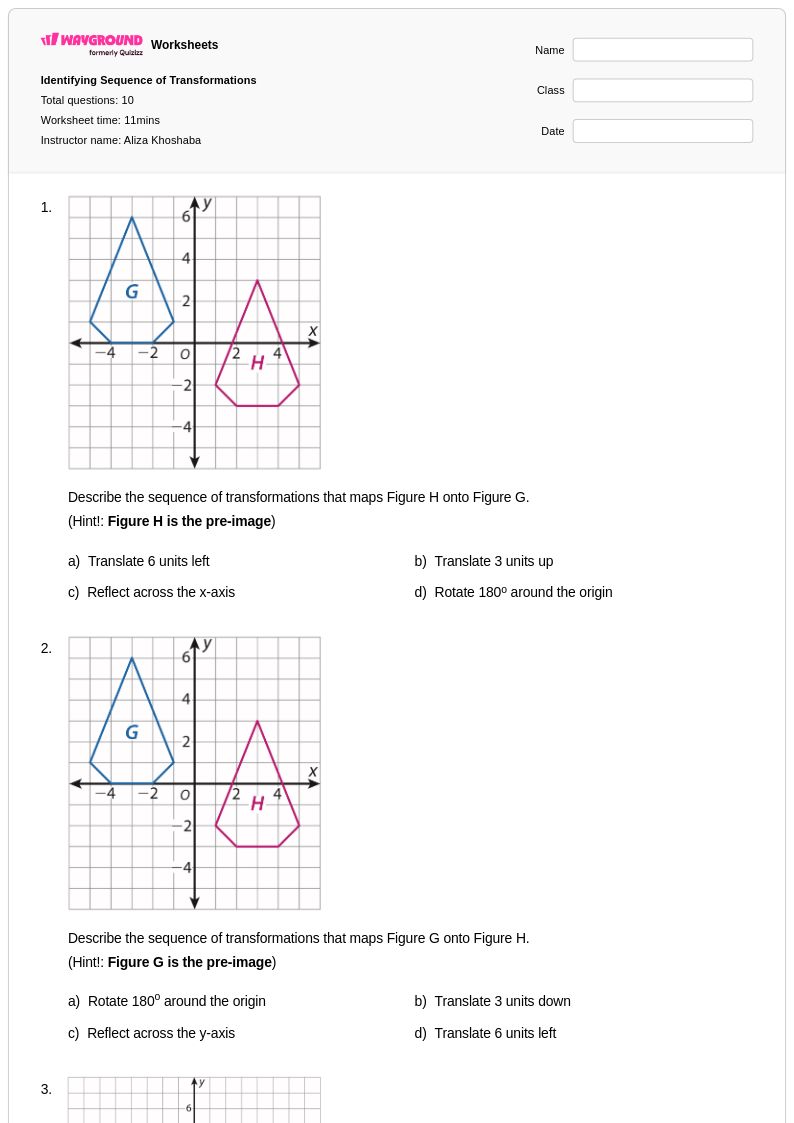
10 Q
8th
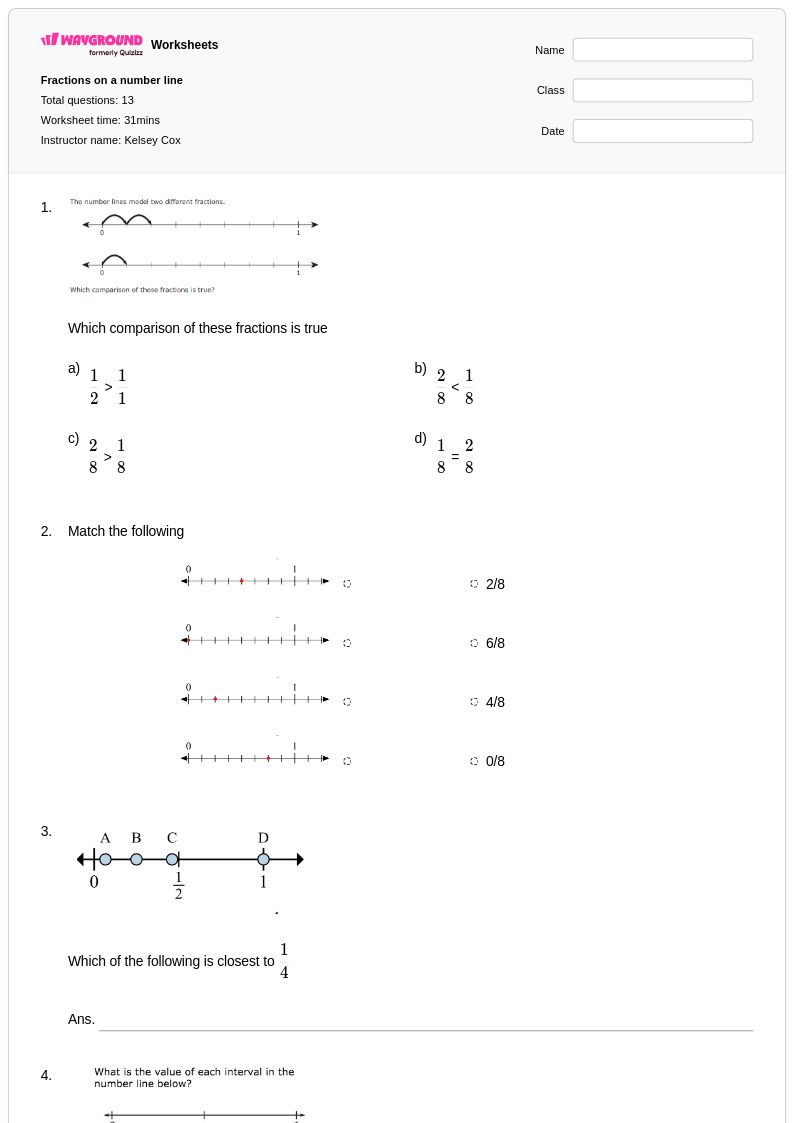
13 Q
3rd
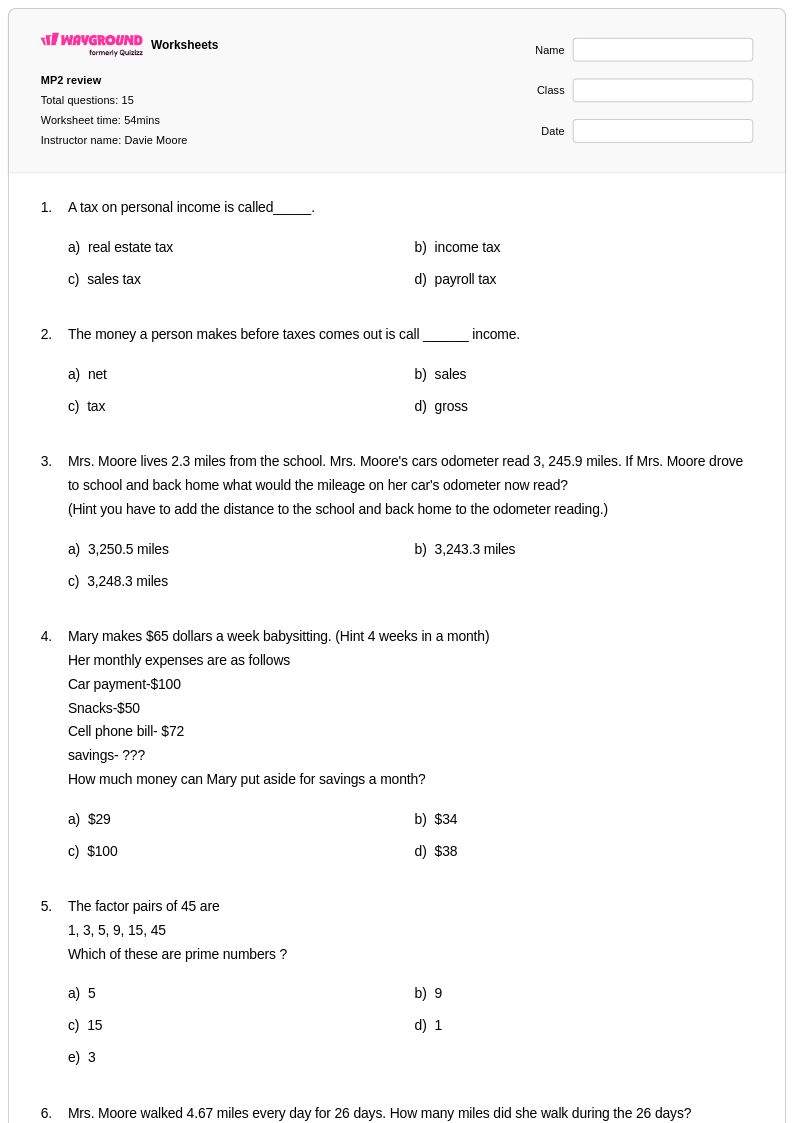
15 Q
5th
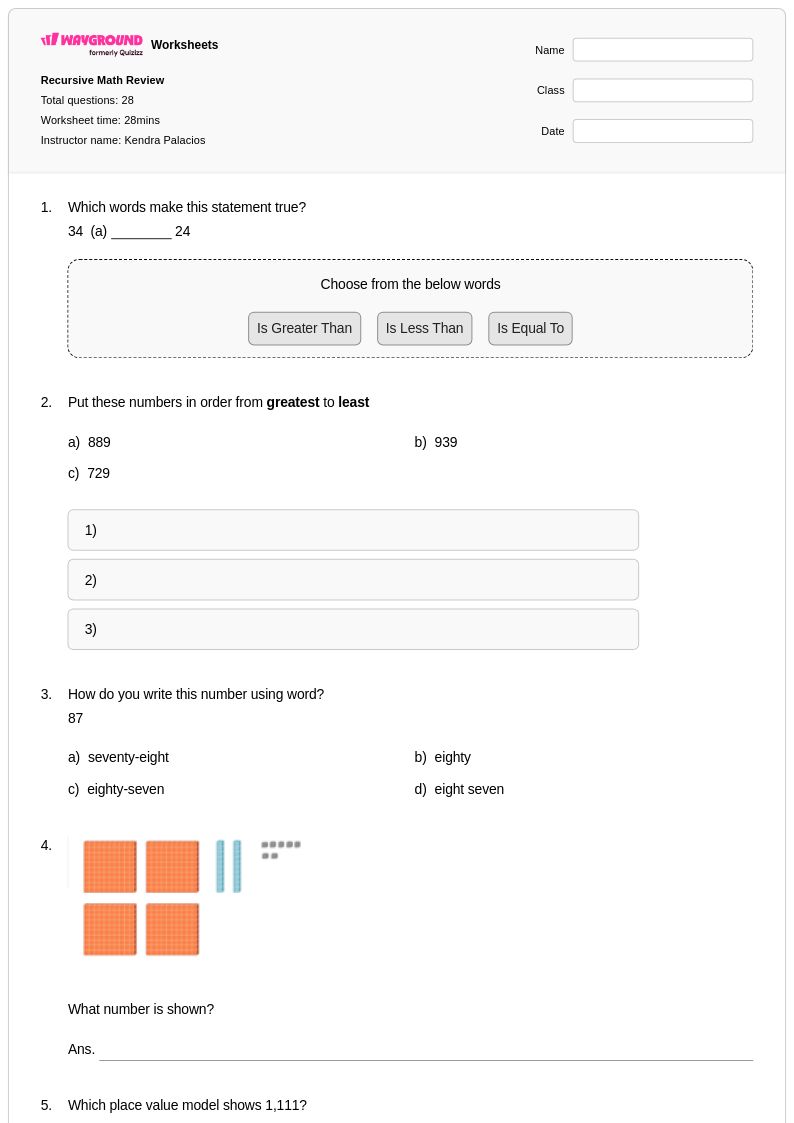
28 Q
2nd
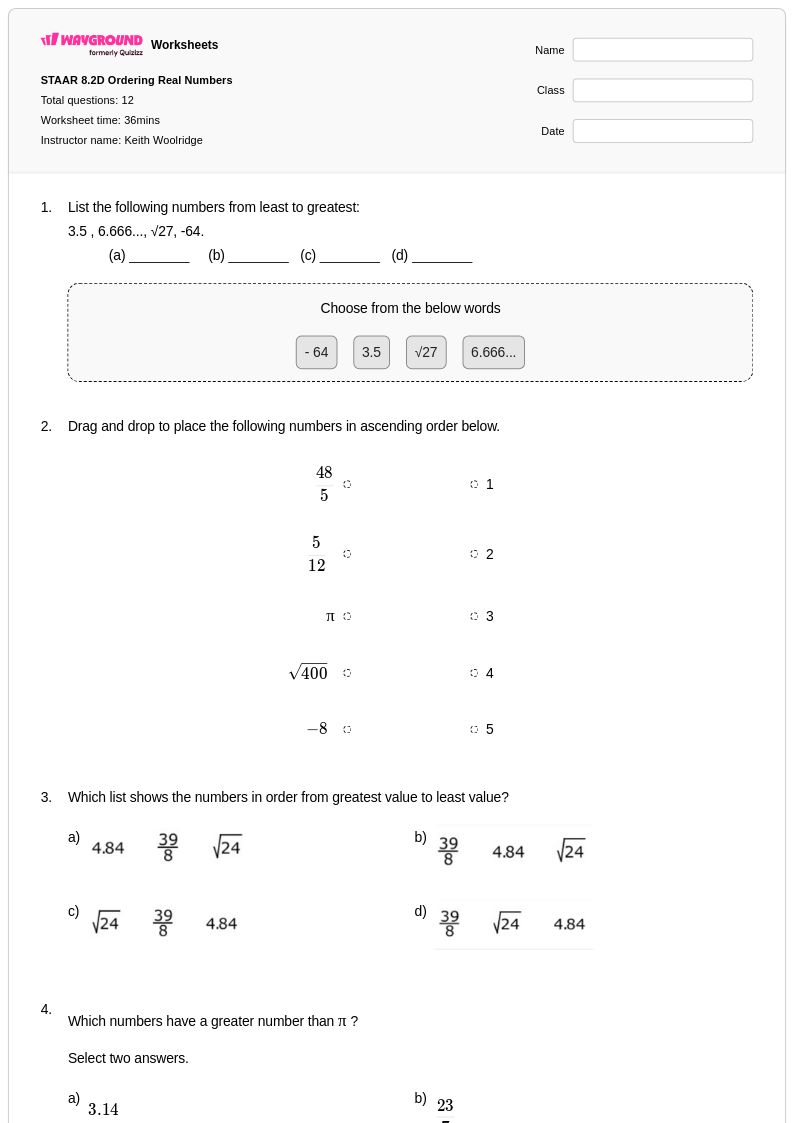
14 Q
8th
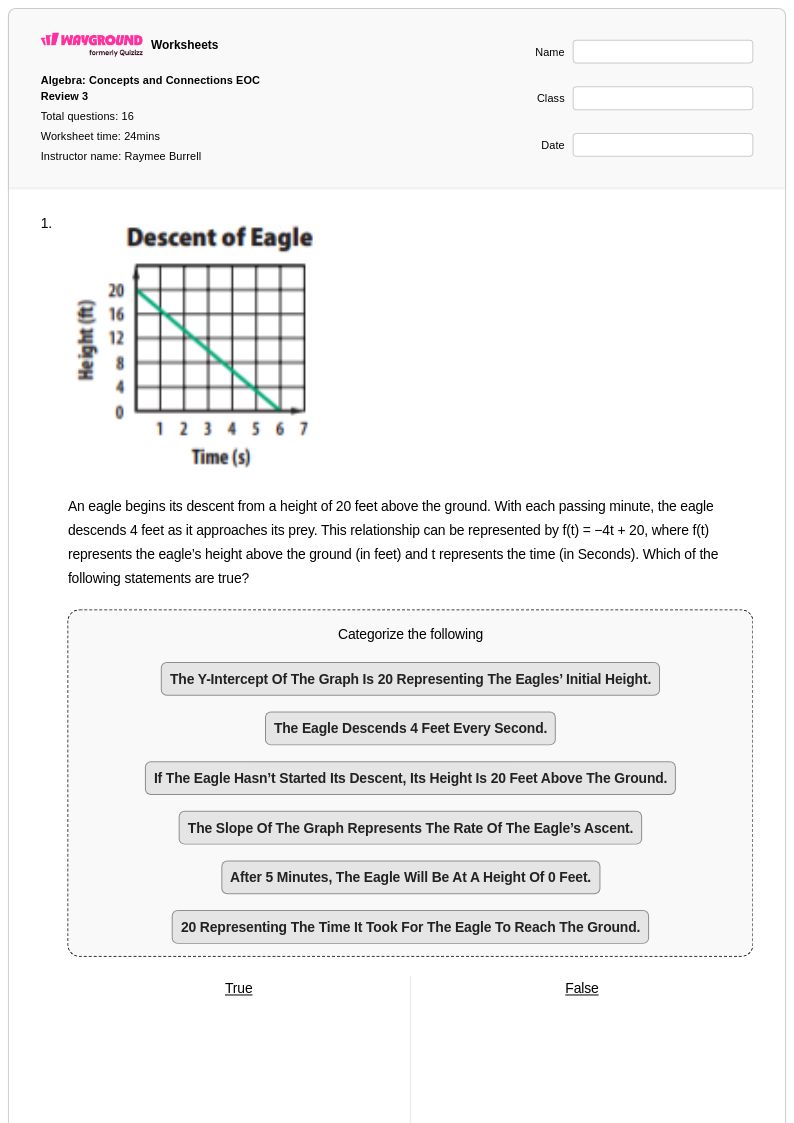
16 Q
9th
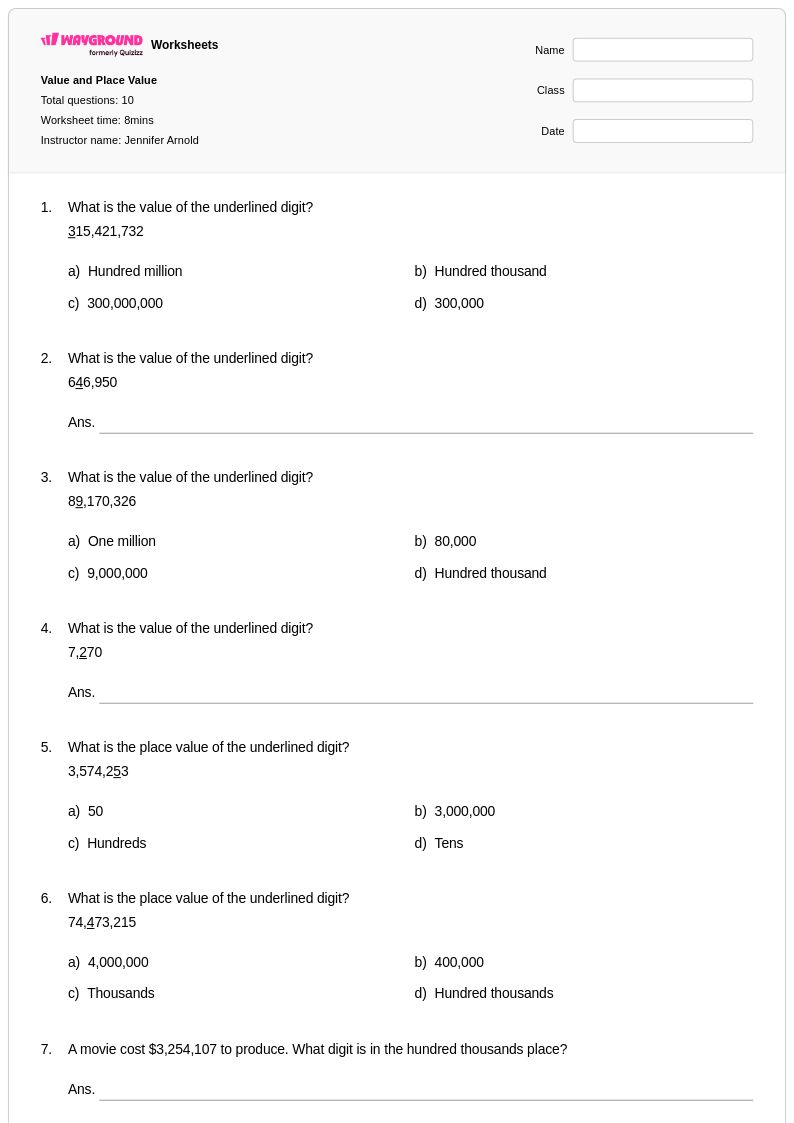
10 Q
5th
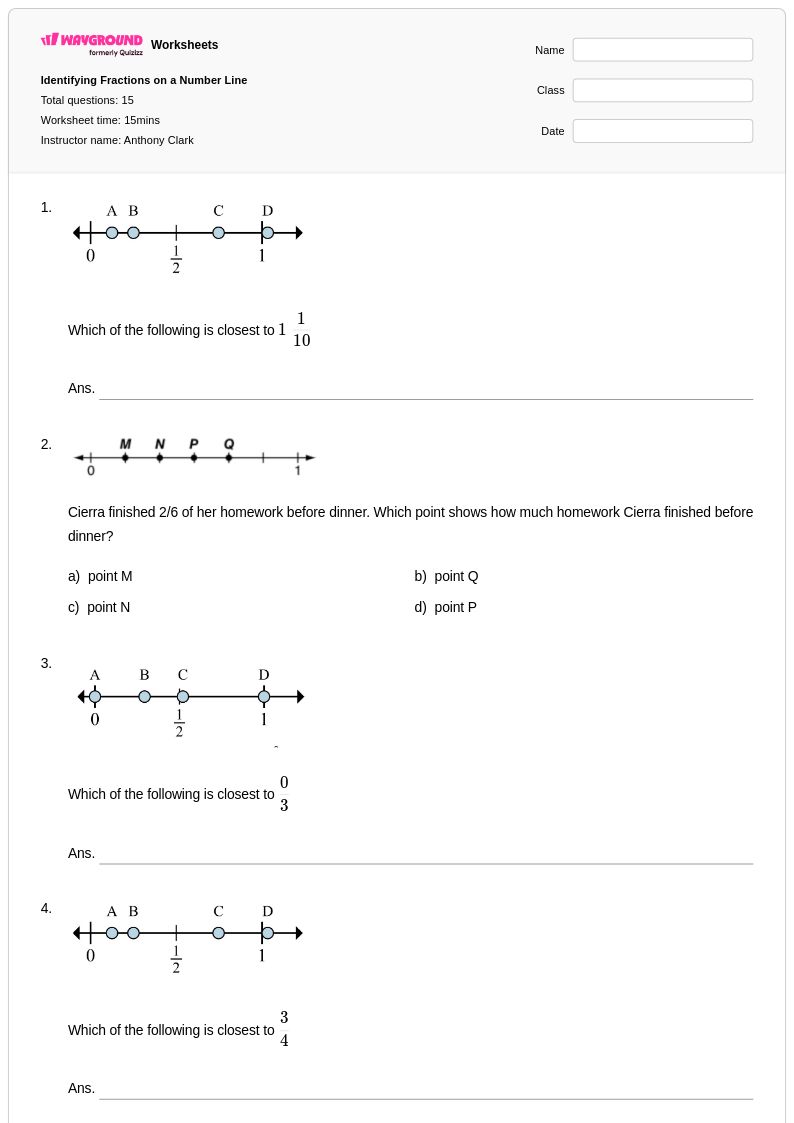
15 Q
3rd - Uni
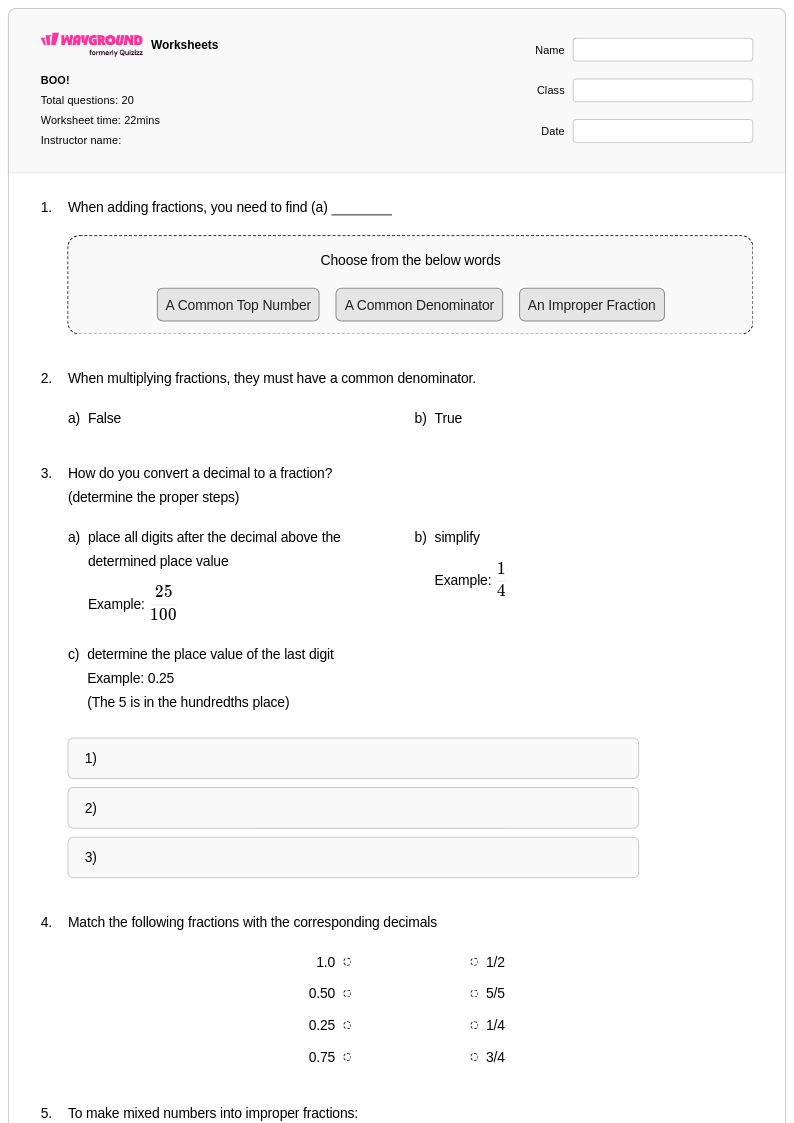
20 Q
7th
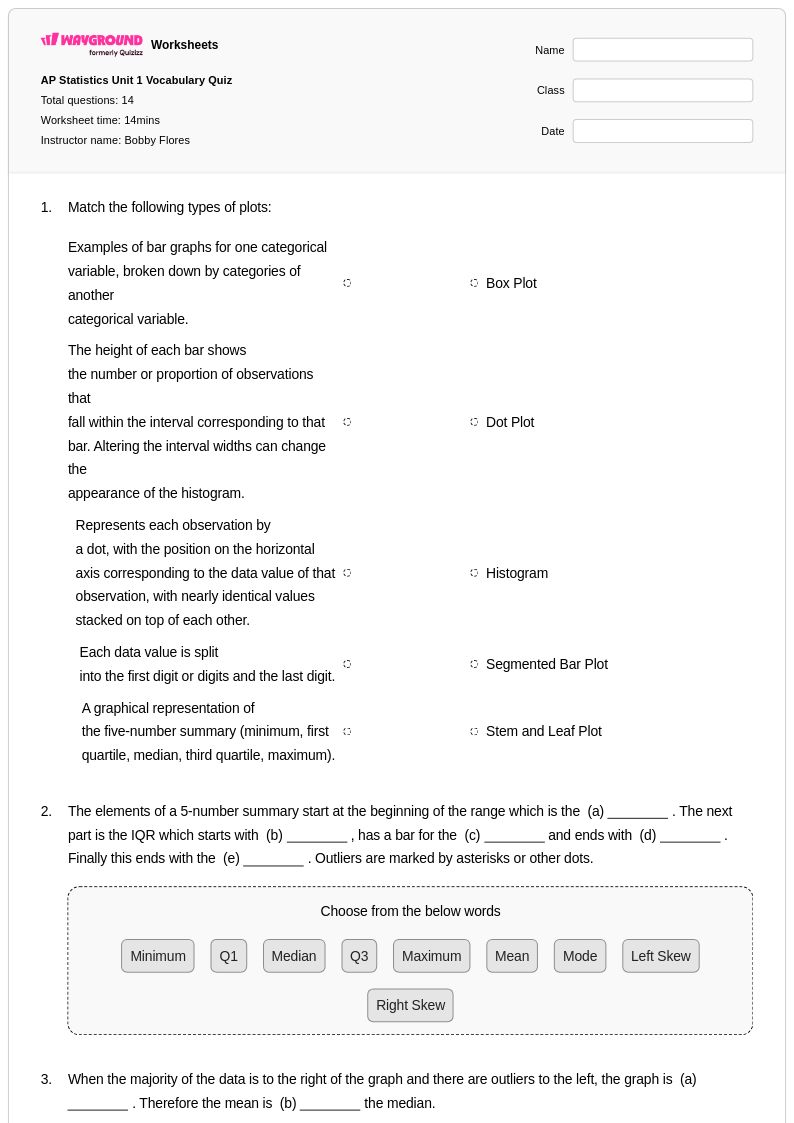
14 Q
12th
Explore Worksheets by Subjects
Explore printable Identifying Three-digit Numbers worksheets
Identifying three-digit numbers represents a fundamental mathematical milestone where students develop critical number sense and place value understanding. Wayground's comprehensive worksheet collection focuses specifically on helping learners recognize, analyze, and work with numbers from 100 to 999, building essential skills in numerical literacy and mathematical reasoning. These carefully designed practice problems guide students through systematic identification exercises, strengthening their ability to distinguish three-digit numbers from other numerical forms while reinforcing place value concepts for hundreds, tens, and ones. Each printable worksheet includes a complete answer key, making it easy for educators and parents to provide immediate feedback and support student learning. The free pdf format ensures accessibility while maintaining professional quality that supports both classroom instruction and independent practice.
Wayground, formerly Quizizz, empowers teachers with an extensive library of millions of educator-created resources specifically designed for three-digit number identification instruction. The platform's advanced search and filtering capabilities allow teachers to quickly locate worksheets that align with specific learning objectives and curriculum standards, while differentiation tools enable customization for diverse learning needs and abilities. These versatile materials are available in both printable and digital formats, including downloadable pdf versions that seamlessly integrate into lesson planning workflows. Teachers can leverage these resources for targeted remediation, skill enrichment, and regular practice sessions, with the flexibility to modify content complexity and presentation style to match individual student requirements and classroom dynamics.
FAQs
How do I teach identifying three-digit numbers?
What exercises help students practice identifying three-digit numbers?
What are common mistakes when learning three-digit numbers?
How can I use these three-digit number worksheets in my class?
How does identifying three-digit numbers fit into the curriculum?
How can I support diverse learners with these worksheets?