
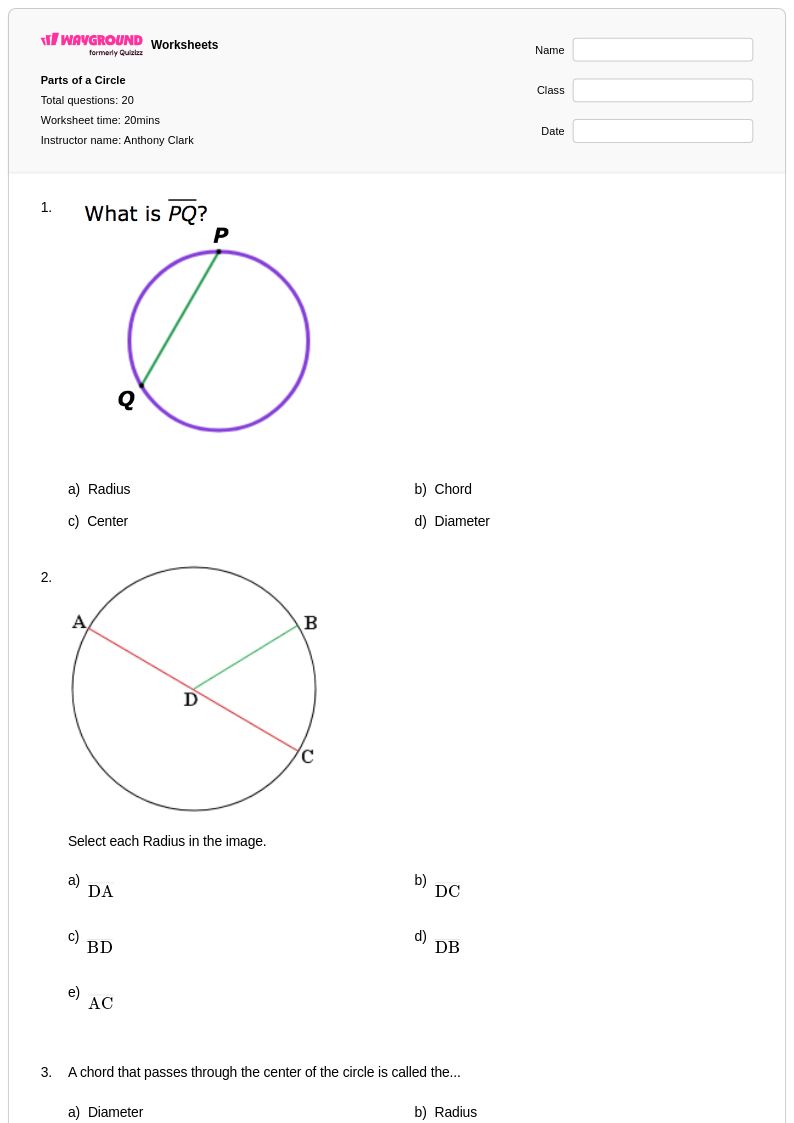
20 Q
7th - Uni
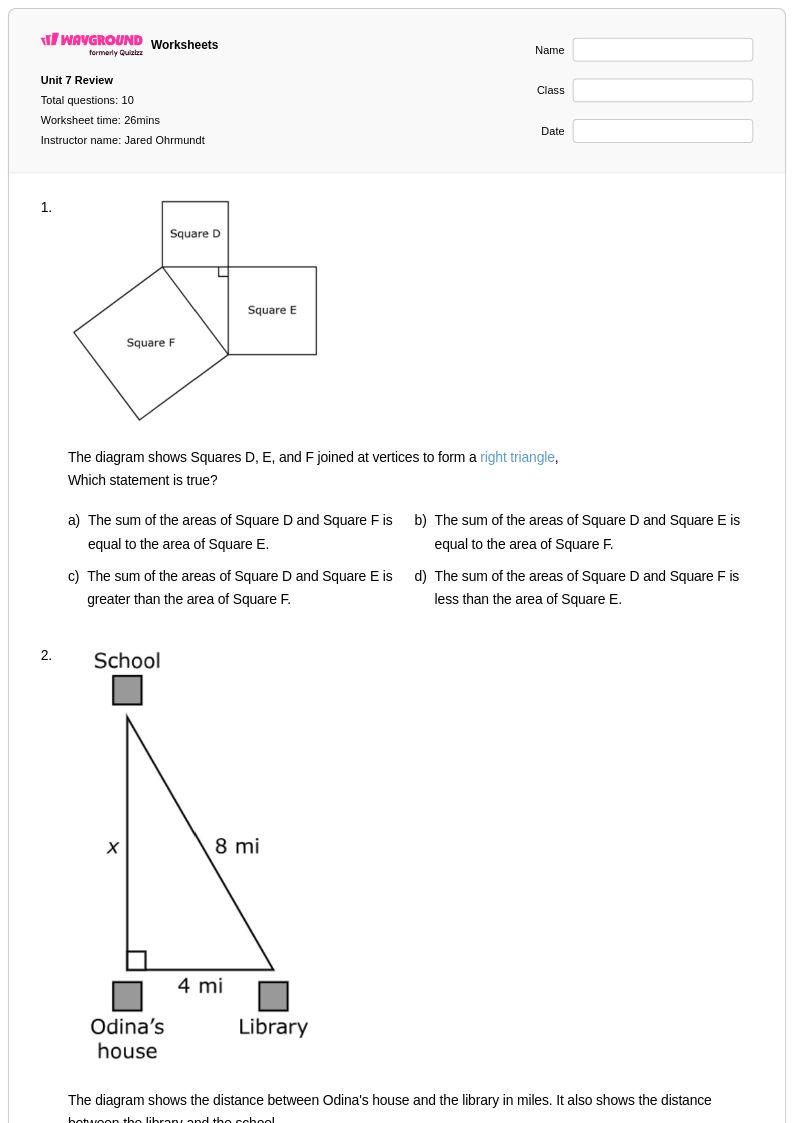
10 Q
8th
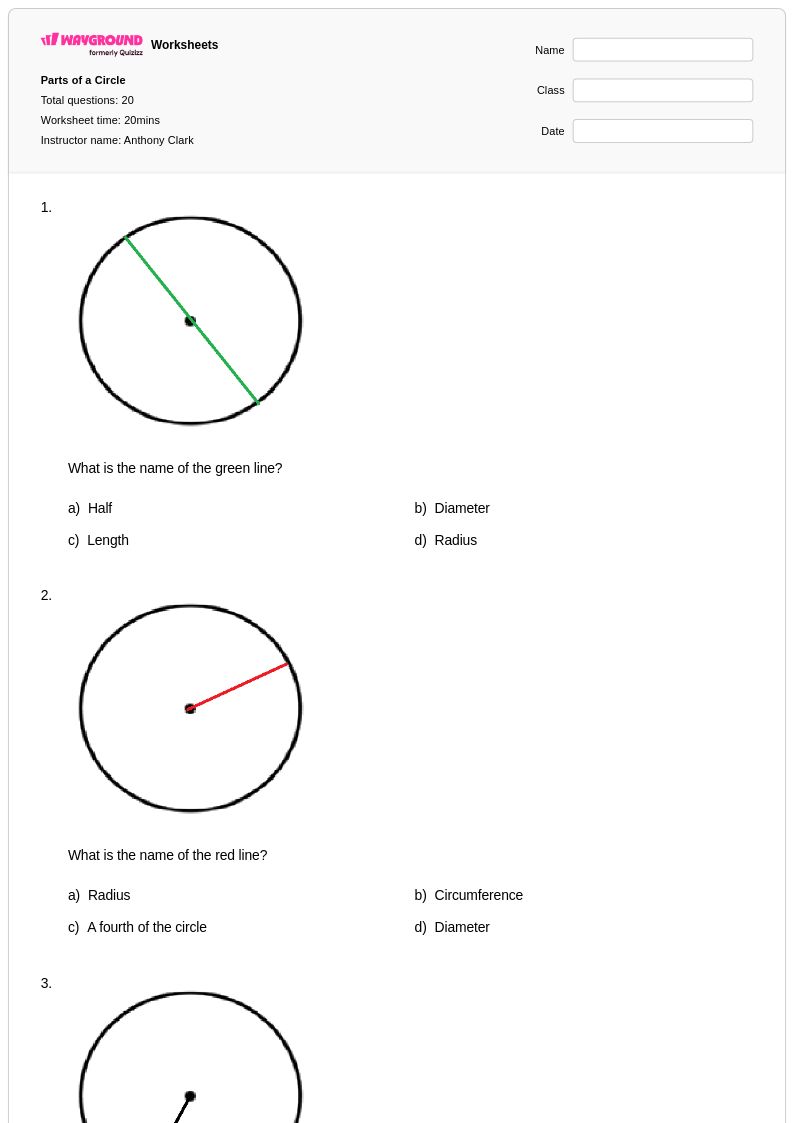
20 Q
7th - Uni
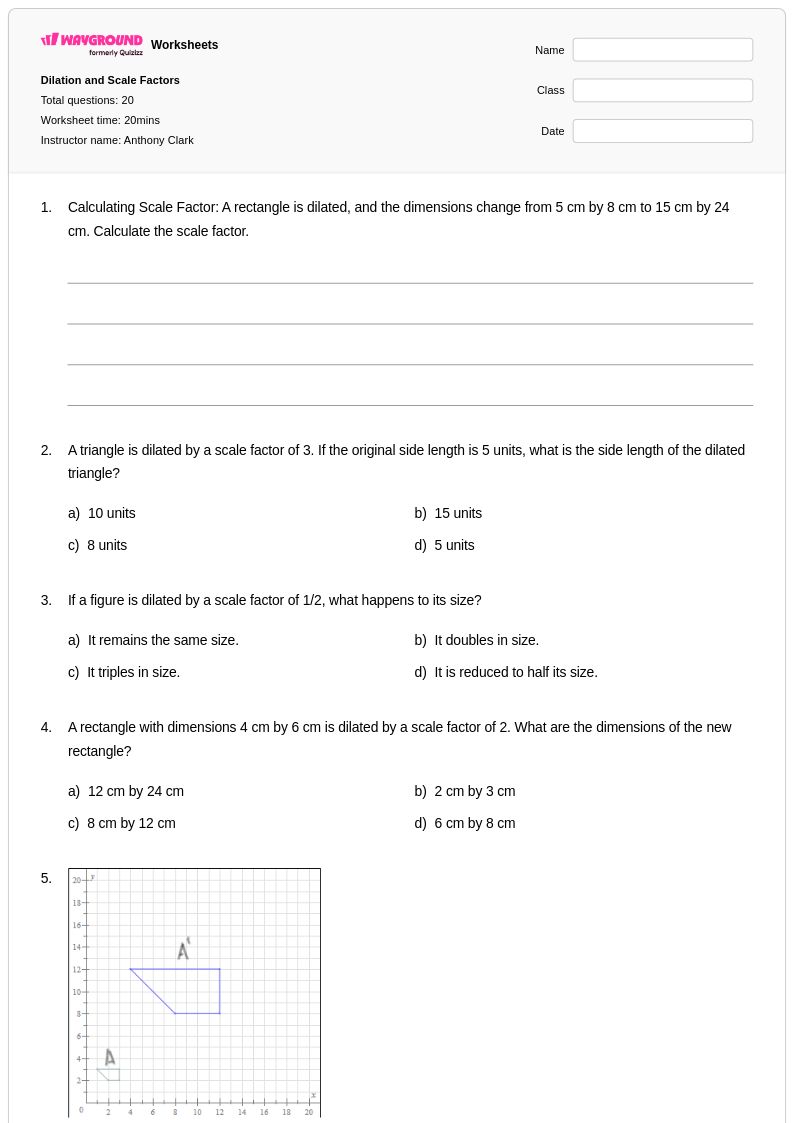
20 Q
8th - Uni
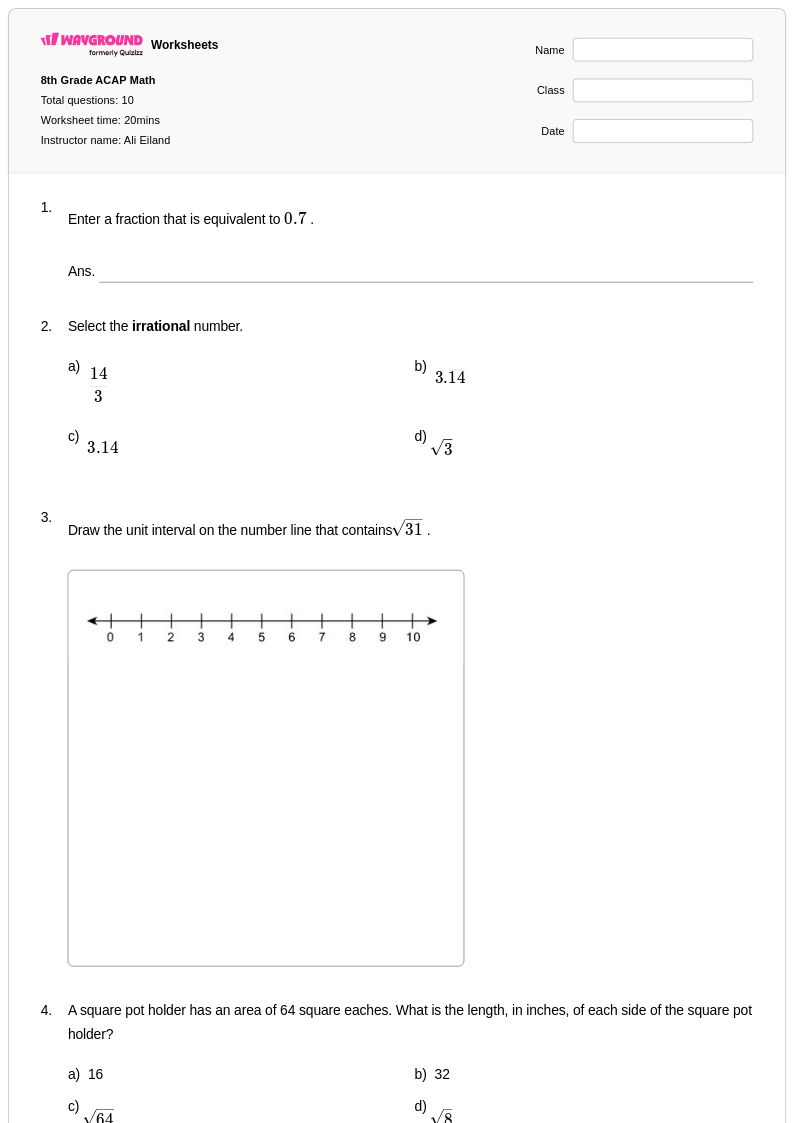
10 Q
8th
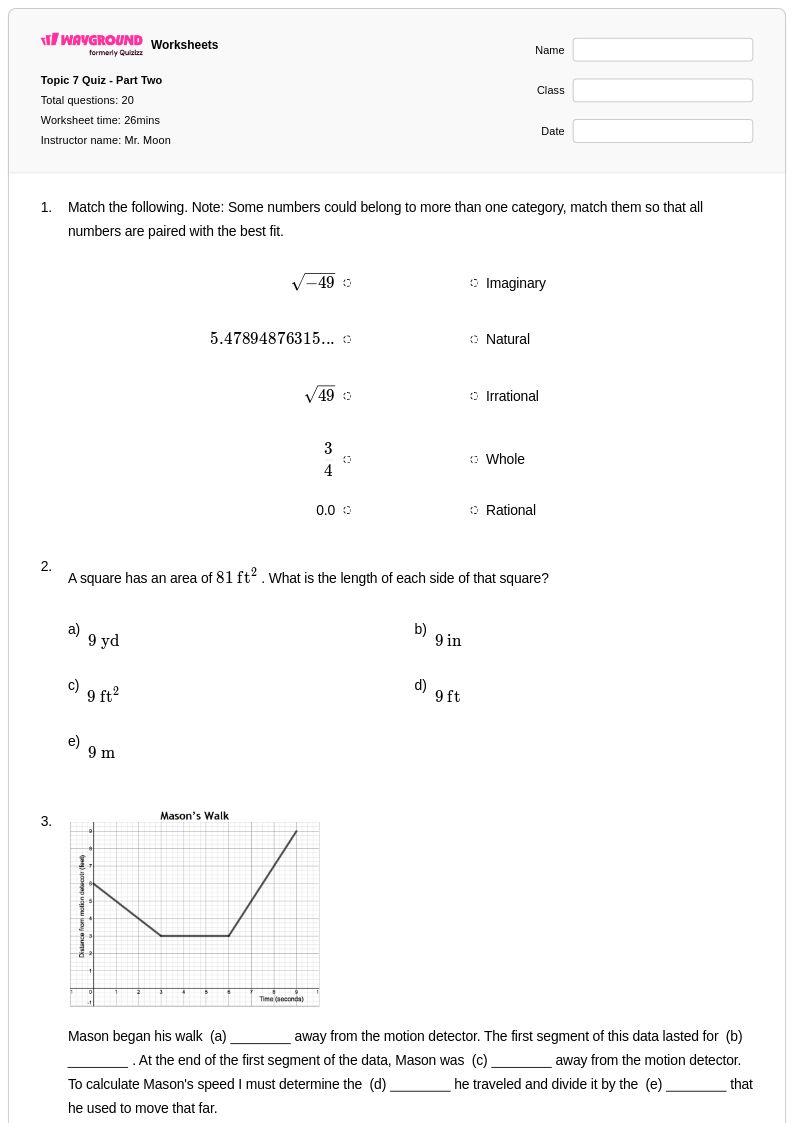
20 Q
8th
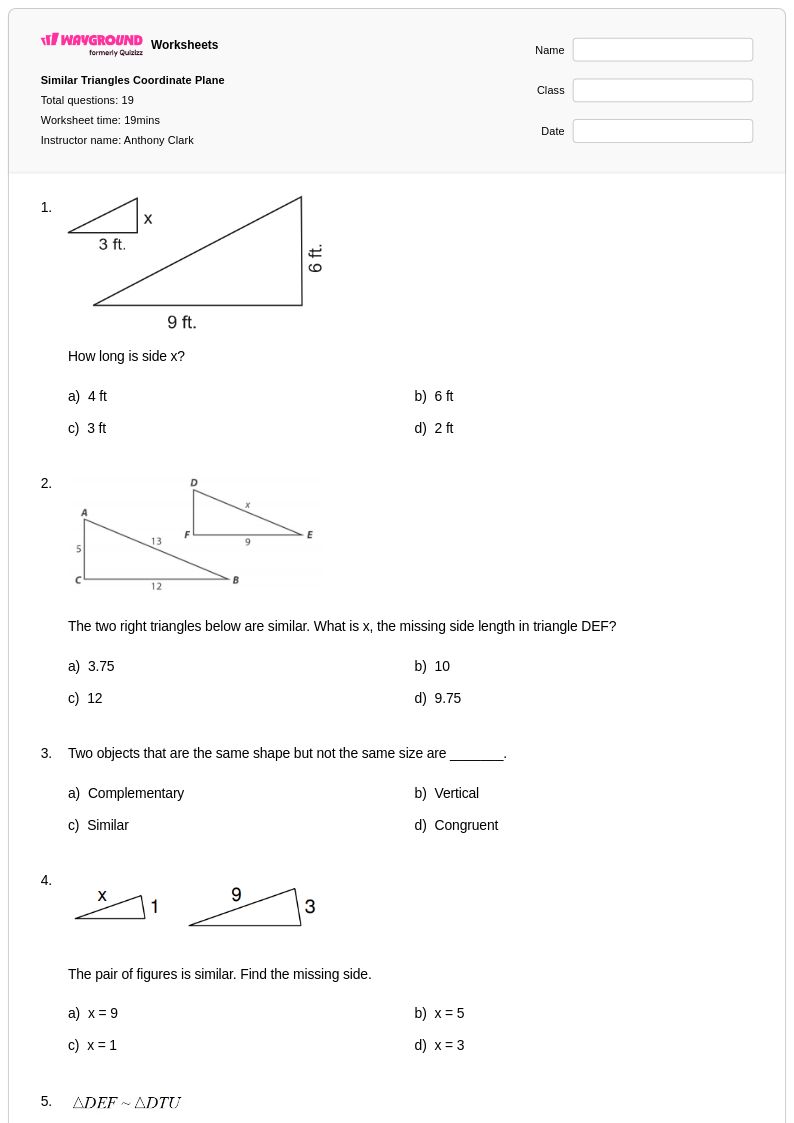
19 Q
8th - Uni
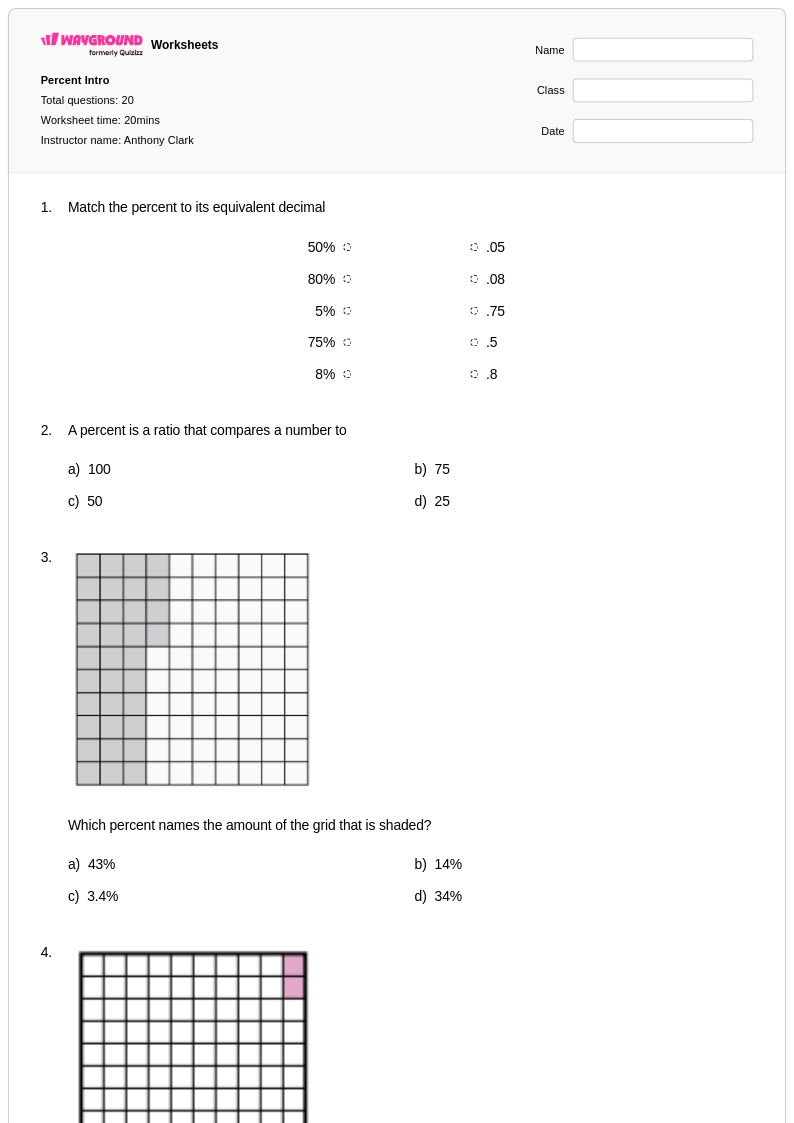
20 Q
7th - Uni
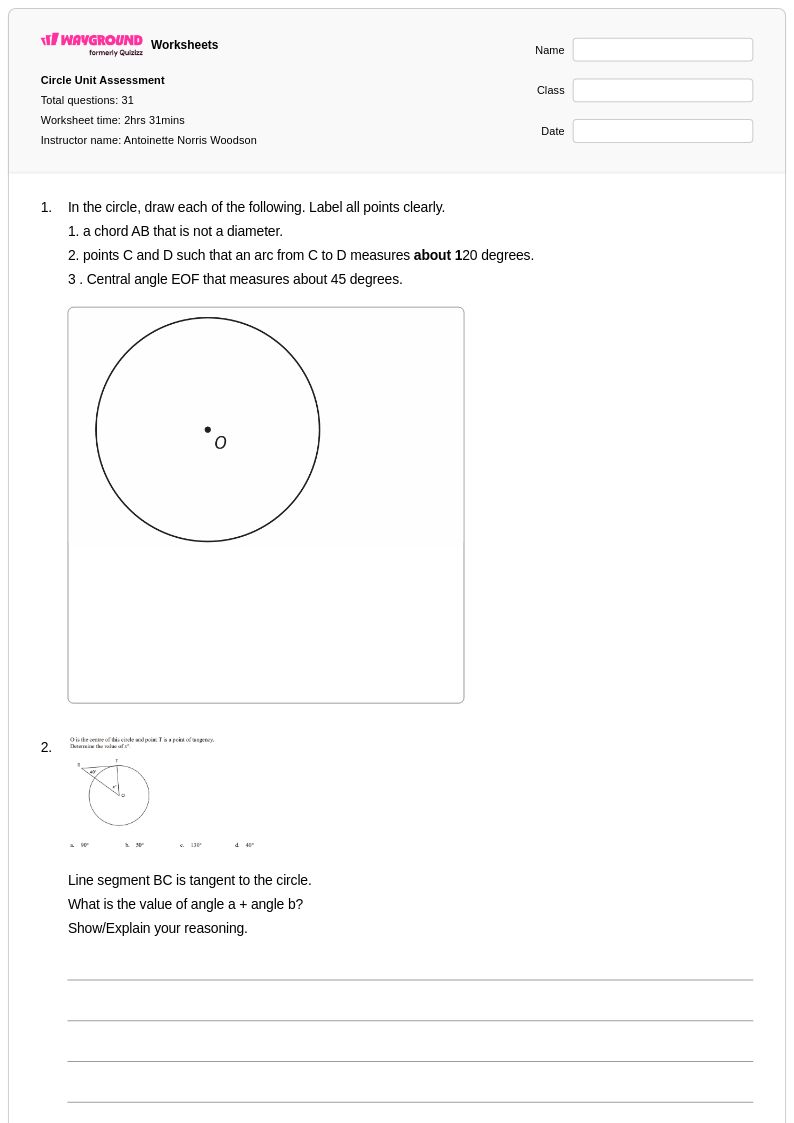
31 Q
8th
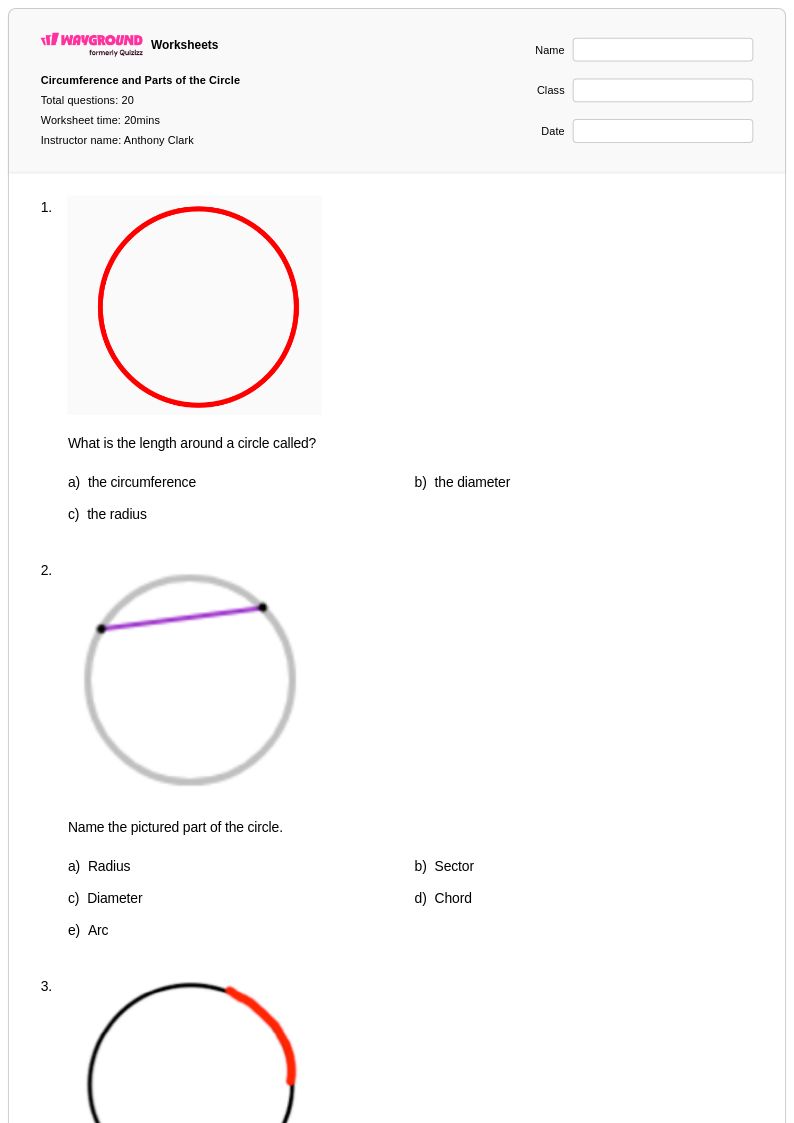
20 Q
7th - Uni
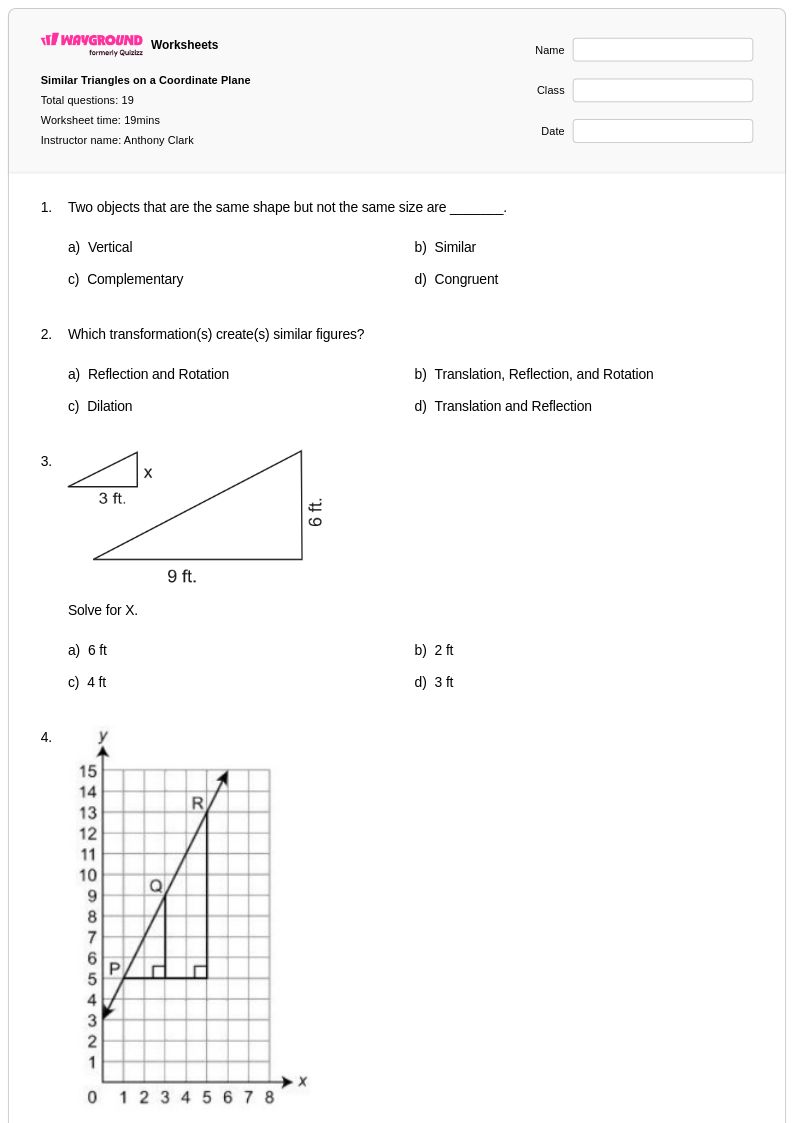
19 Q
8th - Uni
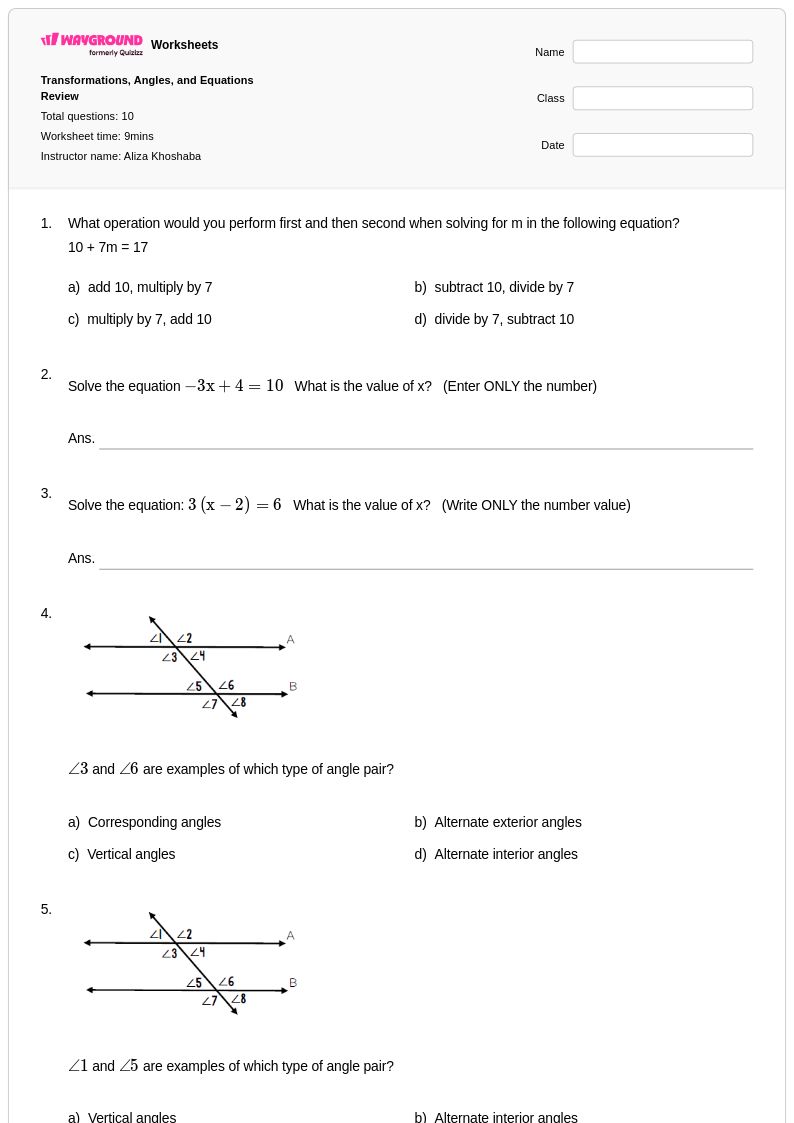
10 Q
8th
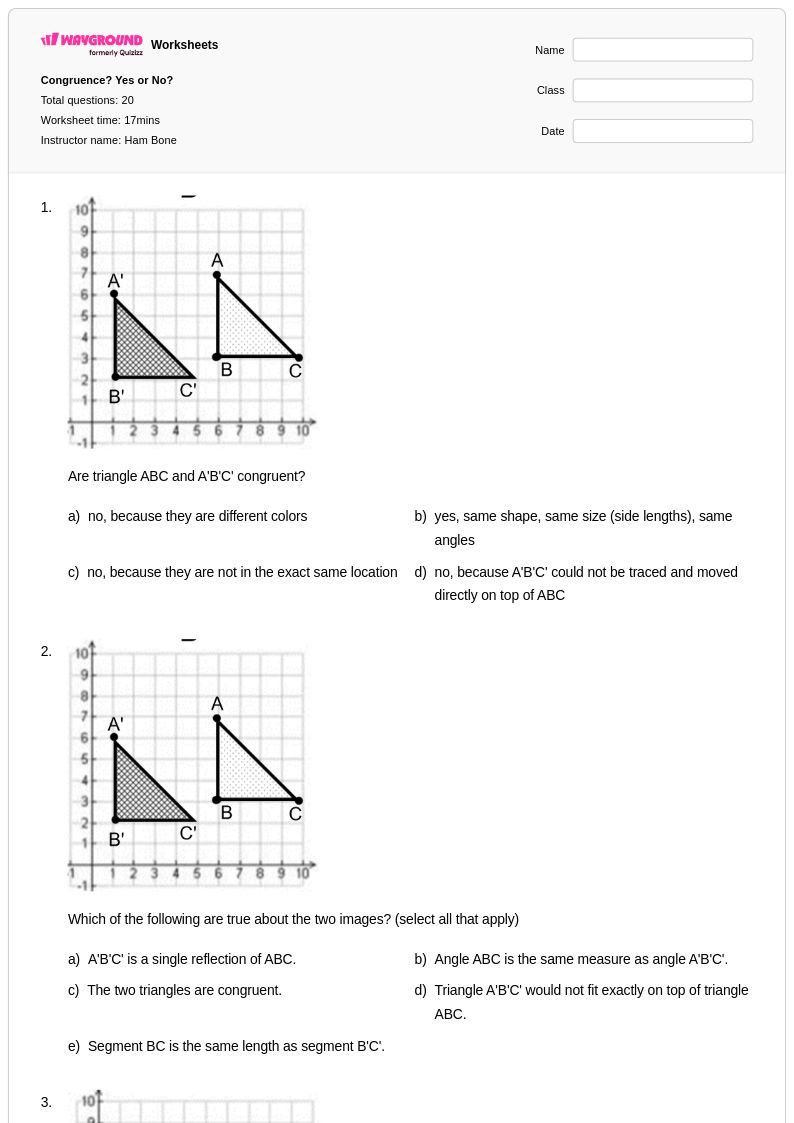
20 Q
8th
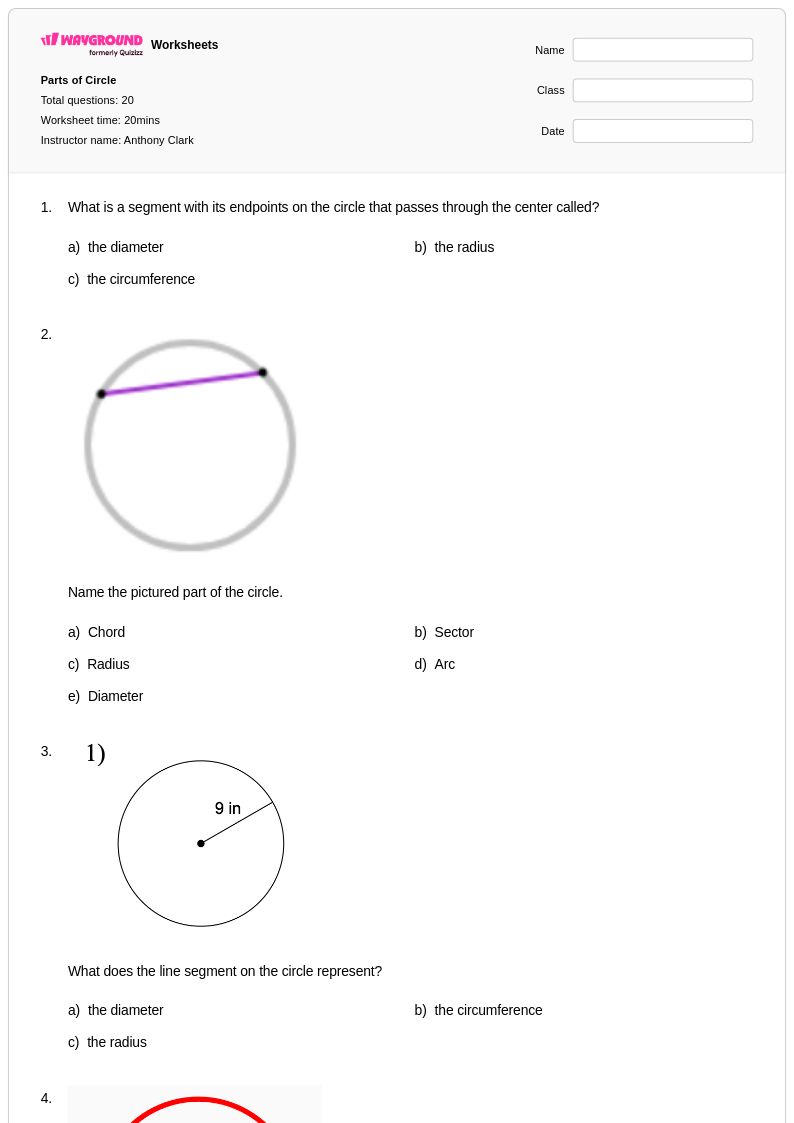
20 Q
7th - Uni
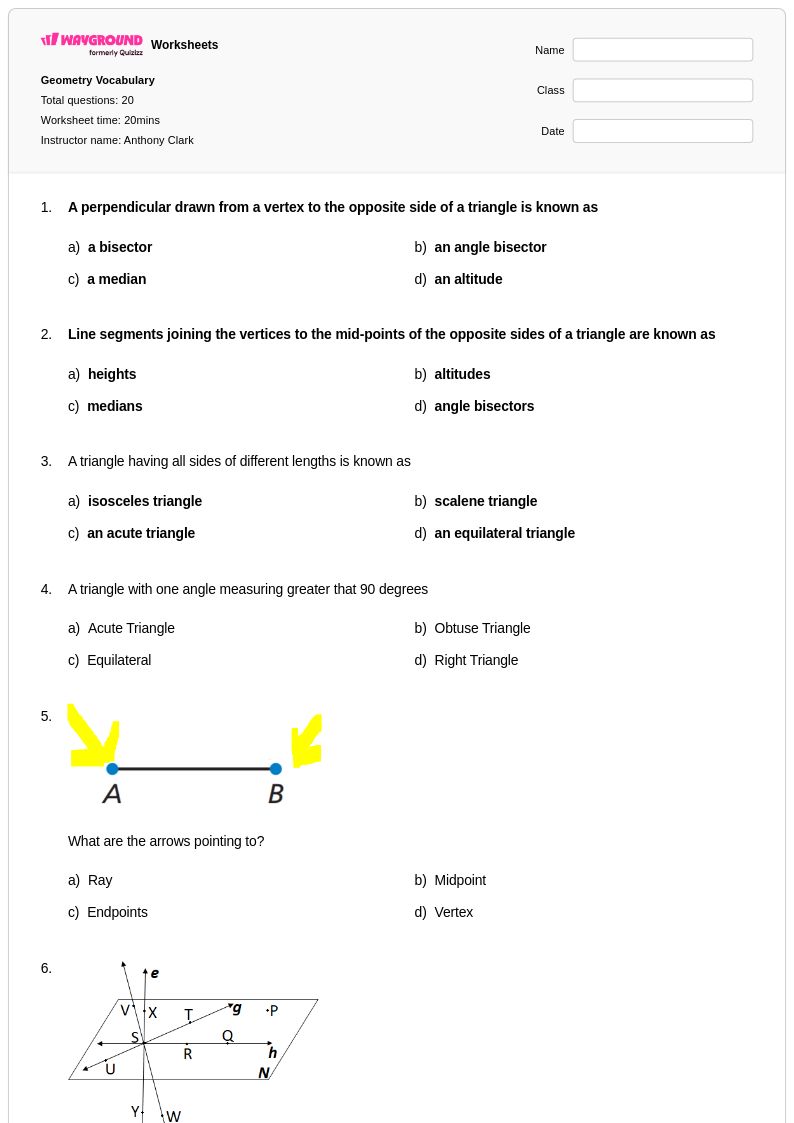
20 Q
5th - Uni
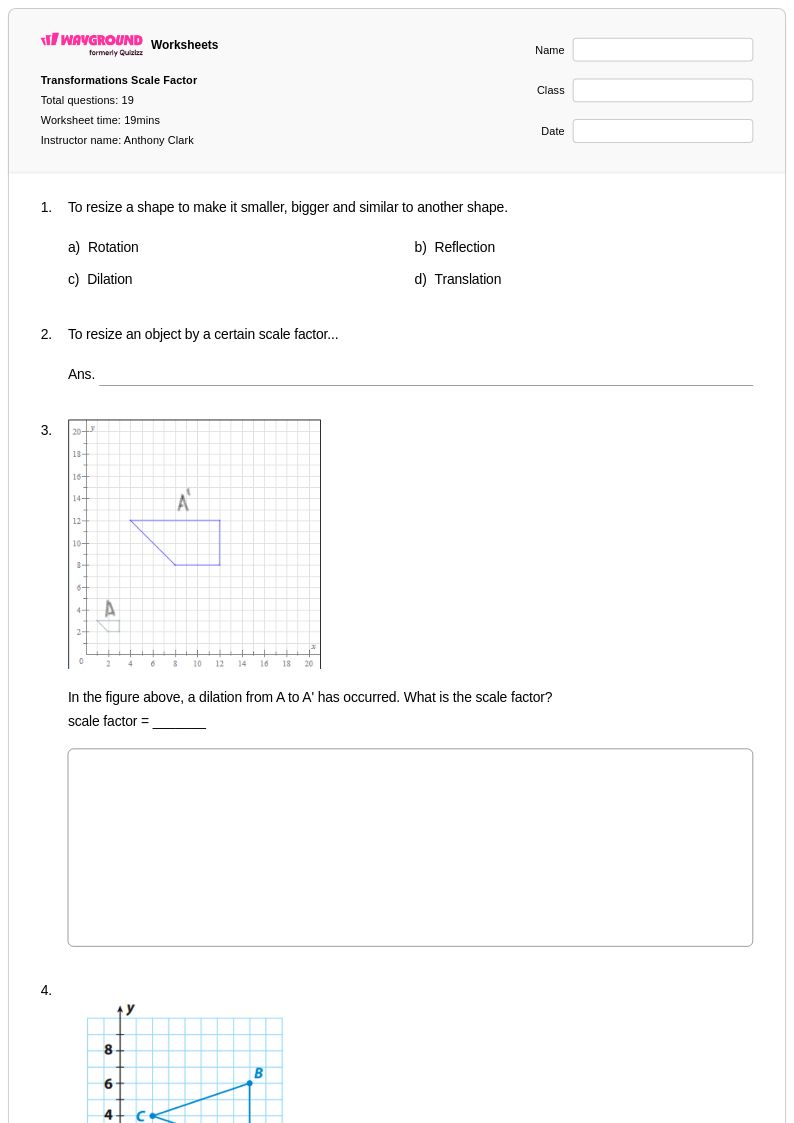
19 Q
8th - Uni
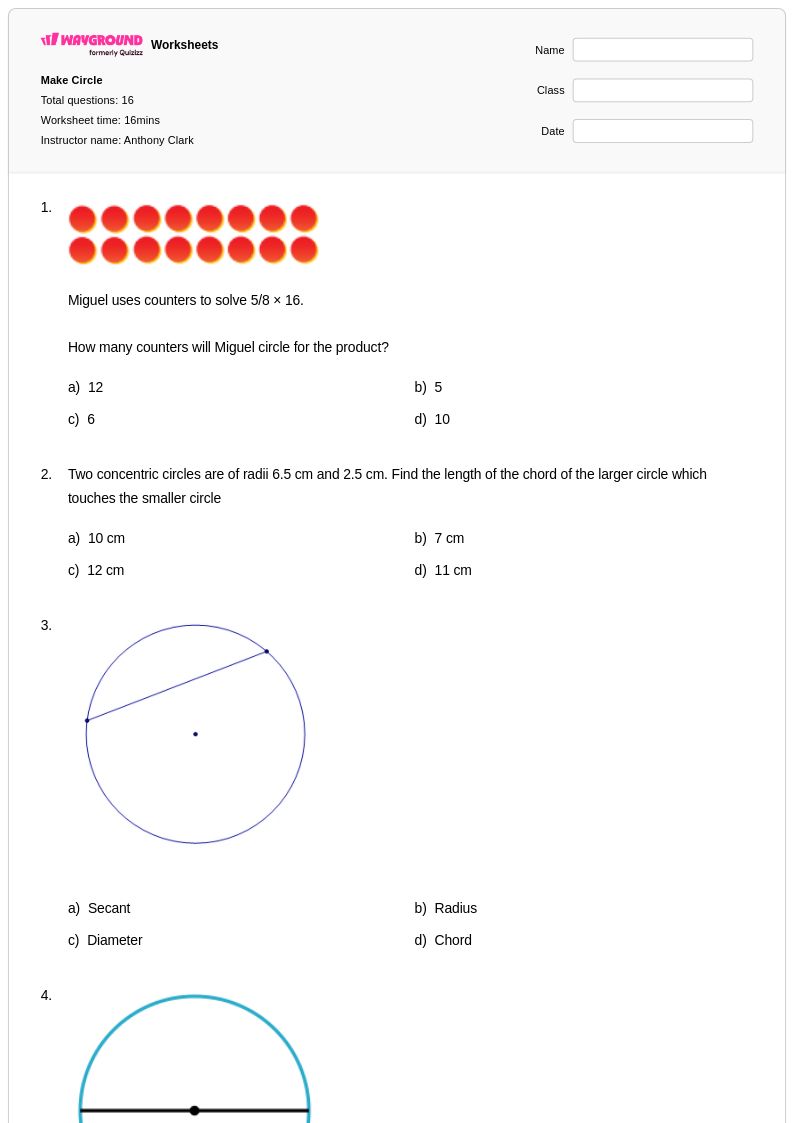
16 Q
7th - Uni
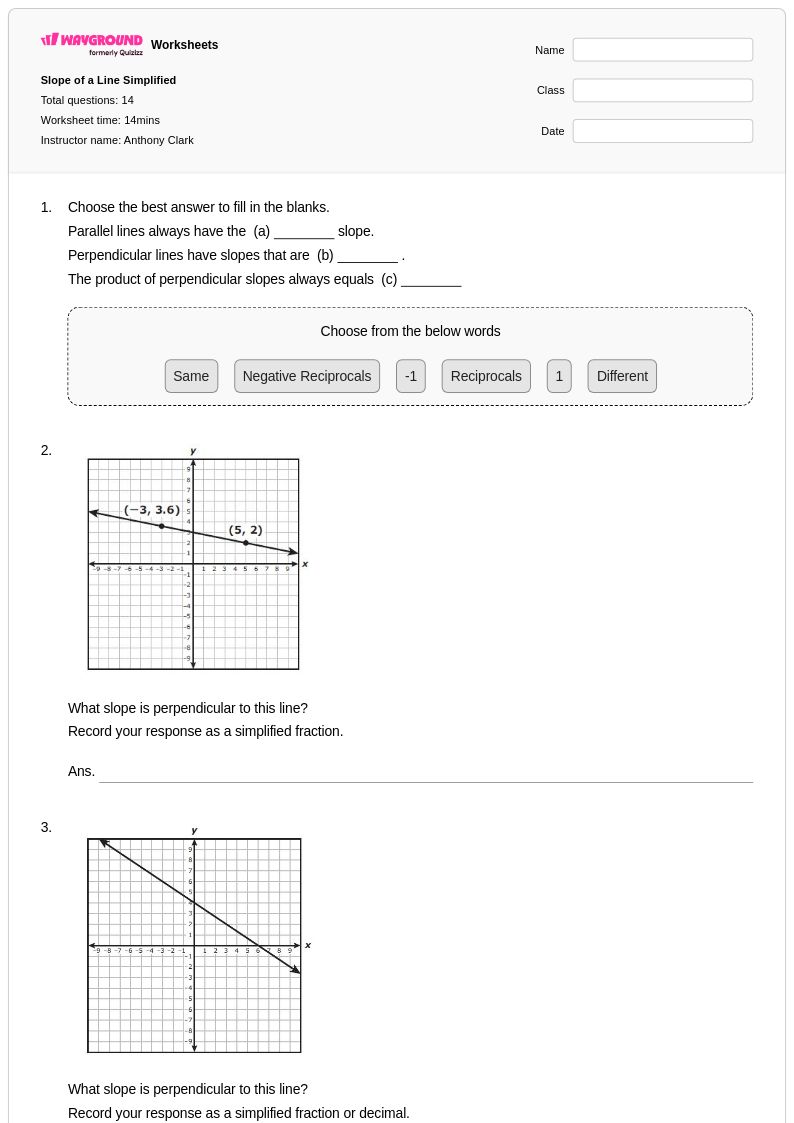
14 Q
8th - Uni
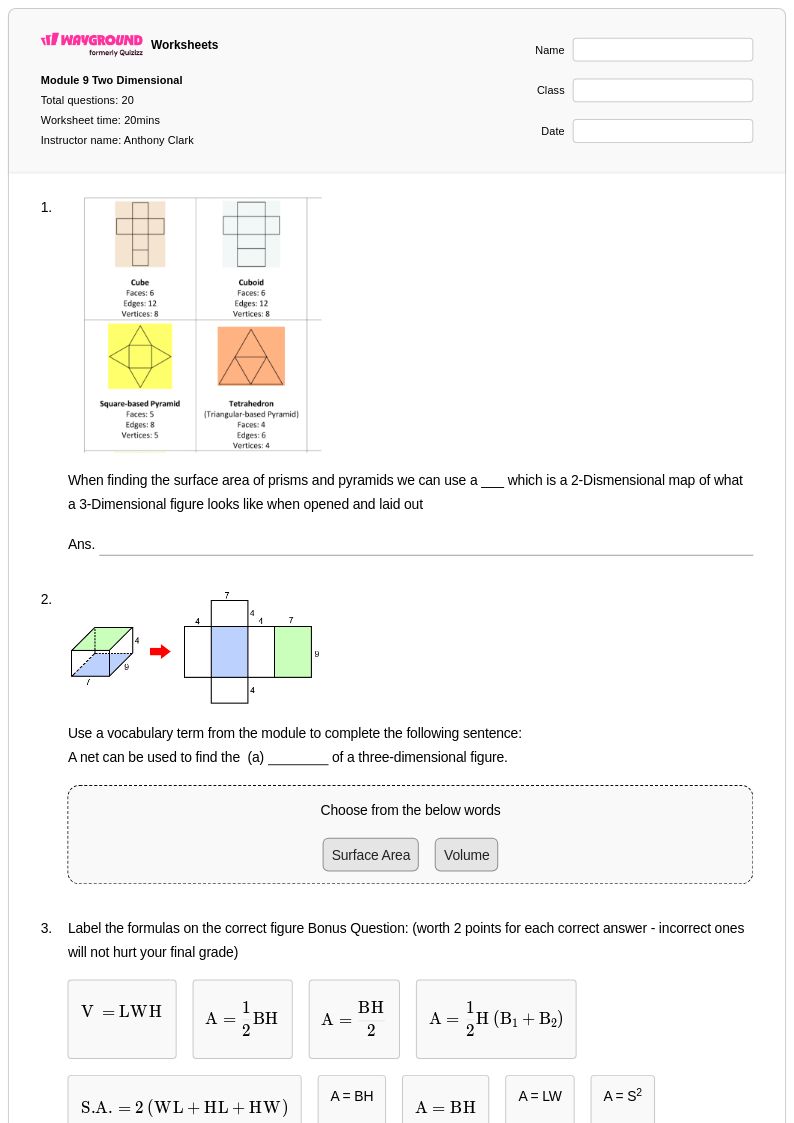
20 Q
5th - Uni
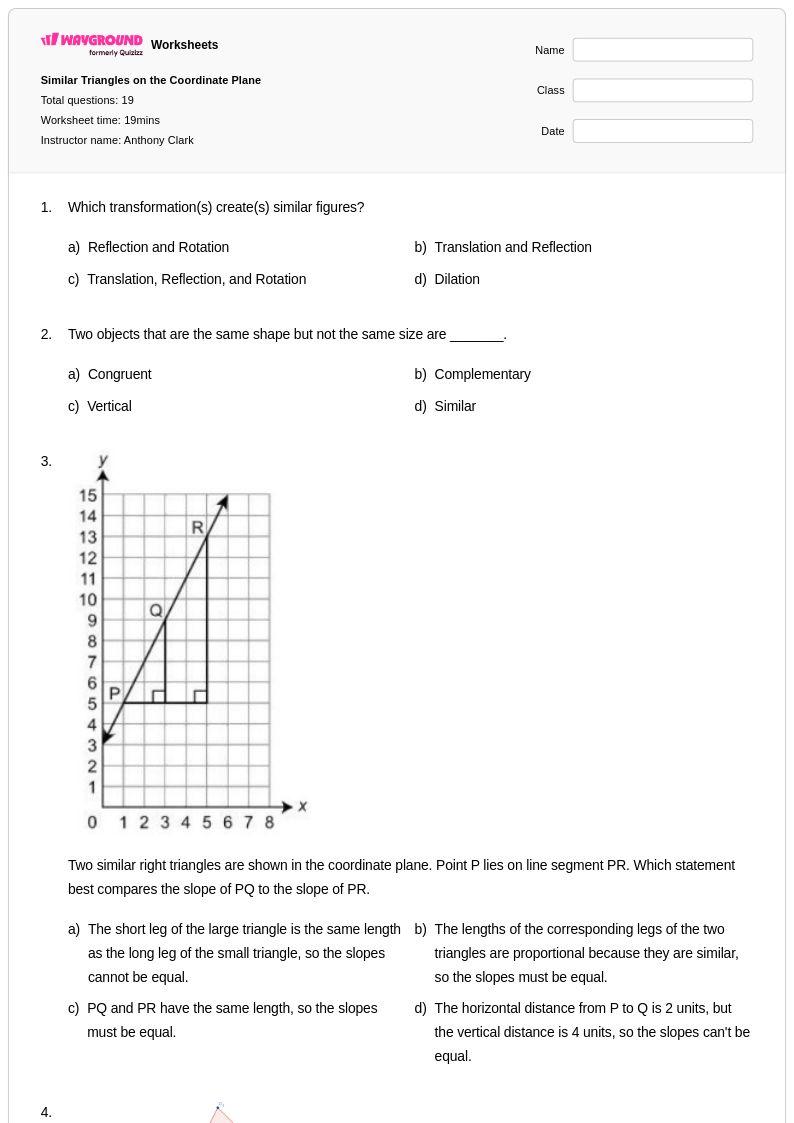
19 Q
8th - Uni
13 Q
8th - 10th
13 Q
8th
14 Q
4th - Uni
20 Q
8th - Uni
Explore Other Subject Worksheets for class 8
Explore printable Segment Length worksheets for Class 8
Segment length worksheets for Class 8 mathematics provide essential practice for students developing their understanding of geometric measurement and coordinate plane concepts. These comprehensive resources available through Wayground (formerly Quizizz) focus on calculating distances between points, finding midpoints, and applying the distance formula in various geometric contexts. Students work through practice problems that strengthen their ability to measure line segments using rulers, coordinate grids, and algebraic methods, while building foundational skills for more advanced geometry concepts. Each worksheet collection includes detailed answer keys and is available as free printables in pdf format, allowing educators to seamlessly integrate segment length activities into their classroom instruction and homework assignments.
Wayground (formerly Quizizz) empowers teachers with access to millions of teacher-created segment length worksheets that support diverse learning needs and instructional goals. The platform's robust search and filtering capabilities enable educators to quickly locate materials aligned with specific grade level standards and differentiate instruction for students requiring remediation or enrichment opportunities. Teachers can customize existing worksheets or create new ones using flexible digital tools, then distribute materials in both printable pdf format and interactive digital versions to accommodate various classroom environments. These extensive resources streamline lesson planning while providing targeted skill practice that helps students master segment length concepts through scaffolded problems, visual representations, and real-world applications that reinforce mathematical understanding and problem-solving strategies.
FAQs
How does the Pythagorean theorem relate to finding segment length?
How should I teach segment length to 8th graders?
What are common student errors when finding diagonal segment lengths?
How does this worksheet help students practice 8th grade skills?
How can I use this resource in my classroom?