
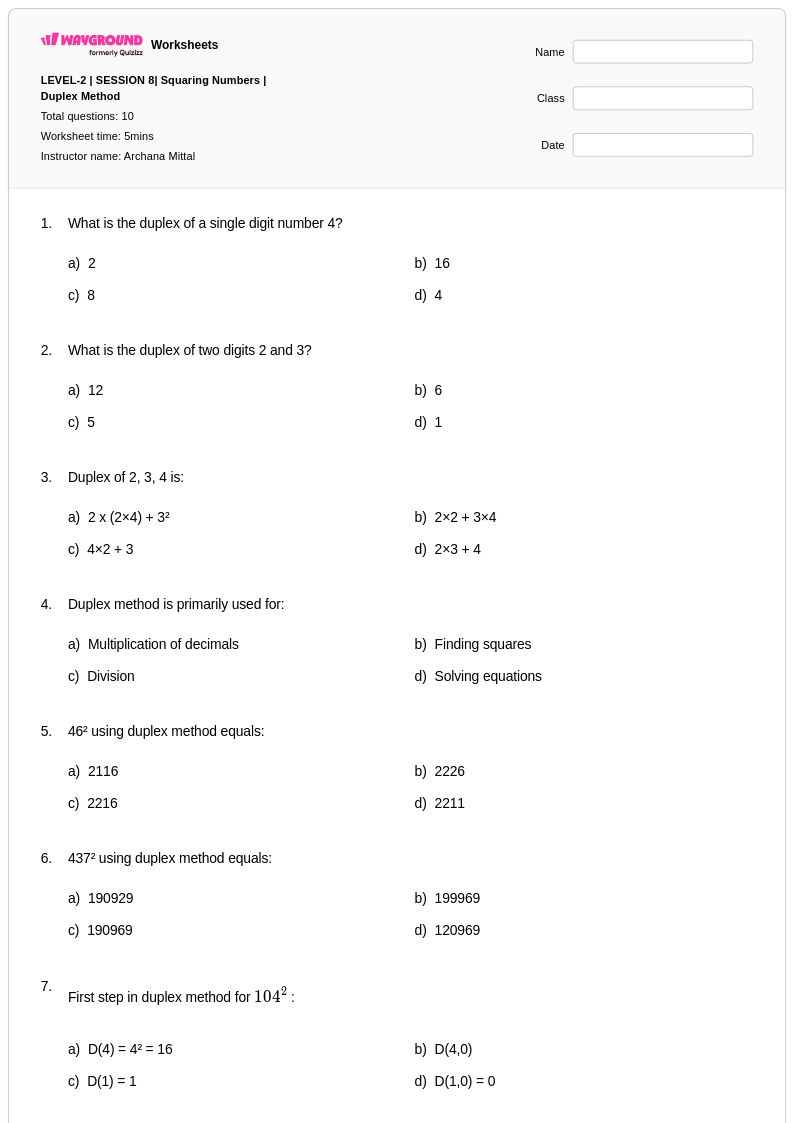
10 Q
6th - 8th
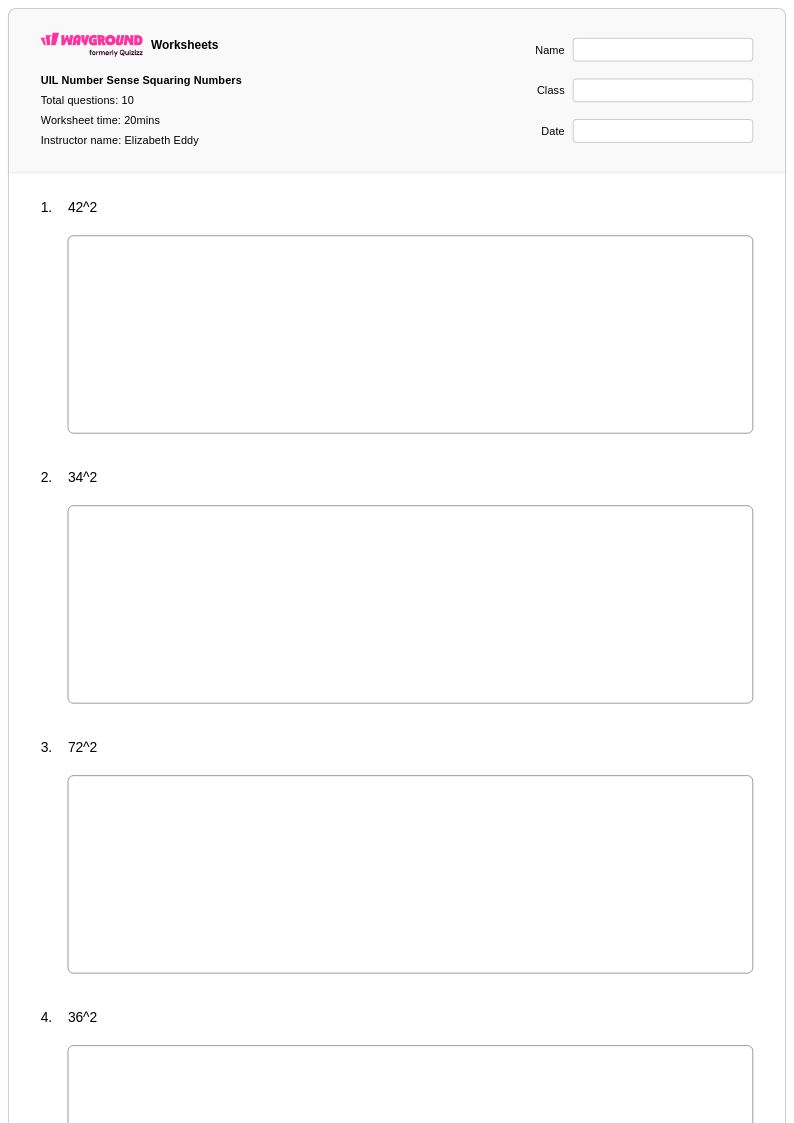
10 Q
6th - 8th
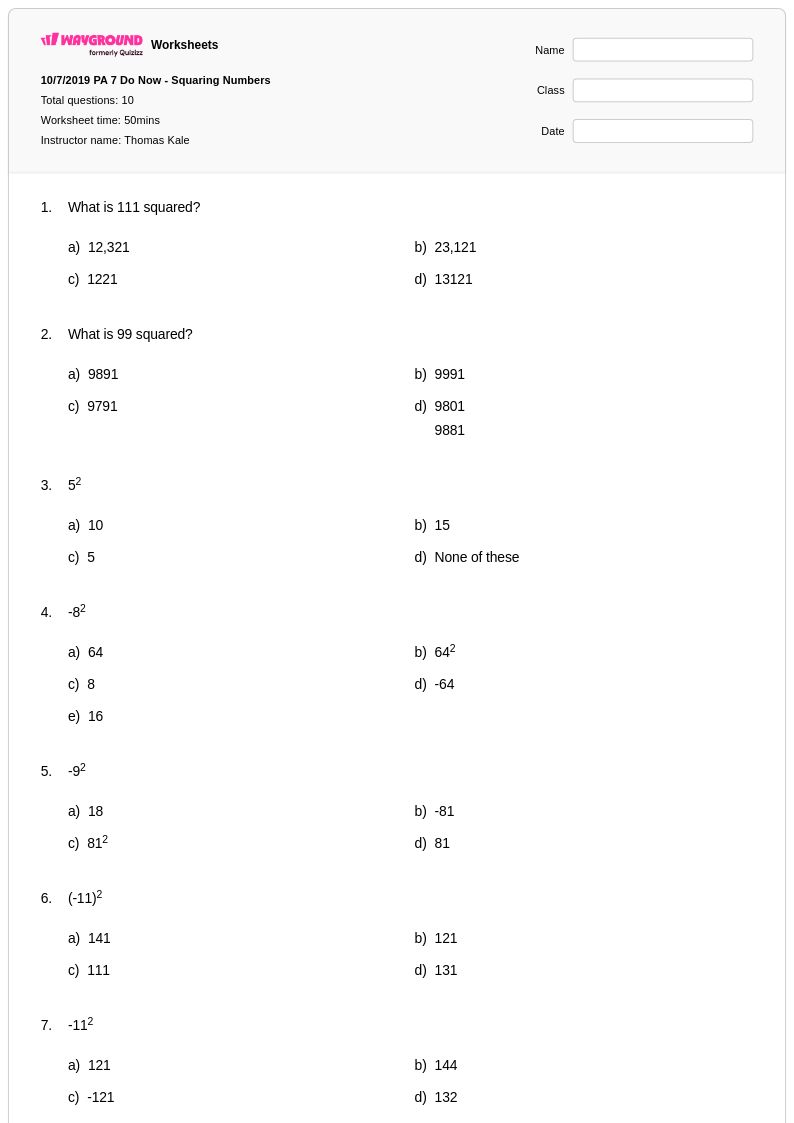
10 Q
7th
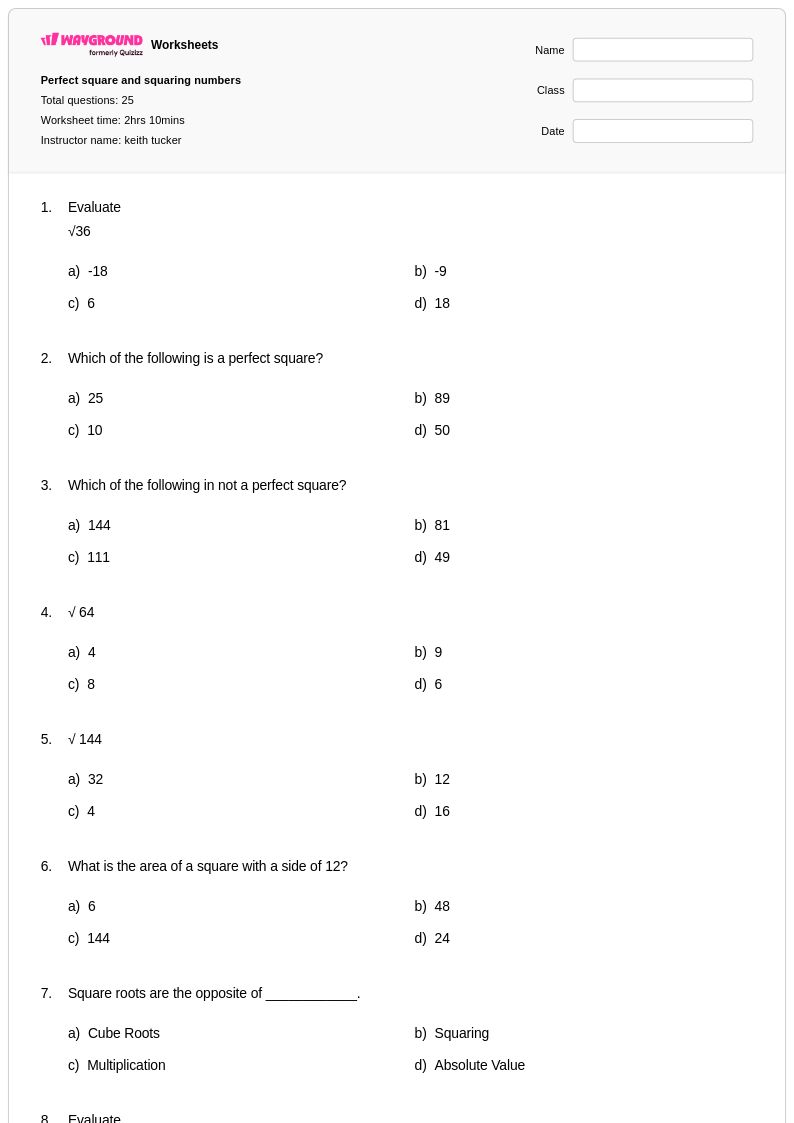
25 Q
7th - 8th
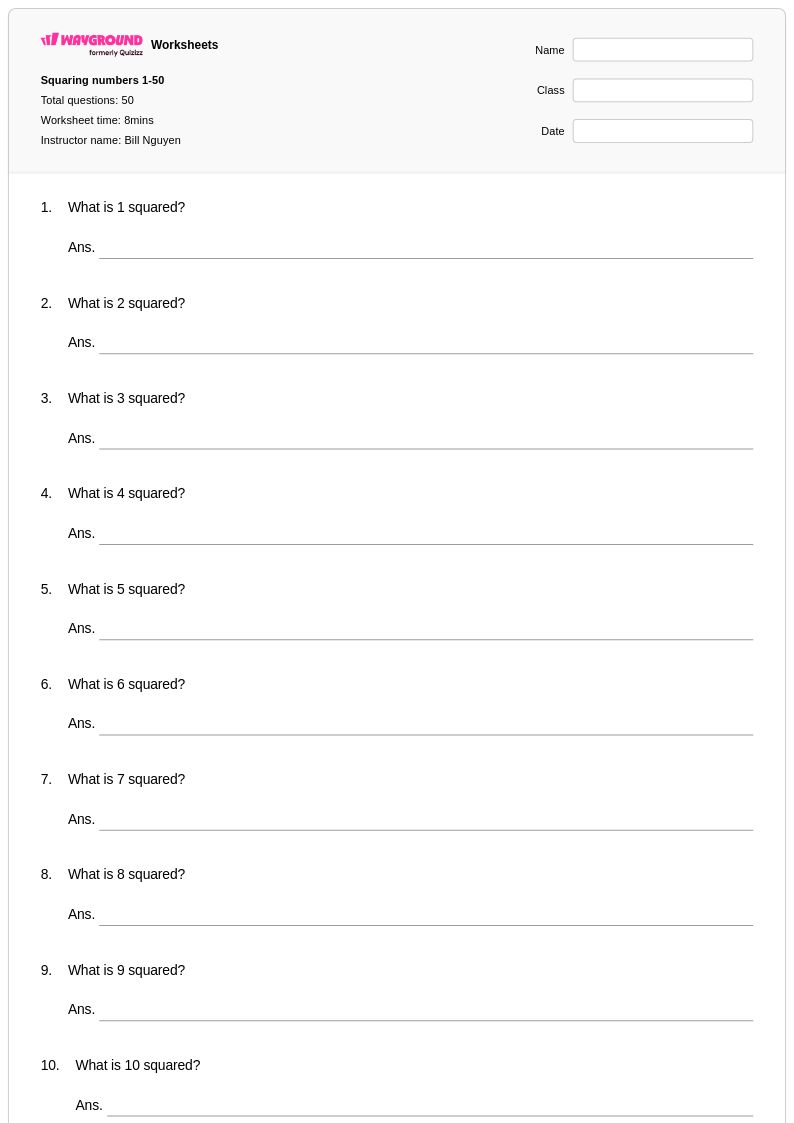
50 Q
4th - PD
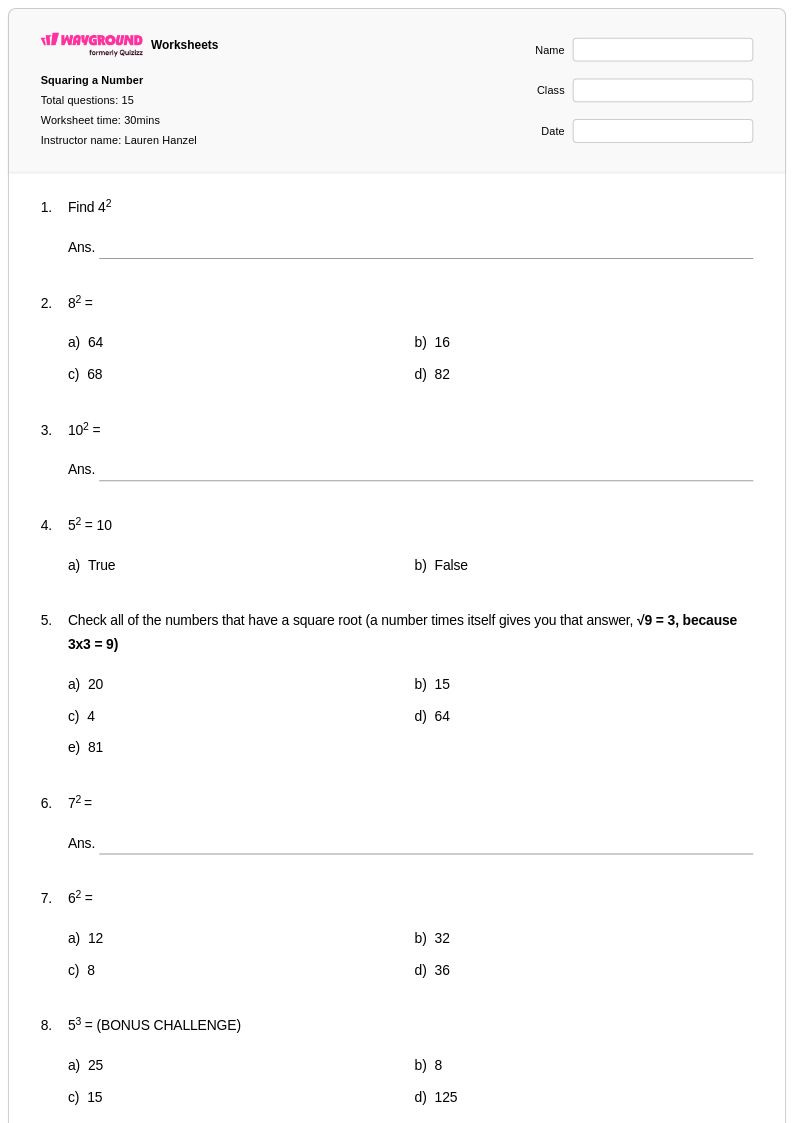
15 Q
6th - 8th
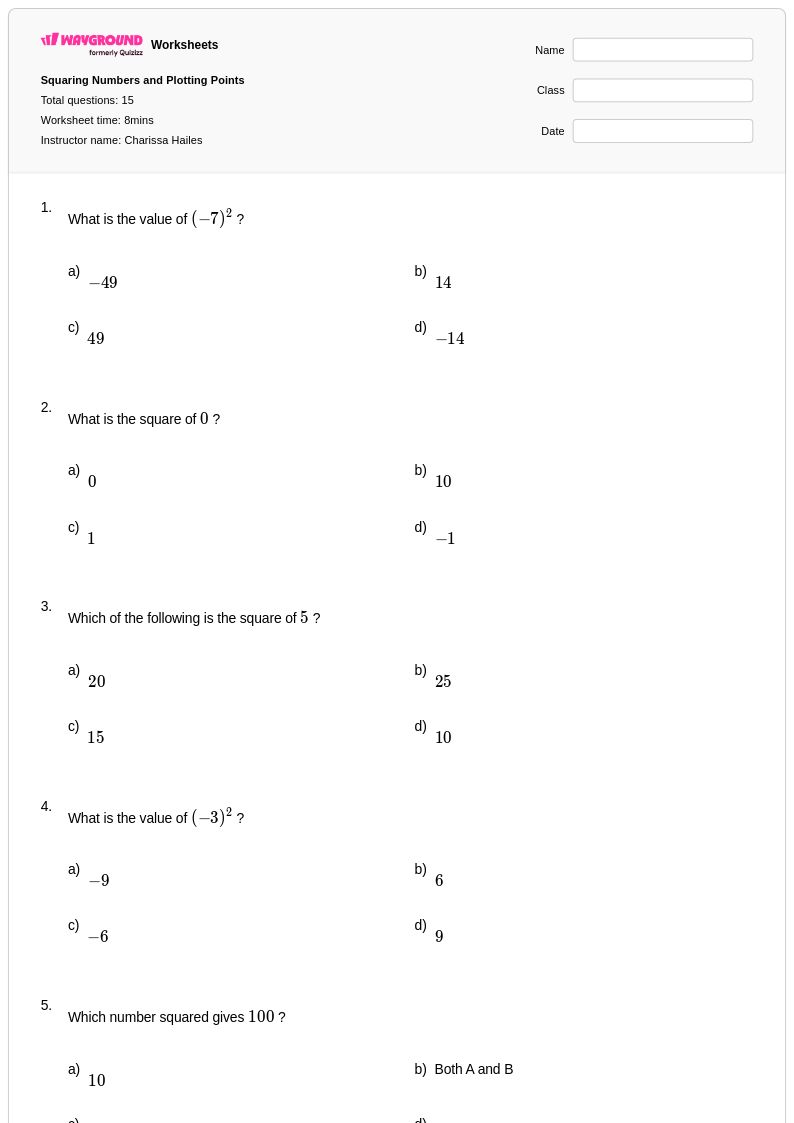
15 Q
7th
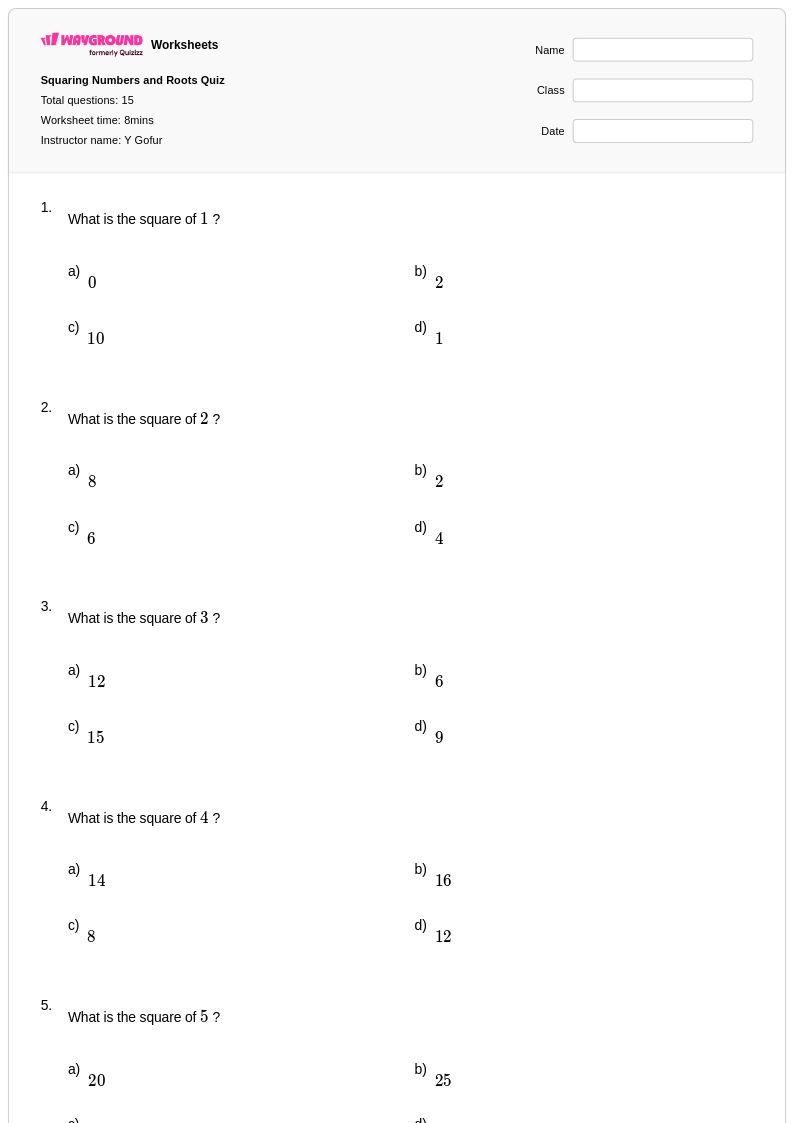
15 Q
5th
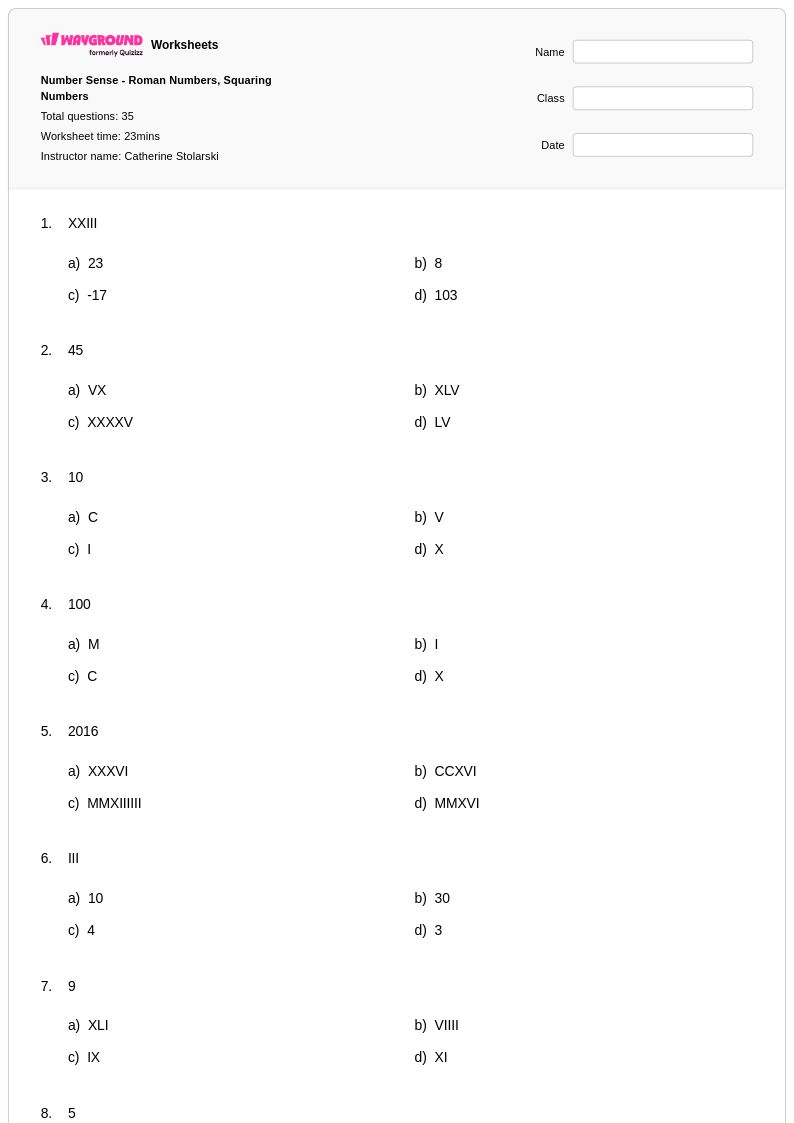
35 Q
6th - 8th
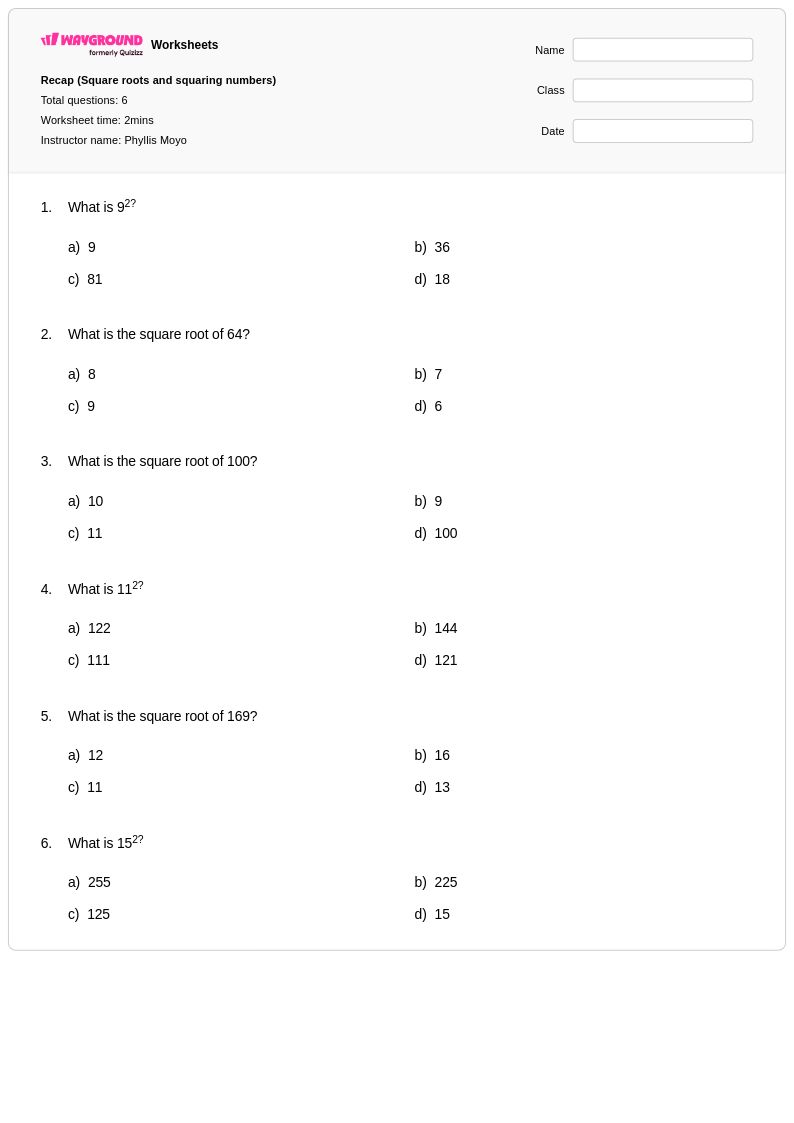
6 Q
12th
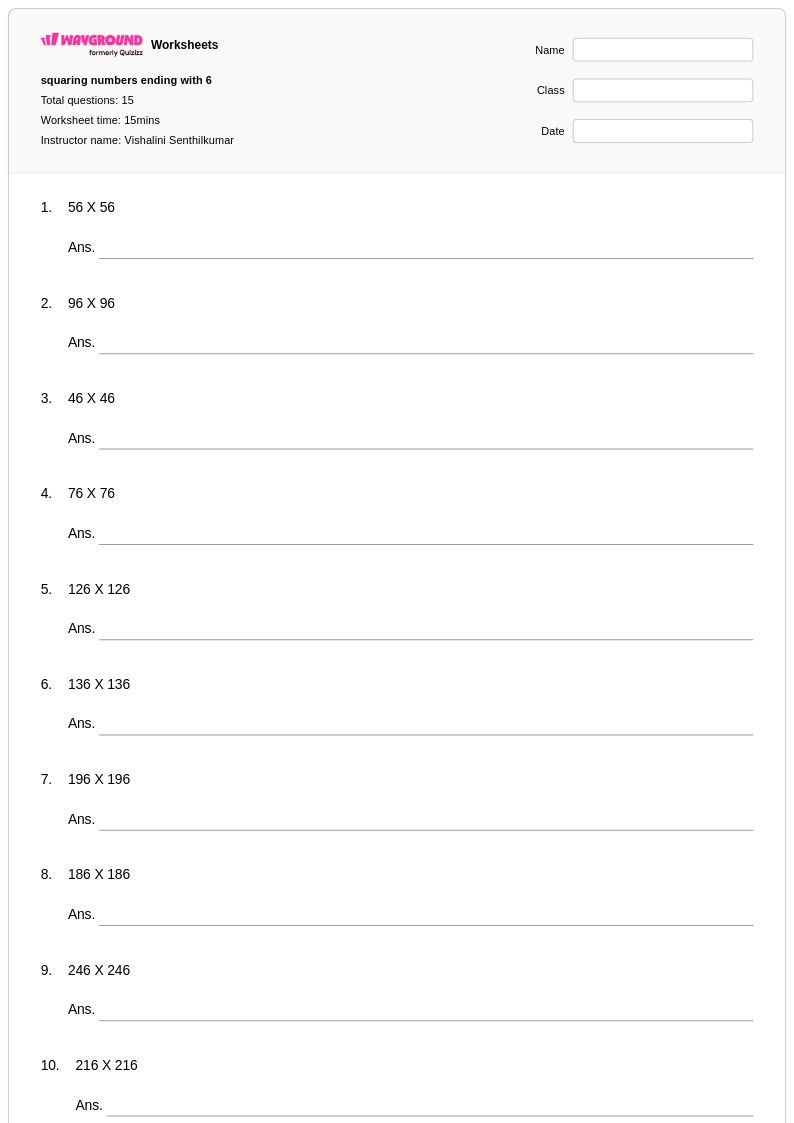
15 Q
1st
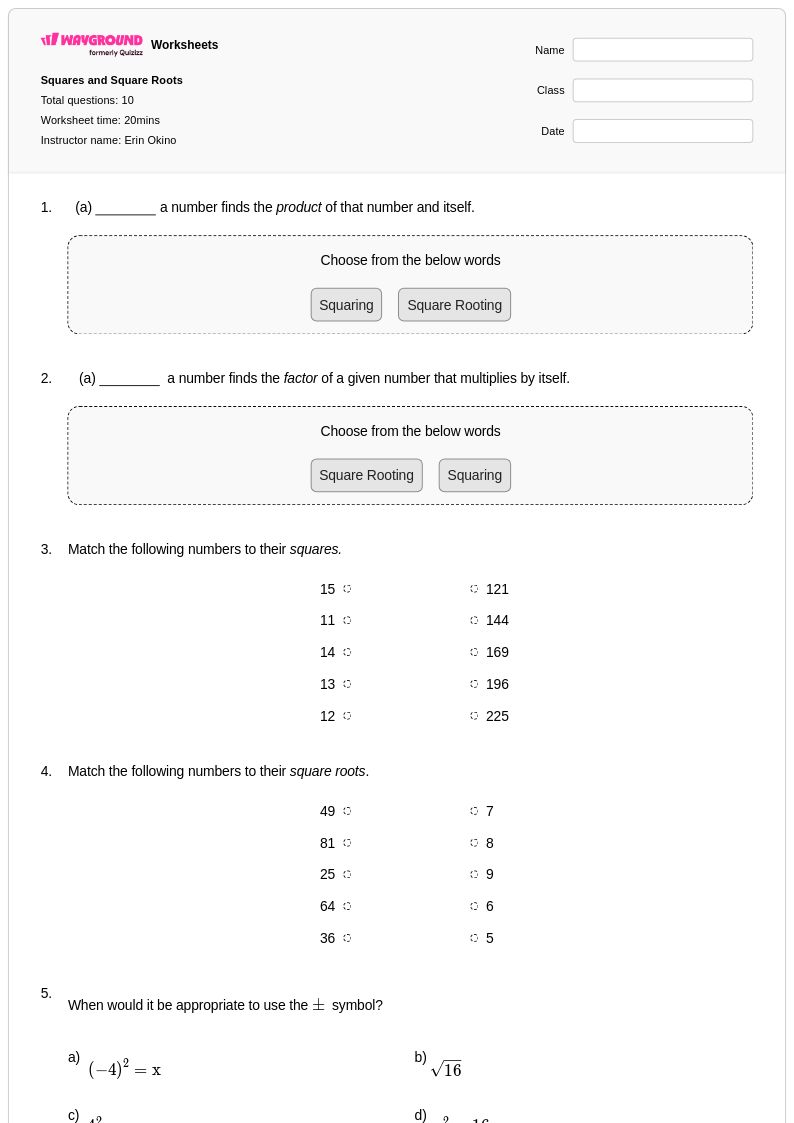
10 Q
8th
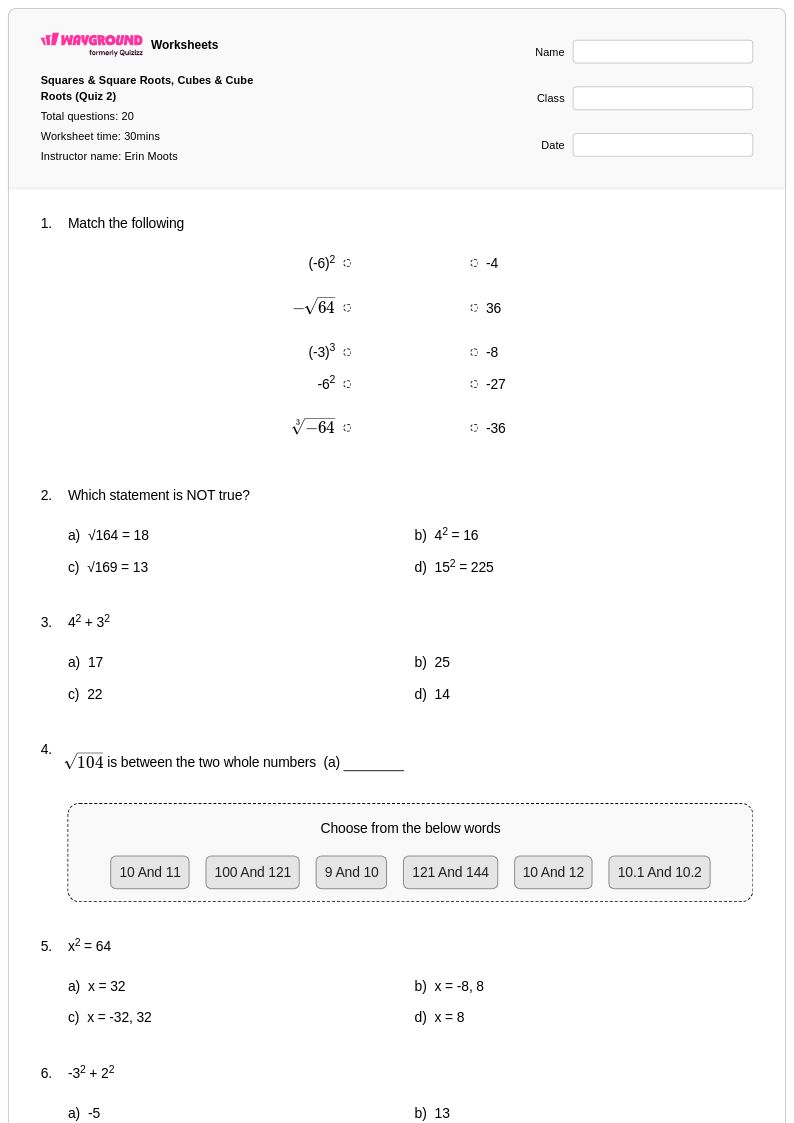
20 Q
8th
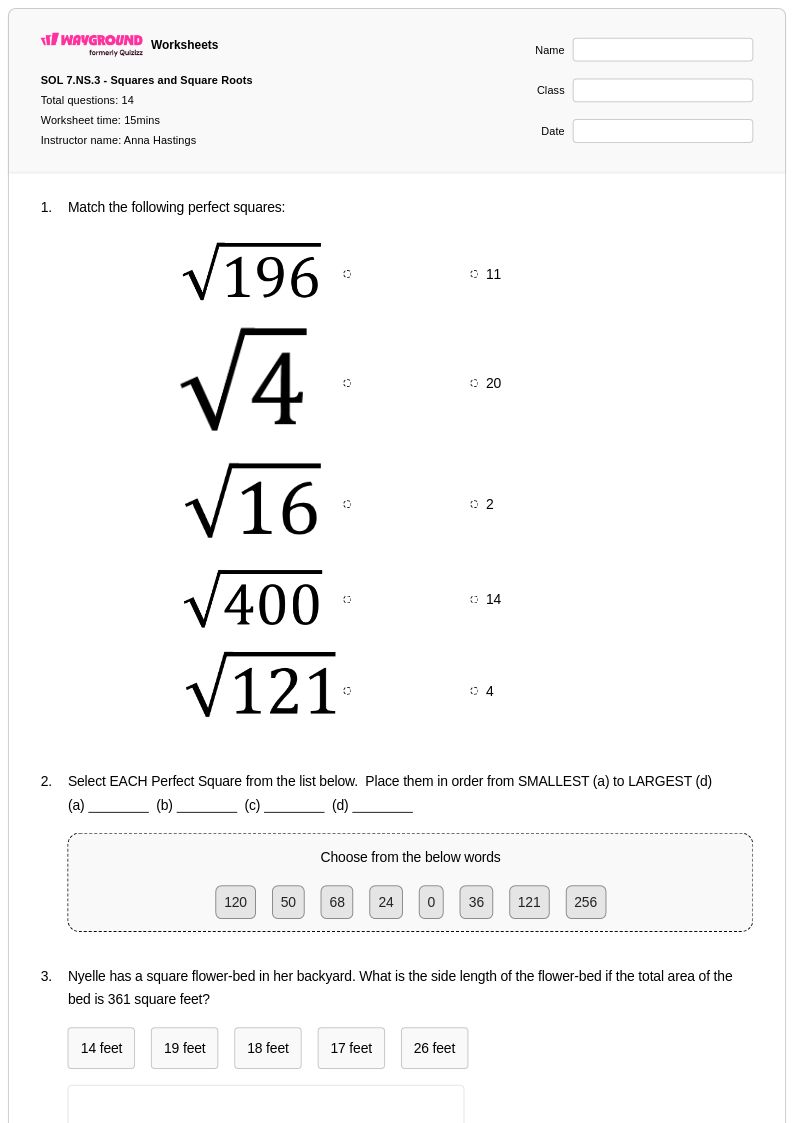
14 Q
6th - 8th
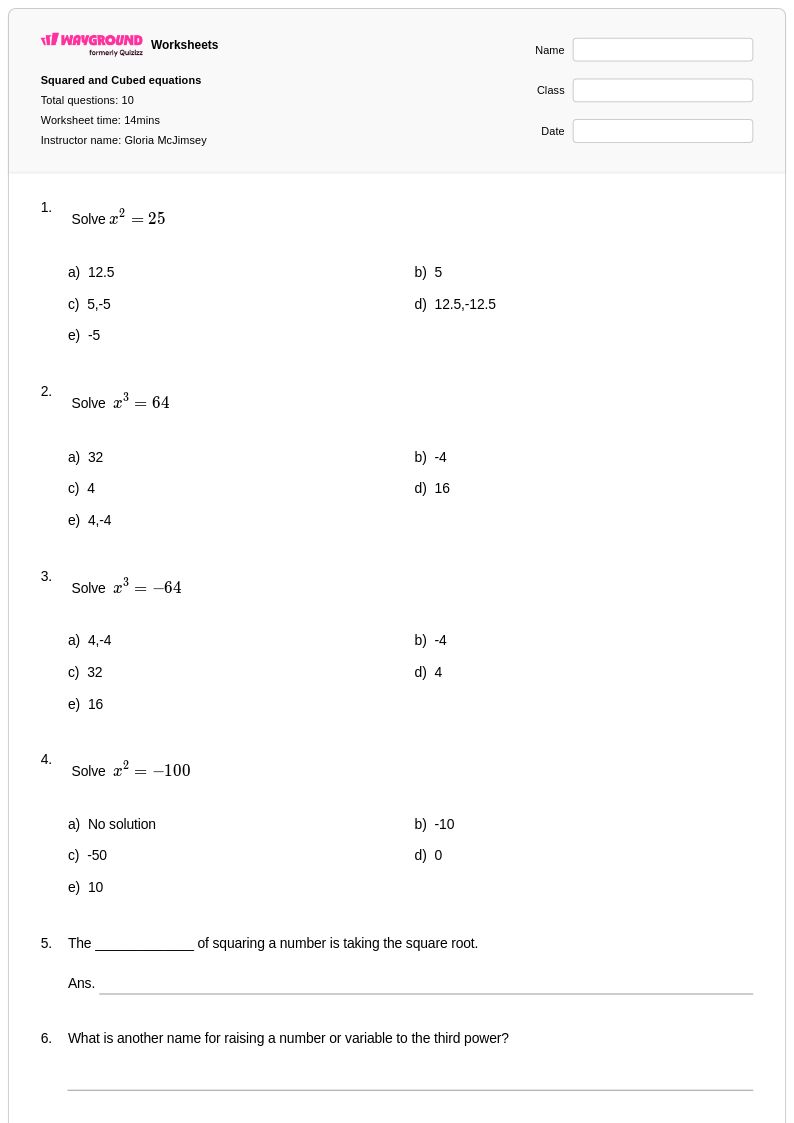
10 Q
8th
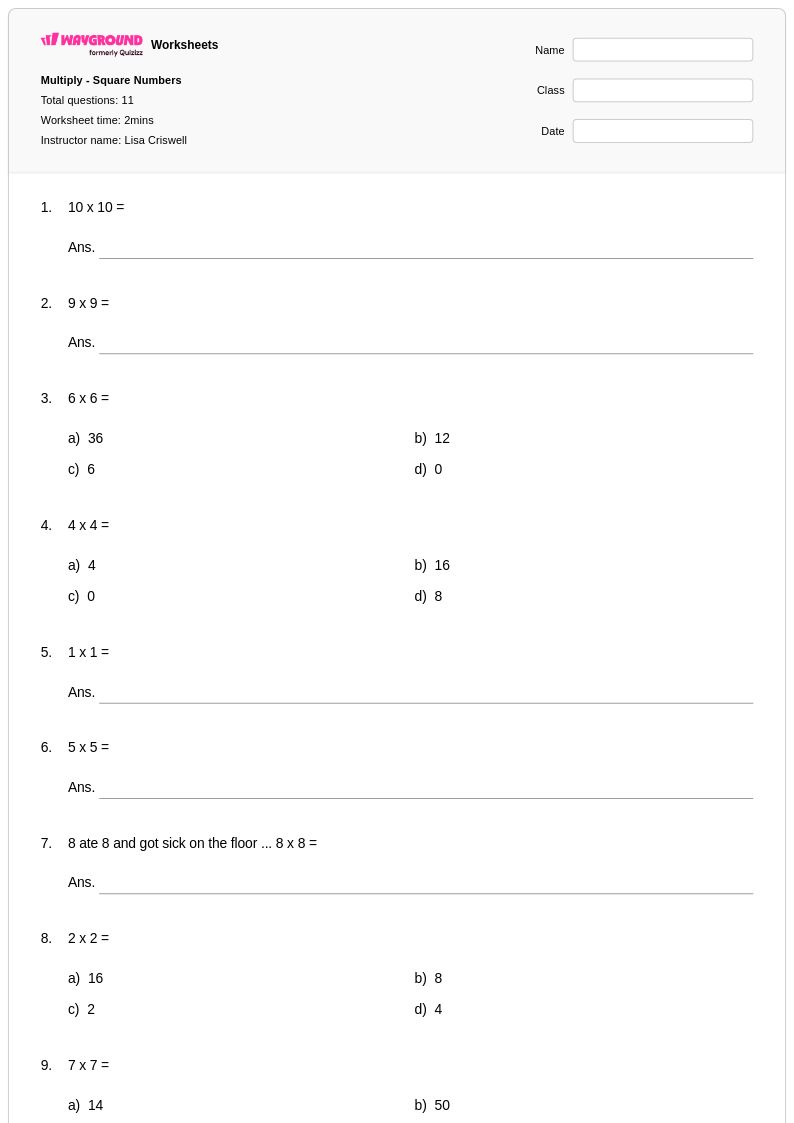
11 Q
3rd
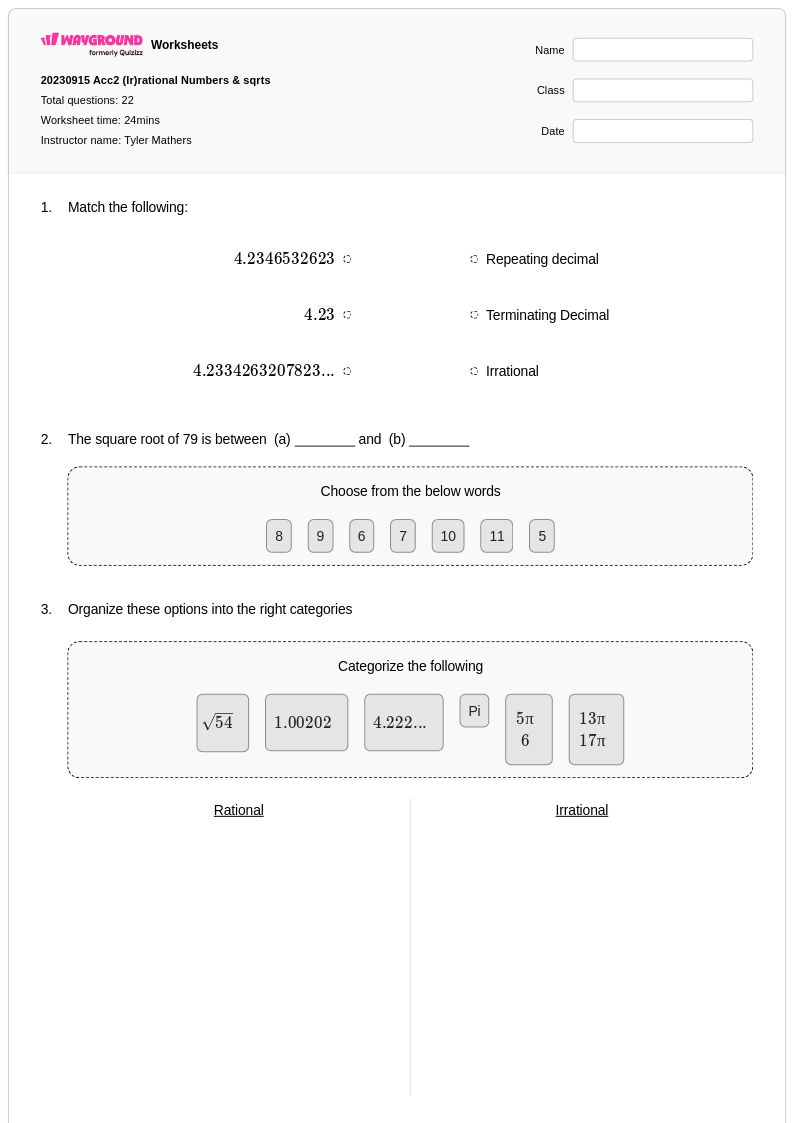
22 Q
8th
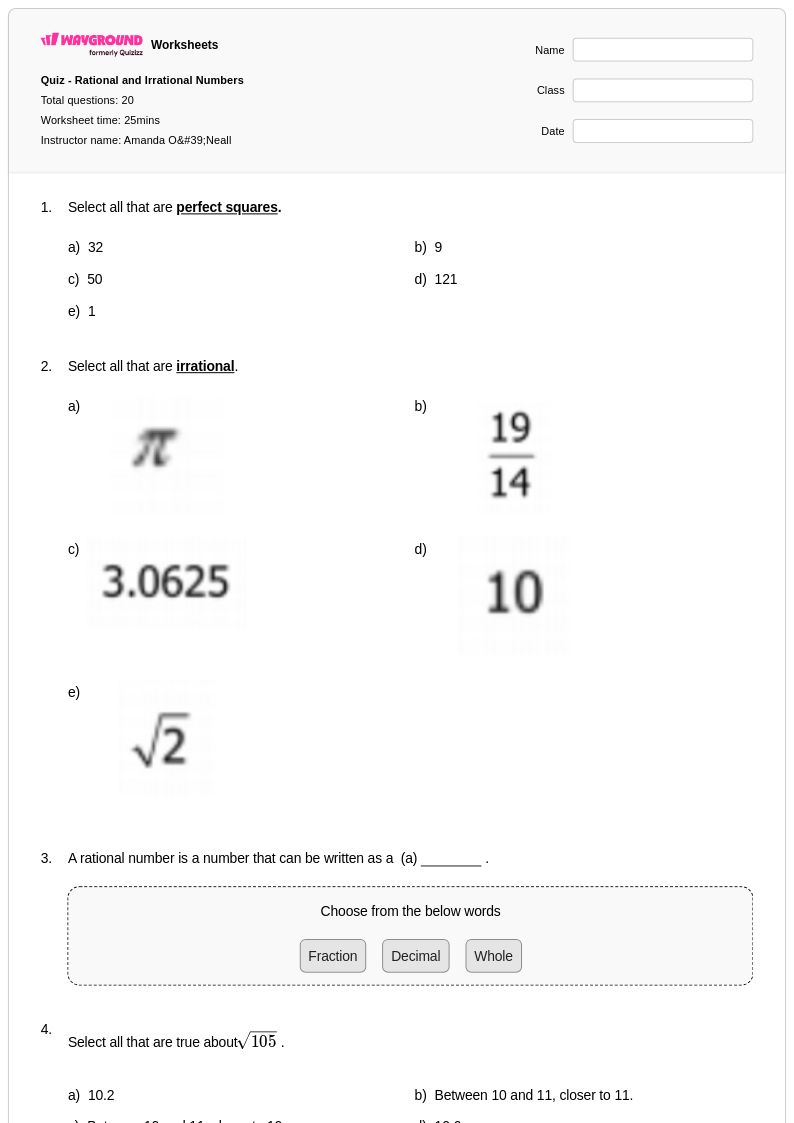
20 Q
8th
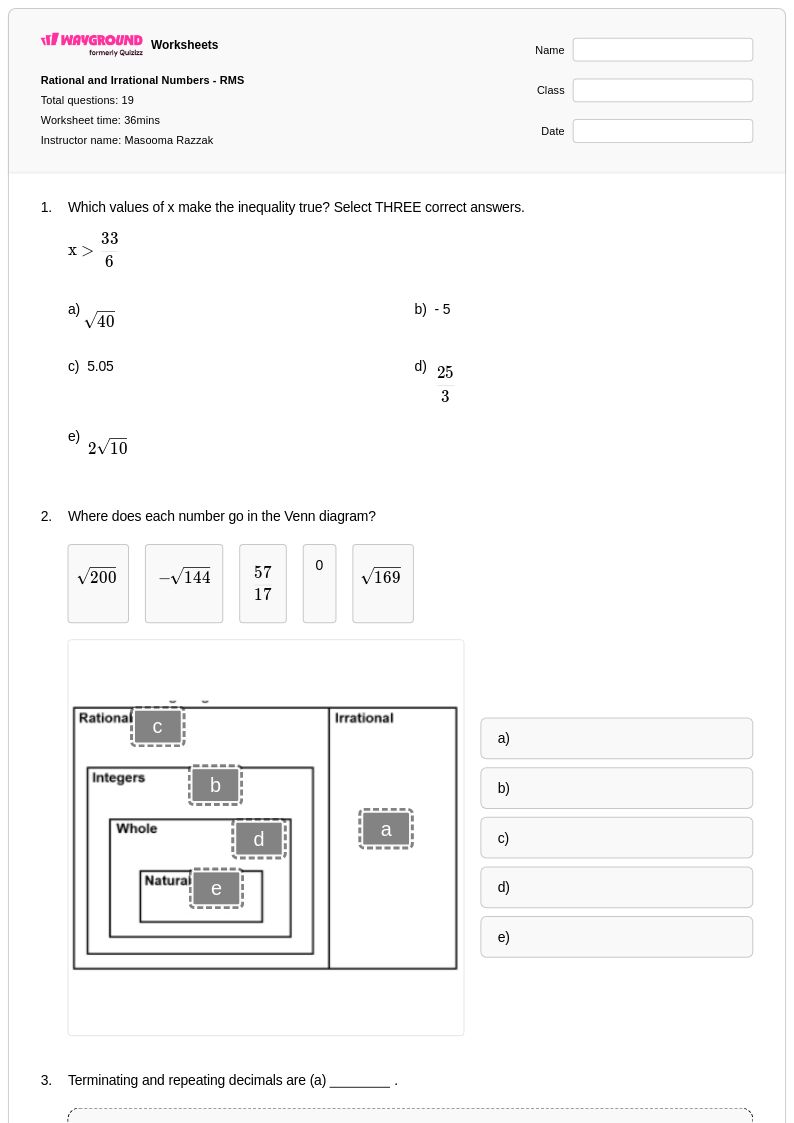
19 Q
8th
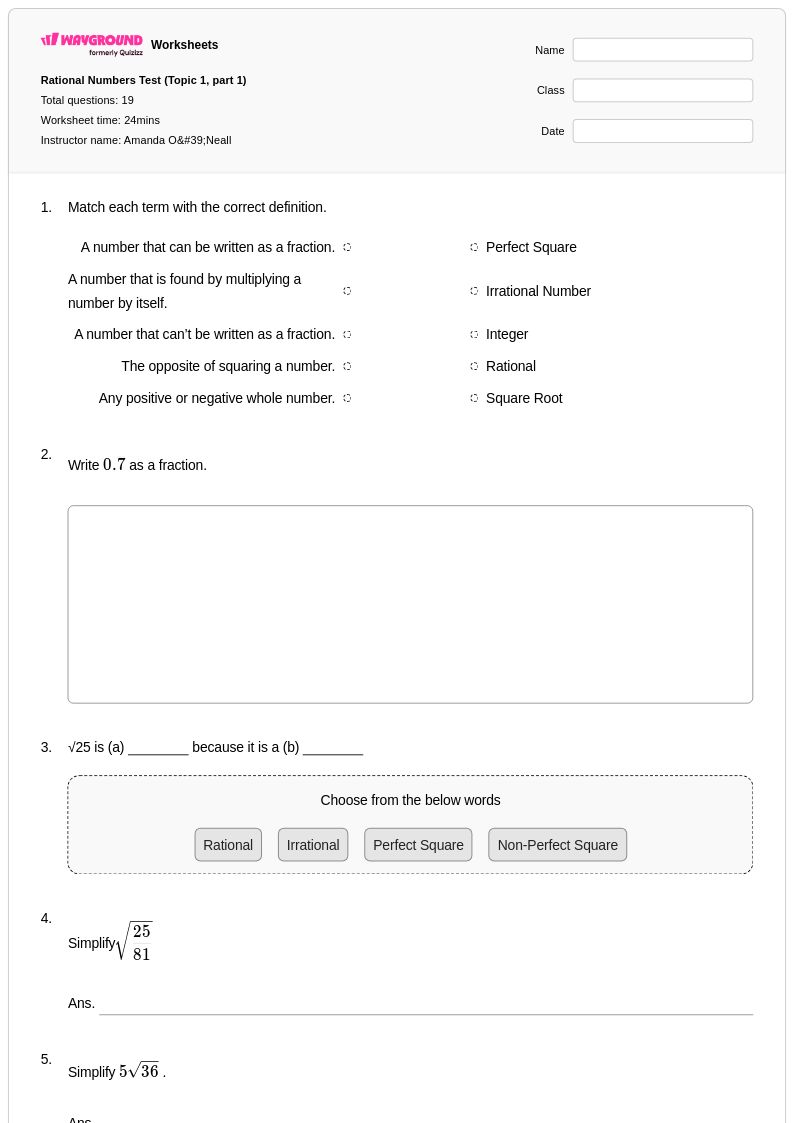
20 Q
8th
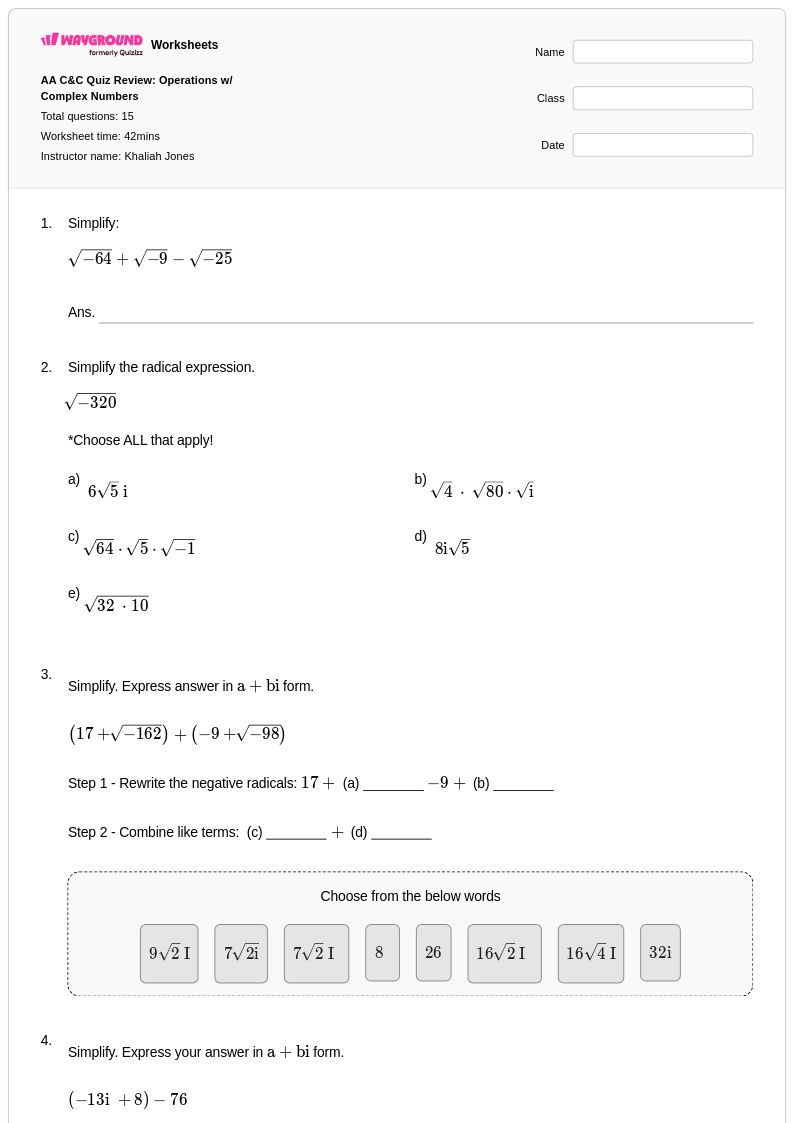
15 Q
11th
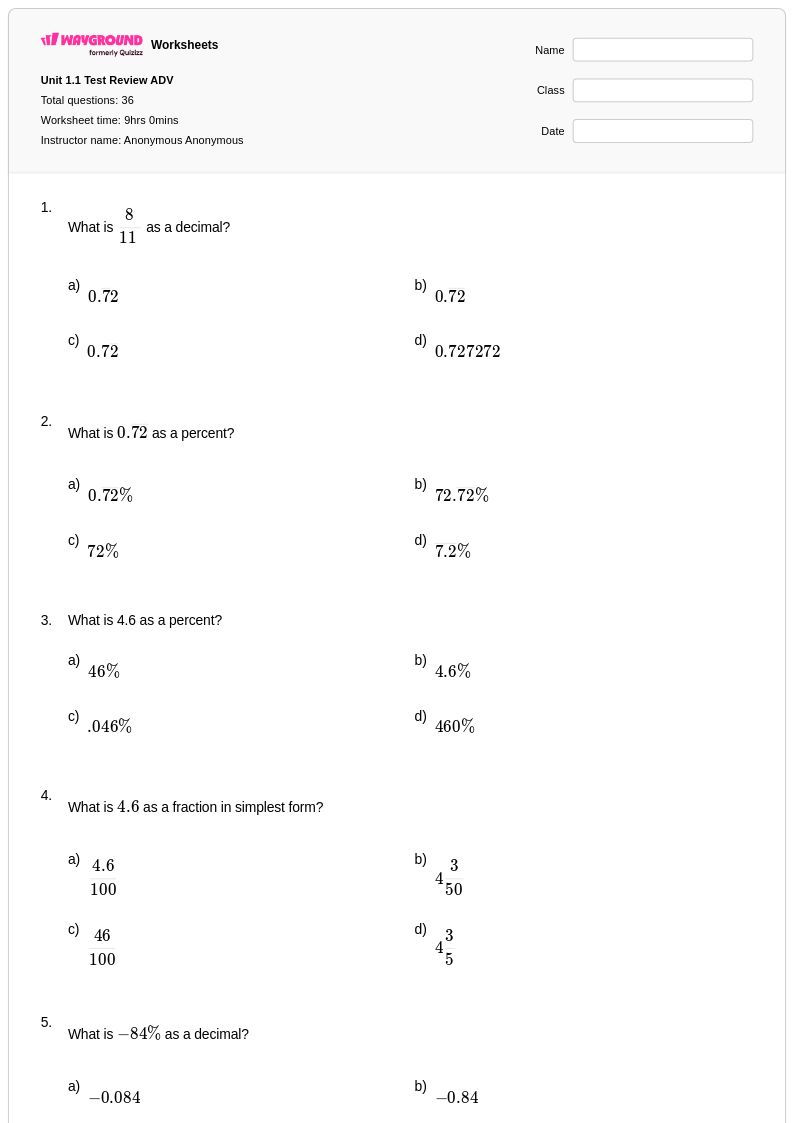
36 Q
7th
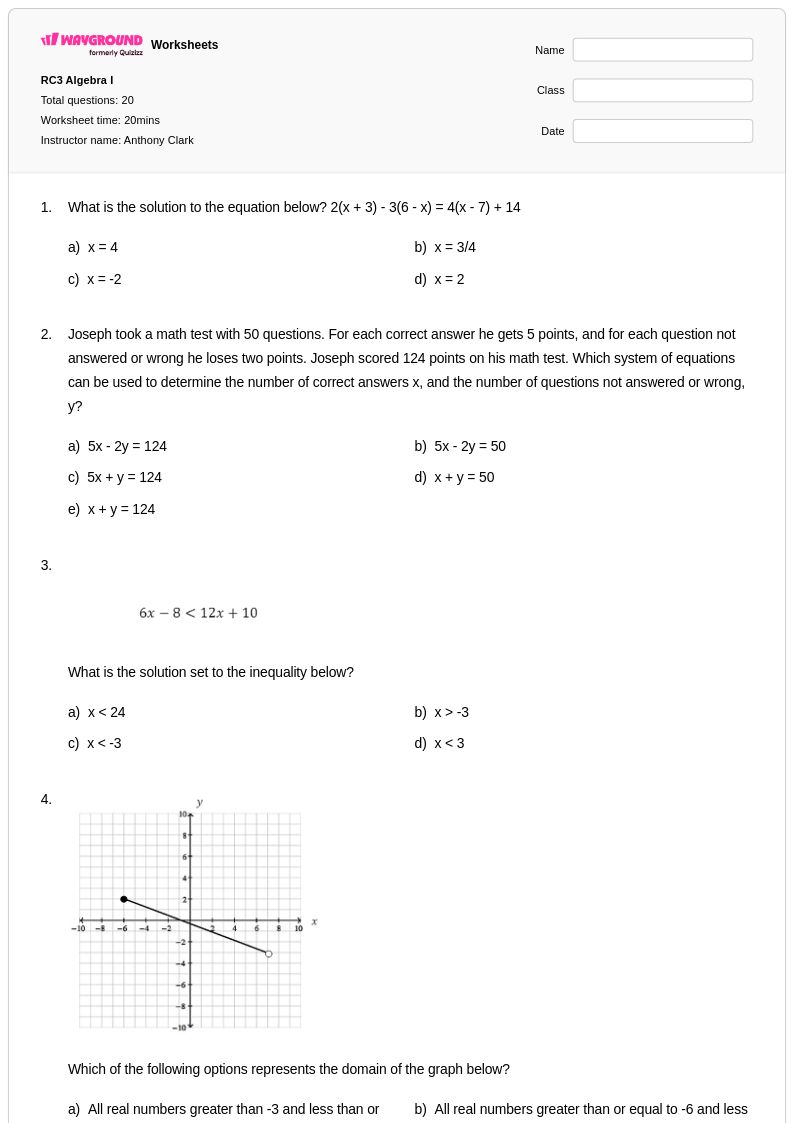
20 Q
8th - Uni
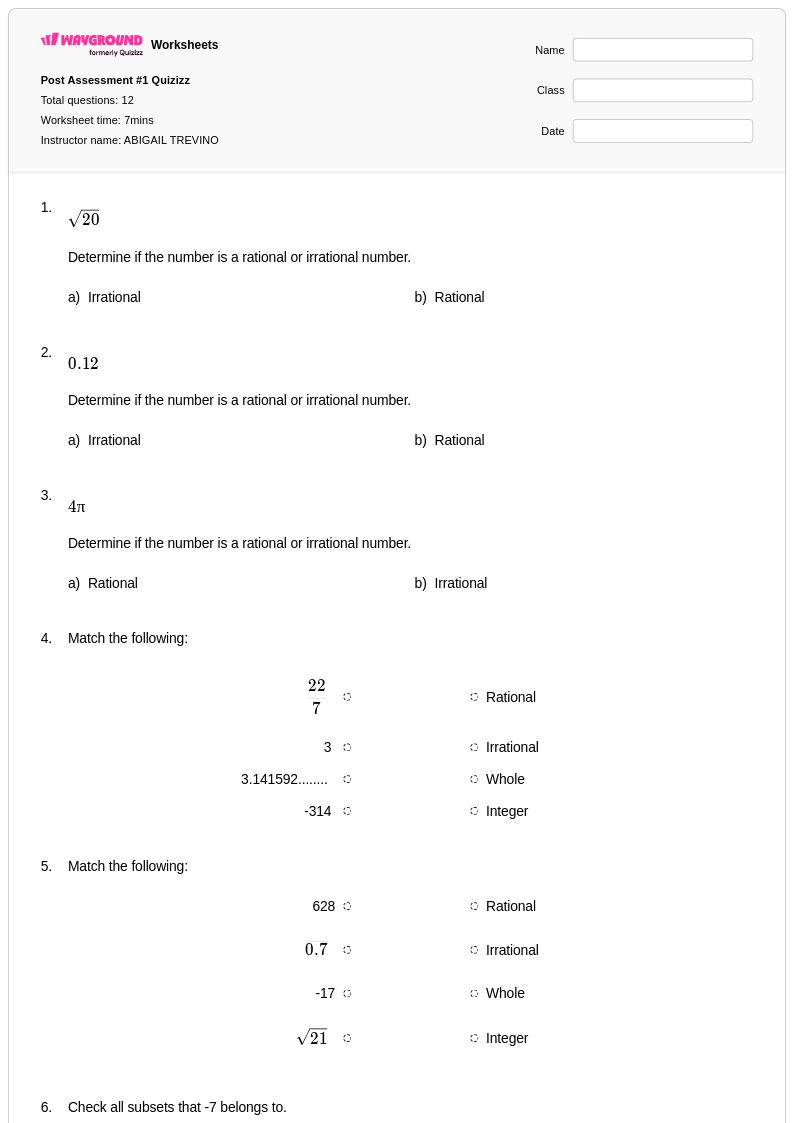
12 Q
8th
Explore Worksheets by Subjects
Explore printable Squaring Numbers worksheets
Squaring numbers worksheets available through Wayground (formerly Quizizz) provide students with comprehensive practice in one of the most fundamental exponent operations in mathematics. These carefully designed resources help students master the concept of multiplying a number by itself, building essential skills in numerical computation, pattern recognition, and algebraic thinking. The worksheet collections include systematic practice problems that progress from basic single-digit squares to more complex multi-digit calculations, complete with detailed answer keys that support independent learning and self-assessment. Available as free printable pdf resources, these worksheets offer structured opportunities for students to develop computational fluency while strengthening their understanding of exponential notation and perfect square relationships.
Wayground (formerly Quizizz) supports mathematics educators with an extensive collection of teacher-created squaring numbers worksheets, drawing from millions of educational resources developed by classroom professionals worldwide. The platform's robust search and filtering capabilities enable teachers to quickly locate materials that align with specific learning objectives and mathematical standards, while built-in differentiation tools allow for seamless customization based on individual student needs and skill levels. Whether accessed in printable pdf format for traditional paper-and-pencil practice or utilized through digital interactive formats, these versatile resources facilitate effective lesson planning, targeted remediation for struggling learners, and enrichment opportunities for advanced students seeking additional challenge in exponent operations.
FAQs
How do I teach the concept of squaring numbers?
What exercises help students practice squaring numbers?
What is the most common mistake students make when squaring numbers?
How can I use this squaring numbers worksheet in my class?
How does squaring numbers fit into the math curriculum?
How can I support students who struggle with squaring numbers?