
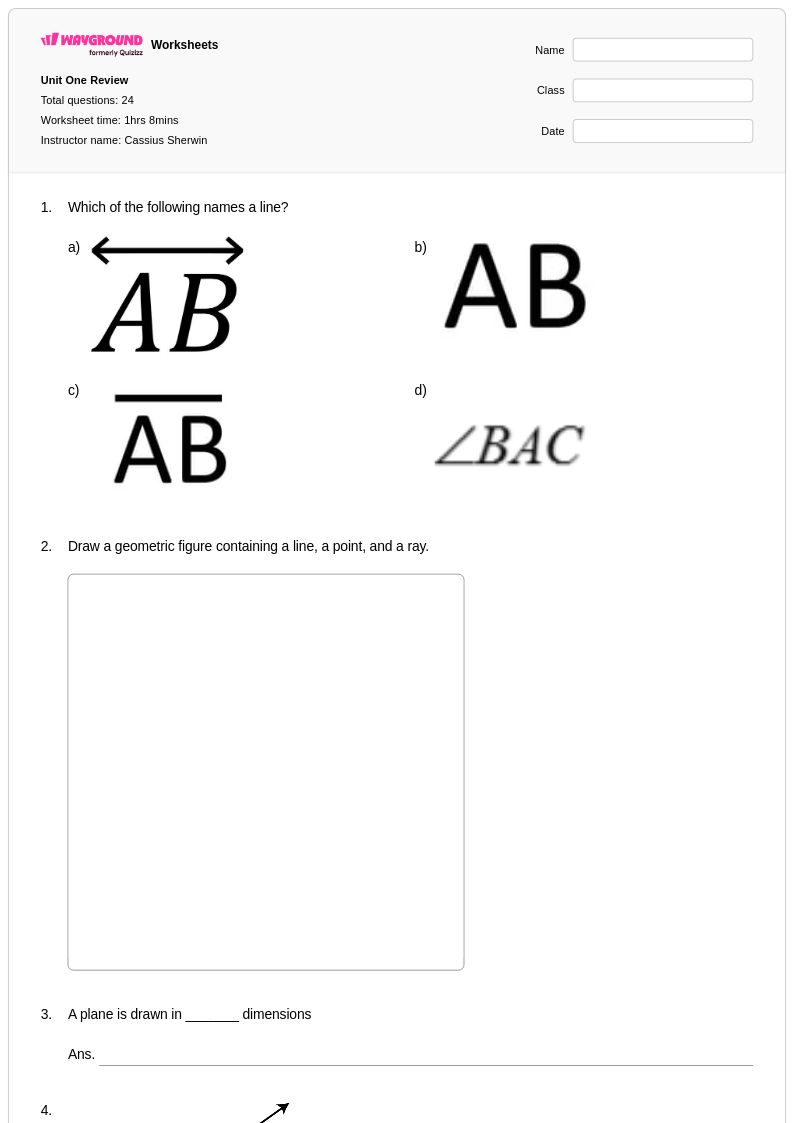
24 Q
10th
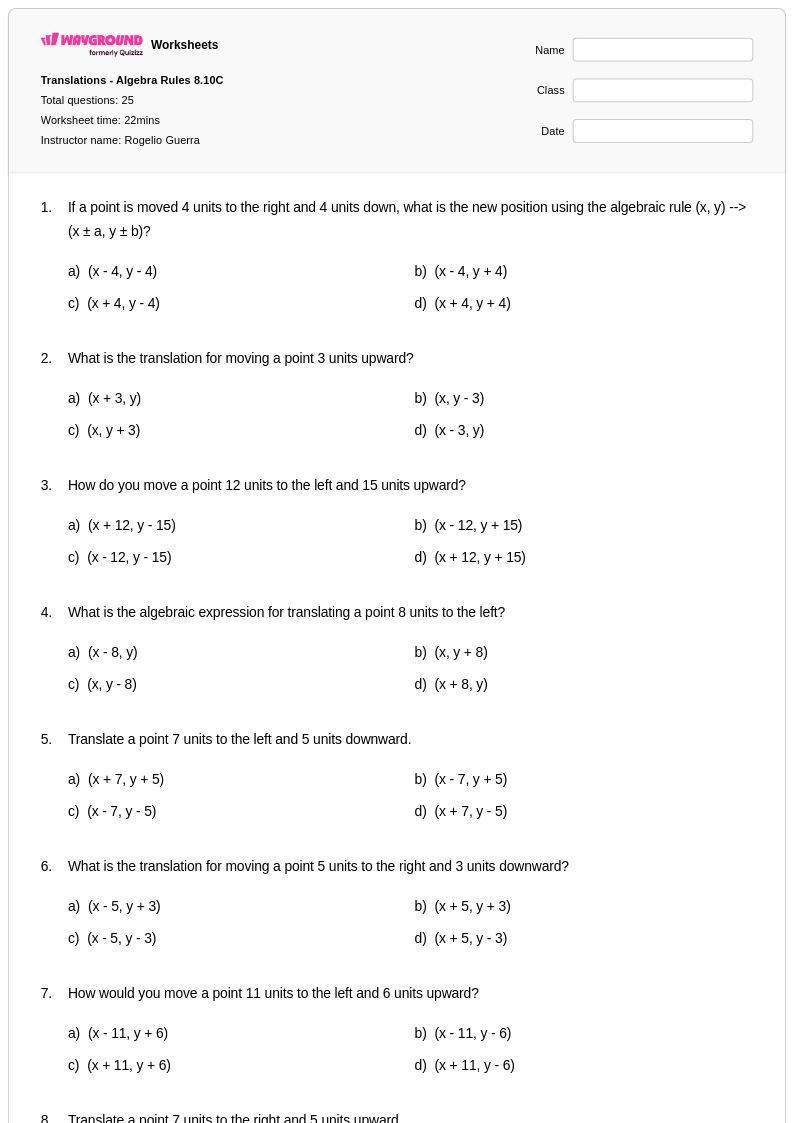
25 Q
8th
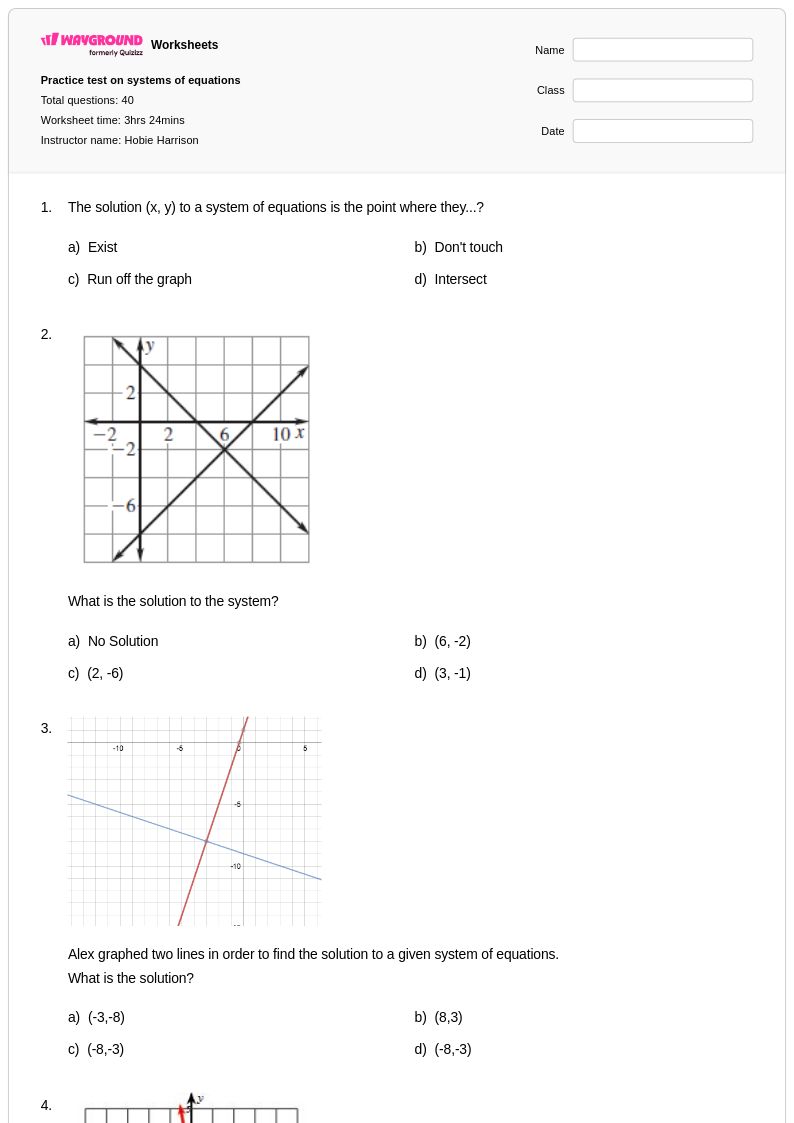
40 Q
8th
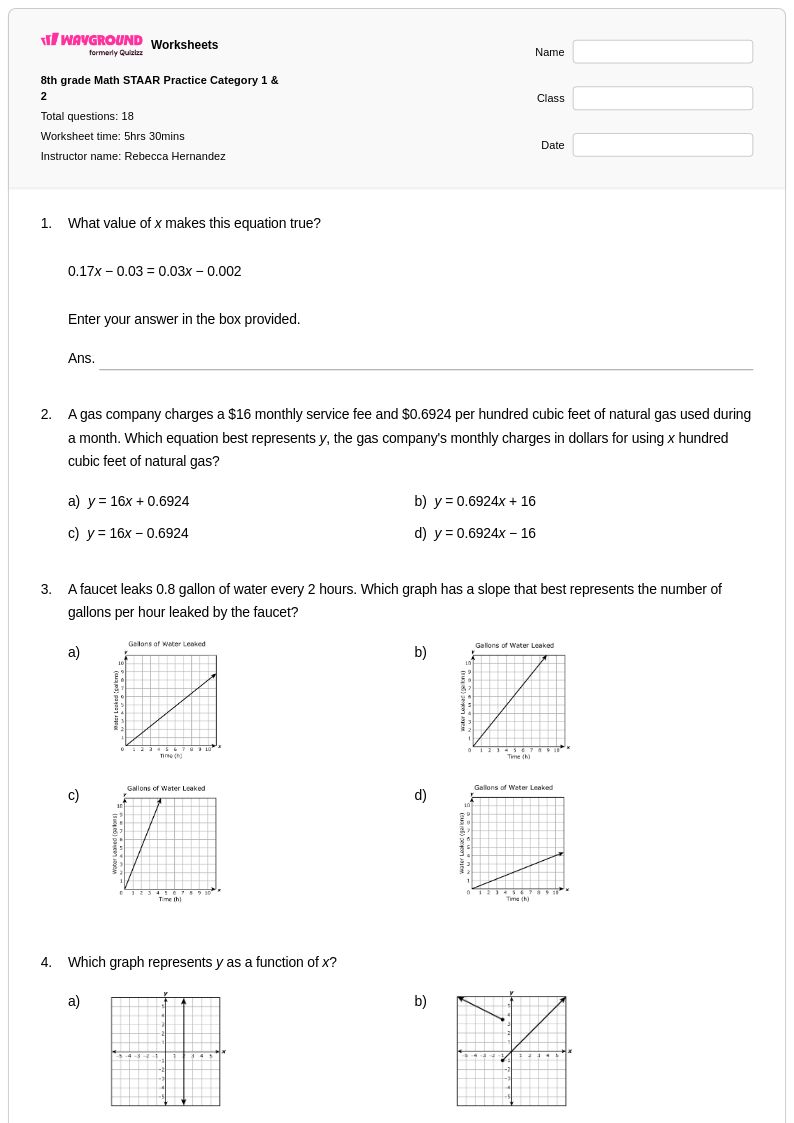
18 Q
8th
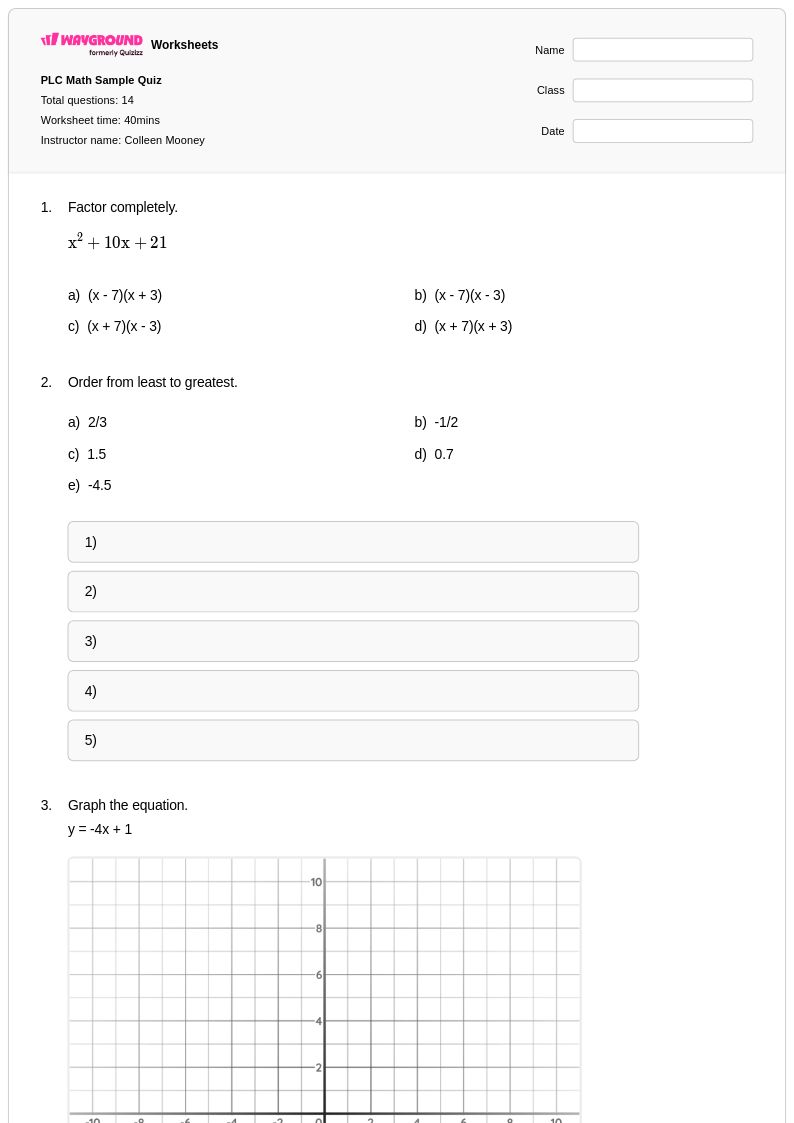
14 Q
9th
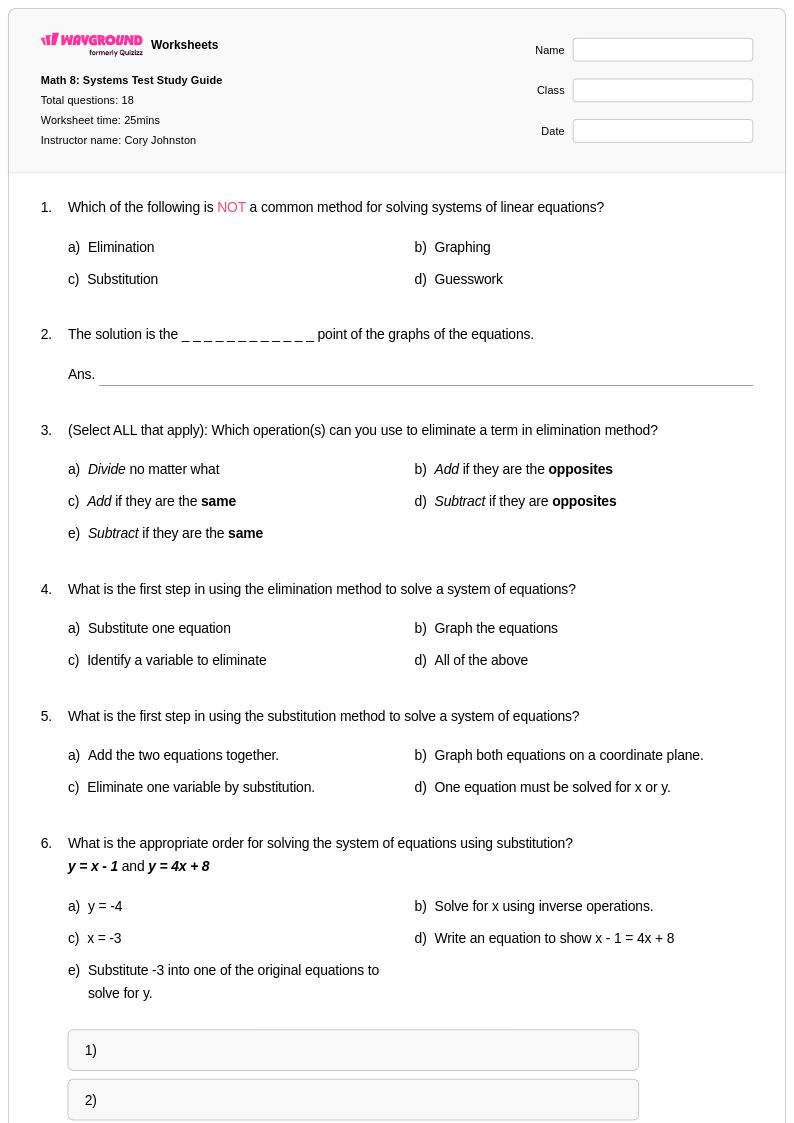
18 Q
8th
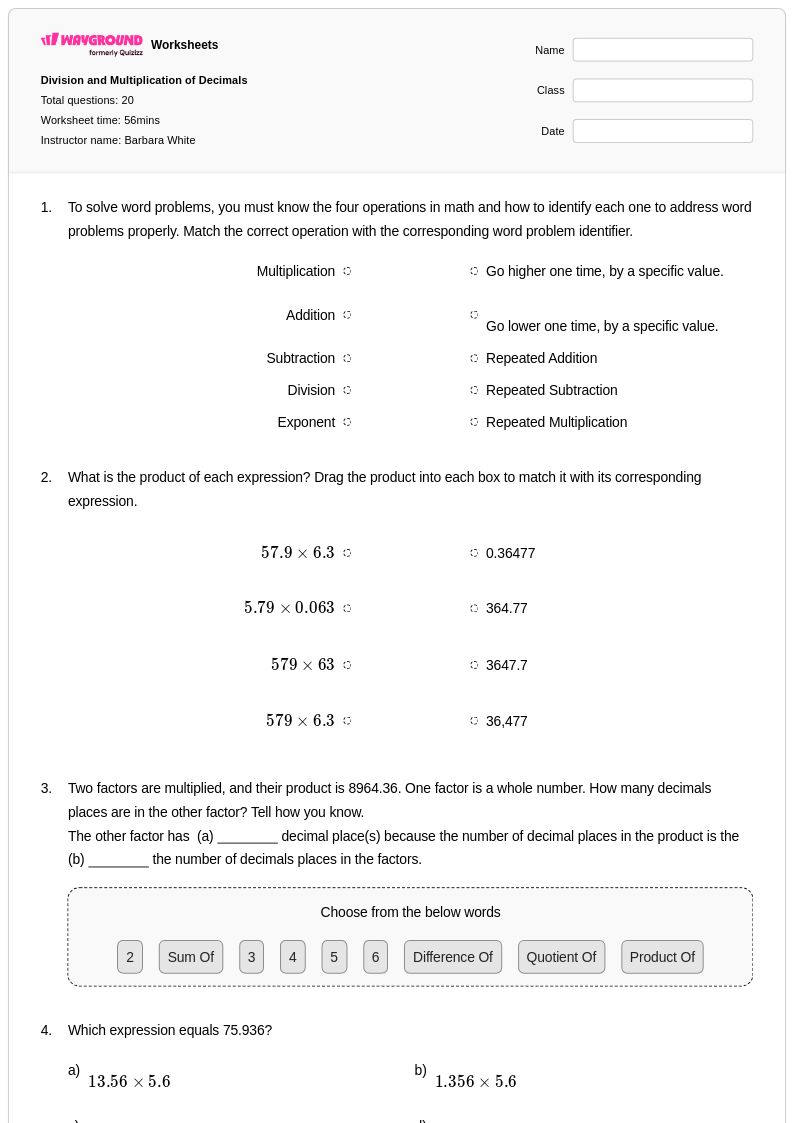
20 Q
6th

13 Q
5th
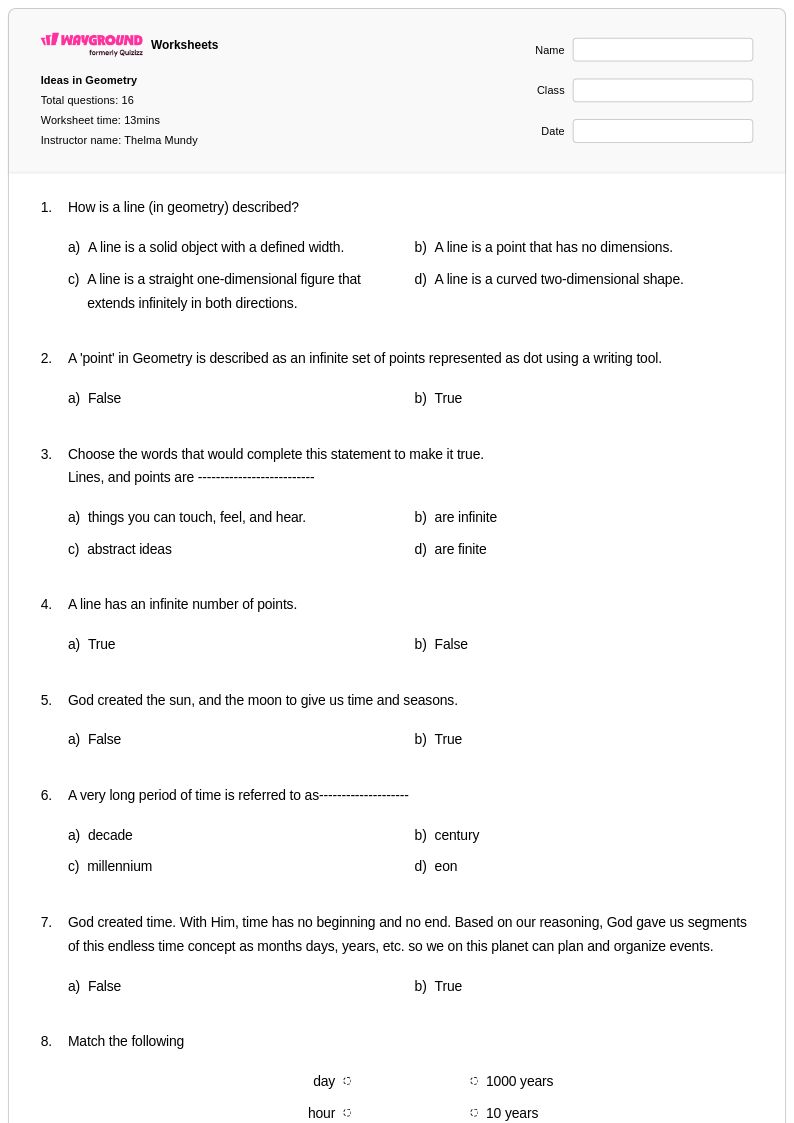
16 Q
5th
19 Q
6th - Uni
17 Q
2nd
151 Q
8th
20 Q
8th - Uni
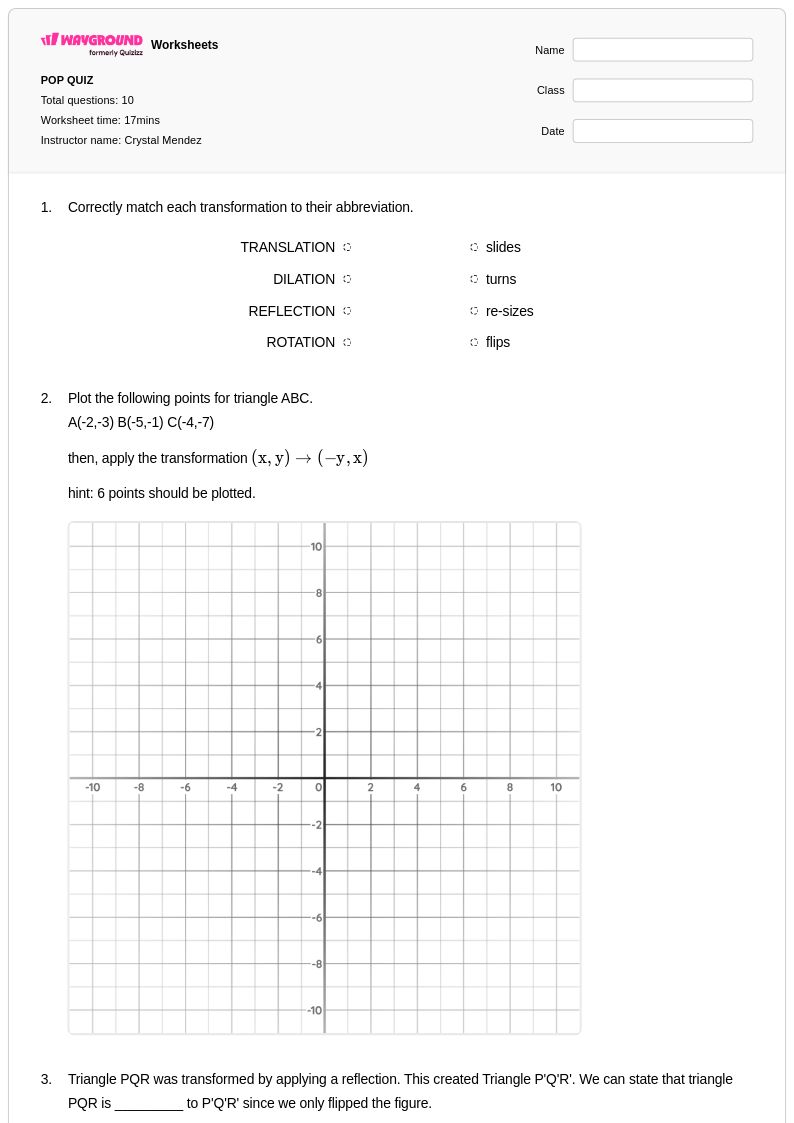
10 Q
10th
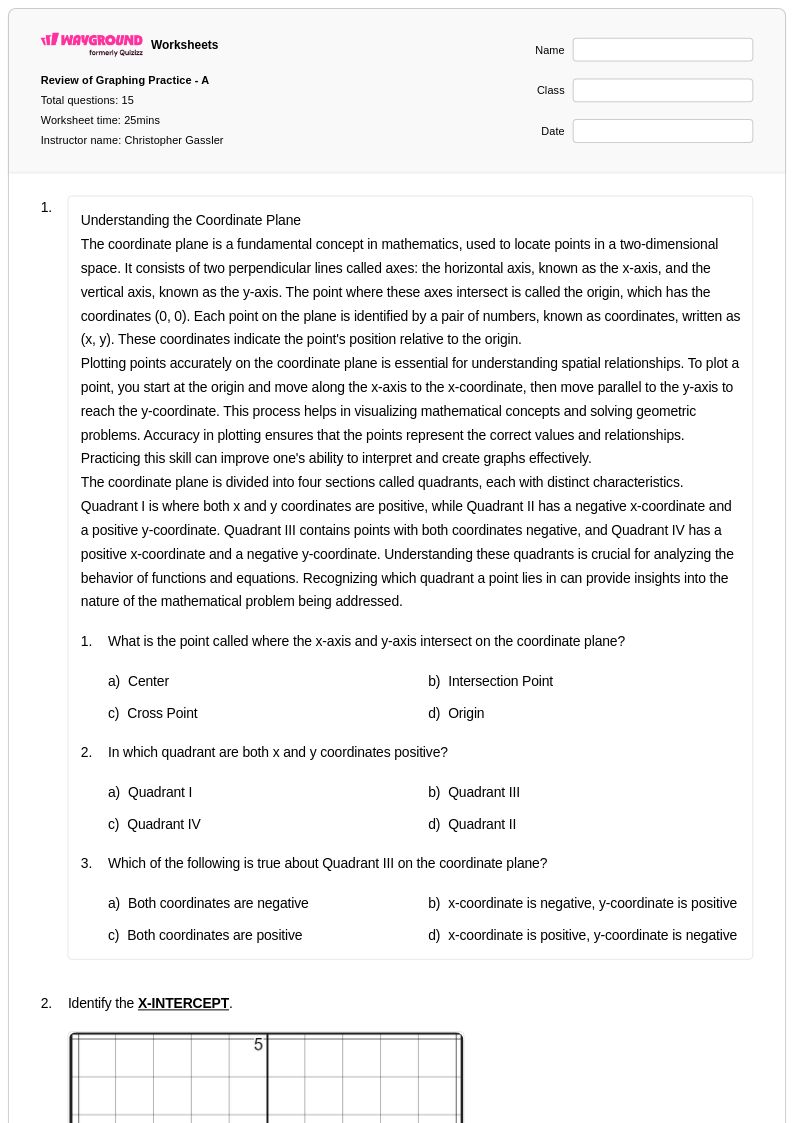
18 Q
9th
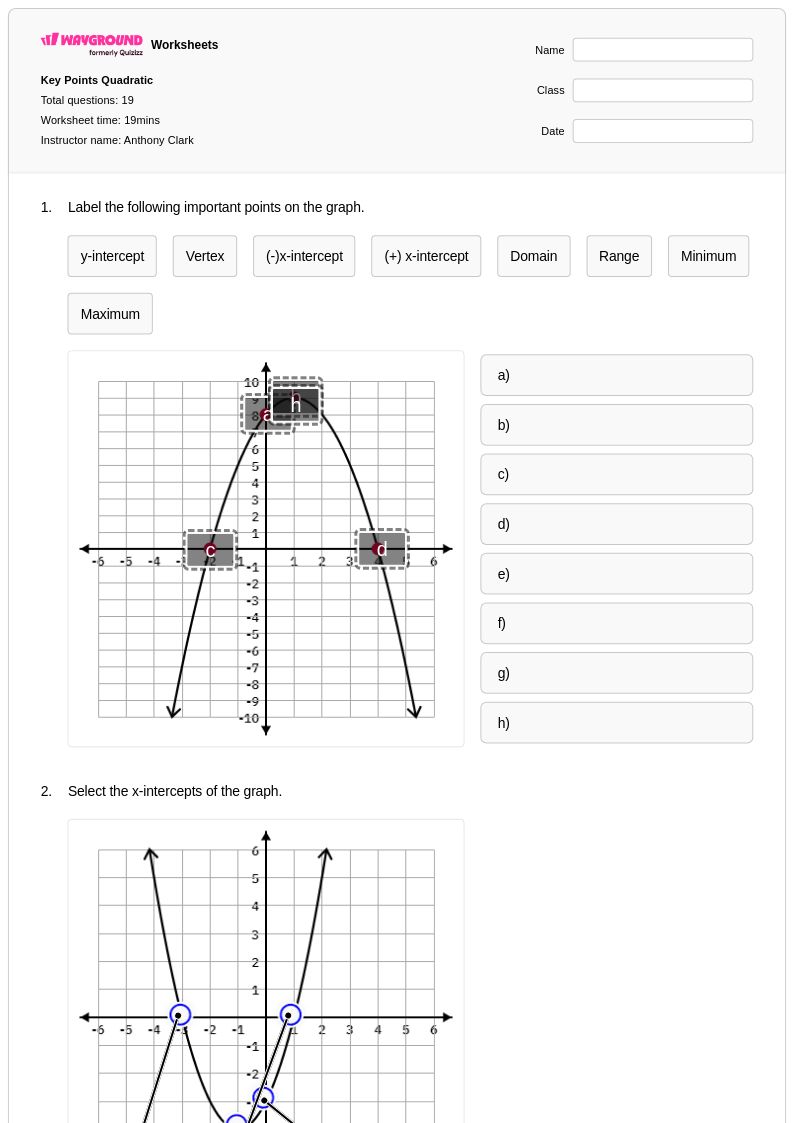
19 Q
9th - Uni
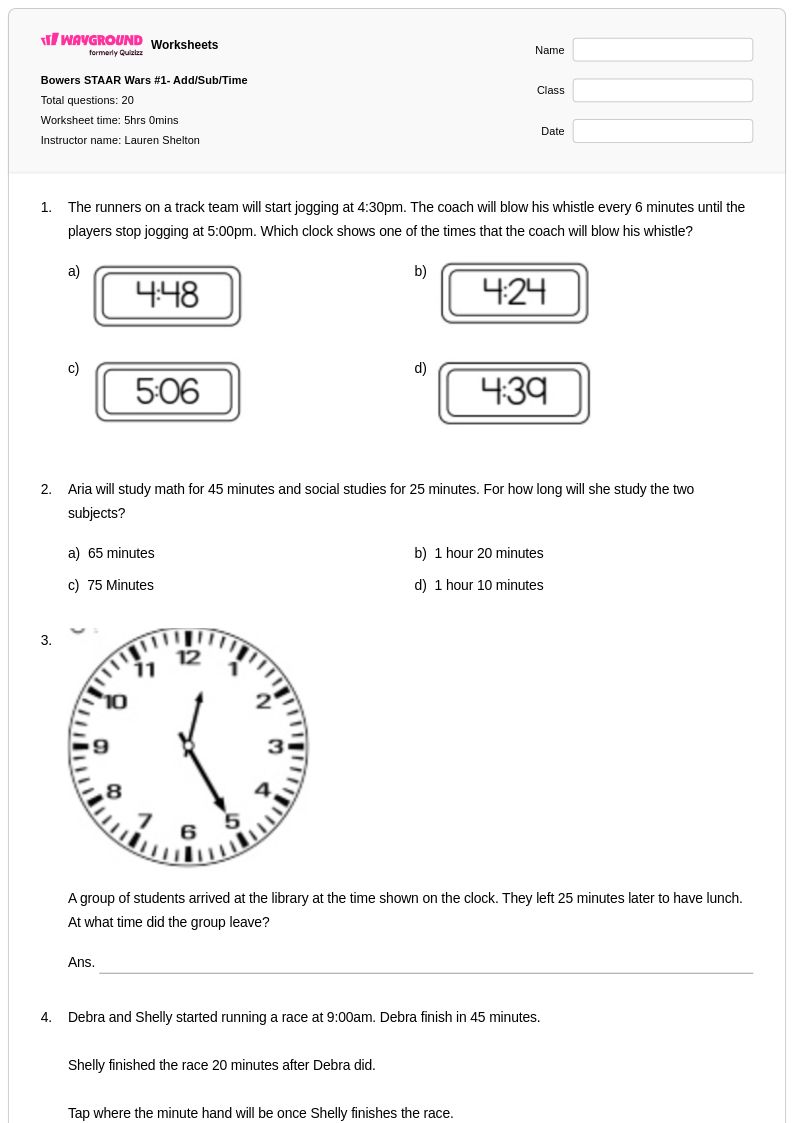
20 Q
3rd
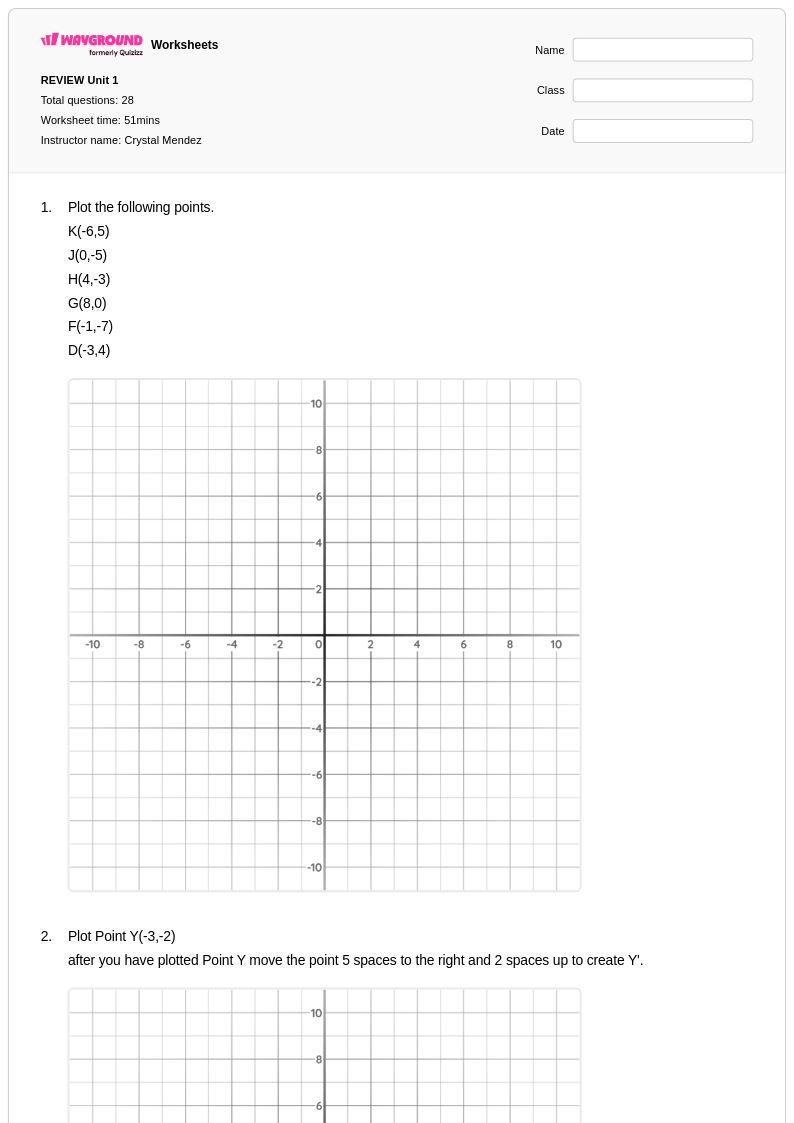
28 Q
10th
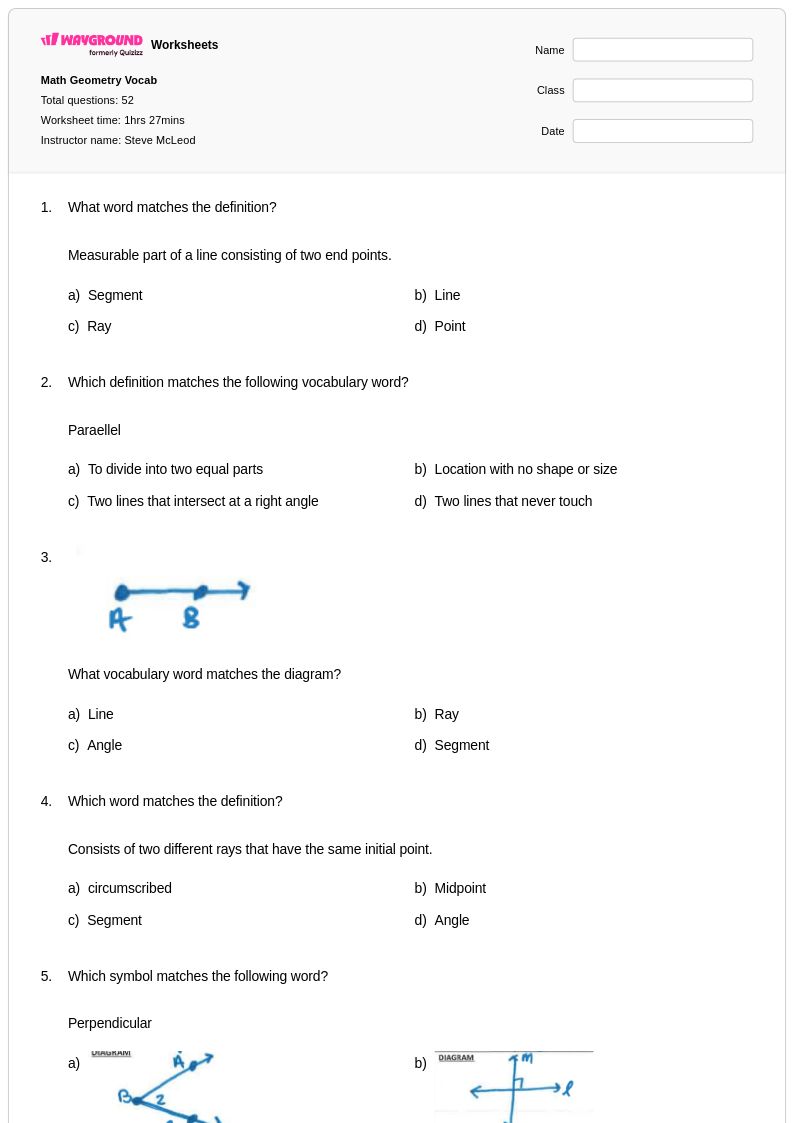
52 Q
7th
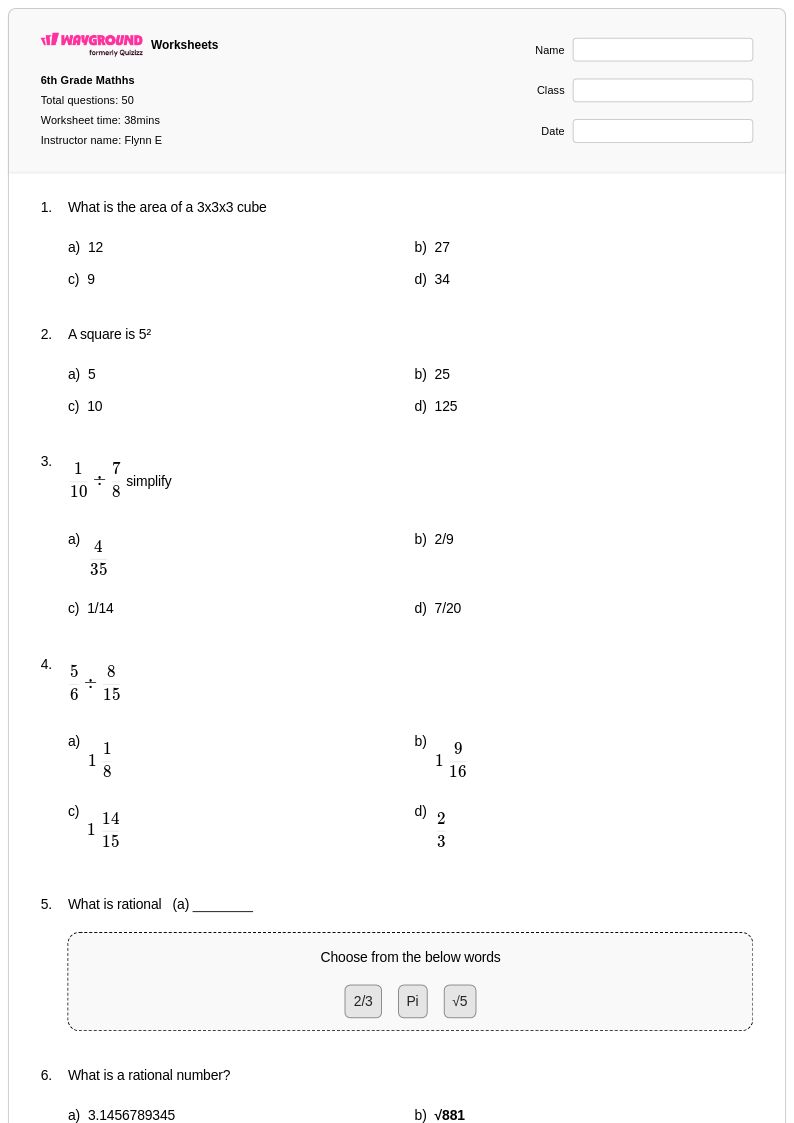
50 Q
6th
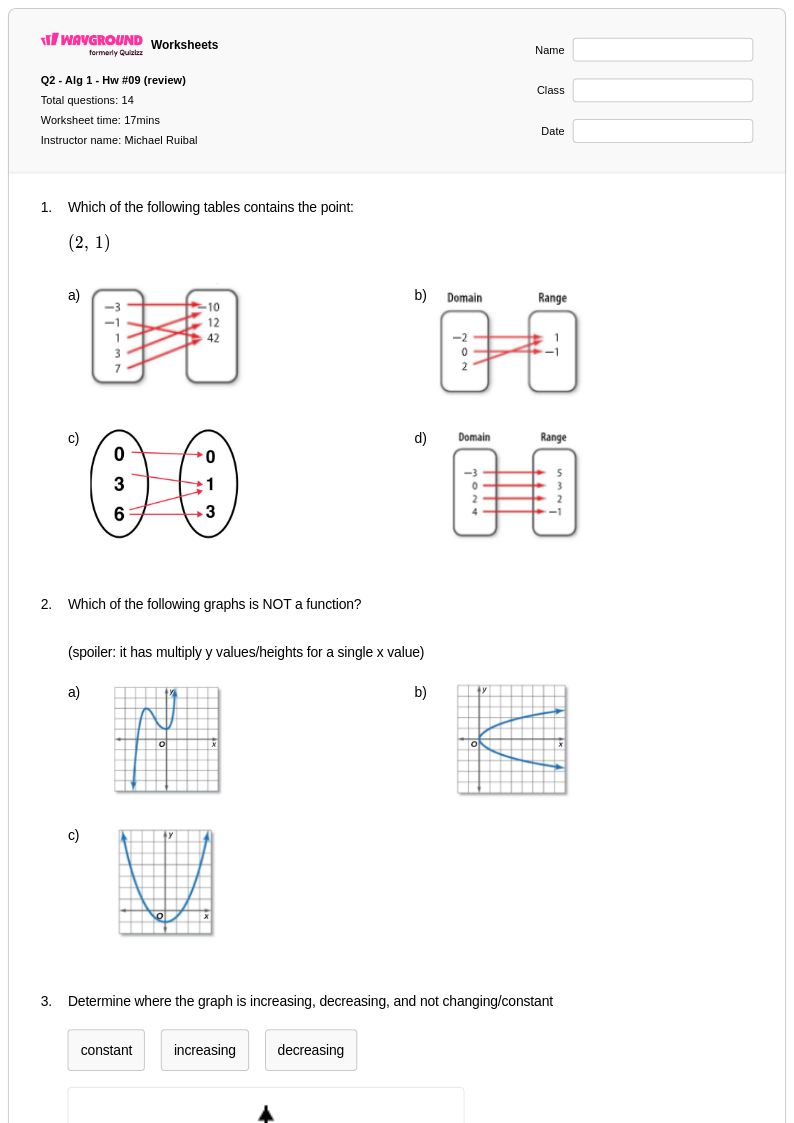
14 Q
9th - 12th
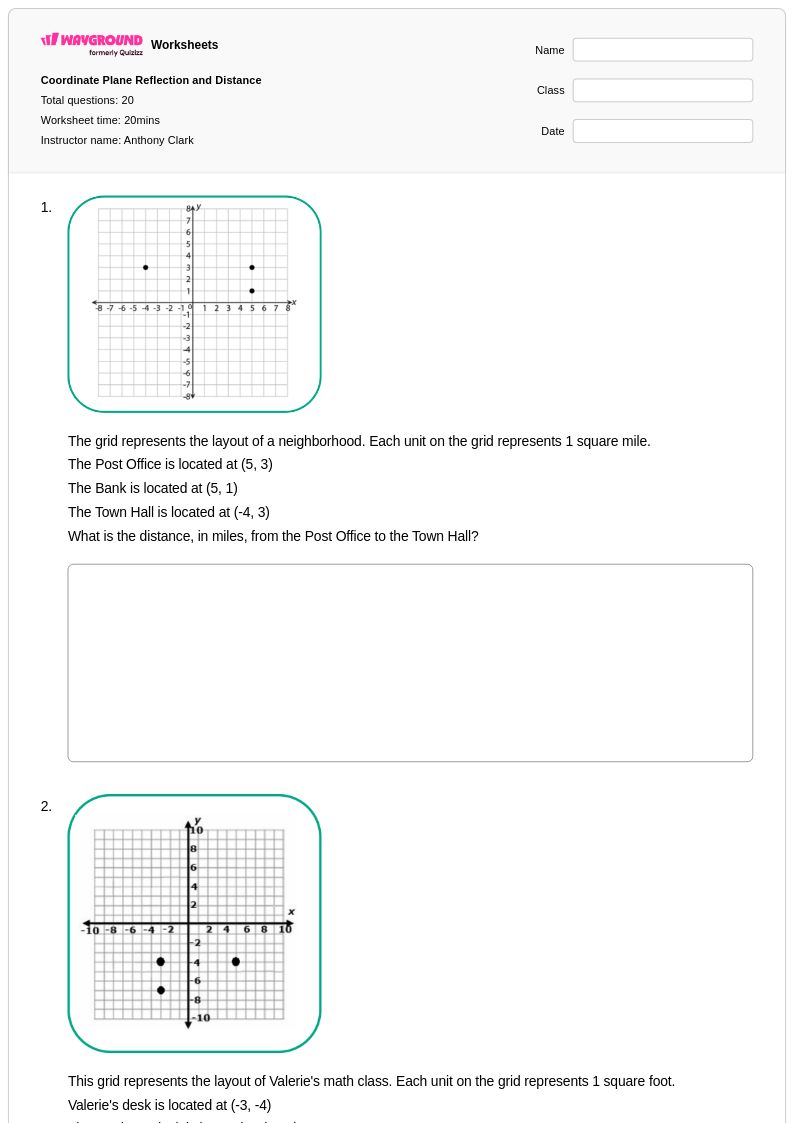
20 Q
6th - Uni
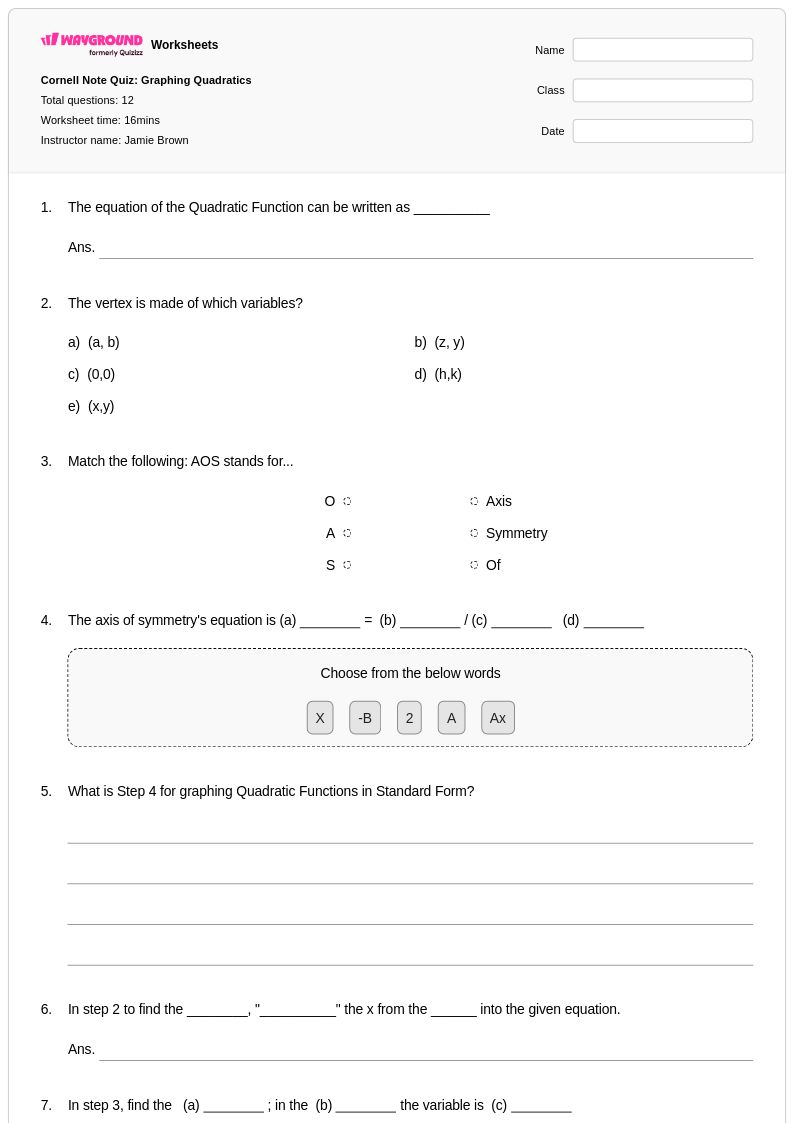
12 Q
9th
Explore Worksheets by Grade
Explore Worksheets by Subjects
Explore printable Touch Point Math worksheets
Touch Point Math worksheets available through Wayground (formerly Quizizz) provide students with a multisensory approach to developing fundamental number sense skills through tactile and visual learning strategies. These comprehensive practice problems guide learners to use physical touch points on numbers to support counting, addition, and subtraction operations, making abstract mathematical concepts more concrete and accessible. The worksheets strengthen essential skills including number recognition, counting accuracy, basic arithmetic operations, and mathematical reasoning by incorporating kinesthetic learning techniques that help students physically connect with numerical values. Each printable resource includes detailed answer keys and step-by-step guidance, allowing educators to implement this research-based methodology effectively while providing students with immediate feedback on their mathematical understanding.
Wayground (formerly Quizizz) supports mathematics educators with an extensive collection of millions of teacher-created Touch Point Math resources that can be easily searched, filtered, and customized to meet diverse classroom needs. The platform's robust differentiation tools enable teachers to modify worksheets for various skill levels, ensuring that both struggling learners and advanced students can benefit from this specialized number sense approach. These resources are available in both printable PDF formats and interactive digital versions, providing flexibility for in-person instruction, remote learning, or hybrid educational environments. Teachers can leverage these comprehensive materials for targeted skill practice, systematic remediation of mathematical gaps, enrichment activities for accelerated learners, and strategic lesson planning that incorporates multisensory learning techniques to enhance student engagement and mathematical comprehension.