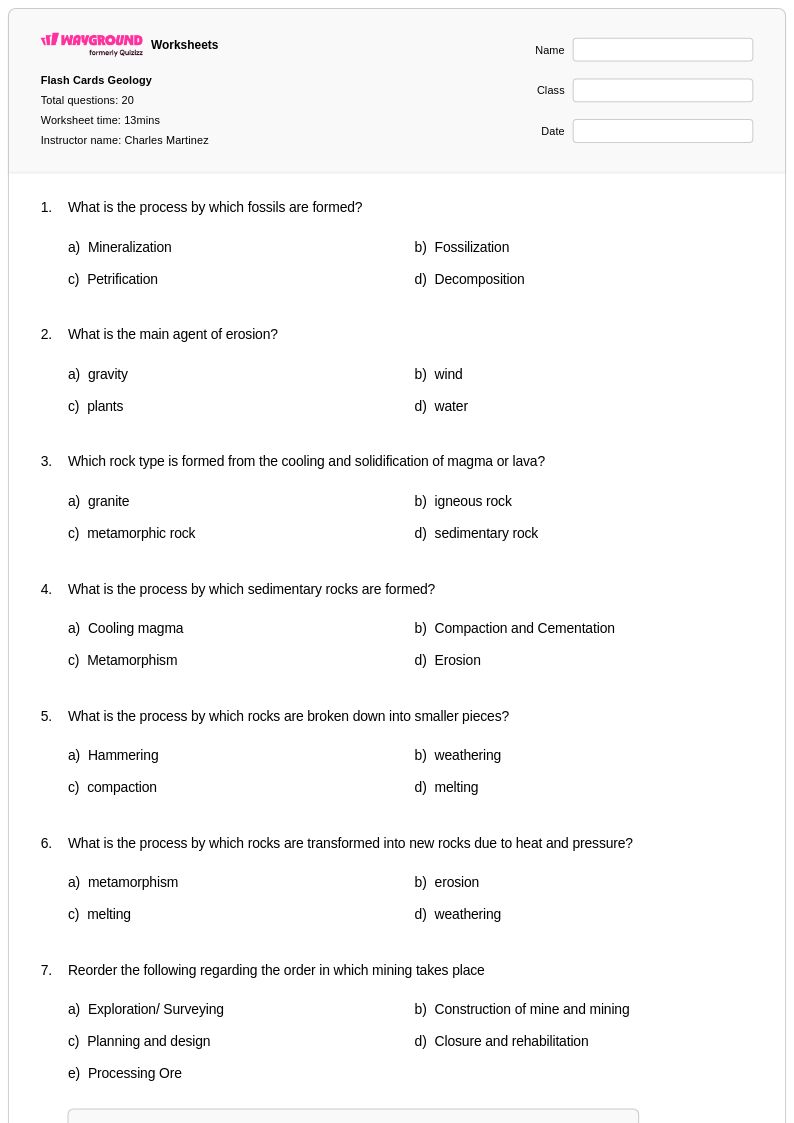
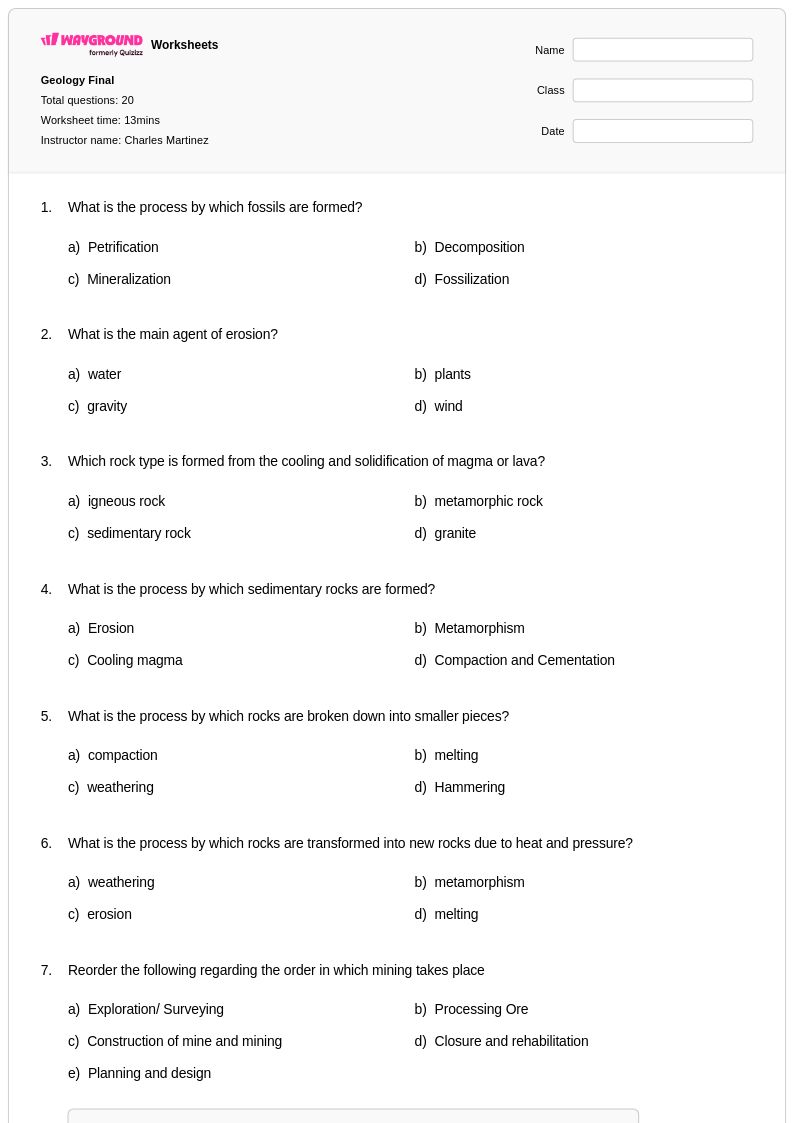
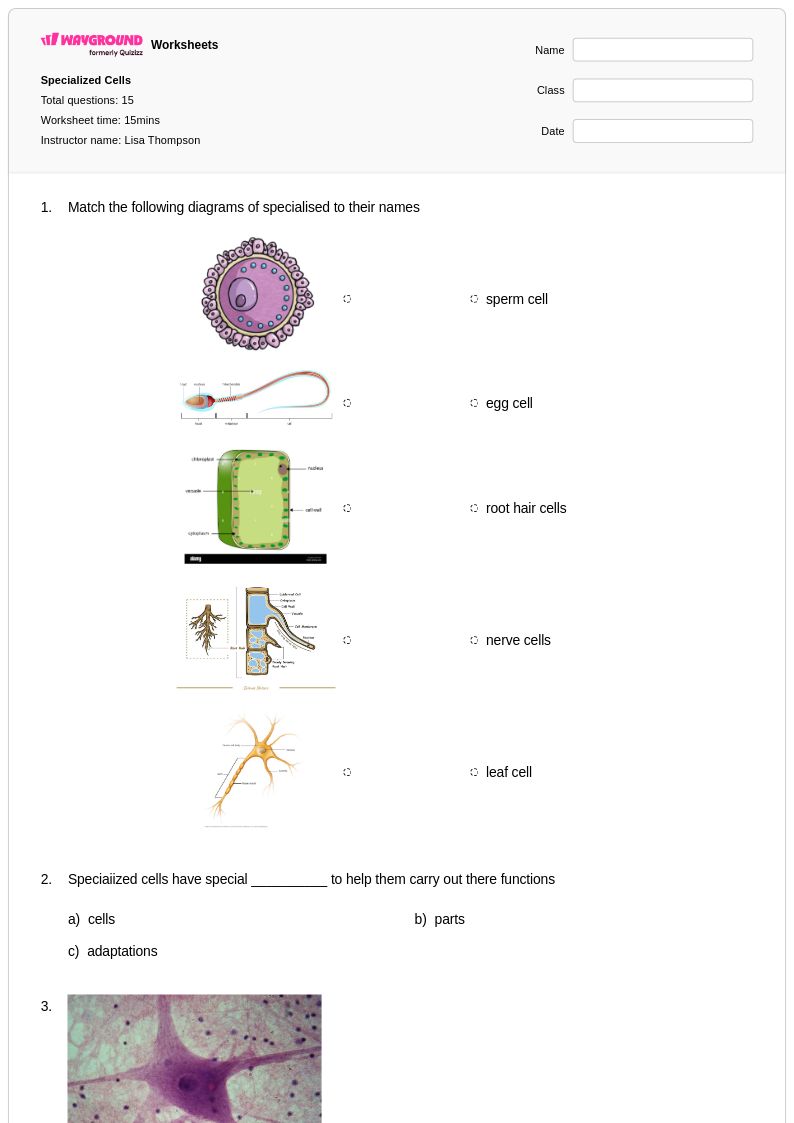
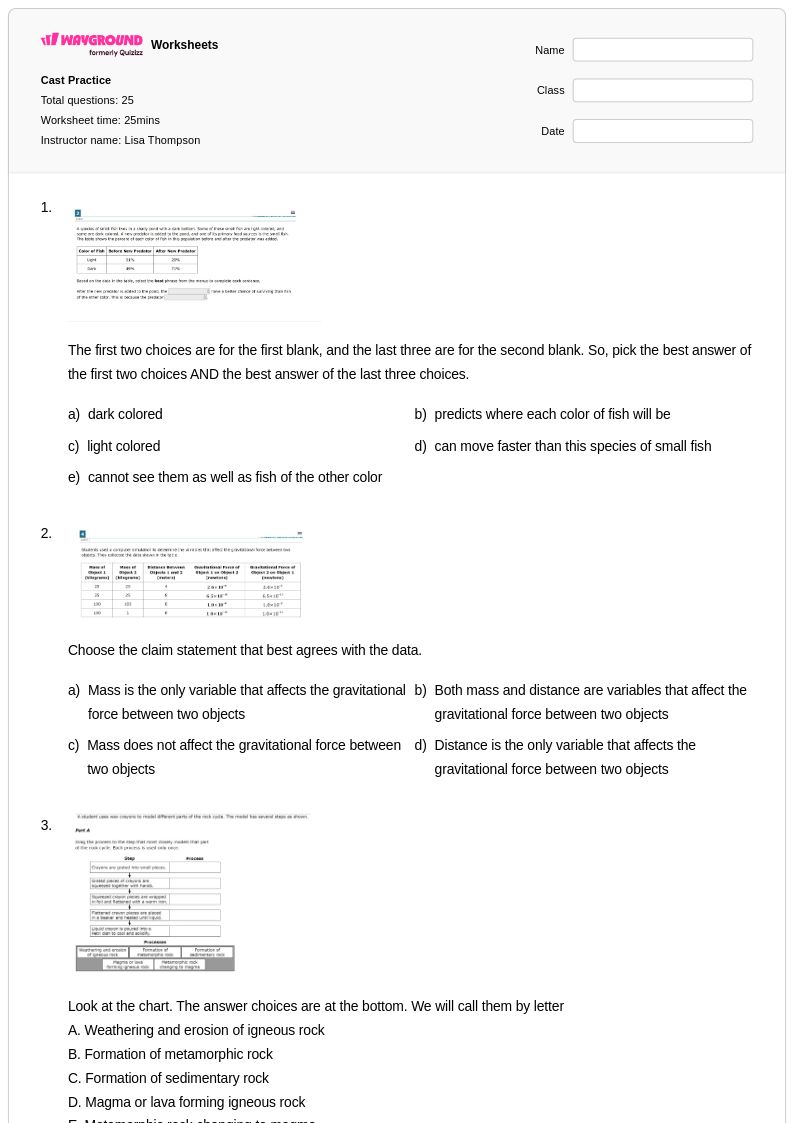
Class 8 long bone worksheets from Wayground provide comprehensive printables and practice problems to help students master bone structure, anatomy, and functions with detailed answer keys and free PDF resources.
Explore printable Long Bone worksheets for Class 8
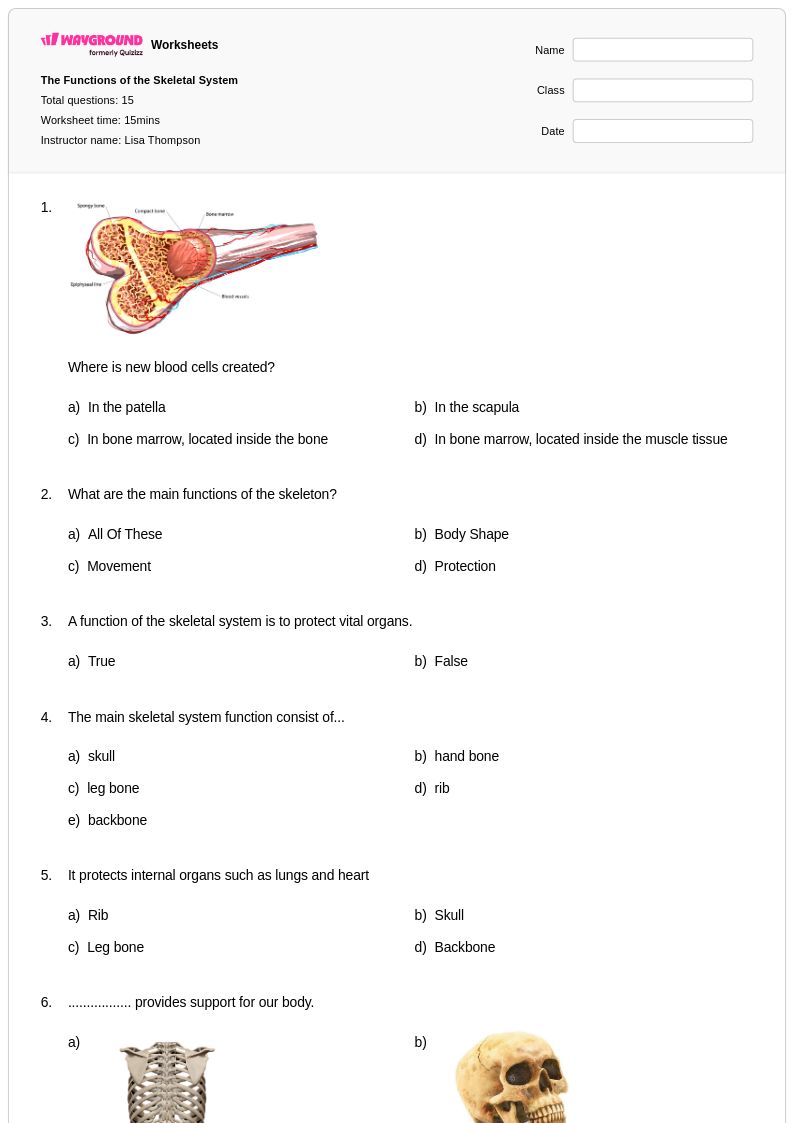
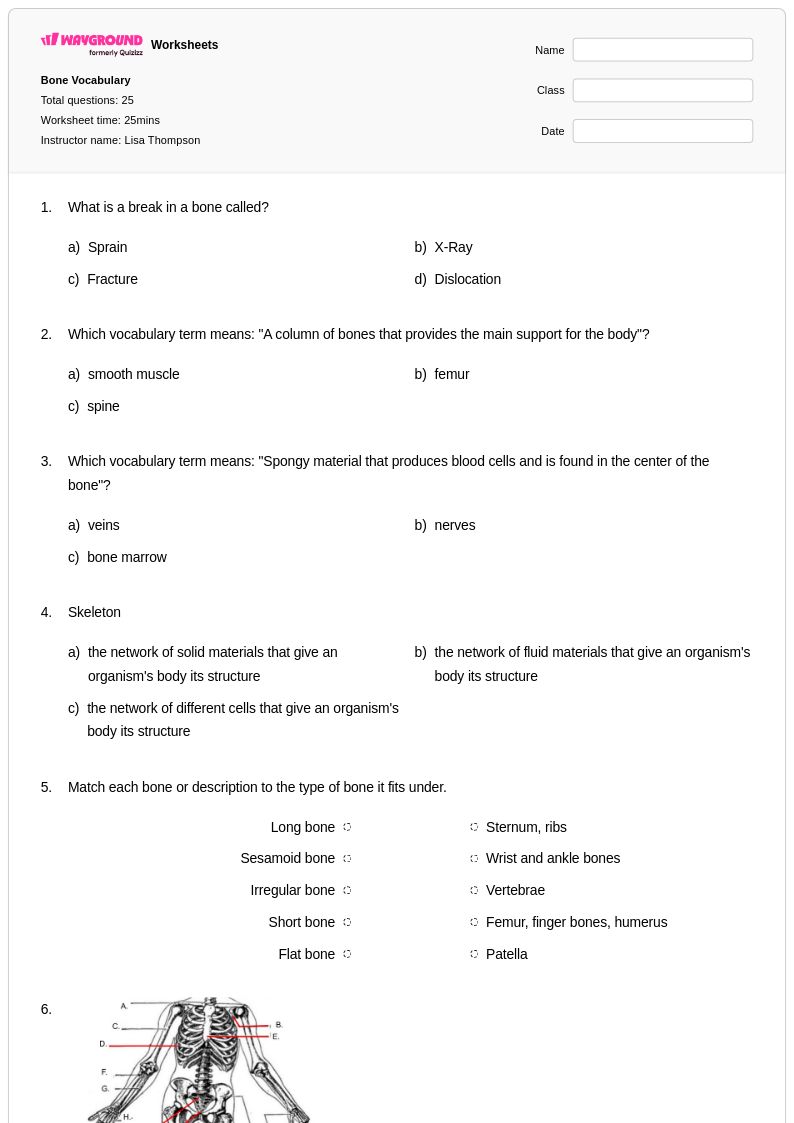
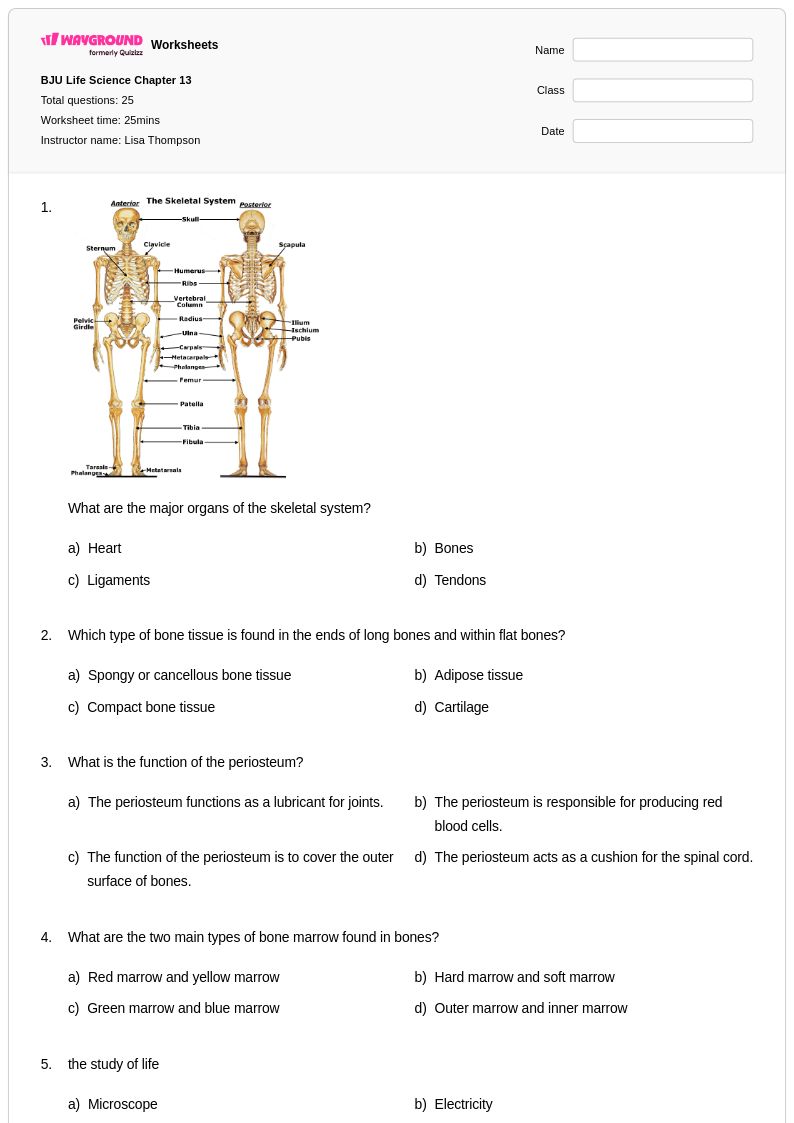
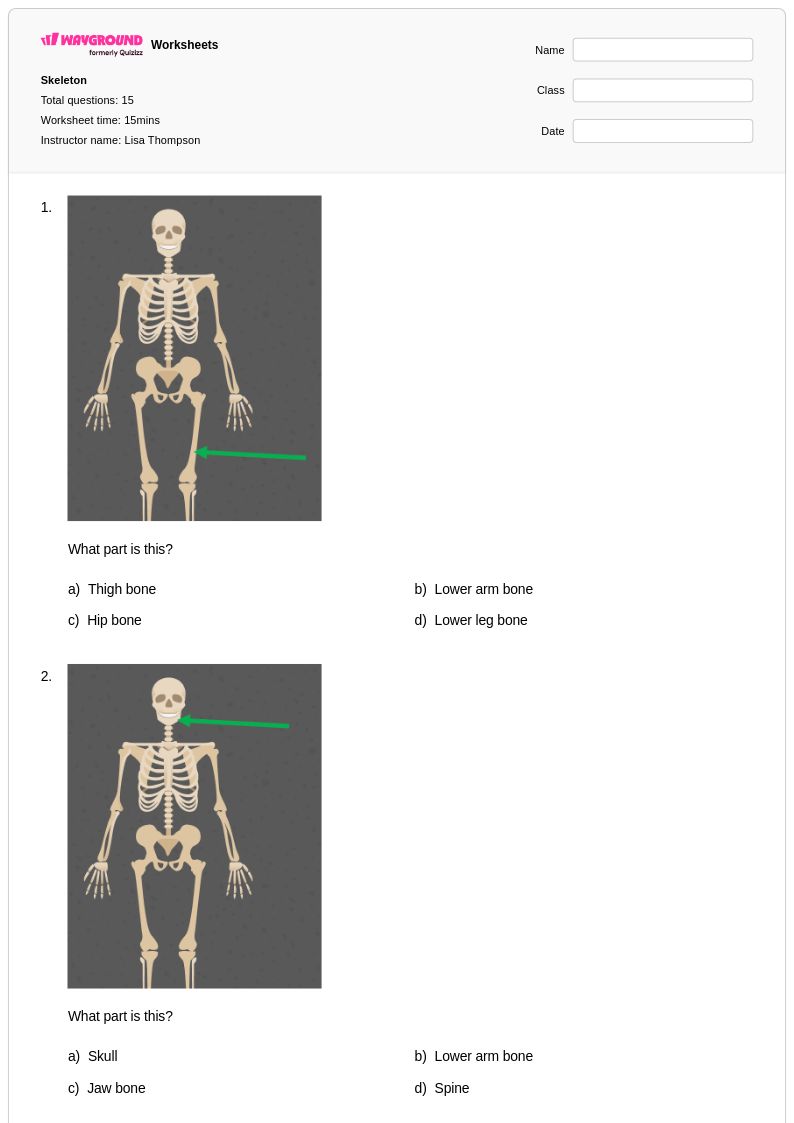
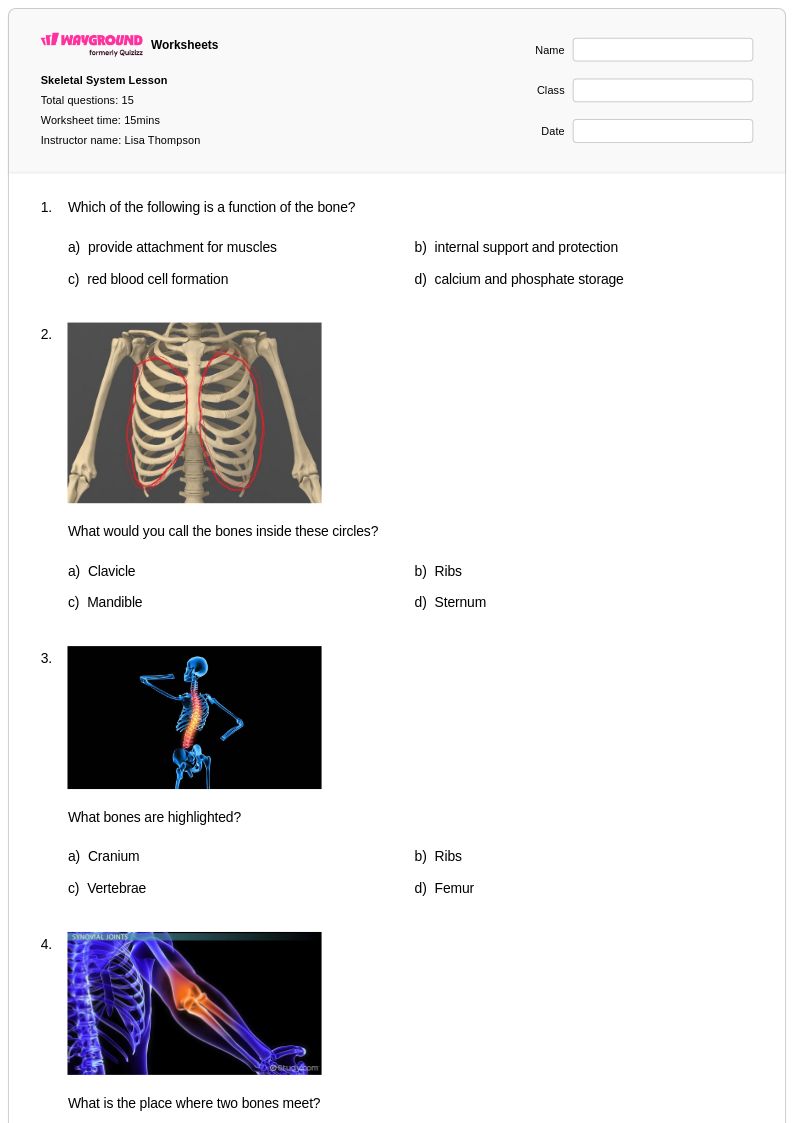
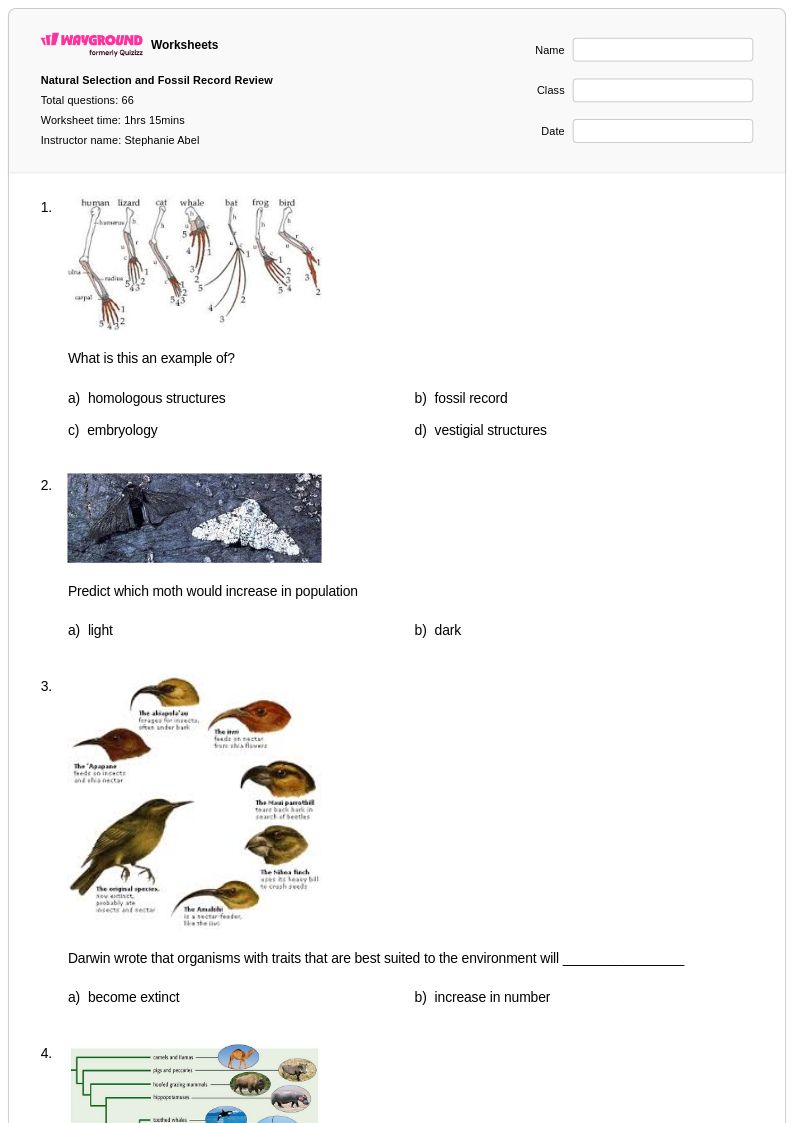
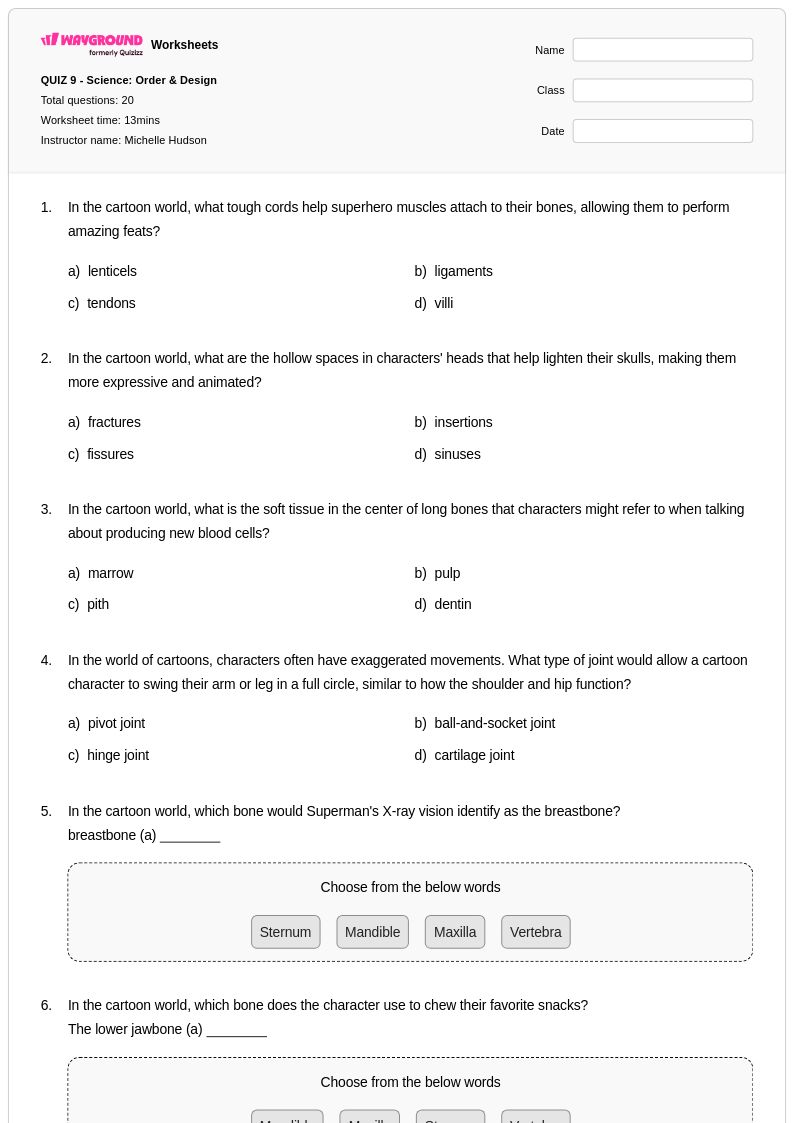
Long bone structure worksheets for Class 8 students available through Wayground (formerly Quizizz) provide comprehensive practice materials that explore the anatomy and physiology of the body's longest skeletal elements, including the femur, tibia, humerus, and radius. These educational resources strengthen students' understanding of bone tissue organization, the distinction between compact and spongy bone, and the critical functions of structures like the medullary cavity, periosteum, and epiphyseal plates. The worksheets feature detailed diagrams for labeling exercises, practice problems that reinforce vocabulary related to bone formation and growth, and assessment materials complete with answer keys to support independent learning. Students engage with both printable pdf formats and interactive digital activities that build foundational knowledge of how long bones support movement, protect vital organs, and serve as sites for blood cell production through hematopoiesis.
Wayground's extensive collection of teacher-created long bone worksheets offers educators access to millions of curated resources specifically designed for Class 8 biology instruction. The platform's advanced search and filtering capabilities allow teachers to locate materials that align with specific curriculum standards while providing differentiation tools to accommodate diverse learning needs within the classroom. These customizable worksheet collections support flexible lesson planning by offering both printable pdf versions for traditional instruction and digital formats that integrate seamlessly with modern teaching technologies. Teachers utilize these resources for targeted skill practice, remediation sessions for students struggling with bone anatomy concepts, and enrichment activities that challenge advanced learners to explore connections between bone structure and function, ultimately creating a comprehensive learning experience that builds scientific literacy and analytical thinking skills.
FAQs
How do I teach long bone anatomy to students?
Start by grounding students in the macroscopic structure of a long bone — diaphysis, epiphysis, periosteum, and medullary cavity — before moving into tissue-level detail such as compact and spongy bone. Use labeled diagrams alongside real-world examples like the femur or humerus to make abstract structures concrete. Connecting bone anatomy to function, such as how the periosteum supports repair and how growth plates drive longitudinal growth, helps students retain structural details within a meaningful physiological context.
What exercises help students practice identifying long bone structures?
Labeling diagrams of bones like the femur, tibia, and humerus is one of the most effective practice formats because it requires students to recall and place specific structures rather than simply recognize them. Matching exercises pairing structural terms with their functions — such as endosteum with bone remodeling — reinforce vocabulary while building conceptual understanding. Practice problems that ask students to distinguish between compact and spongy bone tissue, or to identify growth plate location and significance, target the higher-order distinctions that assessments typically test.
What mistakes do students commonly make when learning long bone anatomy?
One of the most common errors is confusing the periosteum with the endosteum — students often conflate the two because both are connective tissue layers, but they differ in location and function. Students also frequently misidentify the epiphysis and diaphysis, particularly when diagrams are unlabeled or presented in unfamiliar orientations. A third common misconception is treating bone as static tissue; students often fail to connect growth plates and bone remodeling to dynamic, ongoing physiological processes.
How do I use long bone worksheets in my classroom?
Long bone worksheets on Wayground are available as printable PDFs for traditional classroom use and in digital formats for technology-integrated or remote learning environments, including the option to host them as a quiz directly on Wayground. Printable versions work well for in-class labeling and diagram activities, while digital formats support self-paced review or homework assignments. For teachers using Wayground's digital tools, built-in accommodations such as read aloud, extended time, and reduced answer choices can be applied to individual students without disrupting the experience for the rest of the class.
How can I differentiate long bone anatomy instruction for students at different skill levels?
For students who are struggling, focus on the core structural hierarchy first — diaphysis versus epiphysis, periosteum versus endosteum — before introducing tissue-level detail. Advanced students benefit from extension tasks that connect long bone anatomy to clinical contexts, such as how fractures affect periosteum-driven repair or how growth plate damage impacts skeletal development. On Wayground, teachers can apply individual accommodations including reduced answer choices or read aloud to specific students, allowing the same worksheet to serve diverse learners without requiring separate materials.
What is the difference between compact bone and spongy bone in a long bone?
Compact bone forms the dense outer shell of the diaphysis and provides the mechanical strength needed to withstand compressive and bending forces. Spongy bone, also called cancellous bone, is found at the epiphyses and consists of a lattice of trabeculae that reduces overall bone mass while maintaining structural integrity and housing red bone marrow. Understanding where each tissue type is located and why it is structured that way is a foundational concept in long bone anatomy that frequently appears on assessments.