
20 Q
2nd
20 Q
2nd
11 Q
1st - 5th
16 Q
2nd
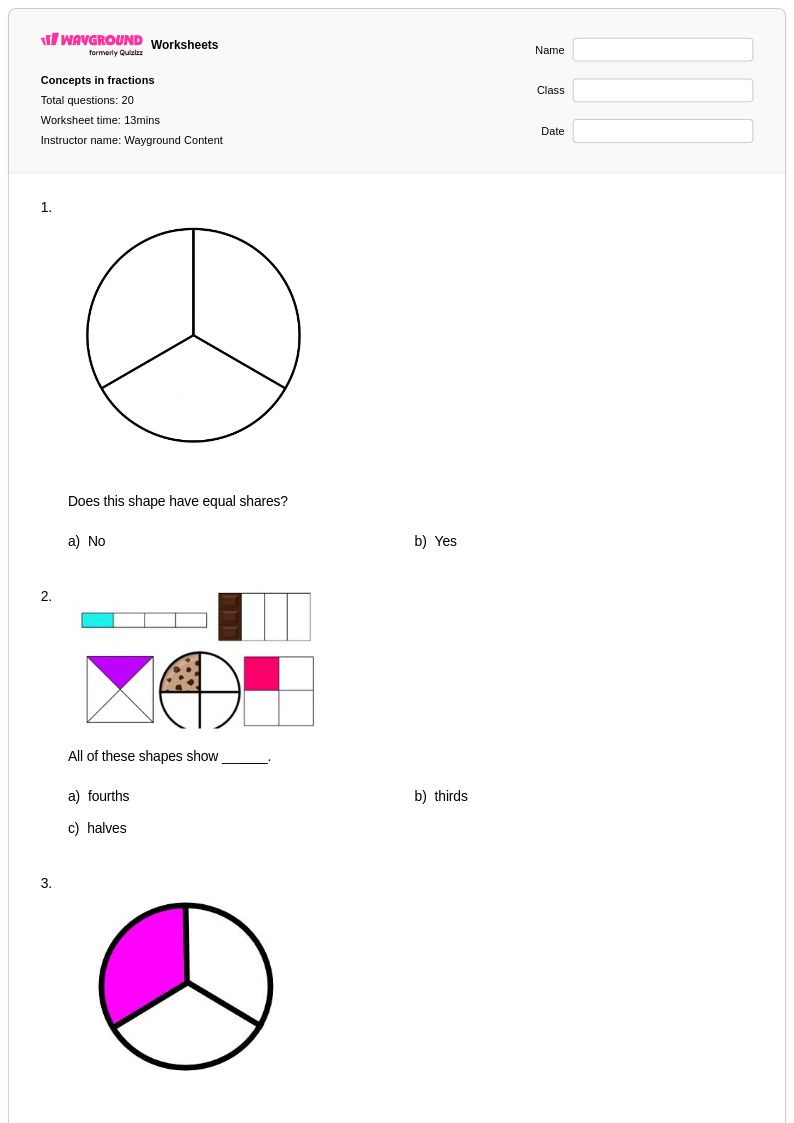
20 Q
2nd
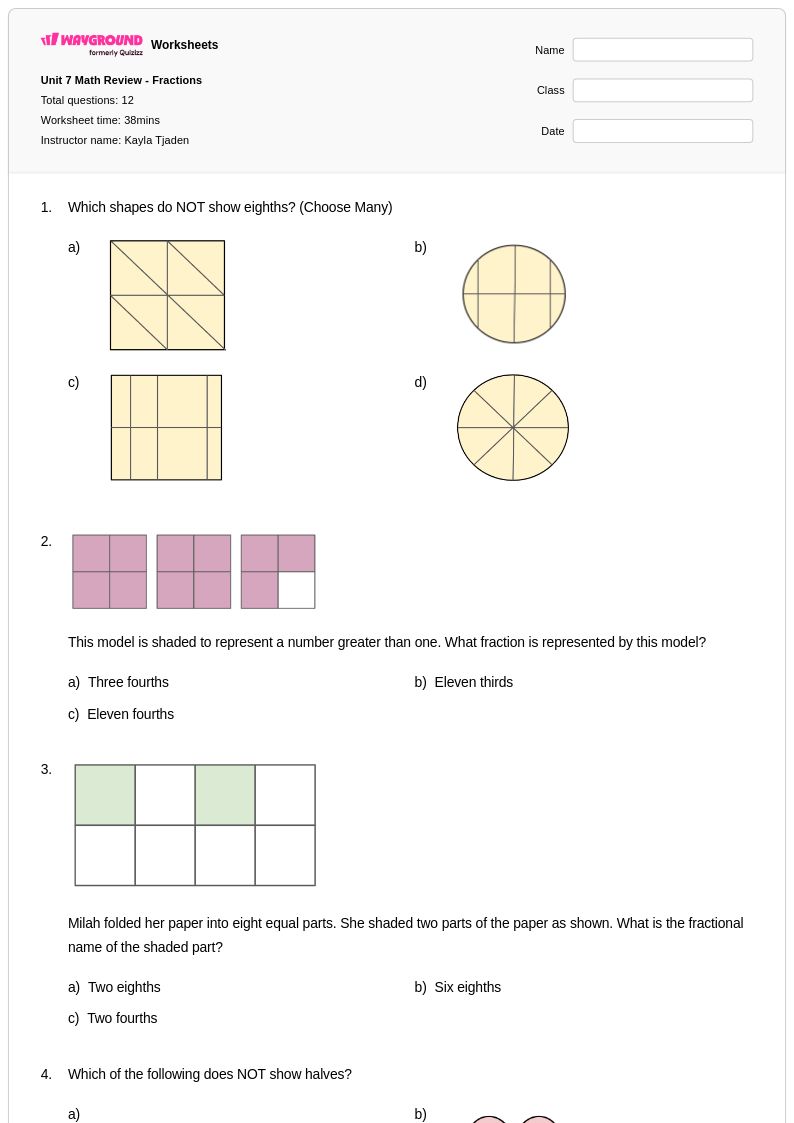
12 Q
2nd
8 Q
2nd
13 Q
2nd - Uni
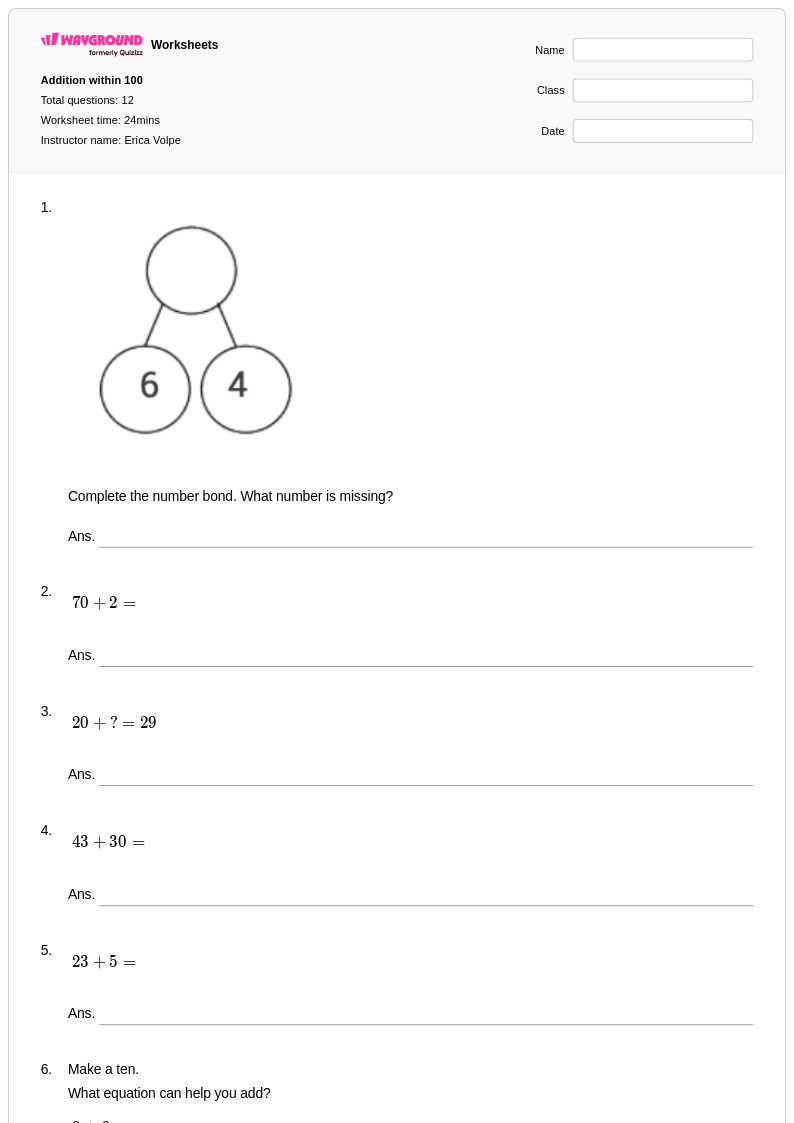
12 Q
2nd
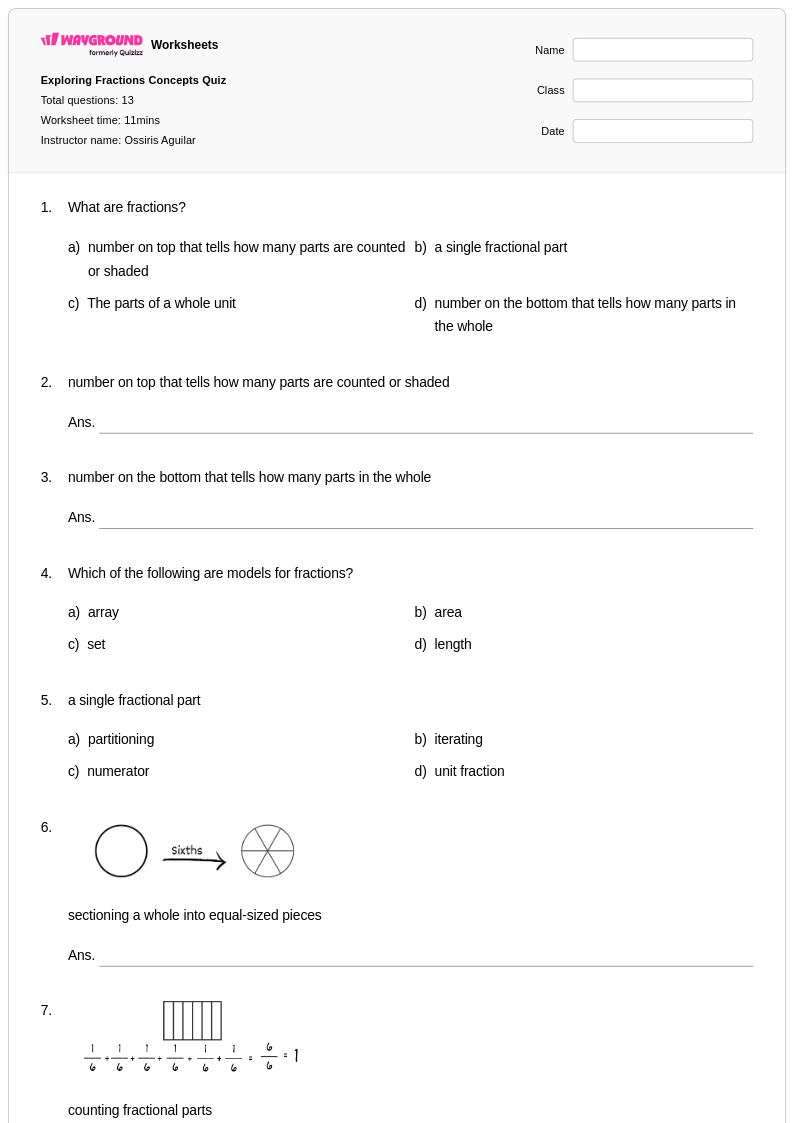
13 Q
1st - 5th
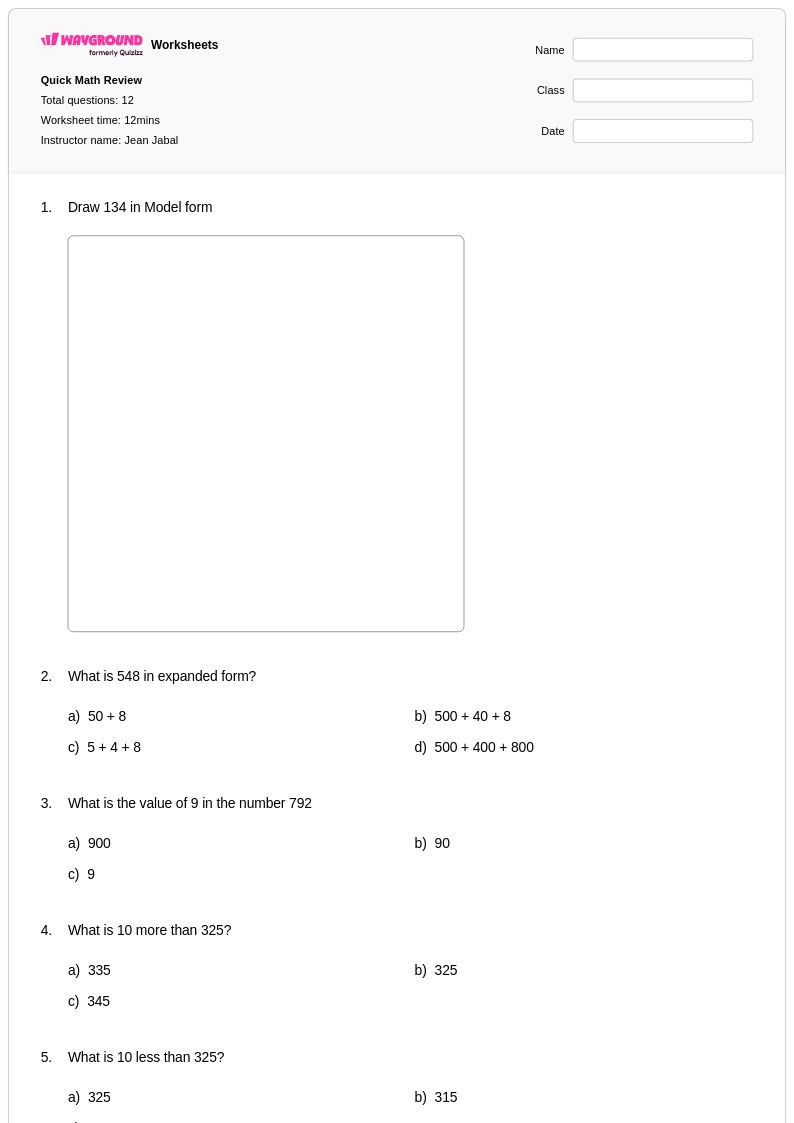
12 Q
2nd
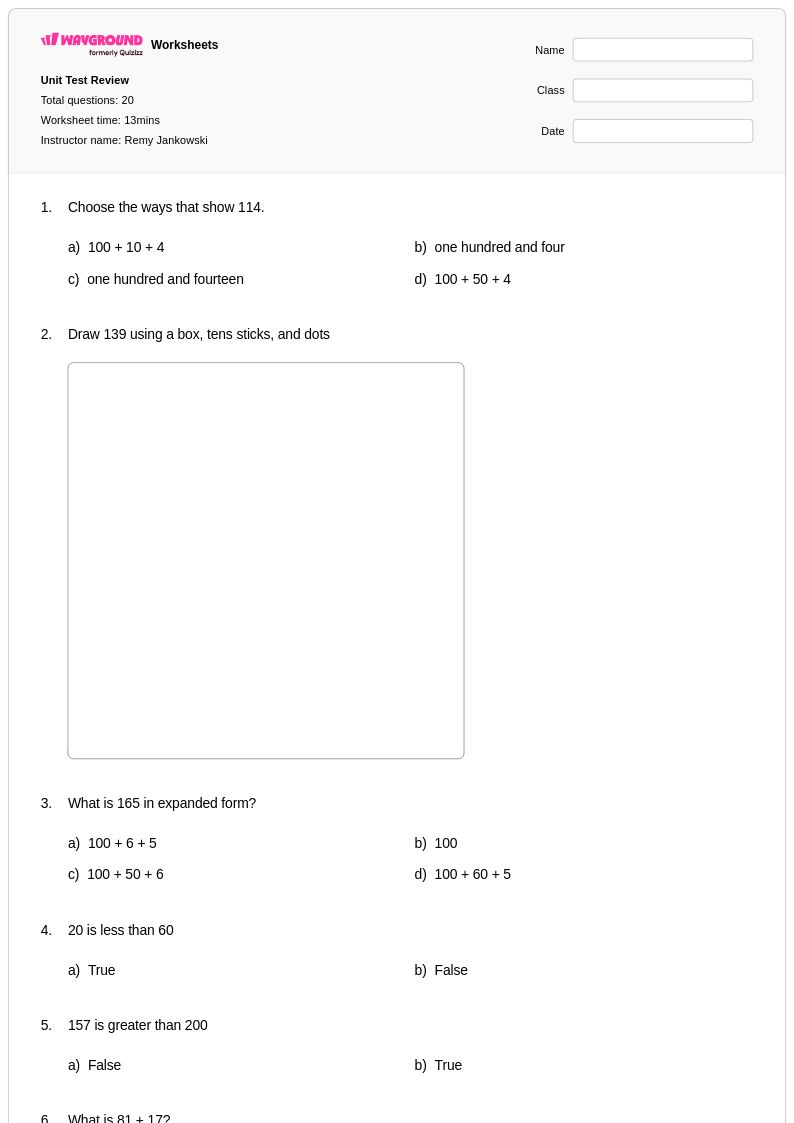
20 Q
2nd
14 Q
2nd
10 Q
1st - 5th
10 Q
2nd
20 Q
2nd - 3rd
18 Q
2nd
20 Q
2nd
20 Q
2nd
10 Q
1st - 2nd
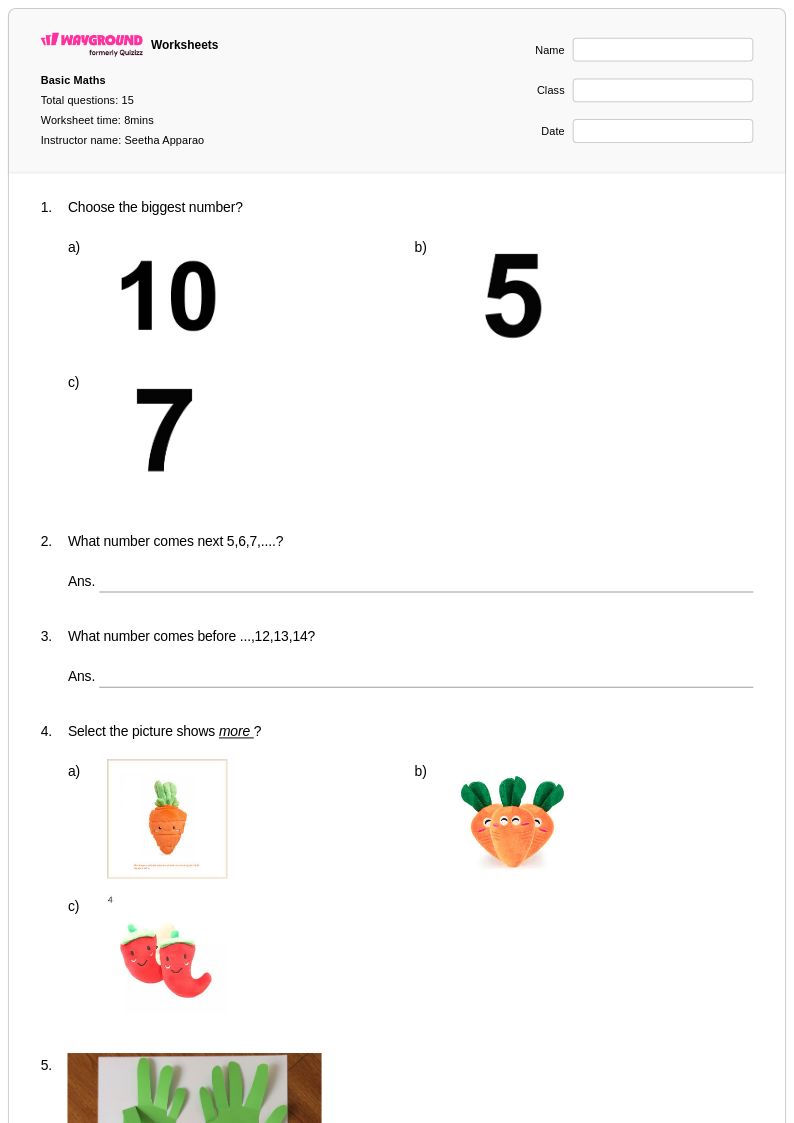
15 Q
1st - 2nd
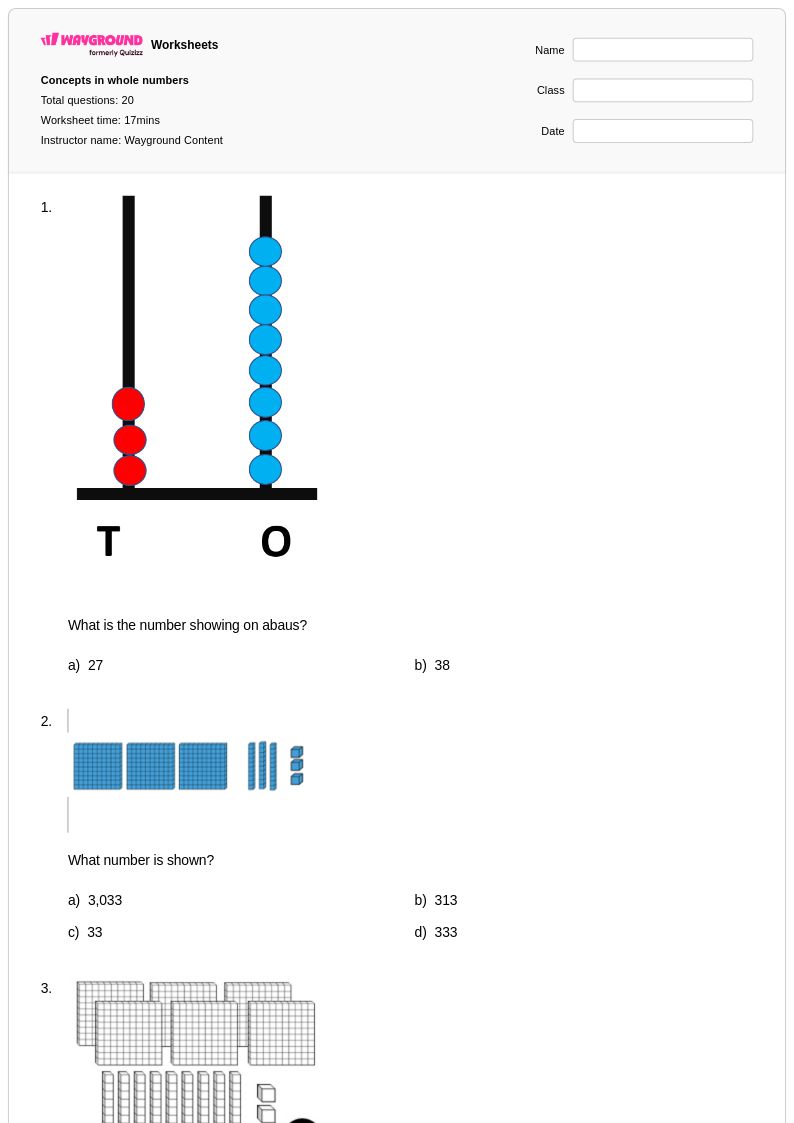
20 Q
2nd
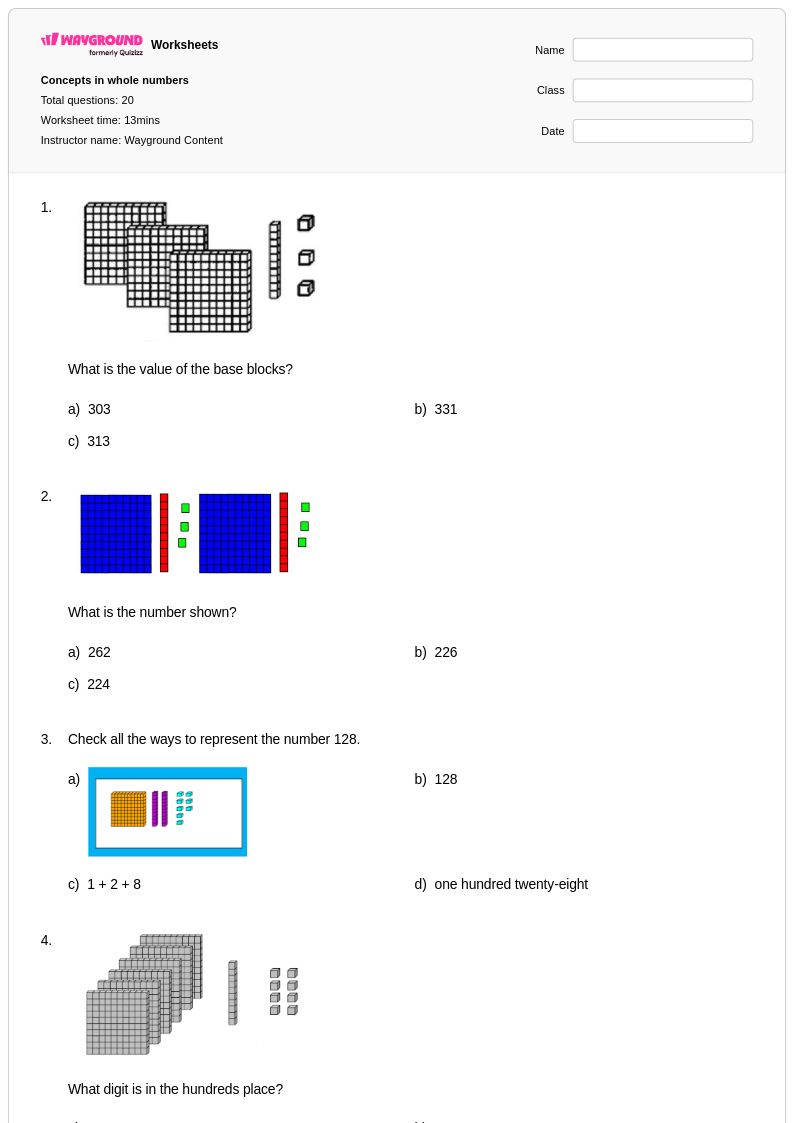
20 Q
2nd
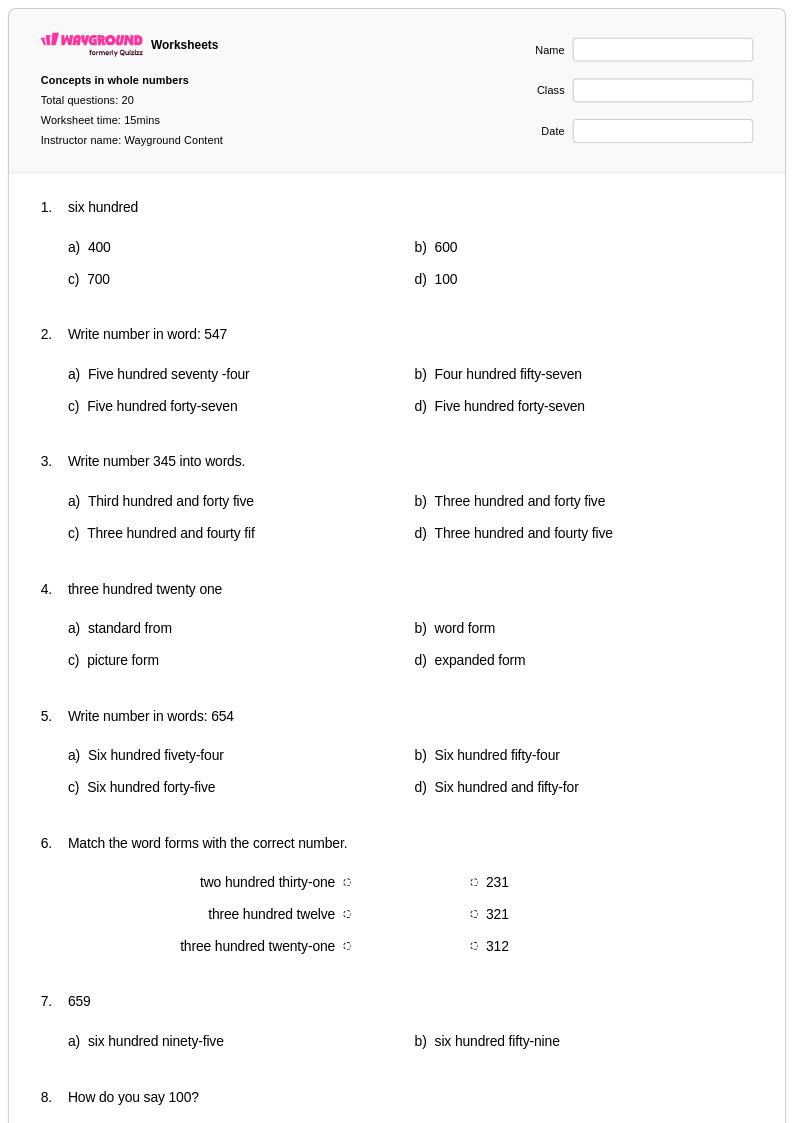
20 Q
2nd
Explore Basic Geometric Concepts Worksheets by Grades
Explore Other Subject Worksheets for grade 2
Explore printable Basic Geometric Concepts worksheets for Grade 2
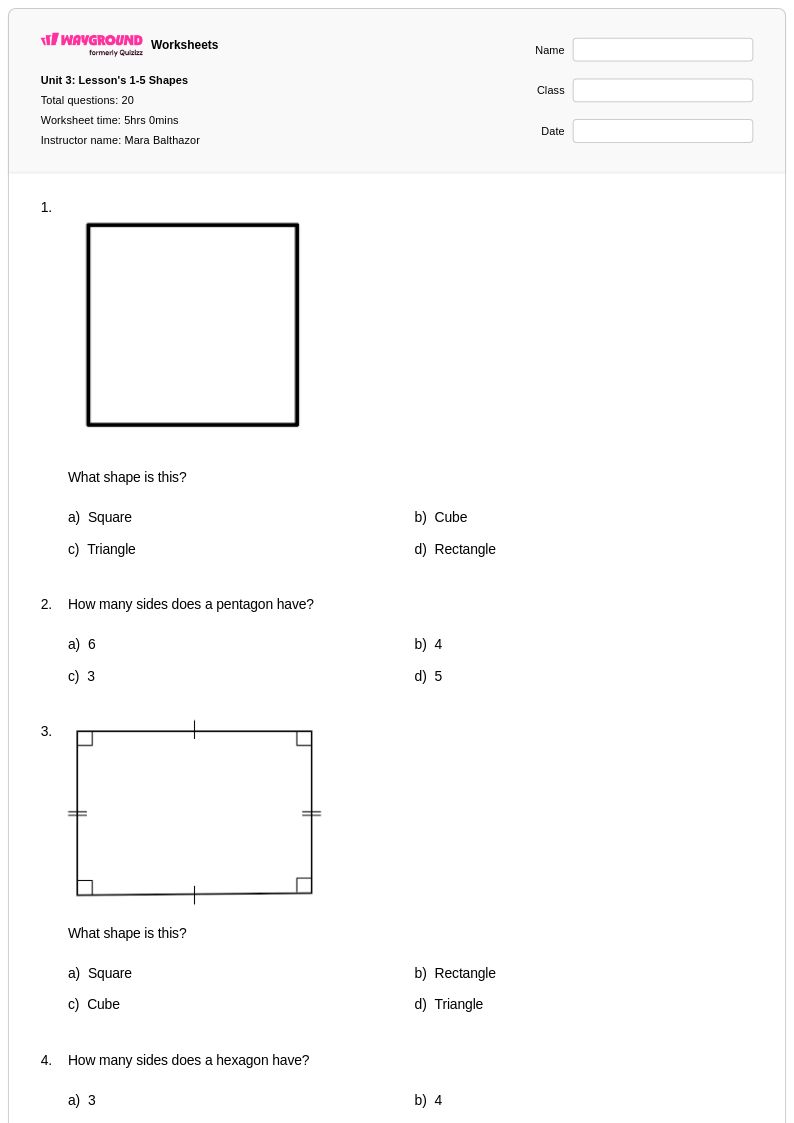
Basic geometric concepts worksheets for Grade 2 students through Wayground (formerly Quizizz) provide foundational instruction in recognizing, naming, and understanding essential shapes and spatial relationships. These carefully designed practice problems help young learners develop critical visual-spatial skills by identifying two-dimensional shapes like circles, squares, triangles, and rectangles, while also introducing three-dimensional forms such as cubes, spheres, and cylinders. Each worksheet systematically builds understanding of geometric vocabulary, shape attributes, and basic positional concepts including above, below, beside, and inside. Teachers can access comprehensive answer keys and free printables that support both classroom instruction and independent practice, ensuring students master these fundamental mathematical concepts through engaging, age-appropriate activities.
Wayground (formerly Quizizz) empowers Grade 2 educators with millions of teacher-created geometric concept resources that streamline lesson planning and differentiated instruction. The platform's robust search and filtering capabilities allow teachers to quickly locate worksheets aligned with specific learning standards and student needs, while customization tools enable modifications for remediation or enrichment purposes. These basic geometric concepts materials are available in both printable pdf formats for traditional classroom use and digital formats for interactive learning experiences. Teachers can efficiently assess student understanding, provide targeted skill practice, and adapt instruction based on individual learning requirements, making it simple to ensure every second-grade student develops a solid foundation in geometric thinking and spatial reasoning abilities.
FAQs
How do I teach basic geometric concepts in second grade?
What geometry exercises are useful for second graders?
What geometry mistakes do second graders commonly make?
How can I assign these Grade 2 geometry worksheets?
How do basic geometric concepts progress under Common Core in Grade 2?
How can I differentiate geometry worksheets for a mixed-ability second-grade class?