
12Q
2nd
18Q
2nd
15Q
1st - Uni
20Q
2nd
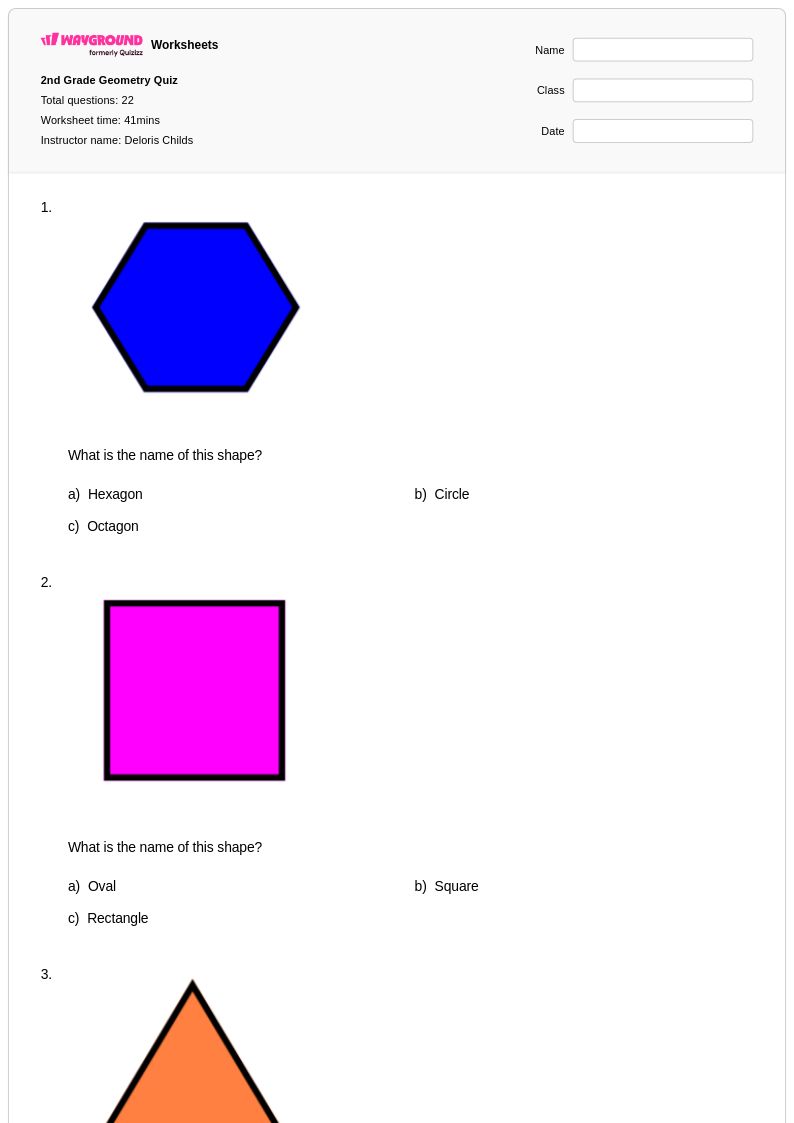
22Q
2nd
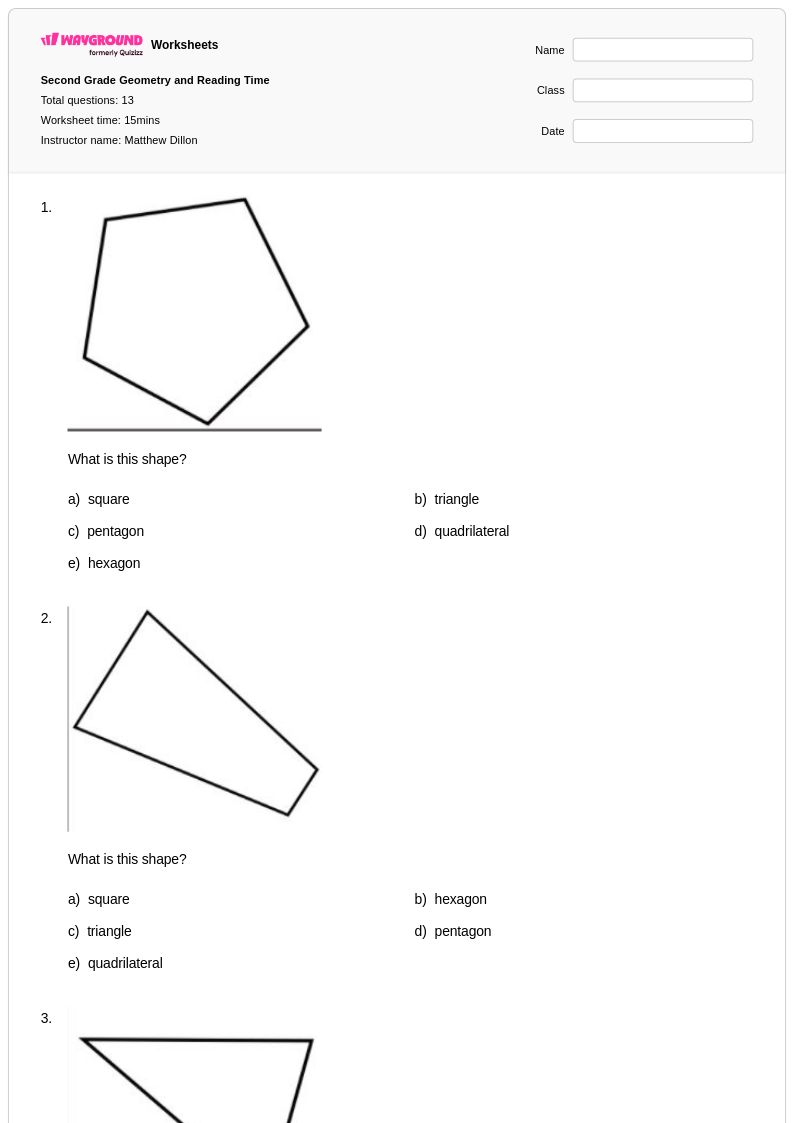
13Q
2nd - 3rd
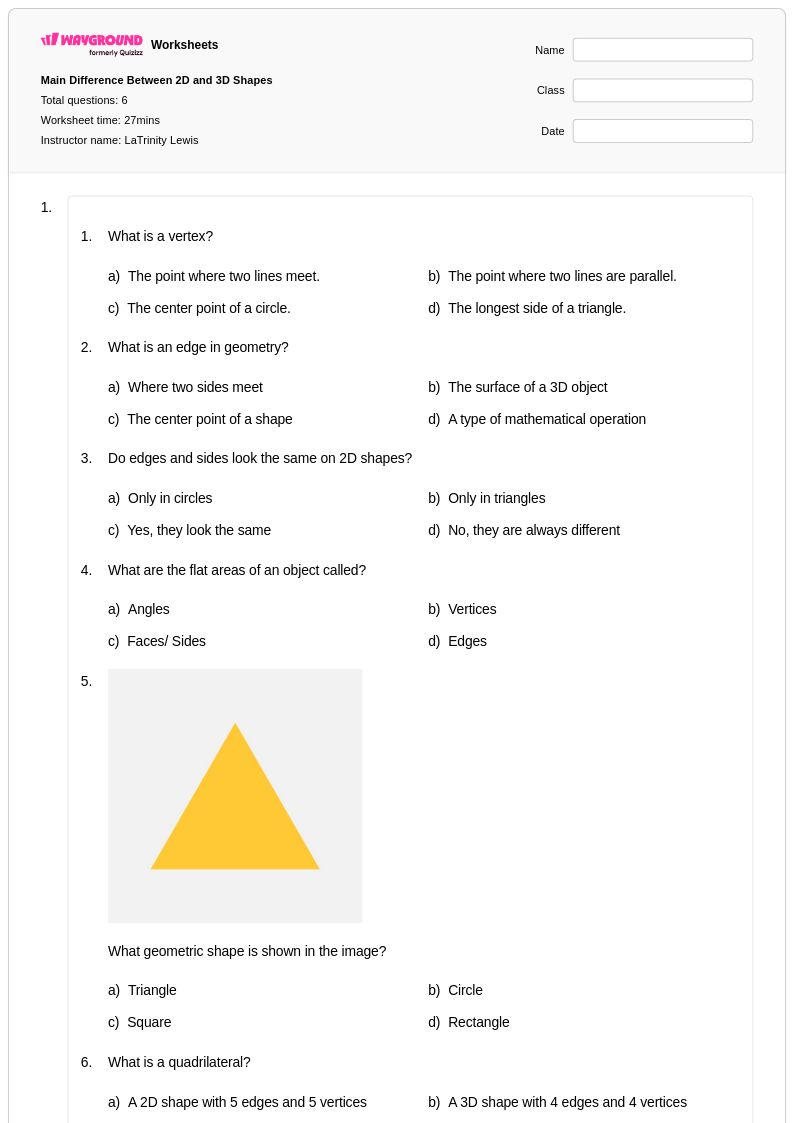
17Q
2nd
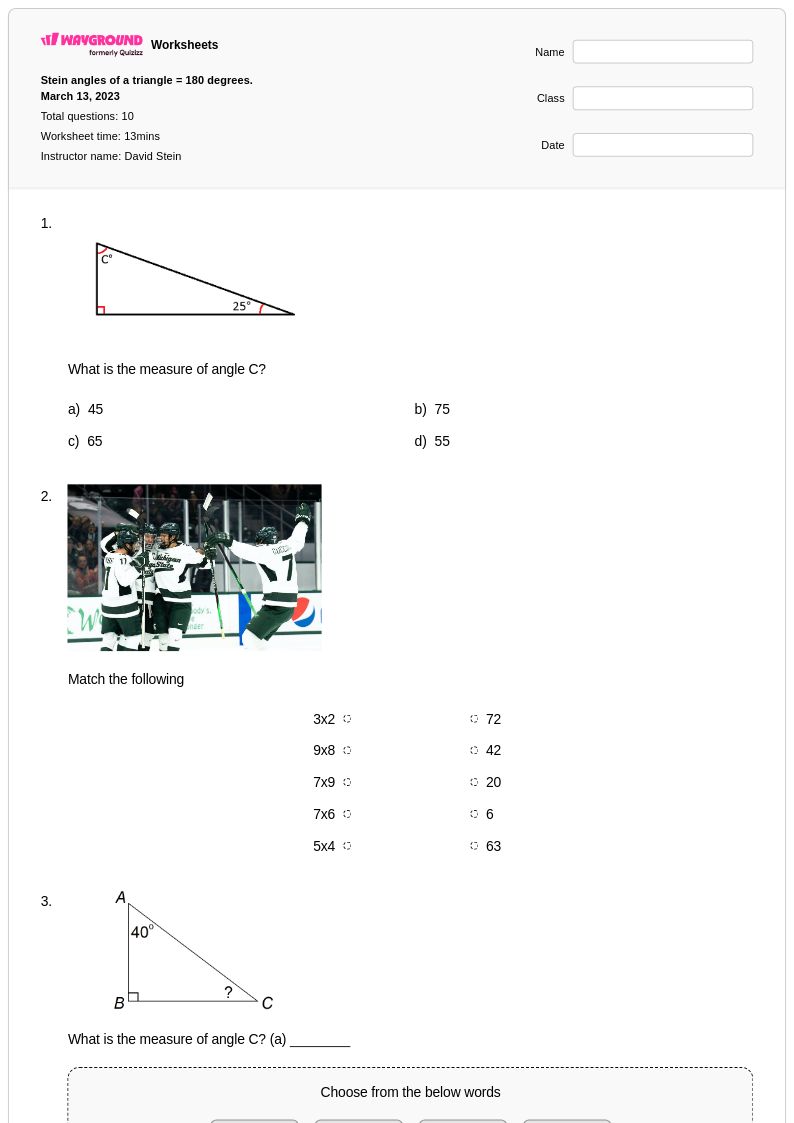
10Q
2nd
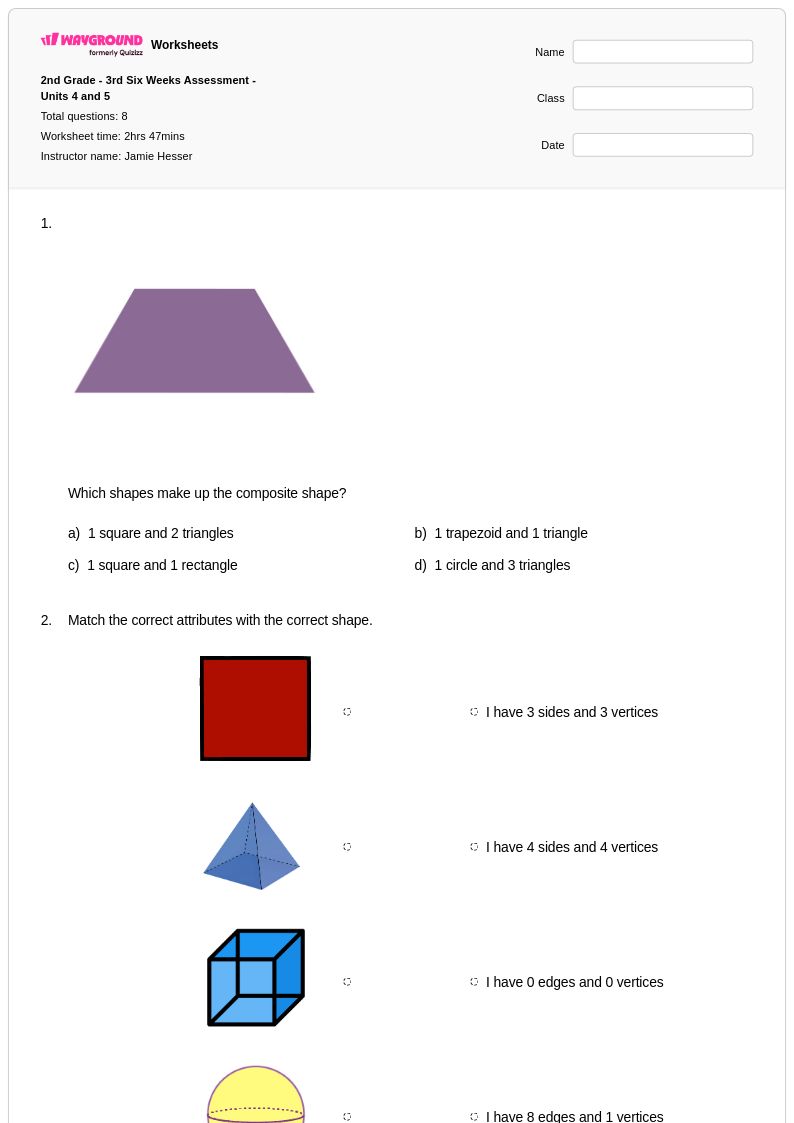
8Q
2nd
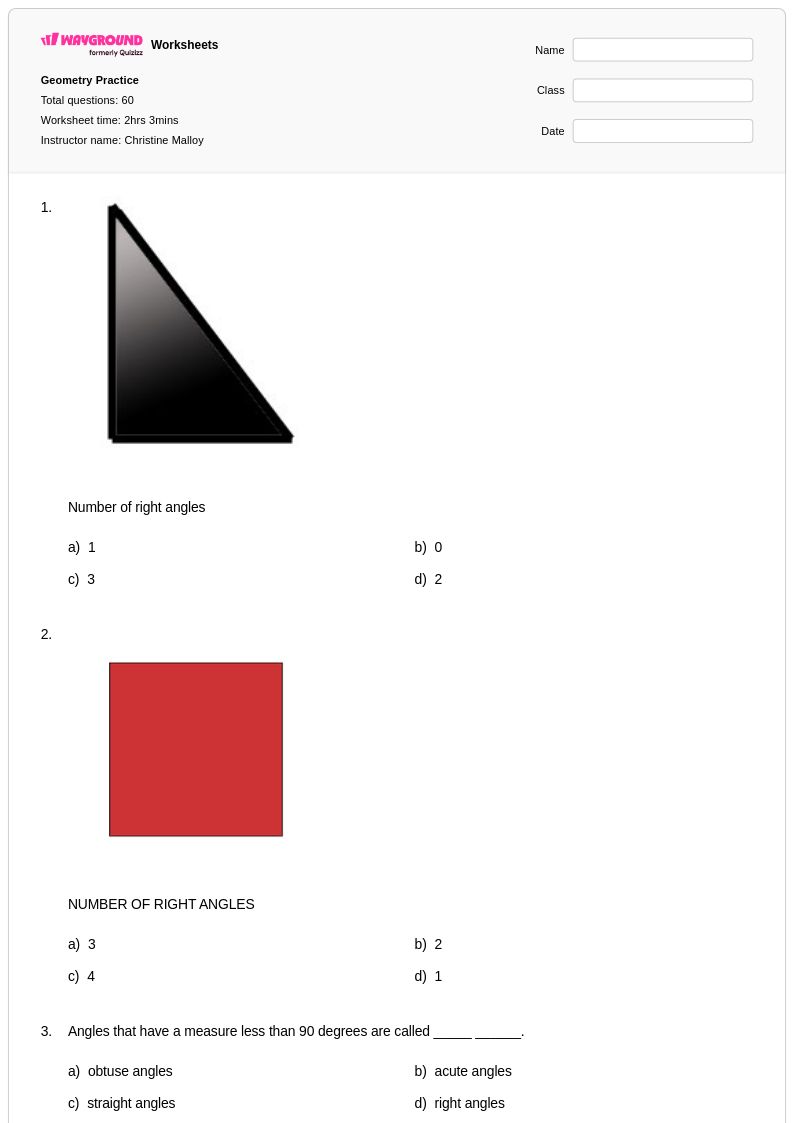
60Q
1st - 5th
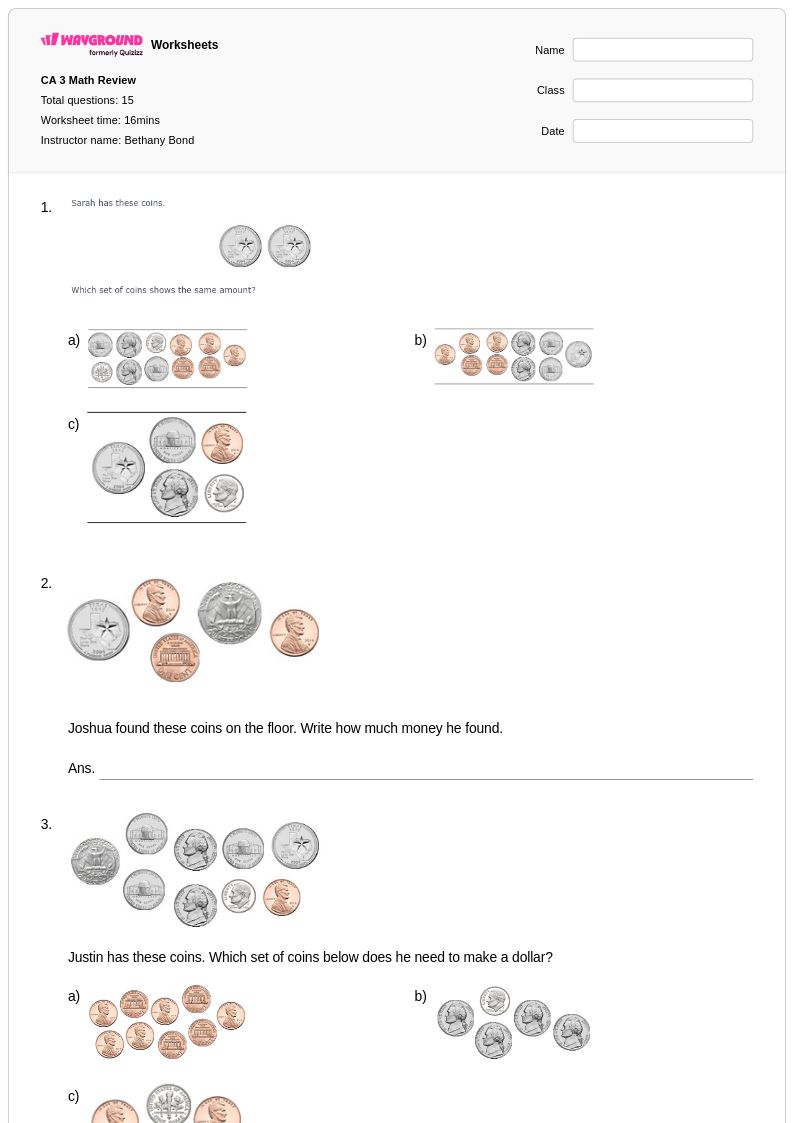
15Q
2nd
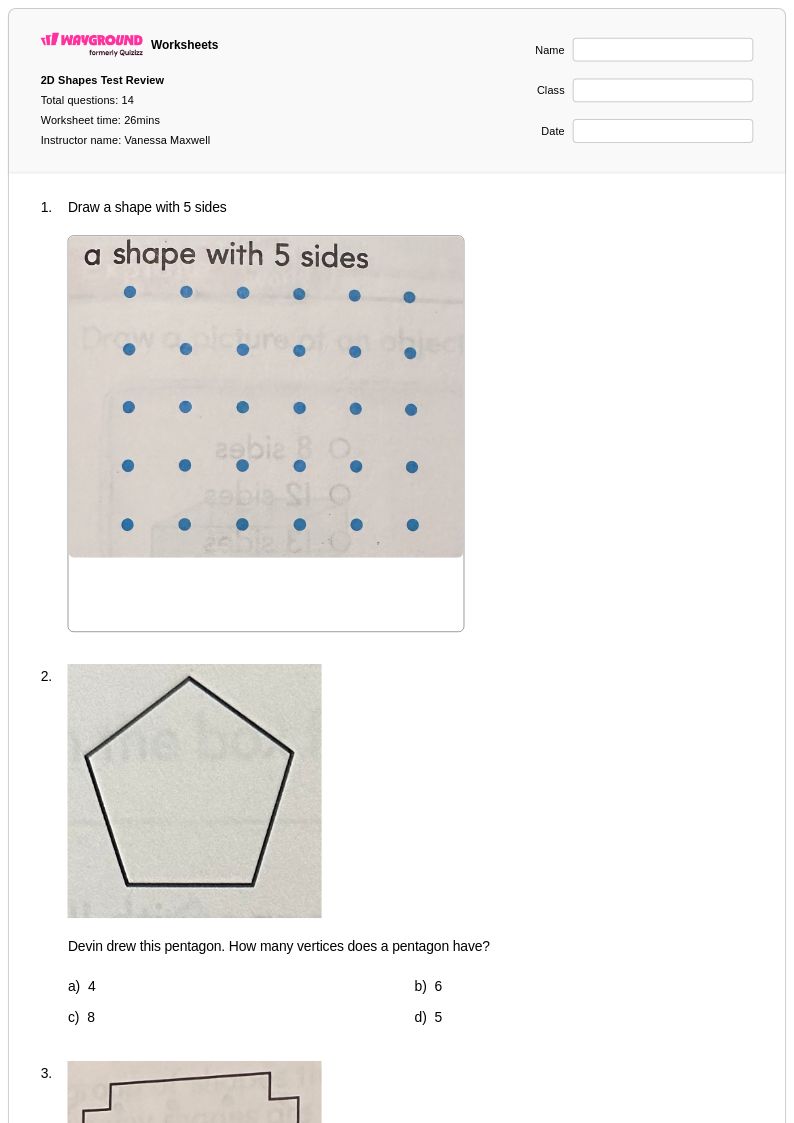
14Q
2nd
20Q
1st - 2nd
11Q
2nd
20Q
2nd - 3rd
10Q
2nd
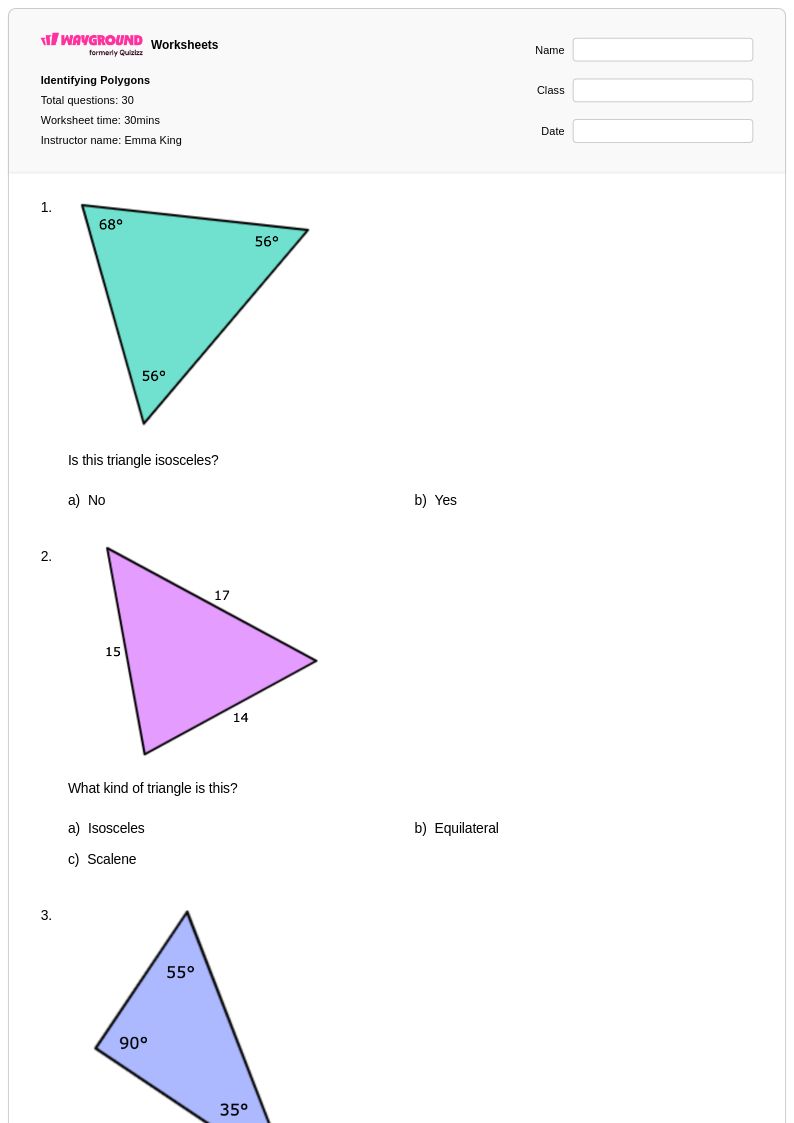
30Q
2nd
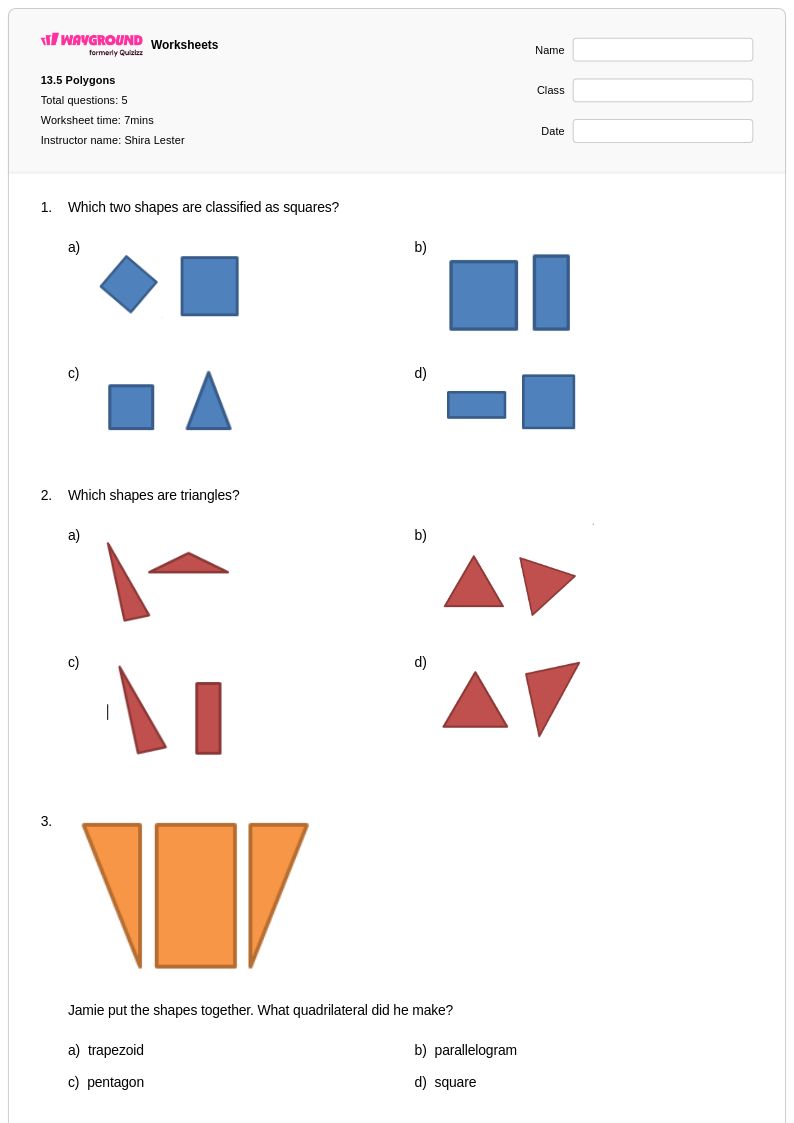
5Q
2nd
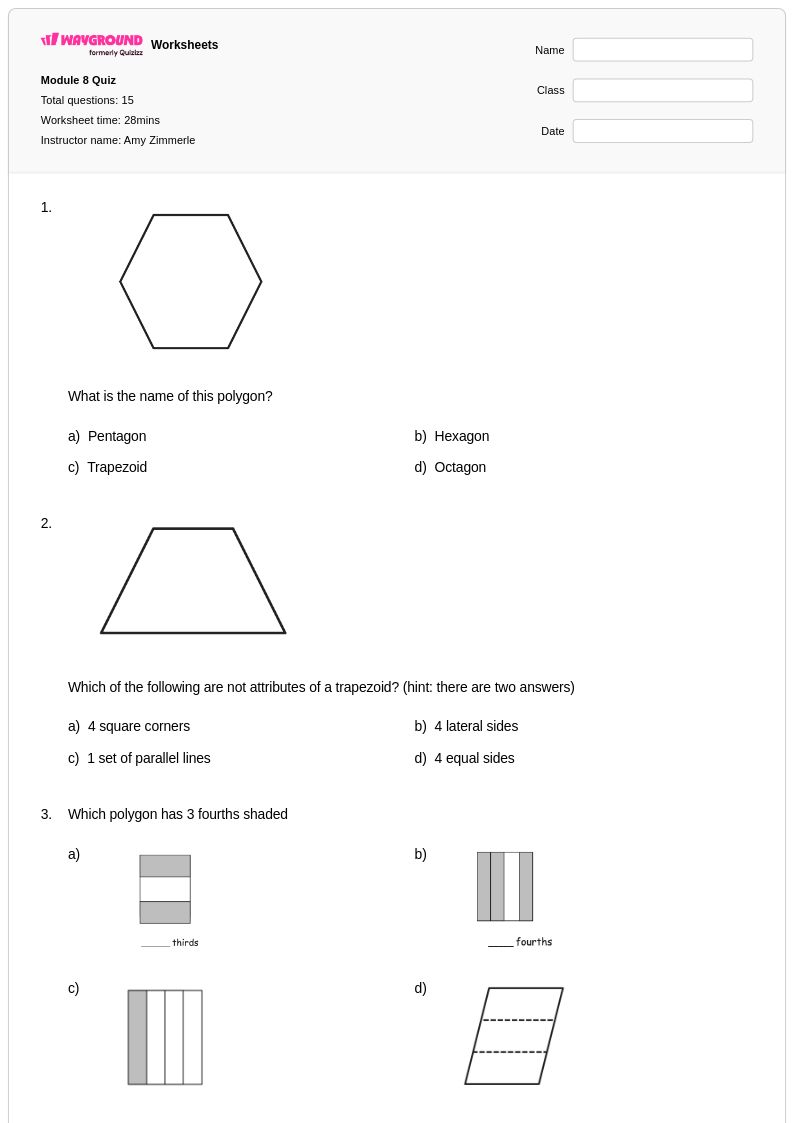
15Q
2nd
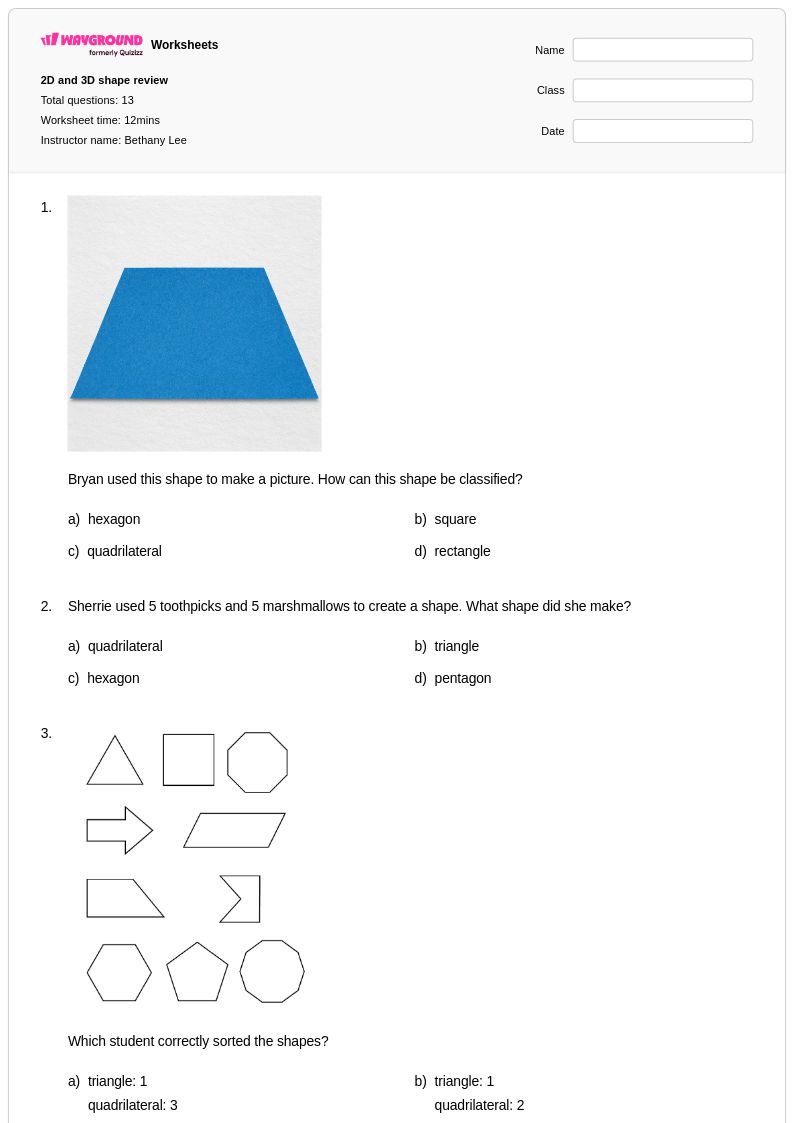
13Q
2nd
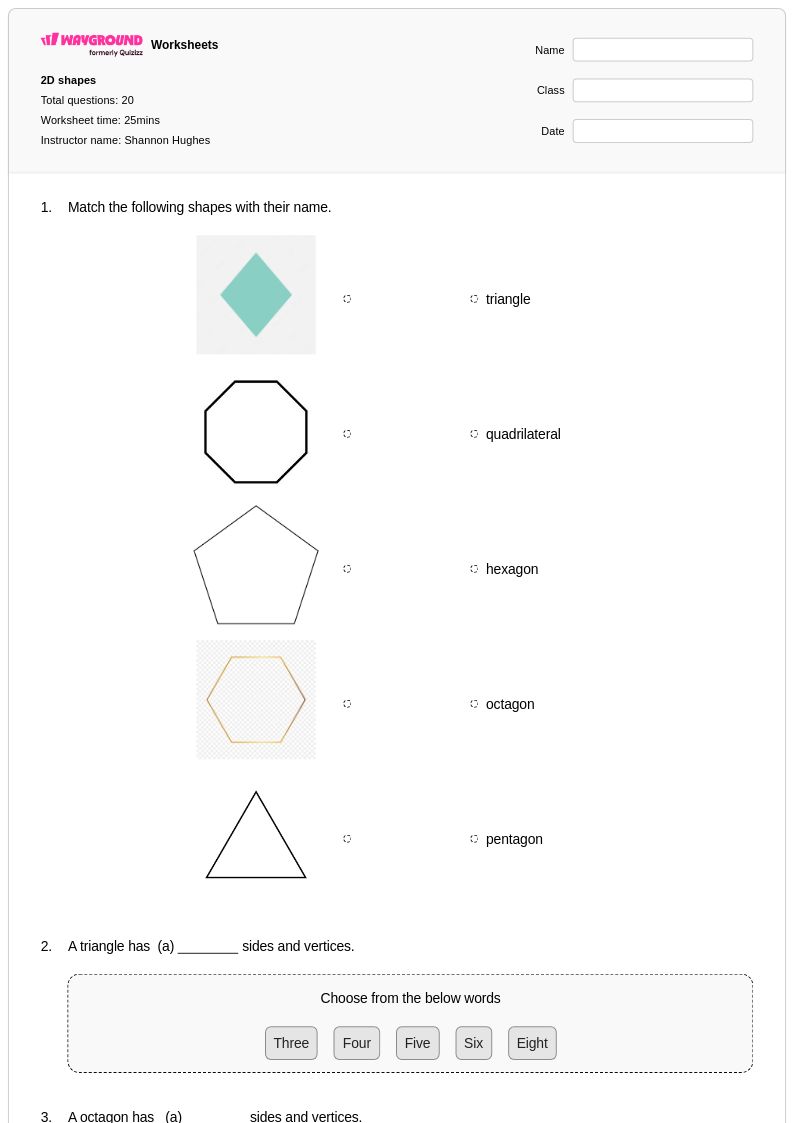
20Q
2nd
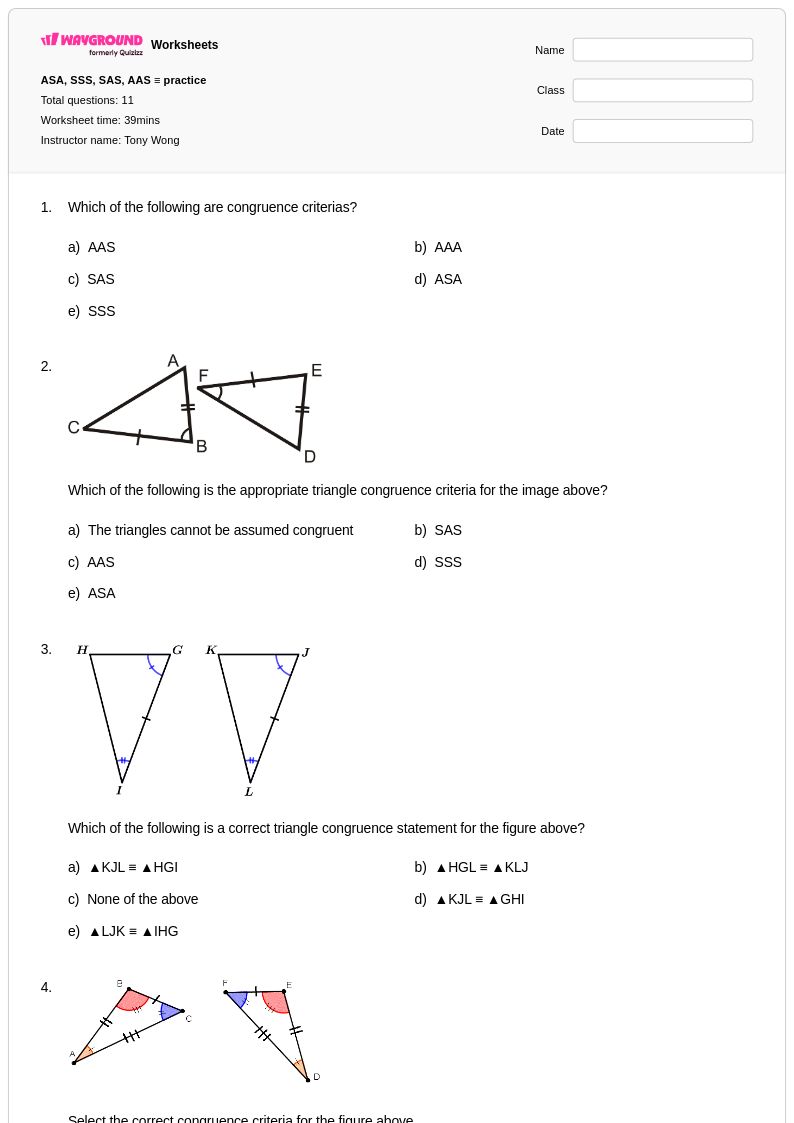
11Q
KG - 5th
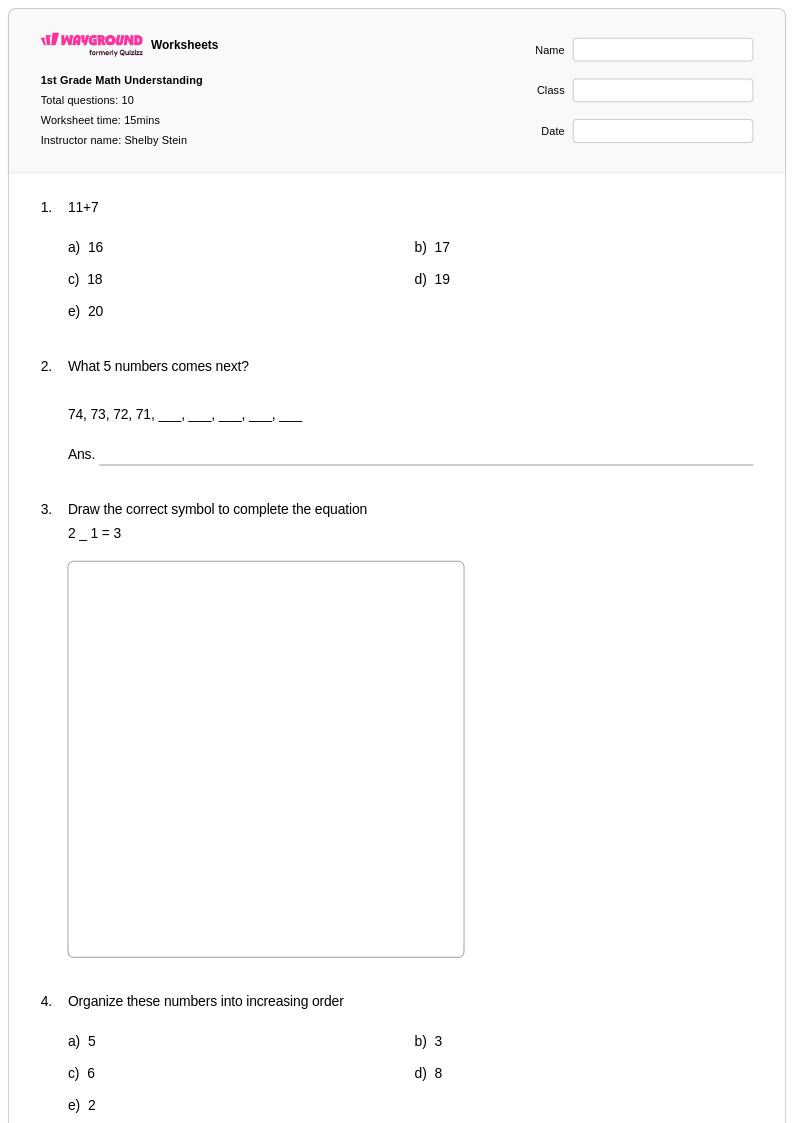
10Q
1st - Uni
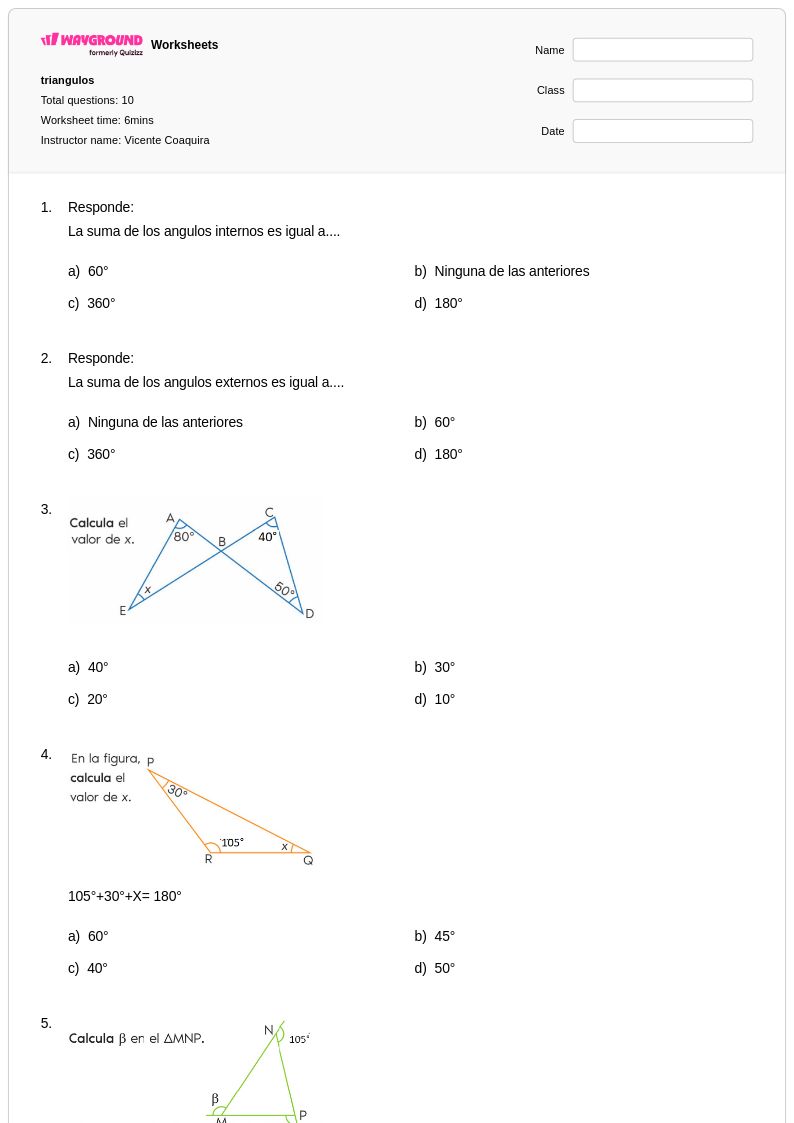
10Q
2nd
Explore outras planilhas de assuntos para grade 2
Explore printable Classifying Triangles worksheets for Grade 2
Classifying triangles worksheets for Grade 2 students available through Wayground (formerly Quizizz) provide essential foundational geometry practice that develops spatial reasoning and analytical thinking skills. These comprehensive printables guide young learners through identifying and categorizing triangles based on their most recognizable characteristics, focusing primarily on counting sides and recognizing the basic triangular shape among other geometric figures. The practice problems progressively build students' ability to distinguish triangles from other shapes like circles, squares, and rectangles, while strengthening visual discrimination skills crucial for geometric understanding. Each worksheet comes with a detailed answer key, making it simple for educators and parents to provide immediate feedback, and the free pdf format ensures easy access for both classroom instruction and home practice.
Wayground (formerly Quizizz) empowers teachers with millions of educator-created resources specifically designed for geometry instruction, featuring robust search and filtering capabilities that help locate precisely the right triangle classification materials for Grade 2 learners. The platform's standards alignment ensures these worksheets meet curriculum requirements while offering differentiation tools that allow teachers to customize content for varying ability levels within their classrooms. Teachers can seamlessly transition between printable pdf worksheets for traditional paper-and-pencil activities and digital formats for interactive learning experiences, providing the flexibility needed for diverse instructional approaches. These comprehensive resources support effective lesson planning by offering ready-made materials for initial instruction, targeted remediation for struggling students, and enrichment opportunities for advanced learners, ultimately helping teachers create engaging geometry lessons that build solid foundational skills in shape recognition and classification.
FAQs
How do I teach second graders to identify and classify triangles?
What exercises help Grade 2 students practice classifying triangles?
What mistakes do second graders make when identifying triangles?
How can I use a Grade 2 classifying triangles worksheet on Wayground?
How does Grade 2 triangle classification connect to Common Core geometry?
What grade level is triangle classification taught at?
How can I differentiate triangle classification worksheets in Grade 2?