
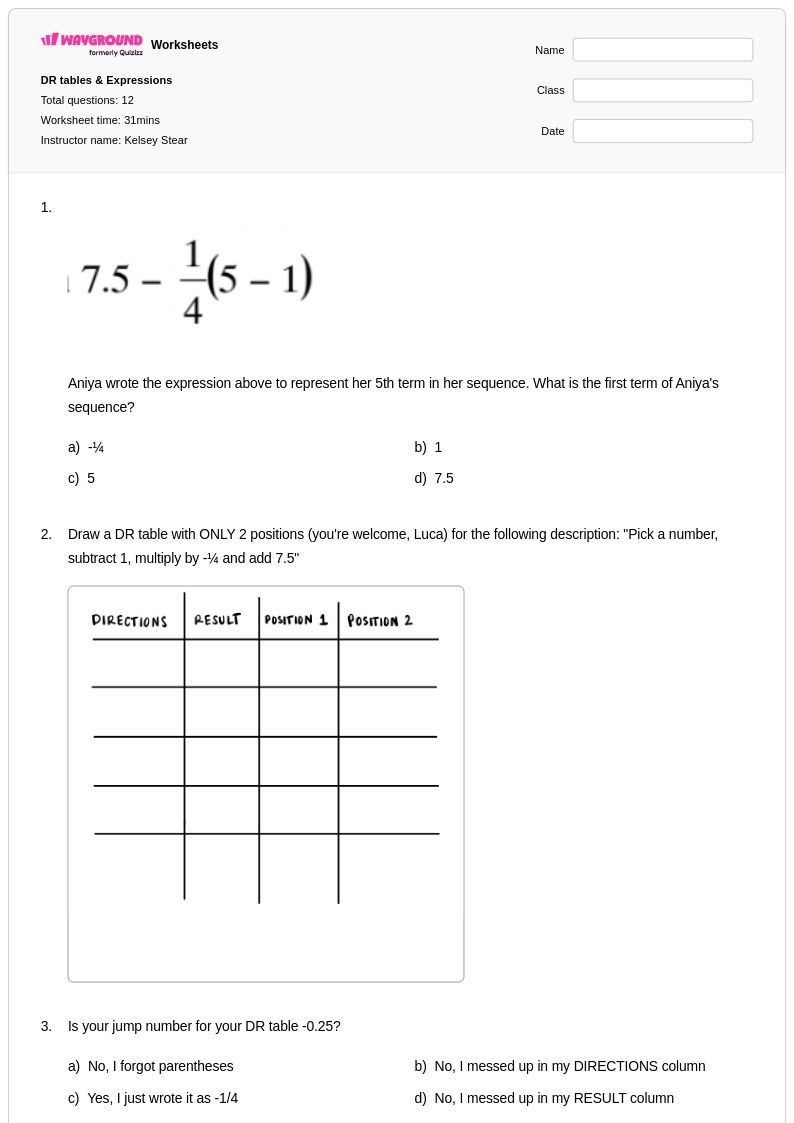
12 Q
9th
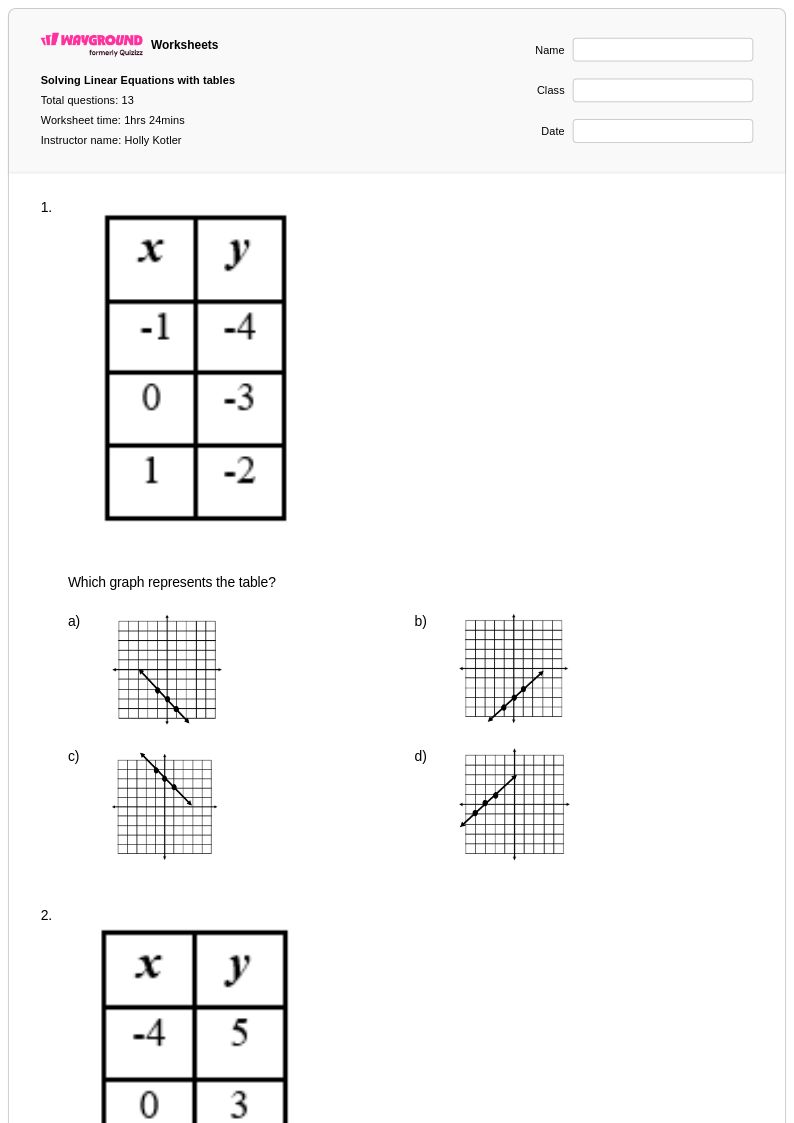
13 Q
6th - 8th
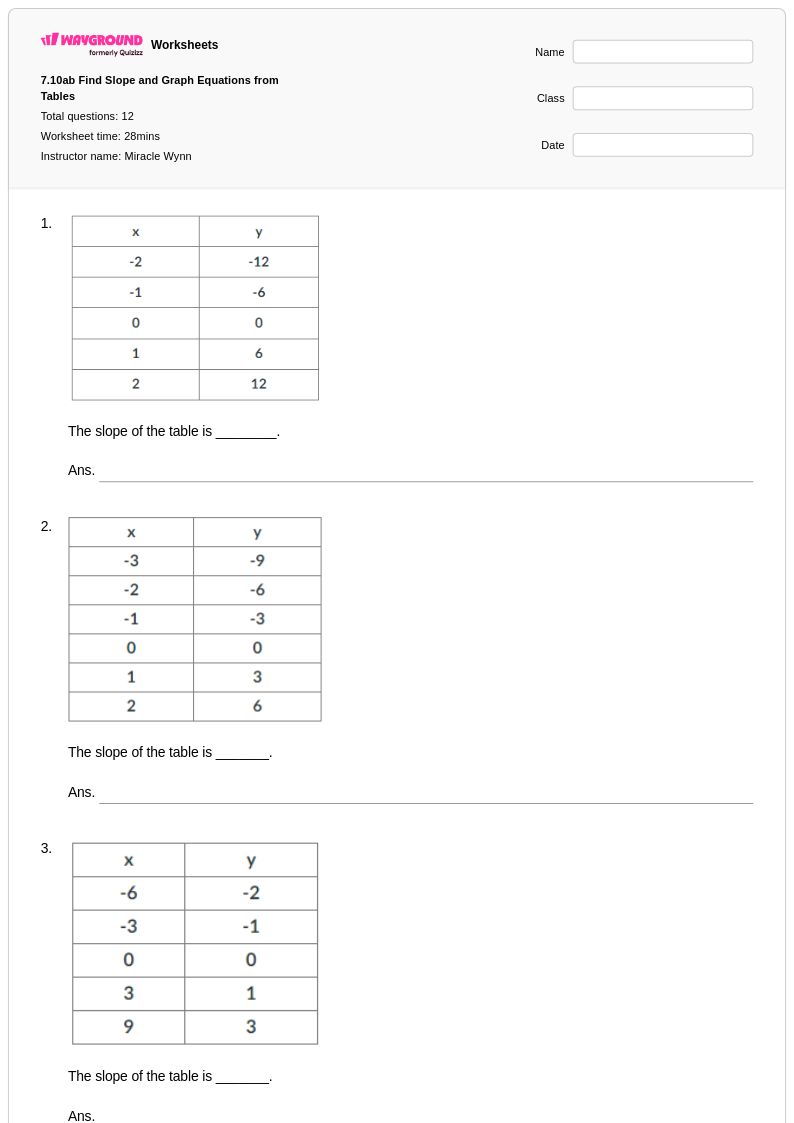
12 Q
7th
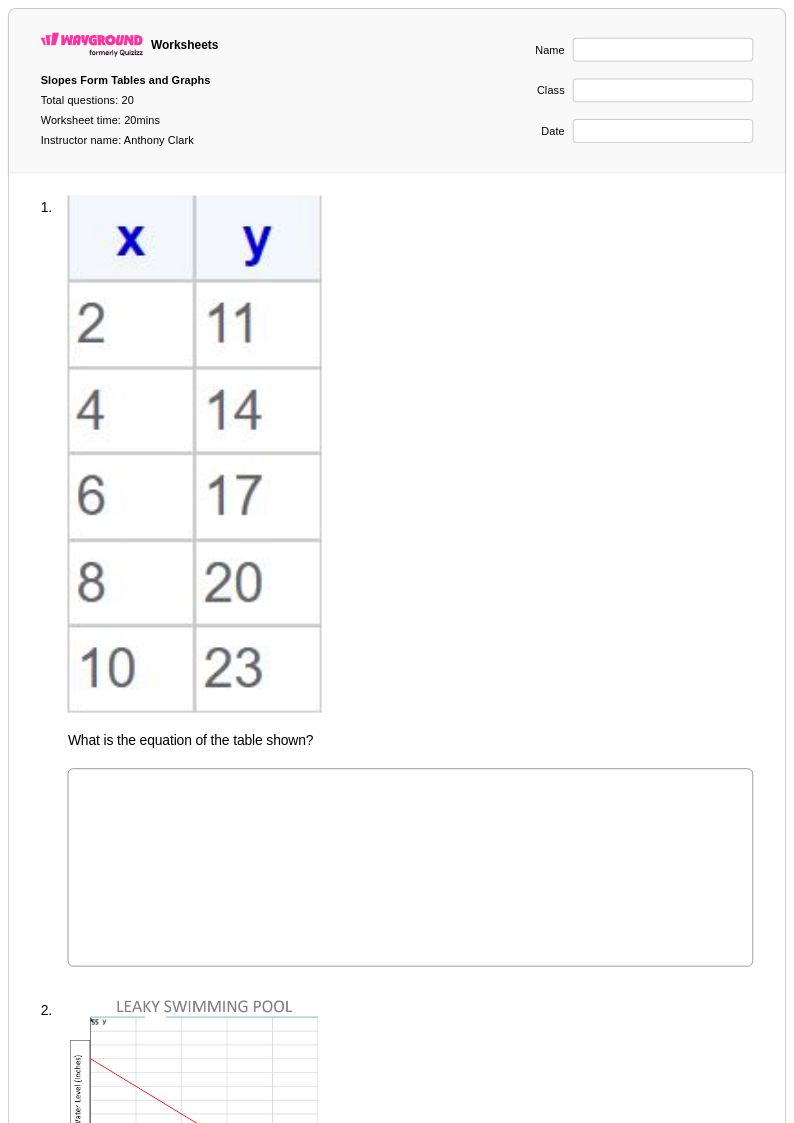
20 Q
8th - Uni
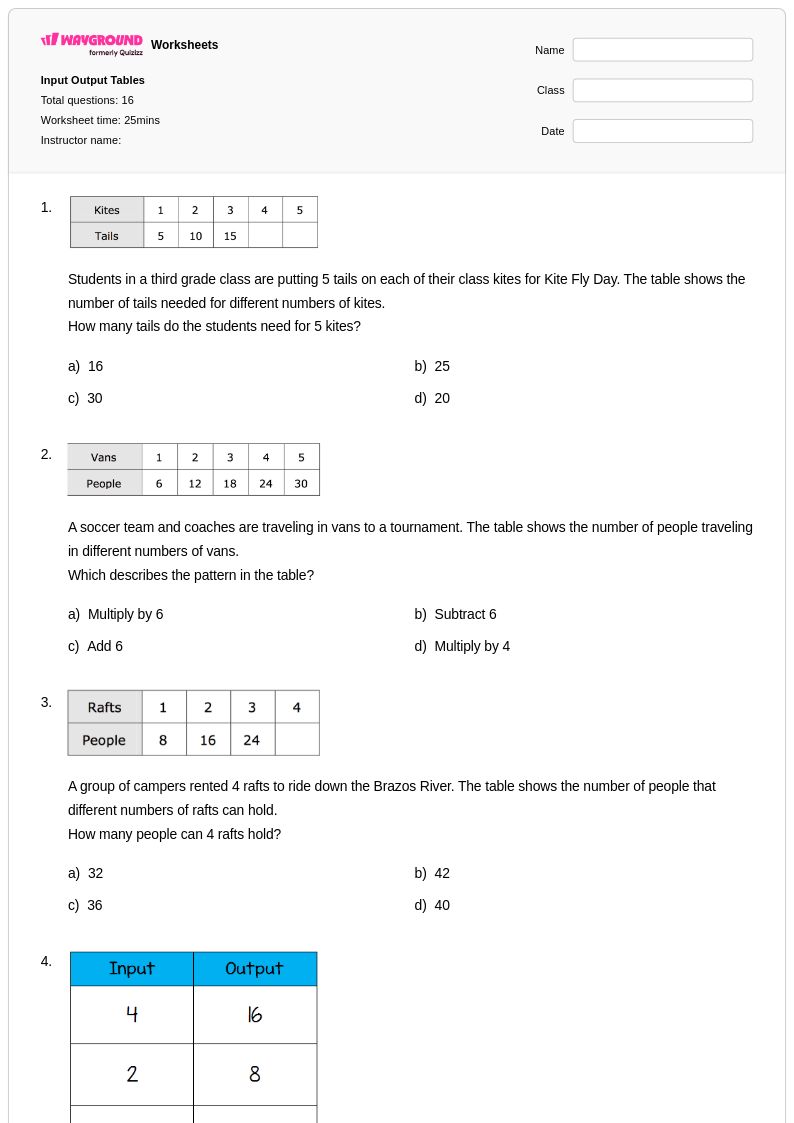
16 Q
3rd
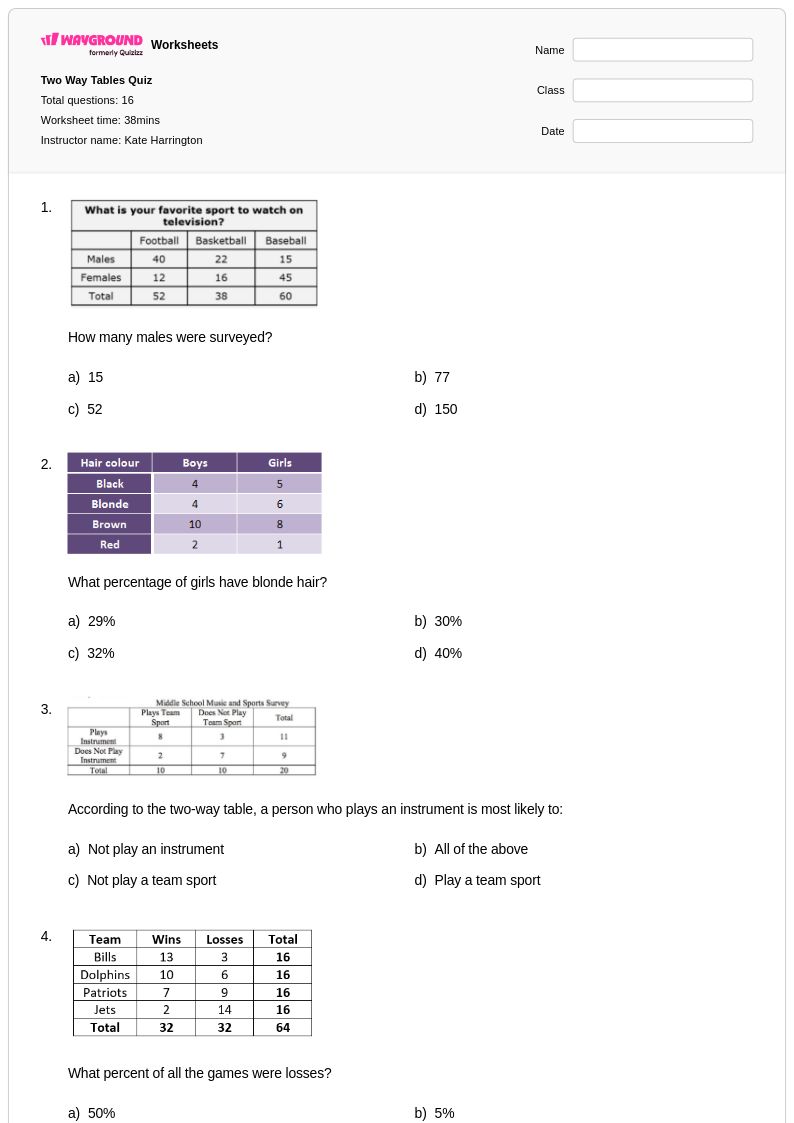
16 Q
8th
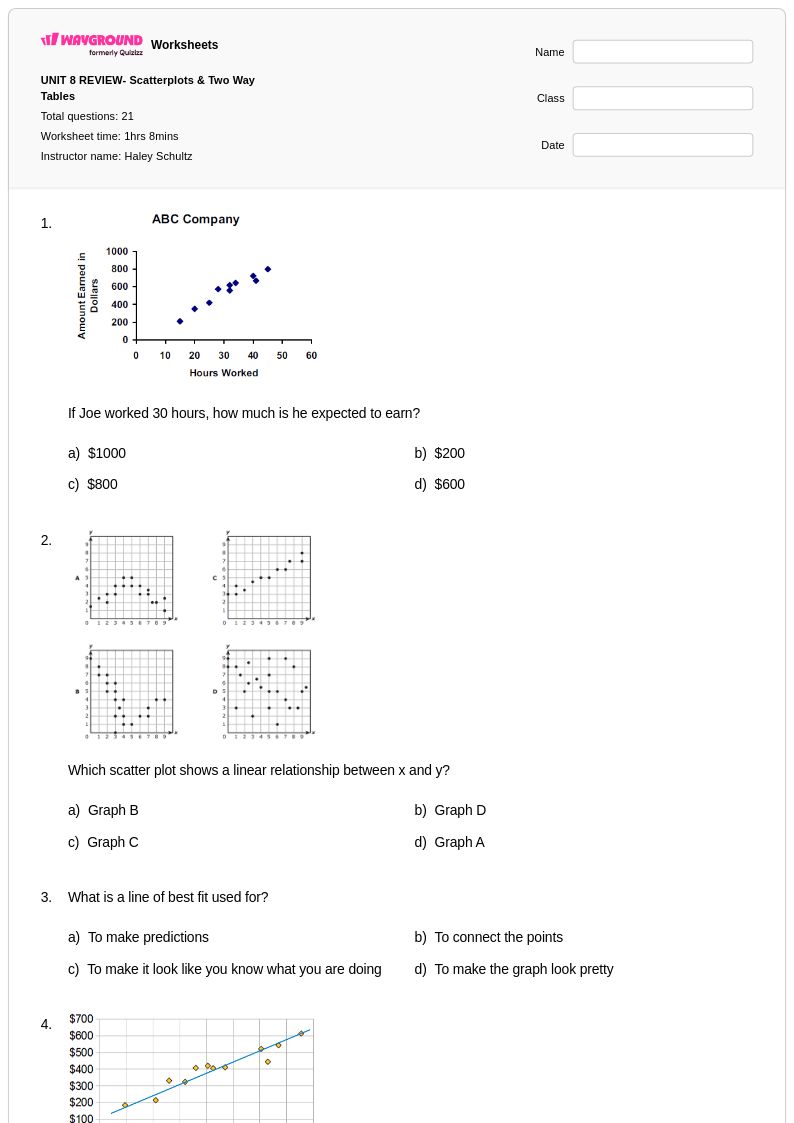
21 Q
8th
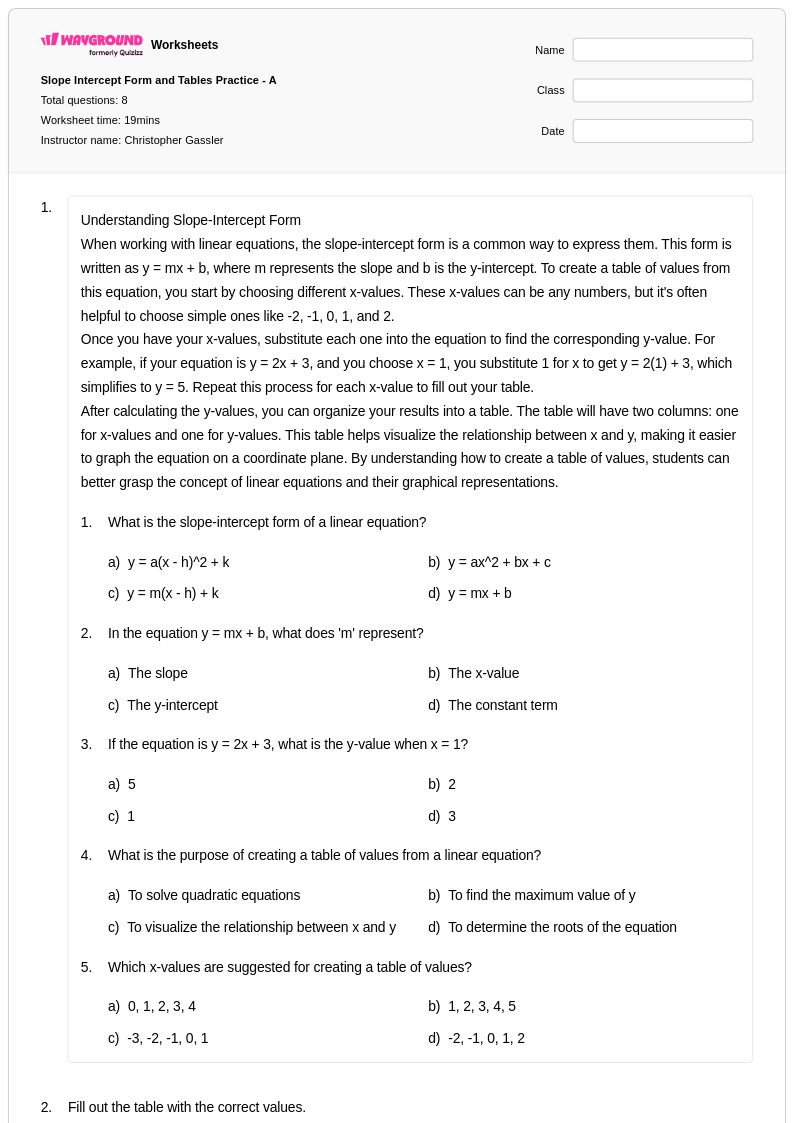
13 Q
9th
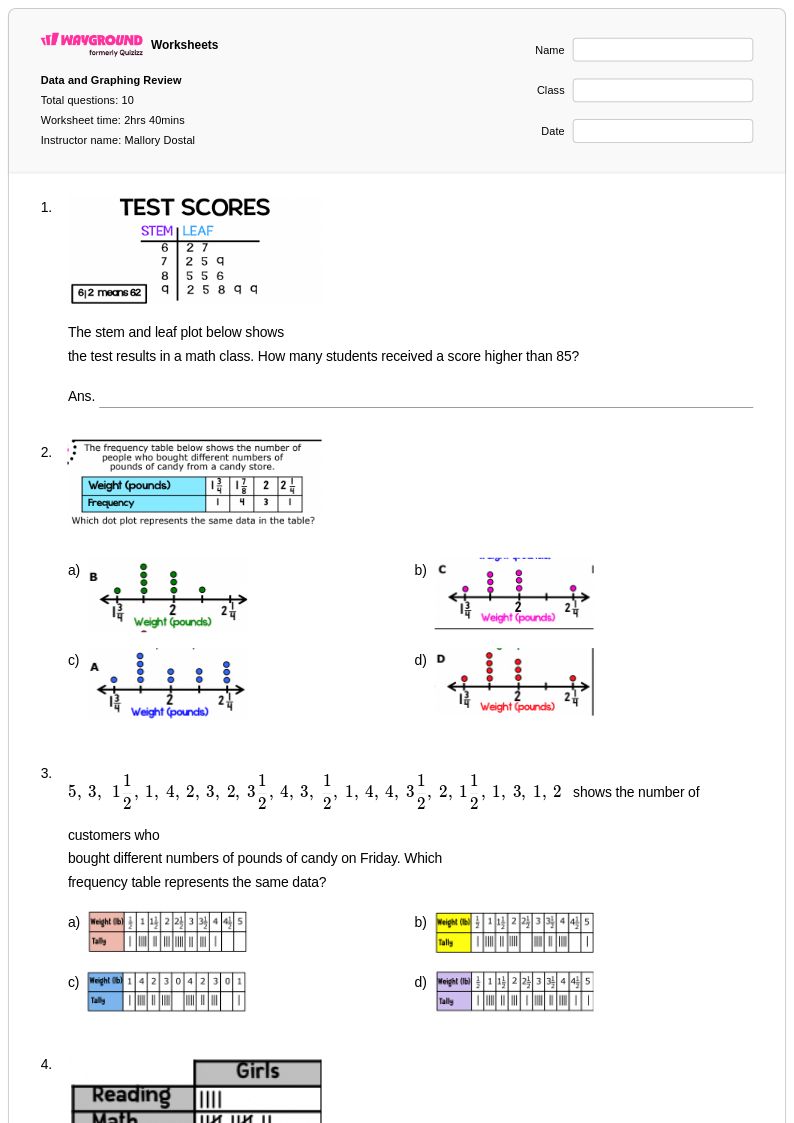
10 Q
4th
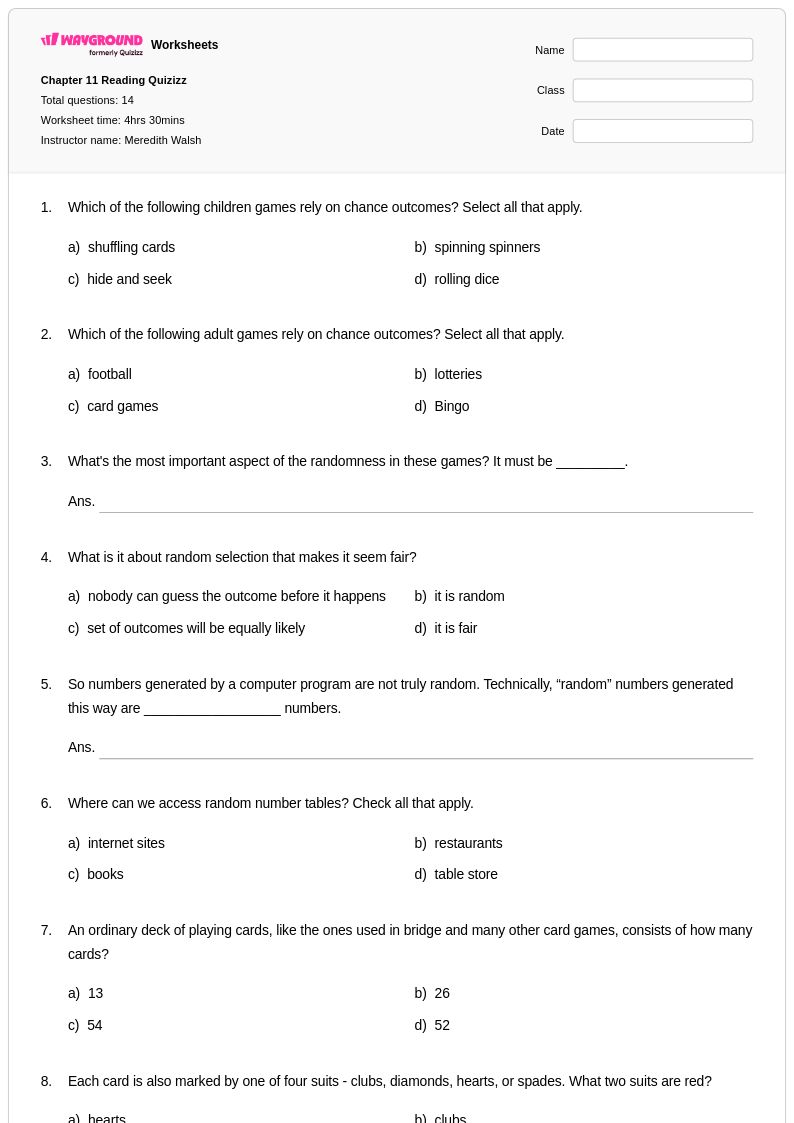
14 Q
10th
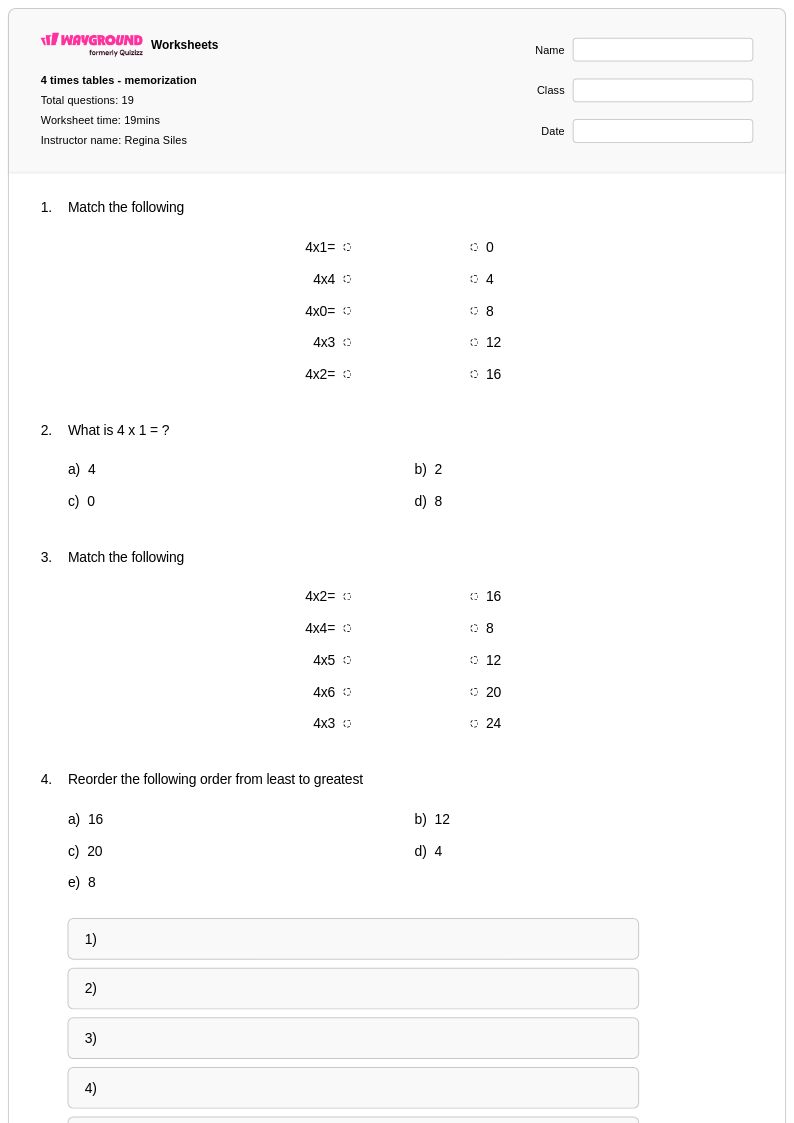
19 Q
4th
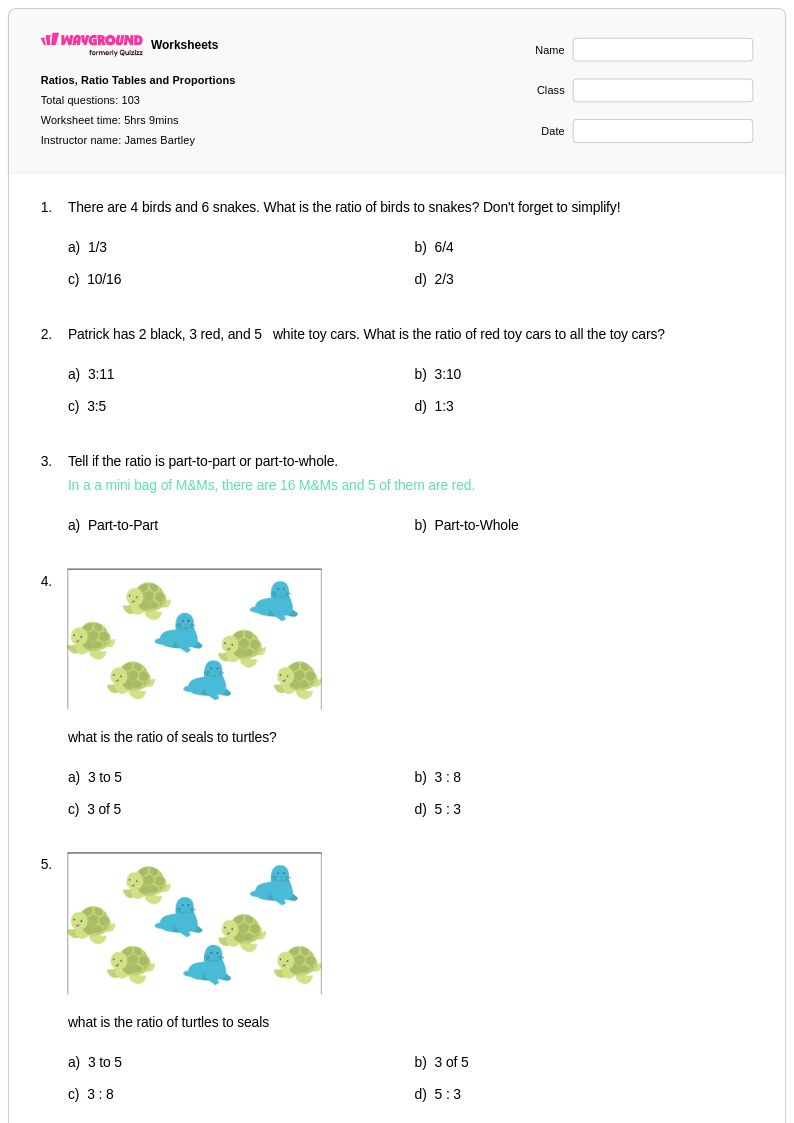
103 Q
7th
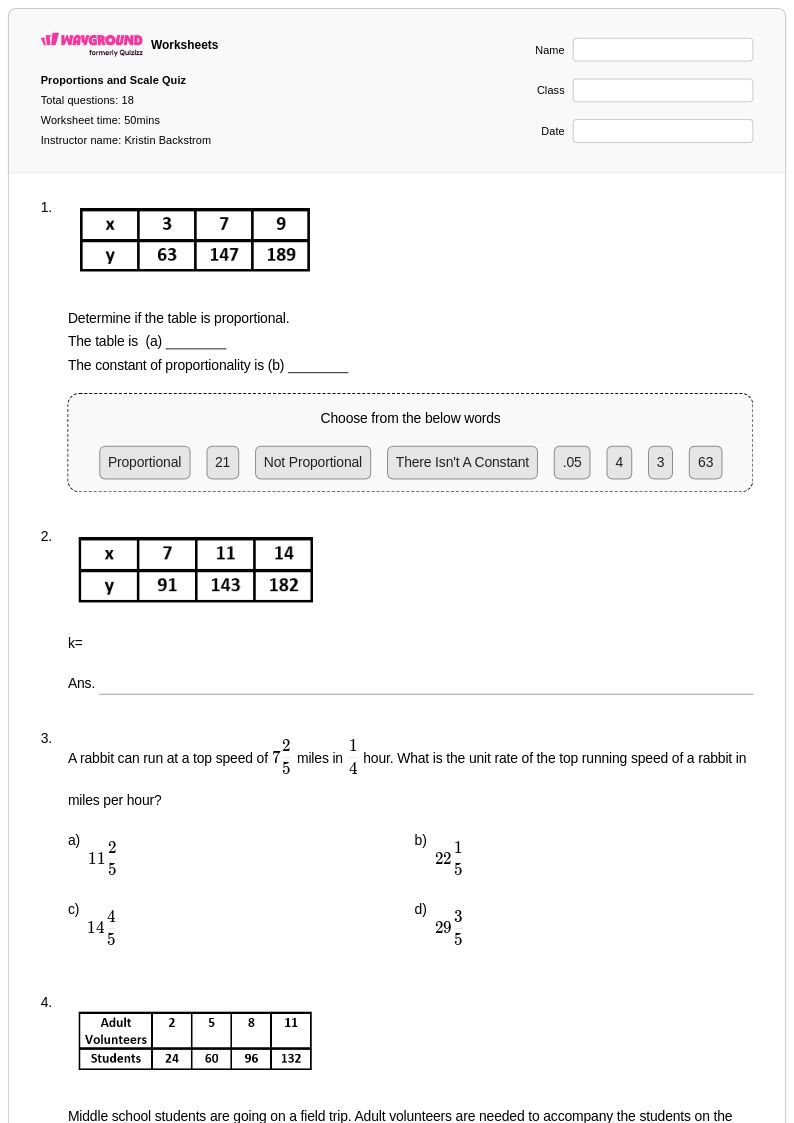
18 Q
7th
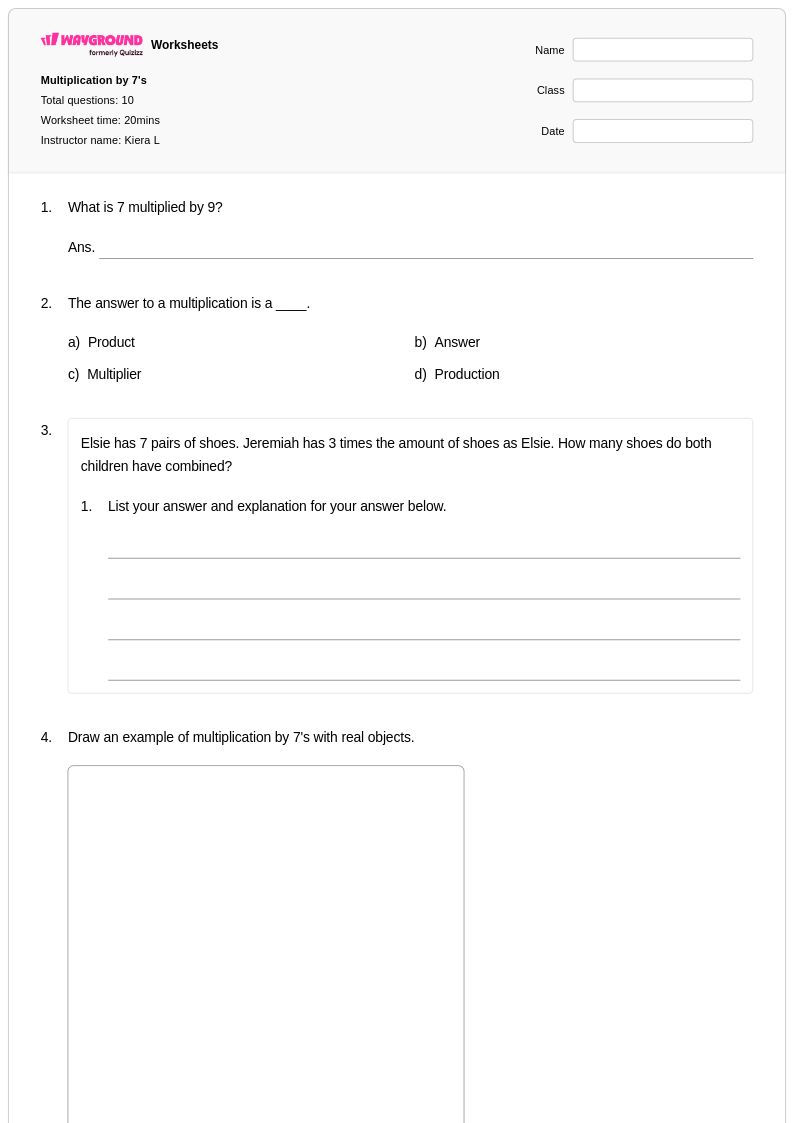
11 Q
3rd
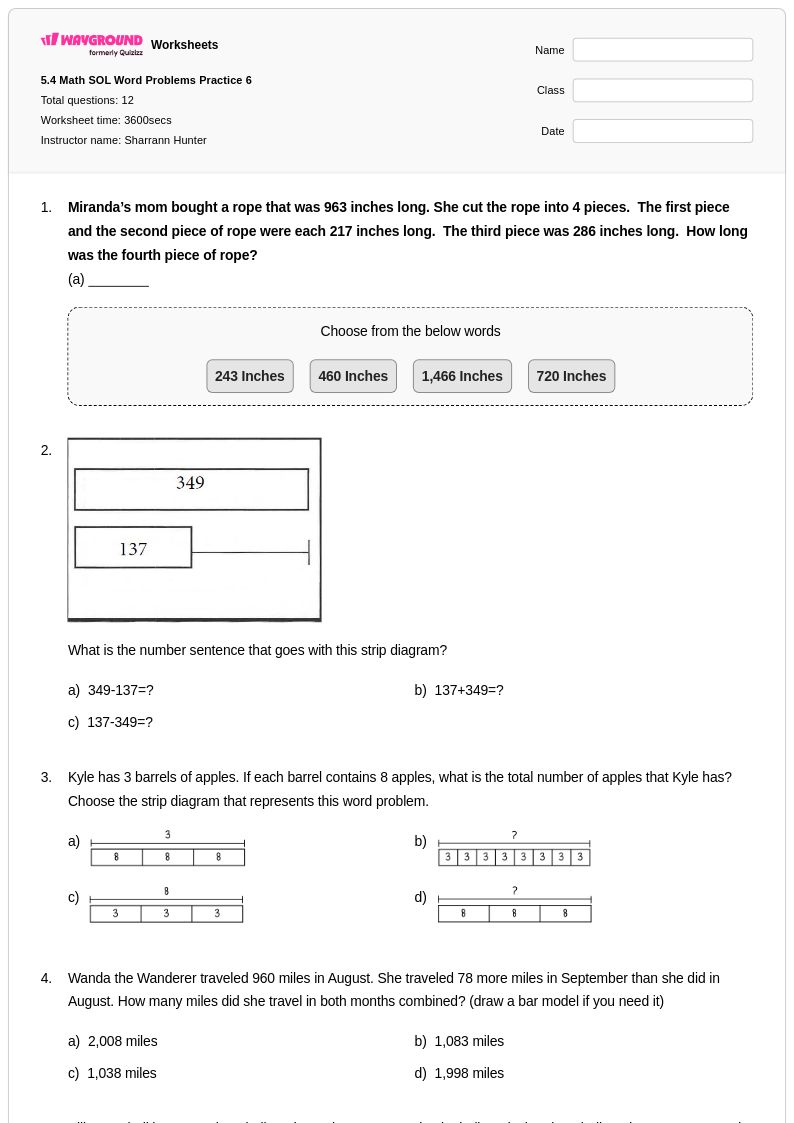
12 Q
5th
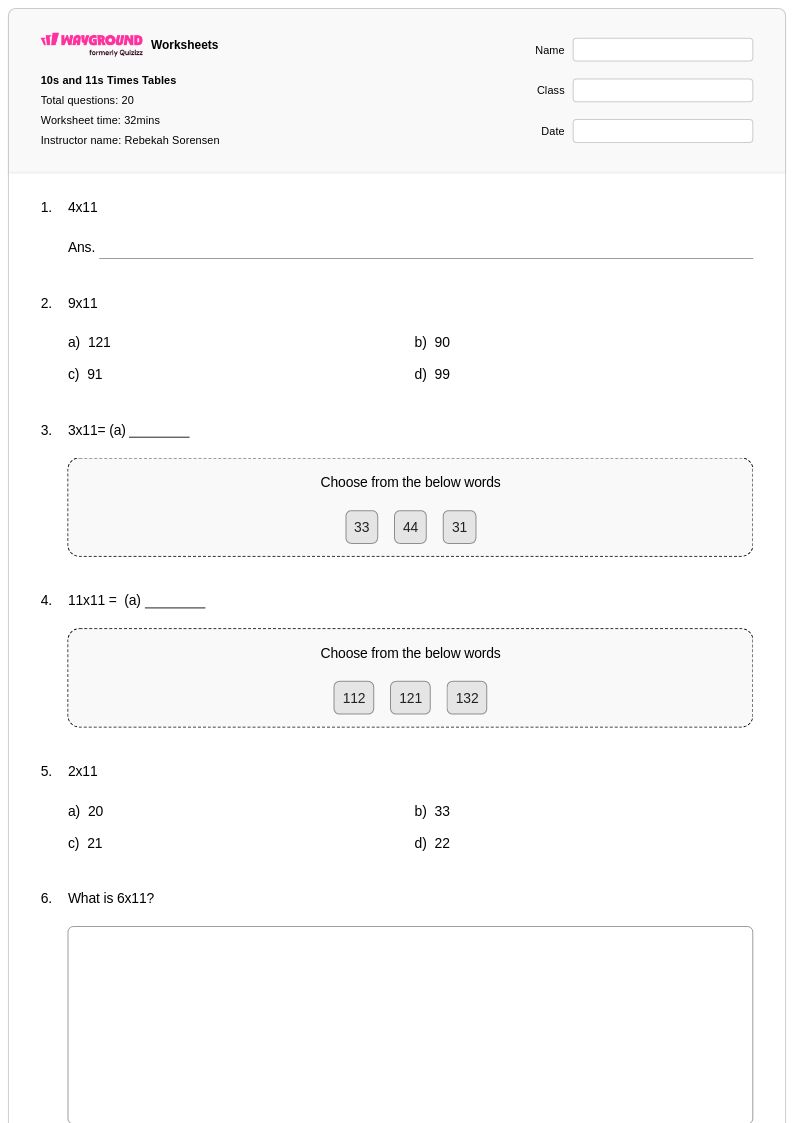
20 Q
3rd
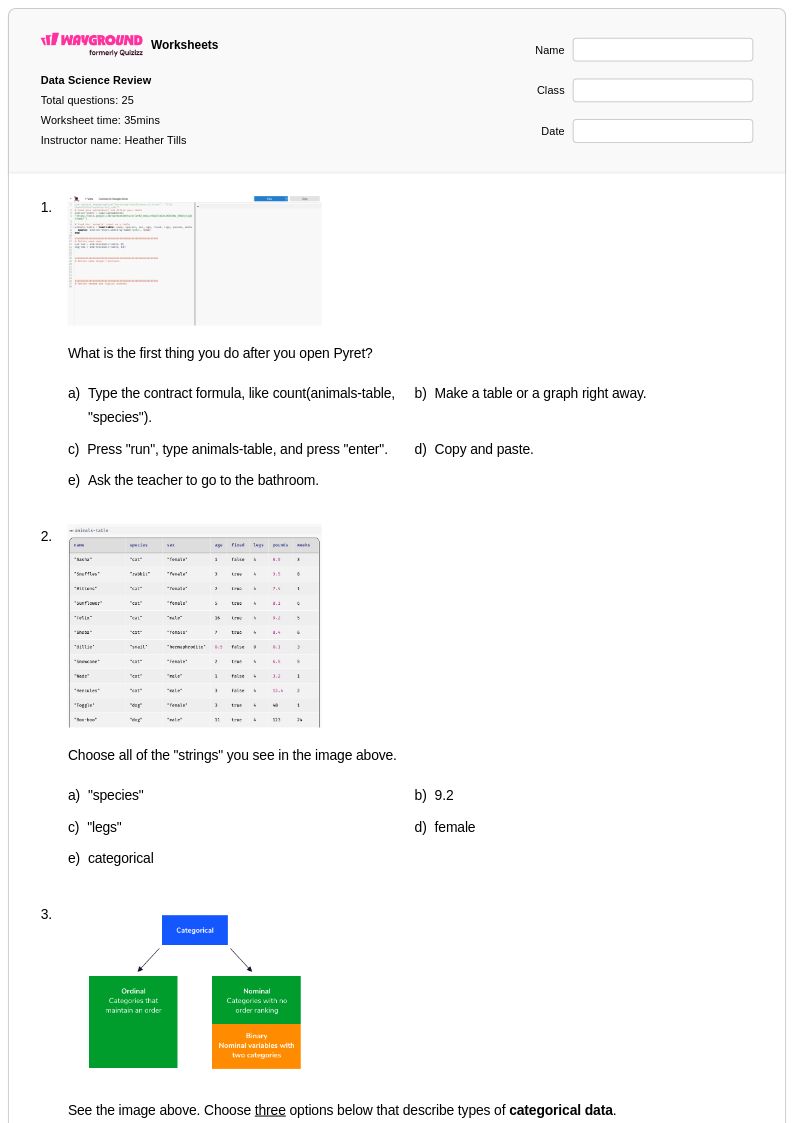
25 Q
9th - 12th
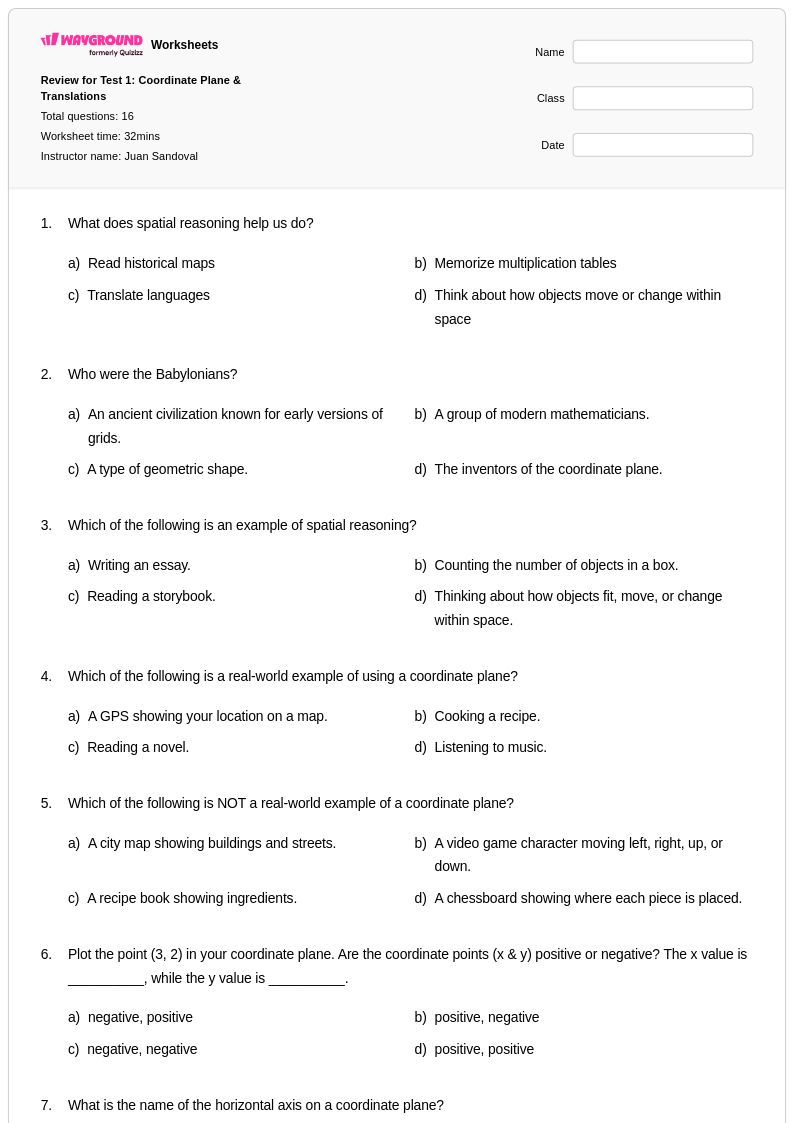
16 Q
9th
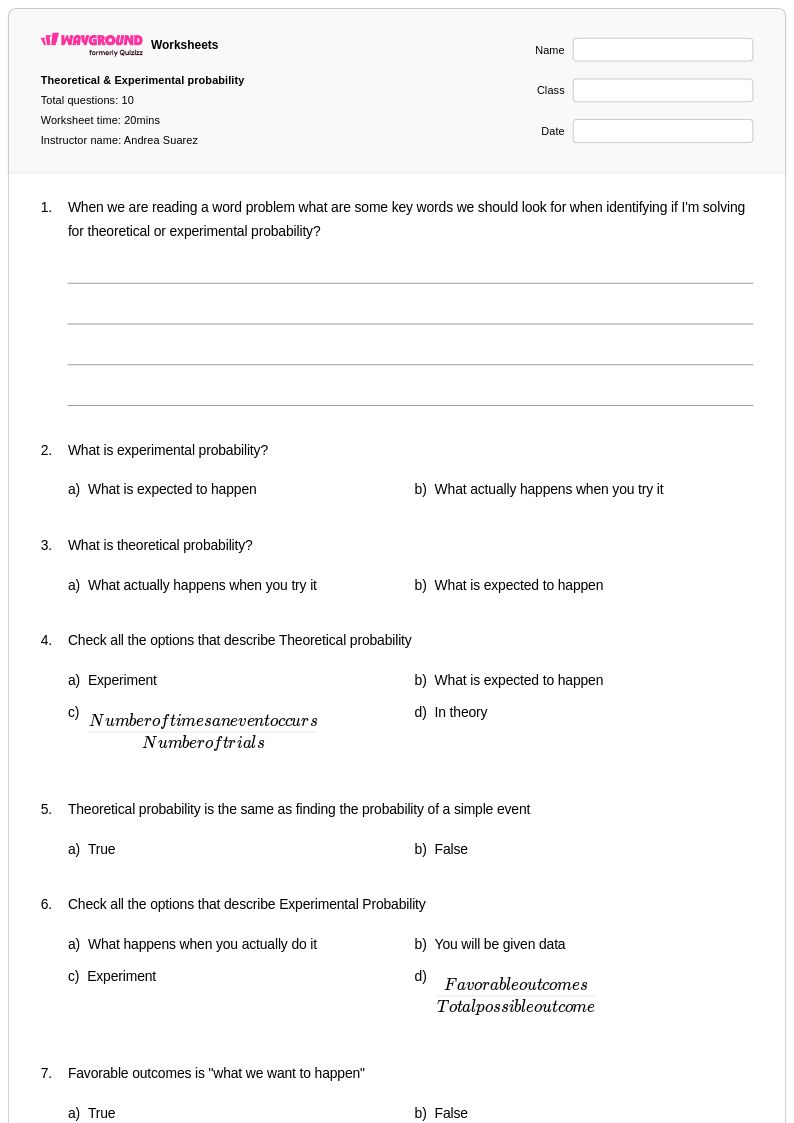
10 Q
7th
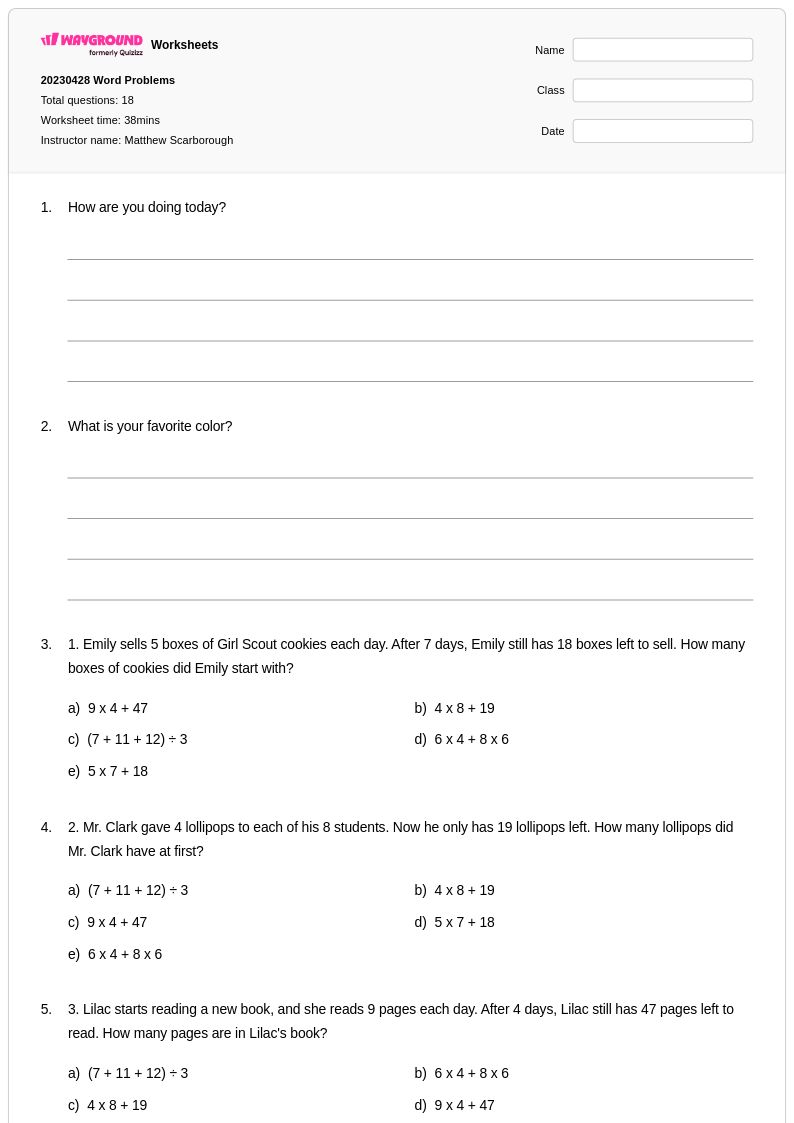
18 Q
5th
20 Q
9th
14 Q
2nd
20 Q
9th - Uni
14 Q
6th - 7th
Explore Worksheets by Subjects
Explore printable Reading Tables worksheets
Reading tables worksheets available through Wayground (formerly Quizizz) provide students with essential practice in interpreting and extracting information from organized data displays. These comprehensive mathematics resources strengthen critical analytical skills by guiding learners through various table formats, including frequency tables, data charts, and statistical summaries. Students develop proficiency in locating specific information, comparing values across rows and columns, and drawing meaningful conclusions from tabulated data. Each worksheet collection includes detailed answer keys and is available as free printable pdf resources, ensuring educators have complete materials for both instruction and assessment. The practice problems progress systematically from basic table reading to more complex multi-step interpretations that require students to synthesize information from multiple data points.
Wayground (formerly Quizizz) supports mathematics educators with an extensive library of millions of teacher-created reading tables worksheets that address diverse learning needs and instructional goals. The platform's robust search and filtering capabilities allow teachers to quickly locate resources aligned with specific standards and differentiated for various skill levels. These customizable materials are available in both printable and digital pdf formats, providing flexibility for classroom instruction, homework assignments, and independent practice sessions. Teachers can efficiently plan lessons that target remediation of foundational table-reading skills or provide enrichment activities that challenge advanced learners to analyze complex data relationships. The comprehensive worksheet collections enable educators to systematically build students' data literacy competencies while maintaining engaging, grade-appropriate mathematical content that reinforces essential problem-solving strategies.
FAQs
How do I teach students to read tables?
What types of practice problems help students master reading tables?
What are common mistakes students make when reading data tables?
How can I use these reading tables worksheets in my classroom?
How does learning to read tables fit into the math curriculum?
How can I differentiate practice for students at different levels with reading tables?