
16 Q
2nd
20 Q
2nd
10 Q
2nd
10 Q
1st - 6th
15 Q
2nd
10 Q
2nd
12 Q
2nd
10 Q
1st - 5th
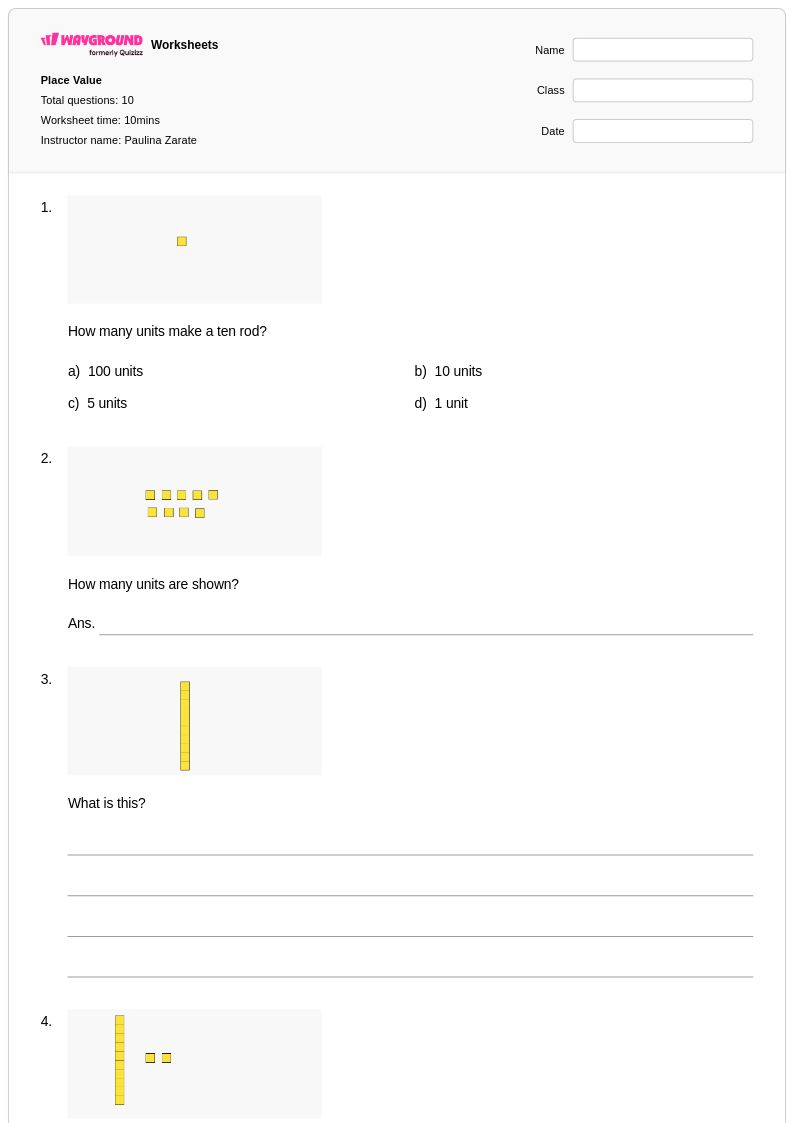
10 Q
2nd
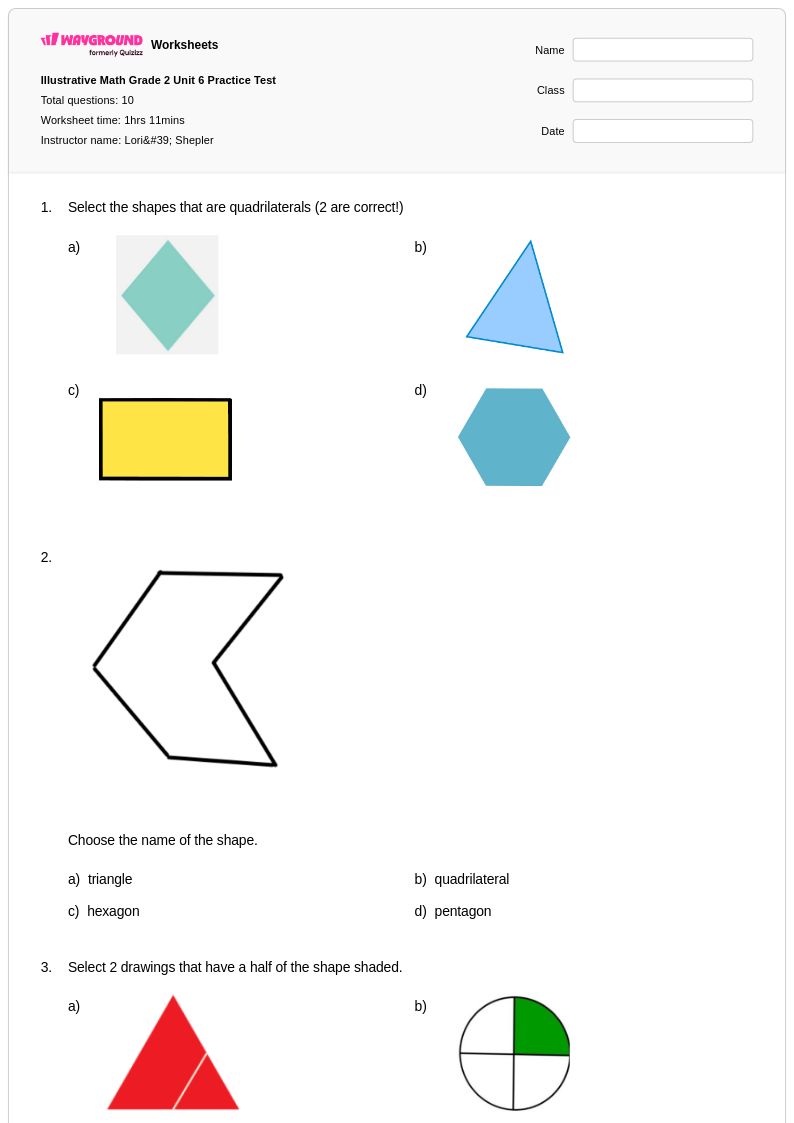
10 Q
2nd
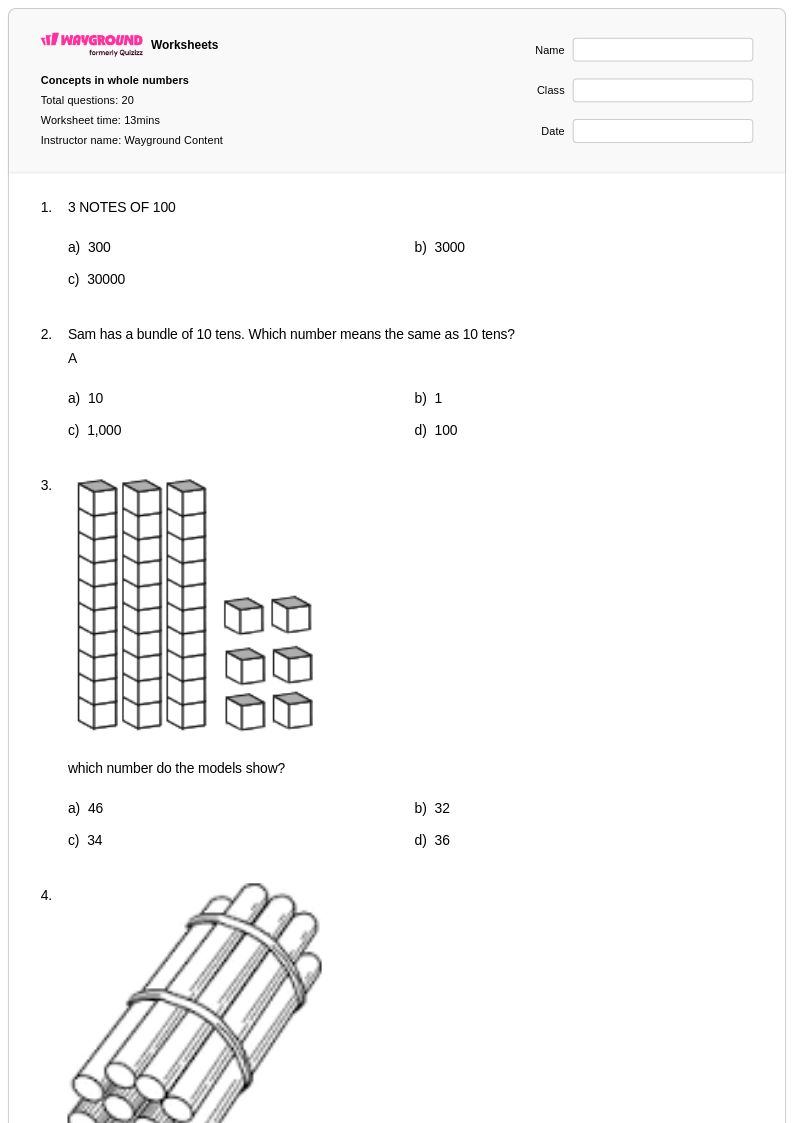
20 Q
2nd
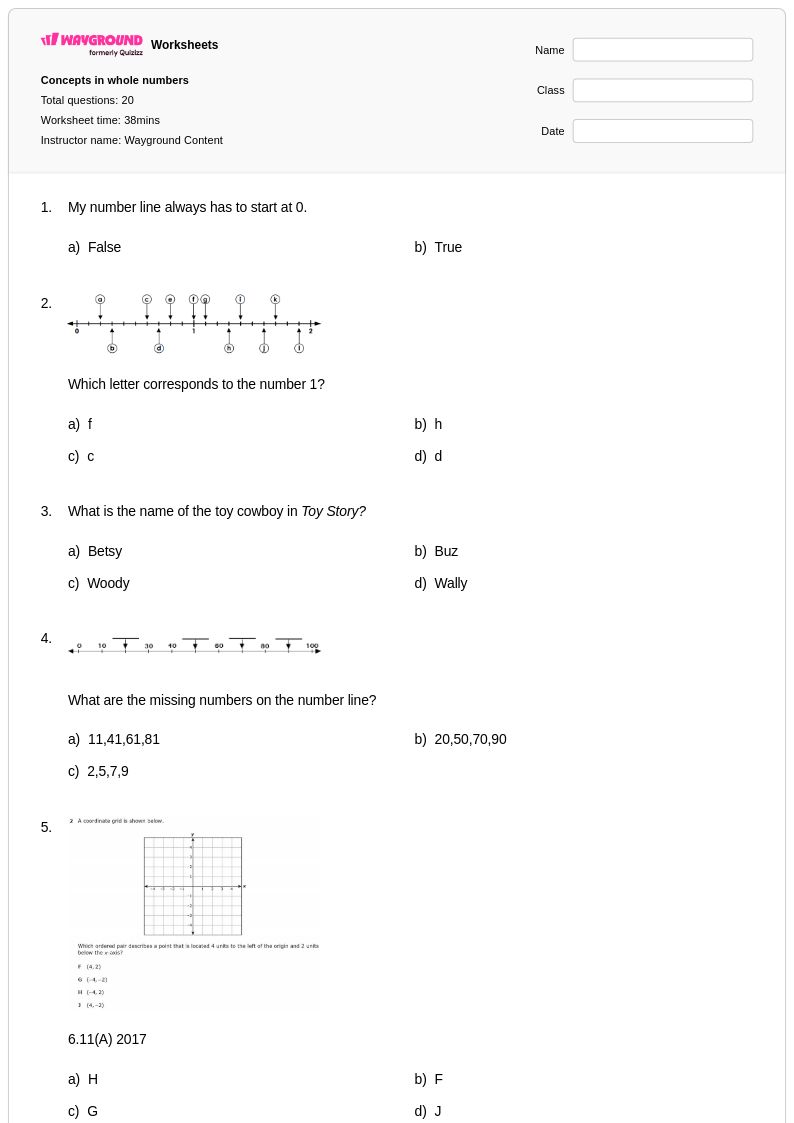
20 Q
2nd
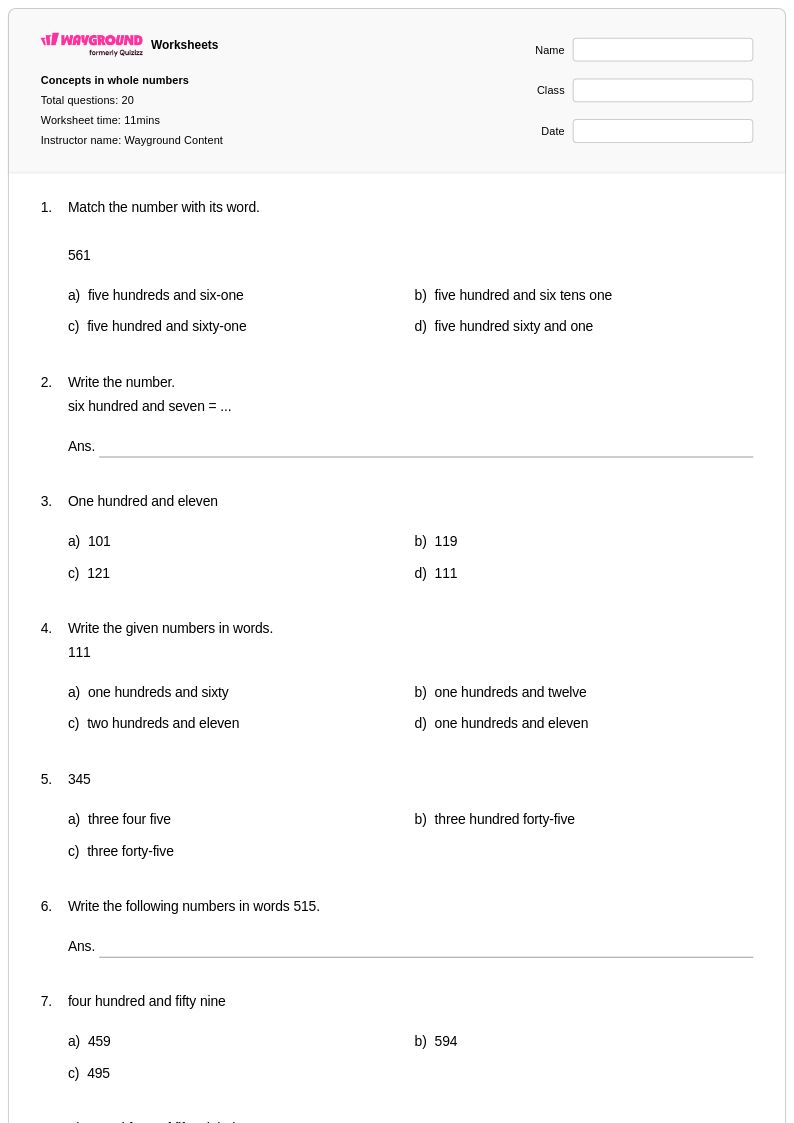
20 Q
2nd
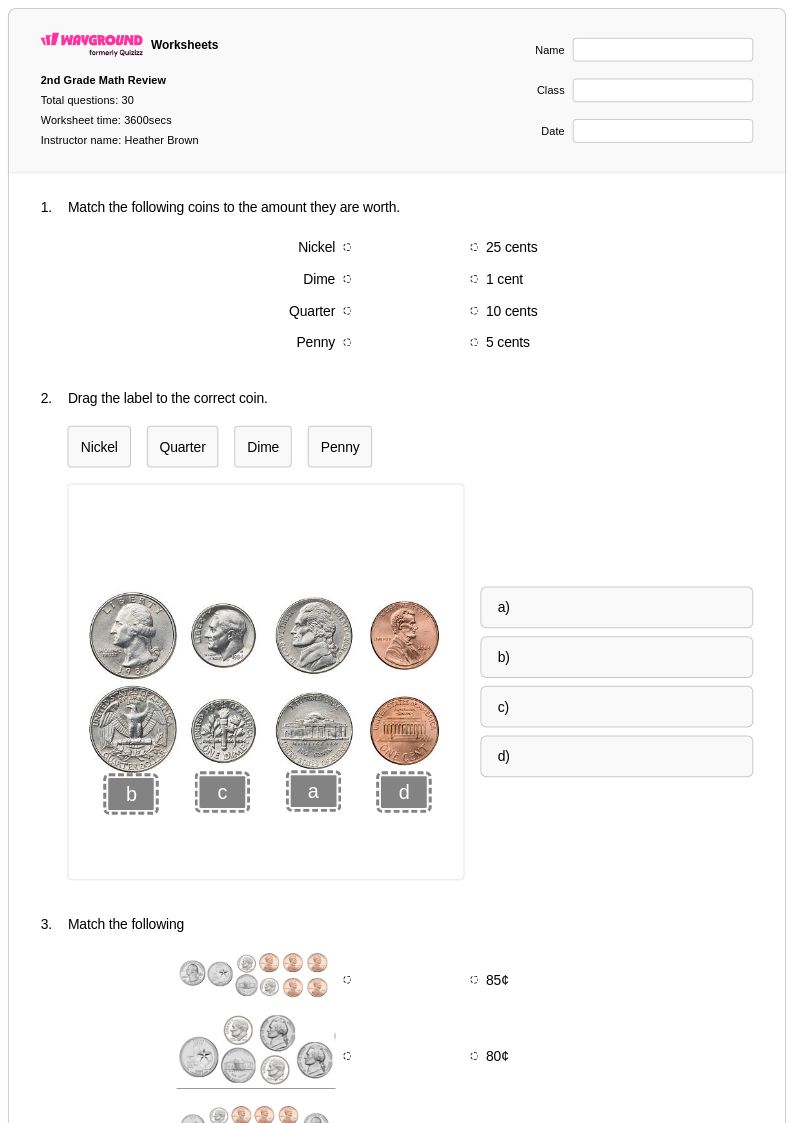
30 Q
2nd
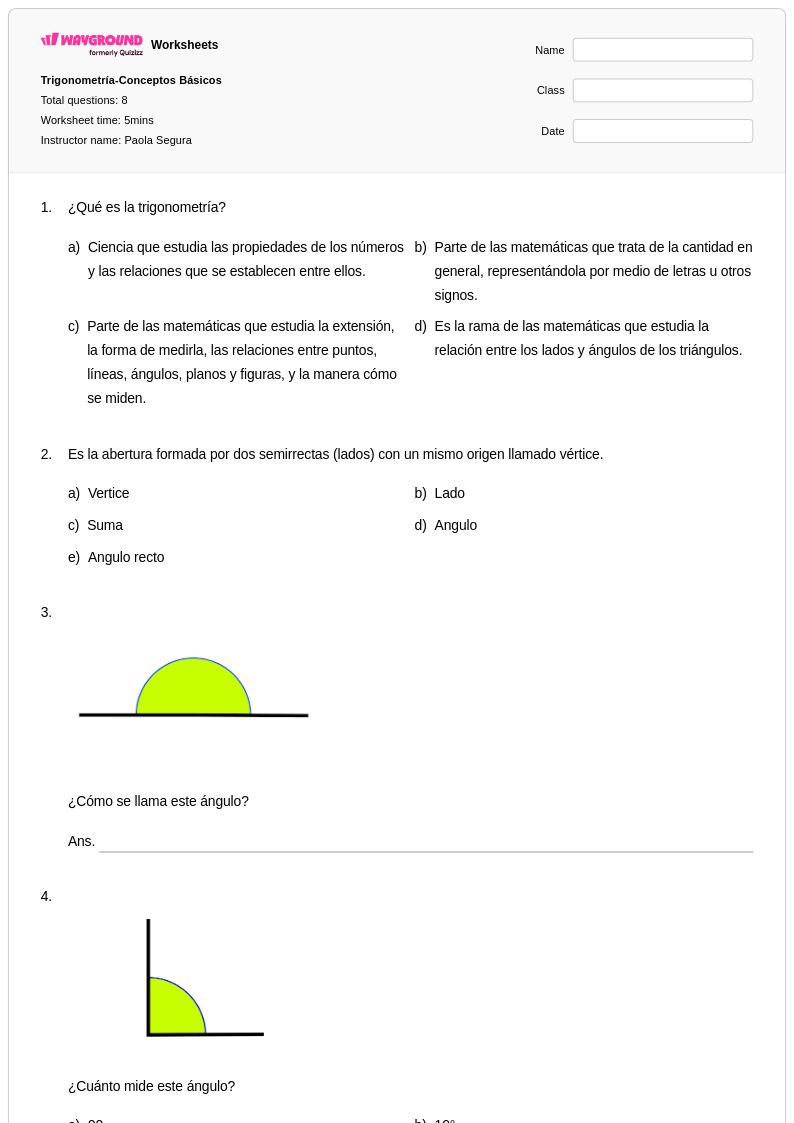
8 Q
1st - 5th
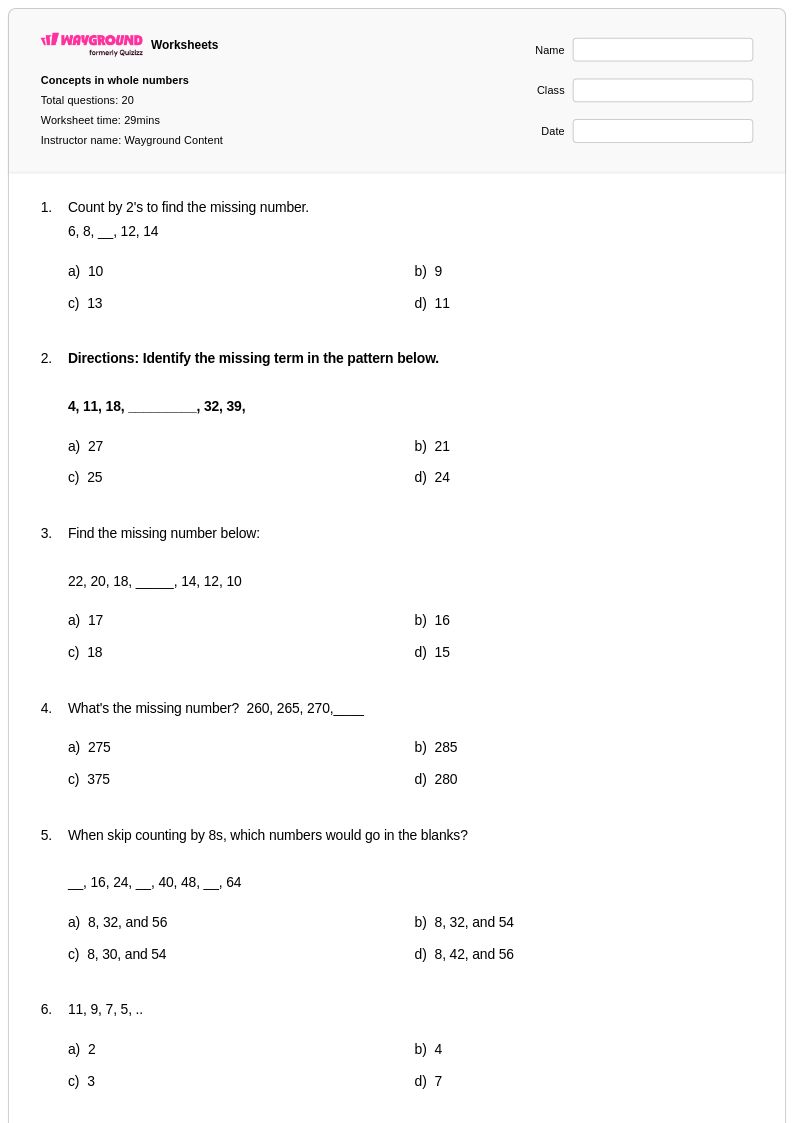
20 Q
2nd
20 Q
2nd
20 Q
2nd
20 Q
2nd
10 Q
2nd
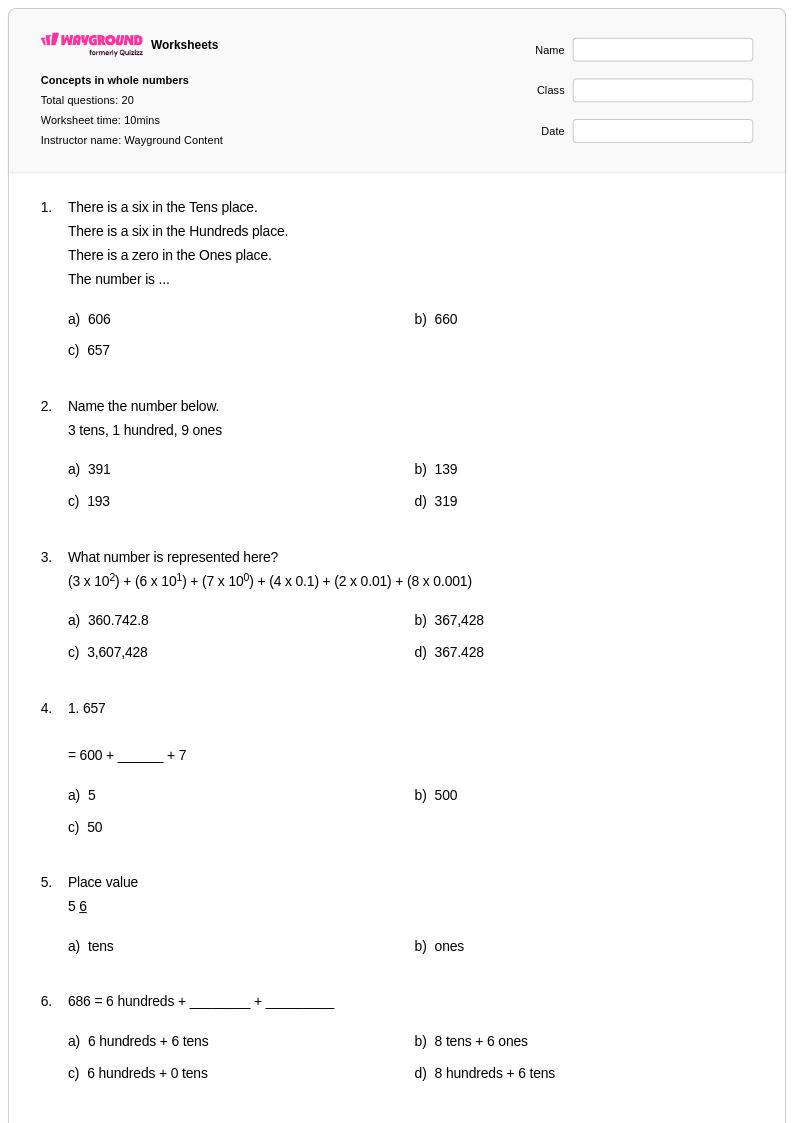
20 Q
2nd
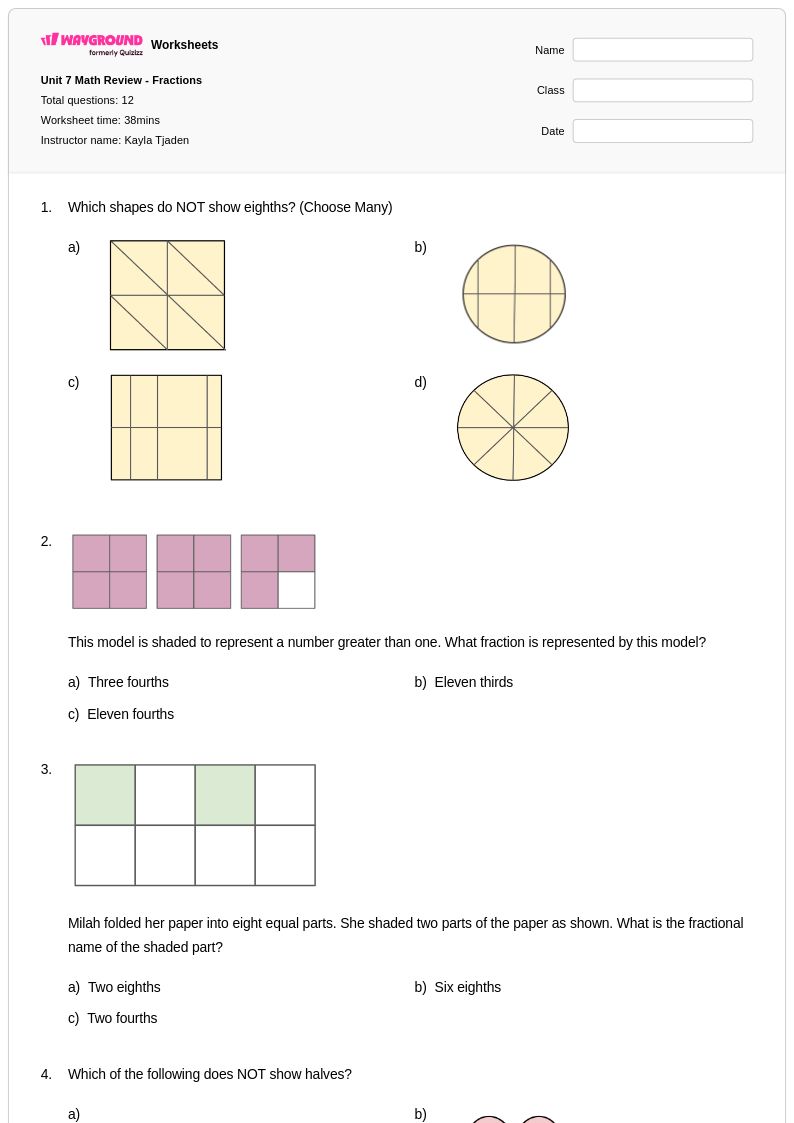
12 Q
2nd
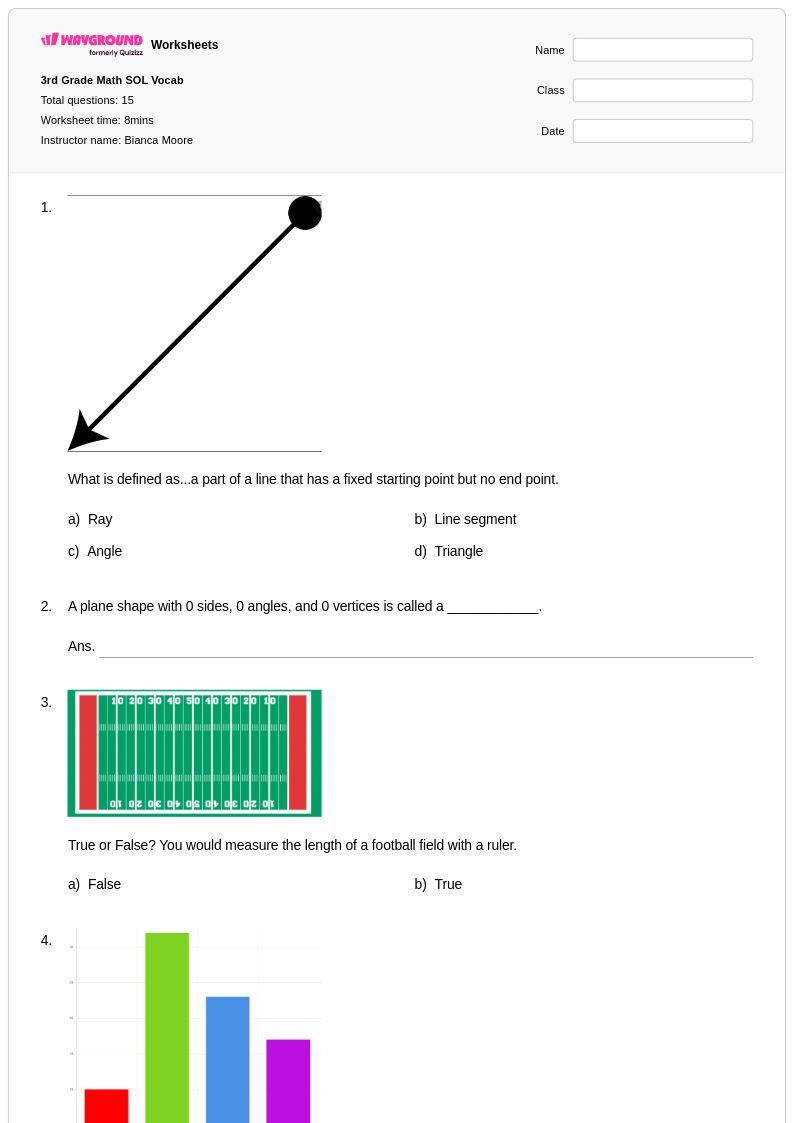
15 Q
2nd - 3rd
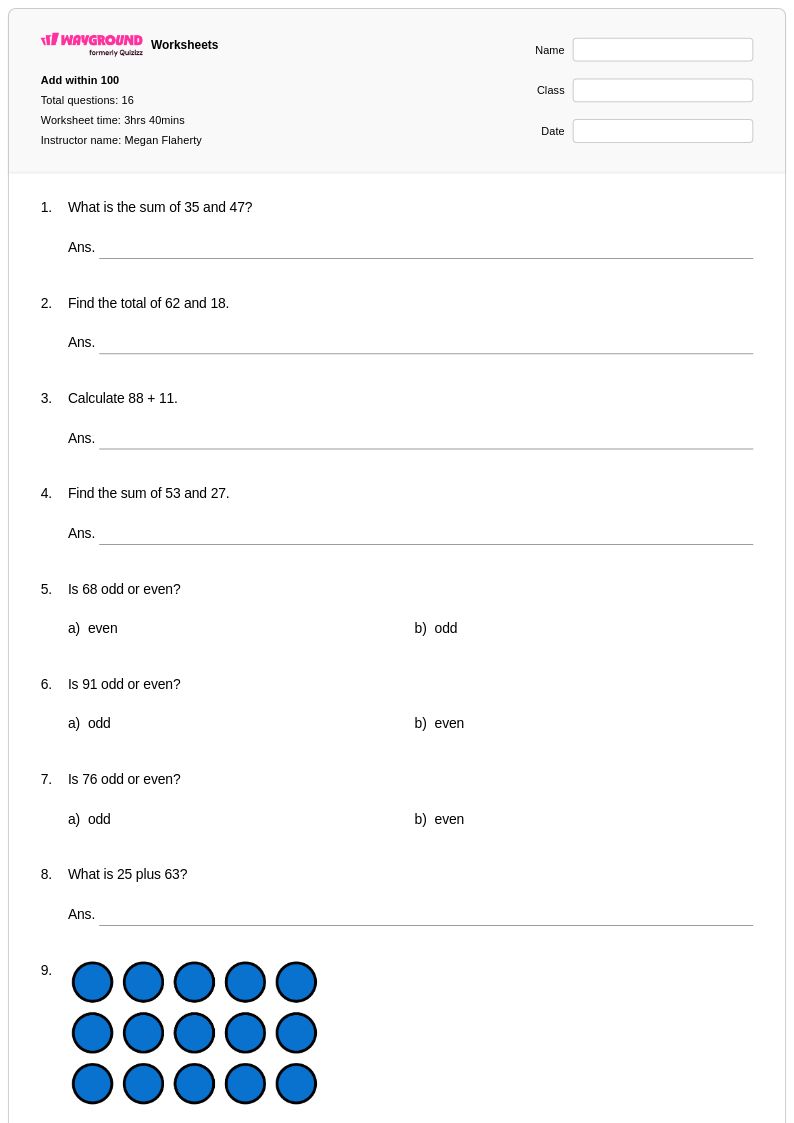
16 Q
2nd
Explore Spatial Concepts Worksheets by Grades
Explore Other Subject Worksheets for grade 2
Explore printable Spatial Concepts worksheets for Grade 2
Spatial concepts worksheets for Grade 2 mathematics through Wayground (formerly Quizizz) provide young learners with essential foundational experiences in understanding position, direction, and spatial relationships. These carefully designed printables help students develop critical thinking skills around concepts such as above, below, beside, in front of, behind, left, right, near, and far through engaging visual exercises and hands-on practice problems. Each worksheet collection includes comprehensive answer keys to support accurate assessment and feedback, while the free pdf format ensures easy classroom distribution and home practice opportunities. Students strengthen their spatial reasoning abilities through activities that require them to identify object positions, follow directional instructions, and describe locations using precise mathematical vocabulary that builds the groundwork for more advanced geometric concepts.
Wayground (formerly Quizizz) empowers teachers with access to millions of educator-created spatial concepts resources specifically tailored for Grade 2 mathematics instruction. The platform's robust search and filtering capabilities allow instructors to quickly locate worksheets that align with curriculum standards and match their students' specific learning needs, while differentiation tools enable customization for various skill levels within the classroom. Teachers can seamlessly transition between printable pdf formats for traditional paper-based learning and digital formats for interactive classroom activities, providing flexibility in lesson planning and delivery. These comprehensive worksheet collections support targeted remediation for students who need additional spatial reasoning practice, enrichment opportunities for advanced learners, and consistent skill practice that reinforces spatial vocabulary and concepts throughout the academic year.
FAQs
What is the focus of spatial concepts in Grade 2?
How can I introduce simple maps and grids to second graders?
What exercises build second graders' spatial reasoning skills?
What are common challenges for second graders with spatial tasks?
How can I use these Grade 2 worksheets for practice or assessment?
How does second-grade spatial reasoning prepare students for future math?