
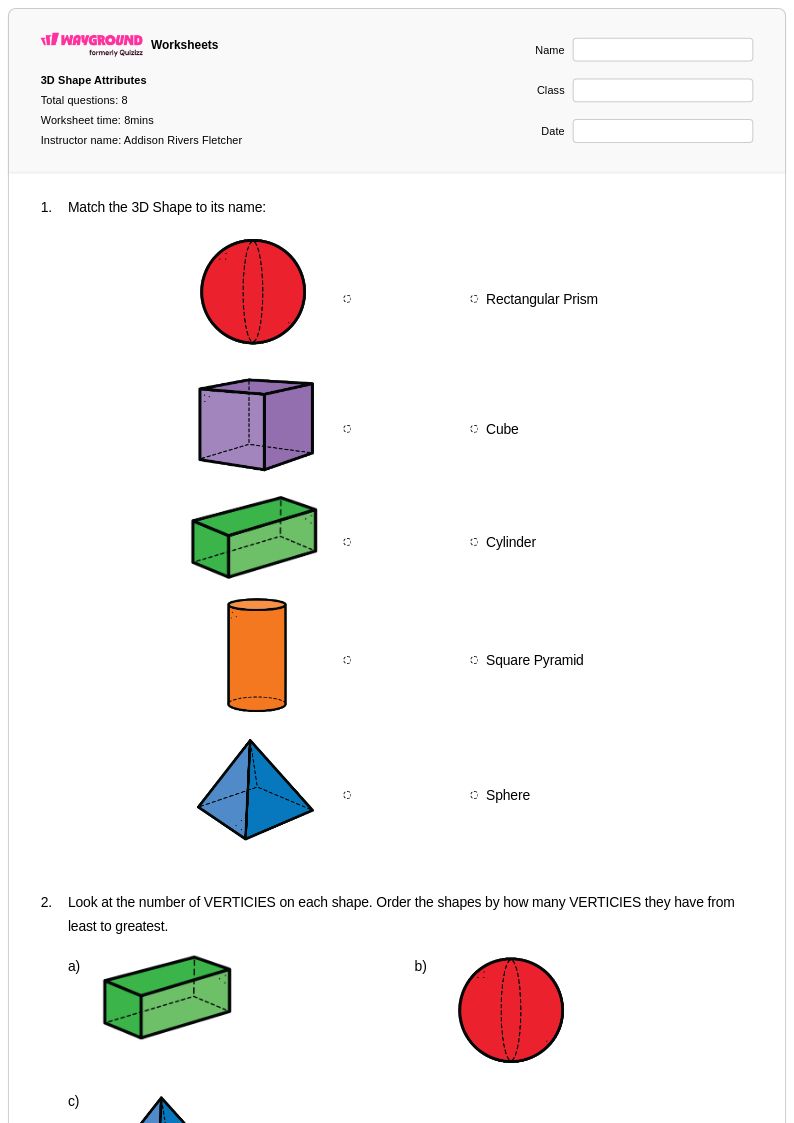
8 Q
2nd
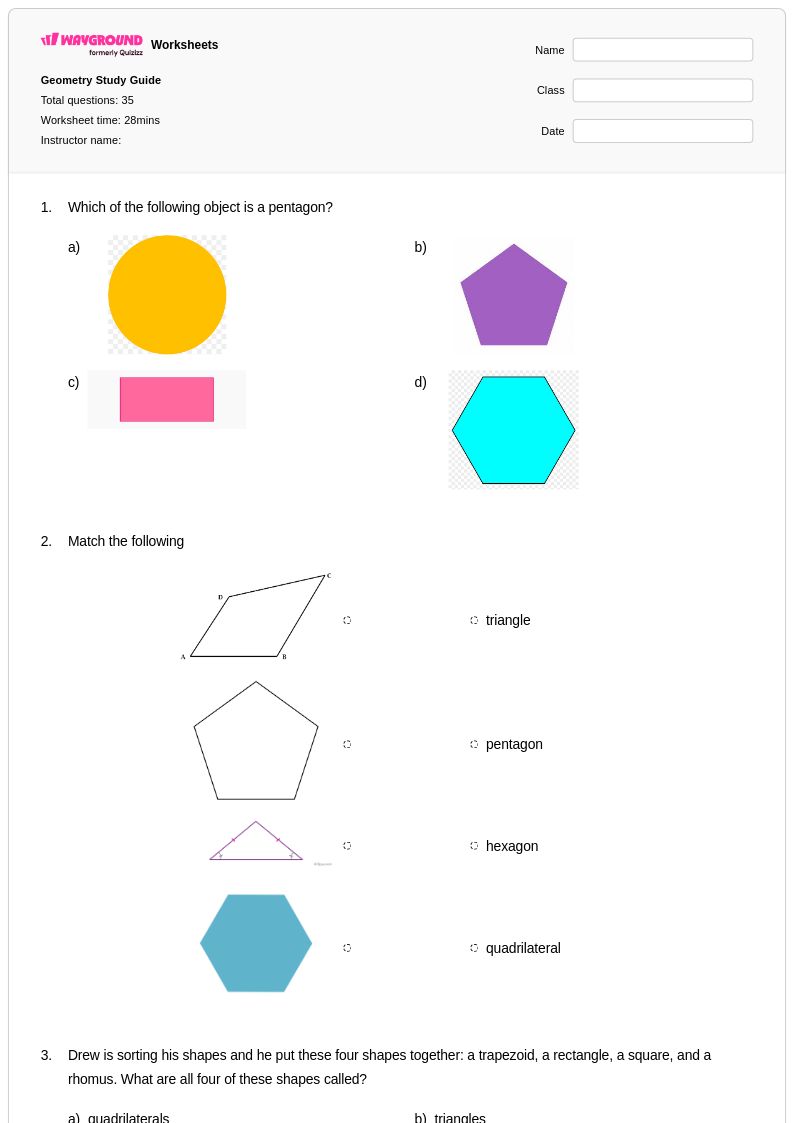
35 Q
2nd
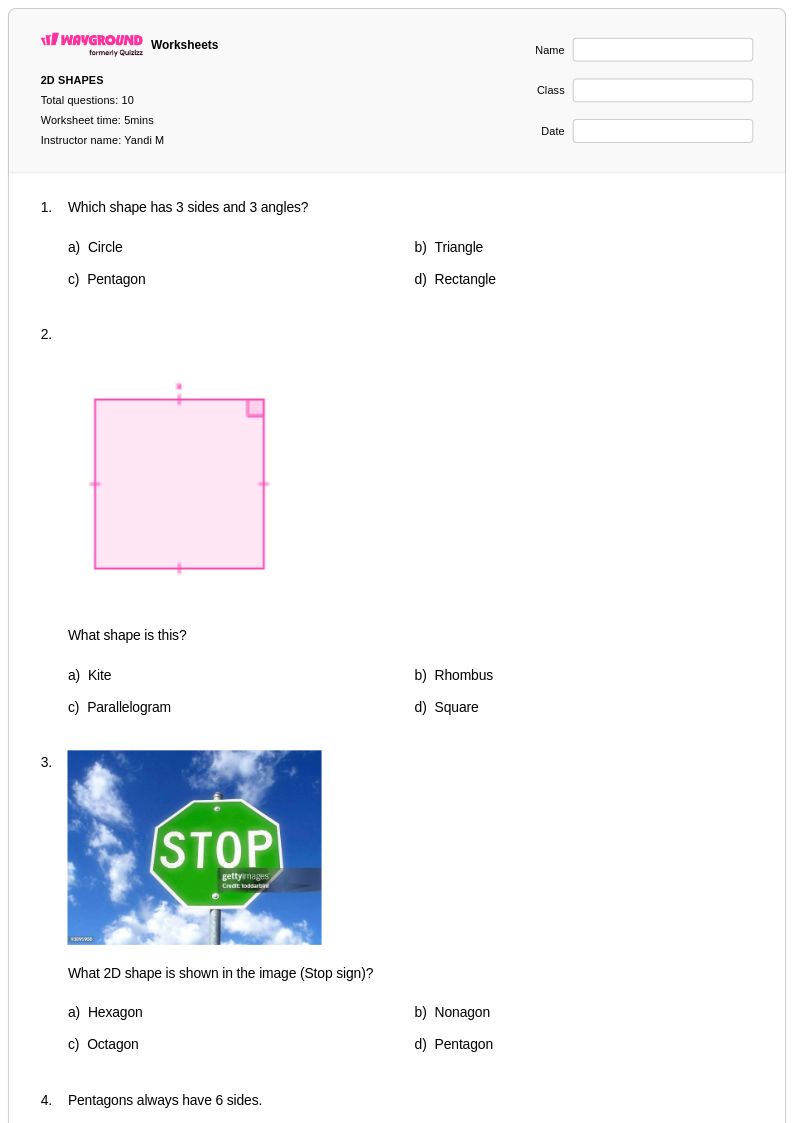
10 Q
1st - Uni
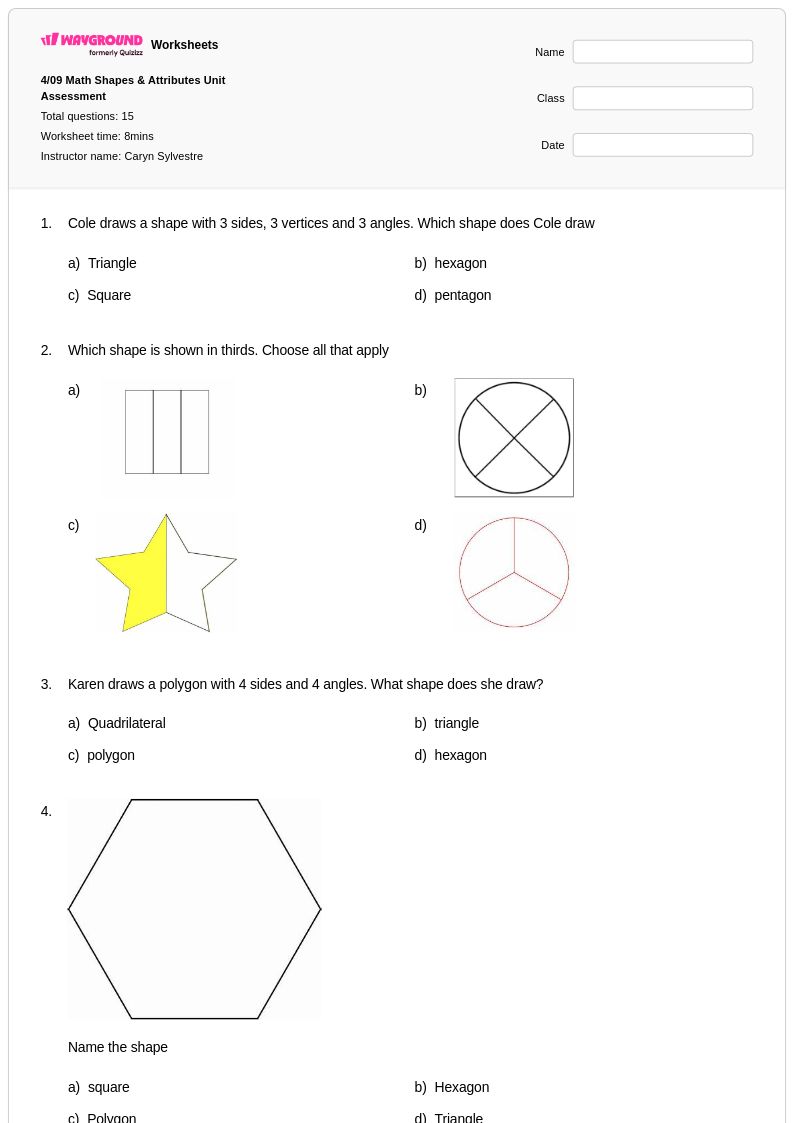
15 Q
2nd
15 Q
2nd
15 Q
2nd
20 Q
2nd - 3rd
13 Q
2nd
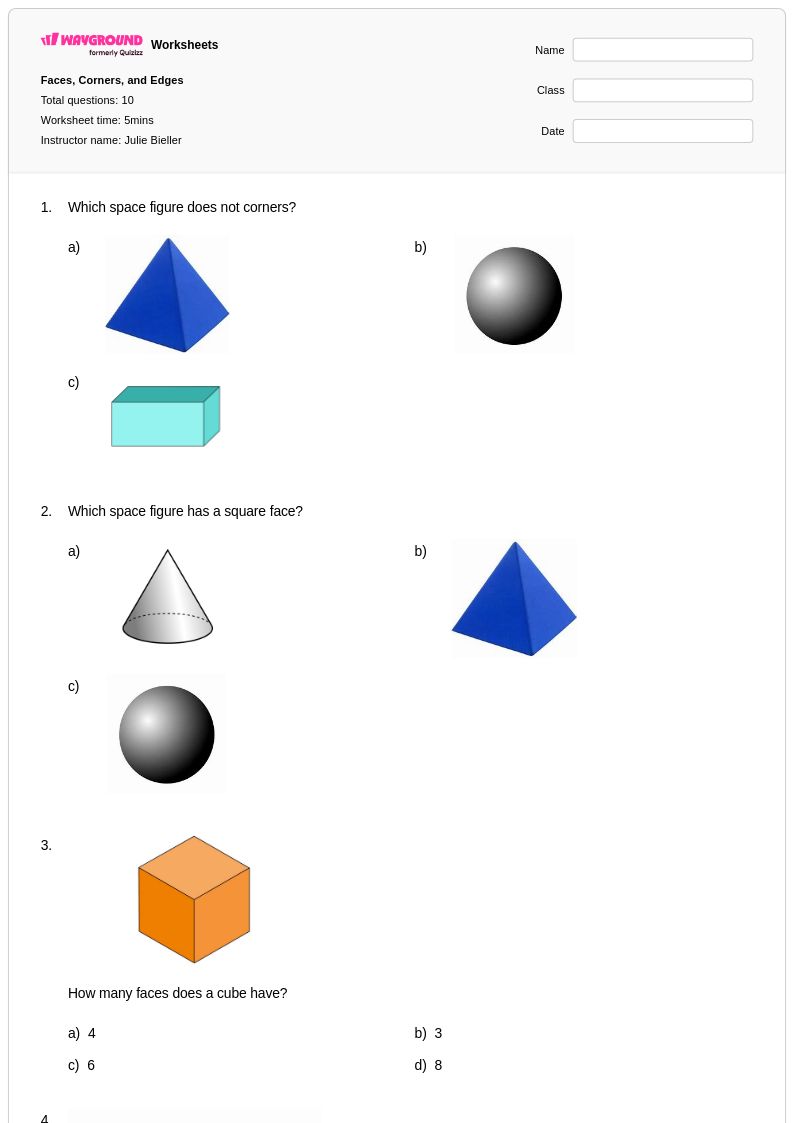
10 Q
2nd
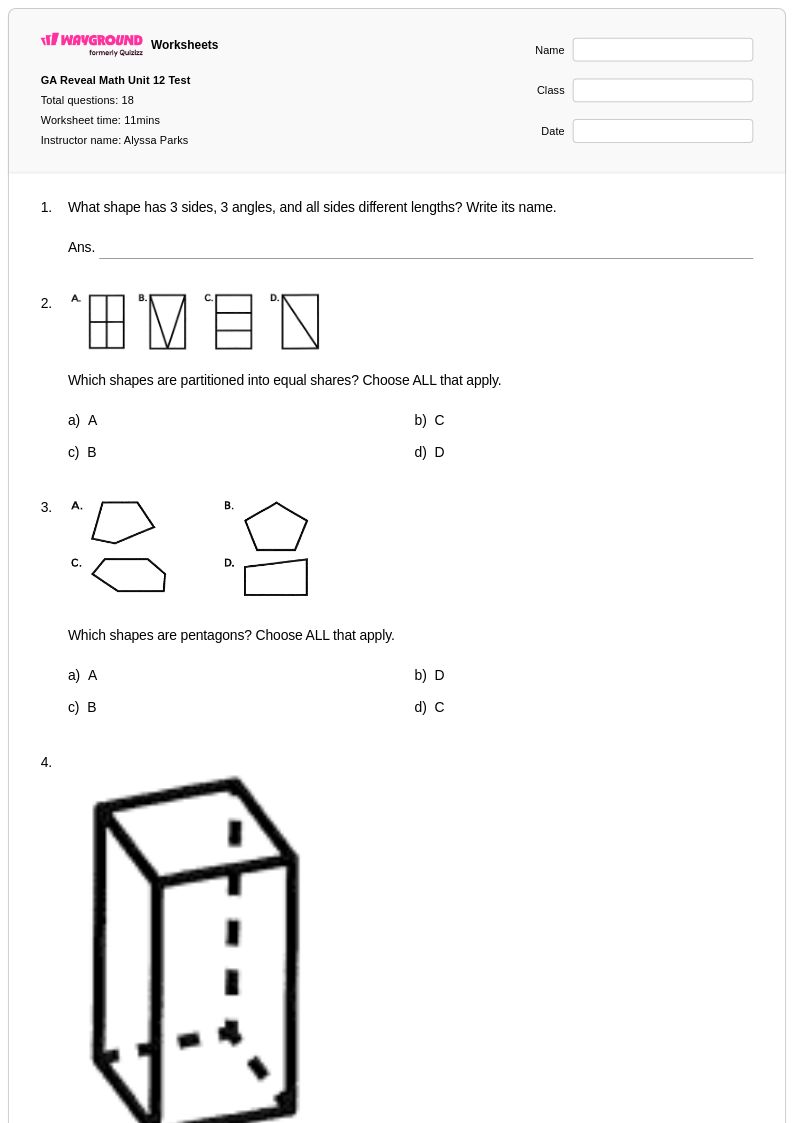
18 Q
2nd
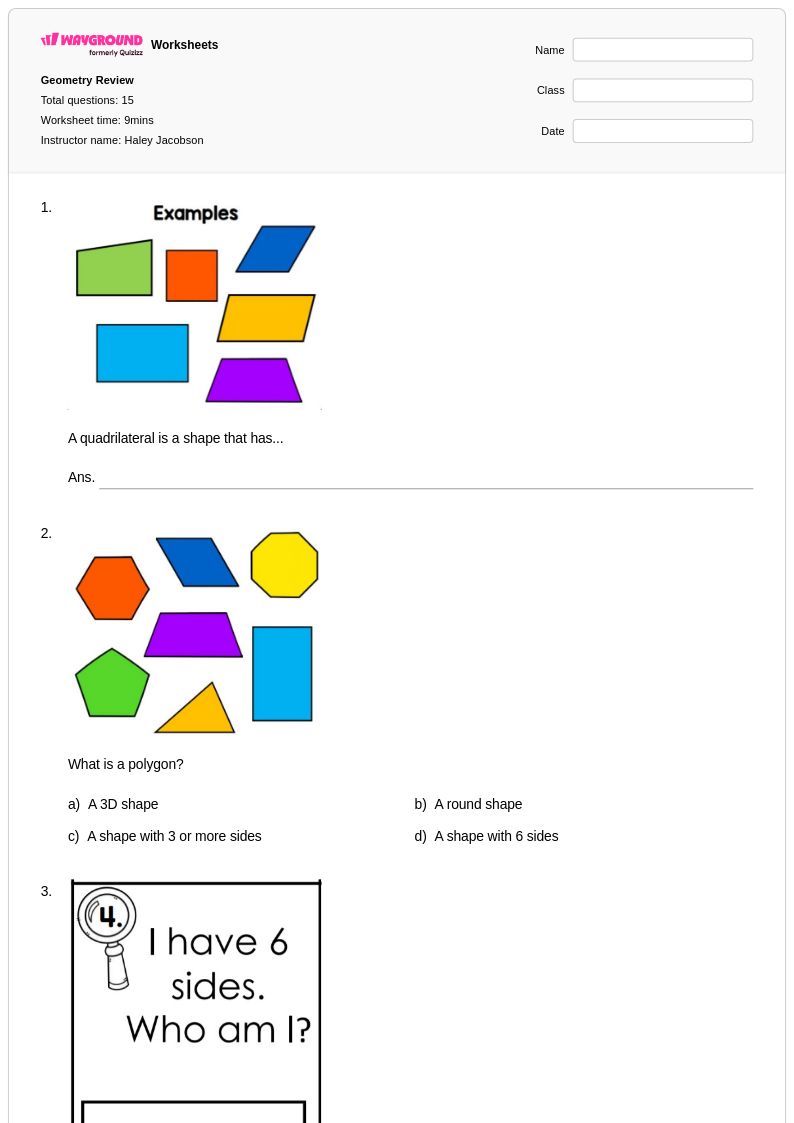
15 Q
2nd
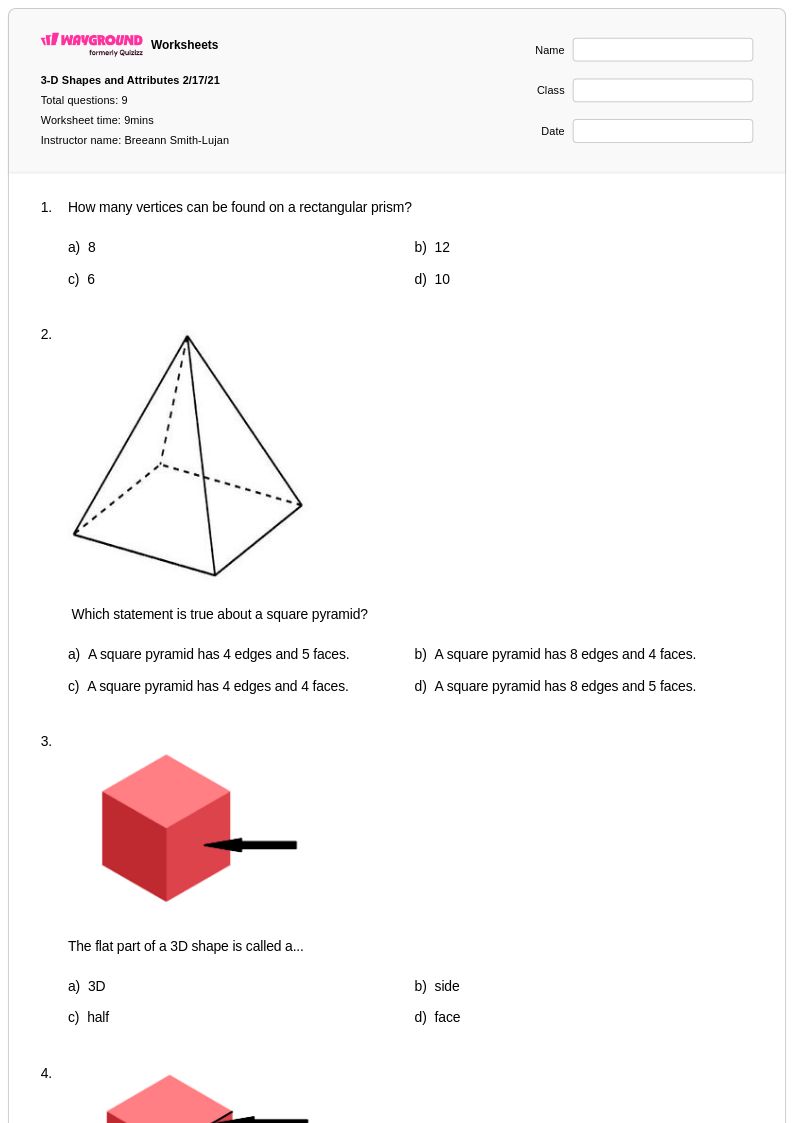
9 Q
2nd
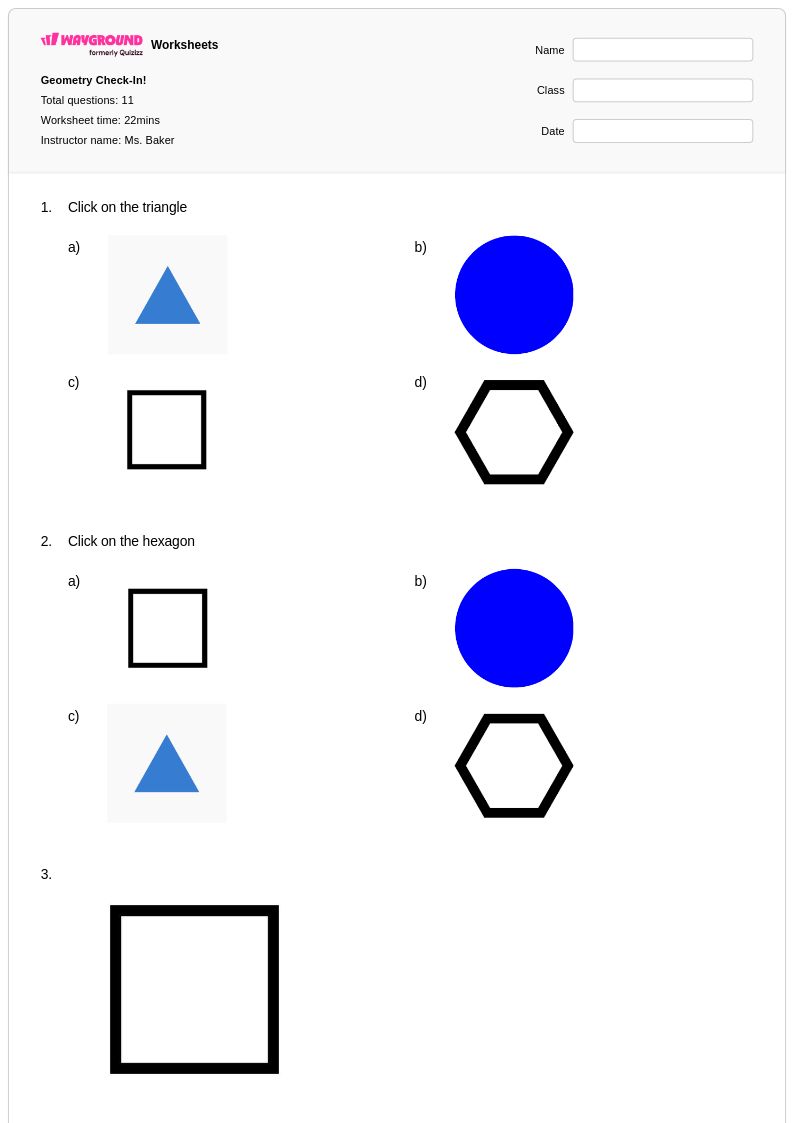
11 Q
2nd
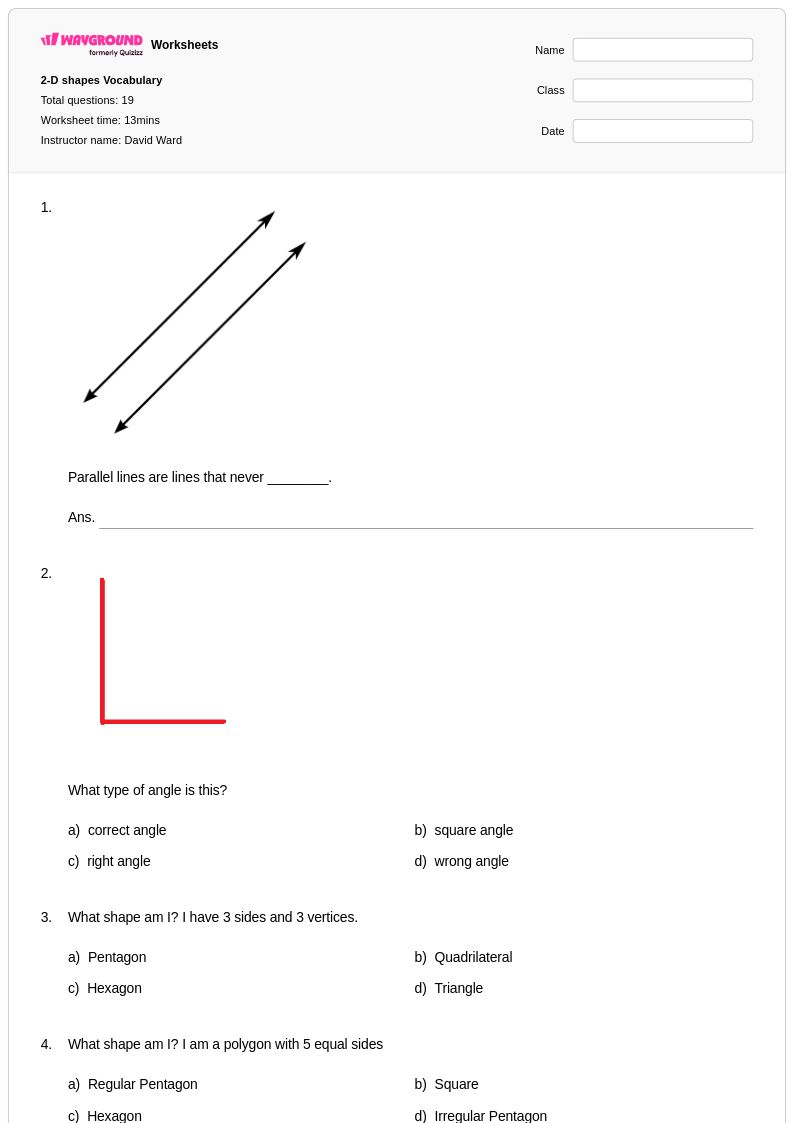
19 Q
2nd - 3rd
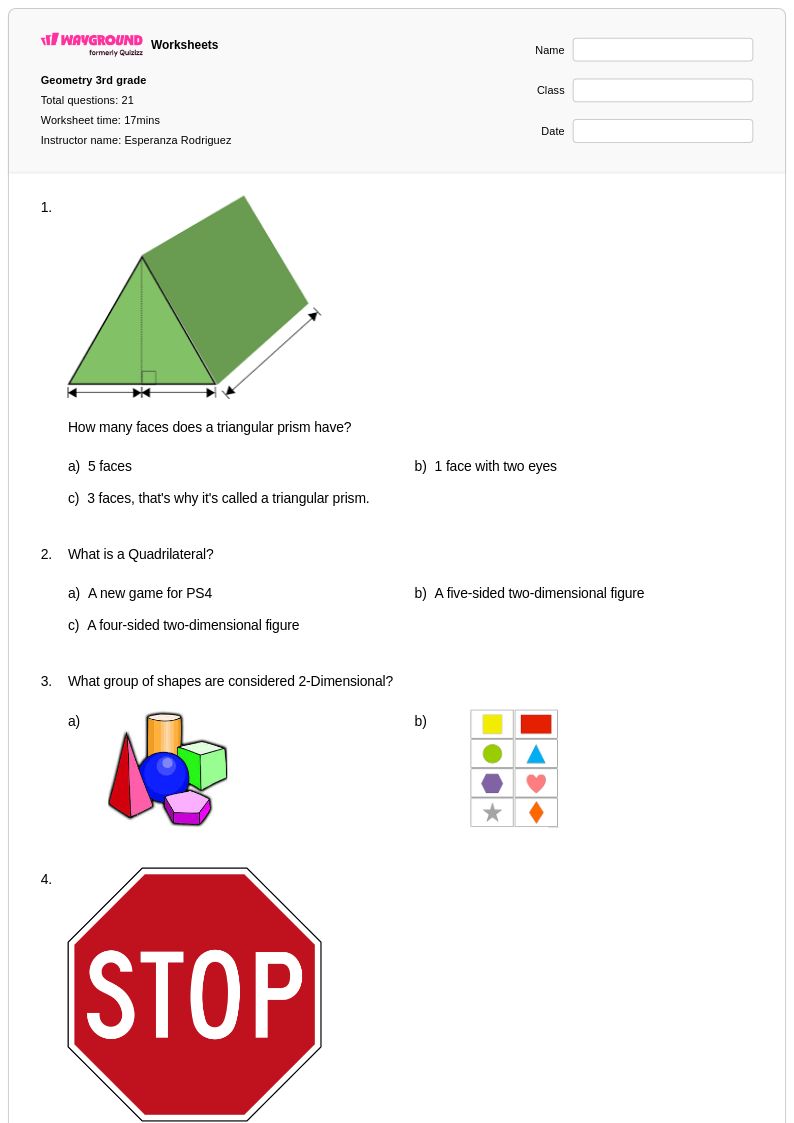
21 Q
2nd - 3rd
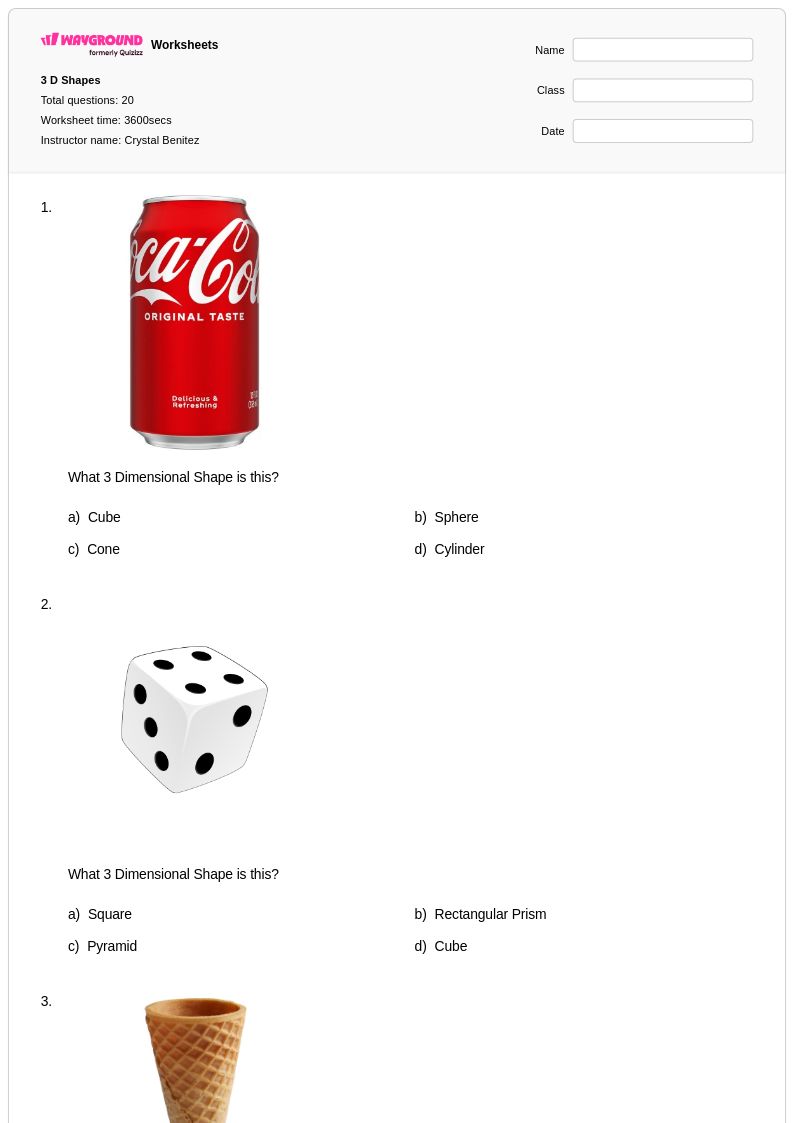
20 Q
2nd
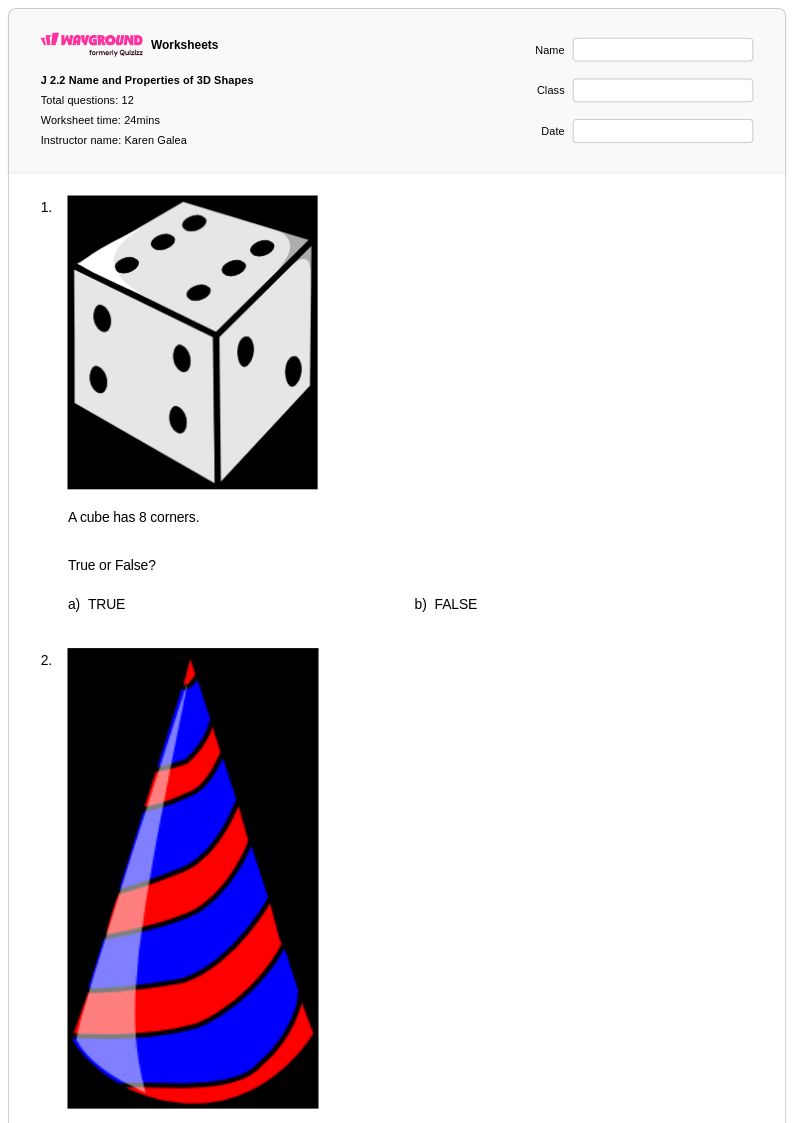
12 Q
2nd
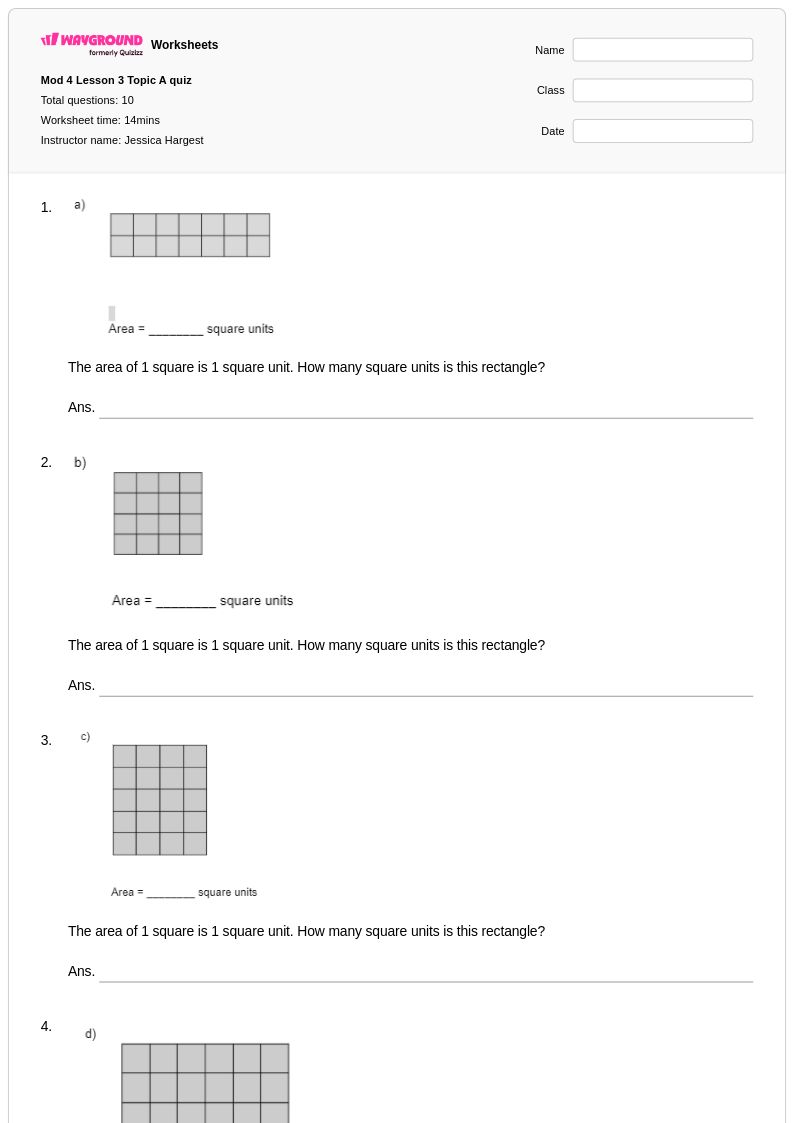
10 Q
2nd - 4th
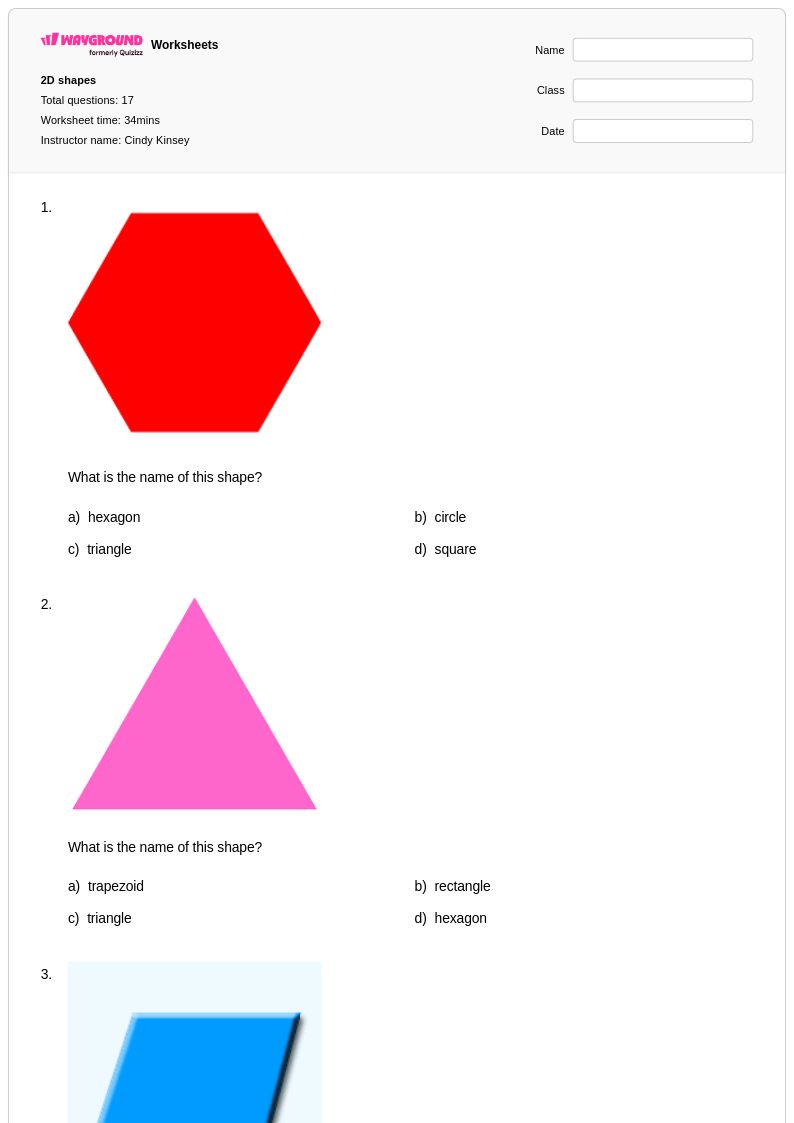
17 Q
2nd
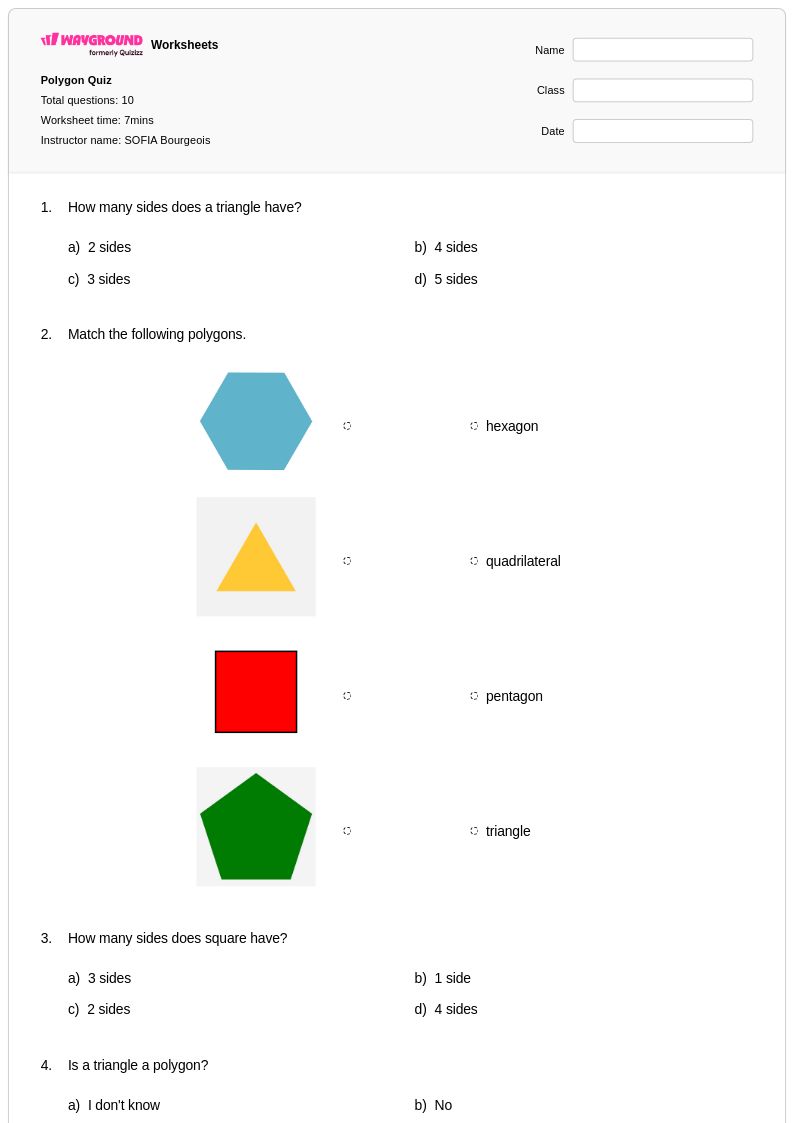
10 Q
2nd
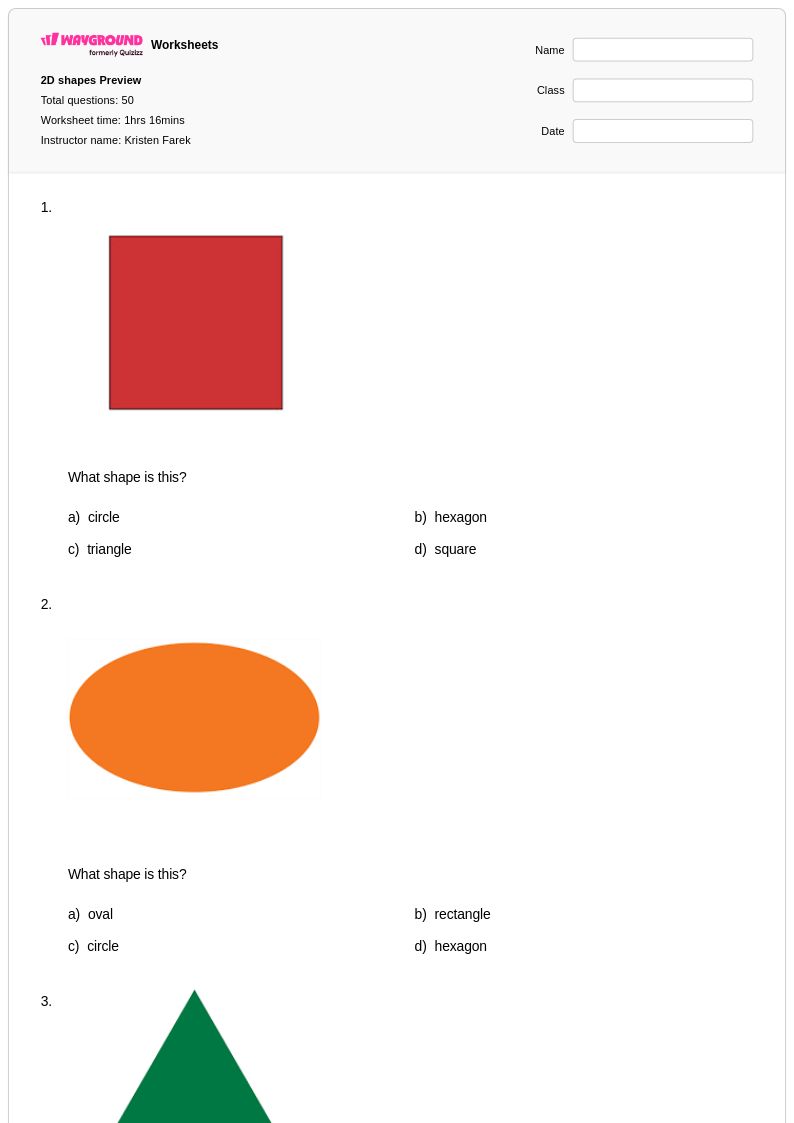
50 Q
2nd
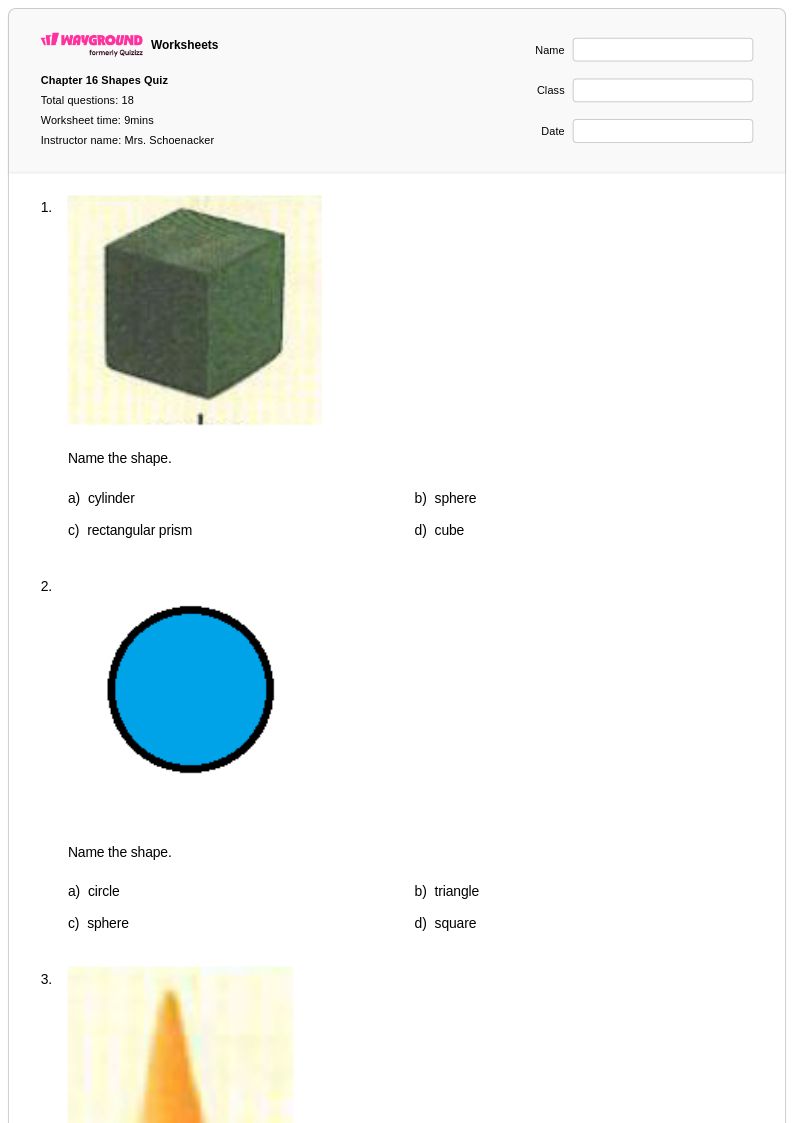
18 Q
2nd
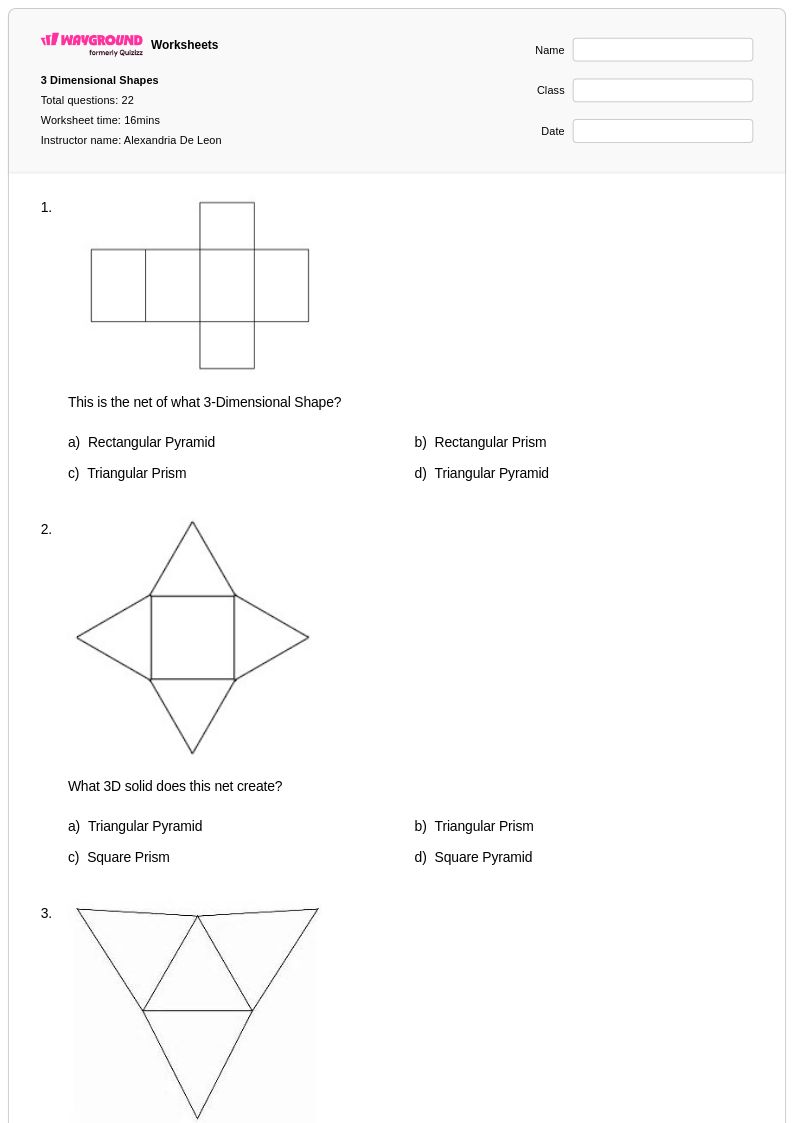
22 Q
2nd
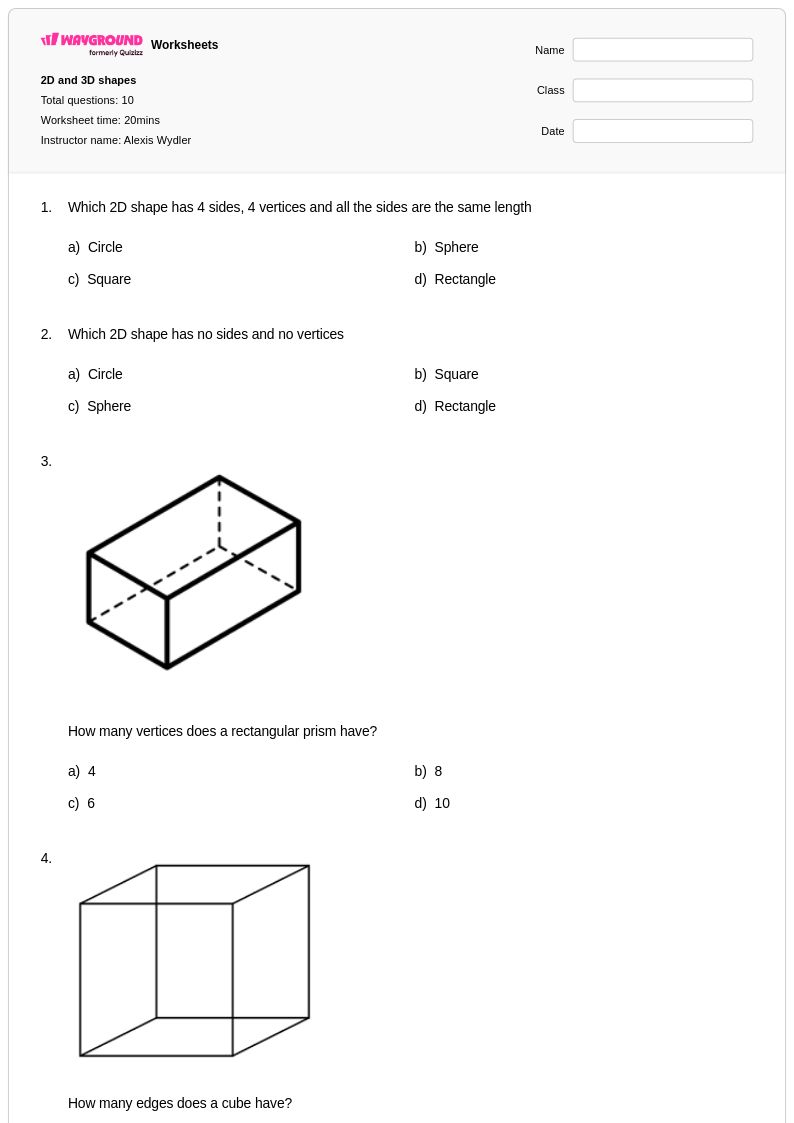
10 Q
2nd
Explore Other Subject Worksheets for grade 2
Explore printable Square Properties worksheets for Grade 2
Square properties worksheets for Grade 2 students available through Wayground (formerly Quizizz) provide young learners with essential foundational experiences in geometric shape recognition and analysis. These carefully designed practice problems introduce second-grade students to the defining characteristics of squares, including four equal sides, four right angles, and parallel opposite sides. The worksheets strengthen critical mathematical skills such as shape identification, measurement understanding, and spatial reasoning through age-appropriate activities that may include counting sides and corners, identifying squares among other shapes, and exploring real-world examples. Teachers can access comprehensive materials including detailed answer keys and free printable pdf resources that support systematic instruction in this fundamental geometry concept.
Wayground (formerly Quizizz) empowers educators with an extensive collection of millions of teacher-created resources specifically designed for square properties instruction at the Grade 2 level. The platform's robust search and filtering capabilities allow teachers to quickly locate worksheets that align with specific learning standards and accommodate diverse student needs through built-in differentiation tools. These customizable materials are available in both printable pdf format for traditional classroom use and digital formats for interactive learning experiences, providing flexibility for various teaching environments and learning preferences. The comprehensive worksheet collections support effective lesson planning while offering targeted resources for remediation, enrichment, and ongoing skill practice, enabling teachers to address individual student progress in geometric concept development with confidence and precision.
FAQs
What new properties of squares do 2nd graders learn?
How can I introduce the concept of angles in squares to 2nd graders?
What exercises help 2nd graders with square properties?
What's a common challenge for 2nd graders with this topic?
How can I use this square properties worksheet?
How does this align with 2nd-grade math standards?