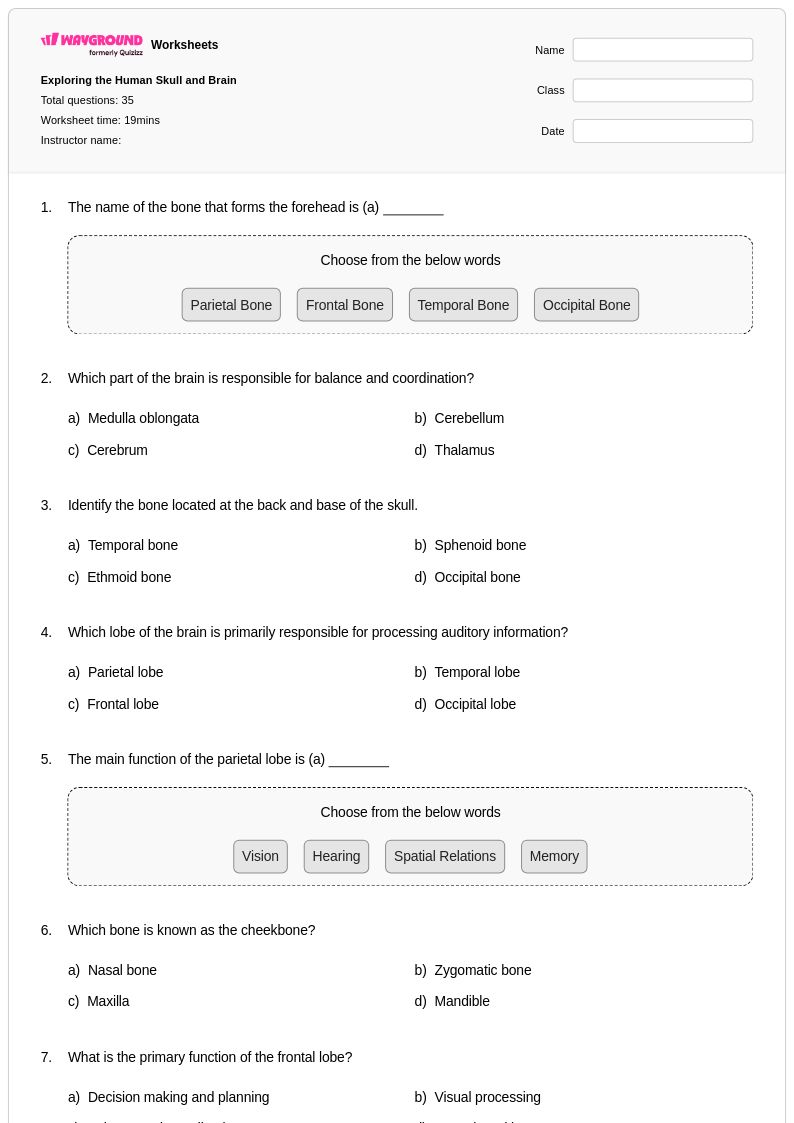
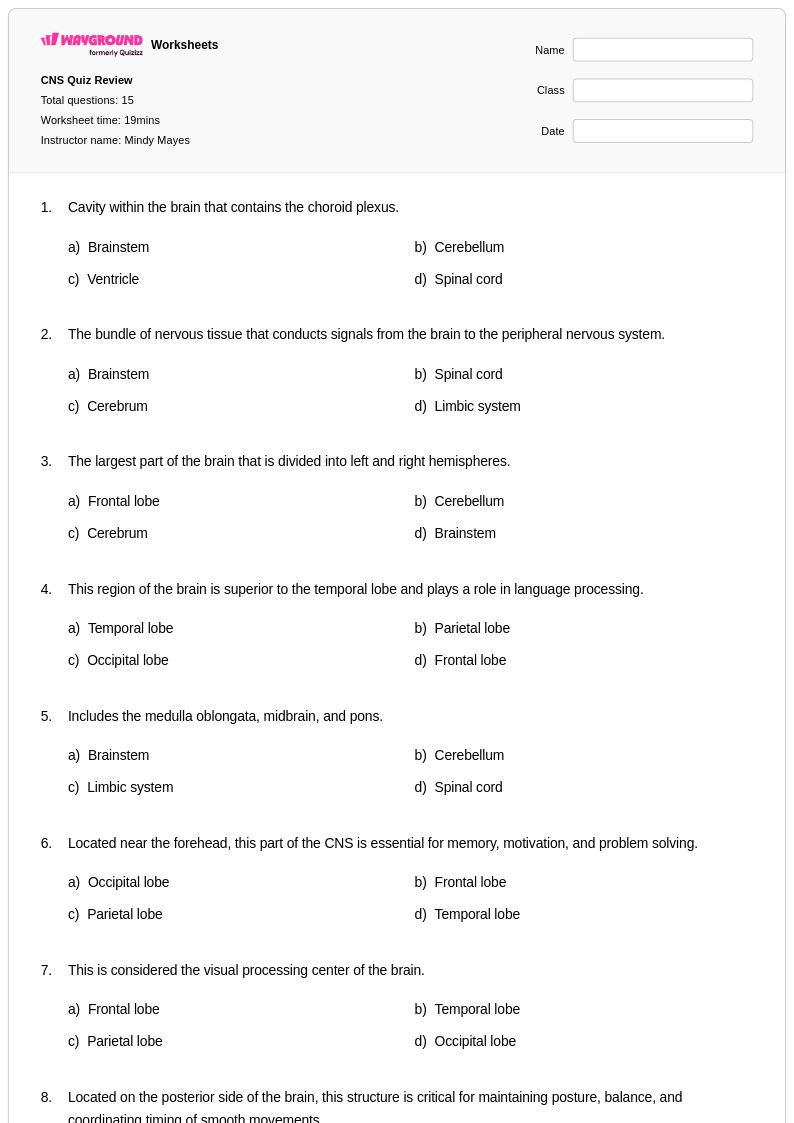
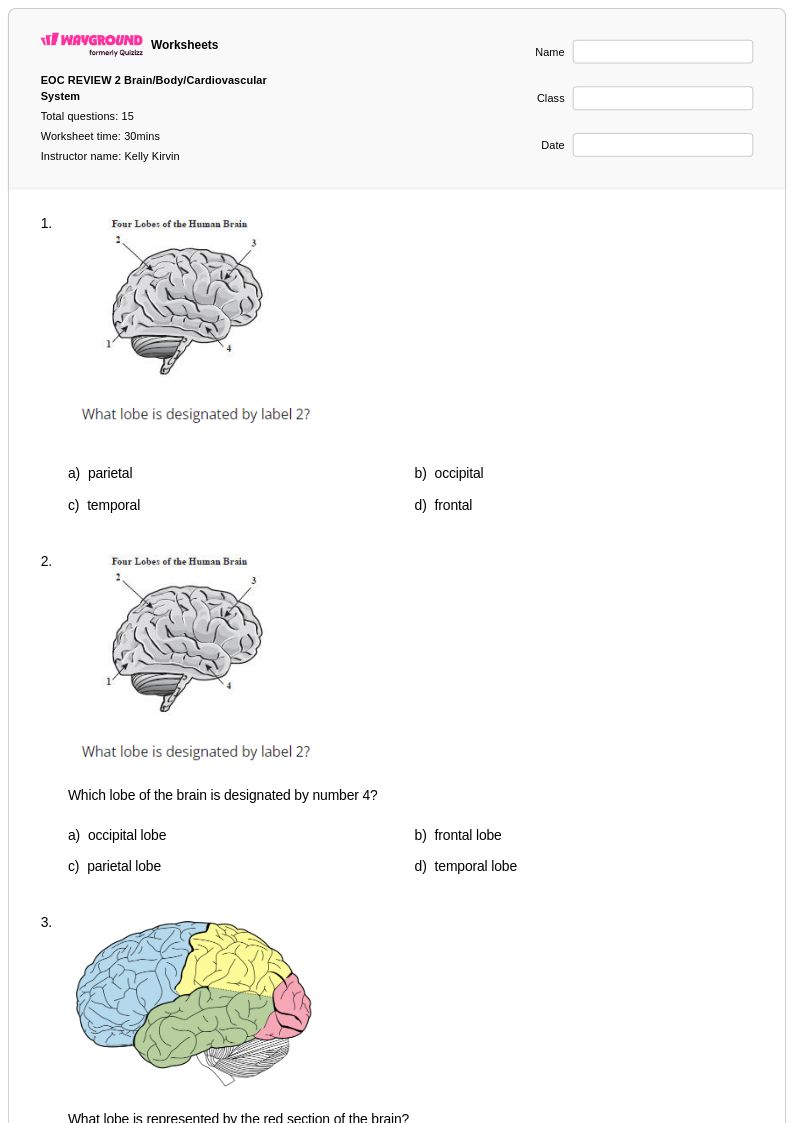
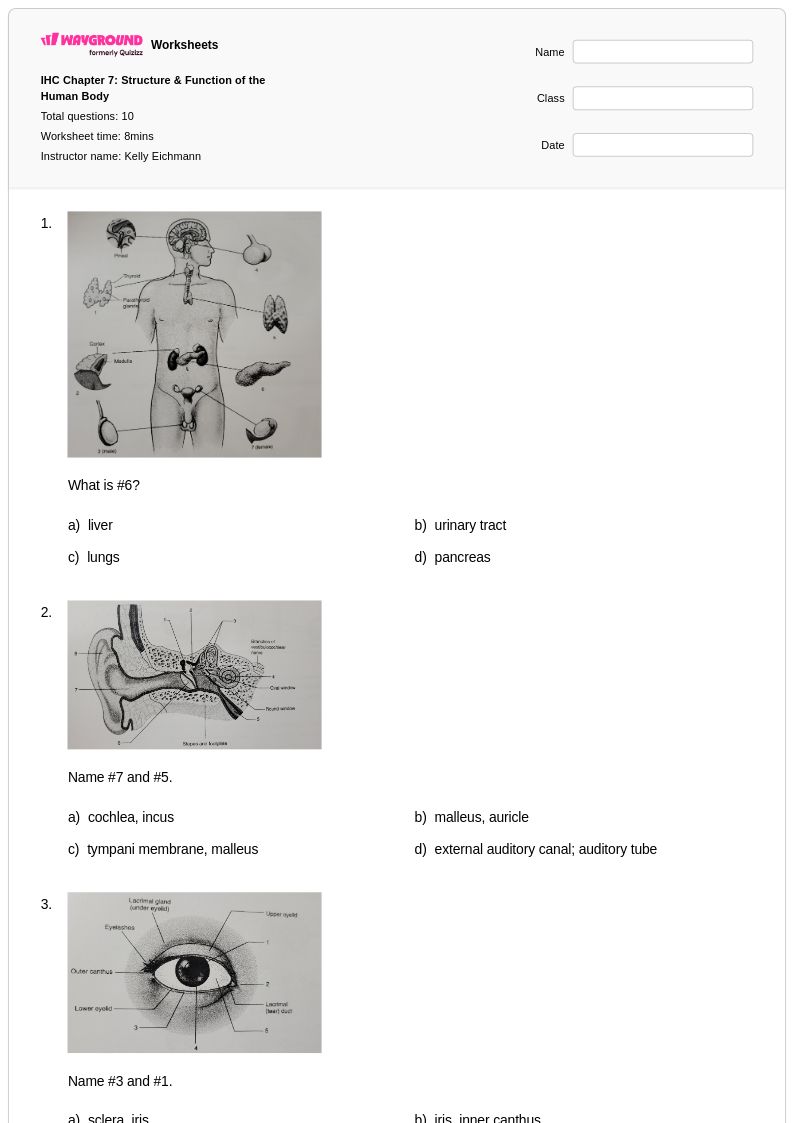
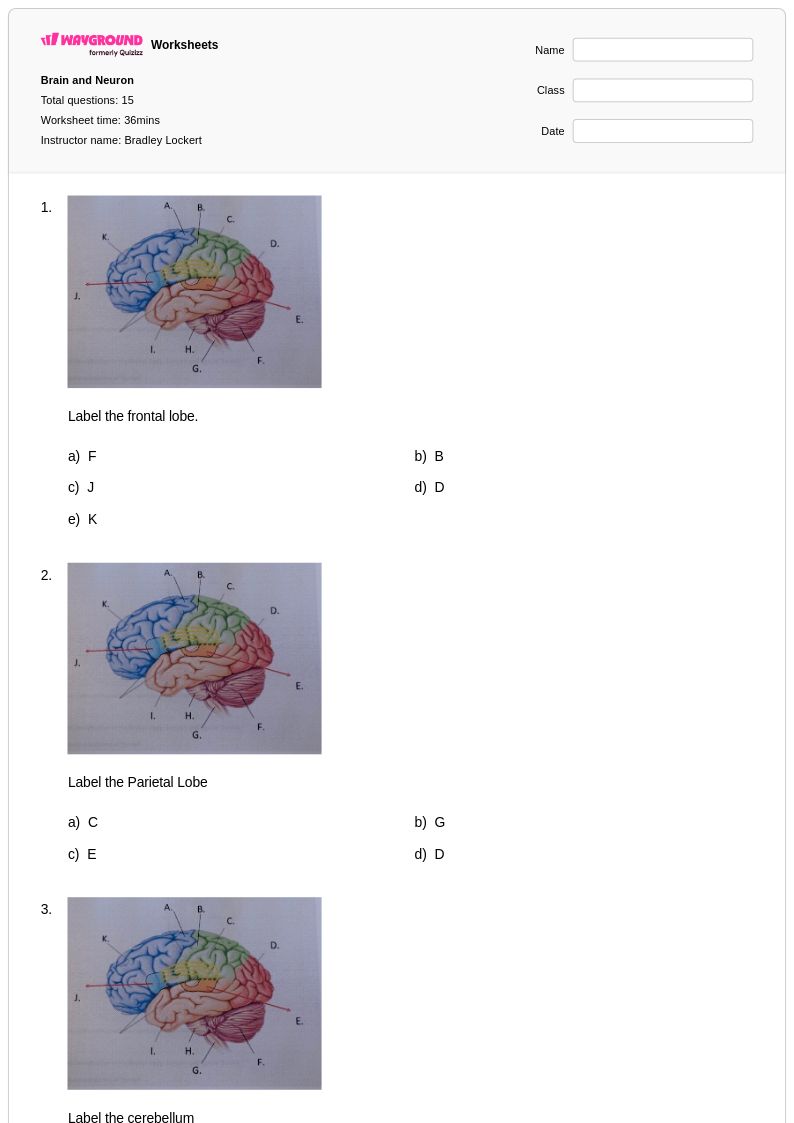
Explore Wayground's free printable worksheets on addiction and the brain, featuring practice problems and answer keys that help students understand how addictive substances affect neural pathways and brain function.
Explore printable Addiction and the Brain worksheets
Addiction and the Brain worksheets available through Wayground (formerly Quizizz) provide comprehensive resources for exploring the complex neurobiological mechanisms underlying addictive behaviors and substance dependencies. These expertly crafted materials strengthen critical analytical skills as students examine how psychoactive substances alter neural pathways, disrupt neurotransmitter systems, and create lasting changes in brain structure and function. The worksheets feature detailed practice problems that guide learners through concepts such as dopamine reward circuits, tolerance and withdrawal mechanisms, and the role of the prefrontal cortex in addiction vulnerability. Each resource includes a complete answer key and is available as free printables in convenient pdf format, enabling educators to seamlessly integrate these materials into their neuroscience and health science curricula.
Wayground (formerly Quizizz) empowers educators with millions of teacher-created resources specifically designed for addiction and brain science instruction, featuring robust search and filtering capabilities that allow quick identification of materials aligned with specific learning standards and objectives. The platform's differentiation tools enable teachers to customize worksheet difficulty levels and modify content to meet diverse student needs, while flexible formatting options provide both printable pdf versions and interactive digital alternatives. These comprehensive features streamline lesson planning by offering ready-to-use materials for skill practice, targeted remediation for students struggling with complex neurochemical concepts, and enrichment activities for advanced learners seeking deeper exploration of addiction neuroscience. The extensive collection ensures educators have access to current, scientifically accurate content that effectively bridges the gap between theoretical knowledge and practical understanding of how addiction affects the human brain.
FAQs
How do I teach students about addiction and the brain in a health or science class?
Start by grounding the lesson in brain structure and function — specifically the dopamine reward circuit and the role of the prefrontal cortex in decision-making and impulse control. From there, introduce how psychoactive substances hijack these systems, creating tolerance, dependence, and withdrawal. Using real neurological models or case-based scenarios helps students connect abstract neurochemistry to observable behaviors, making the content both scientifically rigorous and personally relevant.
What worksheets or activities help students practice understanding how addiction affects the brain?
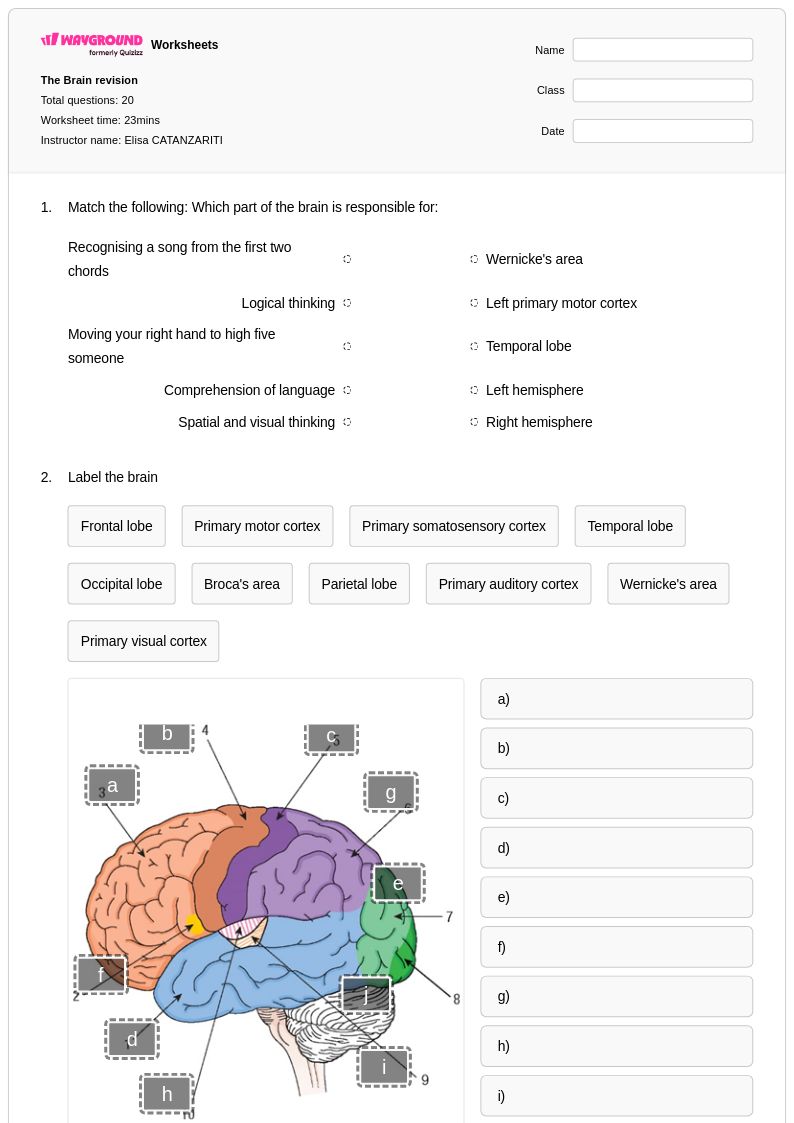
Effective practice activities include labeling diagrams of dopamine reward pathways, analyzing how specific substances disrupt neurotransmitter systems, and completing cause-and-effect charts that trace the progression from first use to physical dependence. Worksheets that ask students to compare healthy brain function with addiction-altered brain function are particularly effective at reinforcing the neurobiological mechanisms underlying addictive behavior.
What misconceptions do students commonly have about addiction and brain chemistry?
A common misconception is that addiction is purely a matter of willpower or moral failure rather than a neurobiological condition. Students often underestimate the structural changes that chronic substance use causes in the brain, particularly in the prefrontal cortex, which governs judgment and self-regulation. Another frequent error is confusing tolerance with addiction — students may not understand that physical dependence and addictive behavior involve distinct but overlapping mechanisms.
How do I use Wayground's addiction and the brain worksheets in my classroom?
Wayground's addiction and the brain worksheets are available as printable PDFs for traditional classroom use and in digital formats for technology-integrated environments, including the option to host them as a quiz directly on Wayground. Each worksheet includes a complete answer key, so teachers can use them for guided practice, independent review, or formative assessment. For students who need additional support, Wayground's accommodation tools allow teachers to enable read-aloud features, extended time, or reduced answer choices on an individual basis without disrupting the rest of the class.
How does the dopamine reward circuit relate to addiction, and how do I explain it to students?
The dopamine reward circuit — centered in the nucleus accumbens and reinforced by input from the prefrontal cortex — releases dopamine in response to pleasurable stimuli, reinforcing behaviors the brain registers as rewarding. Addictive substances artificially flood this system with dopamine, producing a much stronger signal than natural rewards, which over time desensitizes the circuit and compels repeated use. A useful classroom approach is to first establish how dopamine functions in everyday motivation before showing how substances distort that same system.
How can I differentiate addiction and the brain instruction for students at different levels?
For students who need scaffolding, focus on foundational vocabulary — neurotransmitter, synapse, tolerance, withdrawal — before introducing more complex mechanisms like receptor downregulation or prefrontal cortex impairment. Advanced learners can engage with enrichment content exploring the neurobiological differences between substance use disorders and behavioral addictions. On Wayground, teachers can customize worksheet difficulty and apply individual accommodations such as read-aloud support or reduced answer choices, allowing the same assignment to serve students across a range of learning needs.