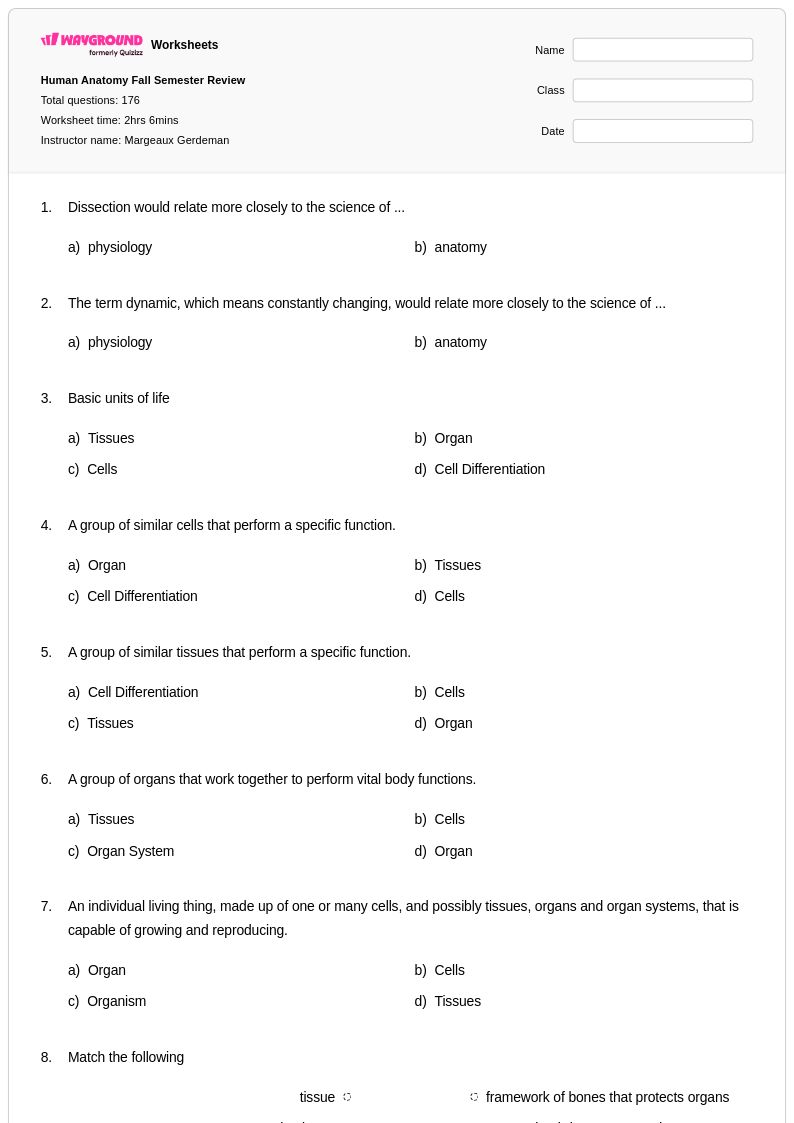
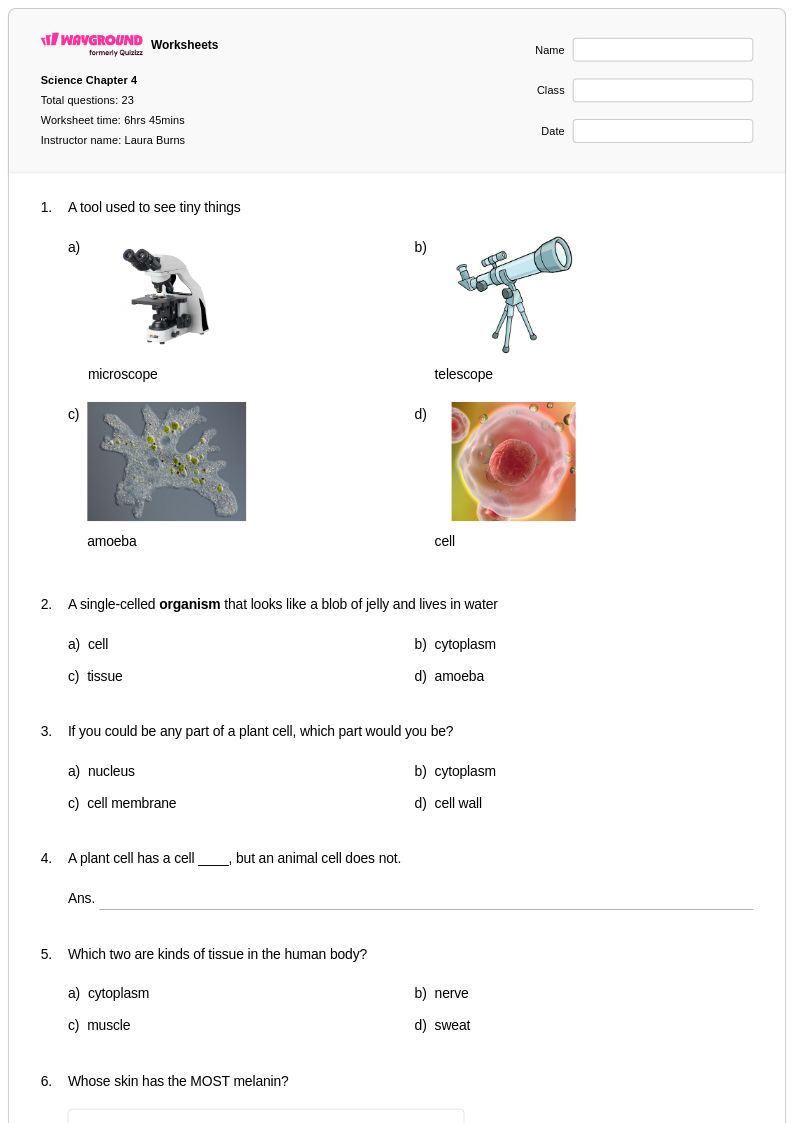
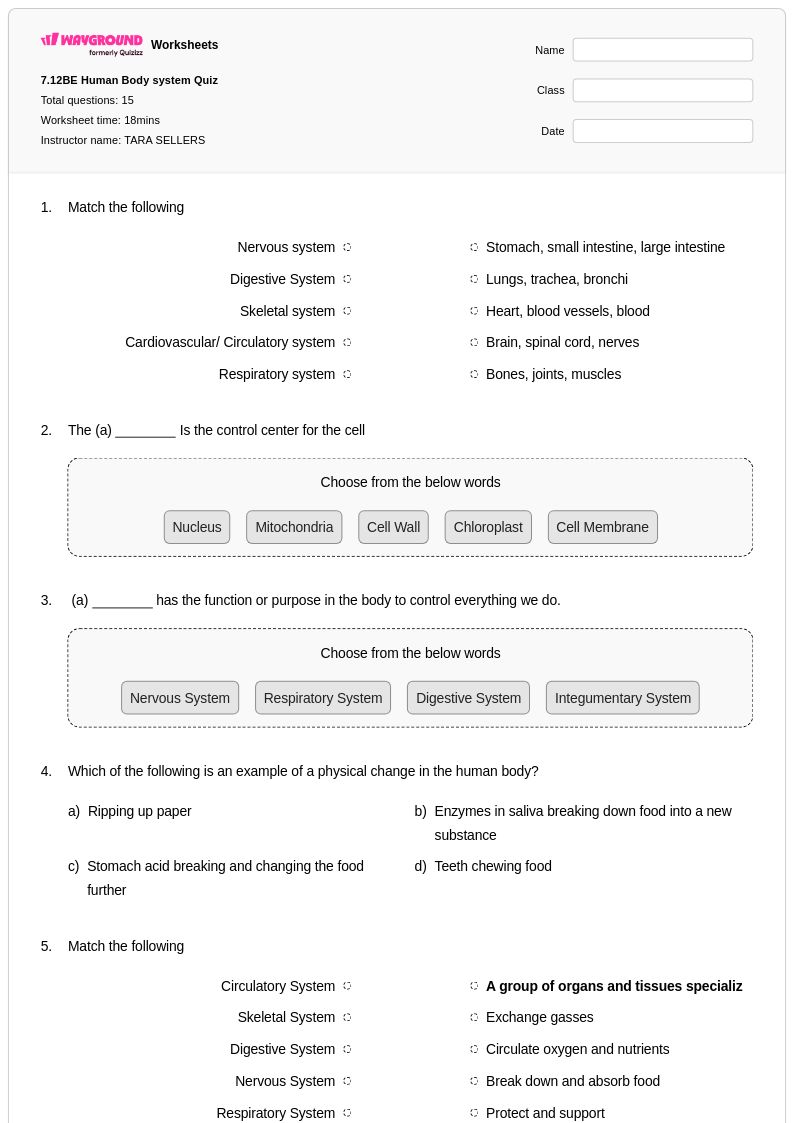
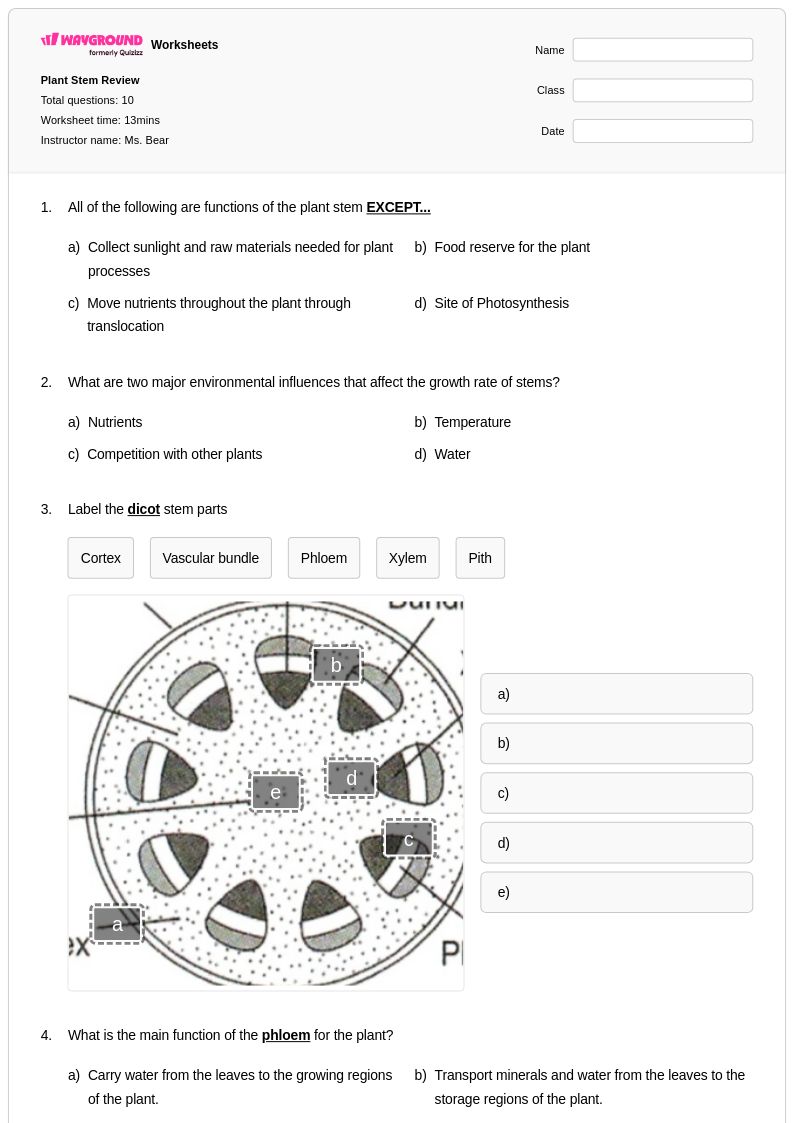
Explore Wayground's comprehensive collection of free cell anatomy worksheets and printables that help students master cellular structures, organelles, and functions through engaging practice problems and detailed answer keys.
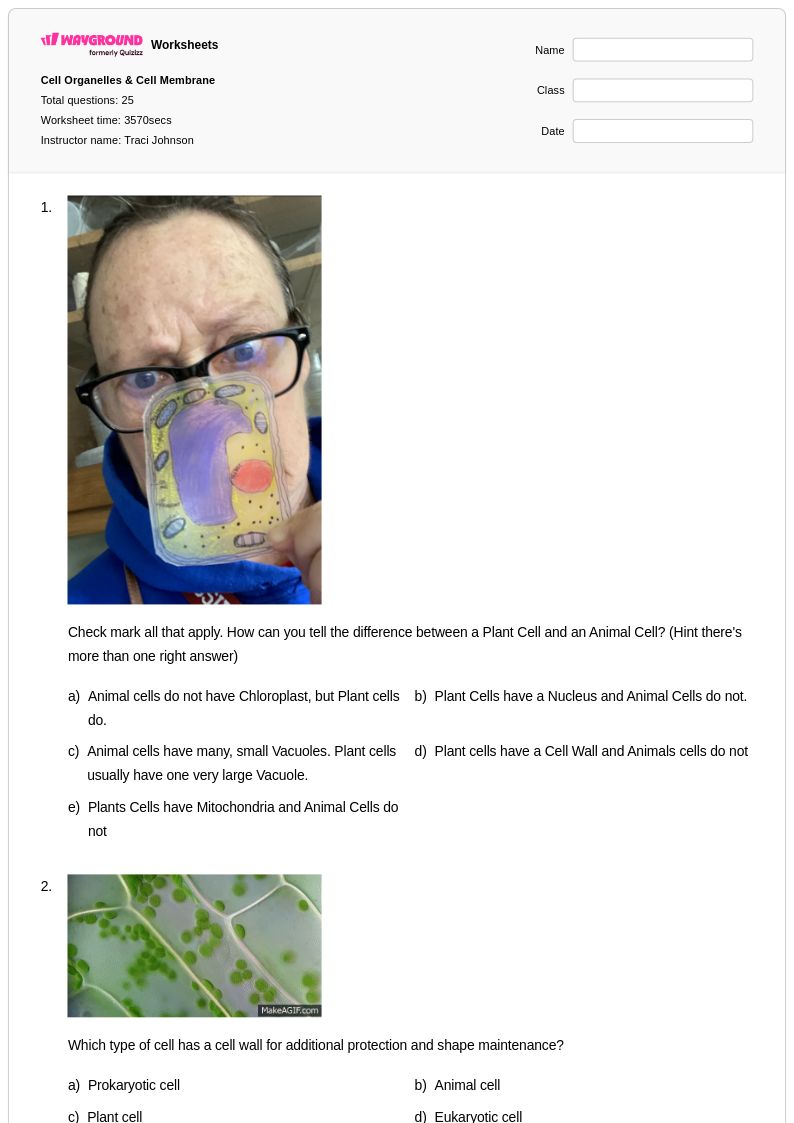
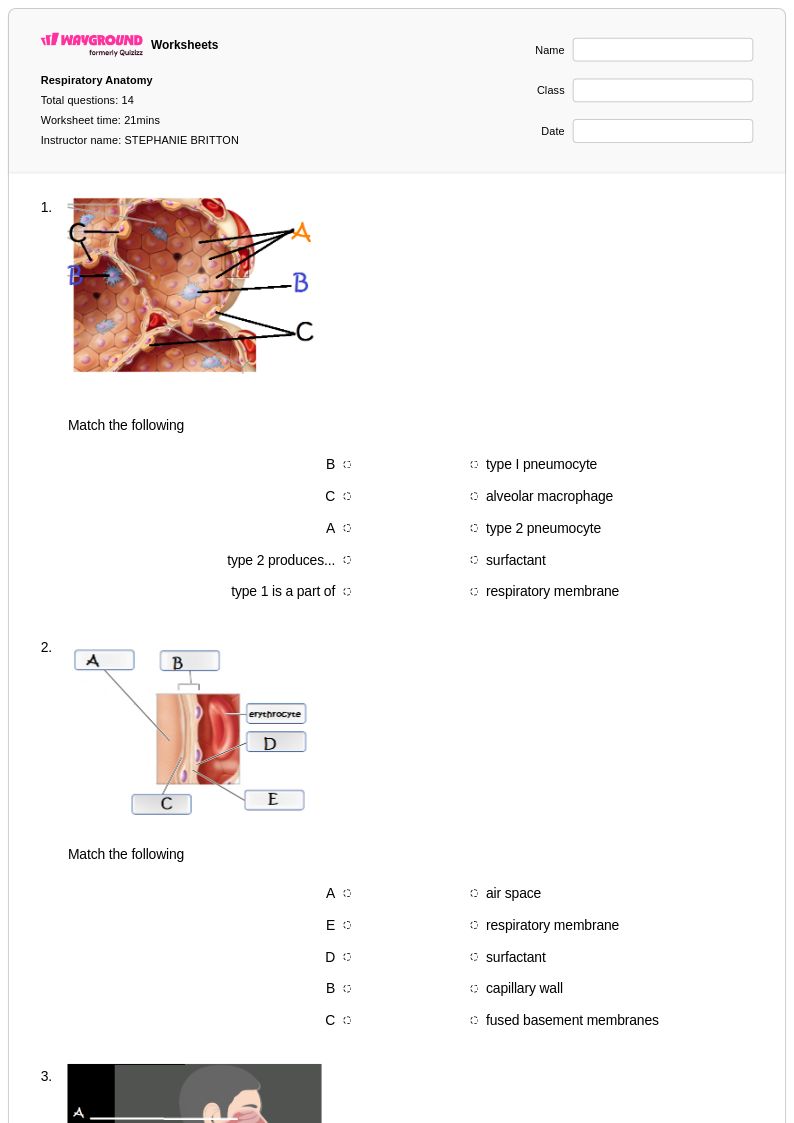
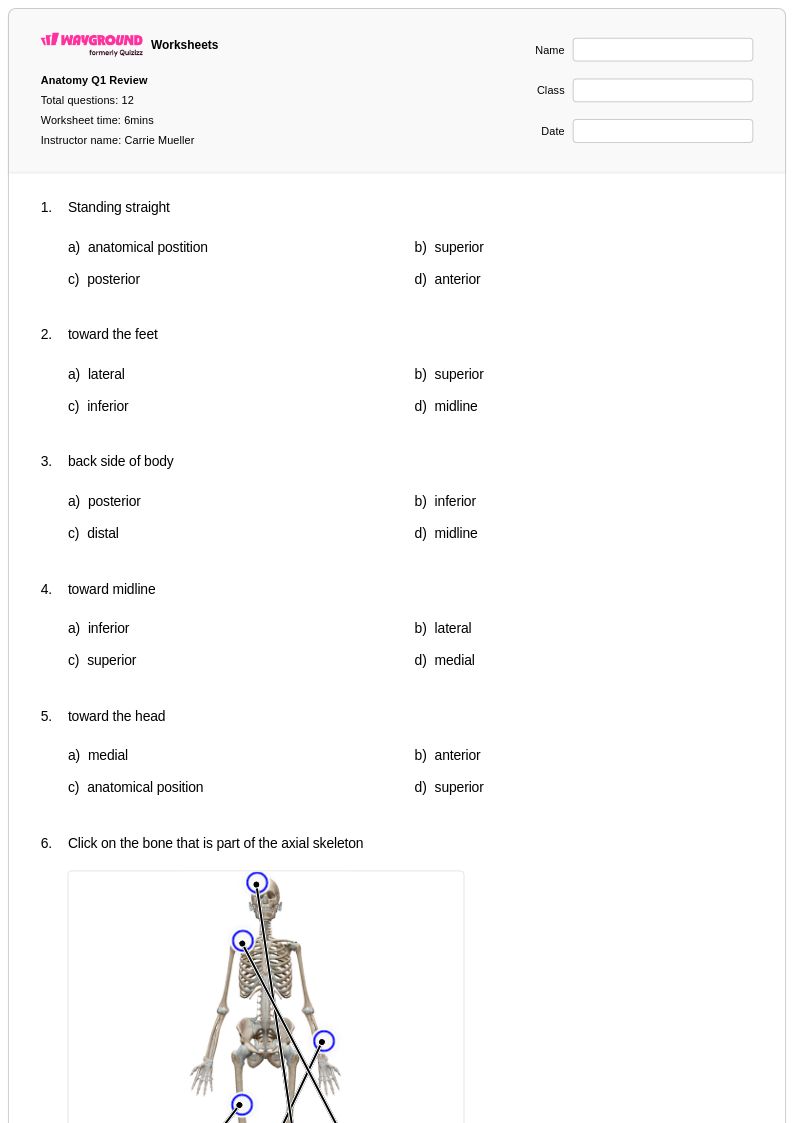
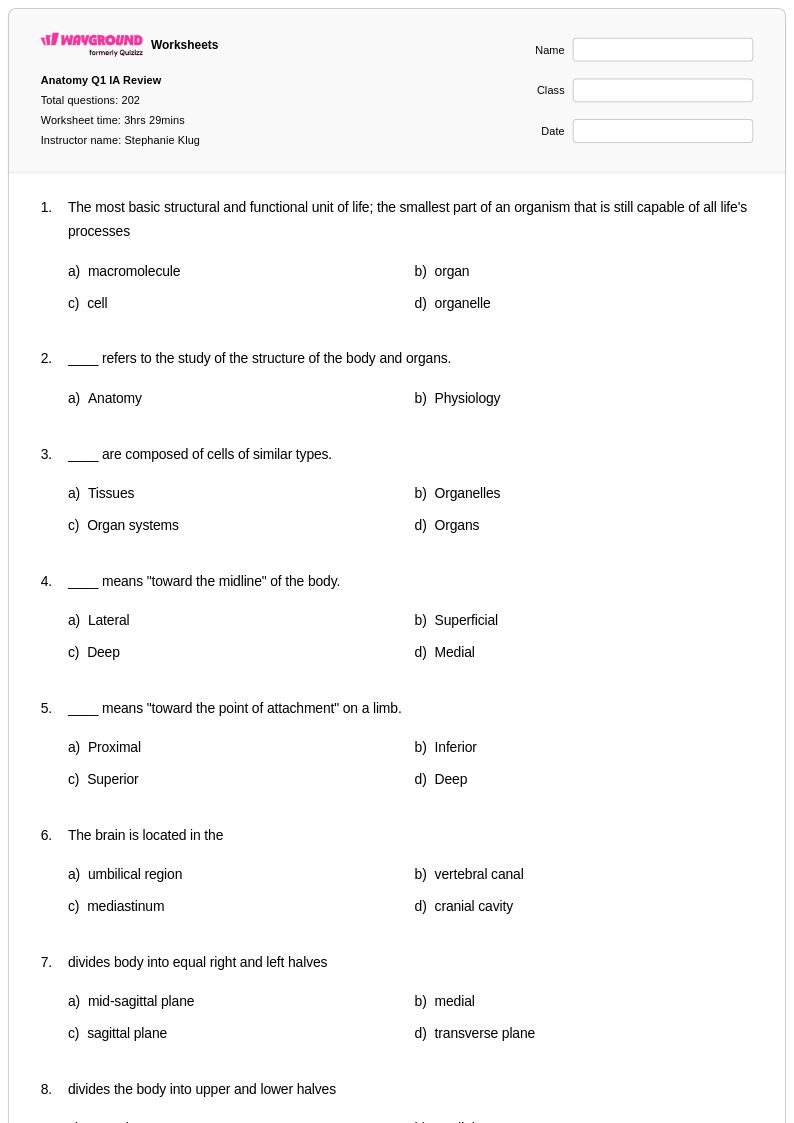
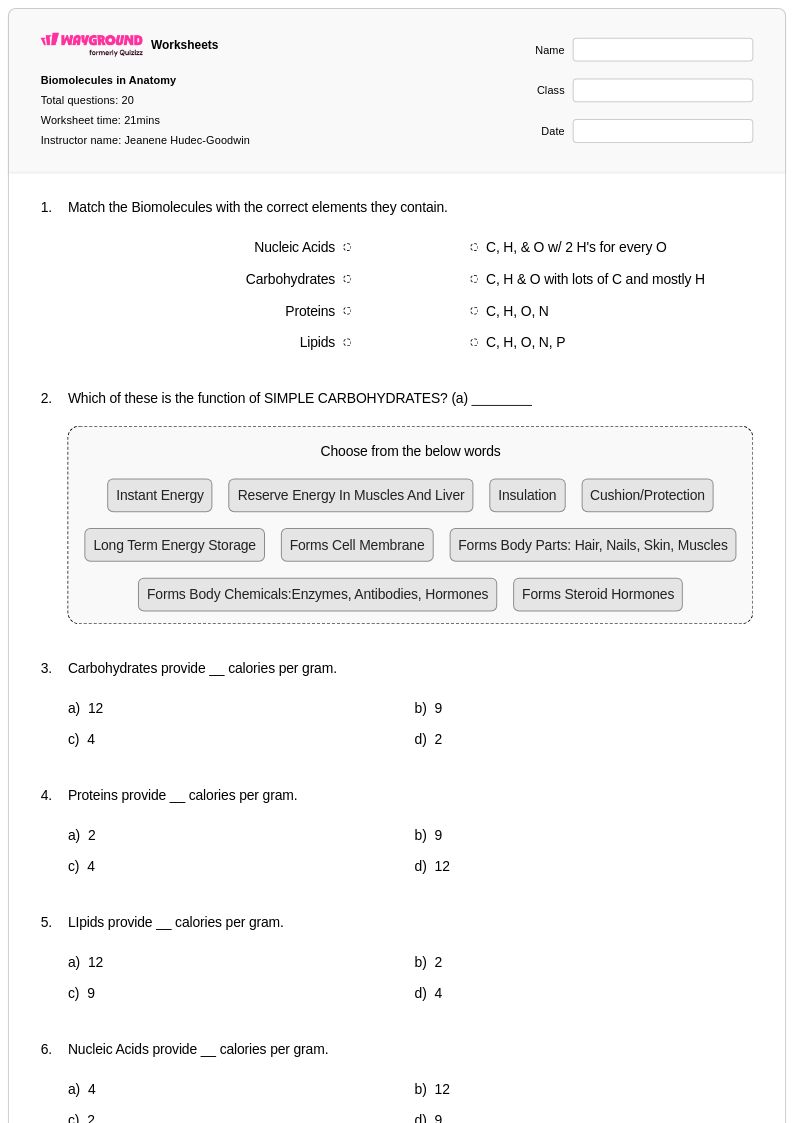
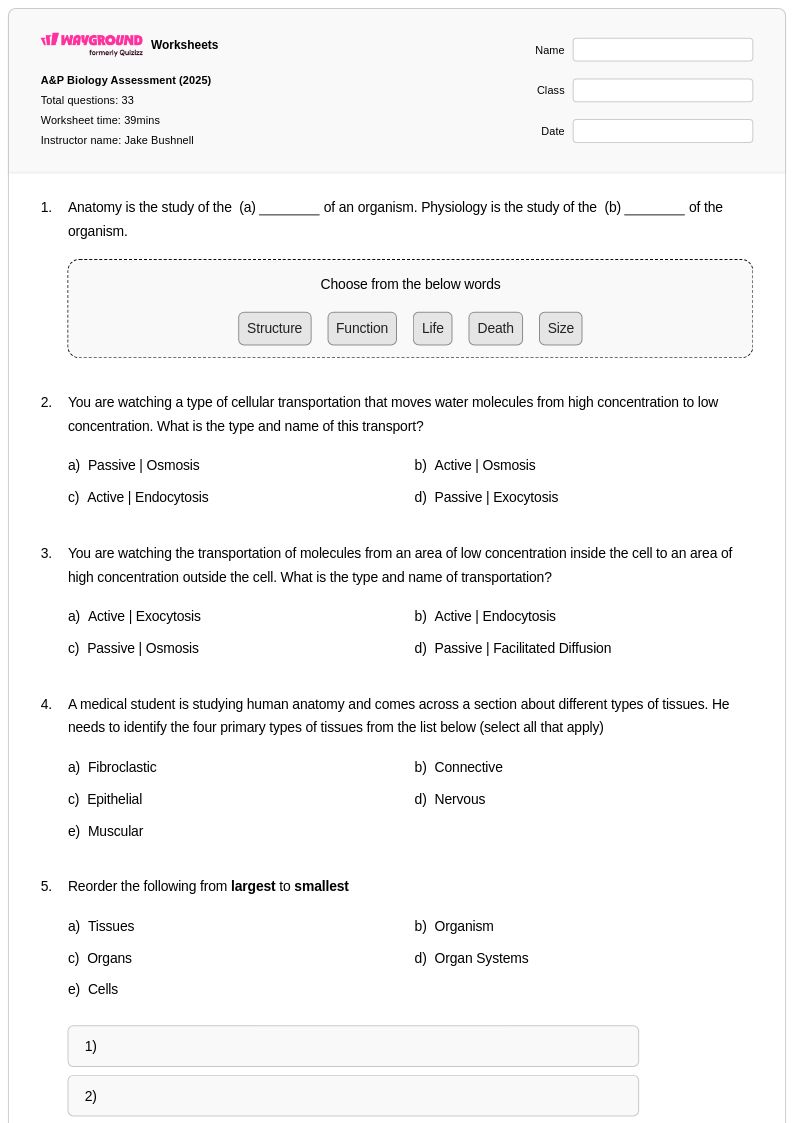
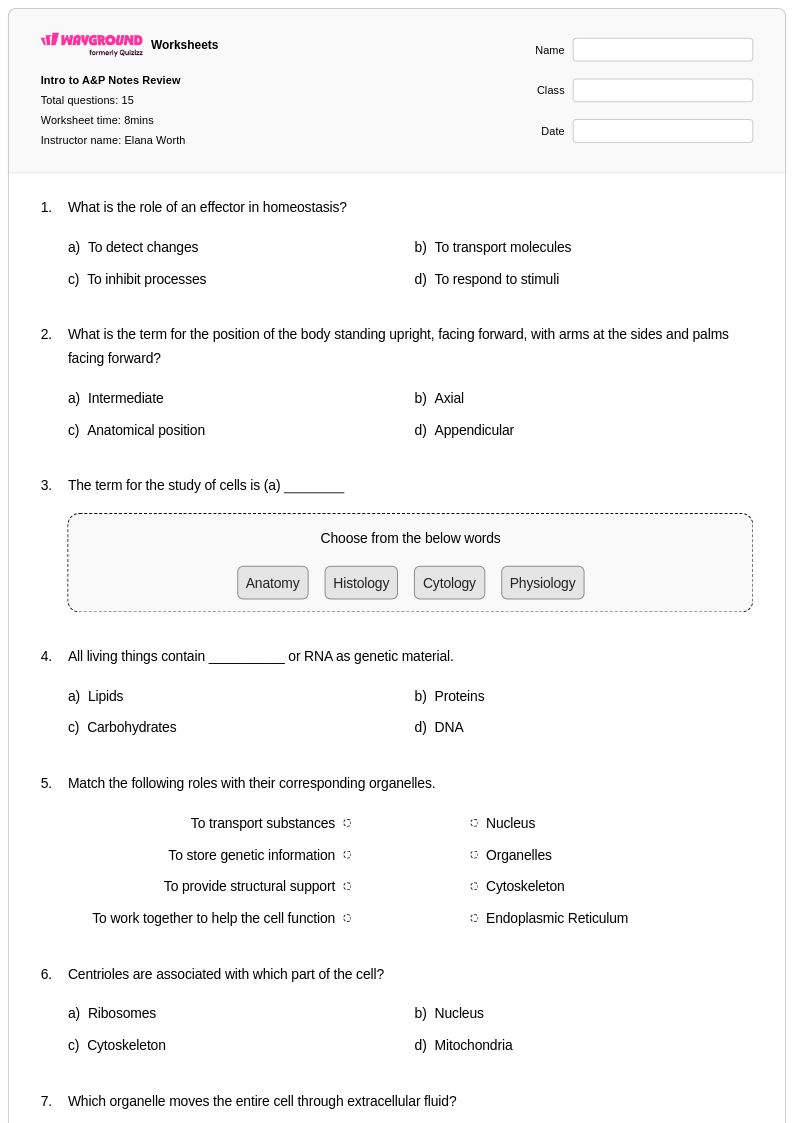
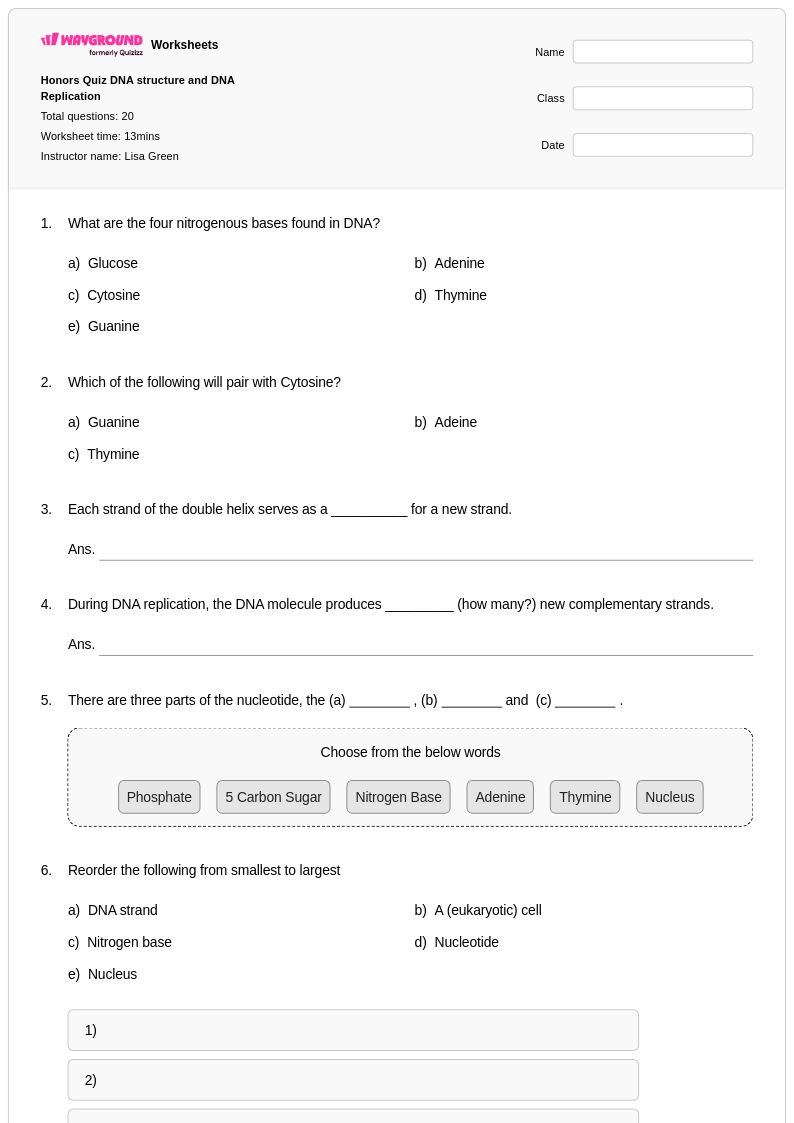
Cell anatomy worksheets available through Wayground (formerly Quizizz) provide comprehensive educational resources that help students master the fundamental structures and functions of cellular components. These meticulously designed materials guide learners through detailed exploration of organelles, membrane systems, and cellular processes, strengthening critical skills in microscopic observation, diagram interpretation, and biological vocabulary development. The collection includes diverse practice problems that challenge students to identify cellular structures, compare prokaryotic and eukaryotic cells, and analyze the relationships between cellular components and their specialized functions. Each worksheet comes complete with detailed answer keys and is available as free printable PDFs, making them accessible resources for reinforcing essential cell biology concepts through hands-on learning activities.
Wayground's extensive library of millions of teacher-created cell anatomy resources empowers educators with sophisticated tools to enhance their biology instruction across all learning levels. The platform's robust search and filtering capabilities allow teachers to quickly locate materials that align with specific curriculum standards and learning objectives, while built-in differentiation tools enable seamless customization for diverse student needs. These comprehensive worksheet collections are available in both printable PDF formats and interactive digital versions, providing flexibility for classroom instruction, homework assignments, and independent study sessions. Teachers can efficiently plan targeted lessons, design remediation activities for struggling learners, create enrichment opportunities for advanced students, and implement systematic skill practice that builds deep understanding of cellular structures and their vital biological functions.
FAQs
How do I teach cell anatomy to middle and high school students?
Start by distinguishing prokaryotic and eukaryotic cells before introducing individual organelles, since students need that structural framework to make sense of specialized functions. Use labeled diagrams alongside microscopy activities so students connect visual representations to real cellular structures. Sequencing instruction from membrane systems outward to internal organelles helps students build a mental model rather than memorizing isolated vocabulary terms.
What exercises help students practice identifying cell organelles and their functions?
Diagram labeling exercises are the most direct practice tool for cell anatomy, requiring students to identify organelles by location and structure rather than by name alone. Comparison charts that place prokaryotic and eukaryotic cells side by side reinforce categorical thinking and prevent common mix-ups. Practice problems that ask students to match organelles to specific biological processes, such as linking mitochondria to ATP production, build the functional understanding that assessments target.
What mistakes do students commonly make when learning cell anatomy?
The most frequent error is conflating structure with function, for example, knowing that the mitochondria produce energy without understanding why the folded inner membrane increases surface area for that process. Students also routinely confuse the cell wall and cell membrane, or assume all cells contain the same organelles regardless of cell type. A third common misconception is treating the nucleus as simply a container for DNA rather than understanding its role in transcription and gene regulation.
How can I differentiate cell anatomy instruction for students with different learning needs?
For students who struggle with dense biological vocabulary, reducing the number of organelles covered in a single session and providing word banks on labeling exercises lowers cognitive load without reducing rigor. Wayground supports student-level accommodations including Read Aloud, which reads worksheet content aloud for students who need it, and reduced answer choices, which limits options on identification questions for students who need additional scaffolding. These settings can be applied to individual students while the rest of the class receives standard materials, and they carry over automatically to future sessions.
How do I use Wayground's cell anatomy worksheets in my classroom?
Wayground's cell anatomy worksheets are available as printable PDFs for traditional classroom use and in digital formats for technology-integrated or remote learning environments, including the option to host them as a quiz directly on Wayground. Teachers can use the search and filtering tools to locate materials aligned to specific curriculum standards, then assign them as in-class practice, homework, or remediation activities. Each worksheet includes a complete answer key, so grading and feedback can be handled efficiently without additional prep.
How do I assess whether students truly understand cell anatomy versus just memorizing terms?
Move beyond simple identification by asking students to explain why a cell type that performs high energy output, such as a muscle cell, would contain more mitochondria than a less active cell. Scenario-based questions that present a malfunctioning organelle and ask students to predict downstream effects reveal whether students understand functional interdependence rather than isolated facts. Diagram interpretation tasks, where students analyze an unlabeled image and justify their organelle identifications, are also strong indicators of conceptual understanding versus surface memorization.