
Free Printable Chicken Anatomy Worksheets for Class 10
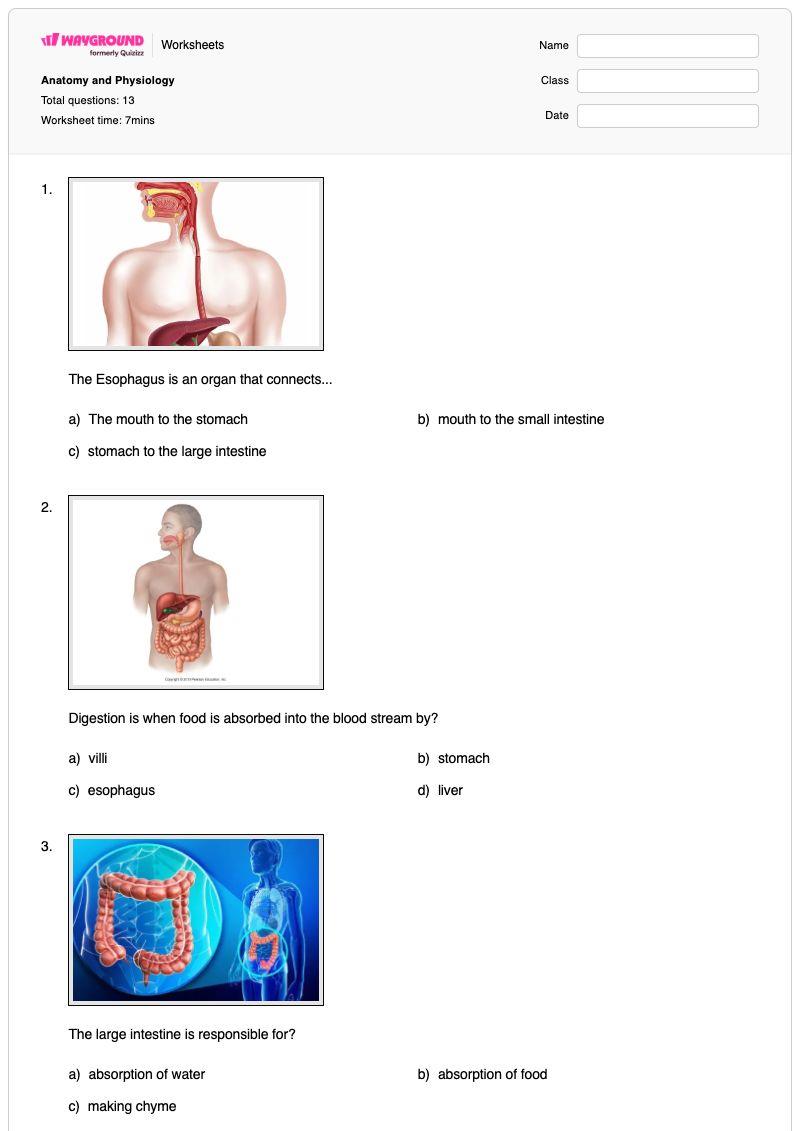
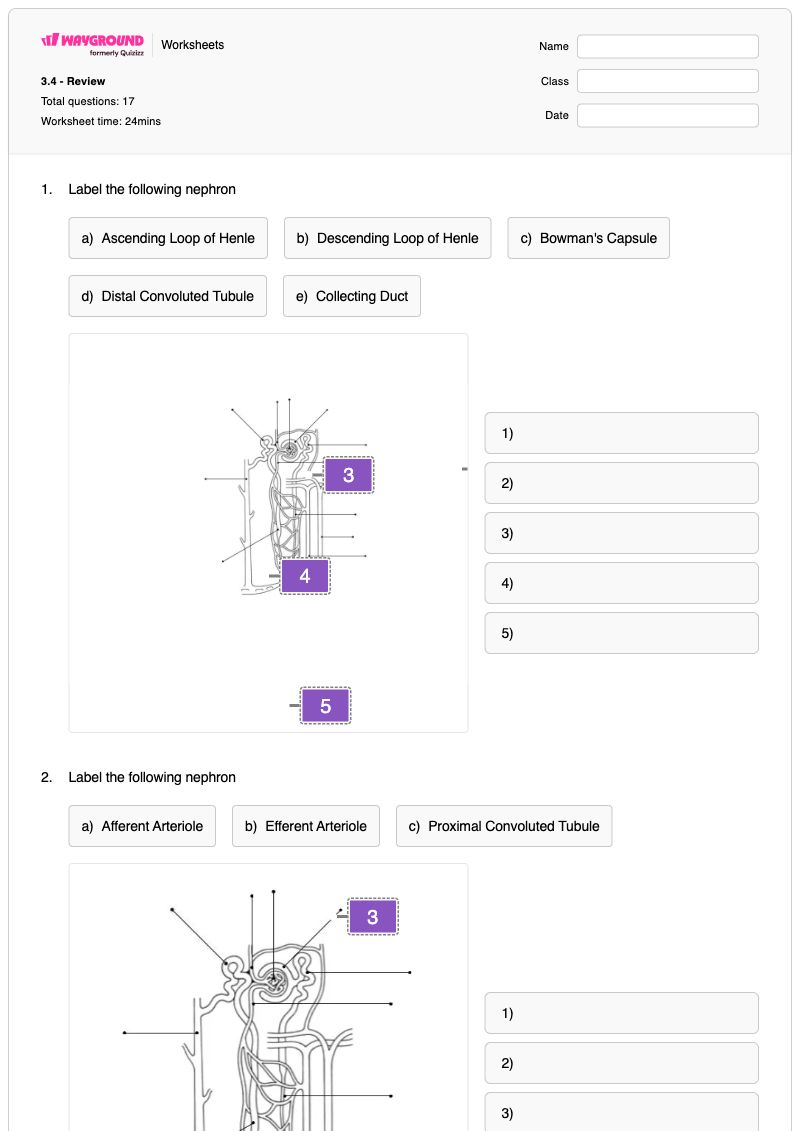
Explore Class 10 chicken anatomy through Wayground's comprehensive collection of free biology worksheets and printable PDFs, featuring detailed practice problems and answer keys to help students master avian body systems.
Download any worksheet with a free account
Free PDF downloads, saved to your library.
Keep exploring
Explore printable Chicken Anatomy worksheets for Class 10
Chicken anatomy worksheets for Class 10 biology students available through Wayground provide comprehensive exploration of avian physiological systems and structural adaptations. These educational resources guide students through detailed examination of respiratory, circulatory, digestive, and skeletal systems unique to chickens, helping them understand how anatomical features relate to specific functions like flight capability, egg production, and metabolic efficiency. Students develop critical observation skills while analyzing comparative anatomy concepts, identifying major organs and body systems, and connecting structural characteristics to evolutionary advantages. The collection includes varied practice problems that challenge students to apply their knowledge of anatomical terminology, system interactions, and physiological processes, with answer keys supporting independent learning and self-assessment. These free printables and pdf resources strengthen scientific literacy while building foundational knowledge essential for advanced biological studies.
Wayground supports biology educators with an extensive collection of teacher-created chicken anatomy worksheets specifically designed for Class 10 instruction standards. The platform's millions of resources include detailed anatomical diagrams, labeling exercises, comparative analysis activities, and assessment tools that align with curriculum requirements for life science education. Advanced search and filtering capabilities allow teachers to quickly locate materials matching specific learning objectives, whether focusing on respiratory adaptations, reproductive systems, or muscular structure. The differentiation tools enable educators to customize worksheets for varying skill levels, supporting both remediation for struggling students and enrichment opportunities for advanced learners. Available in both printable and digital formats including downloadable pdf versions, these resources facilitate flexible lesson planning while providing consistent access to high-quality anatomical study materials that enhance student understanding of complex biological systems.
Frequently asked questions
Start with external anatomy before moving to internal systems, using labeled diagrams to help students build vocabulary around structures like the comb, wattle, crop, gizzard, and air sacs. Connecting each structure to its function, such as explaining how the gizzard grinds food in the absence of teeth, gives students a physiological framework rather than isolated memorization. Comparative anatomy is especially effective here: positioning chickens alongside other vertebrates helps students recognize shared structures while identifying avian-specific adaptations.