
20 Q
8th - Uni
13 Q
9th - 10th
20 Q
10th - Uni
15 Q
10th - Uni
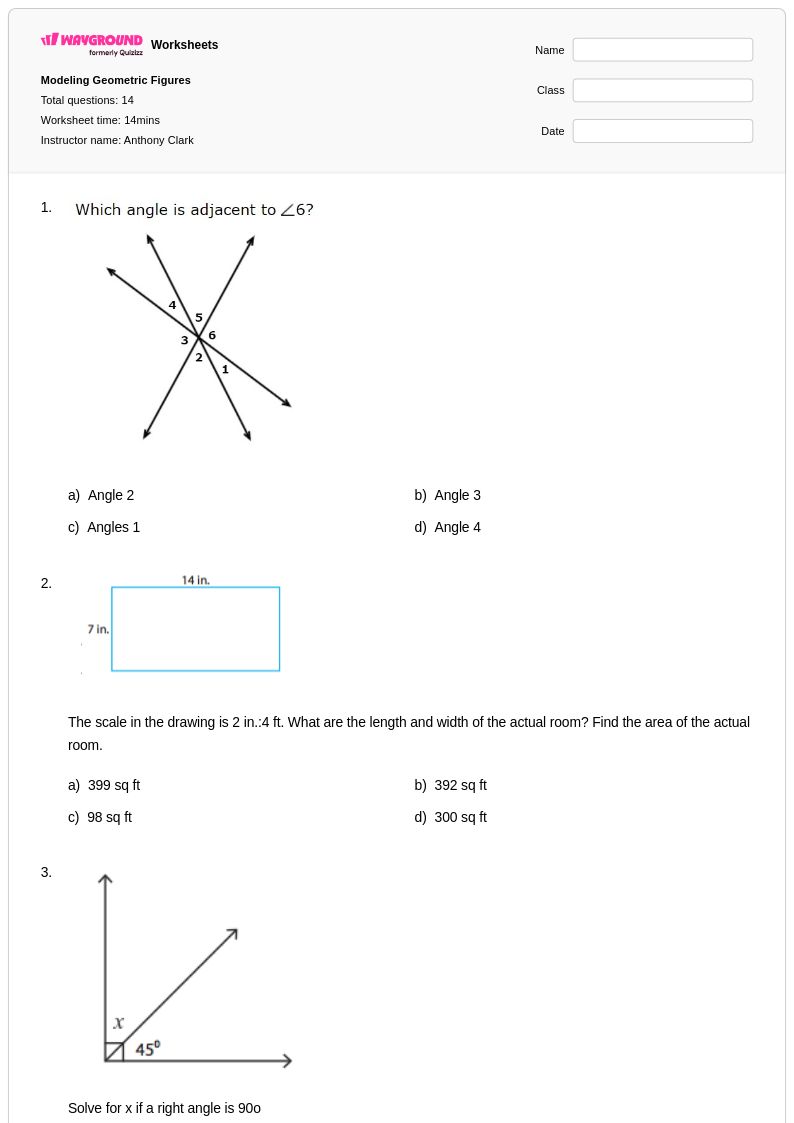
14 Q
7th - Uni
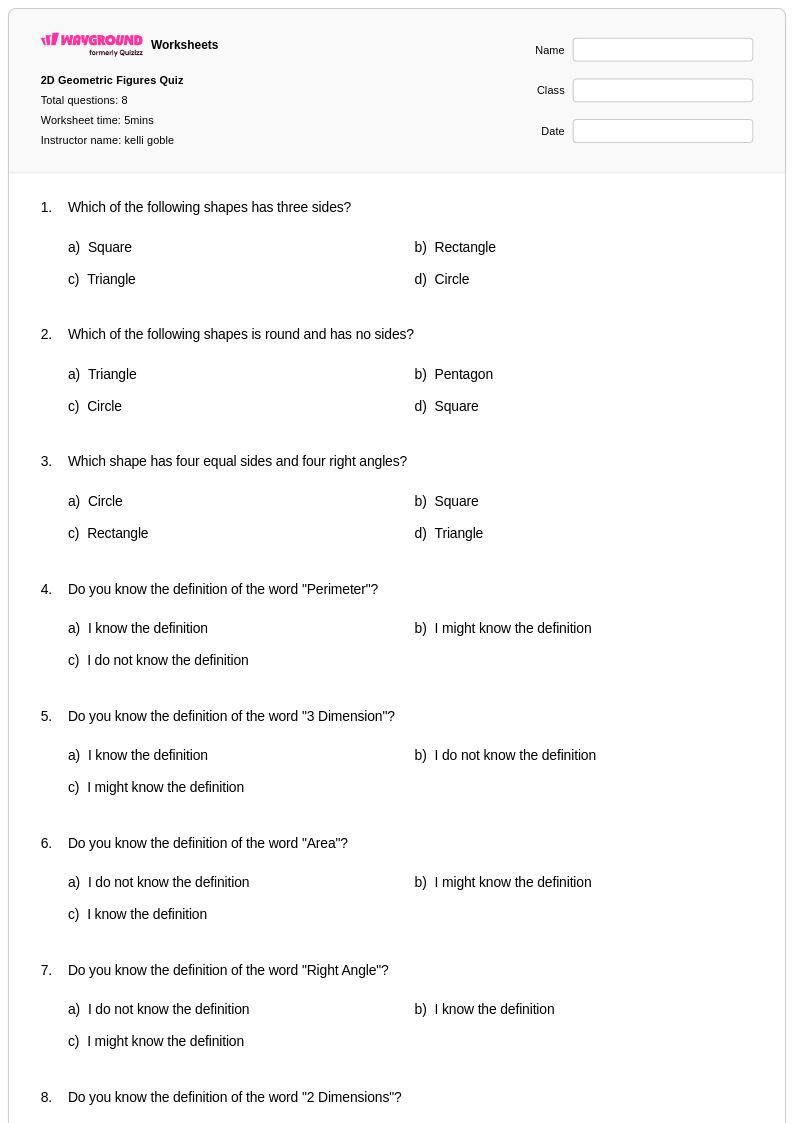
8 Q
5th
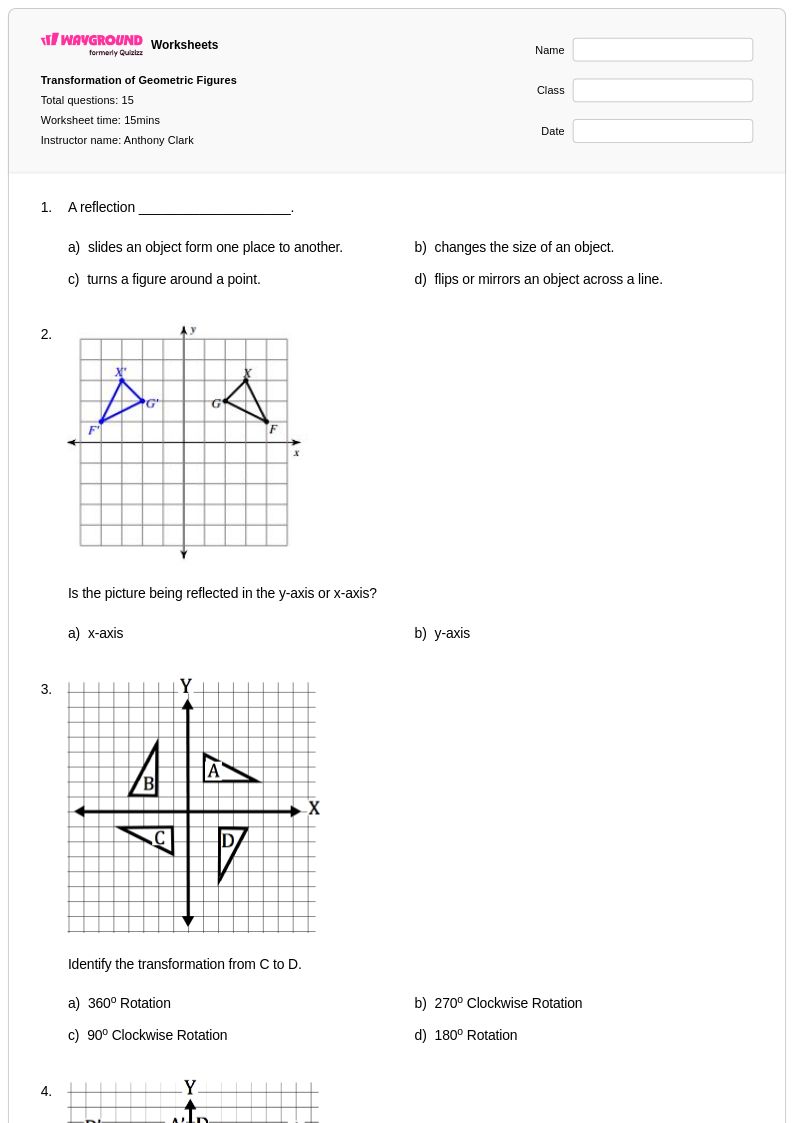
15 Q
8th - Uni
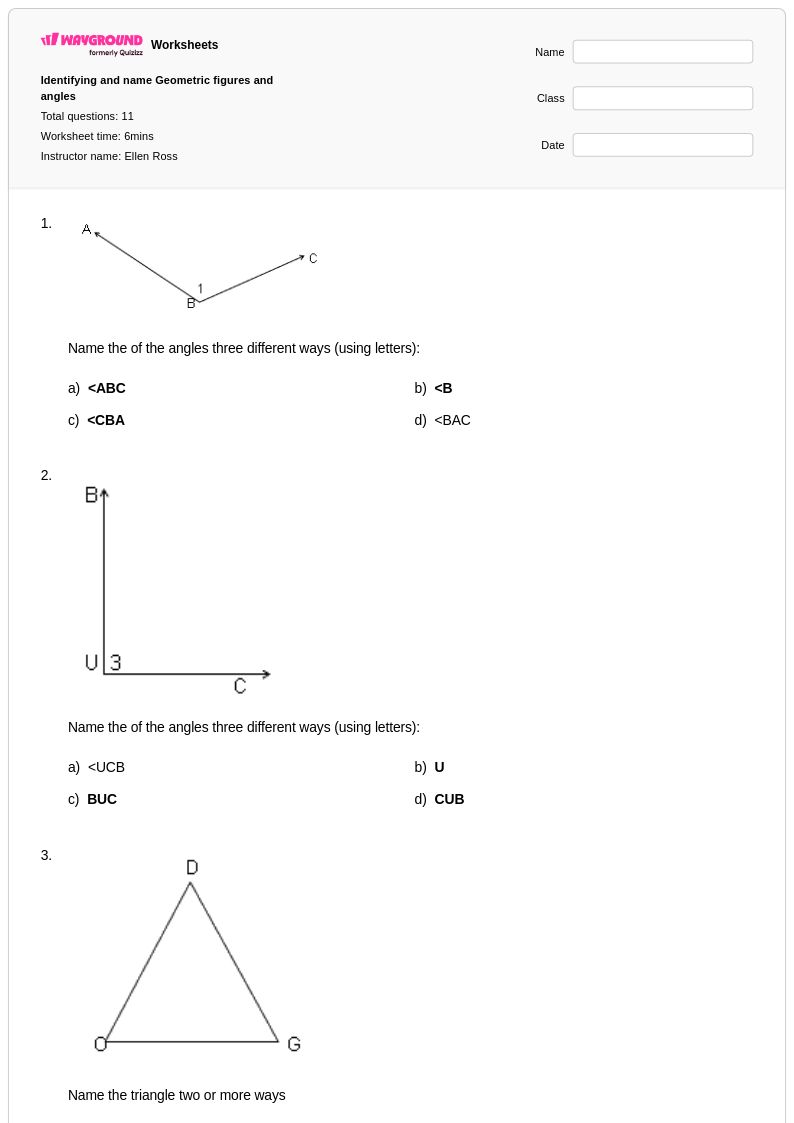
11 Q
10th
12 Q
7th
18 Q
8th
40 Q
8th
21 Q
7th - 10th
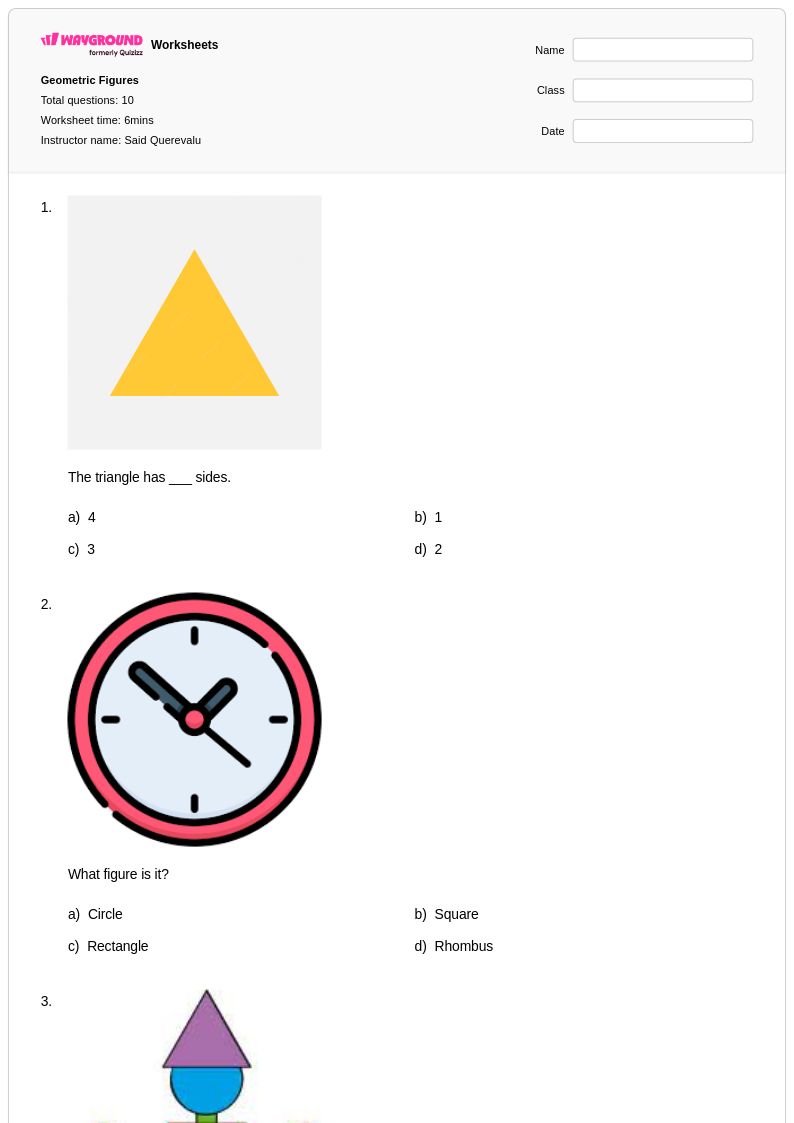
10 Q
1st
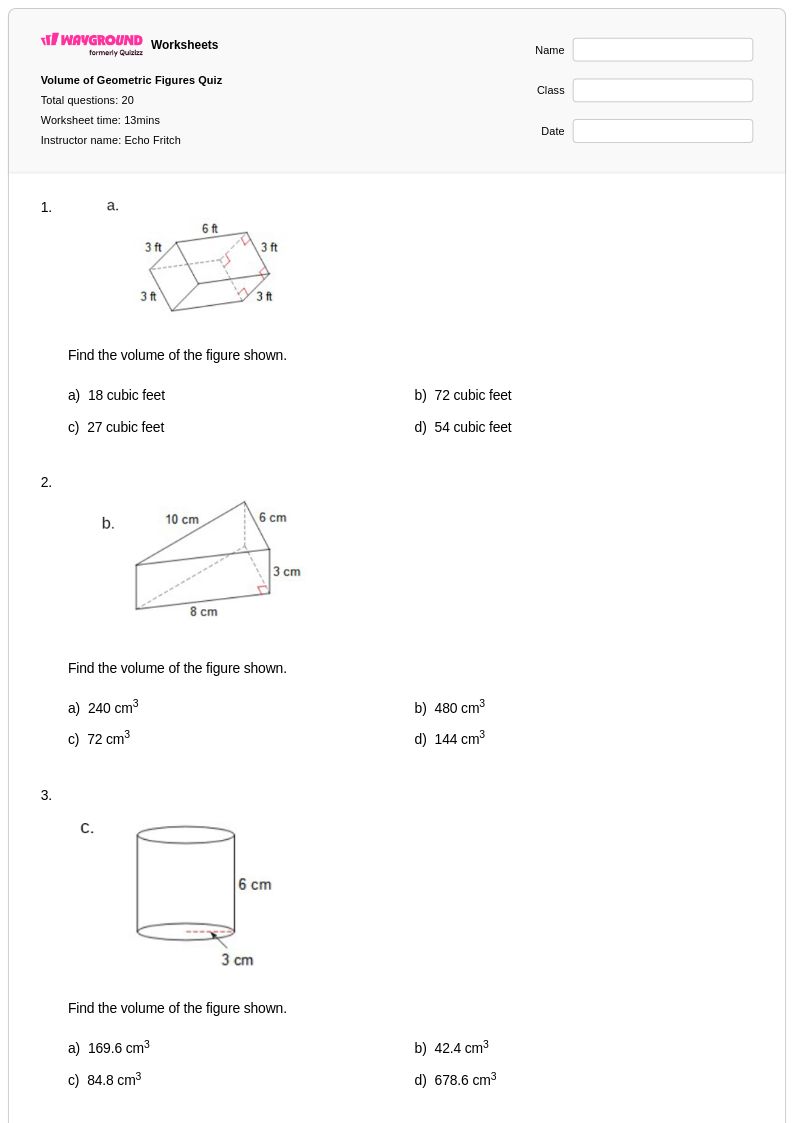
20 Q
10th
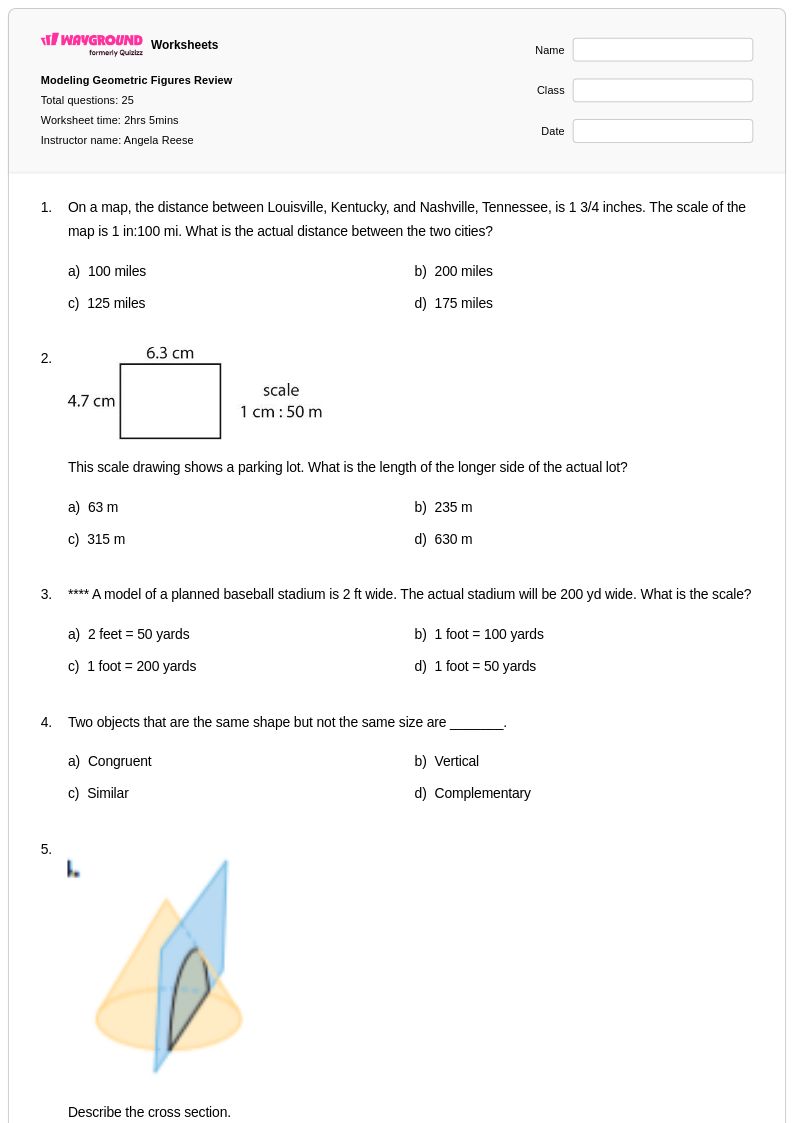
25 Q
7th
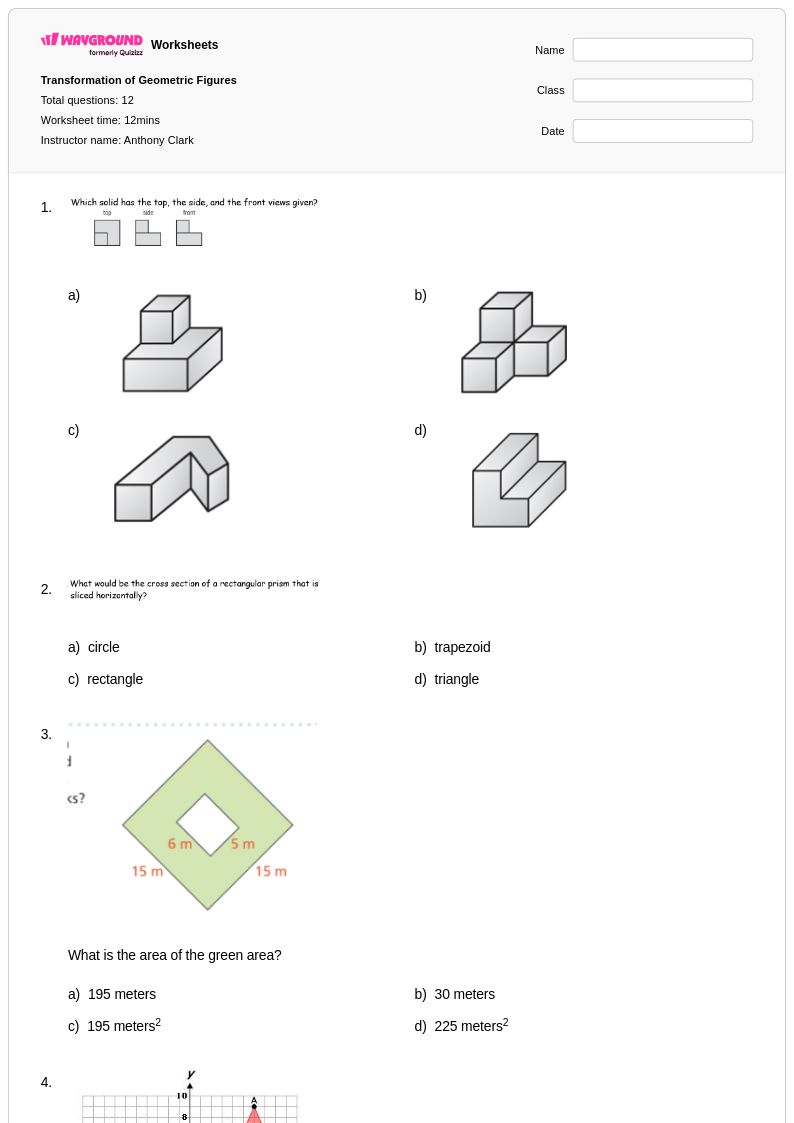
12 Q
5th - Uni
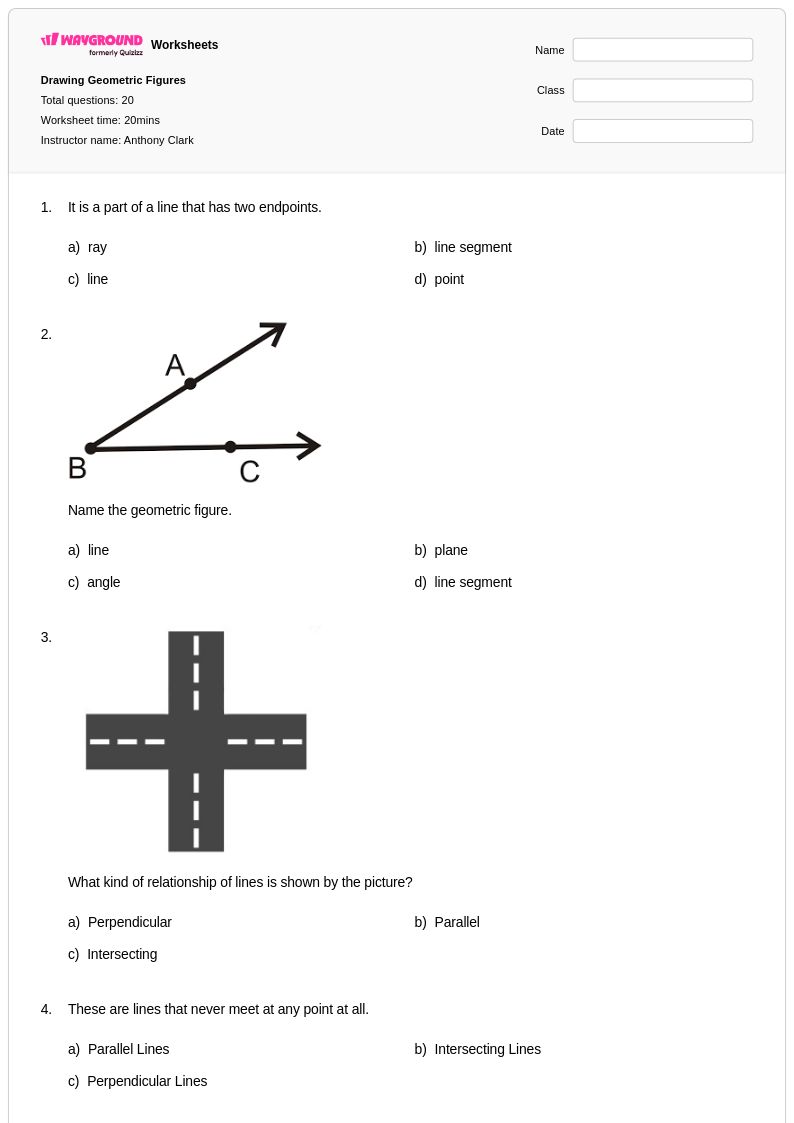
20 Q
7th - Uni
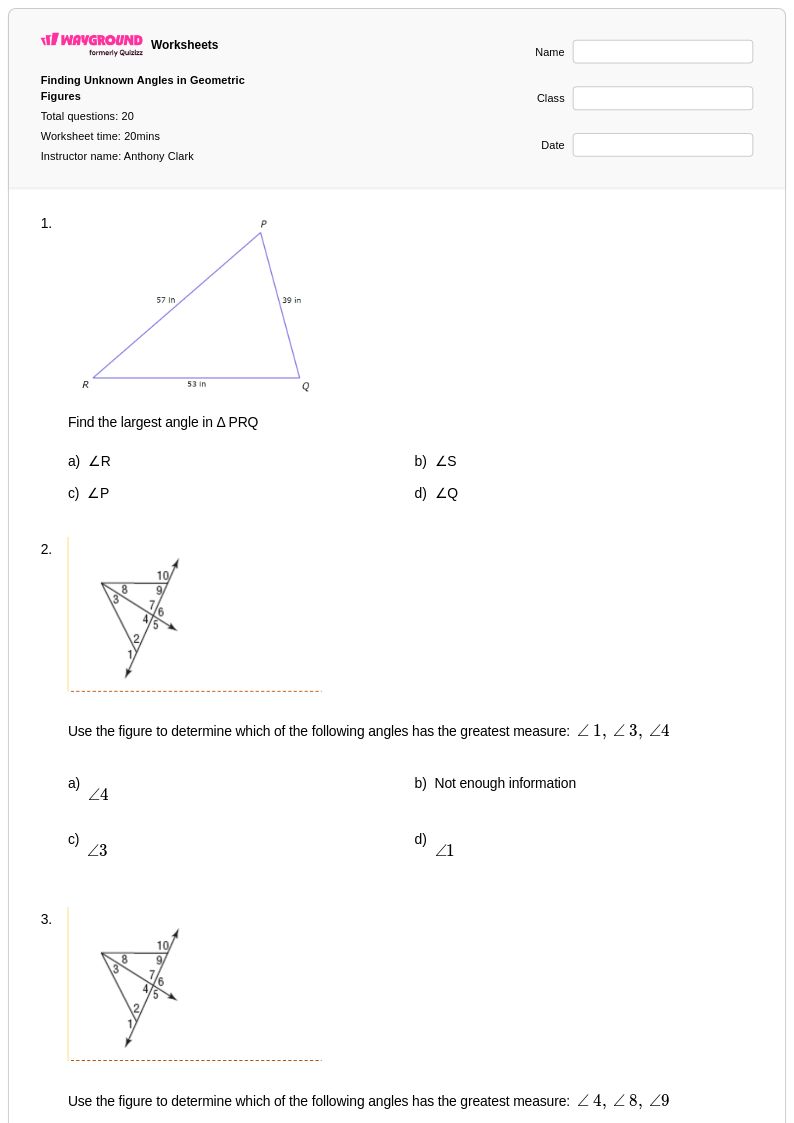
20 Q
8th - Uni
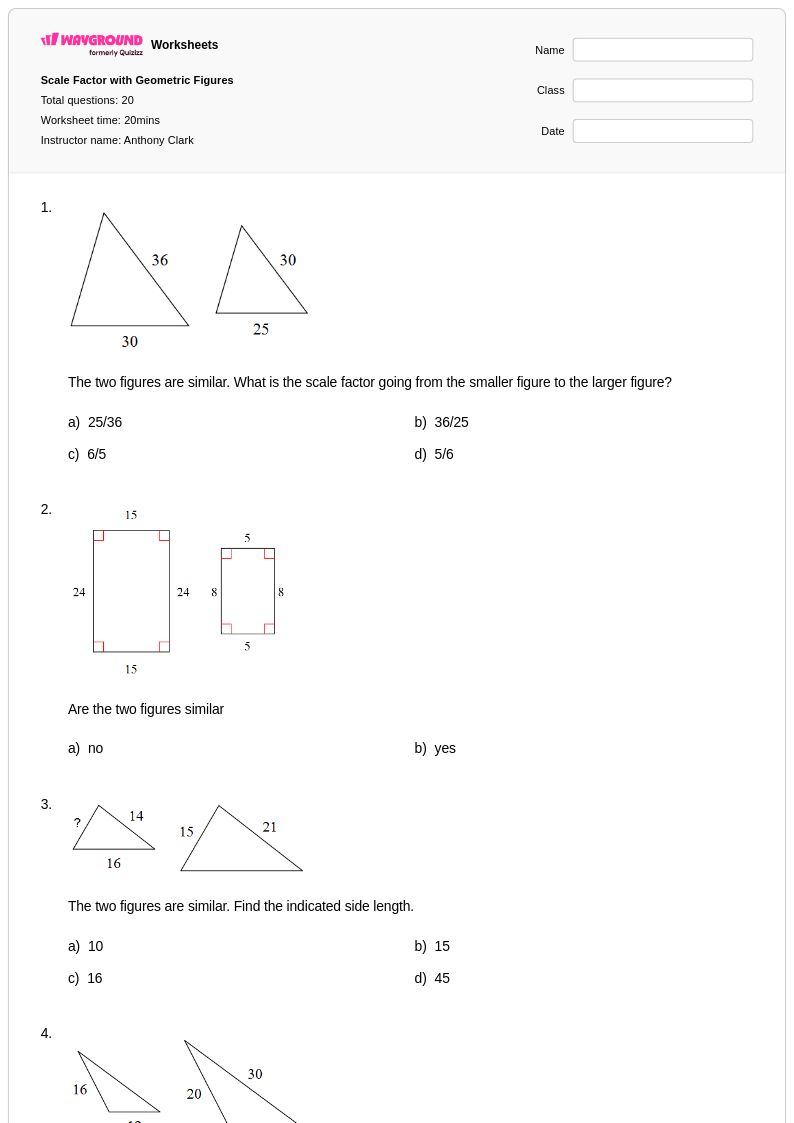
20 Q
8th - Uni
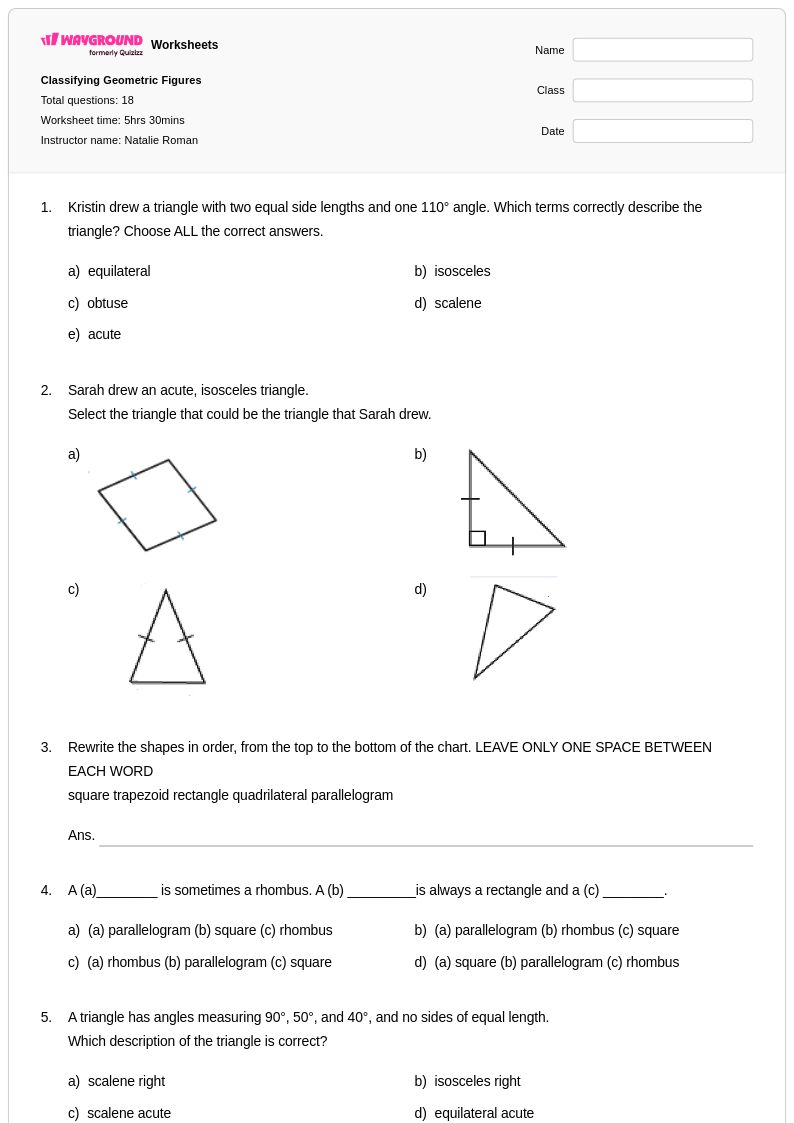
18 Q
5th
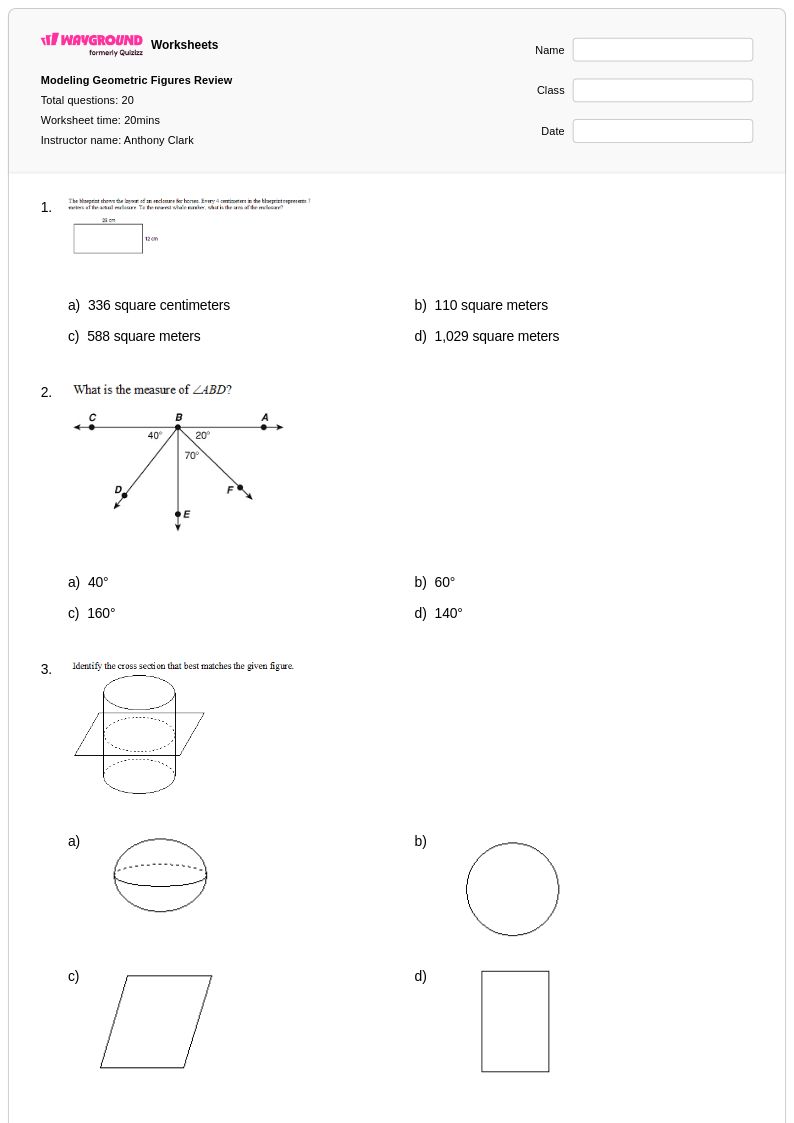
20 Q
7th - Uni
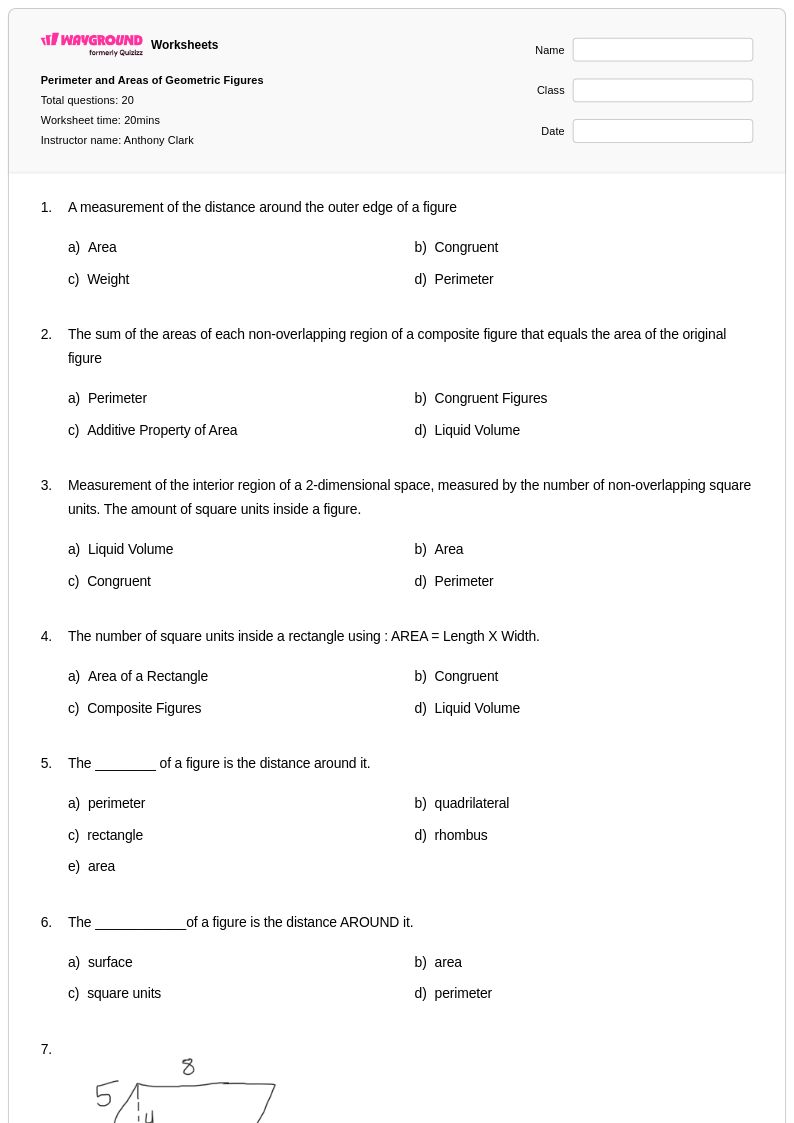
20 Q
3rd - Uni

12 Q
7th
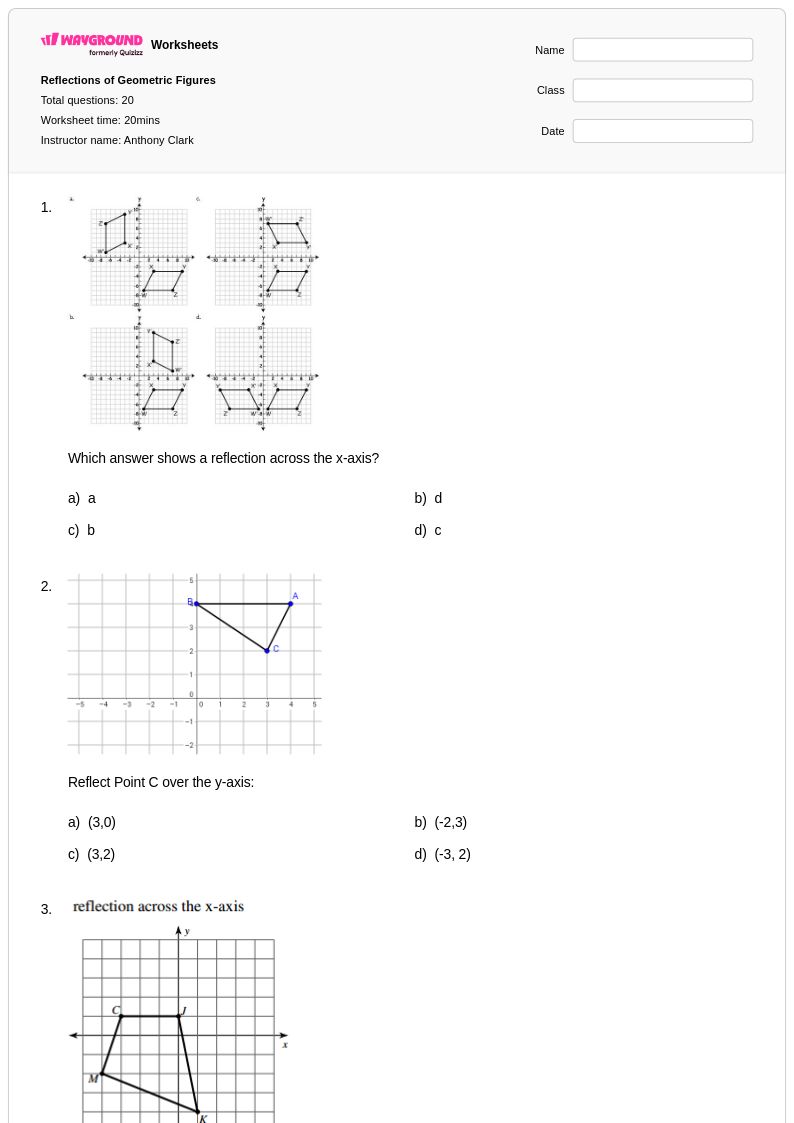
20 Q
8th - Uni
Explore Other Subject Worksheets for kindergarten
Explore printable Geometric Figures worksheets for Kindergarten
Geometric figures worksheets for kindergarten students through Wayground (formerly Quizizz) provide essential foundational practice in recognizing, naming, and understanding basic shapes that form the cornerstone of early mathematical learning. These carefully designed printables help young learners develop spatial reasoning skills while building familiarity with circles, squares, triangles, rectangles, and other fundamental geometric forms through engaging activities and practice problems. Each worksheet collection includes comprehensive answer keys and free pdf resources that support systematic skill development, allowing kindergarten students to progress from simple shape identification to more complex tasks like sorting, comparing, and describing the attributes of different geometric figures.
Wayground's extensive library offers teachers access to millions of educator-created geometric figures resources specifically tailored for kindergarten learners, with robust search and filtering capabilities that streamline lesson planning and skill-targeted instruction. The platform's standards-aligned content supports differentiated learning through customizable worksheets available in both printable and digital formats, enabling teachers to address diverse learning needs within their classrooms. These versatile pdf resources serve multiple instructional purposes, from initial concept introduction and guided practice to remediation support for struggling learners and enrichment activities for advanced students, while the flexible formatting options allow seamless integration into existing geometry curricula and assessment strategies.
FAQs
What's the best way to introduce geometric shapes to kindergarteners?
What activities help kindergarteners practice identifying shapes?
How can I tell if my kindergarten students are learning their shapes?
How can I use these kindergarten shape worksheets in my classroom?
What do kindergarteners need to learn about geometry?