
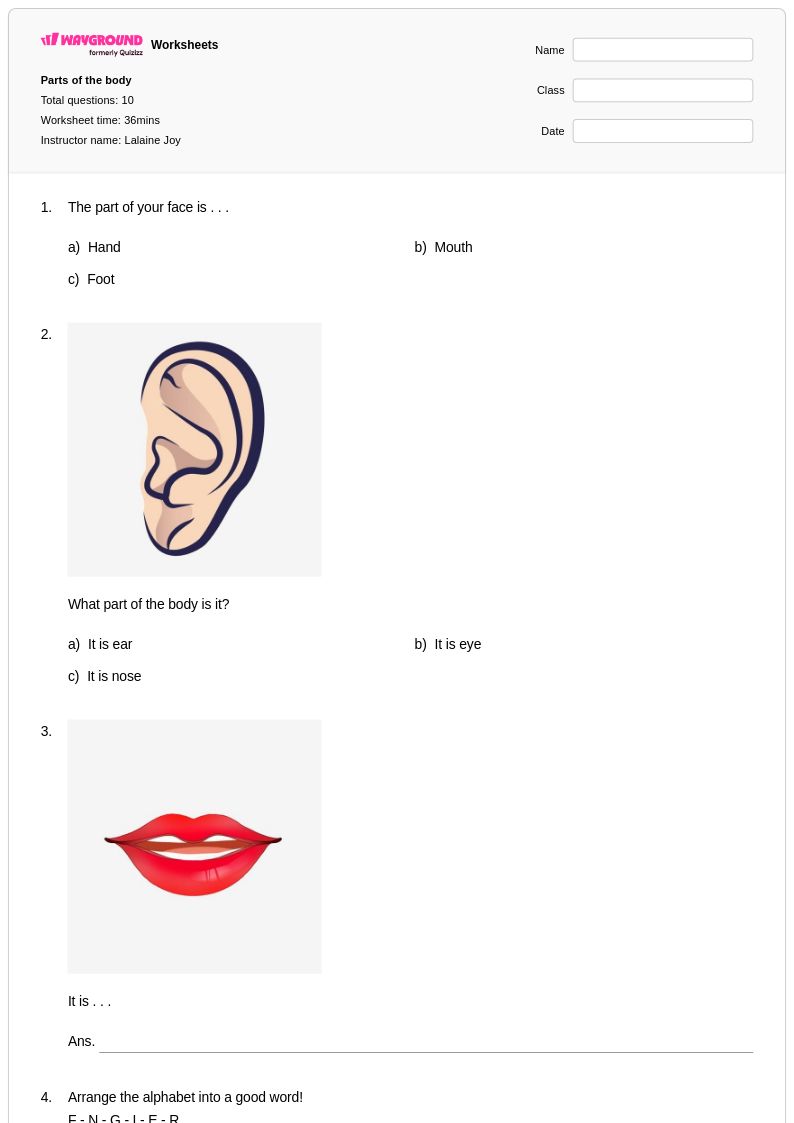
10 Q
3rd
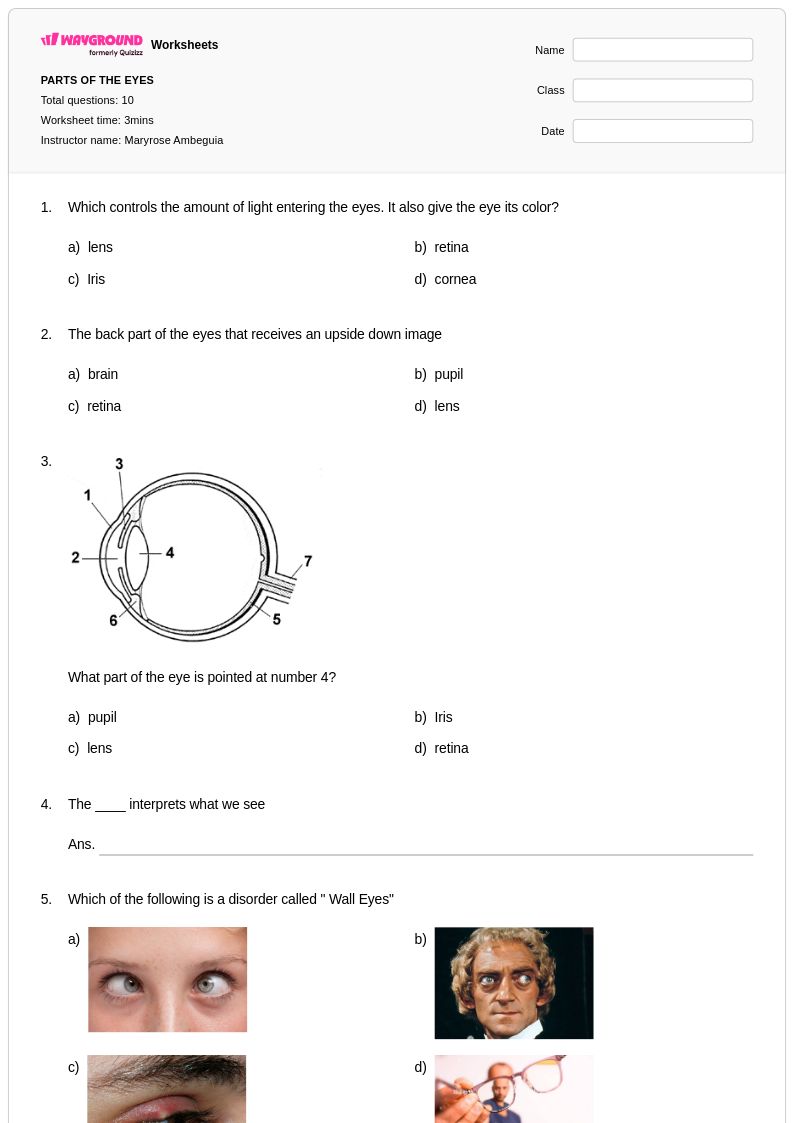
10 Q
3rd
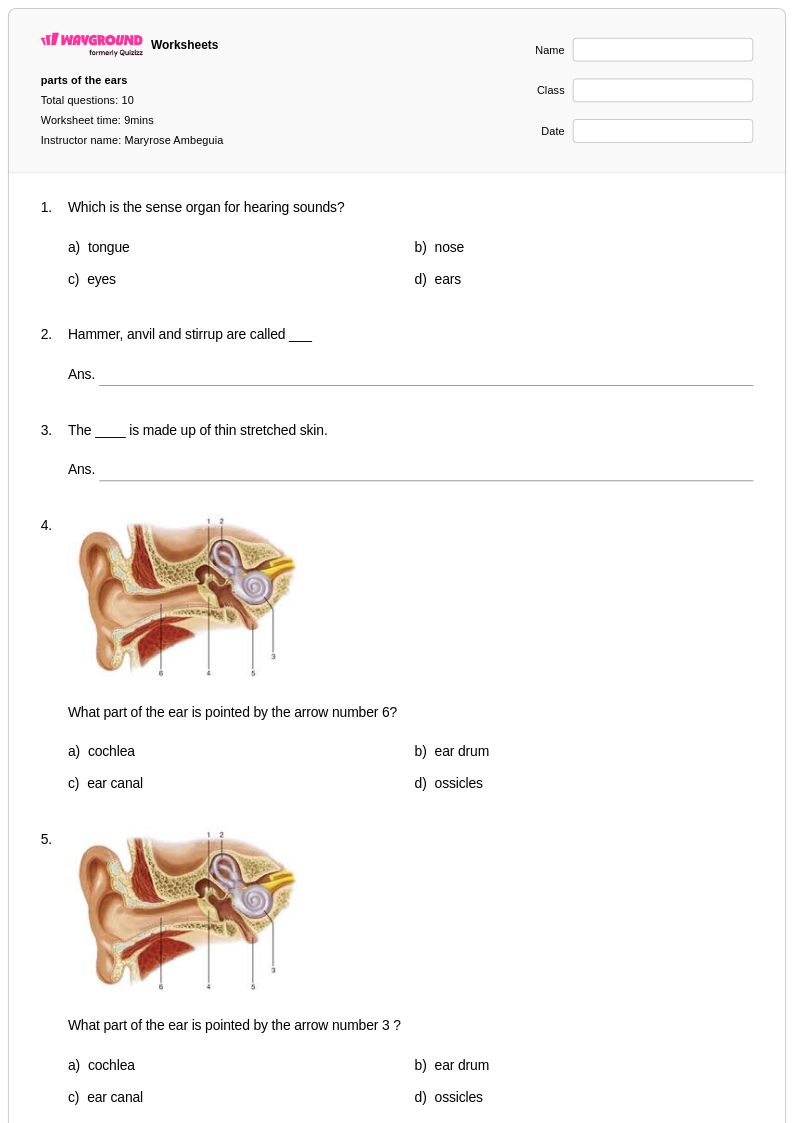
10 Q
3rd
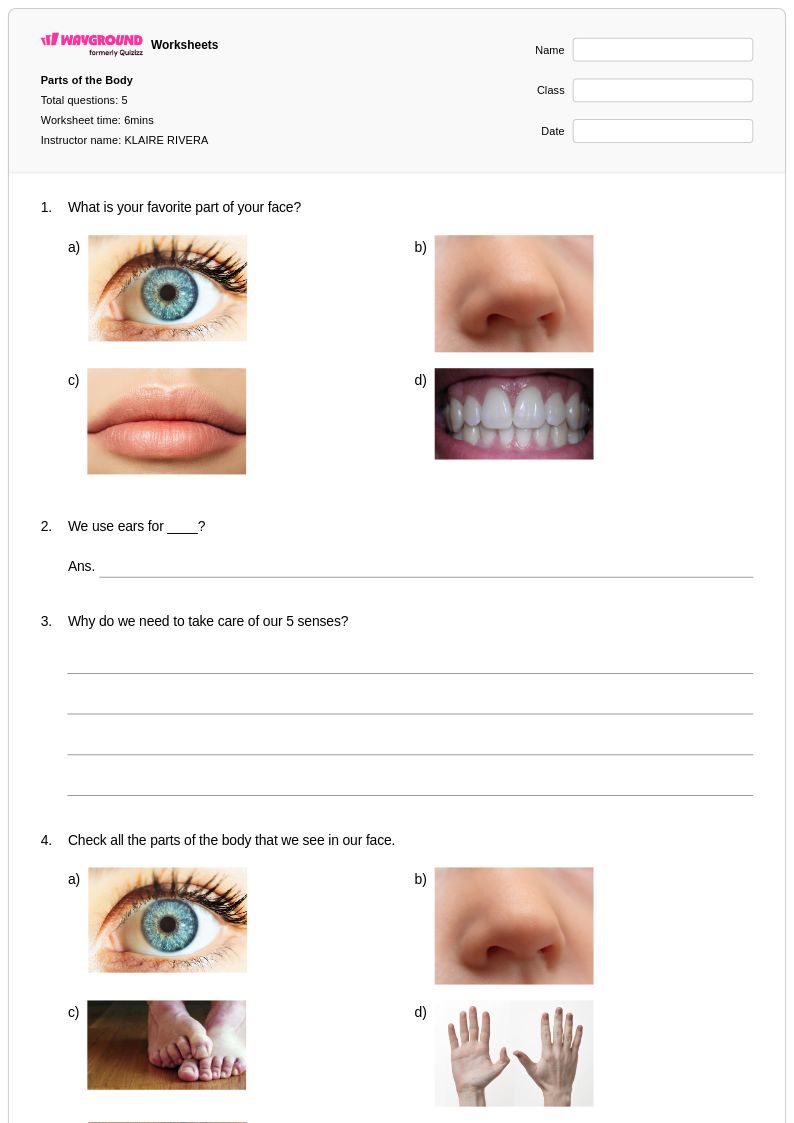
5 Q
KG - 3rd
10 Q
3rd
11 Q
3rd
20 Q
3rd
10 Q
3rd
13 Q
3rd
8 Q
3rd

14 Q
3rd
20 Q
1st - 5th
20 Q
2nd - 3rd
15 Q
3rd
22 Q
3rd
23 Q
3rd
10 Q
1st - 6th
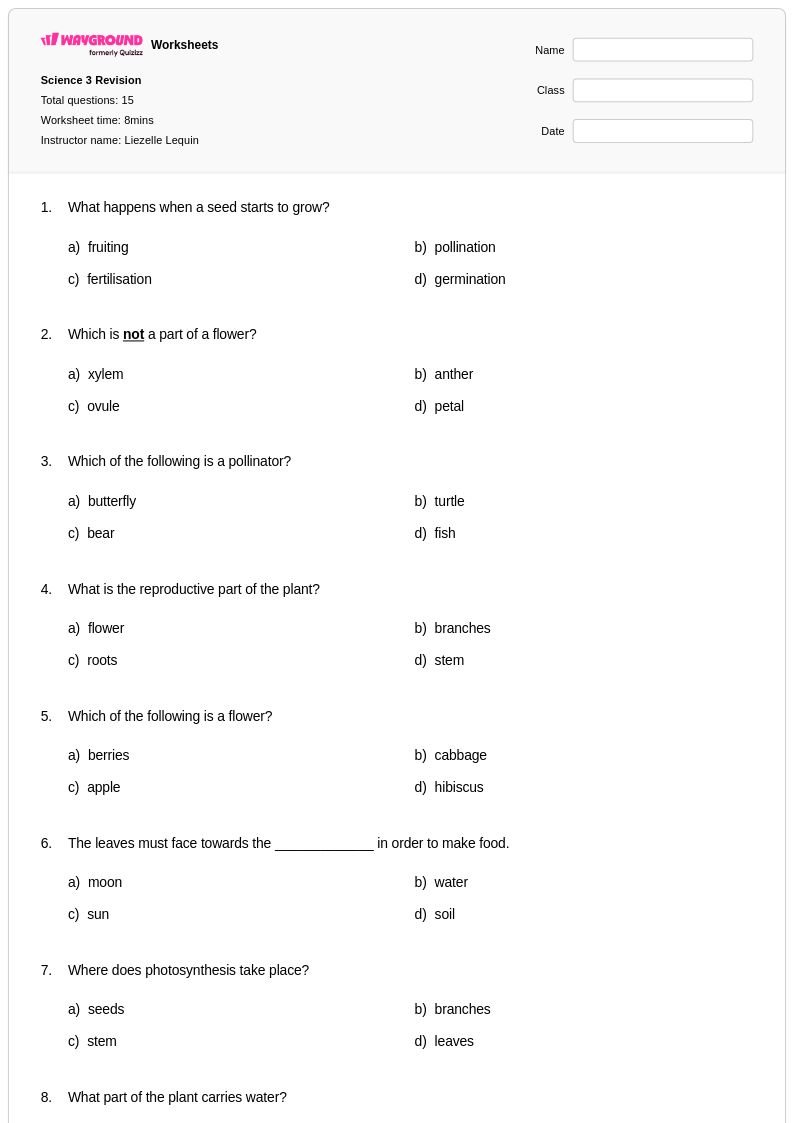
15 Q
3rd
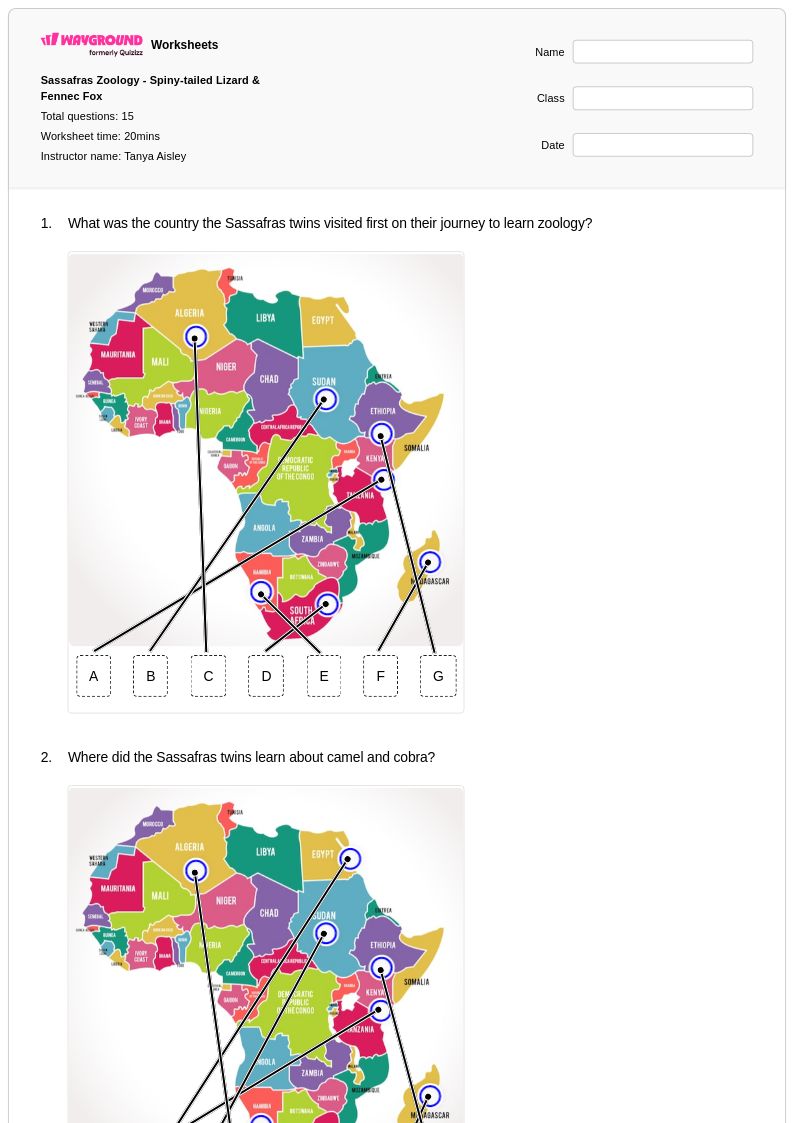
15 Q
1st - 5th
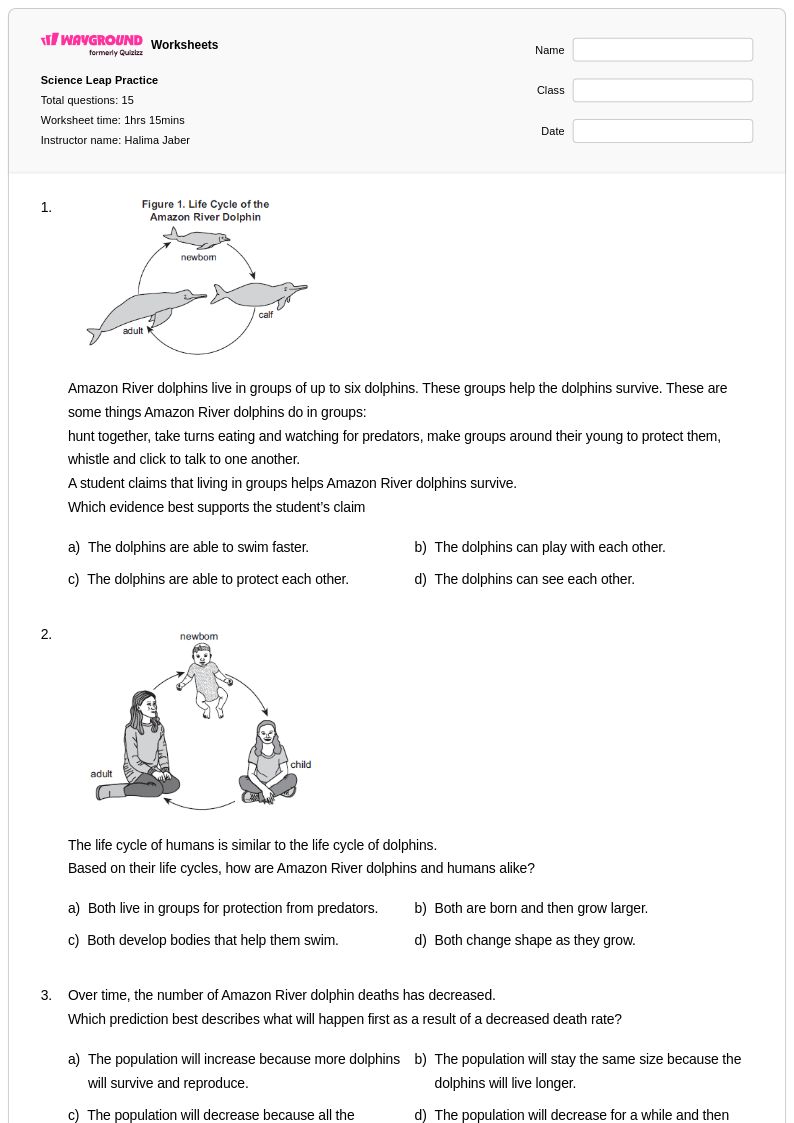
15 Q
3rd
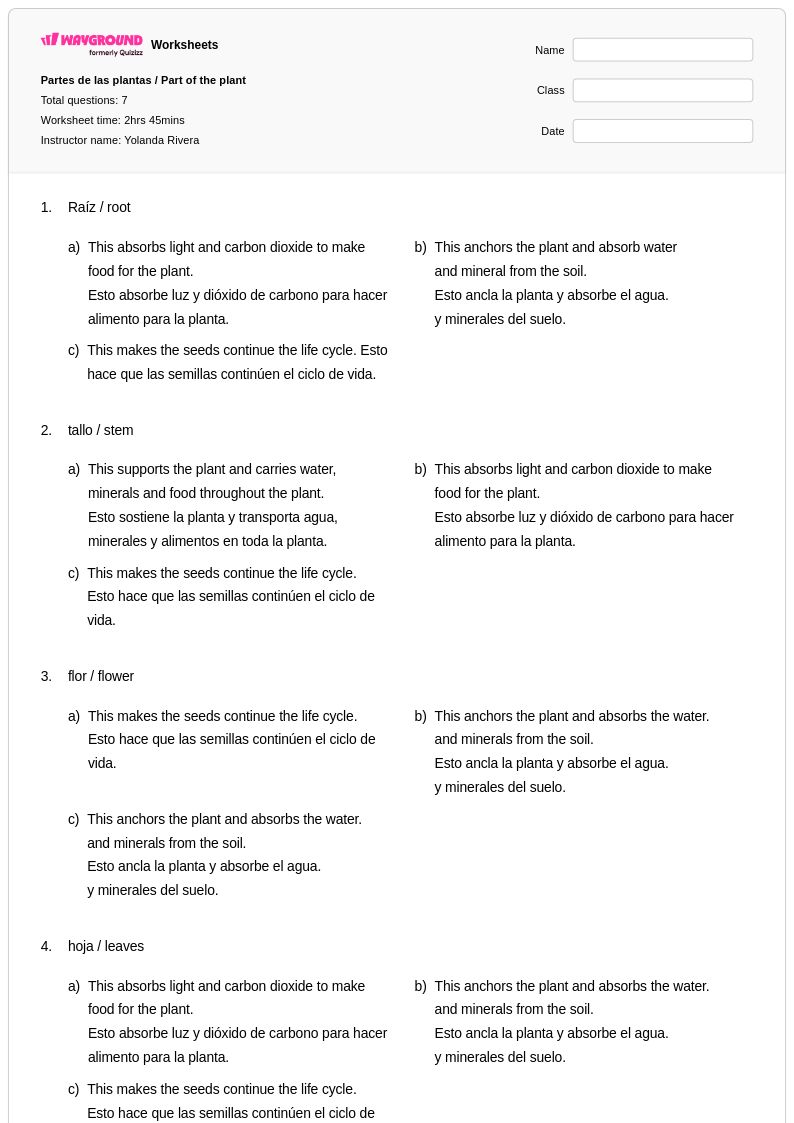
7 Q
3rd
21 Q
3rd
20 Q
3rd
26 Q
1st - 5th
Explore Other Subject Worksheets for class 3
Explore printable Parts of the Face worksheets for Class 3
Parts of the face worksheets for Class 3 students provide essential foundational learning in human anatomy and biology through engaging, age-appropriate activities. These educational resources help young learners identify, label, and understand the basic structures of the human face including eyes, nose, mouth, ears, eyebrows, and chin. Students develop critical observation skills, vocabulary expansion, and scientific thinking as they complete practice problems that range from simple labeling exercises to more complex matching and identification tasks. The worksheets serve multiple educational purposes, offering structured practice that reinforces classroom instruction while building confidence in scientific terminology. Teachers can access comprehensive collections that include detailed answer keys, making assessment and review seamless, and many resources are available as free printables in convenient pdf format for immediate classroom use.
Wayground, formerly Quizizz, empowers educators with an extensive library of millions of teacher-created resources specifically designed for parts of the face instruction at the Class 3 level. The platform's robust search and filtering capabilities allow teachers to quickly locate worksheets that align with specific curriculum standards and learning objectives, while built-in differentiation tools enable customization for diverse learning needs and abilities. These versatile resources are available in both printable and digital formats, including high-quality pdf downloads, giving educators flexibility to implement lessons in traditional classroom settings or technology-enhanced environments. The comprehensive worksheet collections support effective lesson planning by providing materials suitable for initial instruction, targeted remediation, and enrichment activities, ensuring that all students can successfully master the fundamental concepts of facial anatomy while developing stronger scientific observation and communication skills.
FAQs
How do I teach parts of the face to students?
What exercises help students practice identifying parts of the face?
What mistakes do students commonly make when learning facial anatomy?
How can I differentiate parts of the face worksheets for students with different learning needs?
How do I use Wayground's parts of the face worksheets in my classroom?