
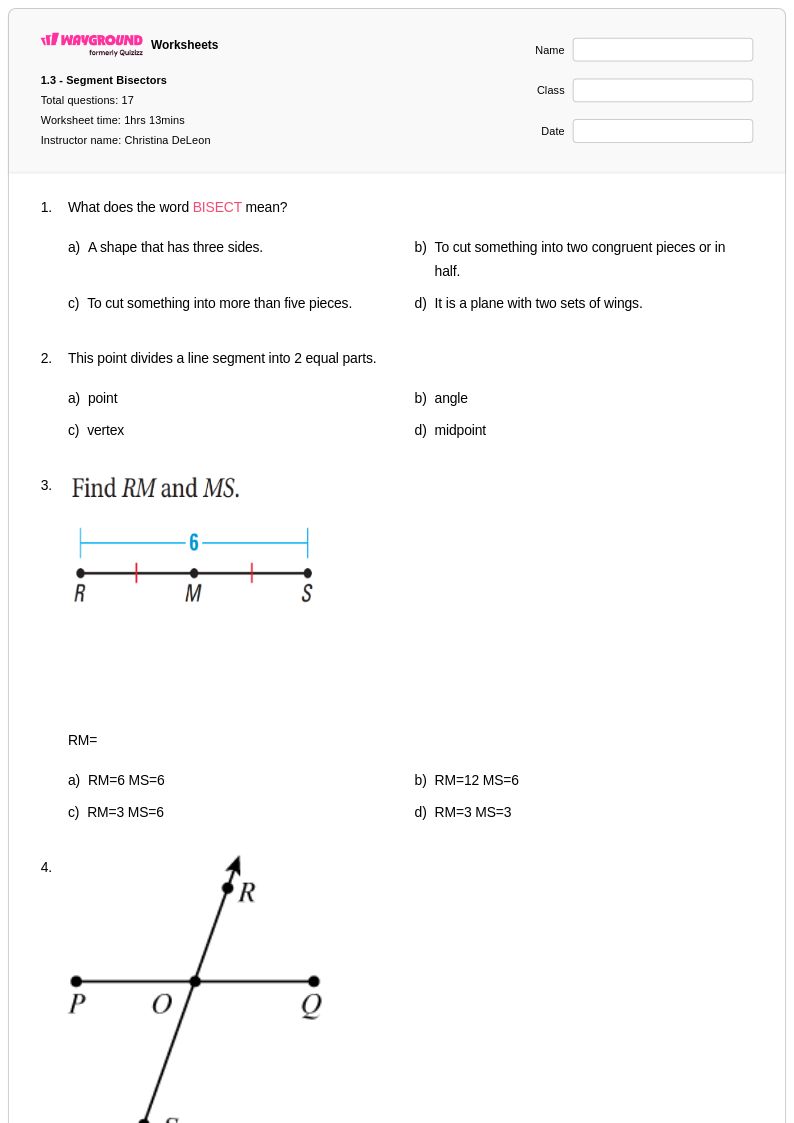
17 Q
9th - 10th
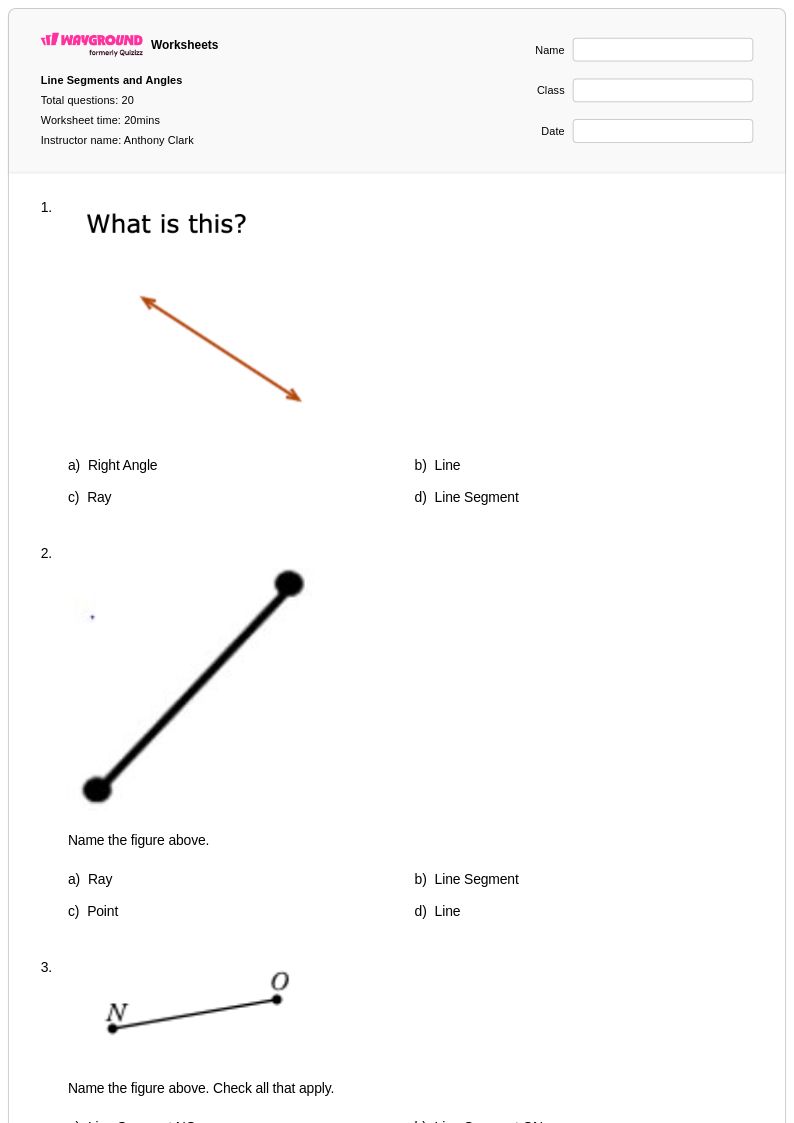
20 Q
4th - Uni
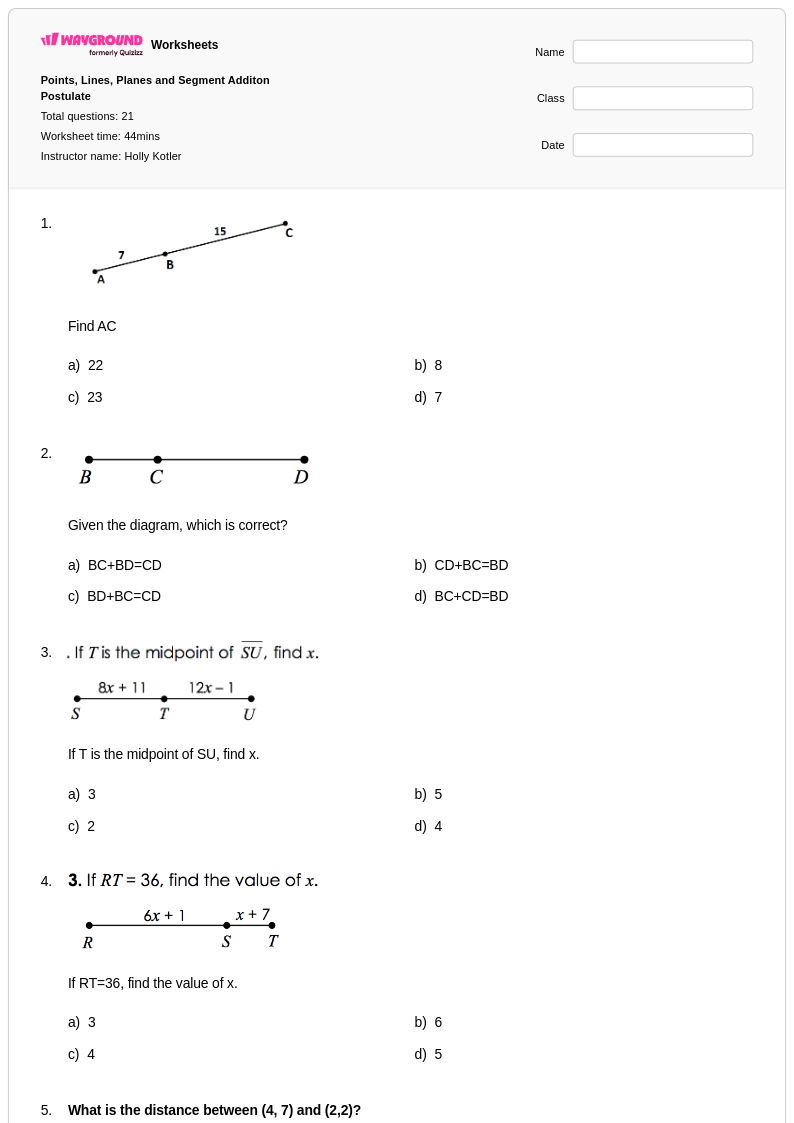
21 Q
9th - 12th
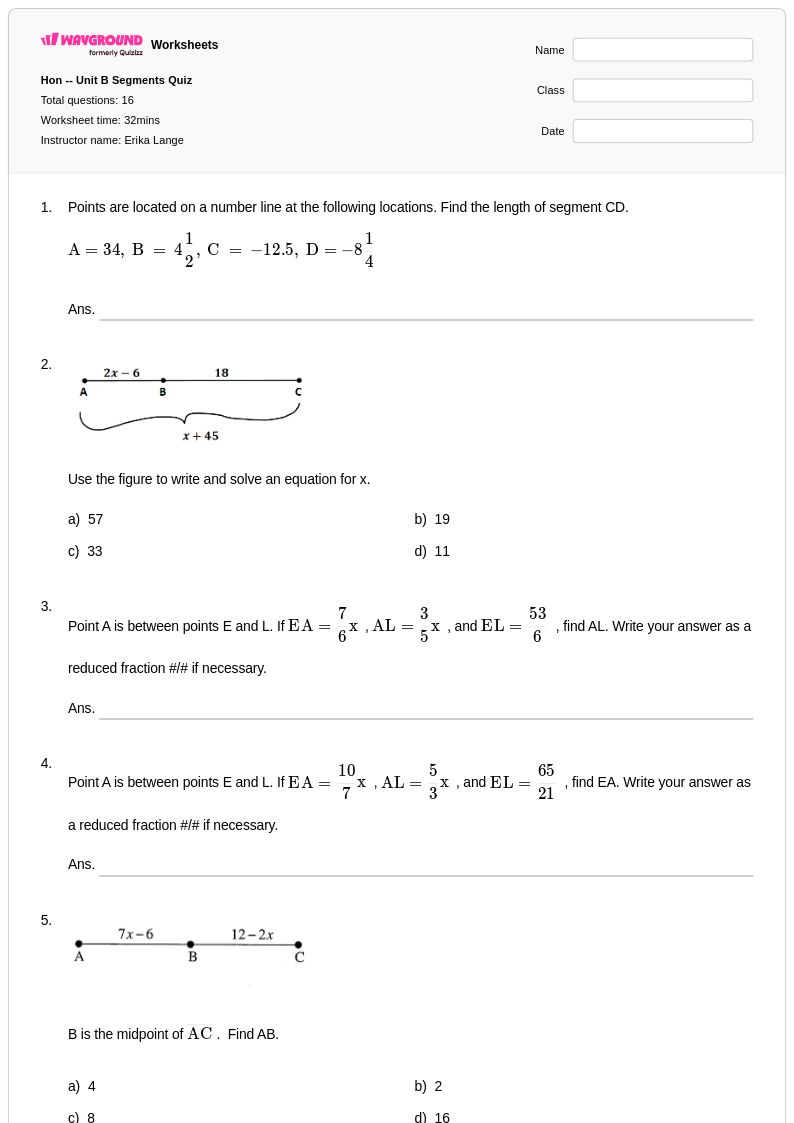
16 Q
9th
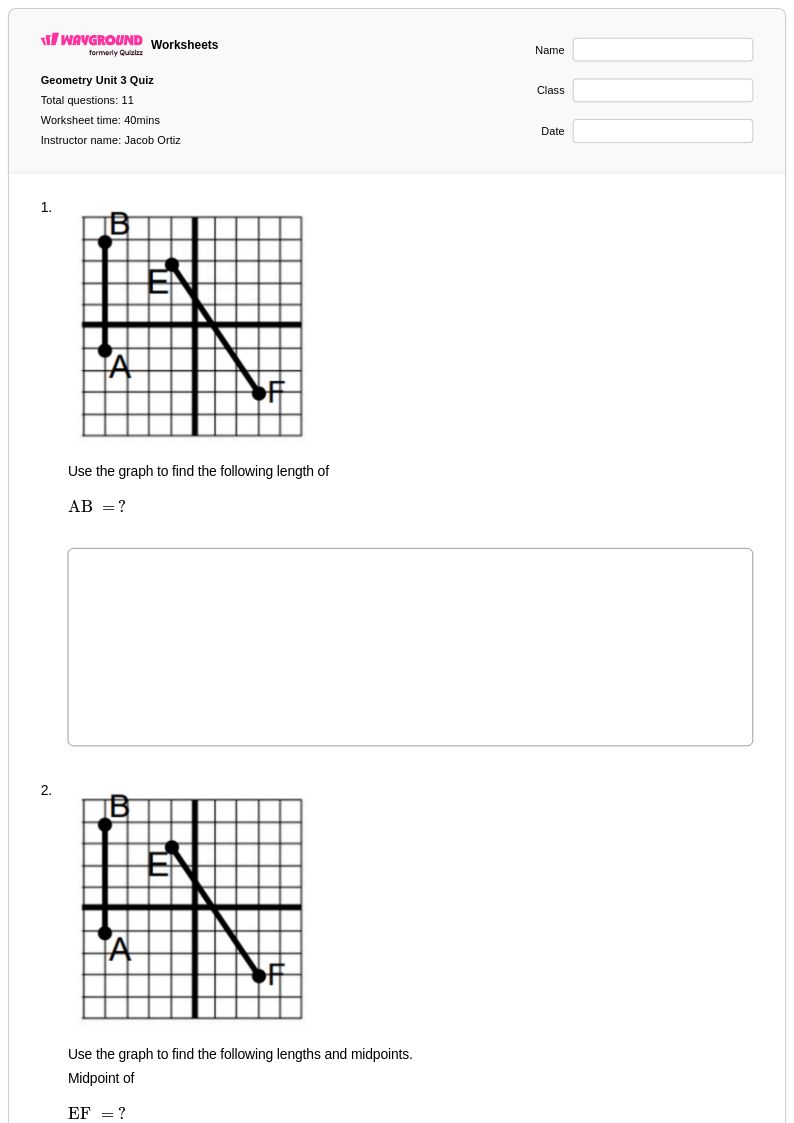
11 Q
9th - 12th
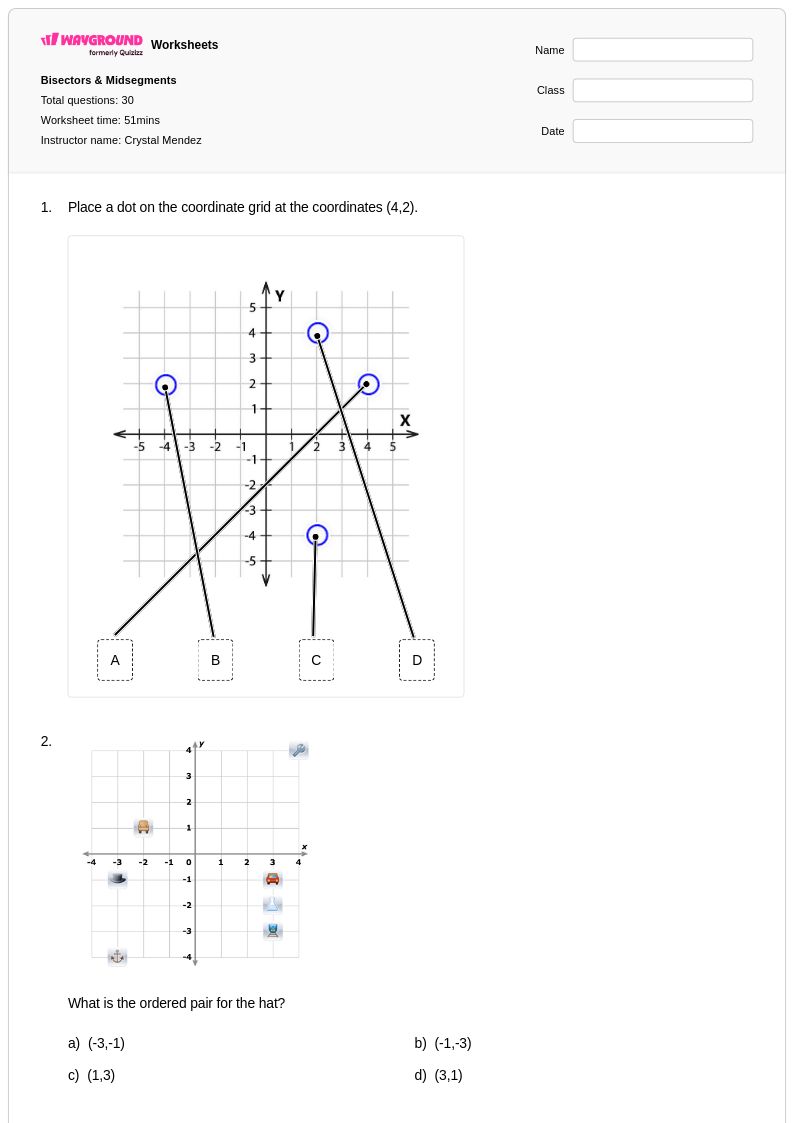
30 Q
10th
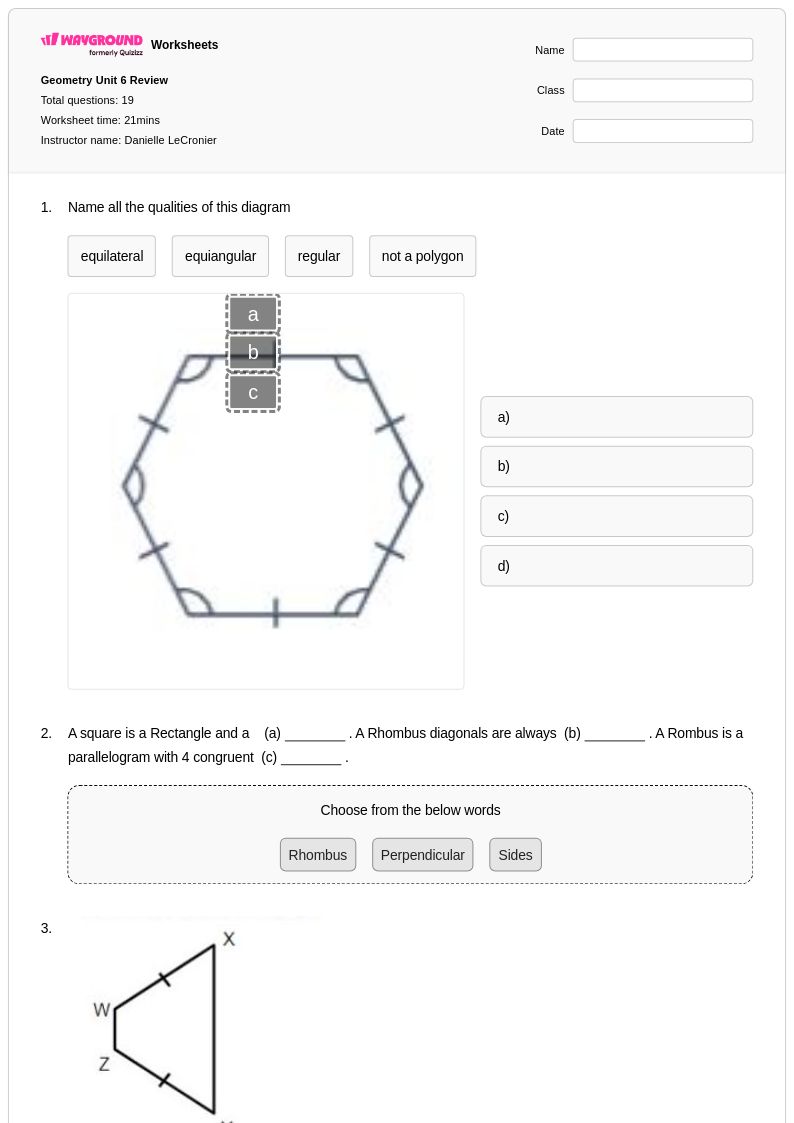
19 Q
10th
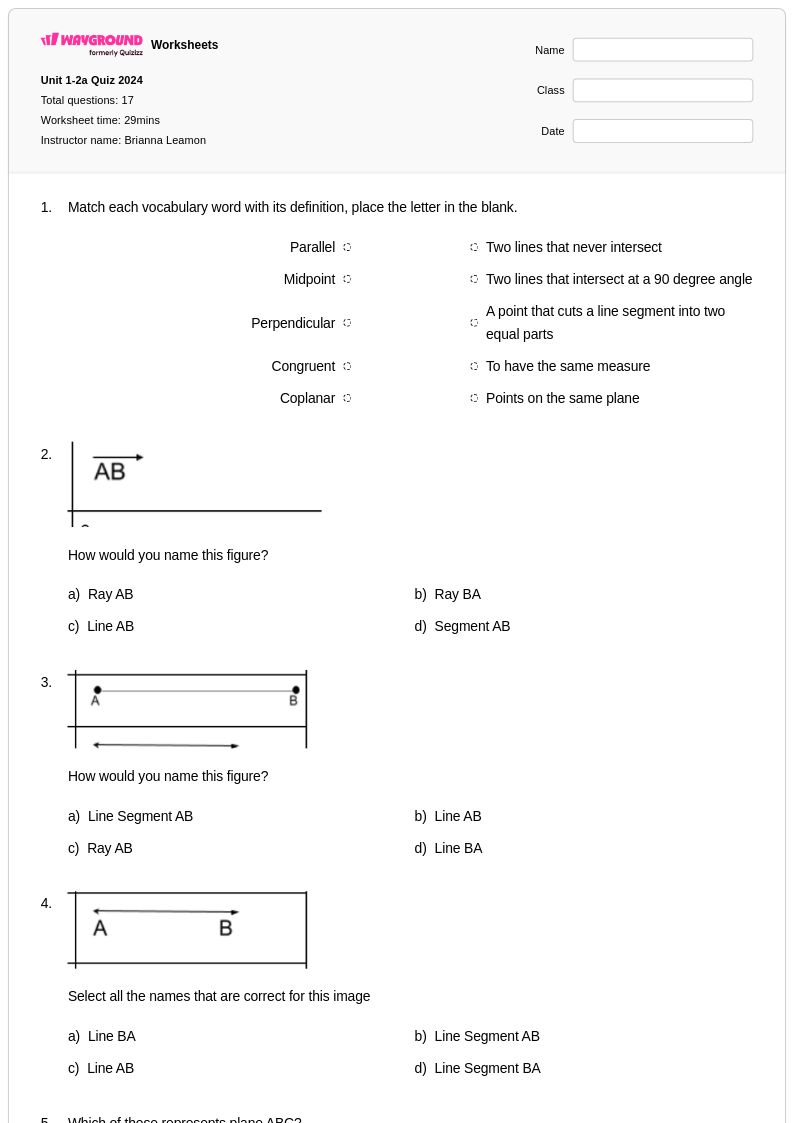
17 Q
10th
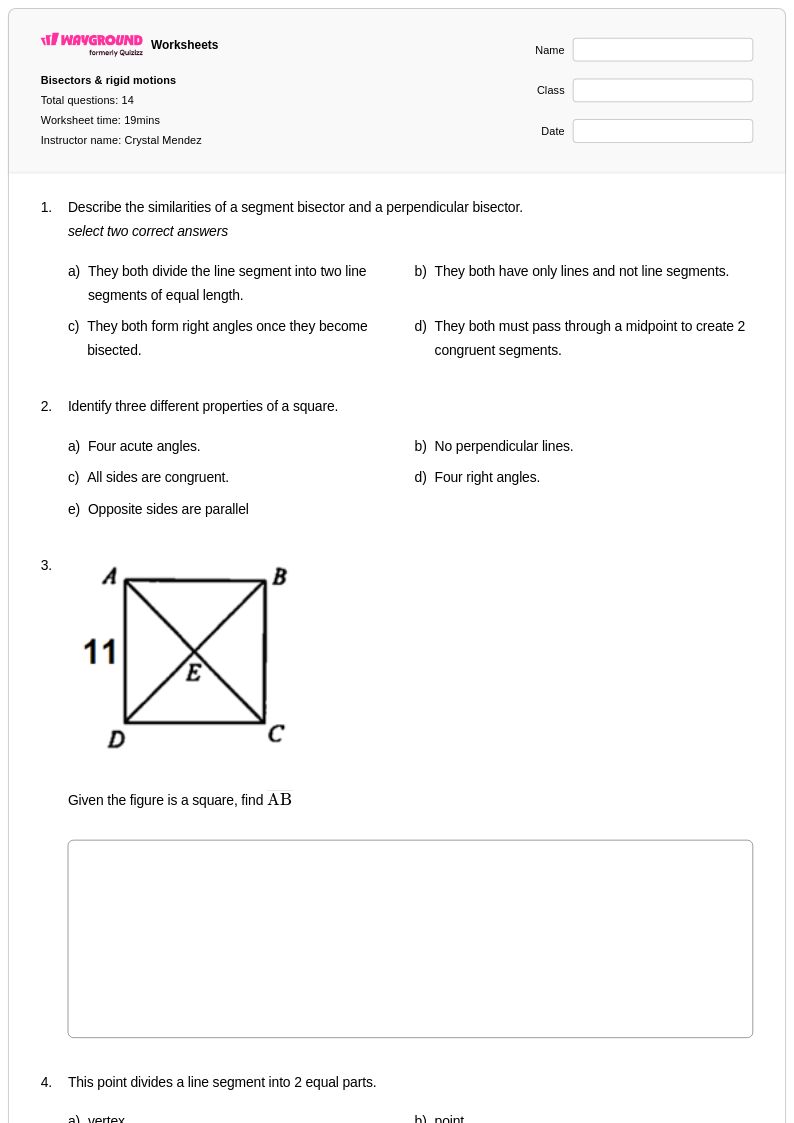
14 Q
10th
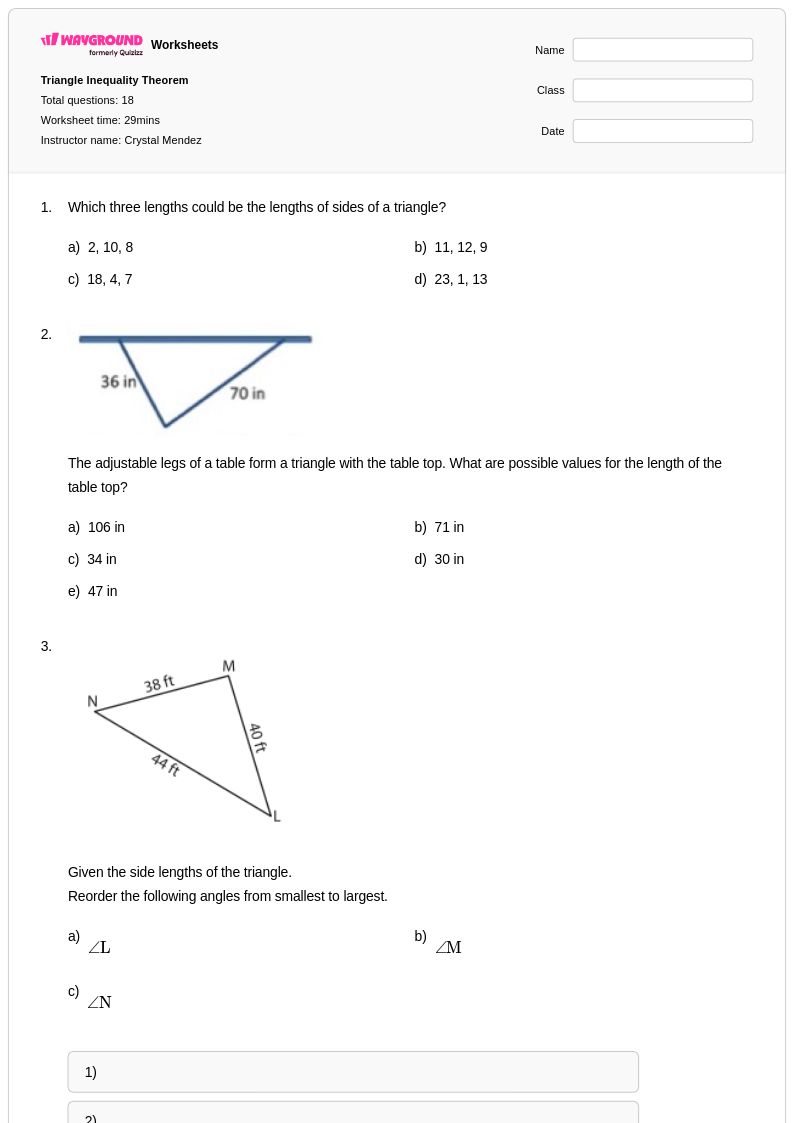
18 Q
10th
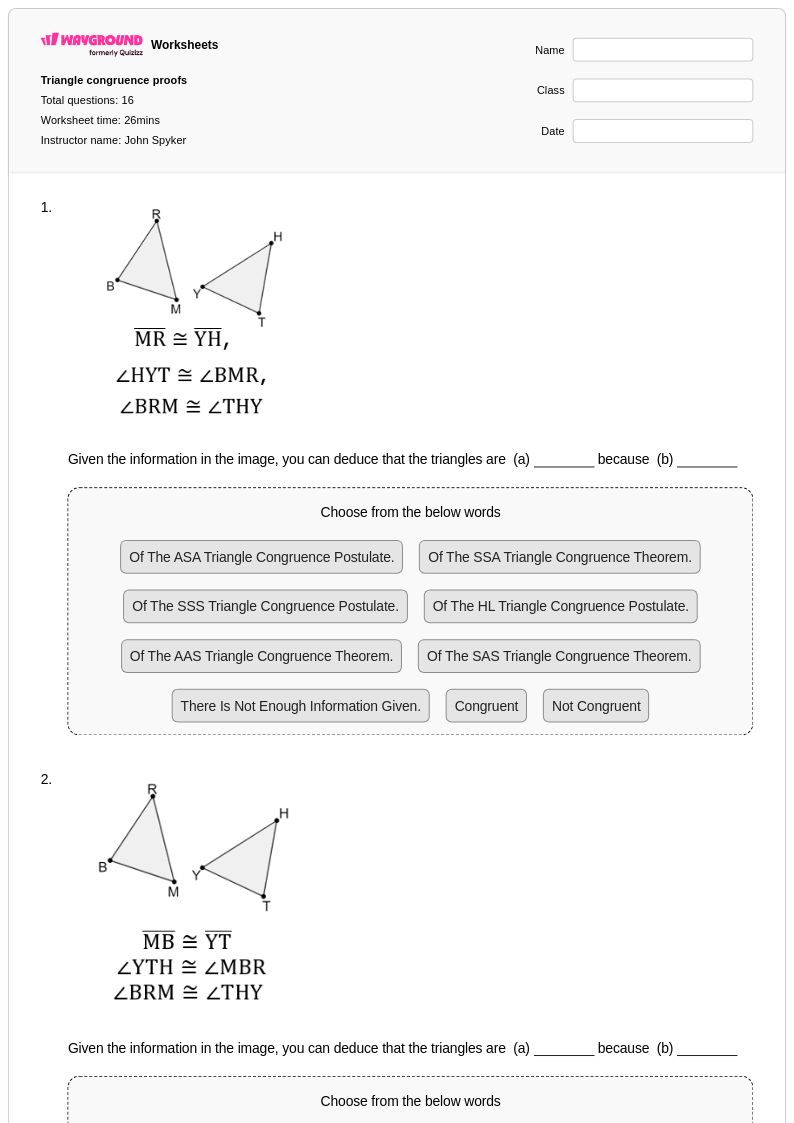
16 Q
12th
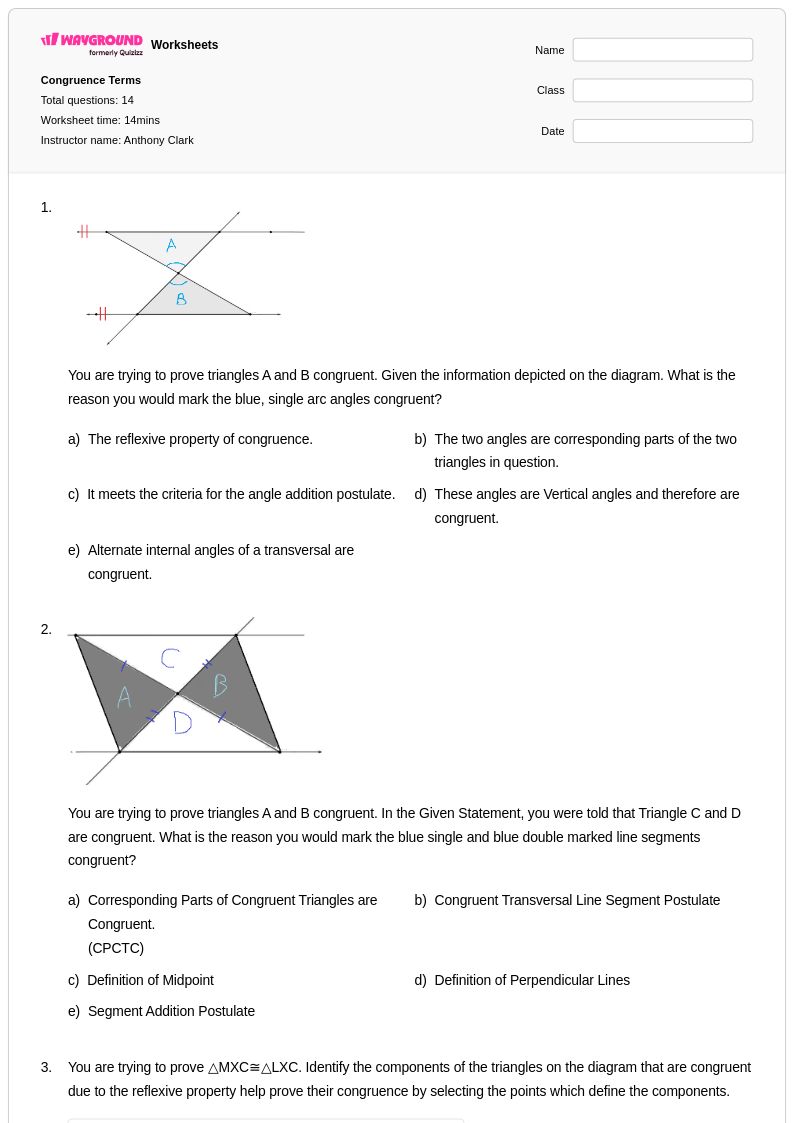
14 Q
10th - Uni
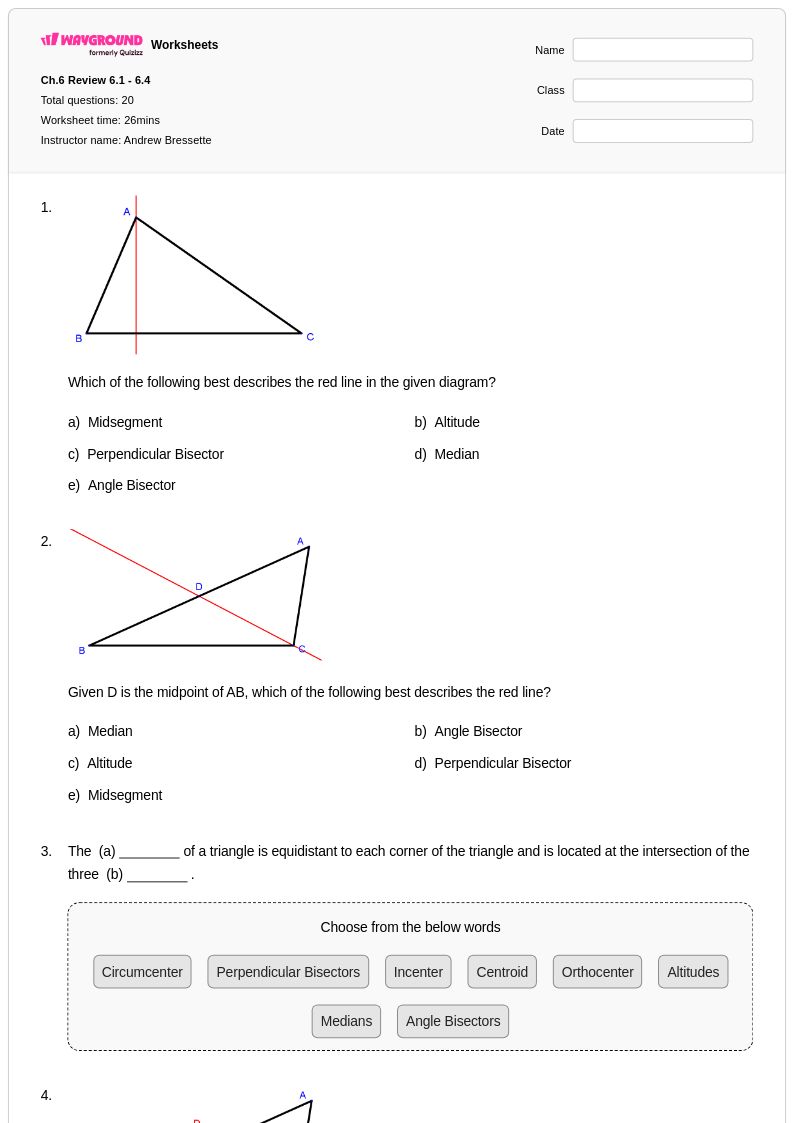
20 Q
9th - 12th
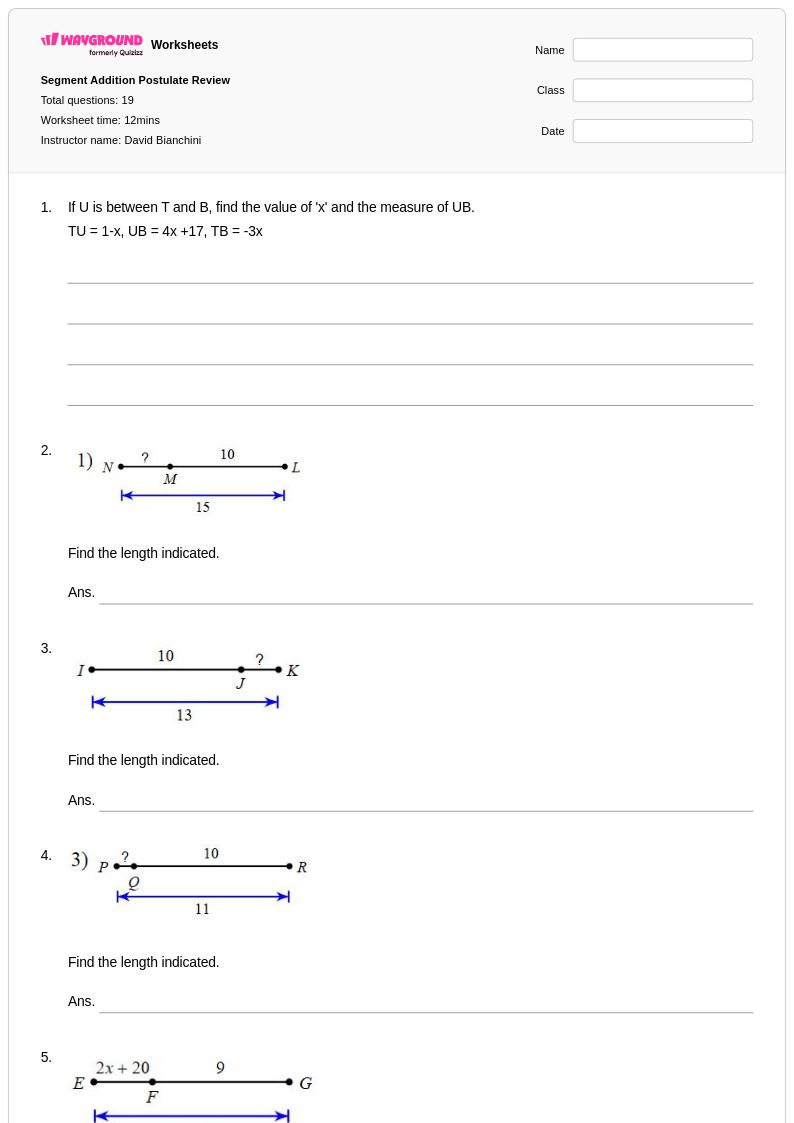
19 Q
10th
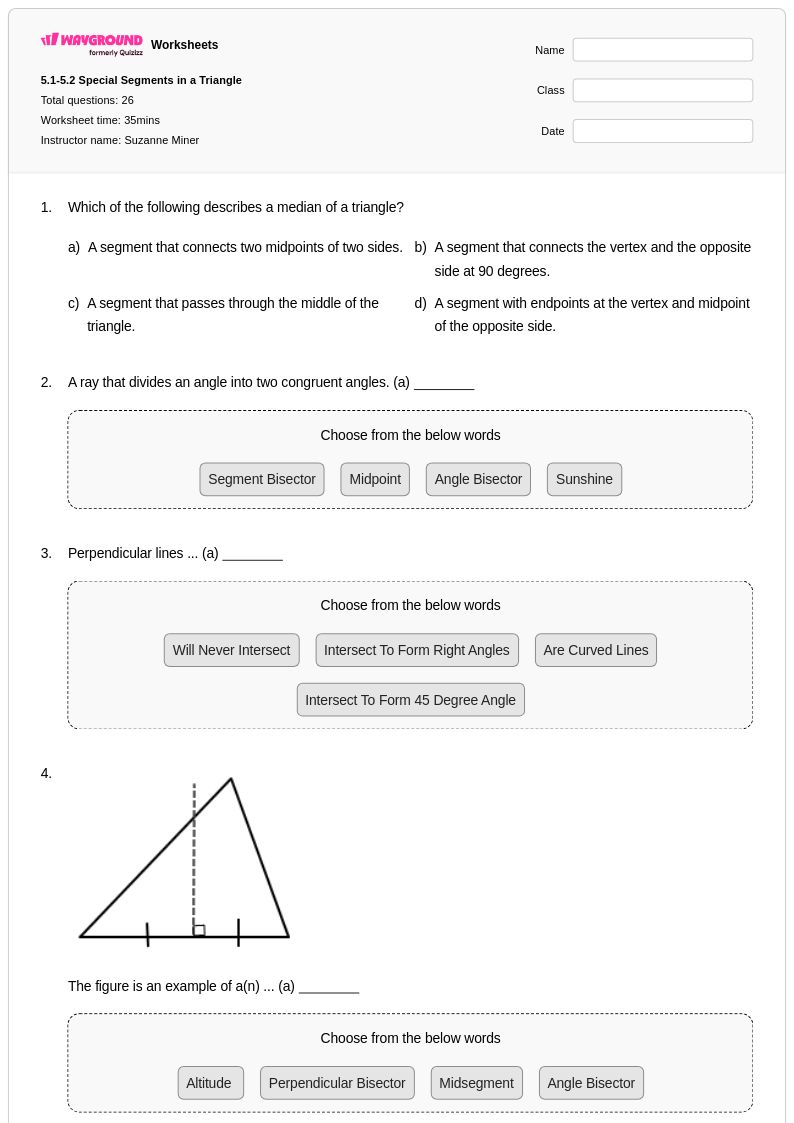
25 Q
9th - 12th
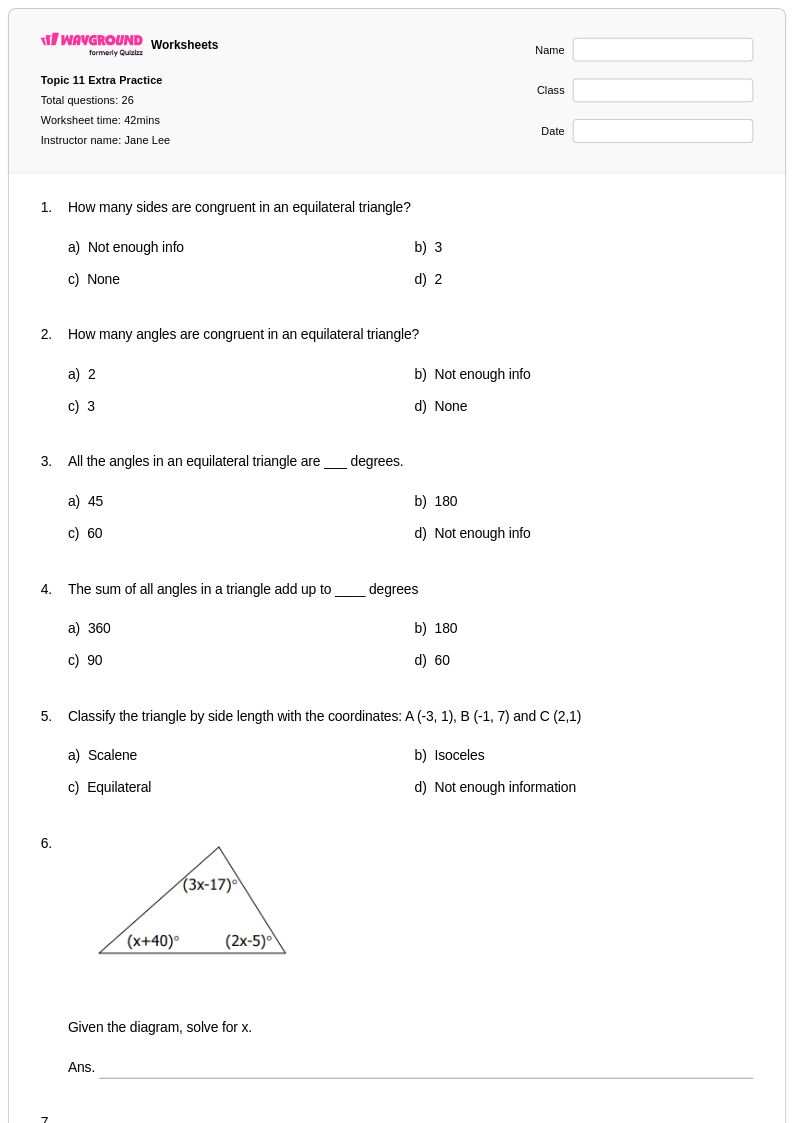
26 Q
12th
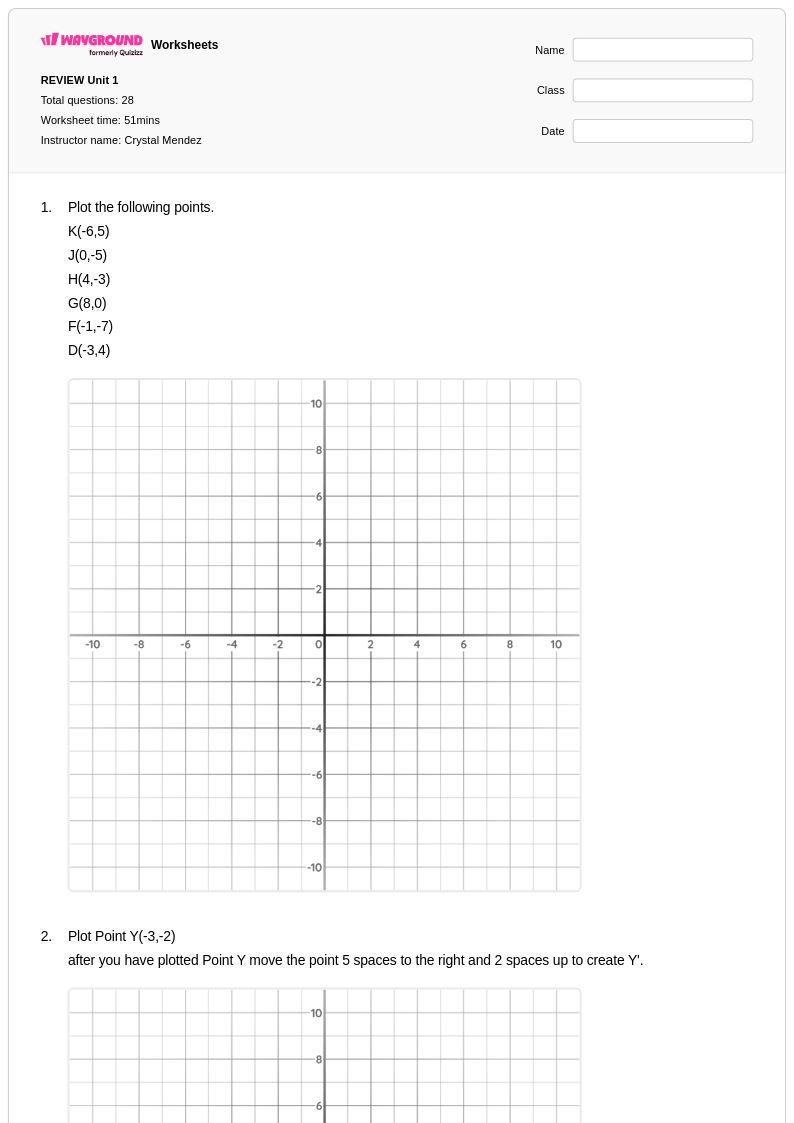
28 Q
10th
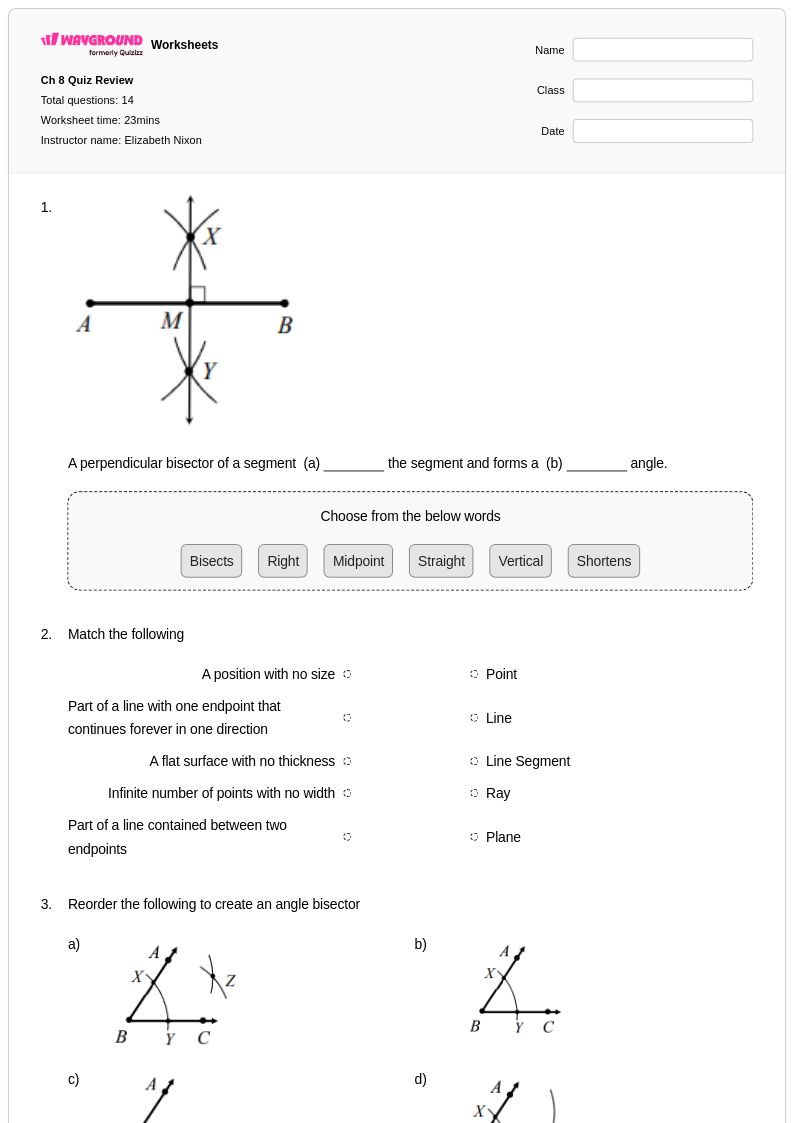
14 Q
7th
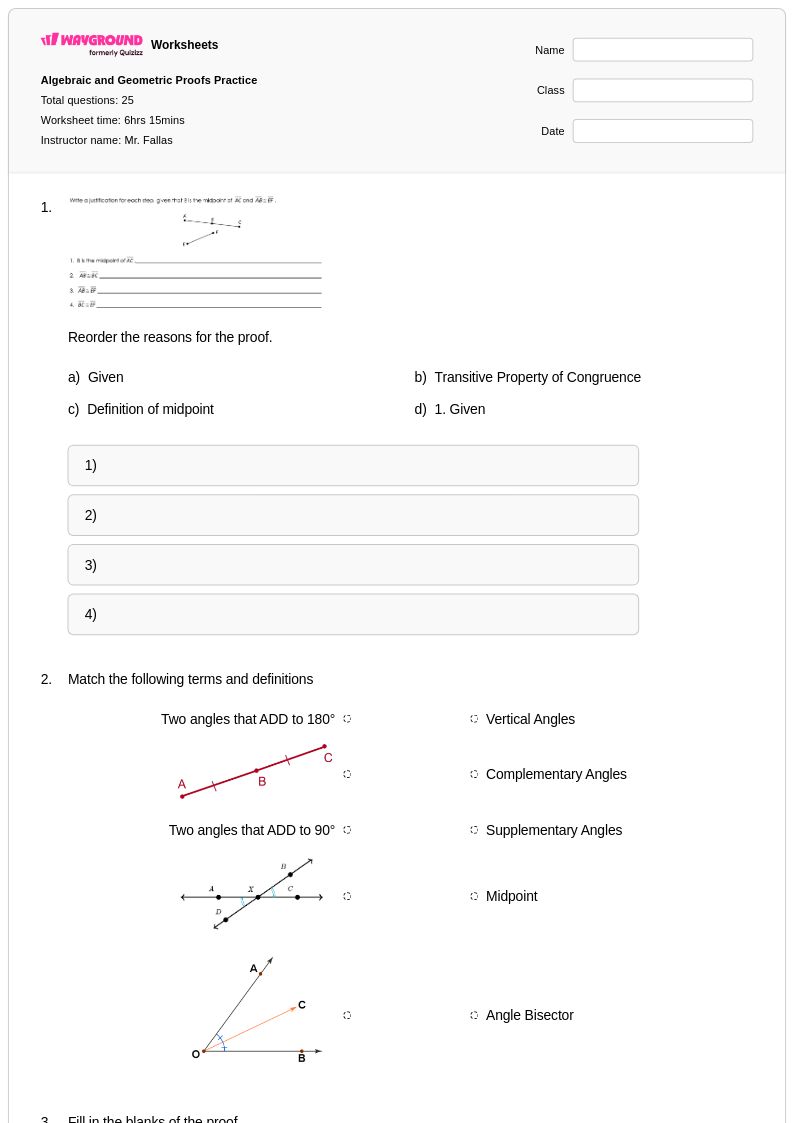
25 Q
10th
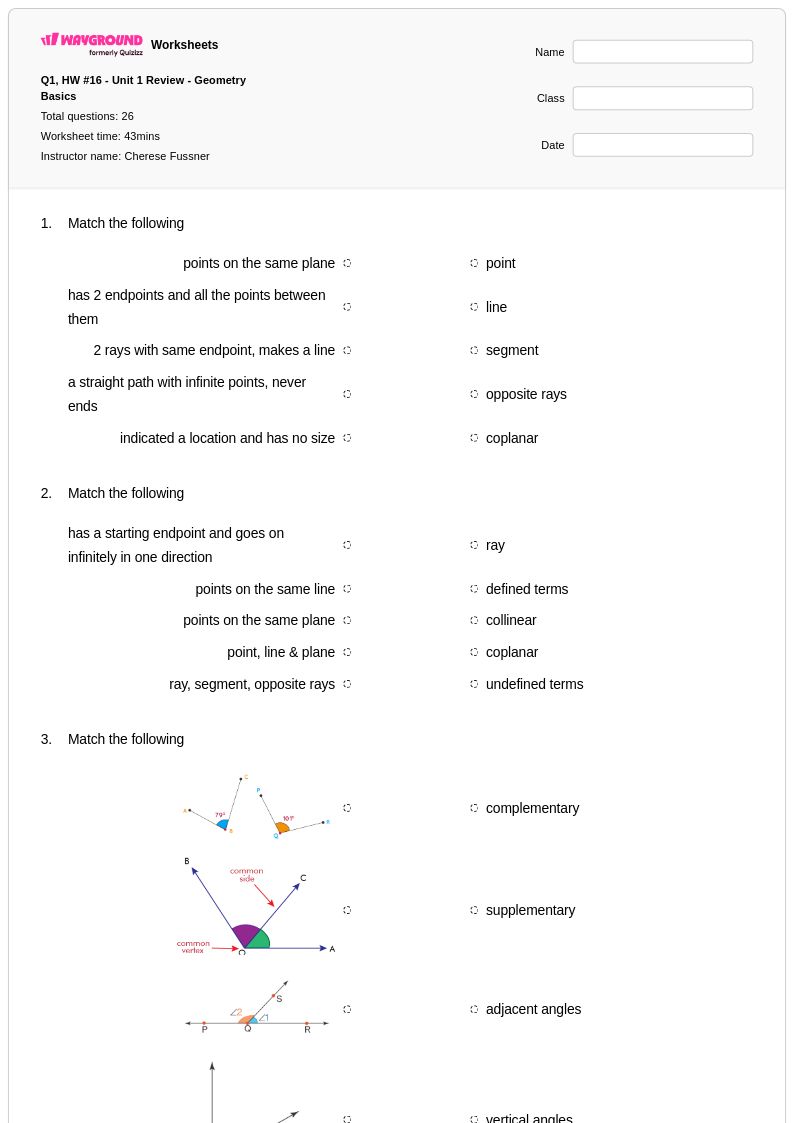
24 Q
9th - 12th
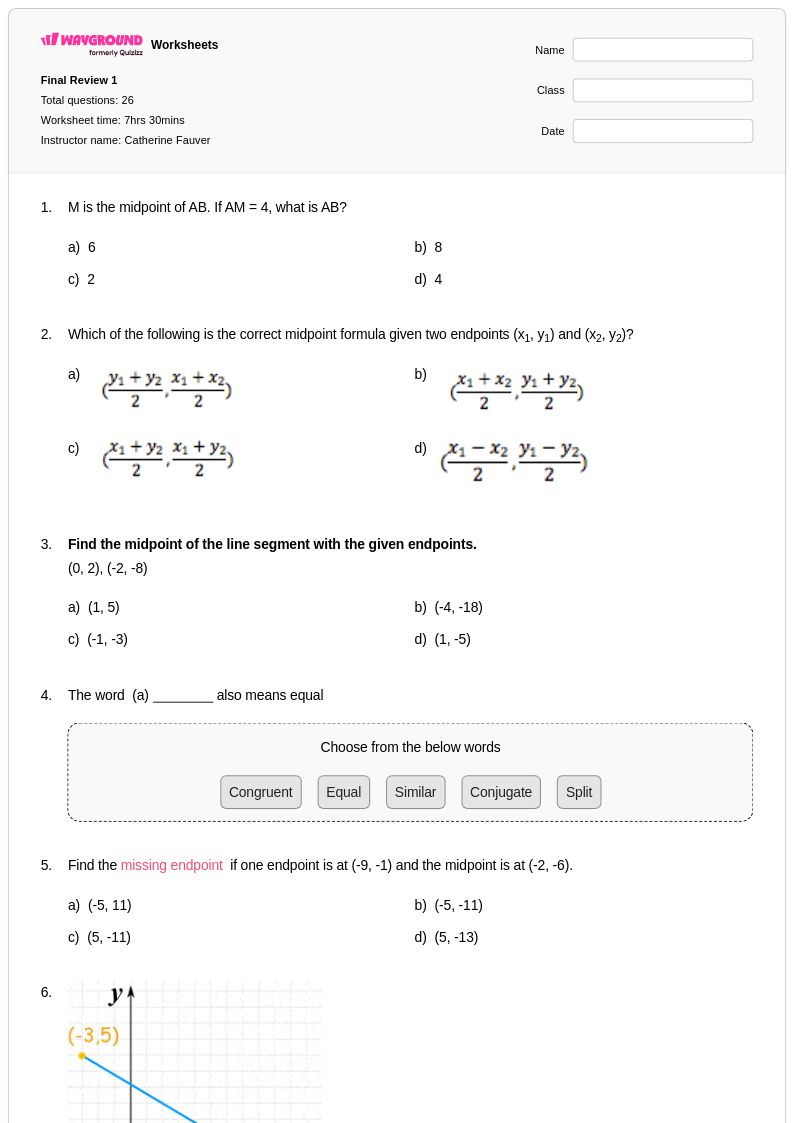
26 Q
10th
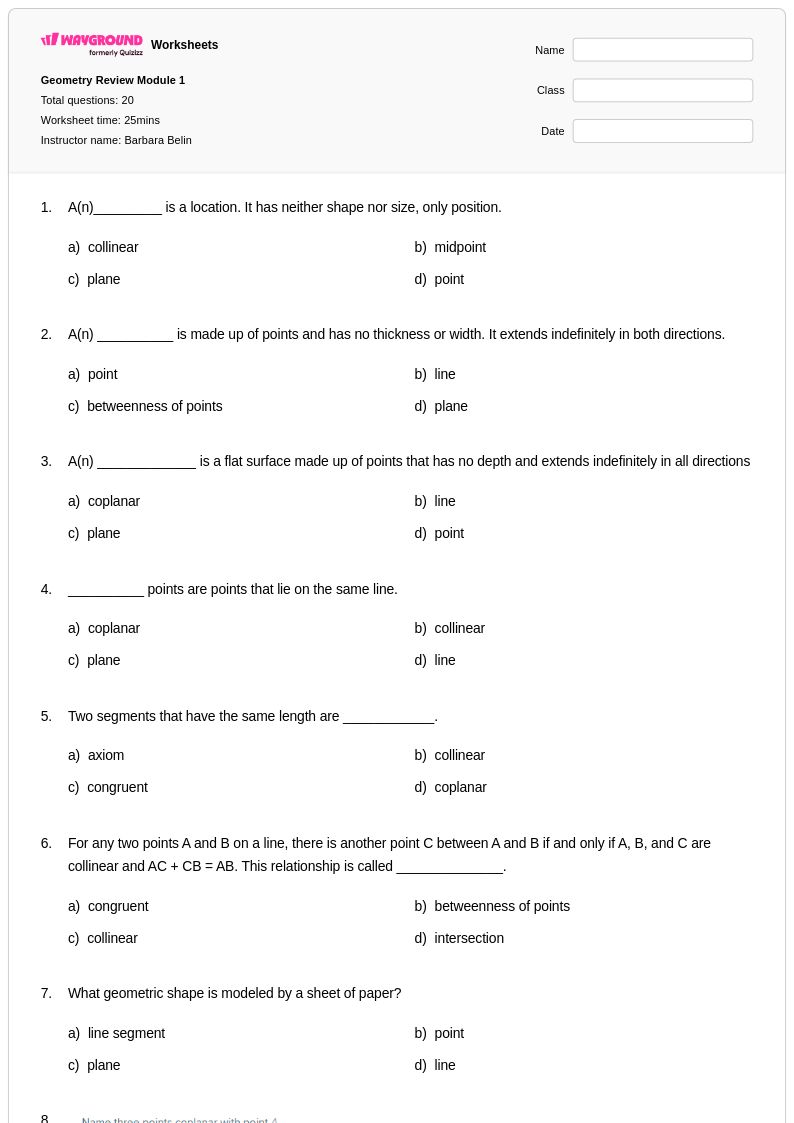
20 Q
10th
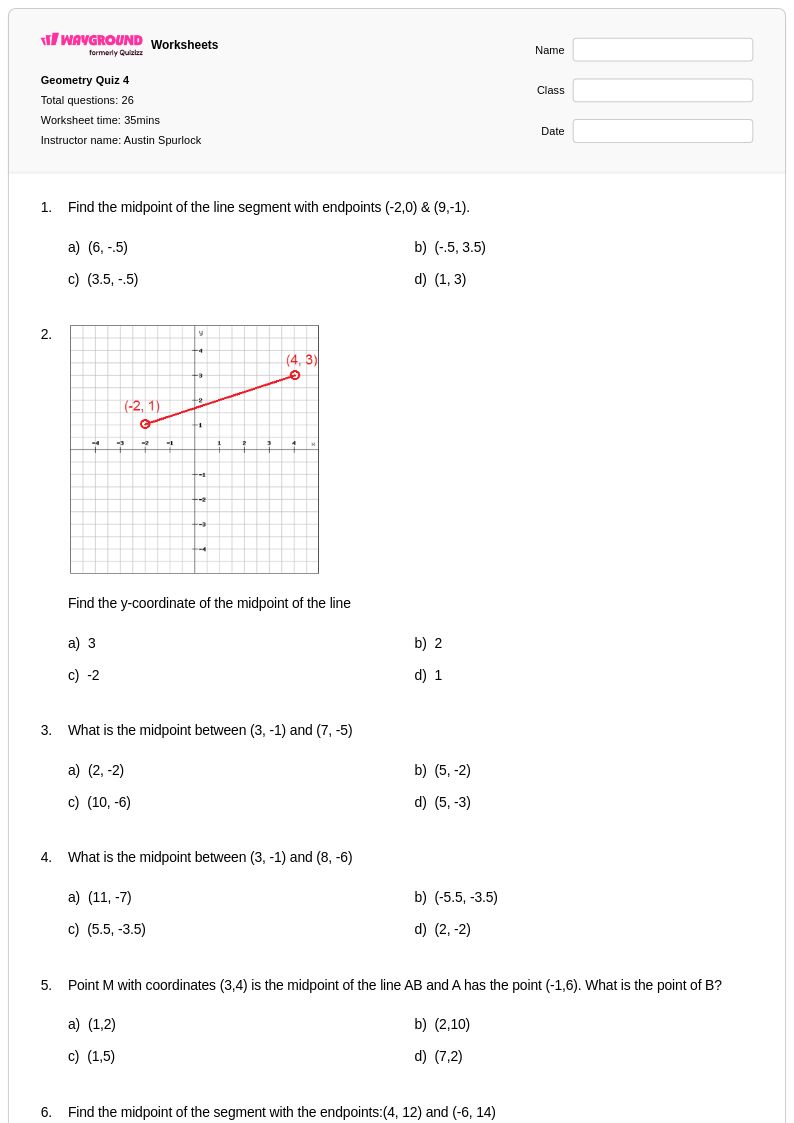
26 Q
10th
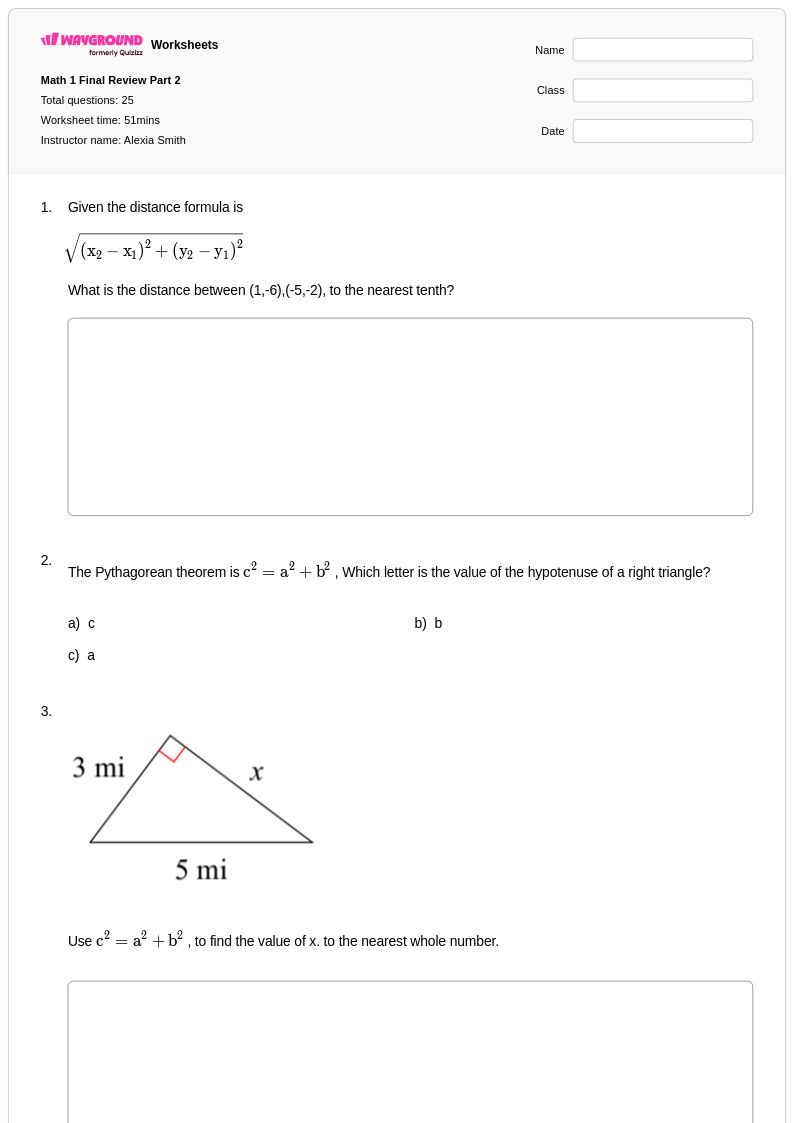
25 Q
9th
Explore Other Subject Worksheets for kindergarten
Explore printable Segment Midpoint worksheets for Kindergarten
Segment midpoint worksheets for kindergarten students through Wayground (formerly Quizizz) introduce young learners to fundamental spatial reasoning concepts through age-appropriate visual activities. These carefully designed worksheets help kindergarteners develop early geometric thinking by identifying the middle point of simple line segments using concrete manipulatives, colorful illustrations, and hands-on activities. The practice problems focus on building foundational understanding through activities like finding the center of objects, dividing lines into equal parts, and recognizing halfway points in familiar contexts. Each worksheet includes clear answer keys for educators and comes in convenient pdf format, making these free printables easily accessible for classroom use, homework assignments, or individual skill reinforcement.
Wayground (formerly Quizizz) empowers teachers with millions of educator-created resources specifically designed to support kindergarten geometry instruction, including comprehensive collections of segment midpoint materials that align with early learning standards. The platform's robust search and filtering capabilities allow teachers to quickly locate worksheets that match their students' developmental needs, while built-in differentiation tools enable customization for varying ability levels within the classroom. These resources are available in both printable pdf formats for traditional paper-and-pencil activities and digital formats for interactive learning experiences, providing flexibility for lesson planning, targeted remediation, and skill practice. Teachers can efficiently organize their geometry instruction by accessing standards-aligned materials that support systematic progression from basic spatial awareness to more complex geometric concepts, ensuring that foundational midpoint understanding is thoroughly established before advancing to higher-level topics.
FAQs
What grade do students learn about finding the middle of a line?
How do I teach the concept of 'middle' to young children?
What are some good hands-on activities for finding the midpoint?
How do I know if my kindergarten students grasp the concept of 'halfway'?
How can I use these kindergarten midpoint worksheets?
How does finding the 'middle' connect to kindergarten math standards?