Free Printable The Excretory System Worksheets for Class 9
Explore Class 9 excretory system worksheets and printables through Wayground that help students master kidney function, waste removal, and urinary system processes with comprehensive practice problems, free PDF downloads, and detailed answer keys.
Explore printable The Excretory System worksheets for Class 9
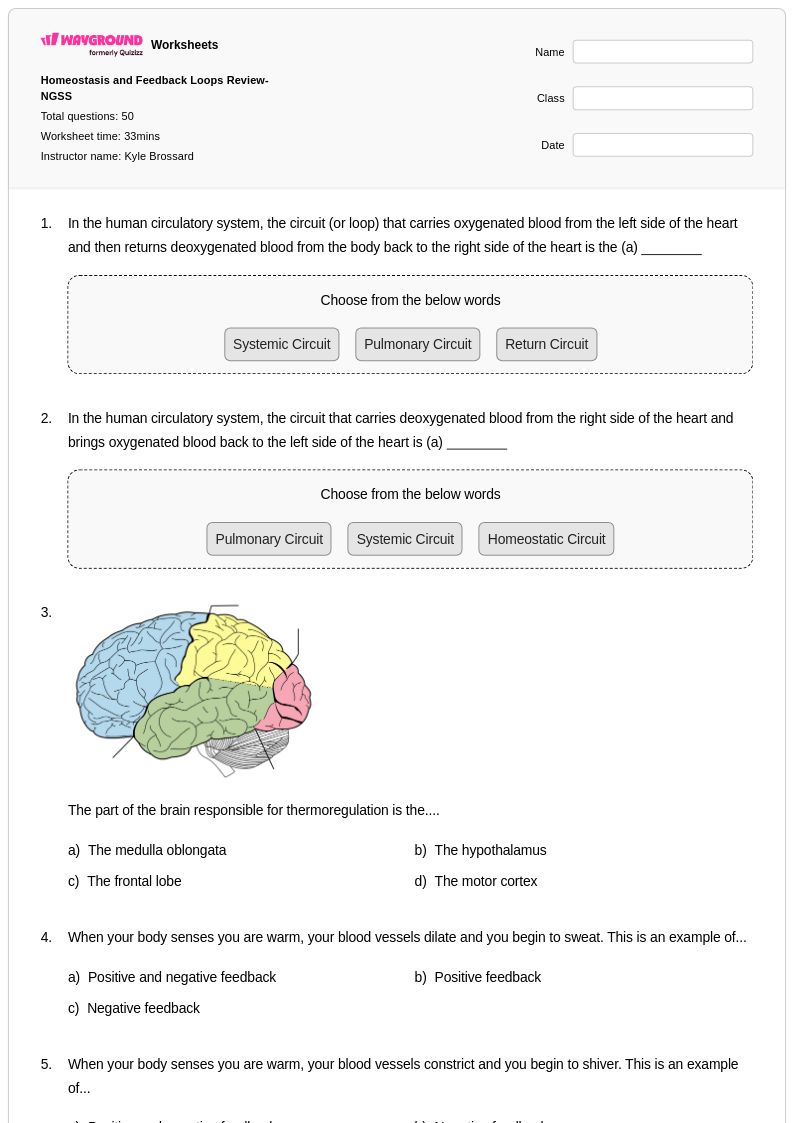
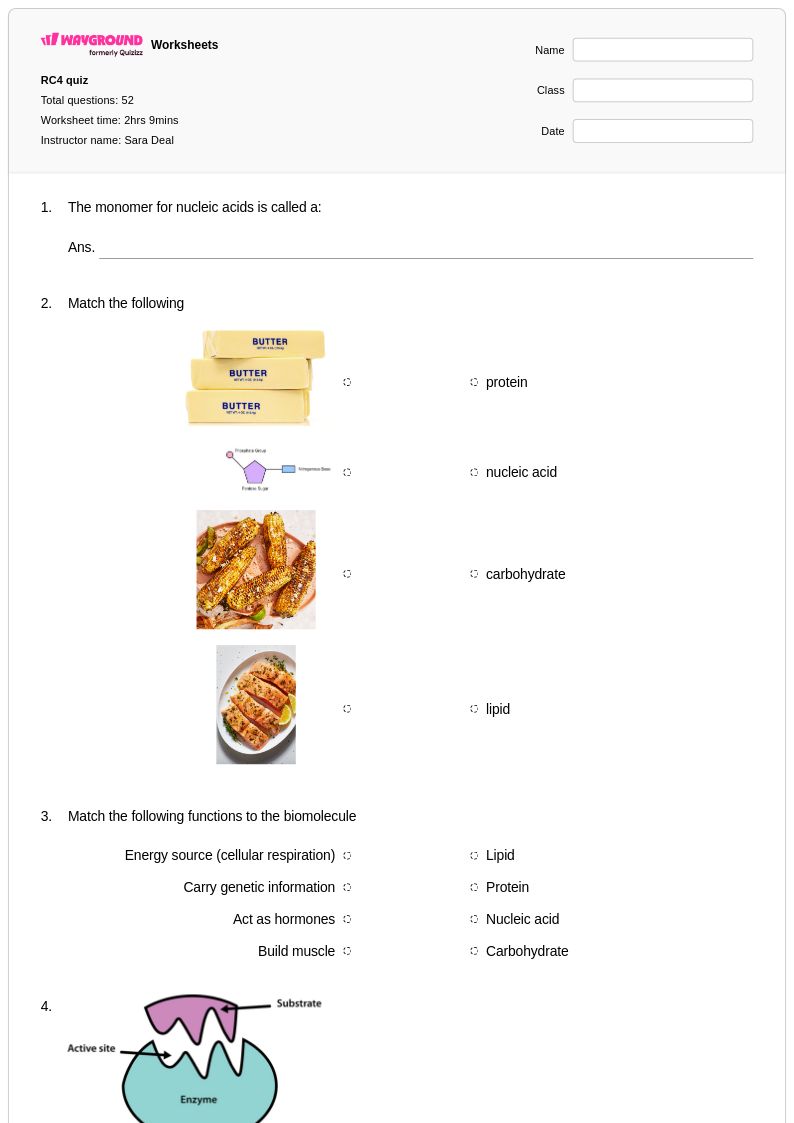
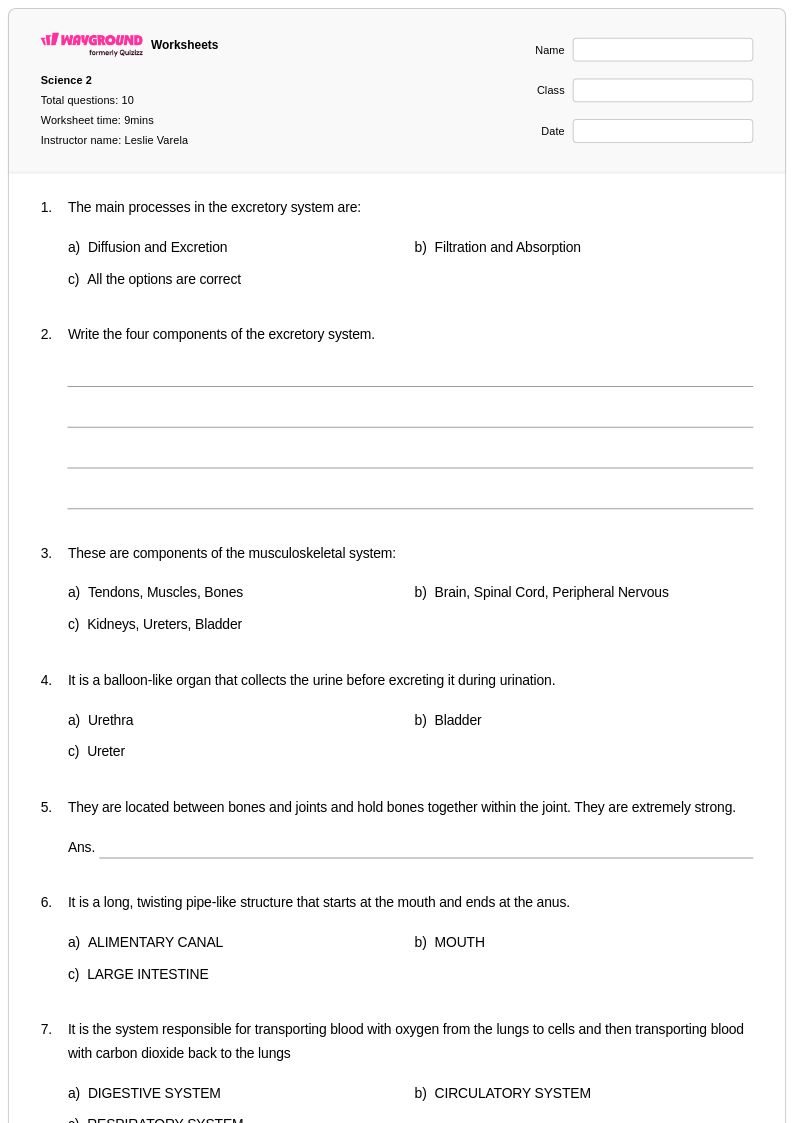
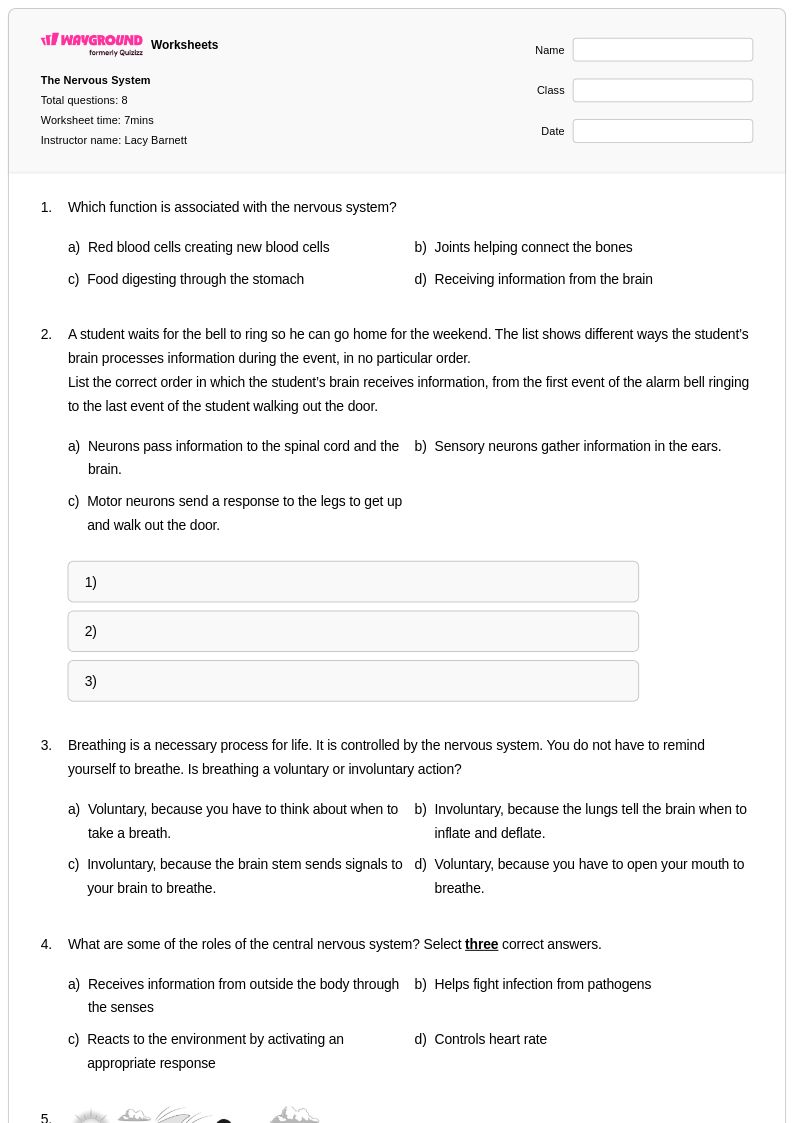
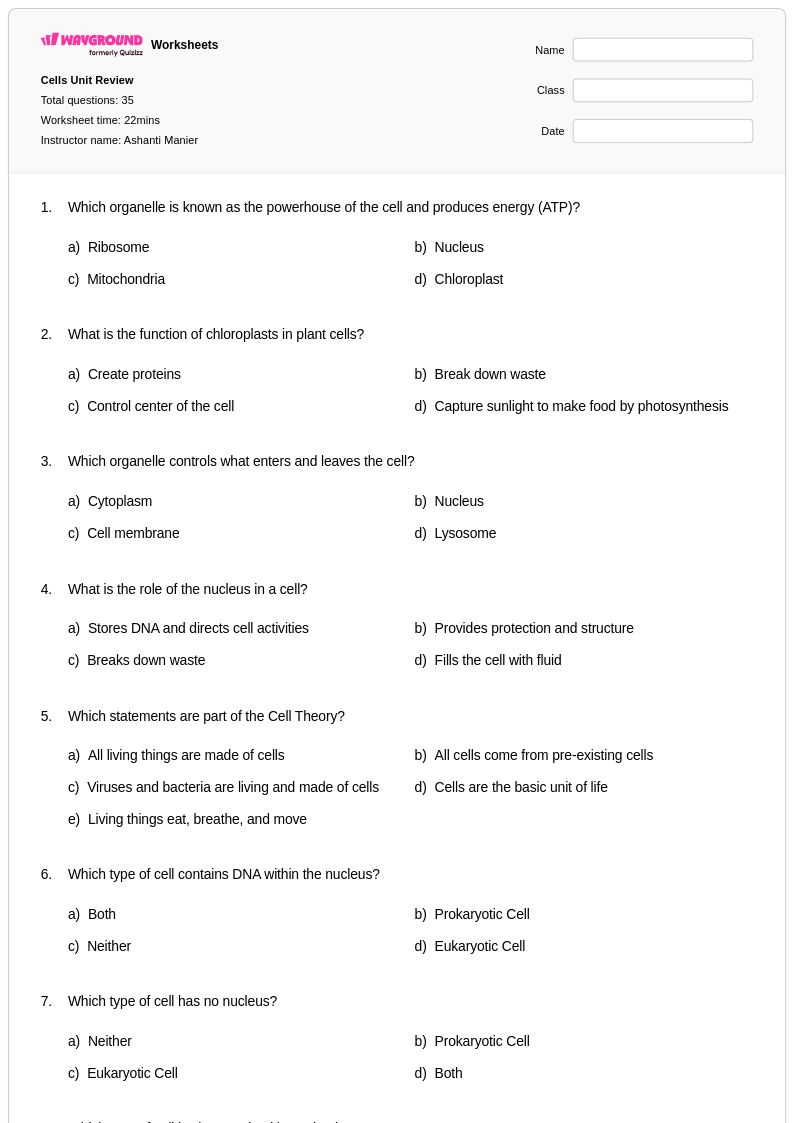
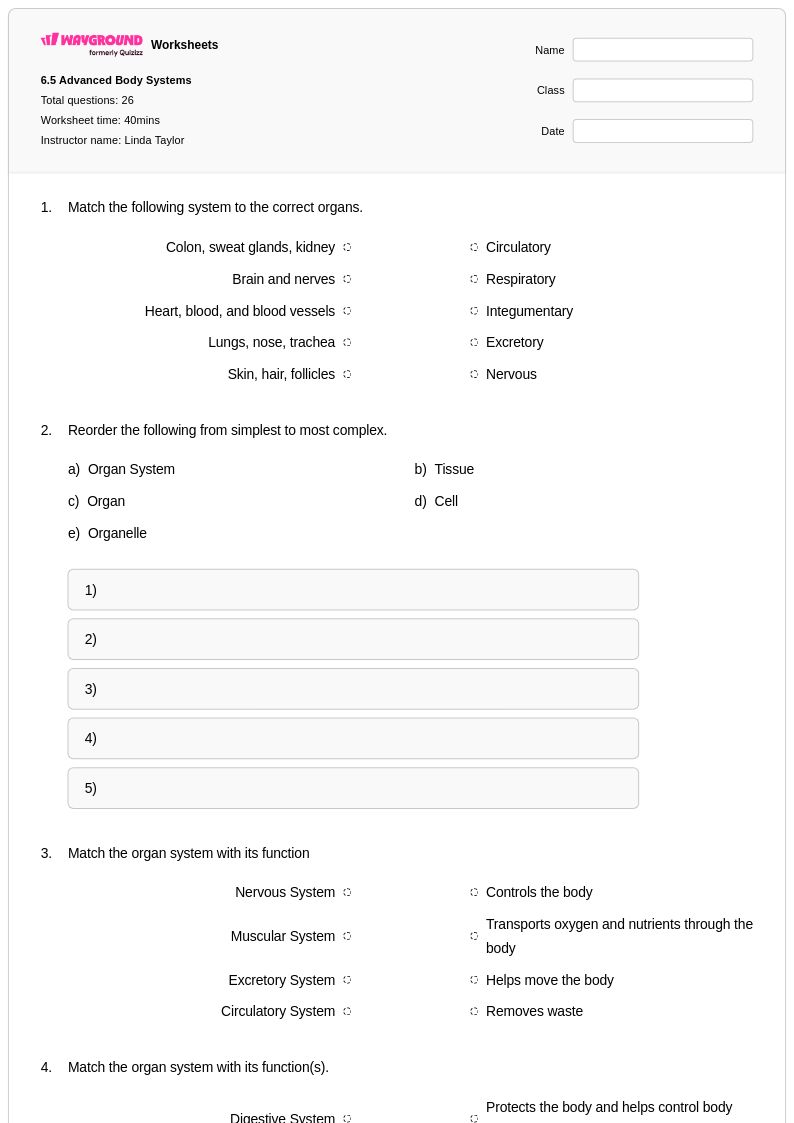
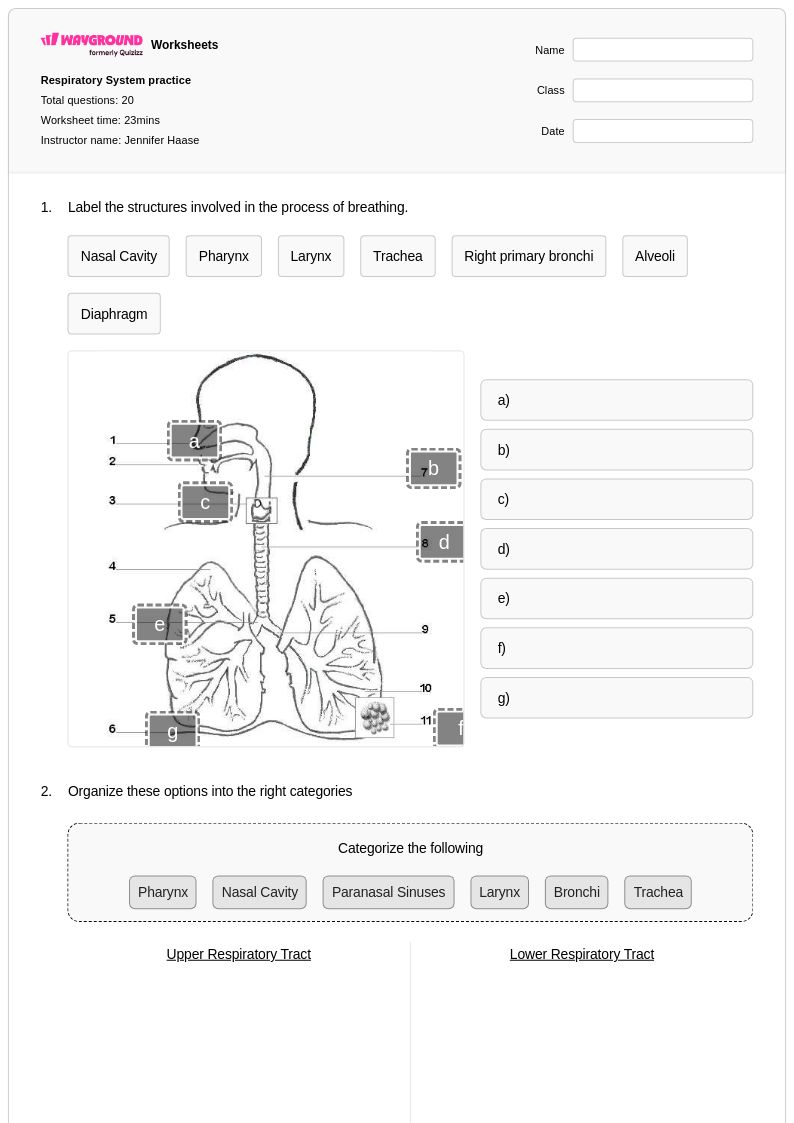
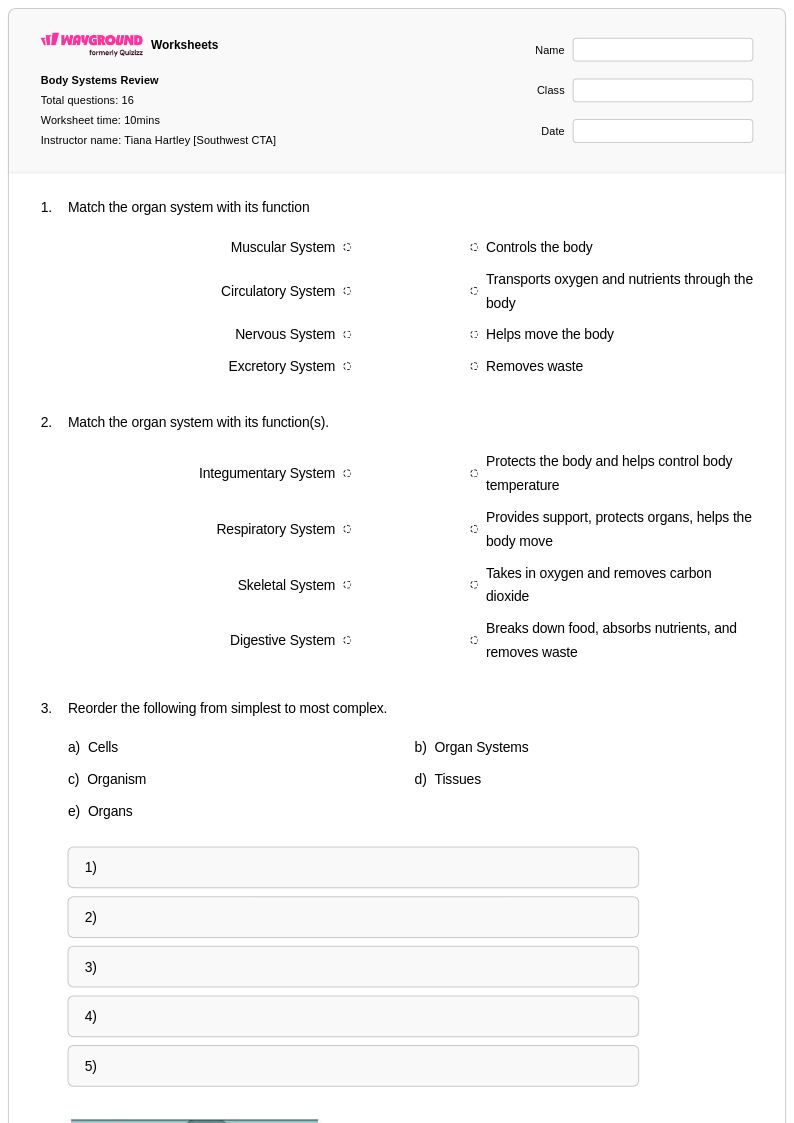
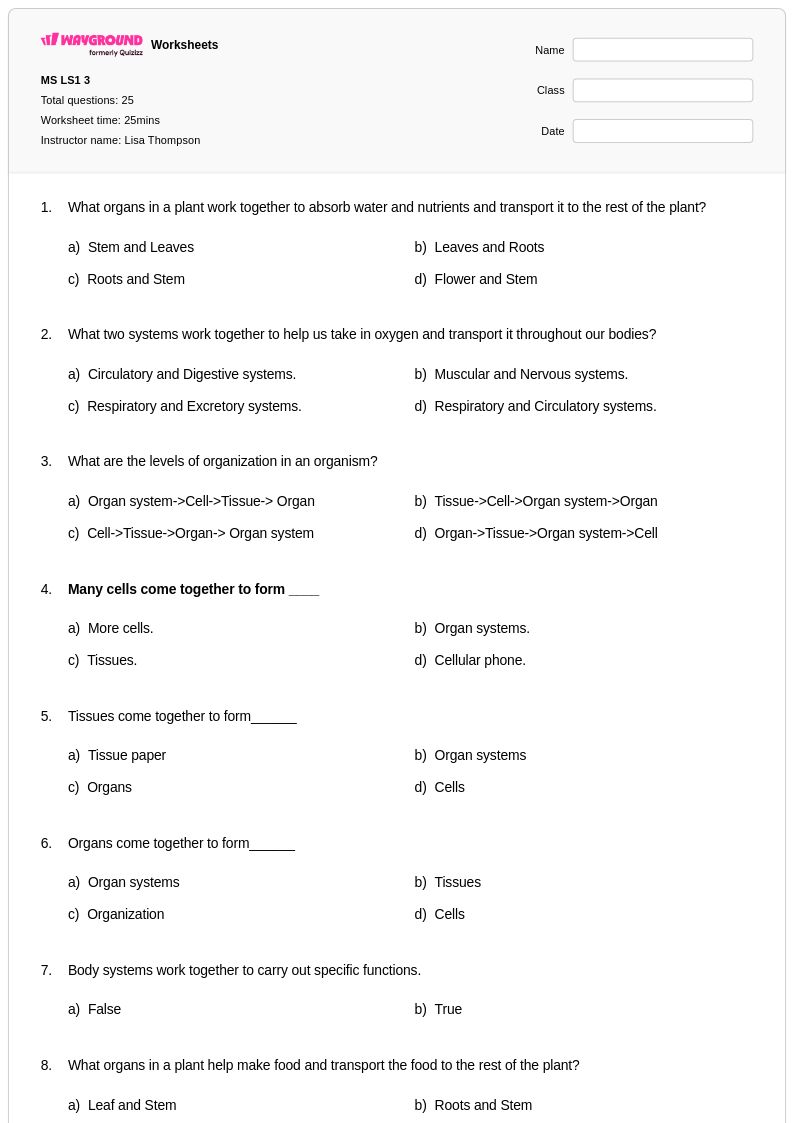
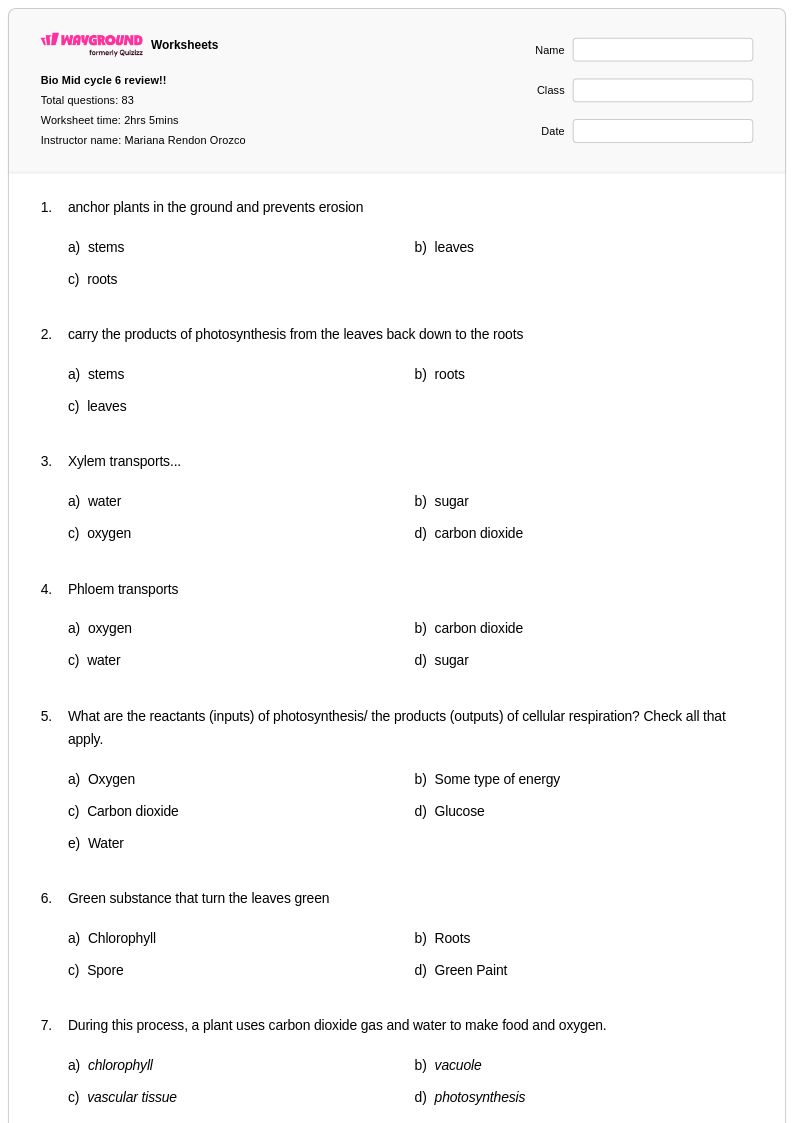
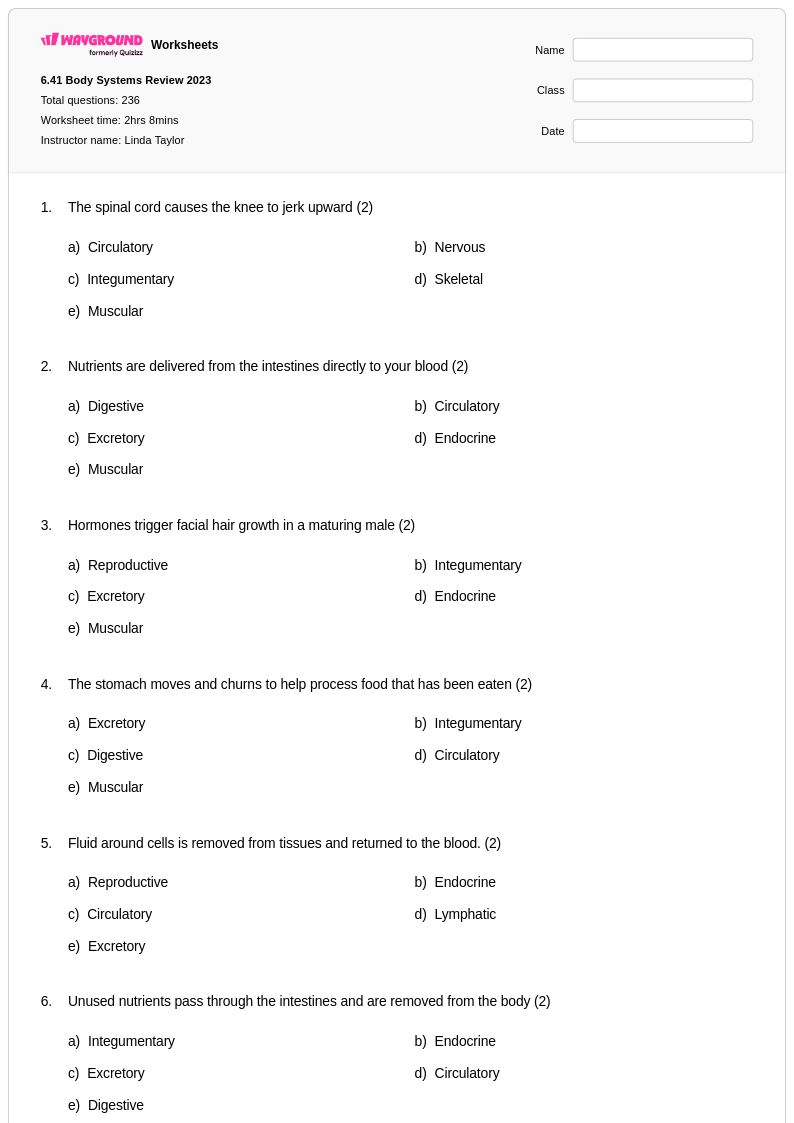
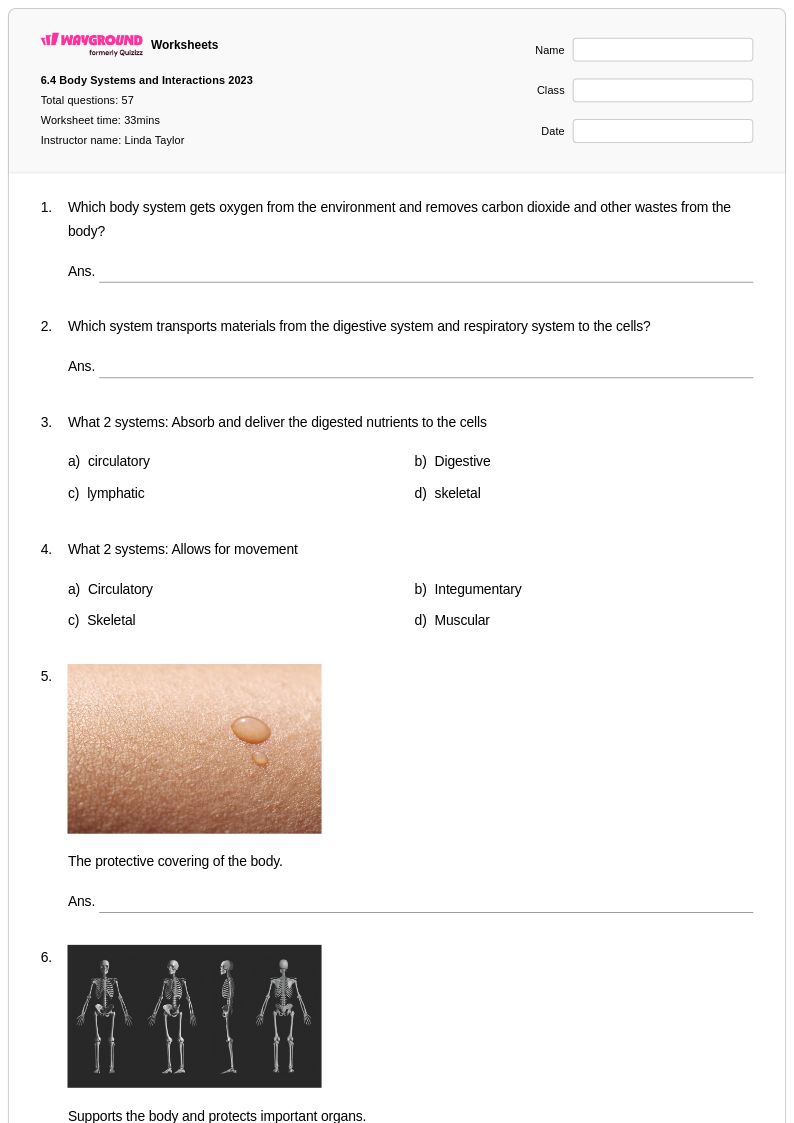
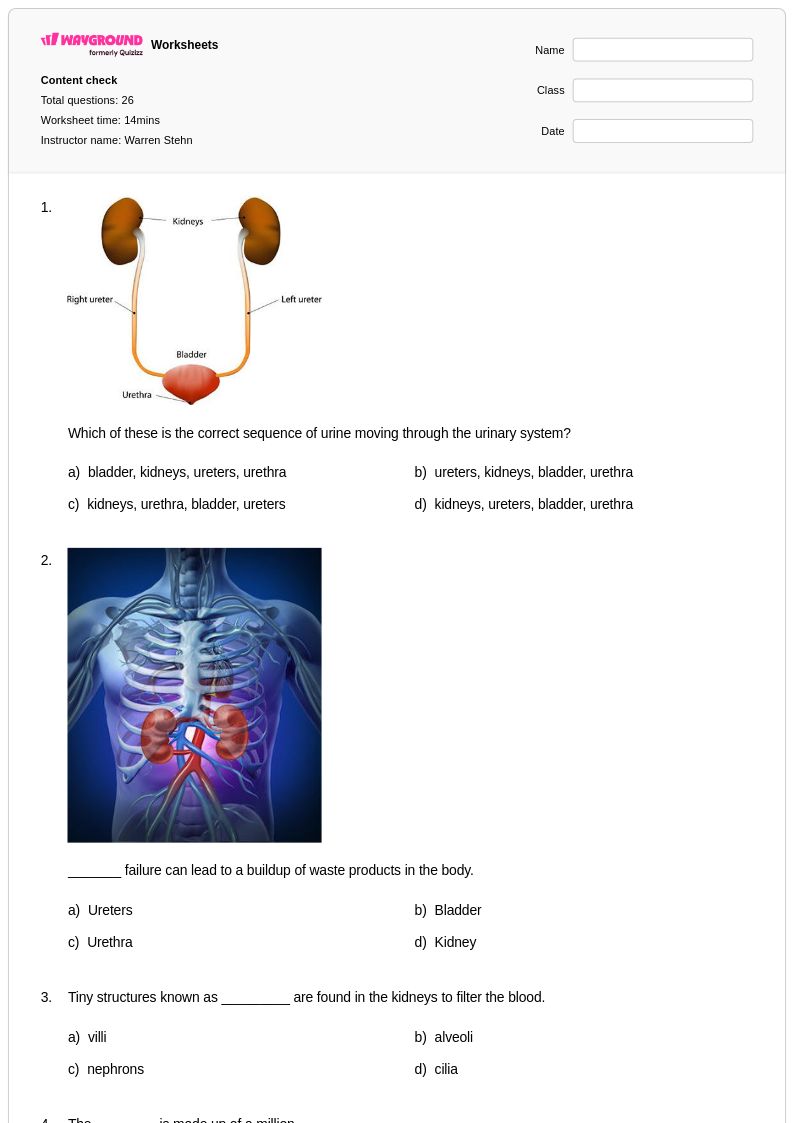
Class 9 excretory system worksheets available through Wayground (formerly Quizizz) provide comprehensive coverage of how the human body eliminates metabolic wastes and maintains proper fluid balance. These expertly designed resources strengthen students' understanding of kidney structure and function, nephron anatomy, urine formation processes, and the roles of other excretory organs including the liver, lungs, and skin. Each worksheet collection includes detailed answer keys to support independent learning and self-assessment, while the free printable format allows teachers to easily distribute practice problems that reinforce critical concepts such as filtration, reabsorption, and secretion. Students develop essential scientific literacy skills as they analyze diagrams of the urinary system, interpret data related to kidney function, and explore how the excretory system maintains homeostasis within the human body.
Wayground (formerly Quizizz) empowers educators with millions of teacher-created worksheet resources specifically designed for excretory system instruction, featuring robust search and filtering capabilities that allow quick identification of materials aligned with specific learning standards and grade-level expectations. The platform's differentiation tools enable teachers to customize worksheets for diverse learning needs, while flexible formatting options provide both printable PDF versions for traditional classroom use and digital formats for interactive learning environments. These comprehensive worksheet collections support effective lesson planning by offering varied question types and difficulty levels, making them invaluable for skill practice sessions, targeted remediation for struggling students, and enrichment activities for advanced learners who need additional challenges in understanding complex physiological processes.
FAQs
How do I teach the excretory system to my students?
Start by anchoring the excretory system in homeostasis — students need to understand that the body's survival depends on removing metabolic waste and regulating fluid balance before the organ-level details will stick. Introduce kidney structure first, then trace the journey of a filtrate through the nephron before expanding to the roles of the lungs, liver, and skin. Using diagrams of kidney cross-sections and nephron filtration alongside process-based questions helps students move from memorizing structures to understanding how each organ contributes to waste removal.
What are common mistakes students make when learning about the excretory system?
One of the most persistent misconceptions is confusing the excretory system with the digestive system — students often assume that defecation is a form of excretion, when in fact feces is undigested material that was never absorbed into the body. Students also frequently conflate filtration, reabsorption, and secretion in the nephron, treating urine formation as a single undifferentiated step. Another common error is overlooking the roles of the lungs and skin as excretory organs, defaulting to the kidneys as the only relevant structure.
What practice exercises help students understand kidney function and nephron filtration?
Labeling diagrams of the nephron and kidney cross-section is effective for building structural literacy, but students benefit most when those diagrams are paired with process-sequencing tasks that require them to order filtration, reabsorption, and secretion steps correctly. Fill-in-the-blank questions that isolate specific structures — like the glomerulus, Bowman's capsule, or loop of Henle — reinforce vocabulary while testing conceptual understanding. Practice problems that ask students to predict what happens to urine composition when kidney function is impaired are especially useful for deepening applied comprehension.
How do I assess whether students understand urine formation and waste removal?
Effective assessment should move beyond simple recall of organ names and require students to explain the relationship between filtration pressure, reabsorption rates, and final urine composition. Short-answer questions asking students to describe how the nephron maintains water balance or how antidiuretic hormone (ADH) affects urine concentration are strong indicators of conceptual mastery. Misconception-targeted questions — such as asking students to explain why removing excess salts is necessary for blood pressure regulation — reveal whether students understand the excretory system's role in homeostasis rather than just its anatomy.
How can I use excretory system worksheets in my classroom?
Excretory system worksheets on Wayground are available as printable PDFs for traditional classroom use and in digital formats for technology-integrated or remote learning environments, giving teachers flexibility across instructional settings. The digital versions can be hosted as a quiz directly on Wayground, making them suitable for formative assessment, independent practice, or review sessions. Each worksheet includes a complete answer key, which supports both teacher-led correction and independent student self-assessment after practice.
How do I support students with different learning needs when teaching the excretory system?
For students who need additional support processing complex physiological processes like glomerular filtration or tubular reabsorption, reducing the number of answer choices displayed can lower cognitive load without changing the learning objective. Wayground's Read Aloud feature can assist students who struggle with dense scientific vocabulary by having questions and content read to them. Extended time settings can be configured per student for timed digital activities, ensuring that students with processing differences have equitable access to the same rigorous content.