Free Printable Abiotic Factors Worksheets for Class 6
Class 6 abiotic factors worksheets from Wayground help students explore non-living environmental components through engaging printables, practice problems, and comprehensive answer keys for effective biology learning.
Explore printable Abiotic Factors worksheets for Class 6
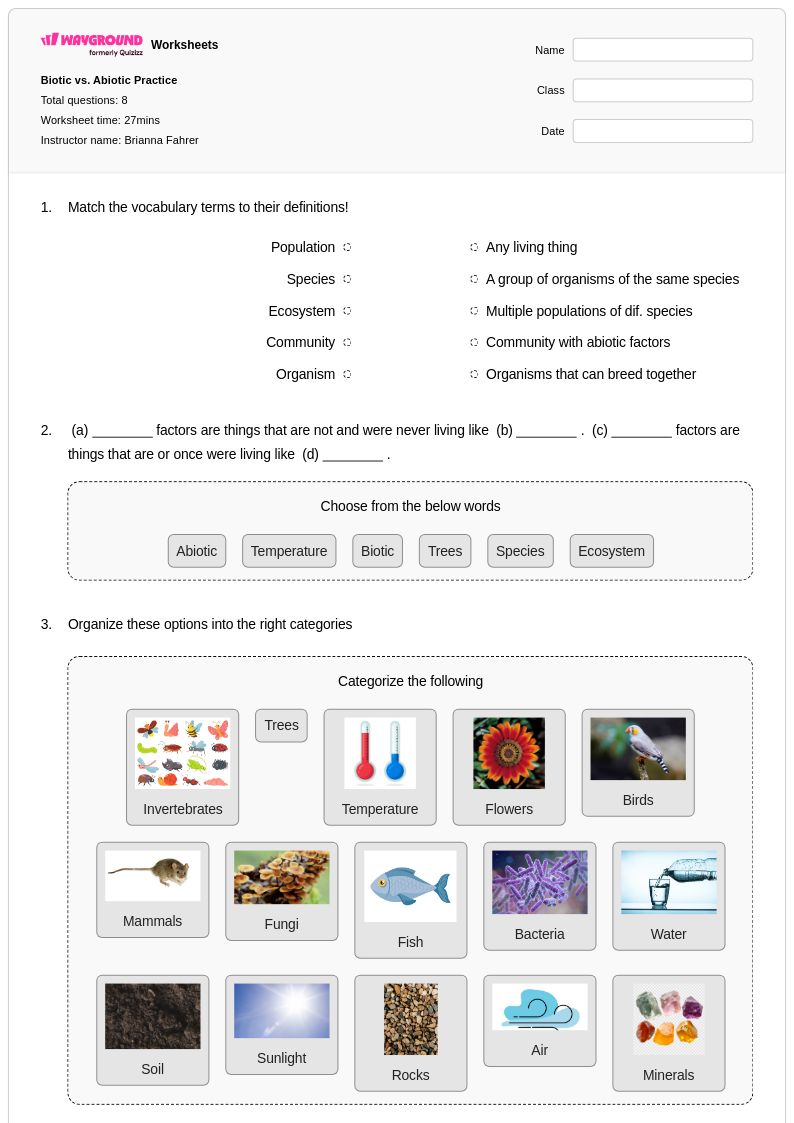
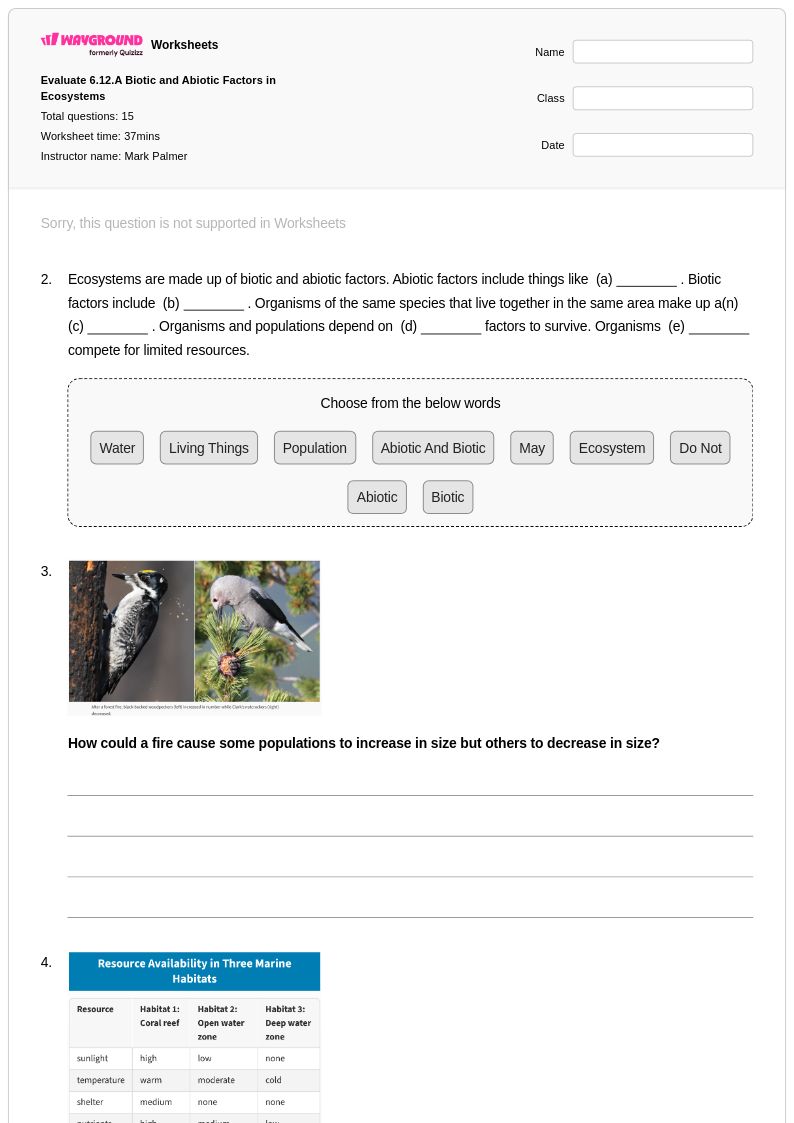
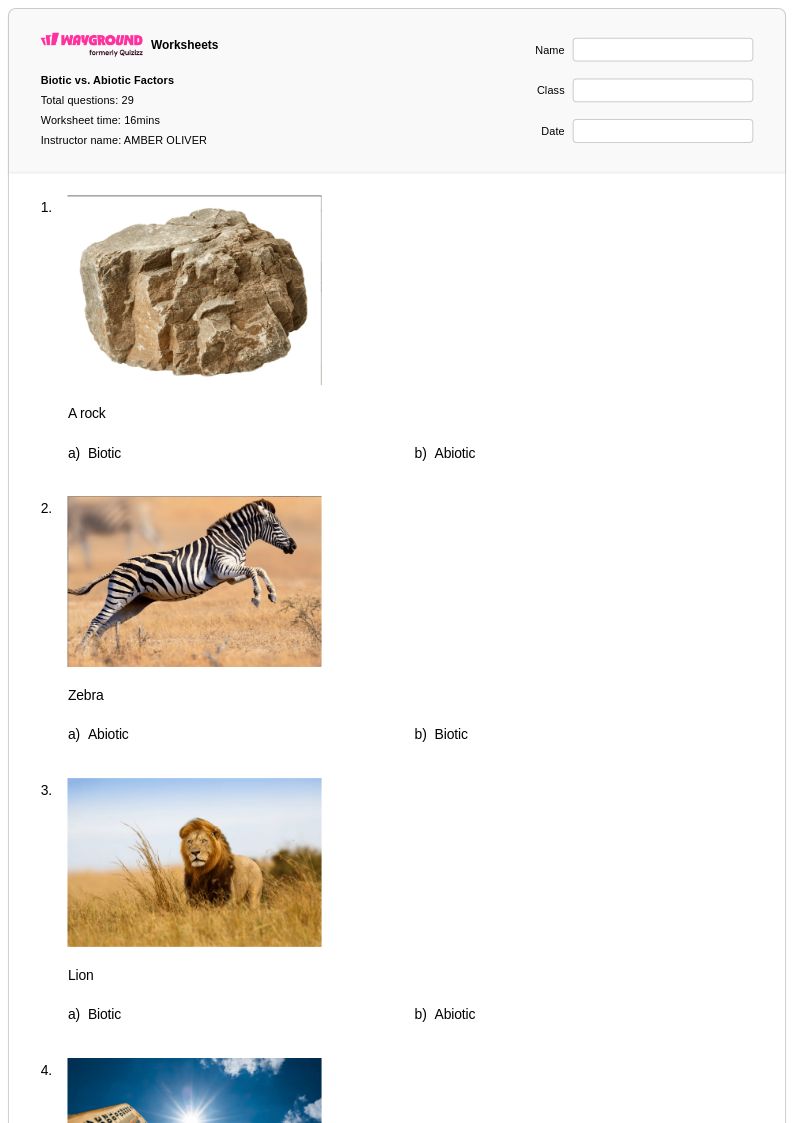
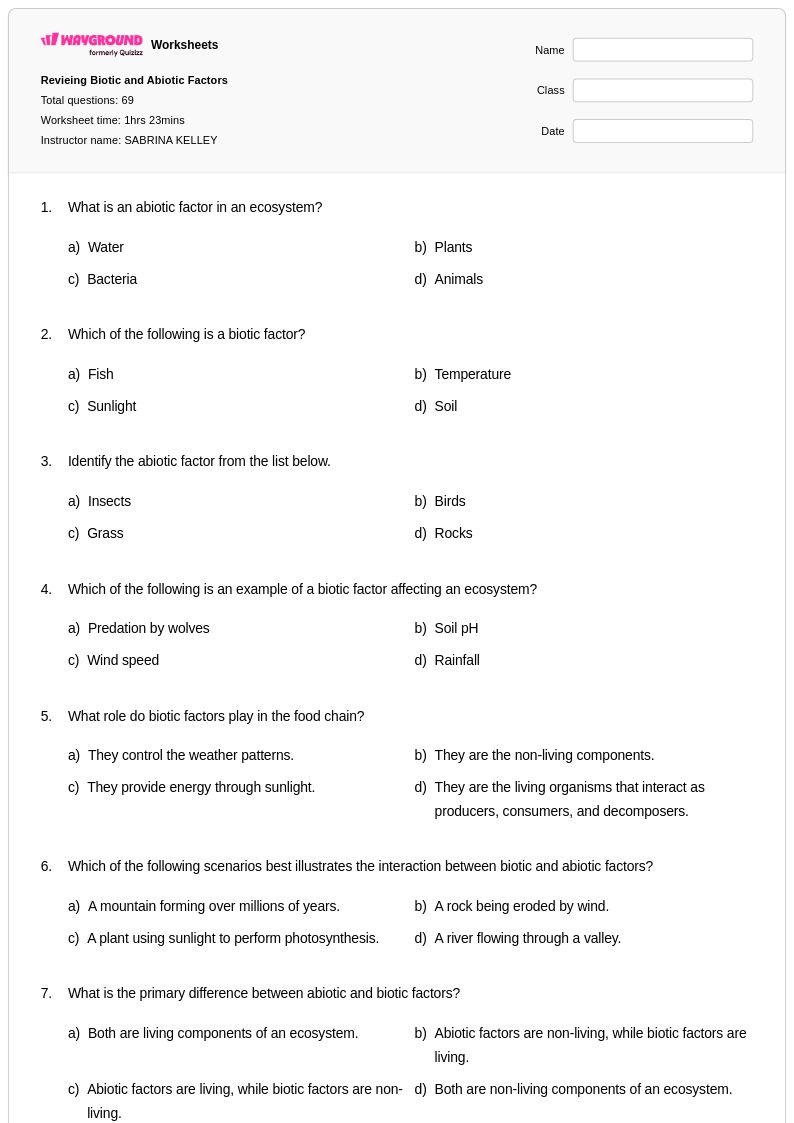
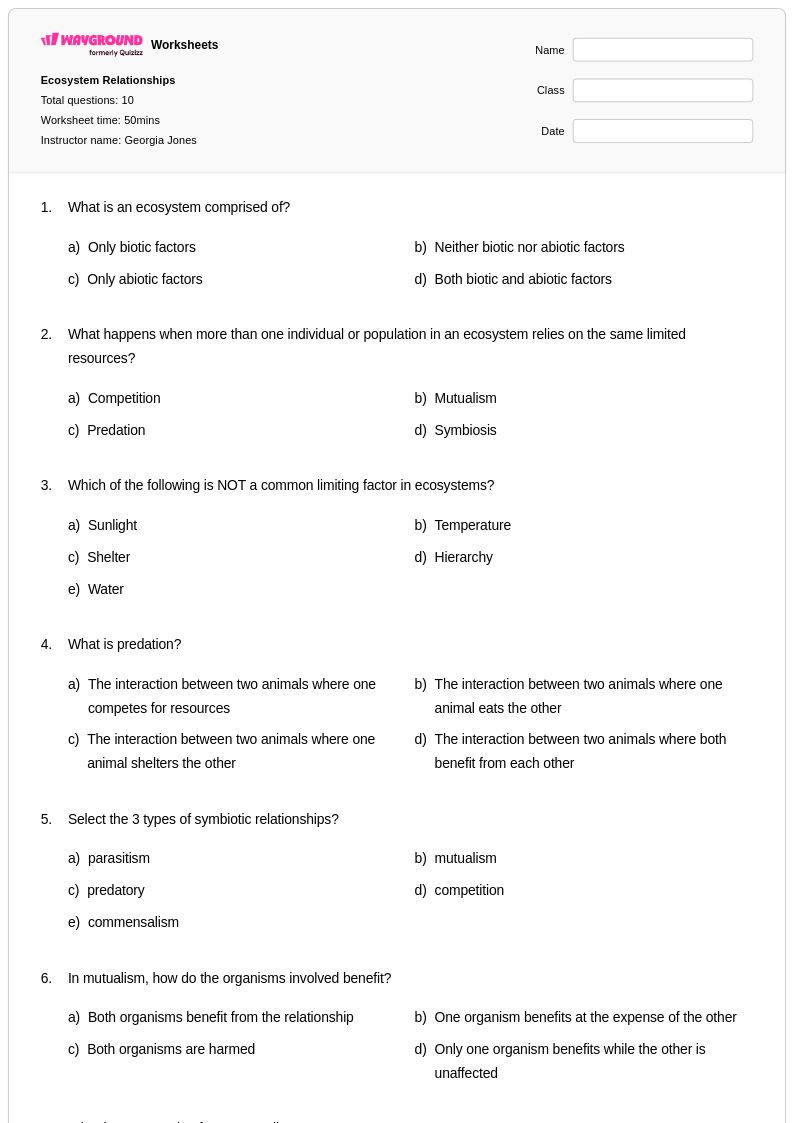
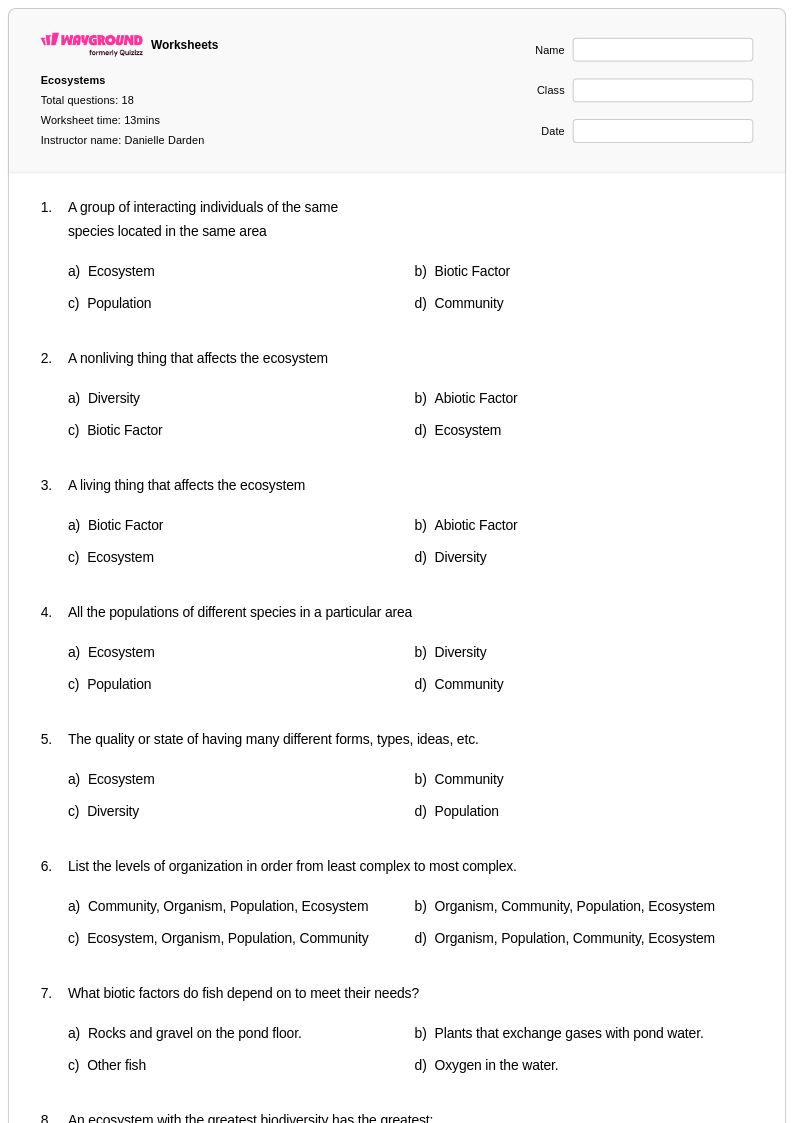
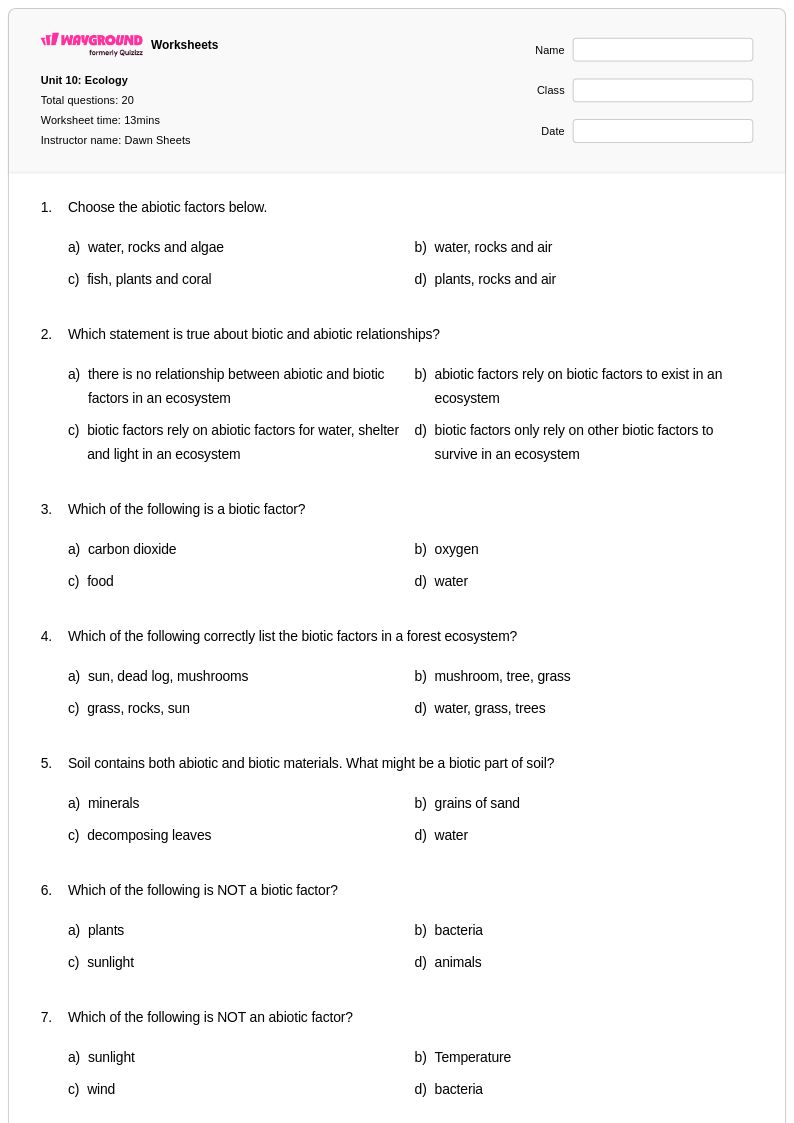
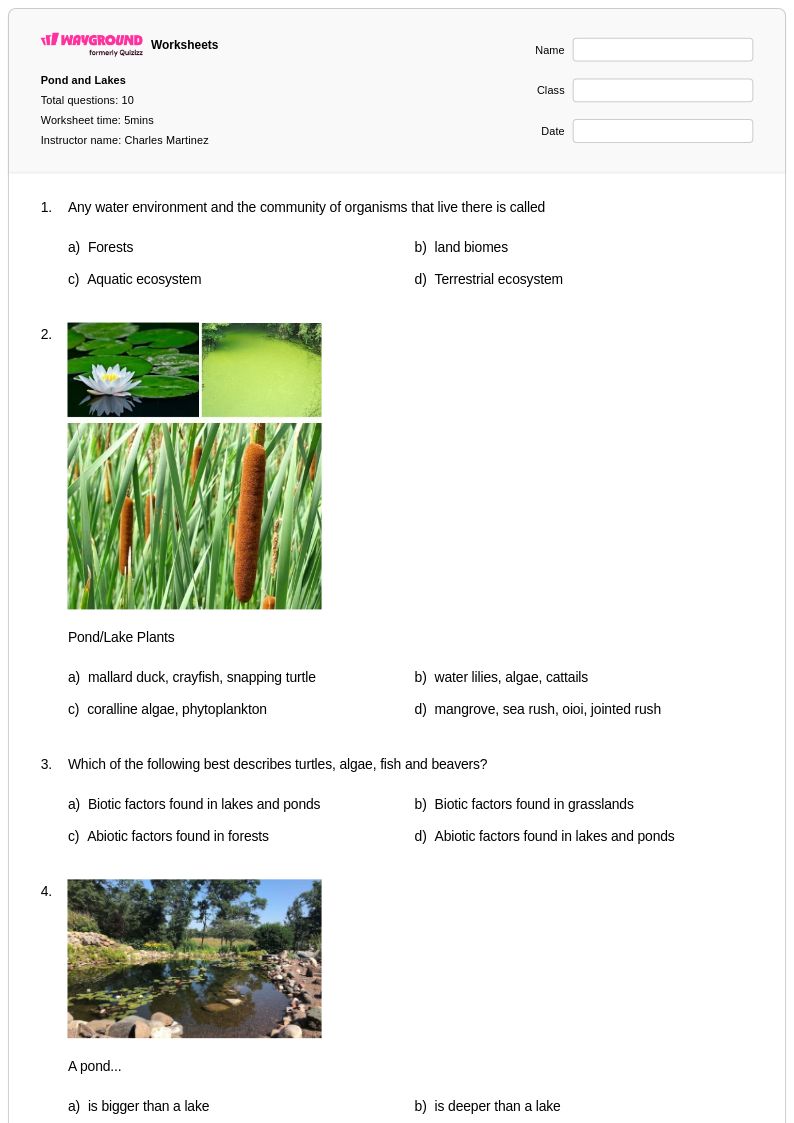
Abiotic factors worksheets for Class 6 students available through Wayground (formerly Quizizz) provide comprehensive practice materials that help students understand the non-living components of ecosystems and their crucial role in supporting life. These carefully designed worksheets strengthen essential biology skills by guiding students through the identification and analysis of physical and chemical factors such as temperature, sunlight, water availability, soil composition, air quality, and pH levels. Students engage with practice problems that challenge them to recognize how abiotic factors influence organism survival, population dynamics, and ecosystem balance. The collection includes free printables with complete answer keys, ensuring teachers have ready-to-use materials that support both independent study and classroom instruction in pdf format.
Wayground (formerly Quizizz) empowers educators with millions of teacher-created abiotic factors resources that streamline lesson planning and enhance student understanding of ecosystem science. The platform's robust search and filtering capabilities allow teachers to quickly locate worksheets aligned with specific learning standards and grade-level expectations, while differentiation tools enable customization for diverse learning needs and abilities. Available in both printable pdf format and interactive digital versions, these worksheet collections support flexible implementation across various teaching scenarios, from targeted remediation sessions to enrichment activities for advanced learners. Teachers can efficiently adapt materials to address specific skill gaps, reinforce key concepts about environmental science, and provide meaningful practice opportunities that deepen students' comprehension of how non-living factors shape the natural world.
FAQs
How do I teach abiotic factors to my students?
Start by grounding students in the distinction between abiotic and biotic factors before introducing specific variables like temperature, light intensity, water availability, soil composition, pH, and atmospheric pressure. Use real-world examples from local ecosystems so students can connect abstract concepts to observable environments. From there, structured practice that requires students to analyze how specific abiotic conditions affect organism survival helps solidify understanding before moving into ecosystem-level relationships.
What exercises help students practice identifying abiotic factors?
Effective practice exercises ask students to classify environmental components as abiotic or biotic, interpret data tables showing how variables like temperature or pH affect species distribution, and predict organism survival under altered conditions. Varied problem types — including scenario analysis and experimental design questions — build both recall and critical thinking around abiotic-biotic interactions. Worksheets that pair data interpretation with short written responses are especially useful for reinforcing ecological reasoning.
What mistakes do students commonly make when learning about abiotic factors?
One of the most frequent errors is confusing abiotic factors with biotic ones — students often misclassify decomposers, fungi, or organic matter as abiotic because they associate them with soil or non-moving things. Another common misconception is treating abiotic factors as isolated variables rather than interconnected systems, which leads to shallow analysis when evaluating ecosystem dynamics. Students also tend to underestimate the role of chemical factors like pH and atmospheric pressure compared to more visible variables like light and temperature.
How do I differentiate abiotic factors worksheets for students at different levels?
For struggling learners, simplify tasks by focusing on identification and basic classification before introducing data interpretation. Advanced students can be challenged with experimental design scenarios that require them to control abiotic variables and predict ecological outcomes. On Wayground, teachers can apply individual accommodations such as read aloud support, reduced answer choices, and extended time to specific students, while the rest of the class works with default settings — making differentiation manageable without singling anyone out.
How can I use Wayground's abiotic factors worksheets in my classroom?
Wayground's abiotic factors worksheets are available as printable PDFs for traditional classroom use and in digital formats for technology-integrated environments, including the option to host them as an interactive quiz directly on Wayground. Each worksheet includes a complete answer key, which streamlines grading and gives teachers clear explanations to reference when addressing common student errors. The digital format is especially useful for assigning independent practice, warm-up review, or homework with immediate student feedback.
How do abiotic factors connect to broader ecology standards I need to teach?
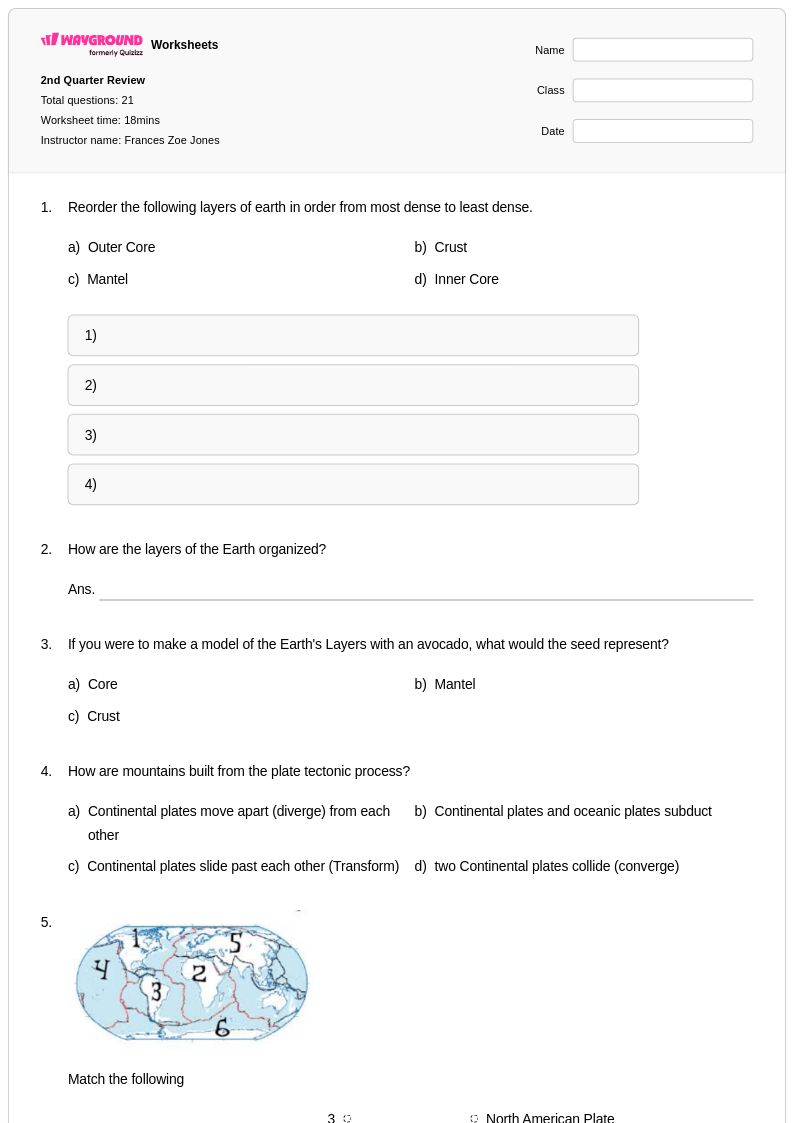
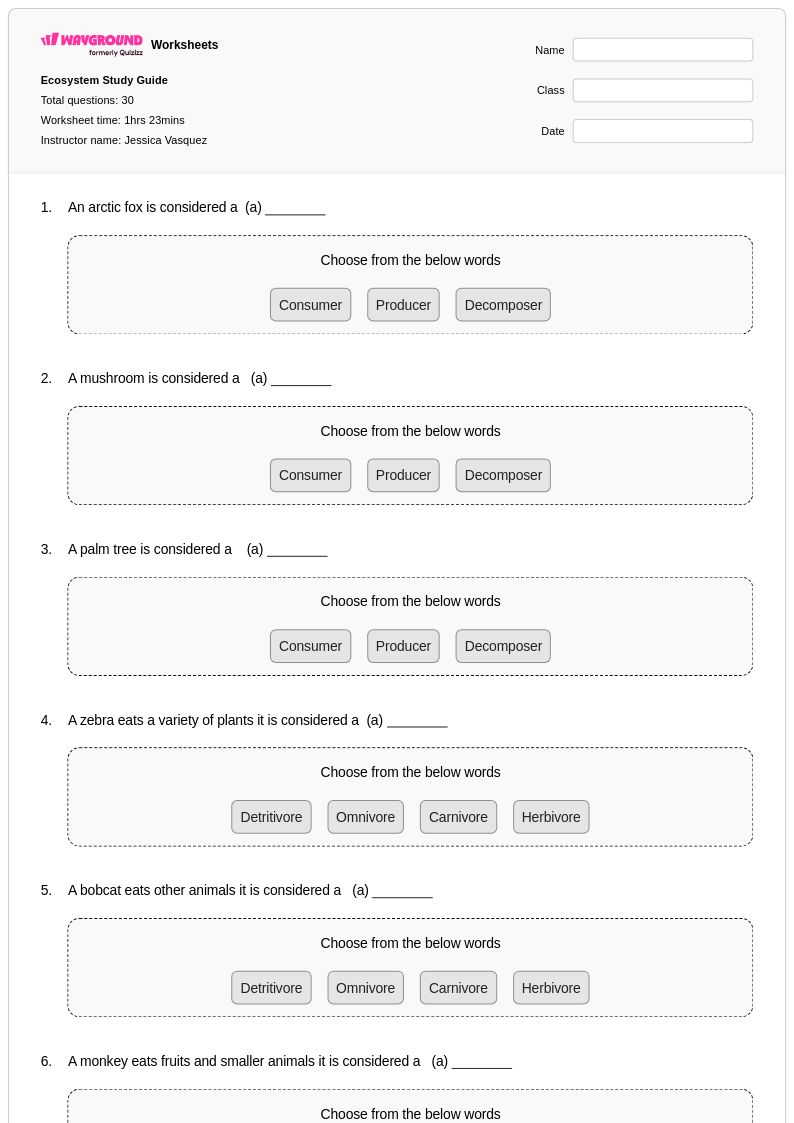
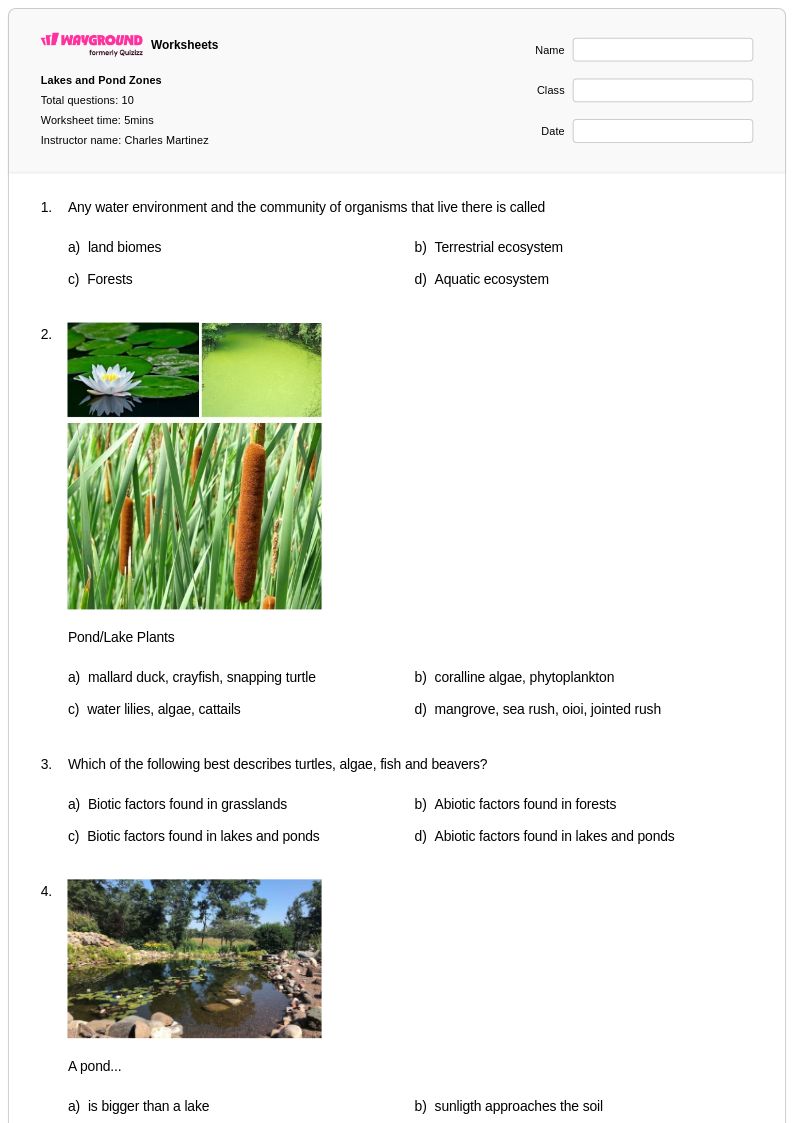
Abiotic factors are a foundational concept within ecosystems and ecology units, directly connecting to standards around energy flow, biome characteristics, and population dynamics. Understanding how temperature, water, light, and soil composition shape living conditions prepares students to analyze biomes, food webs, and species adaptations in more complex units. Teaching abiotic factors early in an ecology sequence gives students the conceptual vocabulary needed to evaluate how environmental change — including human impact — affects entire ecosystems.

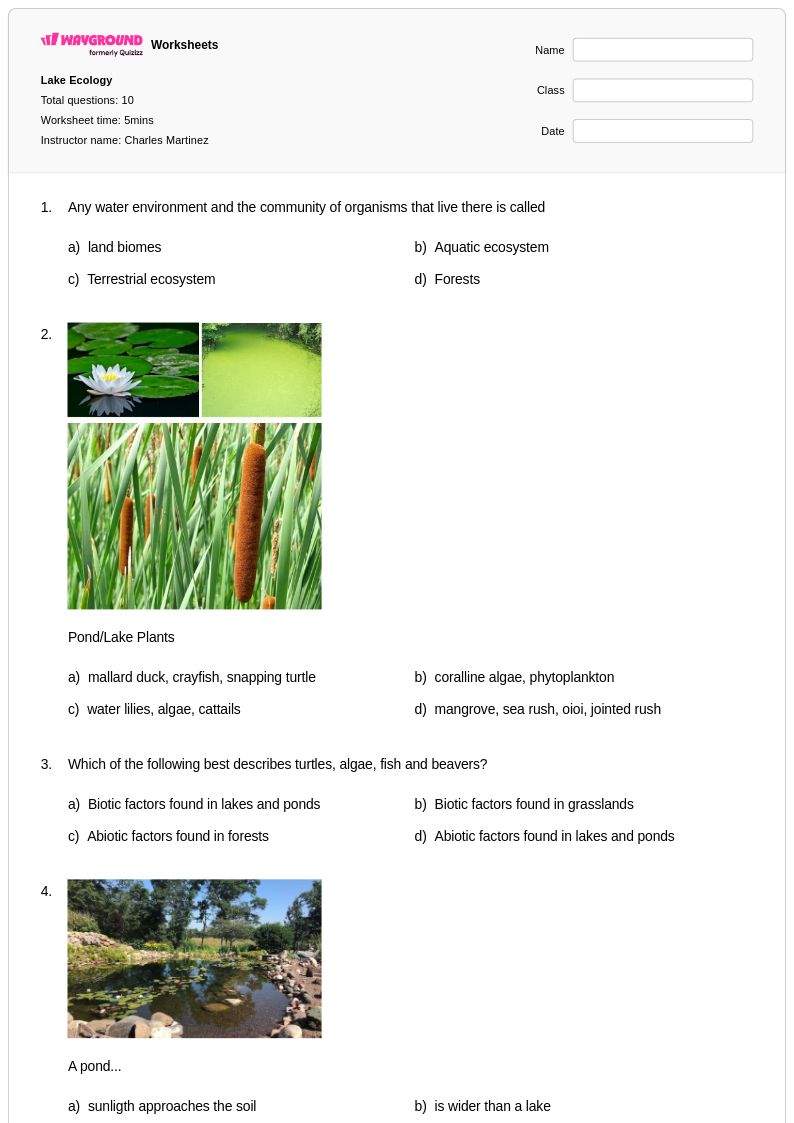
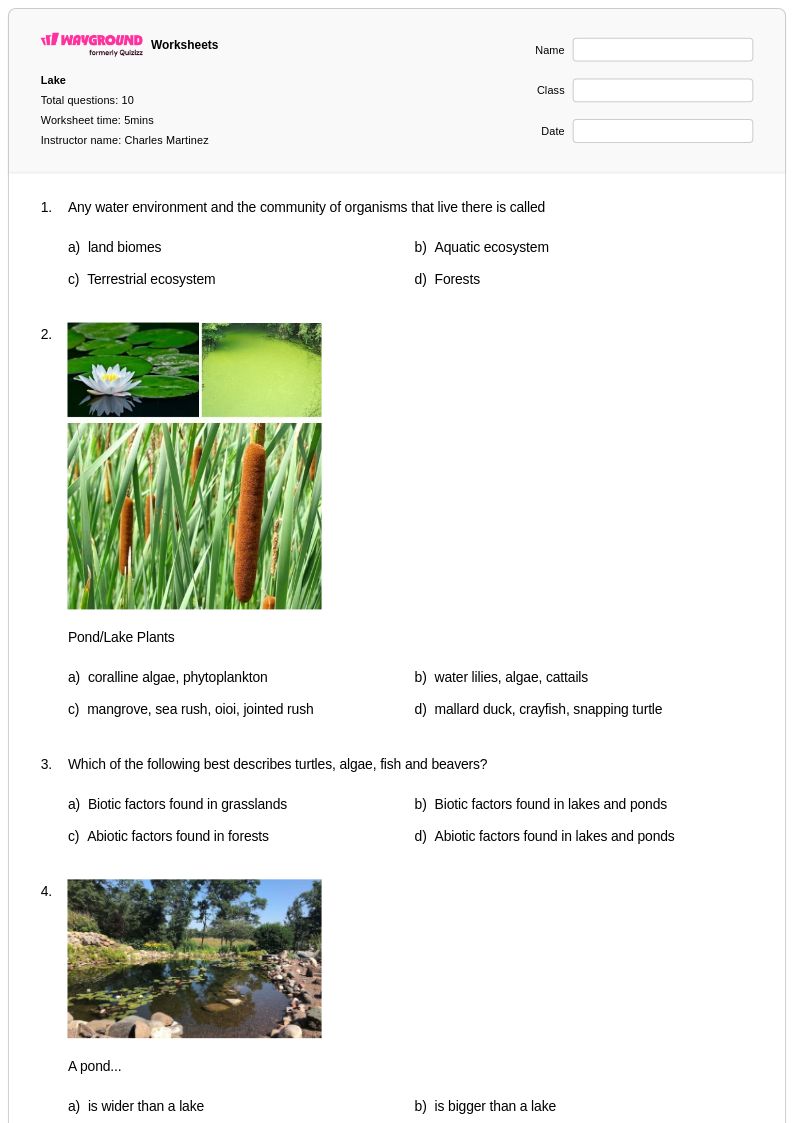
![Living organisms and their surroundings [By Lokesh Kumar] - Printable Abiotic-factors Worksheets Class 6 - Wayground](https://quizizz-static.s3.amazonaws.com/_media/worksheets-new/5fc0a18a29abd4001bd5eedb-living-organisms-and-their-surroundings-by-lokesh-kumar)