
25 Q
6th
15 Q
4th - Uni
9 Q
6th
15 Q
4th - Uni
15 Q
5th - Uni
25 Q
4th - Uni
20 Q
6th
16 Q
6th - 8th
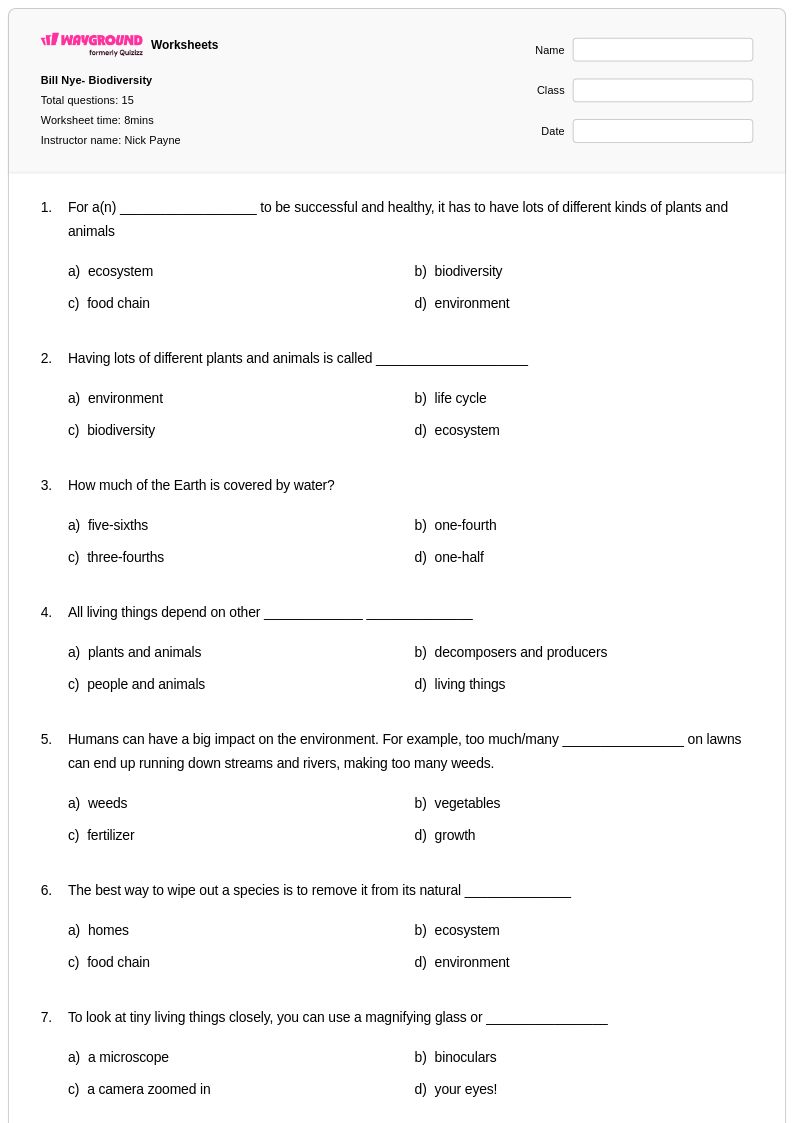
15 Q
6th - 8th
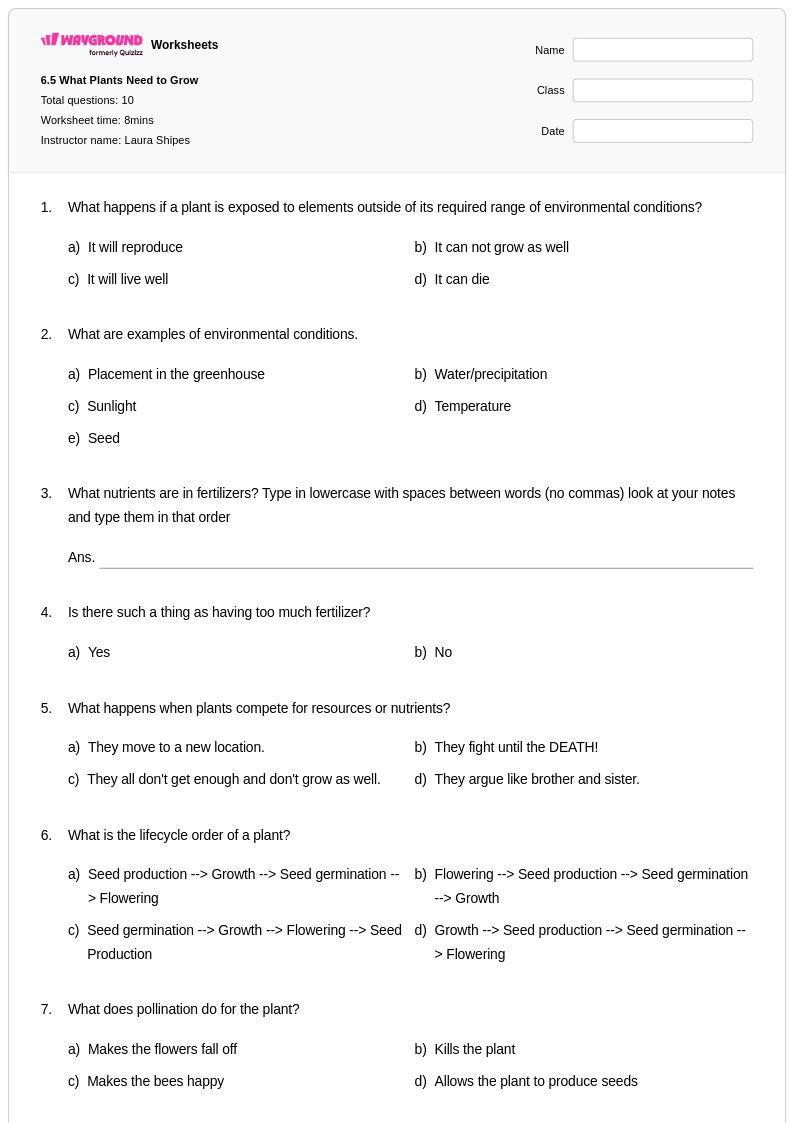
10 Q
6th
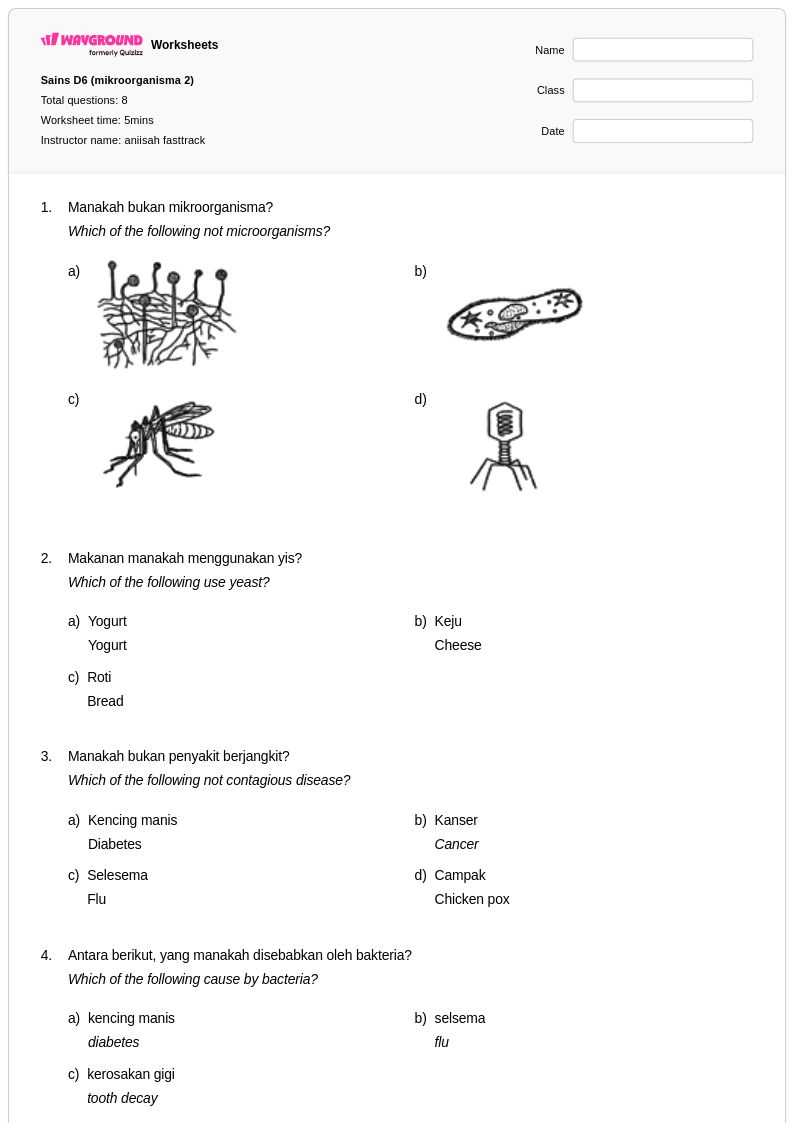
8 Q
6th
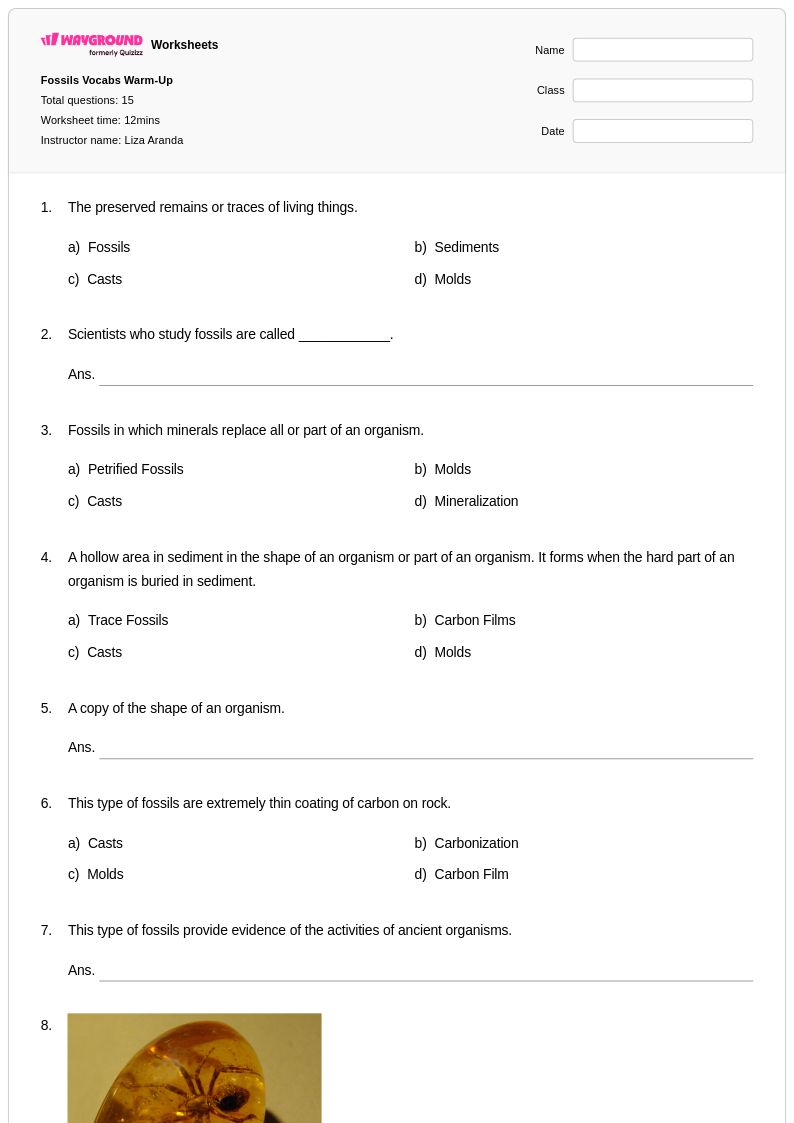
15 Q
6th
35 Q
6th
10 Q
6th
79 Q
6th
22 Q
6th
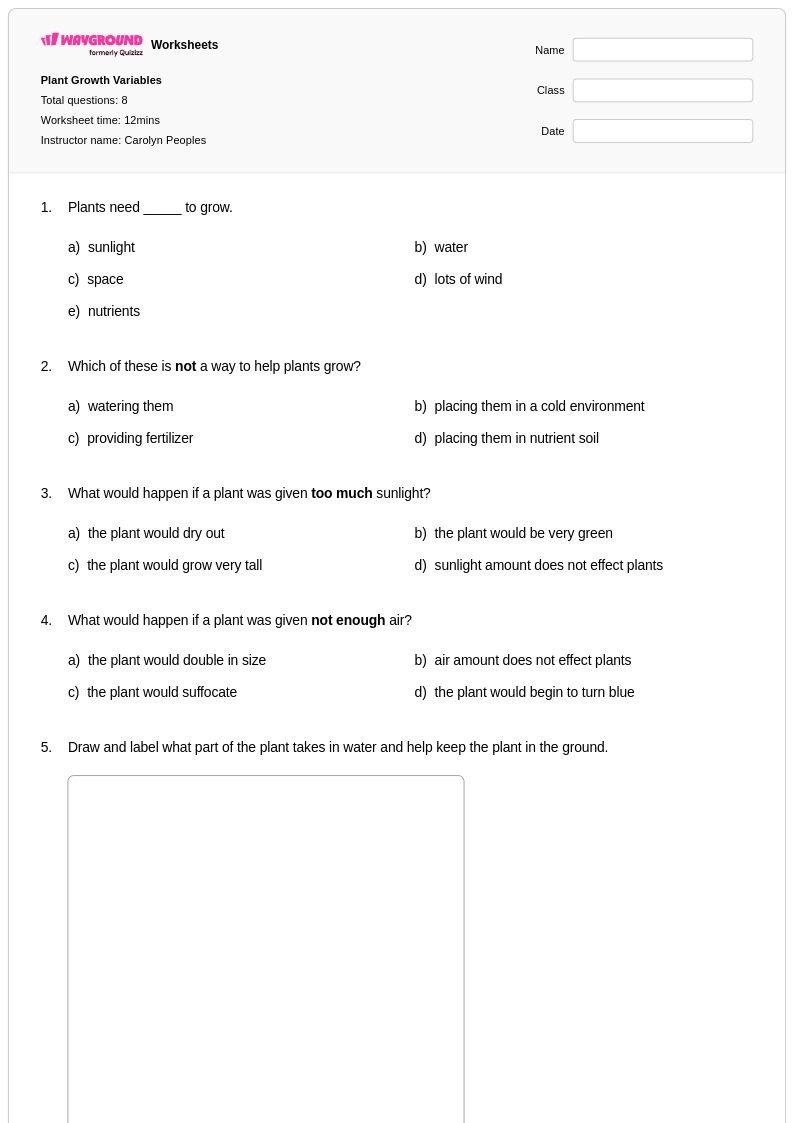
8 Q
2nd - Uni
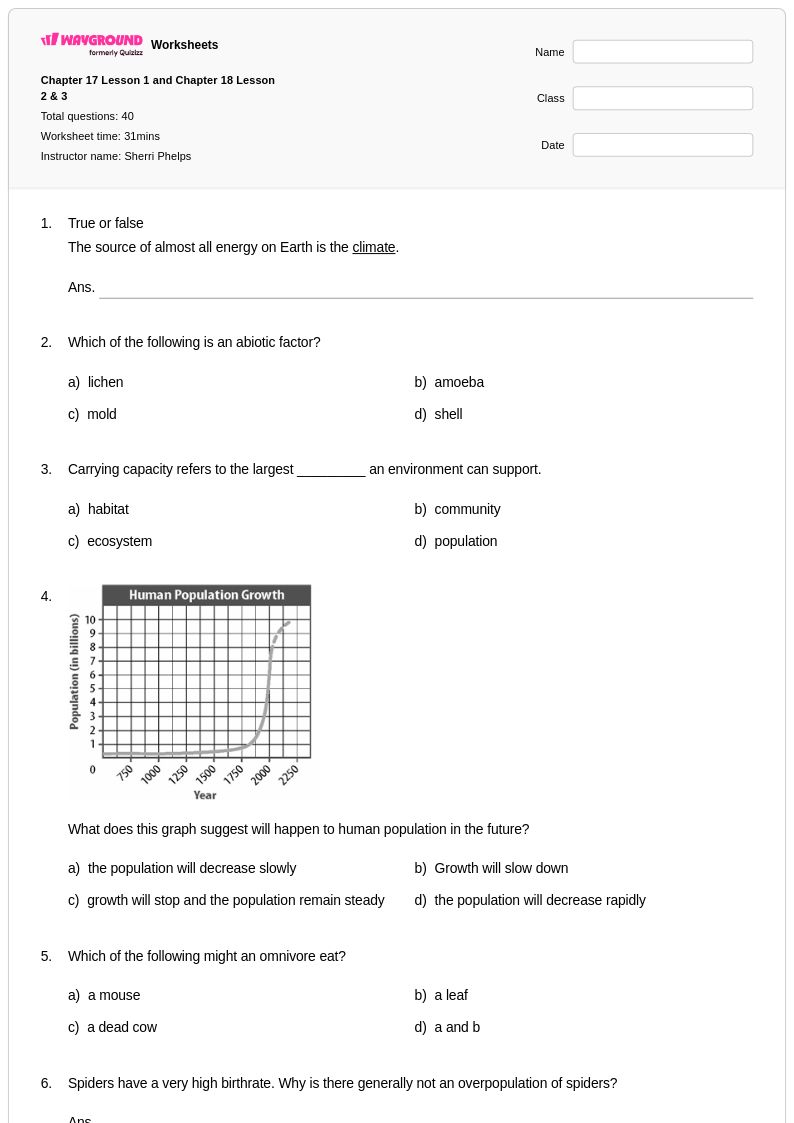
40 Q
6th
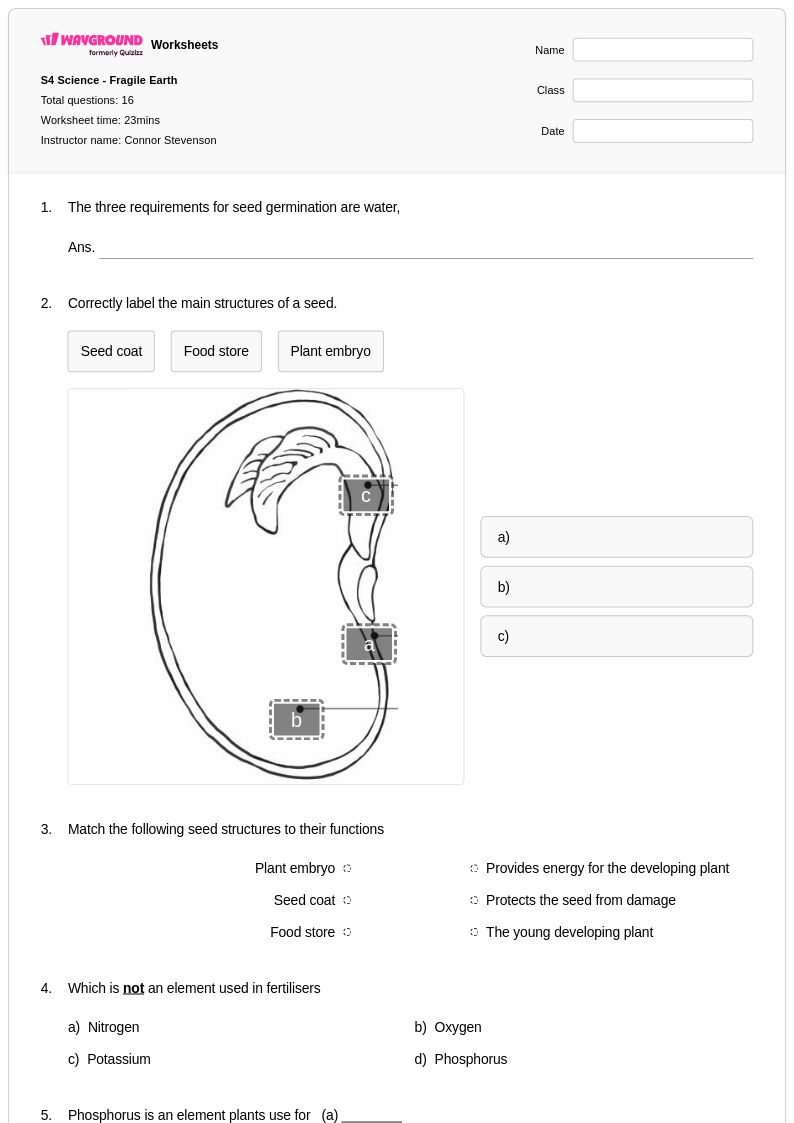
16 Q
6th - 8th
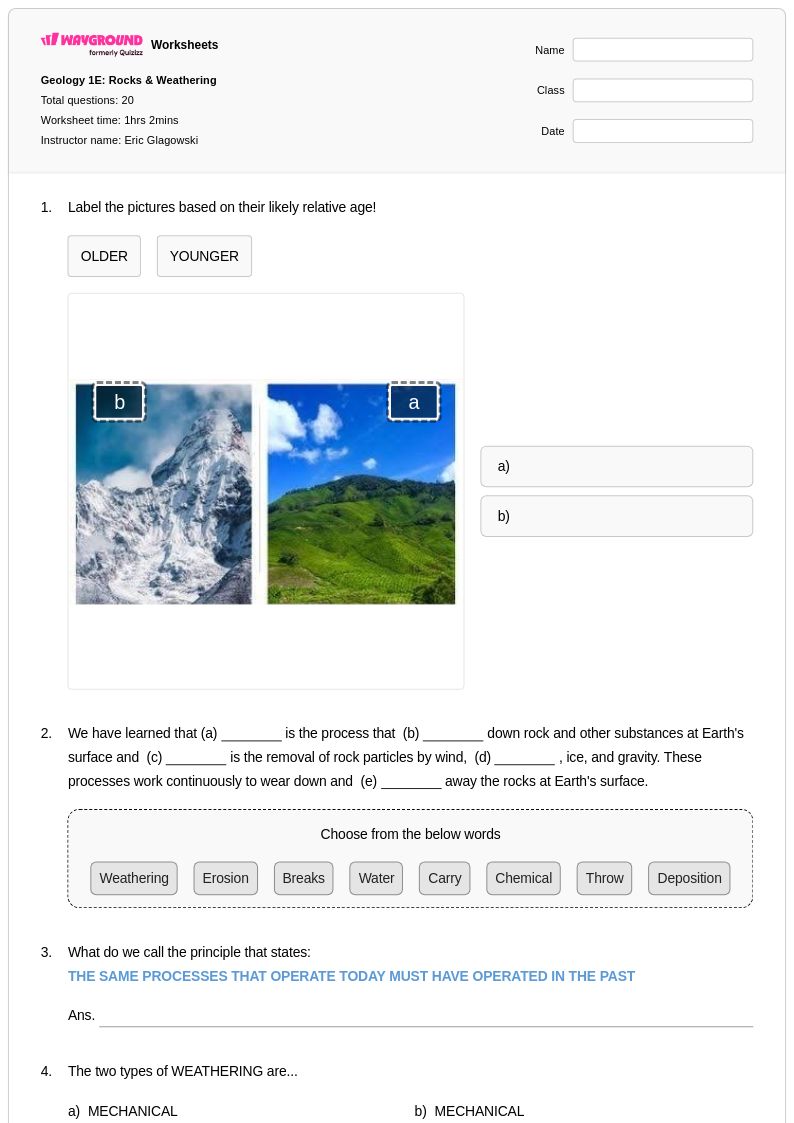
20 Q
6th
15 Q
3rd - Uni
20 Q
6th - Uni
21 Q
6th
35 Q
6th
Explore Mold Growth Worksheets by Grades
Explore Other Subject Worksheets for class 6
Explore printable Mold Growth worksheets for Class 6
Class 6 mold growth worksheets available through Wayground (formerly Quizizz) provide students with comprehensive practice in understanding fungal biology and the conditions that promote microbial development. These educational resources strengthen critical scientific observation skills, data analysis abilities, and understanding of environmental factors that influence organism growth patterns. Students engage with practice problems that explore variables such as temperature, moisture, pH levels, and nutrient availability while learning to design controlled experiments and interpret results. The collection includes detailed answer key materials and free printable resources that guide learners through the scientific method as applied to biological systems, helping them develop hypotheses about optimal growth conditions and analyze experimental outcomes with increasing sophistication.
Wayground (formerly Quizizz) supports educators with millions of teacher-created mold growth worksheet resources that feature robust search and filtering capabilities aligned with Class 6 science standards. Teachers can easily differentiate instruction by selecting from worksheets that range from basic observation activities to more complex experimental design challenges, with flexible customization options that allow adaptation for diverse learning needs. These comprehensive collections are available in both printable pdf formats and interactive digital versions, enabling seamless integration into classroom instruction, laboratory sessions, and independent study periods. The platform's extensive resource library facilitates effective lesson planning while providing targeted materials for remediation of foundational biology concepts, enrichment activities for advanced learners, and systematic skill practice that builds scientific literacy and experimental design competency.