
15 Q
9th - 12th
11 Q
4th - Uni
10 Q
4th - Uni
15 Q
7th
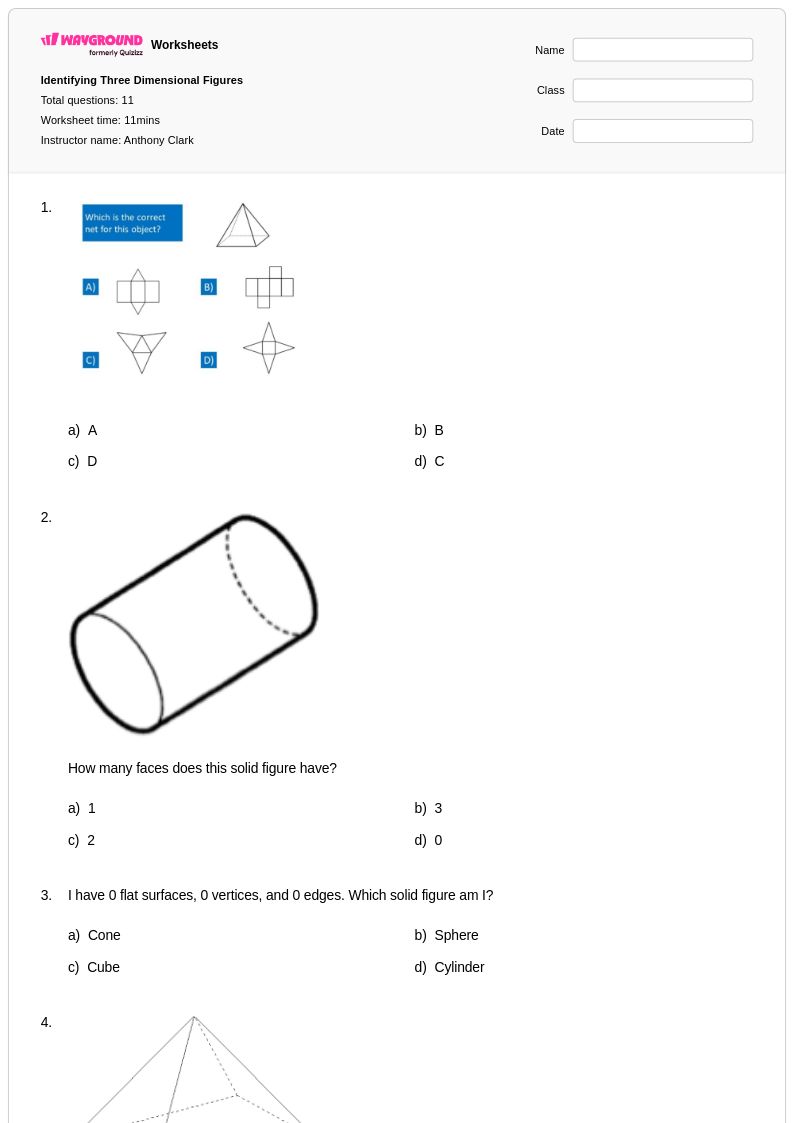
11 Q
4th - Uni
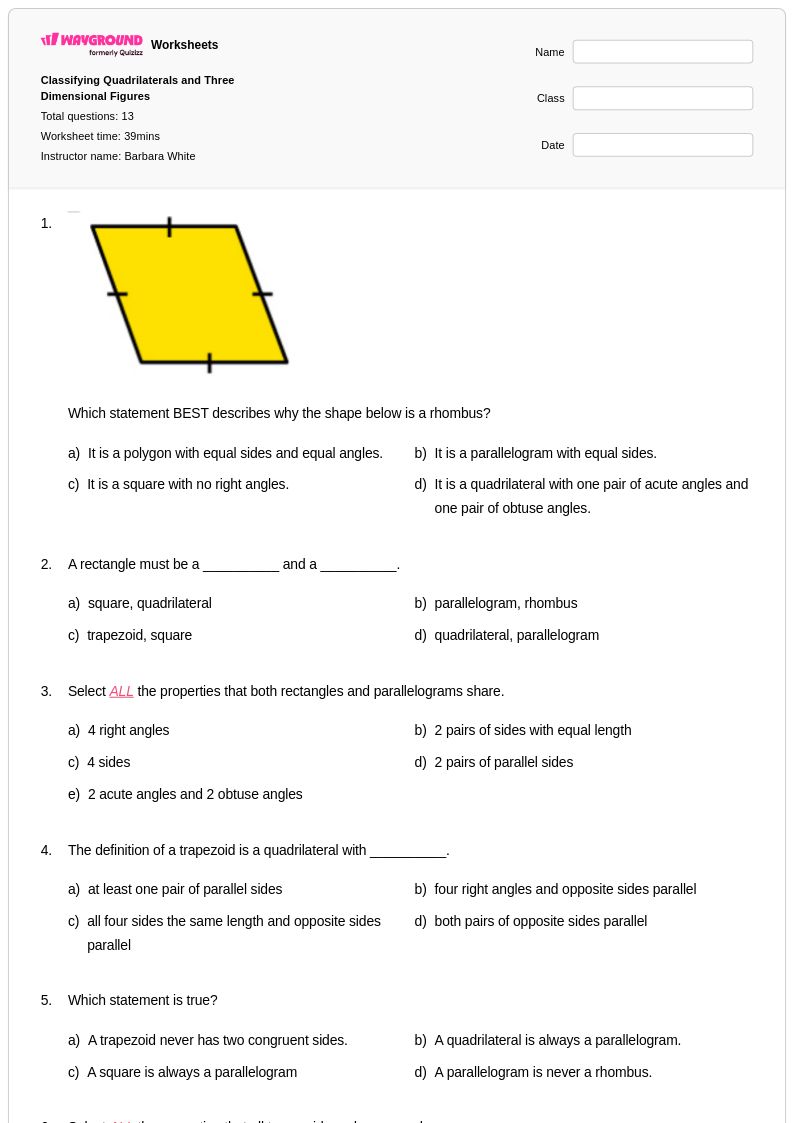
13 Q
5th
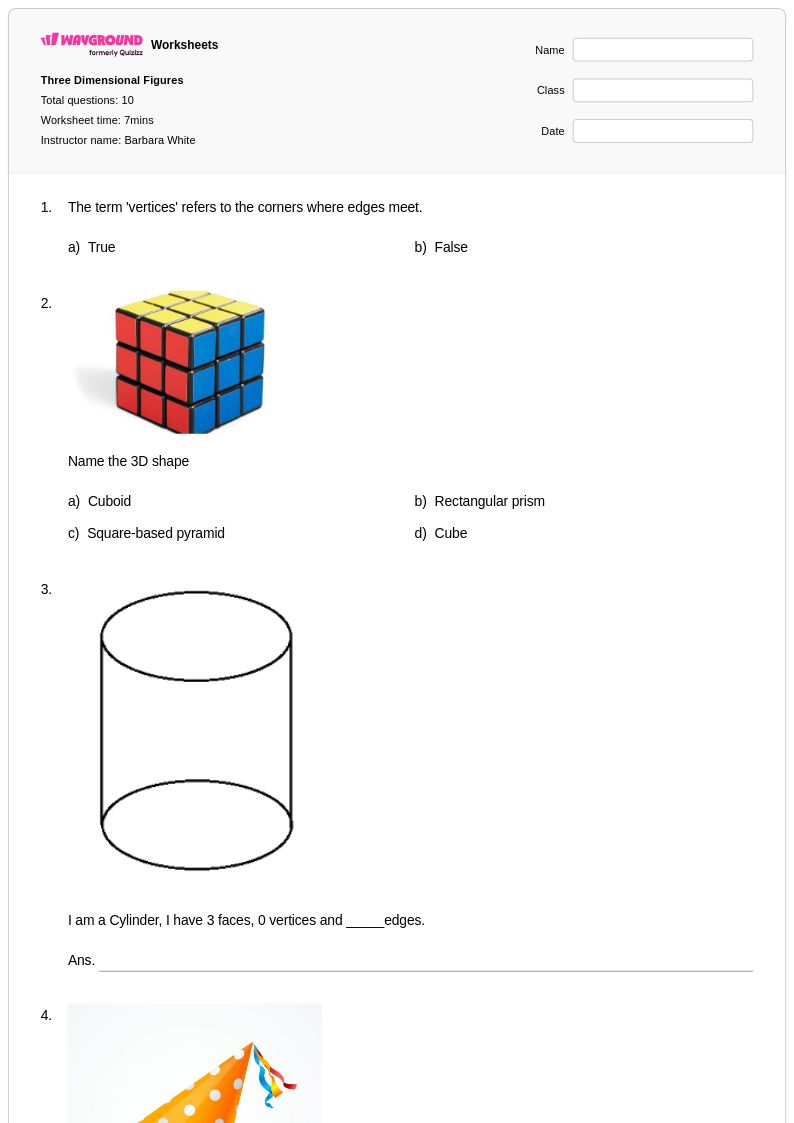
10 Q
5th
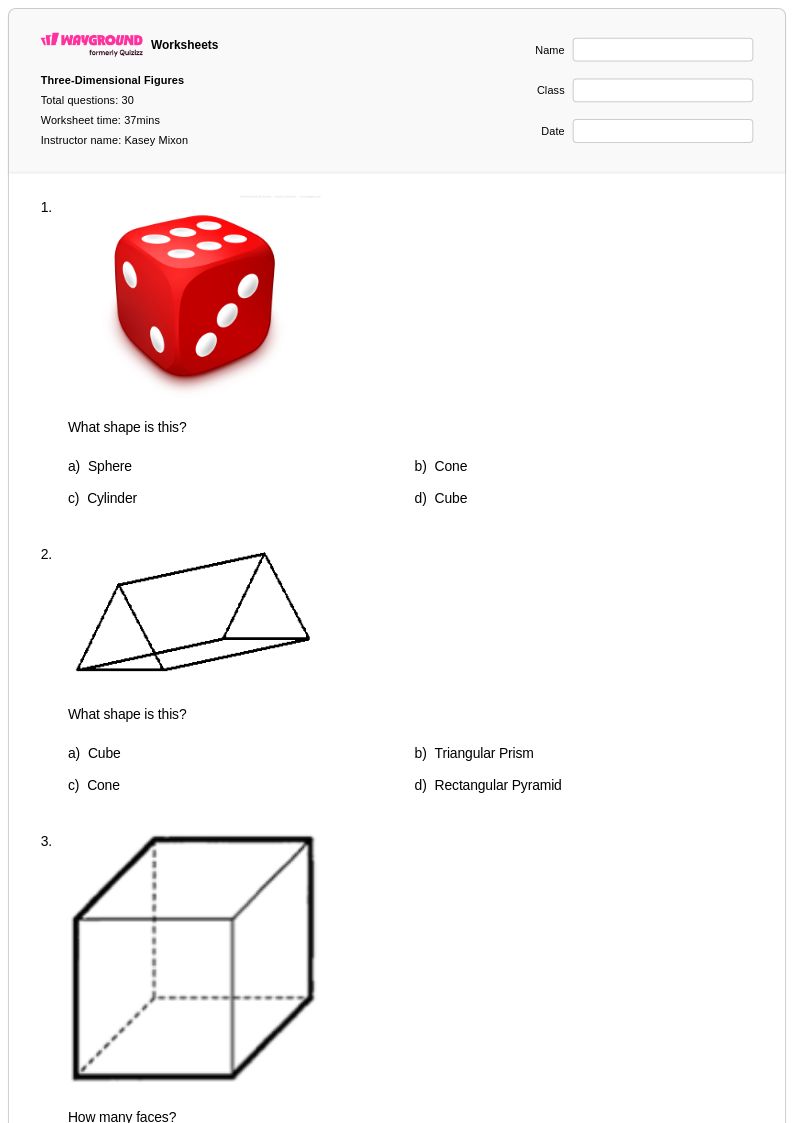
30 Q
6th
20 Q
5th - Uni
25 Q
10th
20 Q
5th
17 Q
9th - 12th
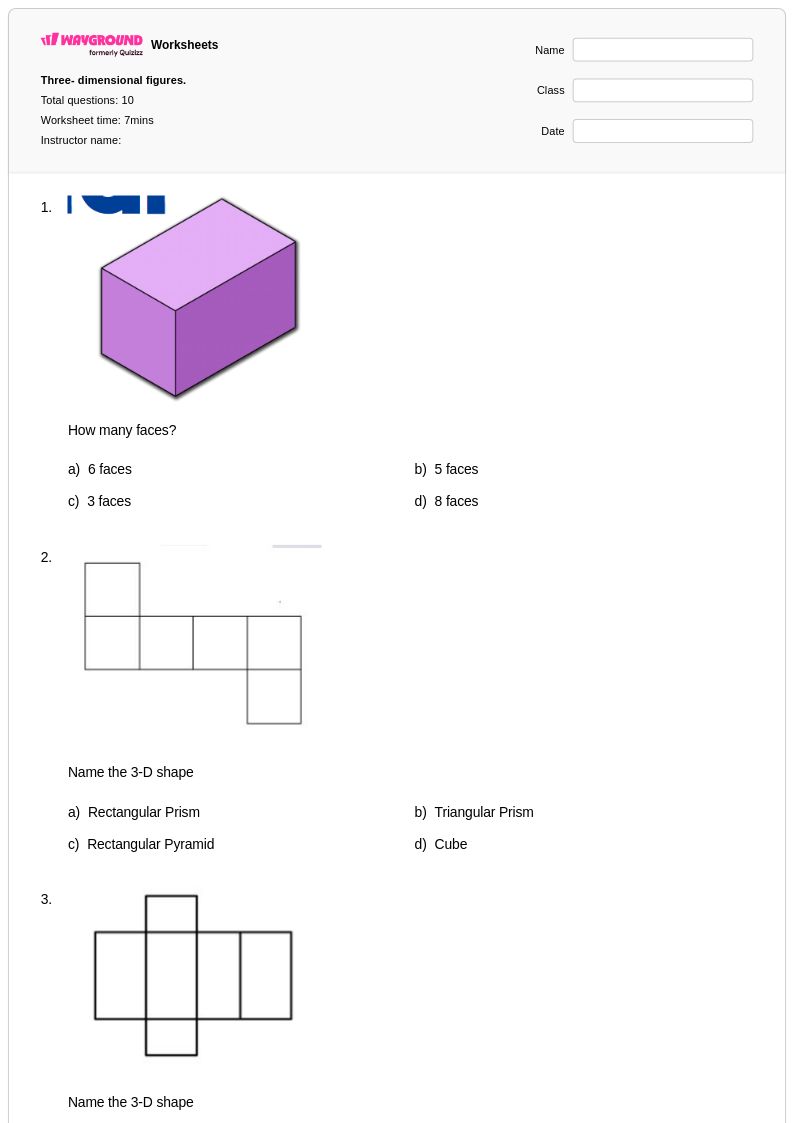
10 Q
4th - 5th
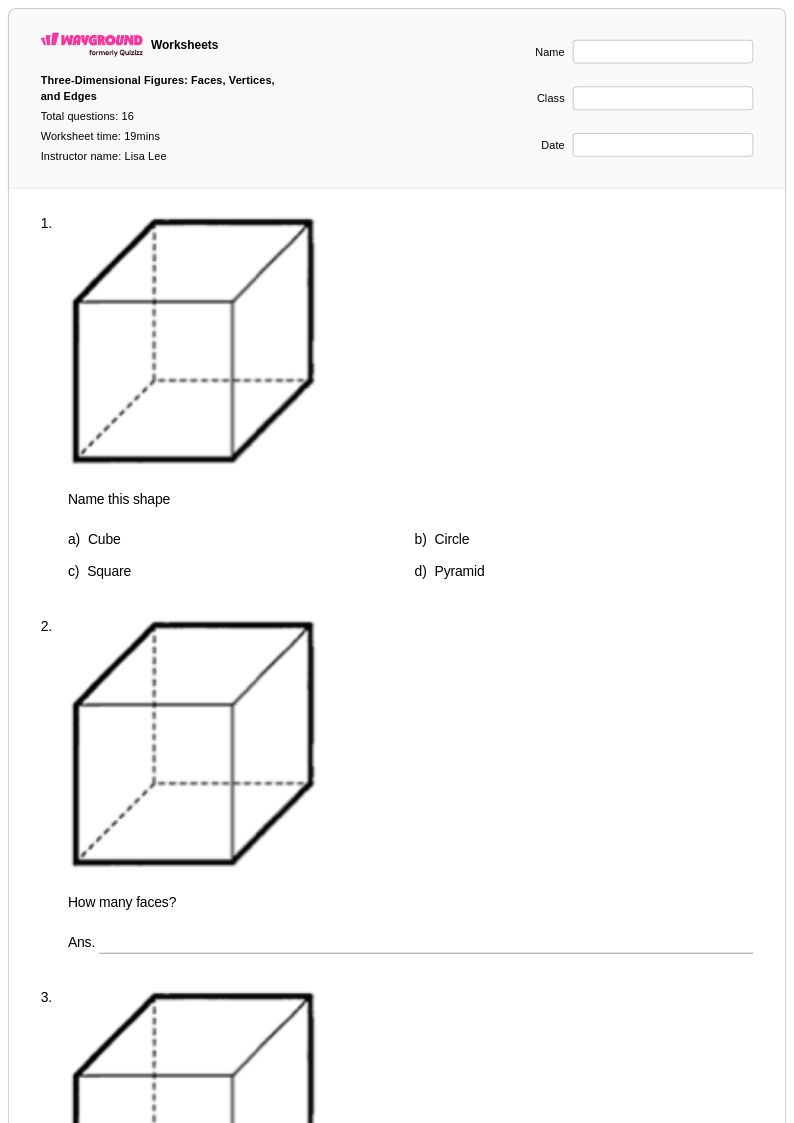
16 Q
5th
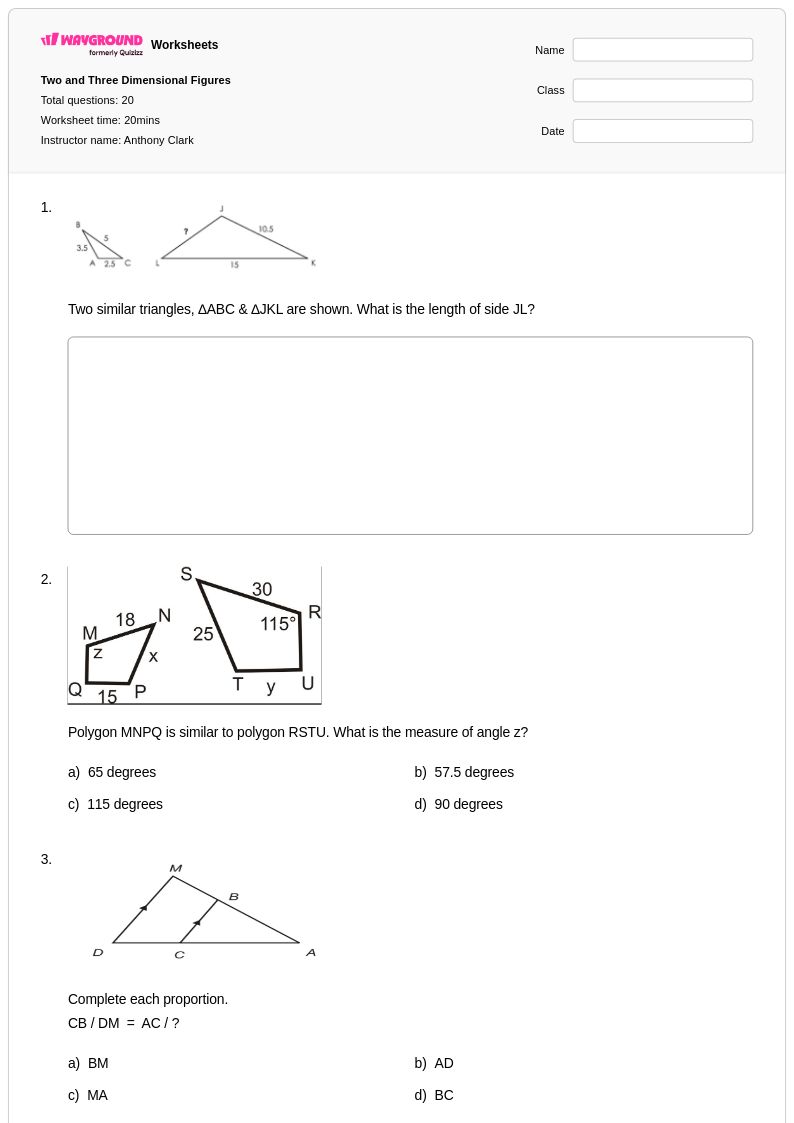
20 Q
10th - Uni
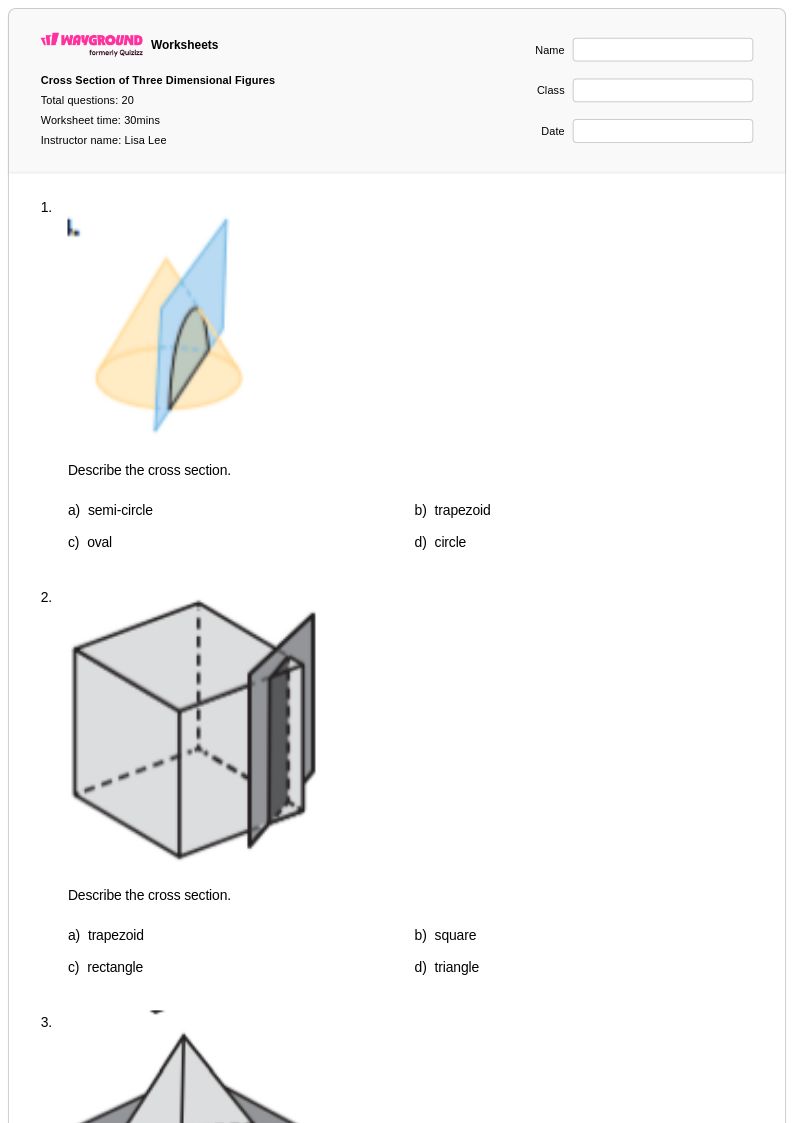
20 Q
8th - 10th
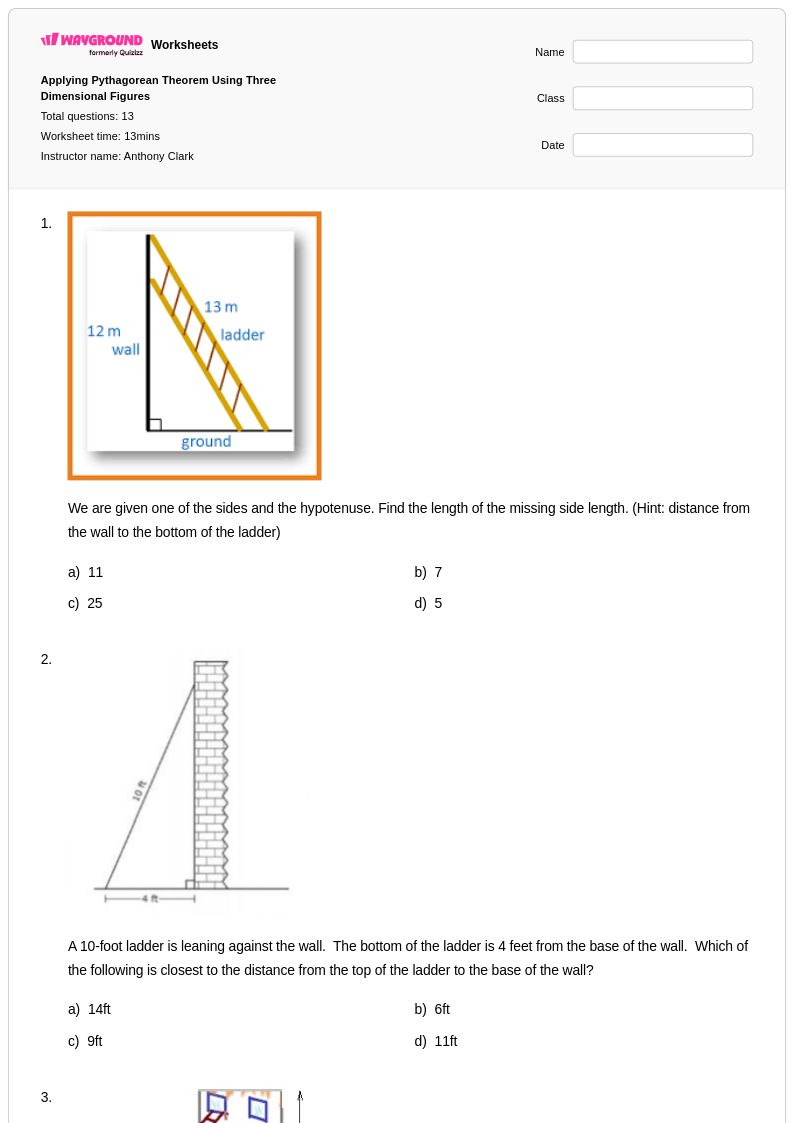
13 Q
8th - Uni
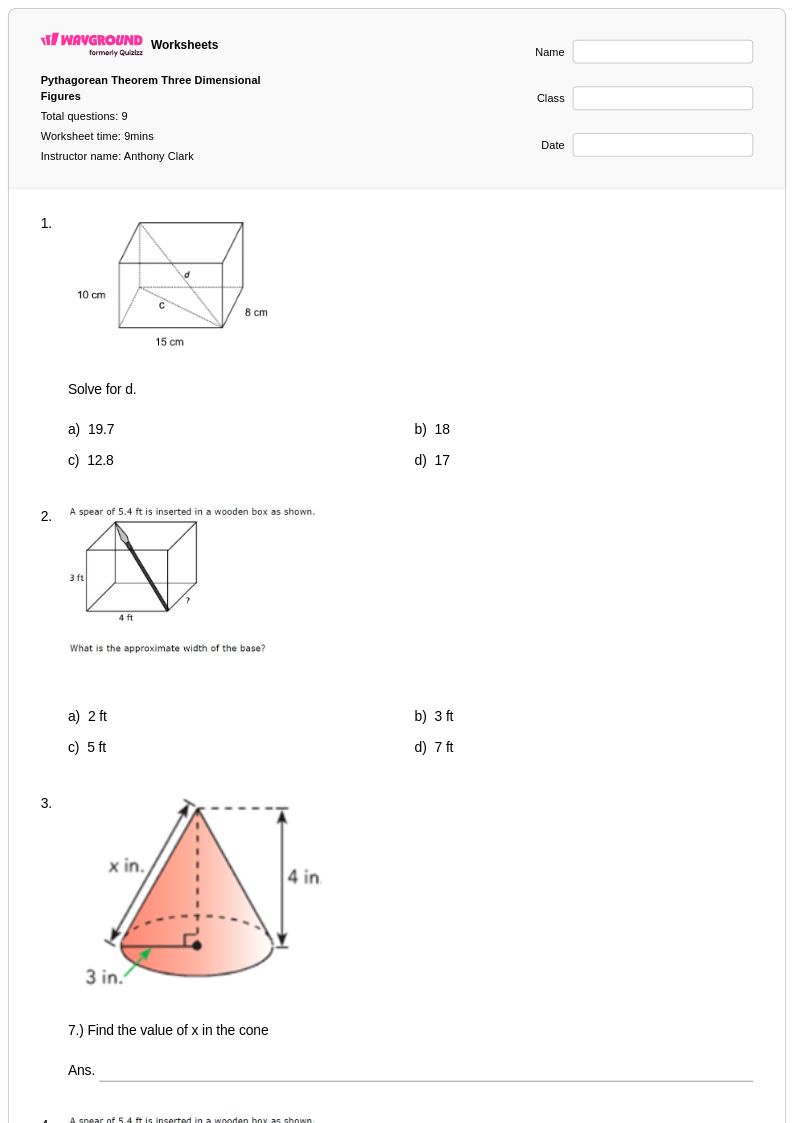
9 Q
8th - Uni
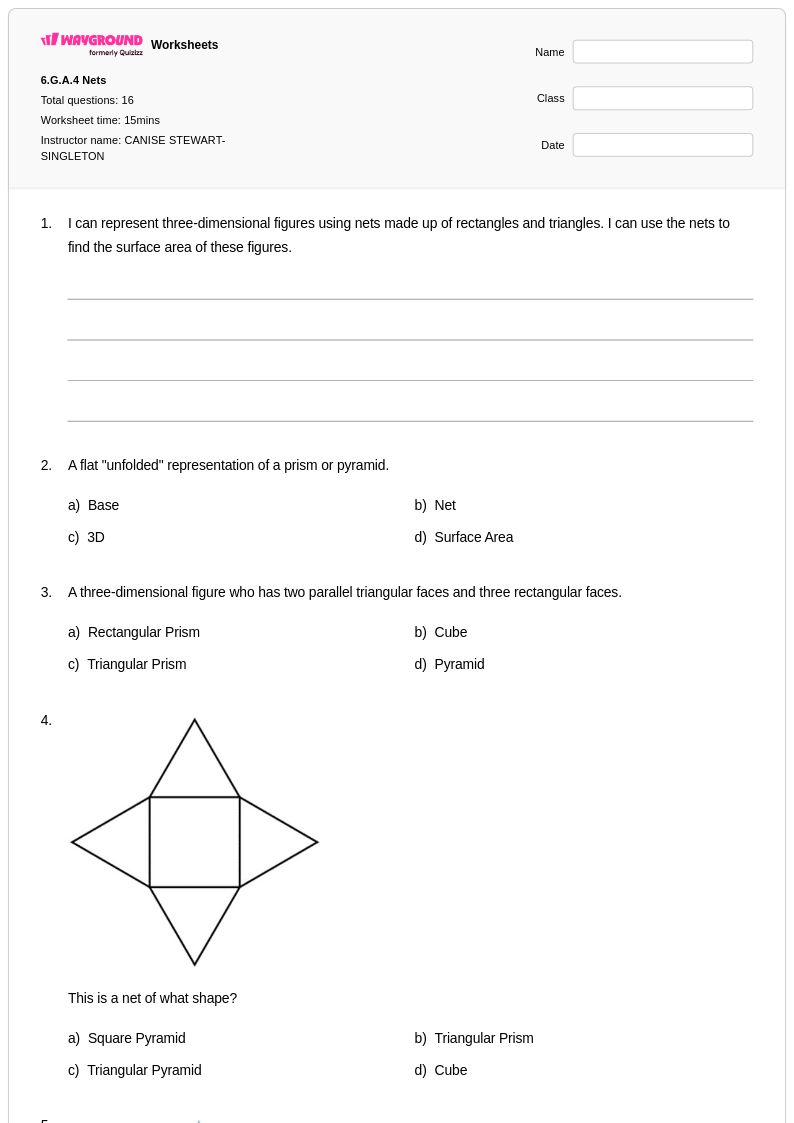
16 Q
6th
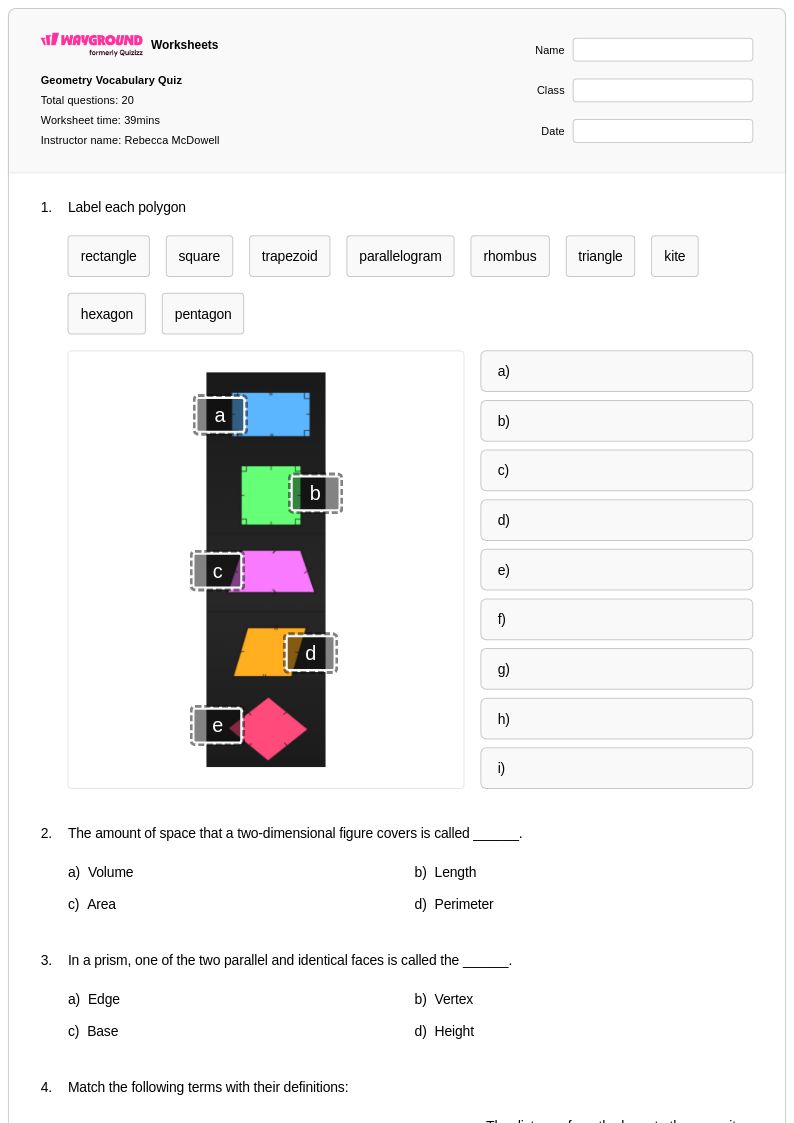
20 Q
6th - 8th
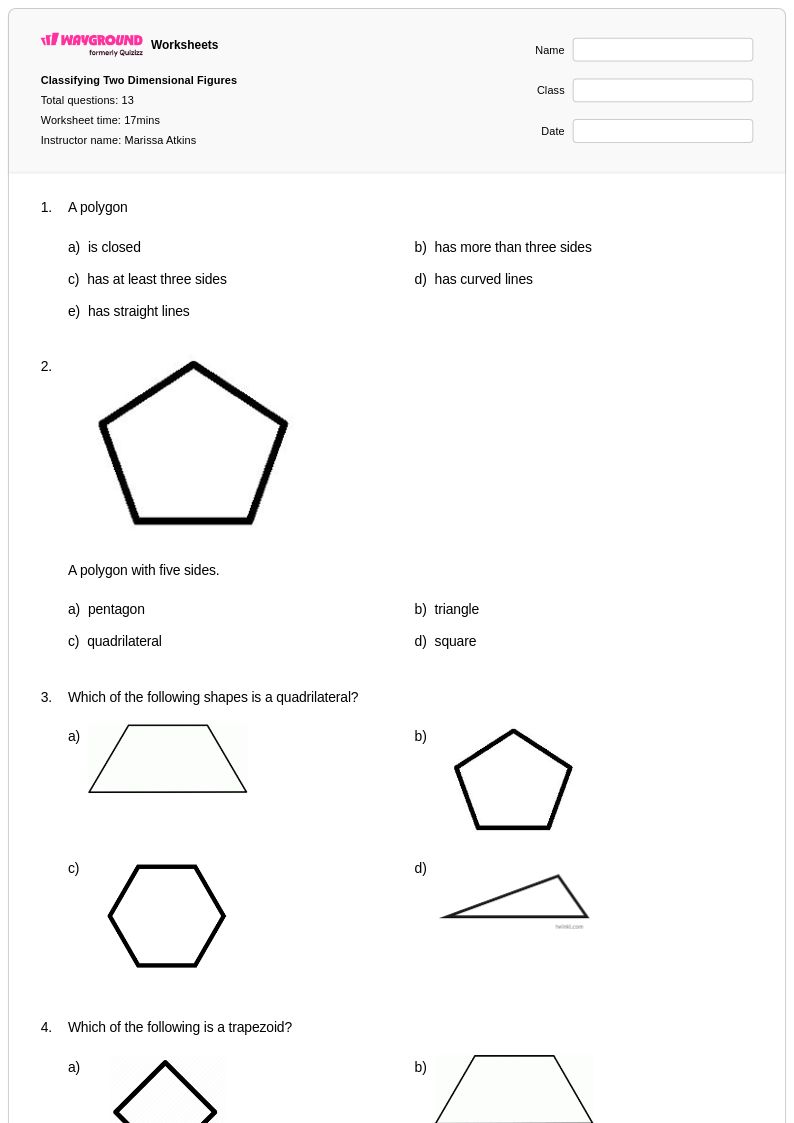
13 Q
5th
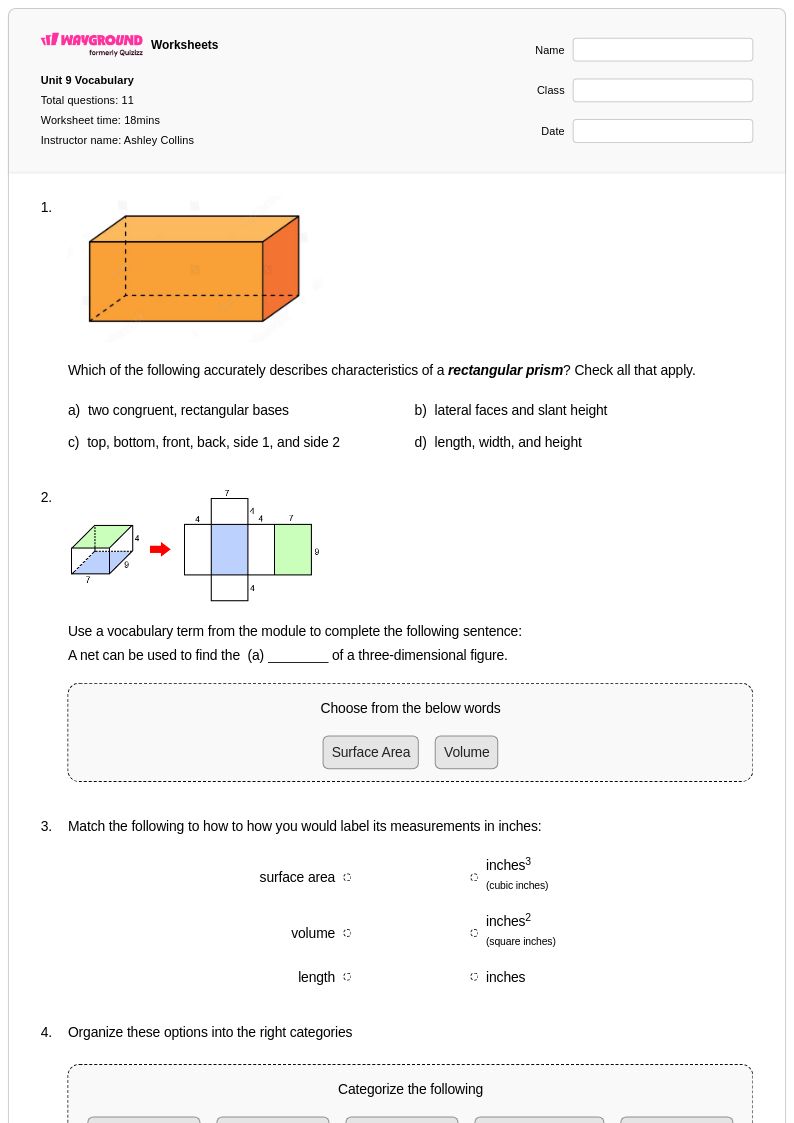
11 Q
6th

15 Q
3rd
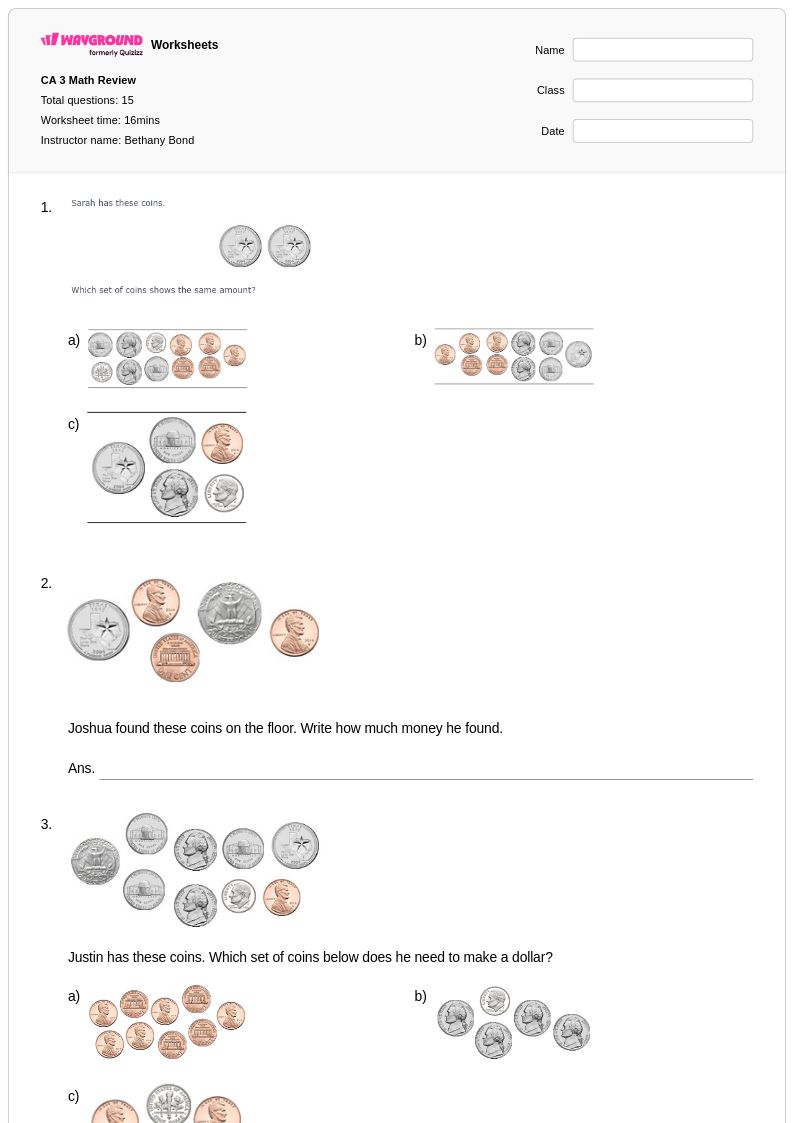
15 Q
2nd
Explore Three-dimensional Figures Worksheets by Grades
Explore Other Subject Worksheets for kindergarten
Explore printable Three-dimensional Figures worksheets for Kindergarten
Three-dimensional figures worksheets for kindergarten students available through Wayground (formerly Quizizz) introduce young learners to the fundamental concepts of solid shapes in an age-appropriate and engaging manner. These educational resources focus on helping kindergarteners identify, name, and distinguish between basic three-dimensional shapes such as spheres, cubes, cylinders, and cones through hands-on activities and visual recognition exercises. The worksheets strengthen essential spatial reasoning skills while building foundational geometry vocabulary that supports future mathematical learning. Each printable resource includes clear answer keys for educators and offers free access to practice problems designed specifically for early childhood development, ensuring that students can explore geometric concepts through structured yet playful learning experiences that align with their developmental stage.
Wayground (formerly Quizizz) empowers teachers with an extensive collection of millions of teacher-created three-dimensional figures worksheets specifically designed for kindergarten mathematics instruction. The platform's robust search and filtering capabilities enable educators to quickly locate resources that align with specific learning standards and accommodate diverse classroom needs through comprehensive differentiation tools. Teachers can easily customize worksheets to match their students' varying skill levels and learning preferences, with materials available in both printable pdf formats and interactive digital versions that support flexible lesson planning. These versatile resources prove invaluable for targeted skill practice, remediation support for struggling learners, and enrichment opportunities for advanced students, allowing educators to create comprehensive geometry instruction that builds strong foundational understanding of three-dimensional shapes while maintaining student engagement through developmentally appropriate content.