Explore Wayground's comprehensive Grade 11 blood worksheets featuring free printables and practice problems with answer keys to help students master circulatory system components, blood composition, and cardiovascular functions.
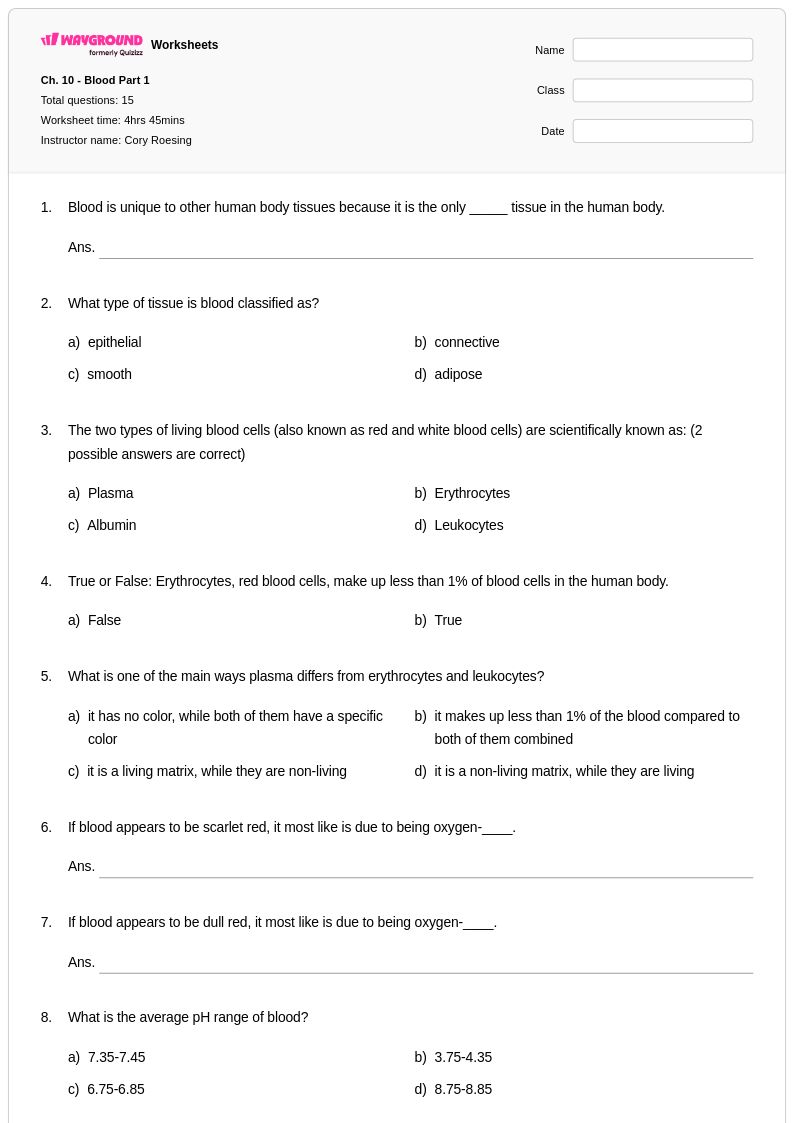
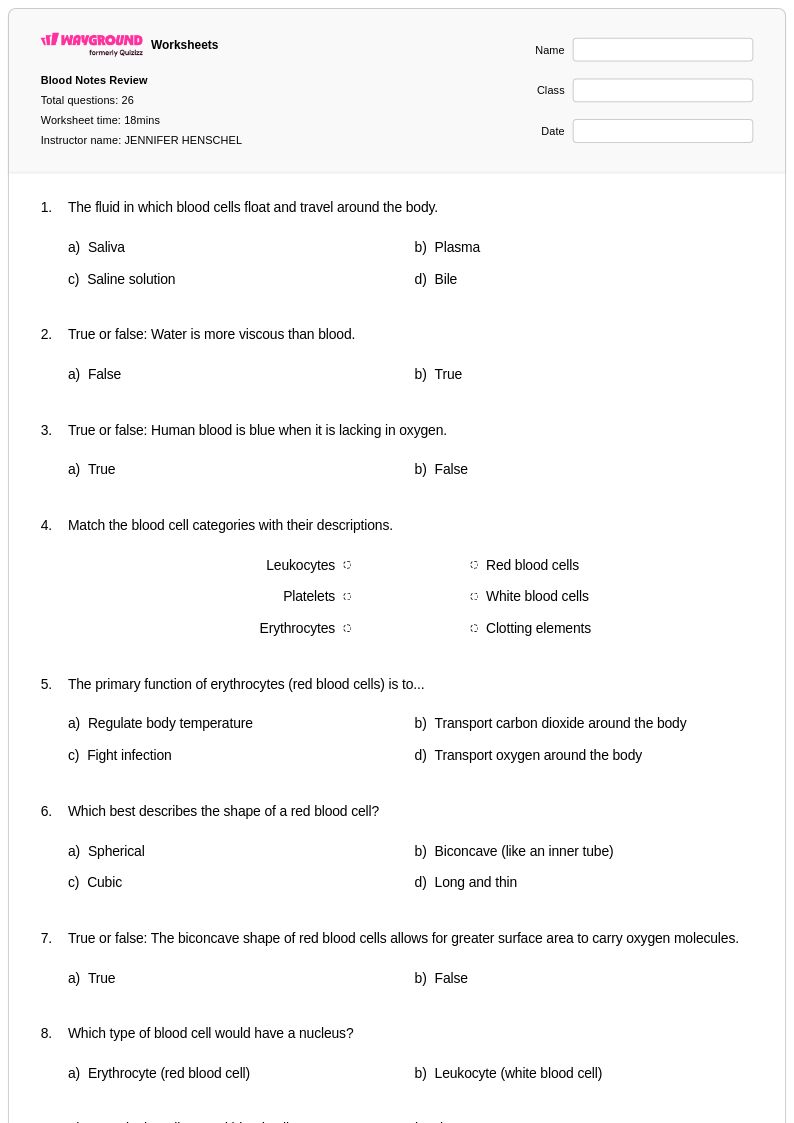
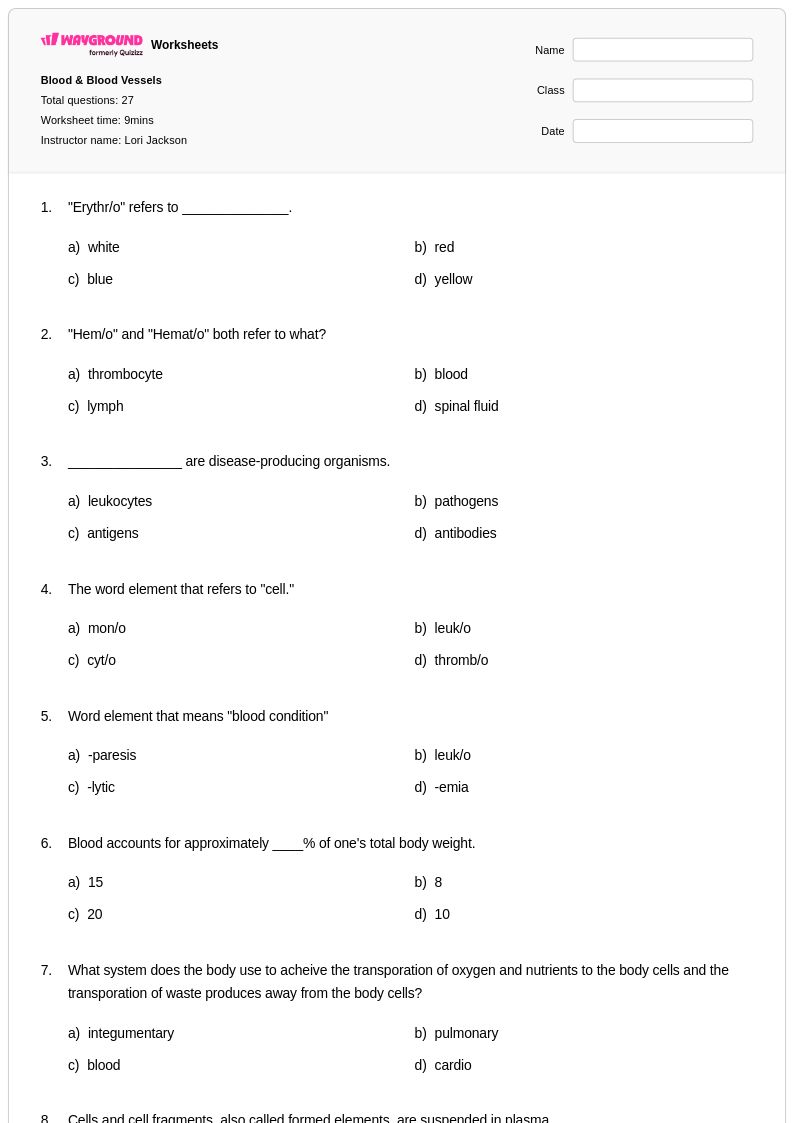
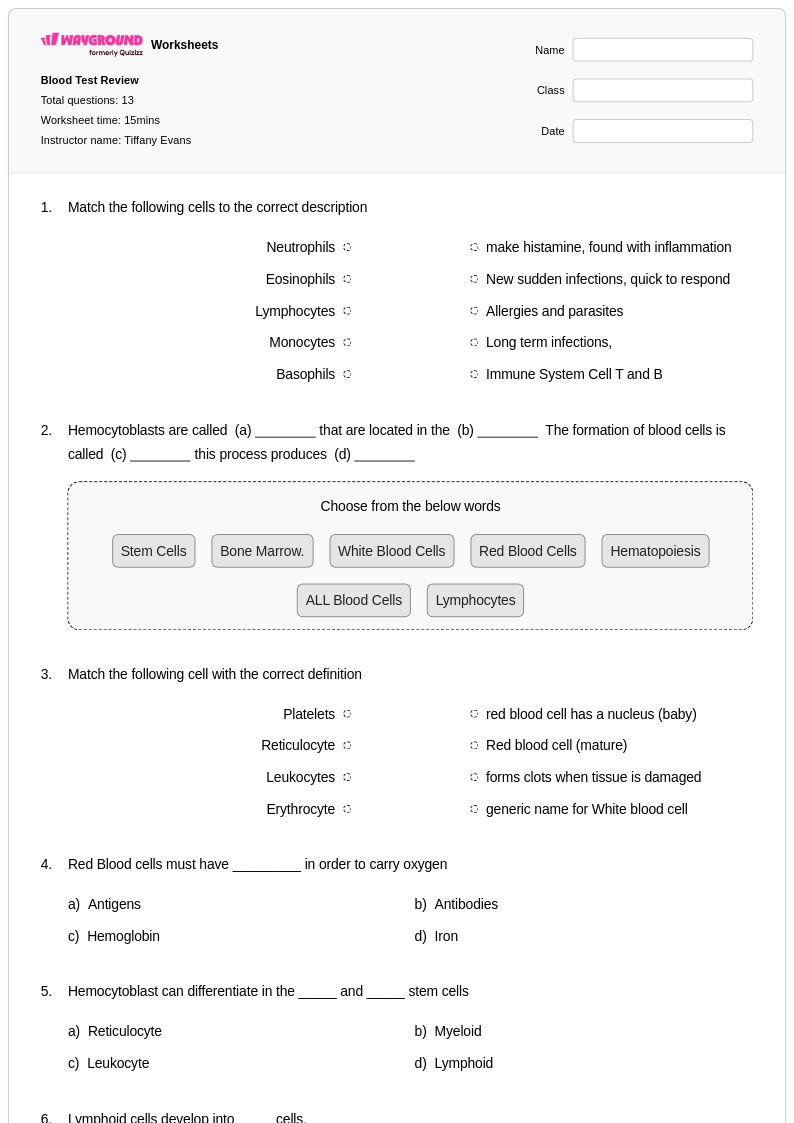
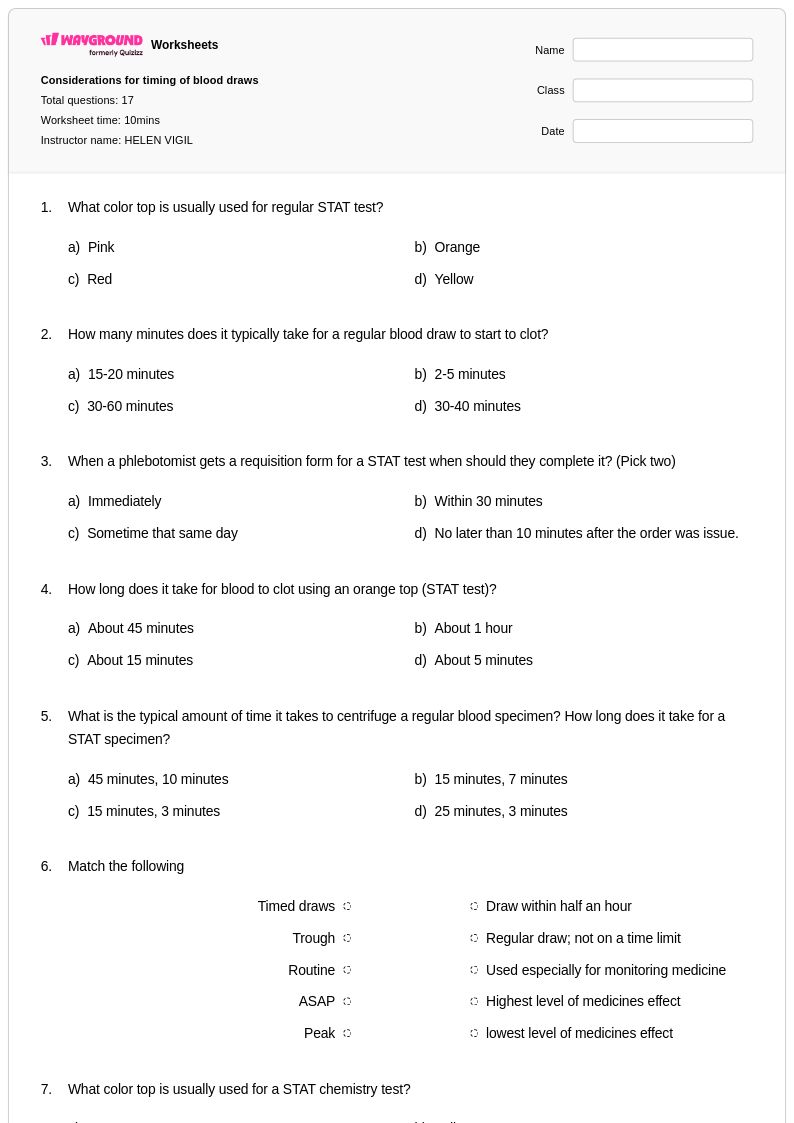
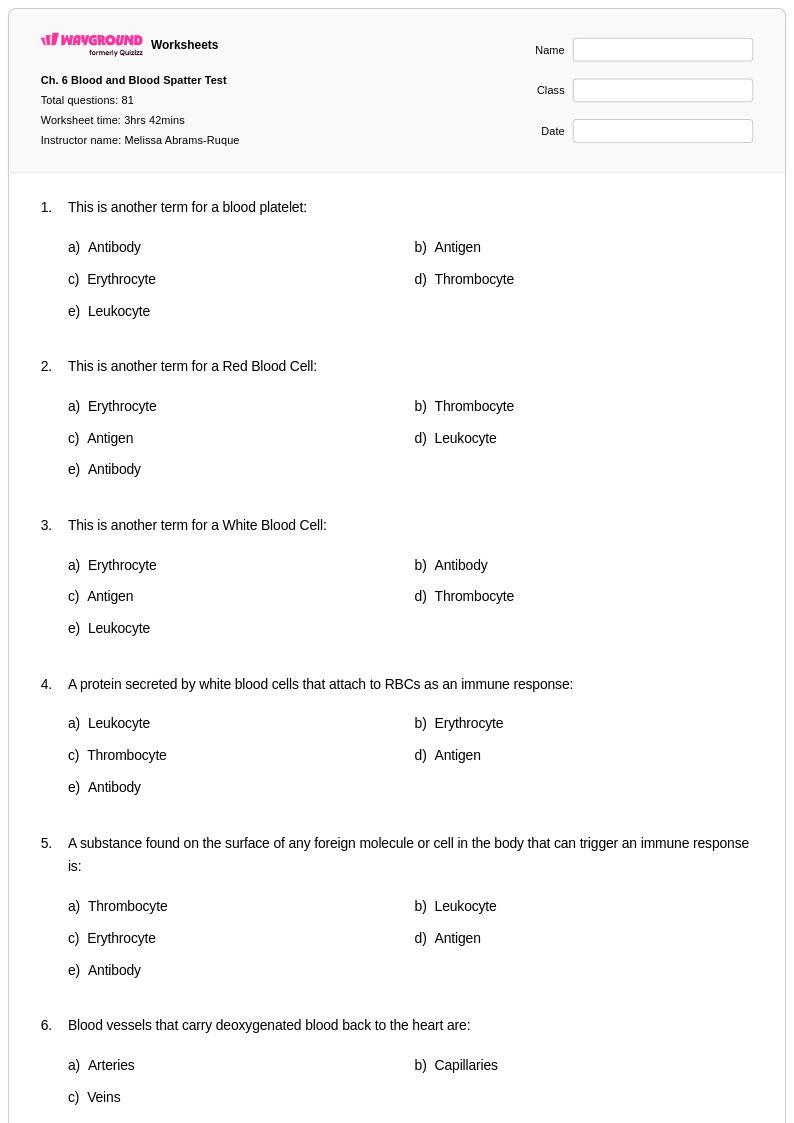
Grade 11 blood worksheets available through Wayground (formerly Quizizz) provide comprehensive coverage of circulatory system fundamentals, blood composition, and cardiovascular physiology essential for advanced high school biology studies. These expertly crafted resources strengthen students' understanding of blood components including plasma, red blood cells, white blood cells, and platelets, while developing critical thinking skills through detailed analysis of blood disorders, clotting mechanisms, and gas transport processes. The collection includes structured practice problems that guide students through complex concepts such as hemoglobin structure and function, blood typing and compatibility, and the intricate relationships between blood pressure, flow dynamics, and vessel characteristics. Each worksheet comes with a detailed answer key and is available as free printable pdf resources, enabling students to work through challenging scenarios involving blood pathology, immune responses, and homeostatic regulation at their own pace.
Wayground (formerly Quizizz) supports biology educators with millions of teacher-created blood and circulatory system worksheets specifically designed for Grade 11 instruction, featuring robust search and filtering capabilities that allow quick identification of resources aligned with state and national science standards. The platform's differentiation tools enable teachers to customize worksheet difficulty levels and focus areas, ensuring appropriate challenge levels for diverse learners while maintaining rigorous academic expectations. These resources are available in both printable and digital formats, including downloadable pdf versions that facilitate seamless integration into lesson plans, homework assignments, and assessment preparation. Teachers can efficiently plan comprehensive blood unit instruction while accessing materials suitable for remediation of struggling students, enrichment activities for advanced learners, and targeted skill practice that reinforces laboratory observations and textbook concepts through hands-on problem-solving experiences.
FAQs
How do I teach blood composition to middle or high school students?
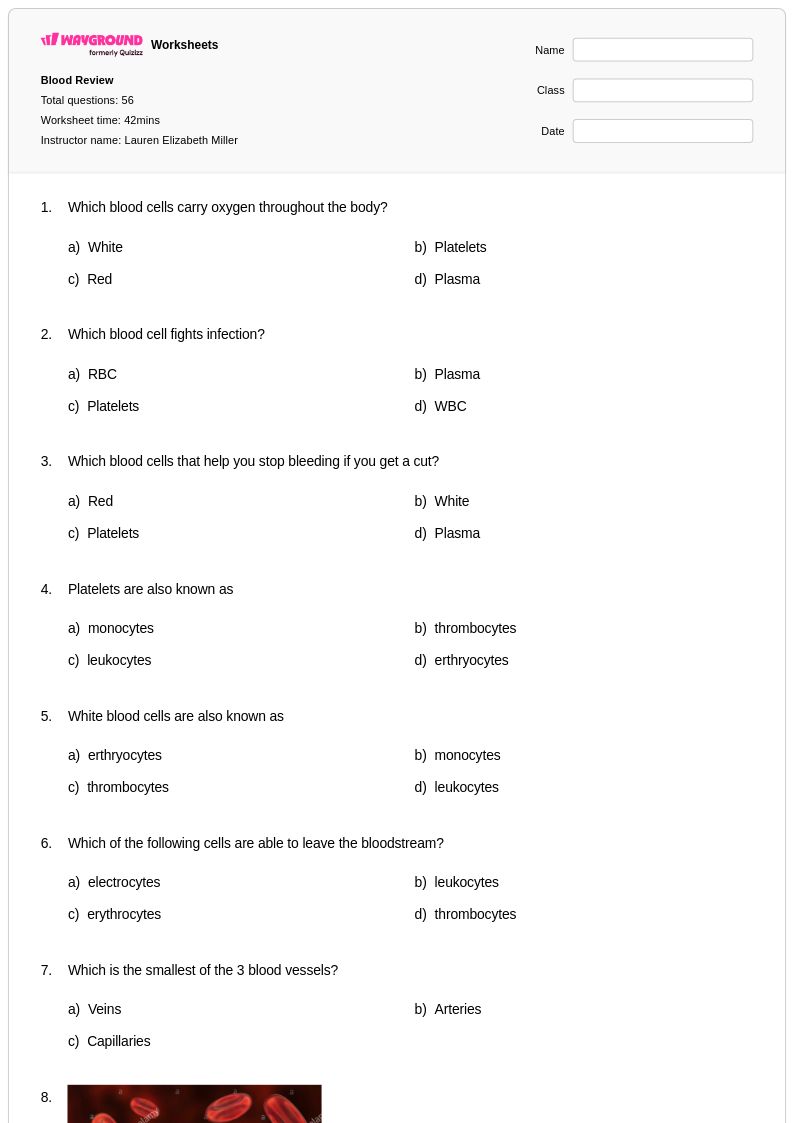
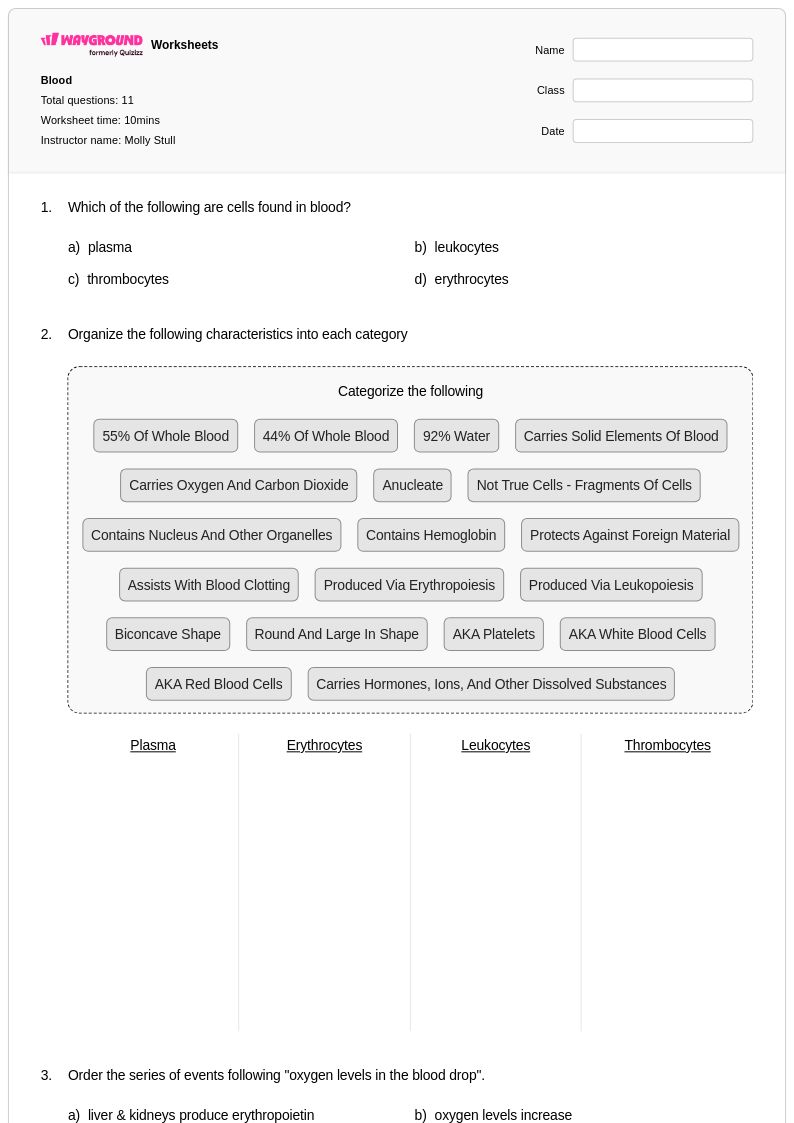
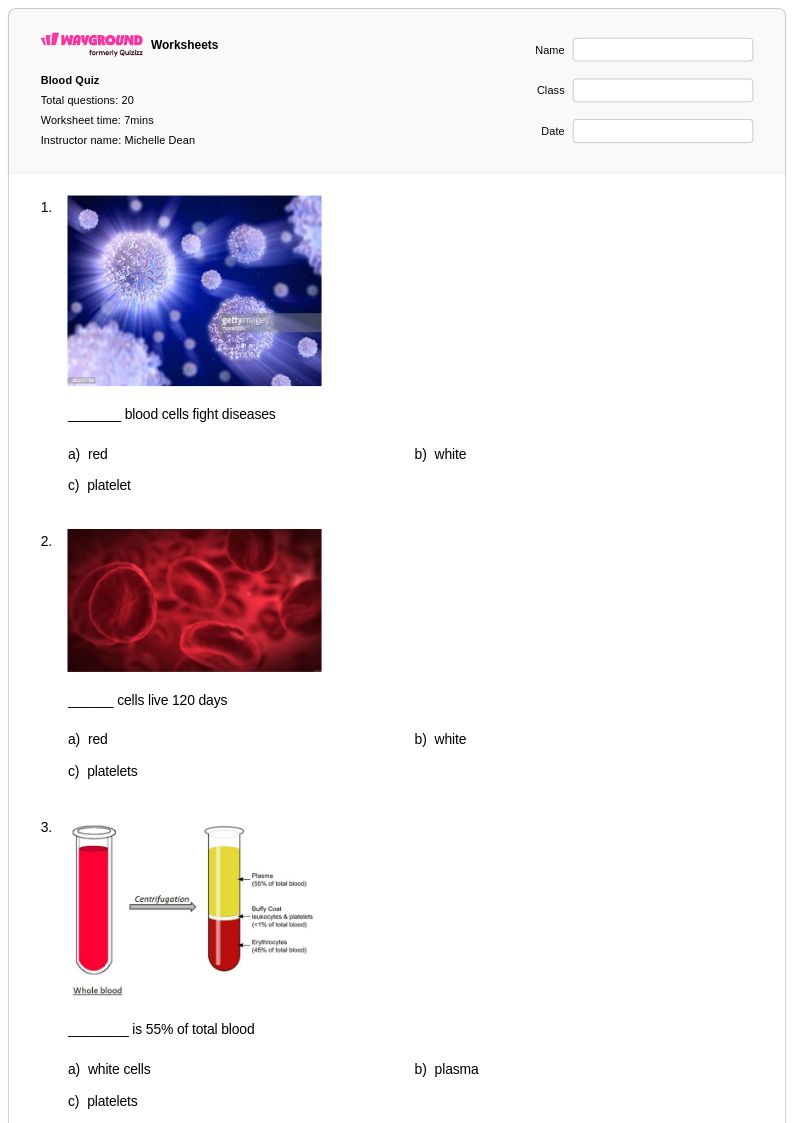
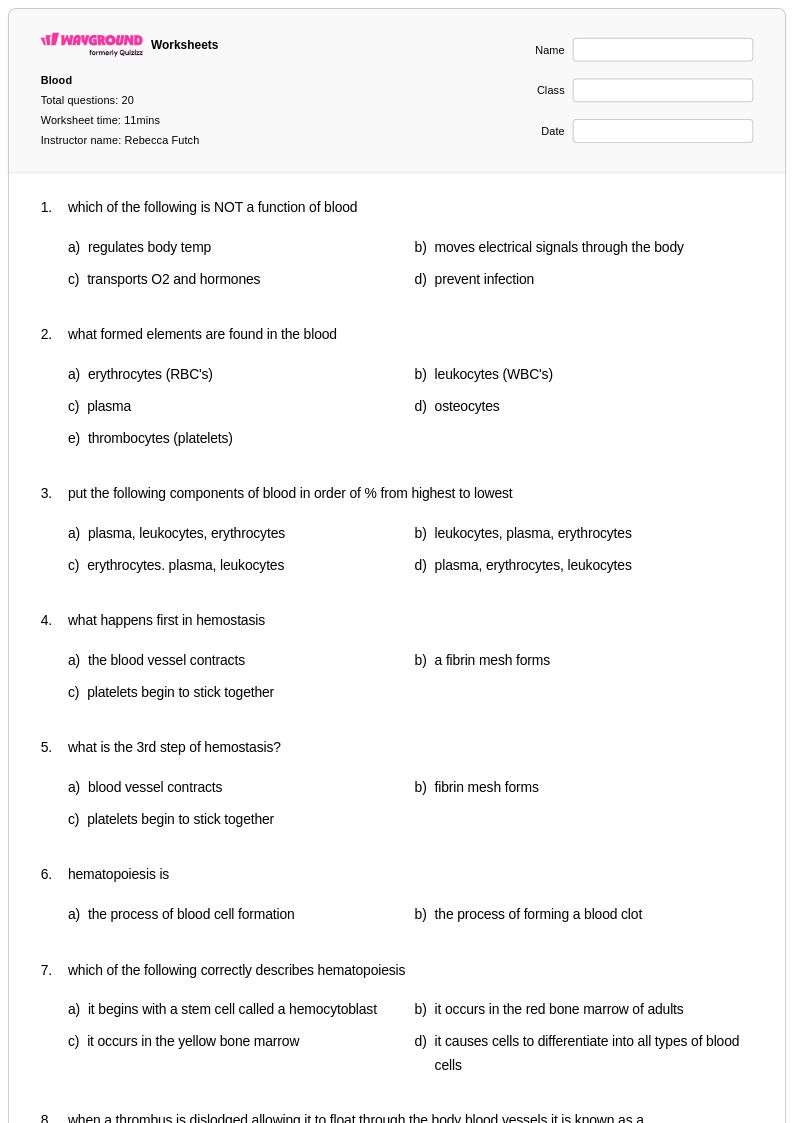
Start by breaking blood into its four main components: red blood cells, white blood cells, platelets, and plasma, and assign a distinct function to each before introducing how they interact. Visual diagrams that label each component alongside its role in oxygen transport, immune defense, clotting, and fluid balance help students build a working mental model. From there, connecting hemoglobin structure to oxygen-carrying capacity gives students a concrete biochemical anchor for understanding why blood functions the way it does.
What exercises help students practice blood typing and the ABO system?
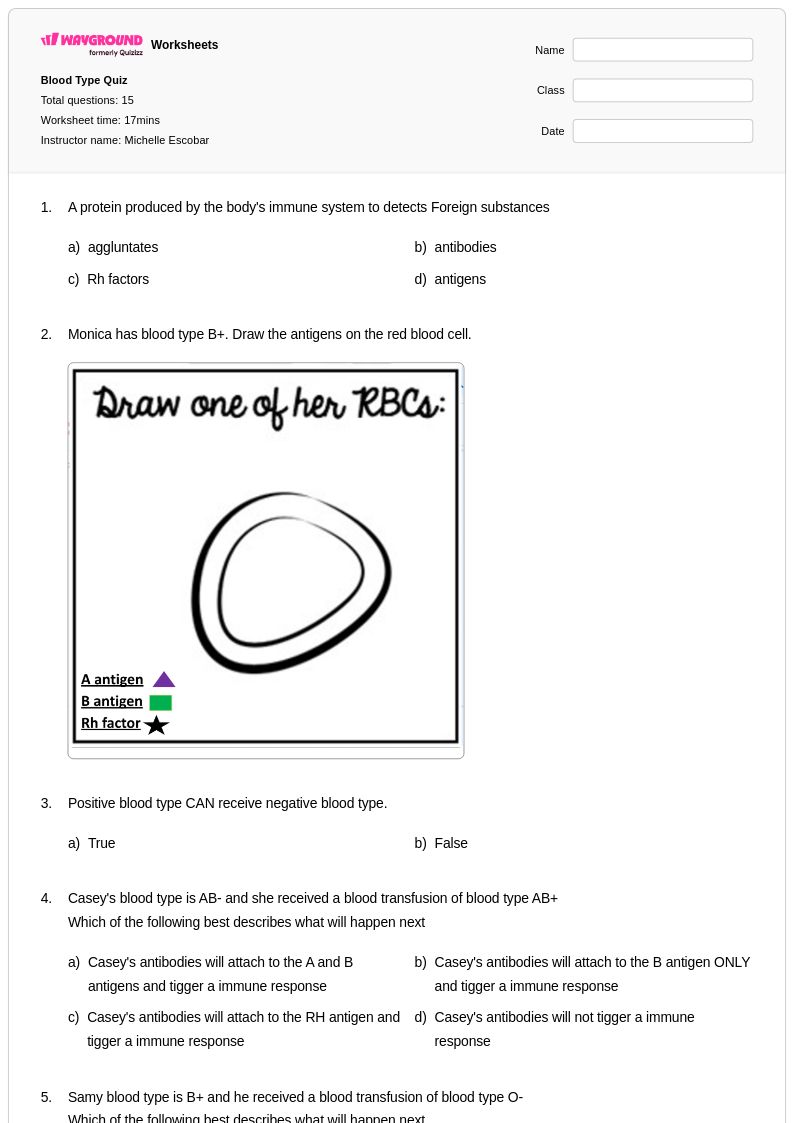
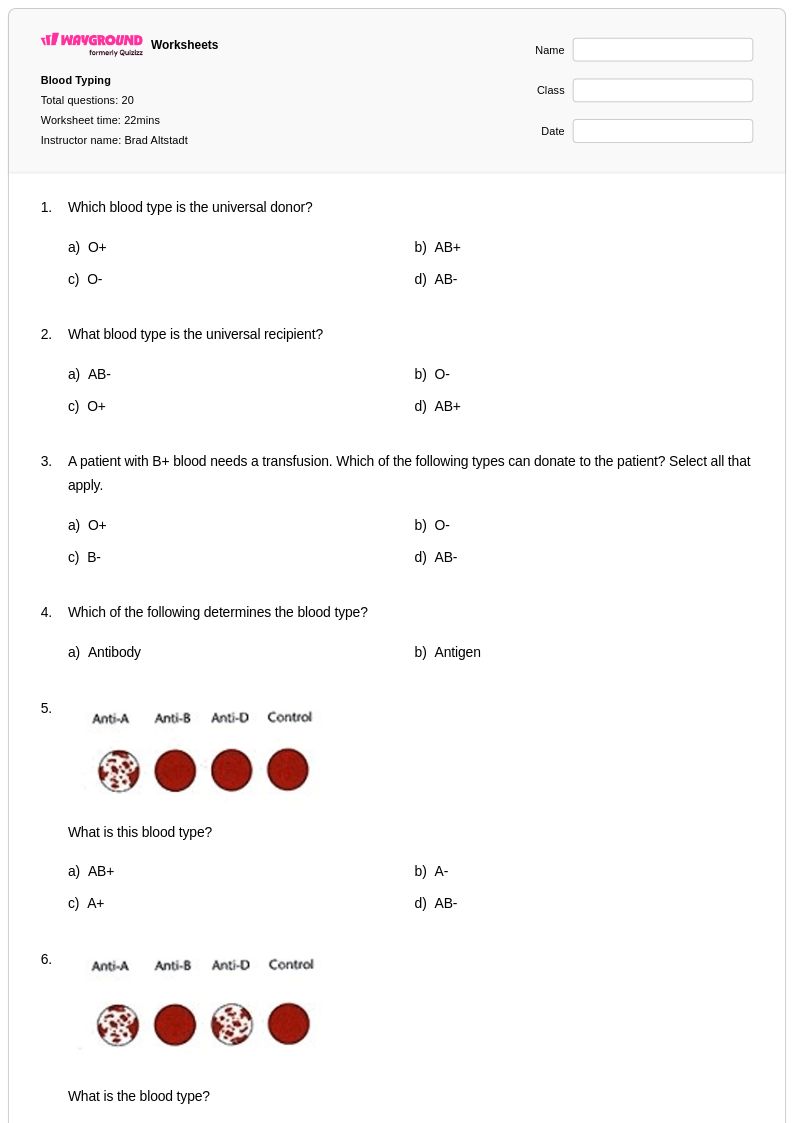
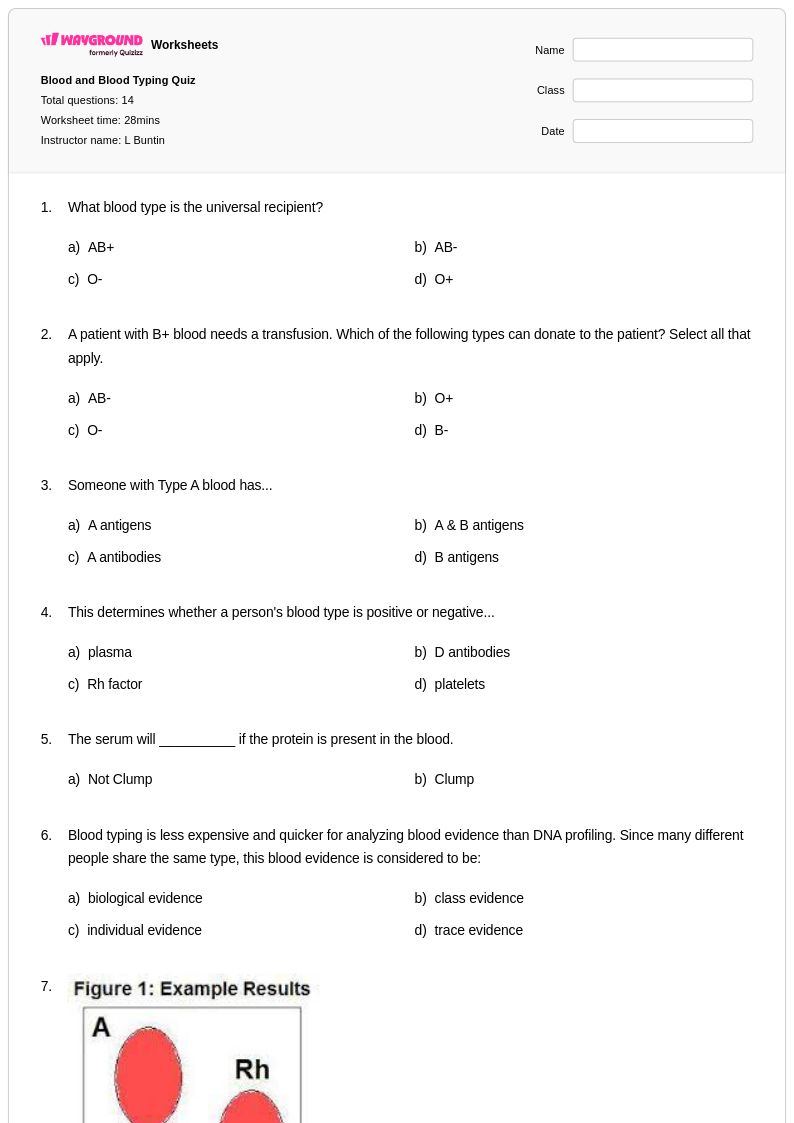
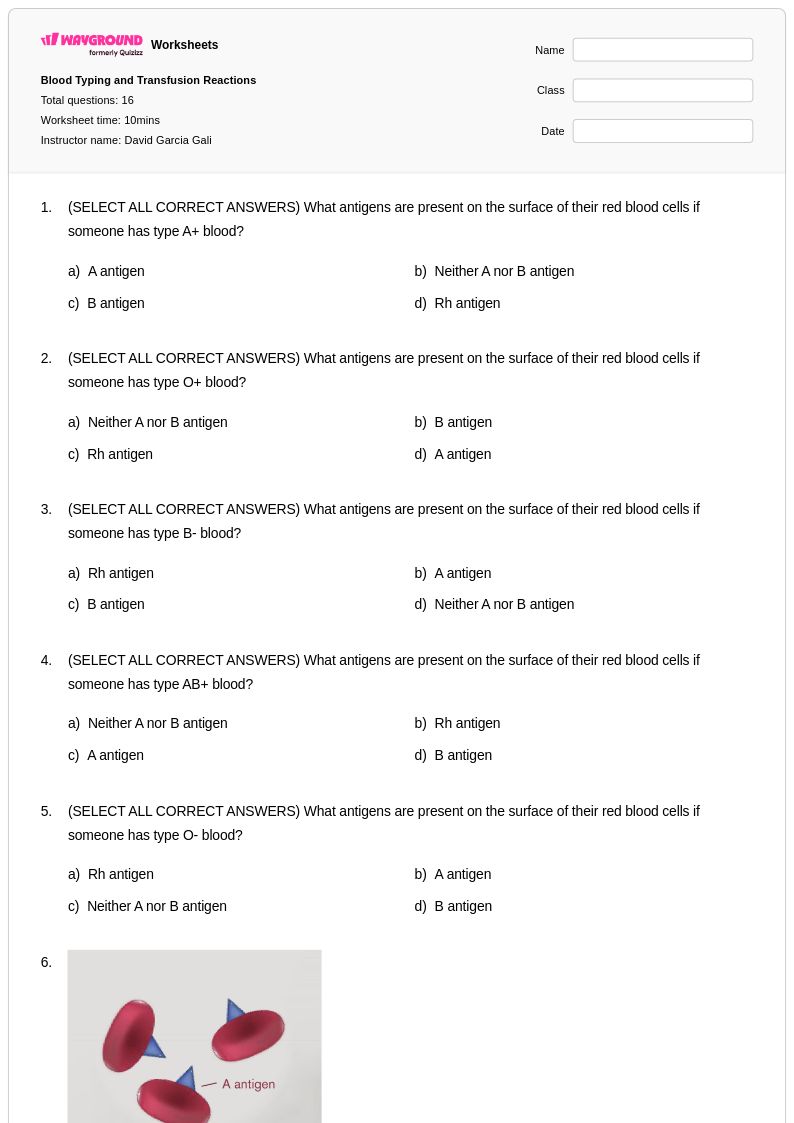
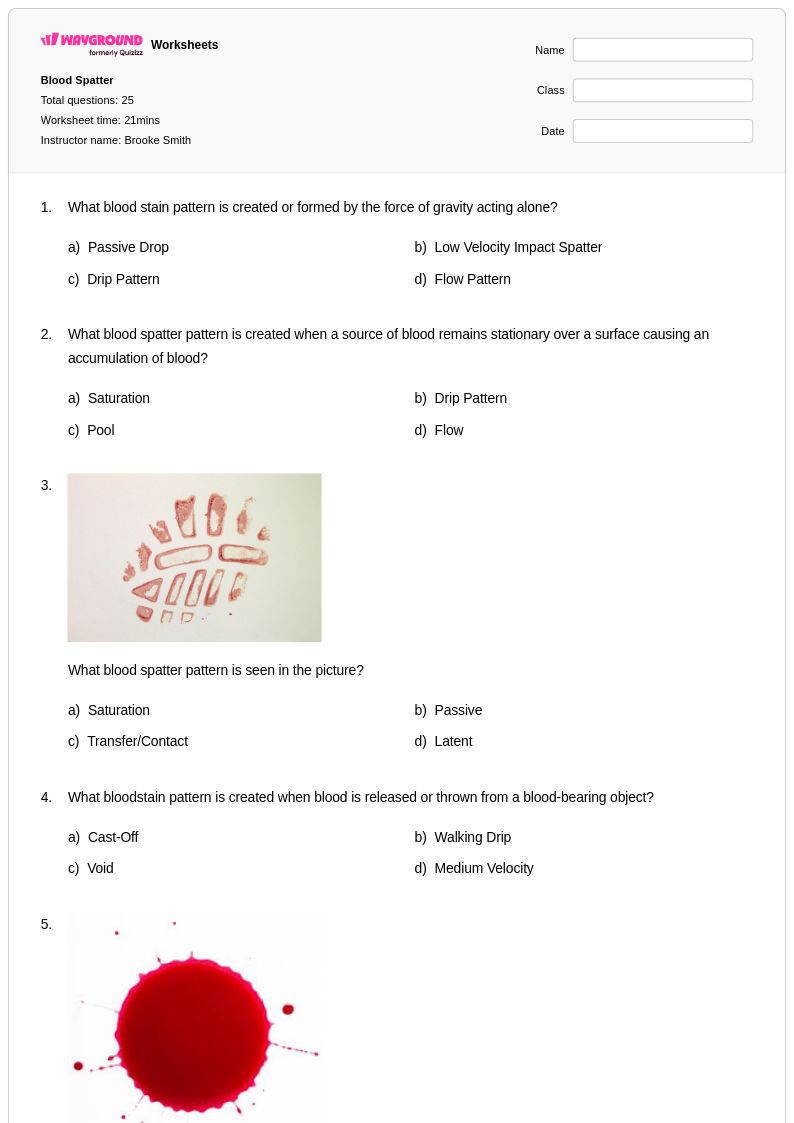
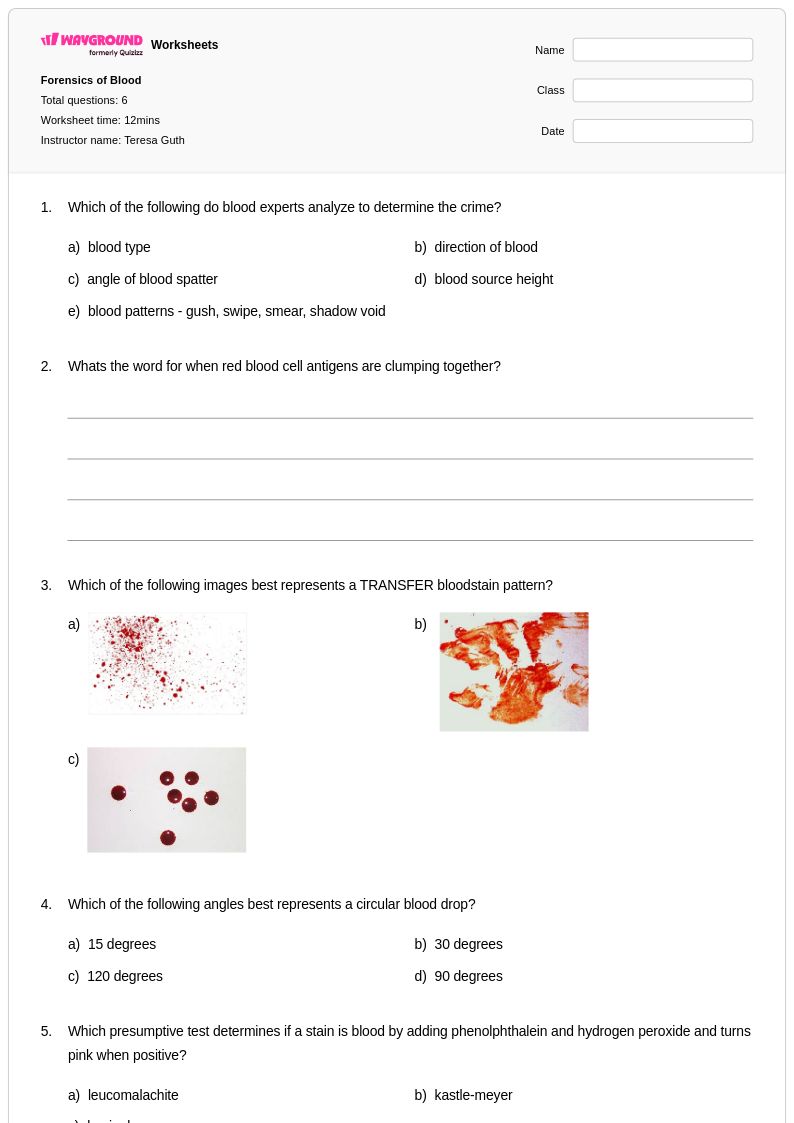
Practice exercises that ask students to determine compatibility between donor and recipient blood types based on antigen and antibody rules are highly effective for reinforcing the ABO and Rh systems. Scenario-based problems, such as identifying which transfusion combinations are safe and explaining why, push students to apply the logic rather than just memorize type labels. Diagram-completion activities that require students to fill in antigens present on red blood cells and antibodies present in plasma add another layer of precision to their understanding.
What mistakes do students commonly make when learning about blood cells and their functions?
A frequent misconception is that white blood cells and red blood cells perform similar or interchangeable roles, when in fact they differ fundamentally in structure, lifespan, and function. Students also commonly confuse platelets with full cells, not recognizing that they are cell fragments involved specifically in clotting rather than immune defense. Another common error is conflating plasma with blood as a whole, rather than understanding plasma as the liquid component that carries dissolved substances including proteins, nutrients, and waste products.
How can I use blood worksheets to support students who struggle with circulatory system concepts?
Worksheets that isolate one concept at a time, such as a single sheet focused only on the clotting cascade or only on ABO blood typing, reduce cognitive overload for students who struggle with the breadth of circulatory system content. On Wayground, teachers can enable accommodations such as Read Aloud to support students who need audio delivery of questions, or reduce answer choices to lower the difficulty threshold for struggling learners without changing the underlying content. These settings can be applied to individual students while the rest of the class works under default conditions.
How do I use Wayground's blood worksheets in my classroom?
Wayground's blood worksheets are available as printable PDFs for traditional classroom use and in digital formats for technology-integrated learning environments, so they work whether students are at desks or on devices. Teachers can also host worksheets as a live or assigned quiz directly on Wayground, giving students an interactive experience while automatically capturing performance data. Each worksheet includes a complete answer key, which reduces prep time and makes it straightforward to review results or guide whole-class discussion after the activity.
How do I connect blood physiology to the broader cardiovascular system in my lessons?
Once students understand blood composition, the natural next step is tracing how blood moves through pulmonary and systemic circulation, connecting the roles of the heart, arteries, veins, and capillaries to the delivery and exchange of oxygen and nutrients. Emphasizing that hemoglobin picks up oxygen in the lungs and releases it in tissues gives students a functional thread that links blood composition directly to cardiovascular mechanics. This sequence prevents students from treating the circulatory system as a collection of disconnected parts and instead builds a cause-and-effect understanding of how blood sustains homeostasis.