
14 Q
1st - 2nd
15 Q
2nd
15 Q
2nd
15 Q
2nd
15 Q
2nd
20 Q
1st - Uni
10 Q
2nd
10 Q
2nd - 5th
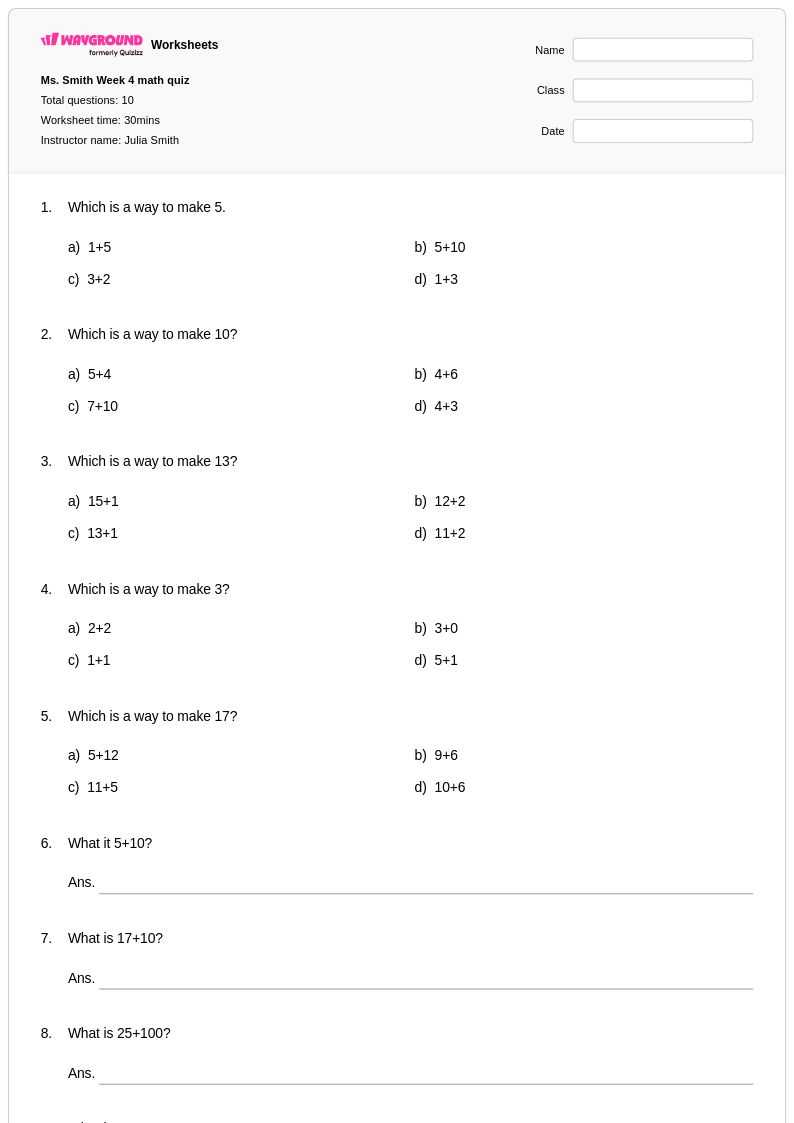
10 Q
2nd
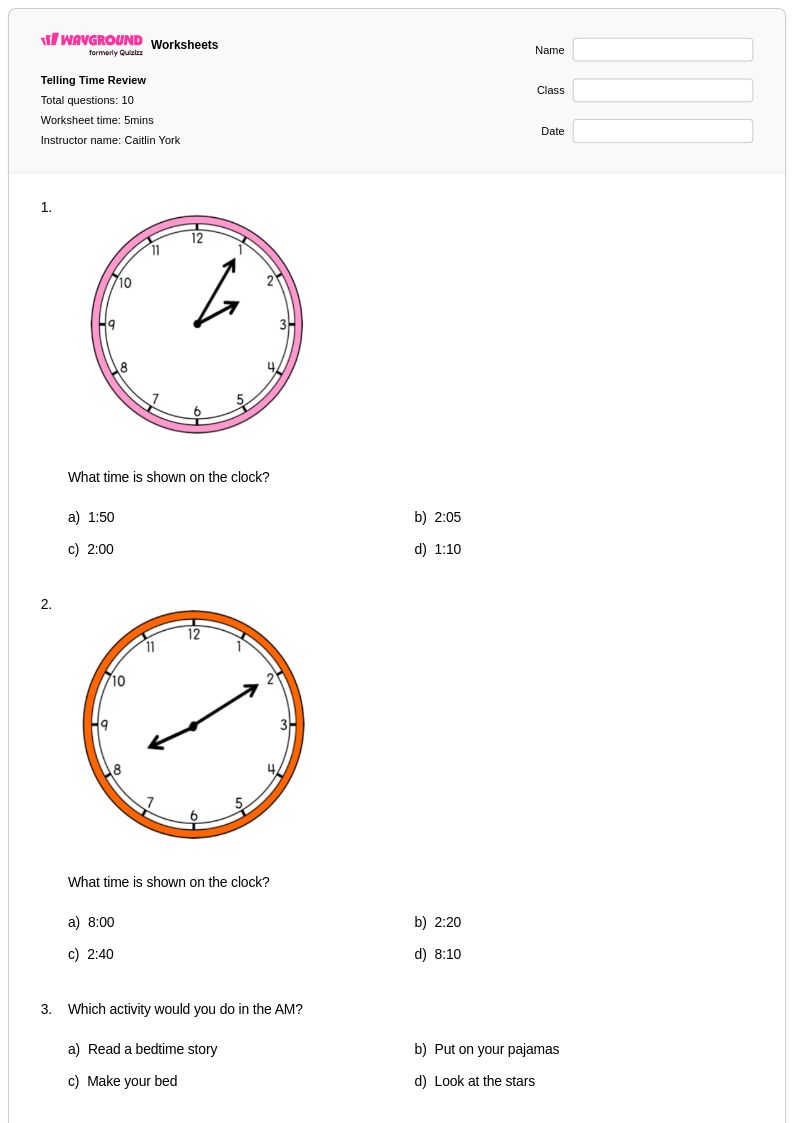
10 Q
1st - 3rd
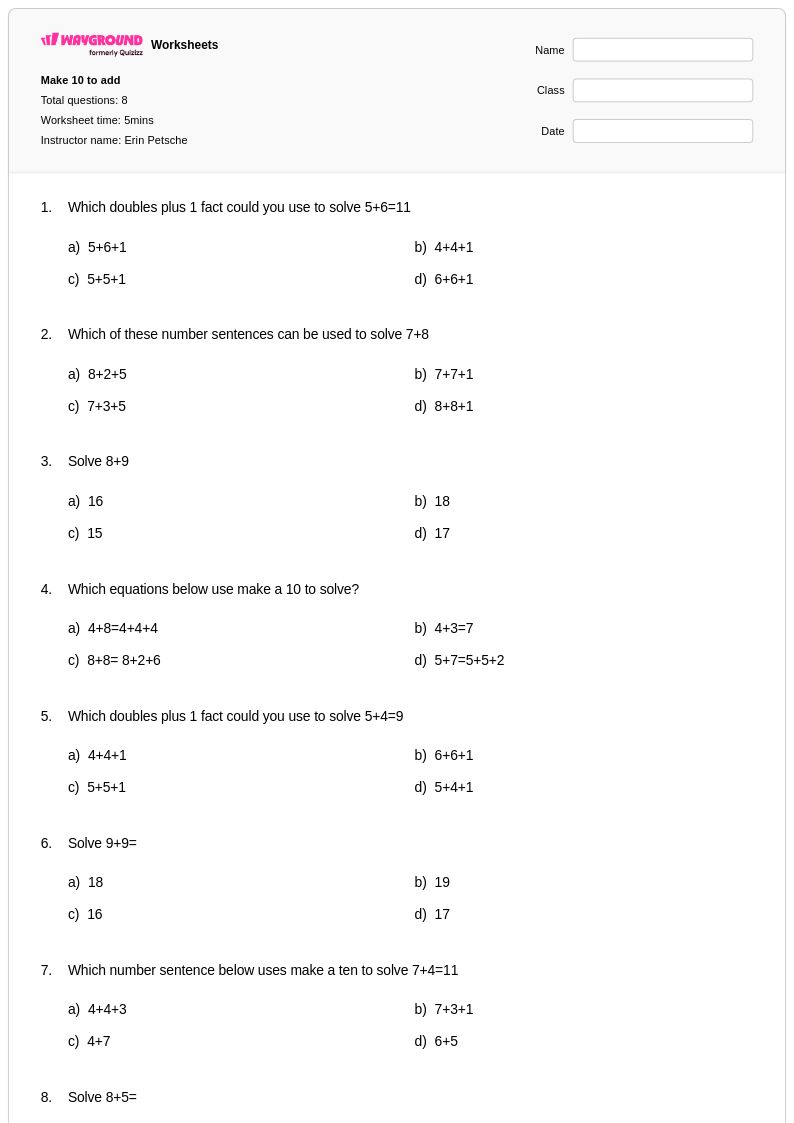
8 Q
2nd
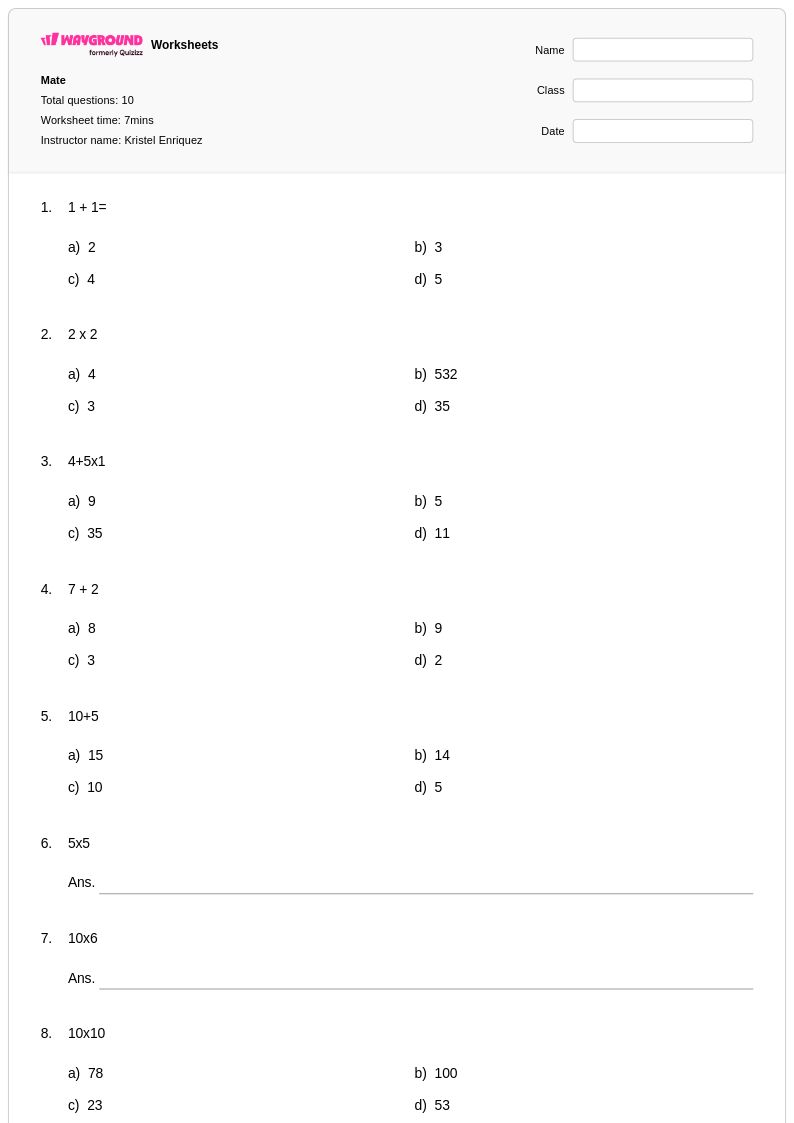
10 Q
1st - 4th

20 Q
2nd
10 Q
2nd
12 Q
2nd
10 Q
1st - 6th
20 Q
1st - Uni
10 Q
2nd - 3rd
15 Q
1st - 3rd
33 Q
1st - 5th
10 Q
2nd
15 Q
1st - Uni
14 Q
2nd - Uni
8 Q
2nd
Explore Other Subject Worksheets for grade 2
Explore printable Maze Activities worksheets for Grade 2
Maze activities for Grade 2 geometry transform fundamental shape recognition and spatial reasoning into engaging puzzle-solving adventures that captivate young learners. These specialized worksheets from Wayground (formerly Quizizz) challenge second-grade students to navigate through geometric mazes by identifying shapes, following directional patterns, and applying basic geometric concepts to find their way from start to finish. Each printable worksheet strengthens critical skills including shape classification, spatial visualization, pattern recognition, and logical thinking while maintaining student motivation through game-like formats. The collection includes free pdf resources with comprehensive answer keys, allowing teachers to provide immediate feedback and support independent practice sessions that reinforce core geometry standards for early elementary learners.
Wayground (formerly Quizizz) empowers educators with access to millions of teacher-created geometry maze worksheets specifically designed for Grade 2 mathematics instruction. The platform's robust search and filtering capabilities enable teachers to quickly locate resources that align with specific learning objectives and curriculum standards, while built-in differentiation tools allow for seamless customization based on individual student needs. These maze activities are available in both printable pdf formats for traditional classroom use and interactive digital versions for technology-enhanced learning environments. Teachers can efficiently incorporate these resources into lesson planning for skill introduction, guided practice sessions, remediation support for struggling learners, or enrichment challenges for advanced students, creating a comprehensive approach to geometry instruction that addresses diverse learning styles and academic levels.
FAQs
How can I incorporate these mazes into my 2nd-grade math block?
What geometry skills will my 2nd graders practice?
What common misconceptions can these mazes reveal in 2nd grade?
How can I assign and grade these 2nd-grade maze worksheets?
Do these mazes align with 2nd-grade math standards?