
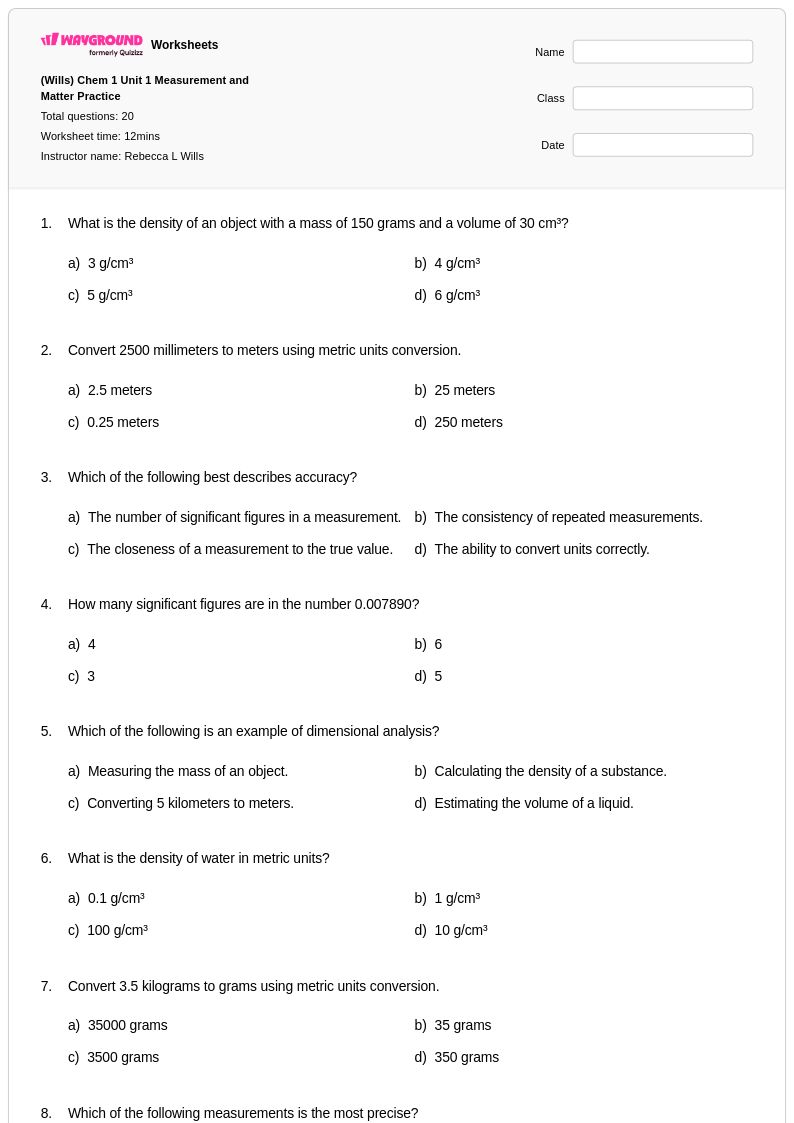
20 Q
10th
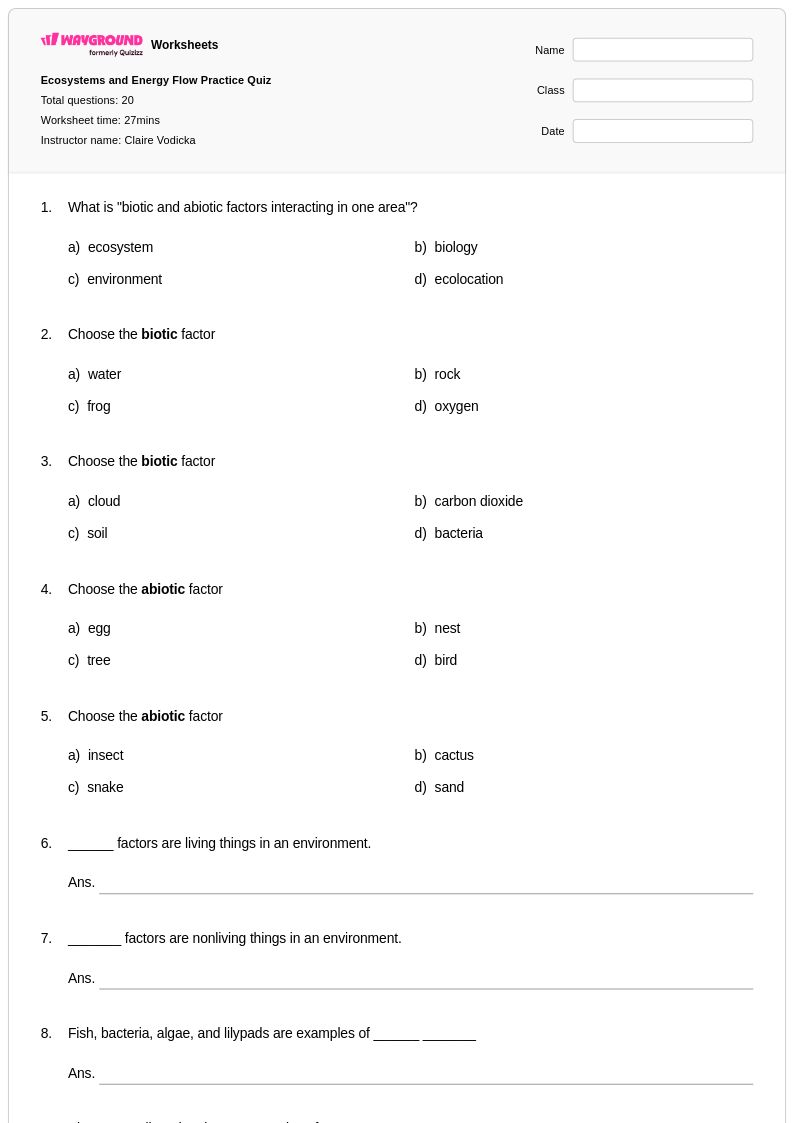
21 Q
9th - 12th
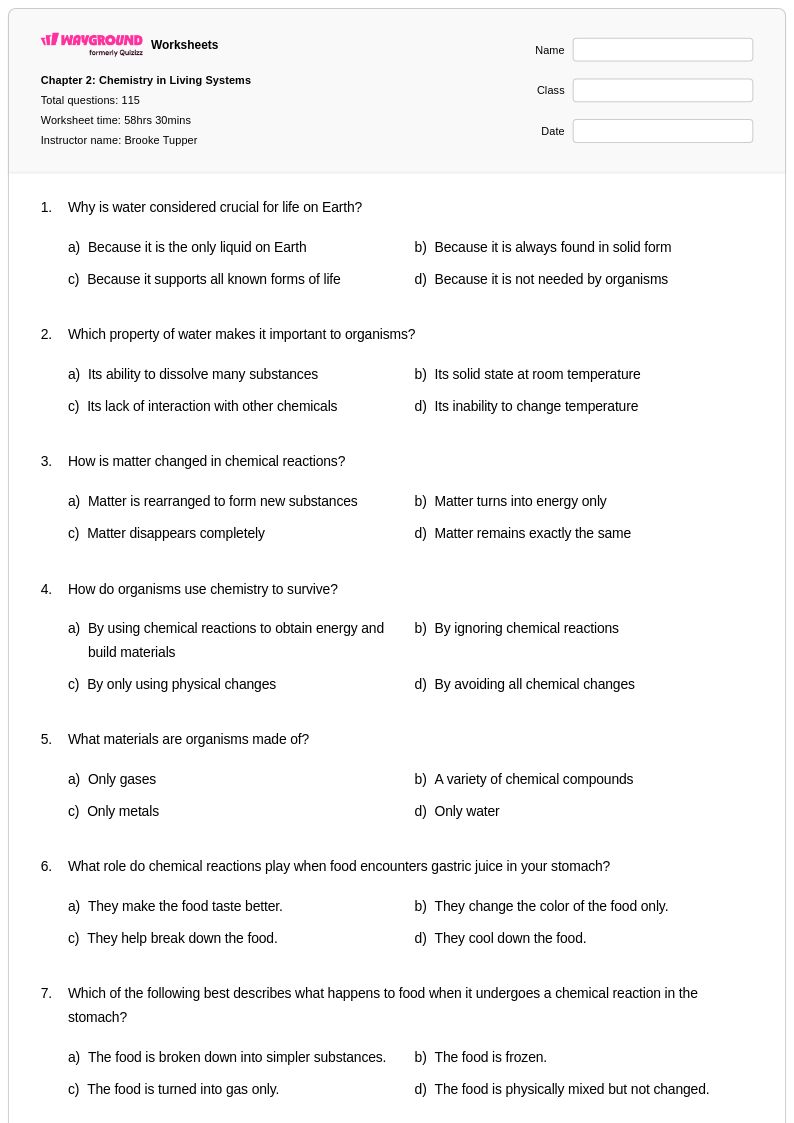
115 Q
9th - Uni
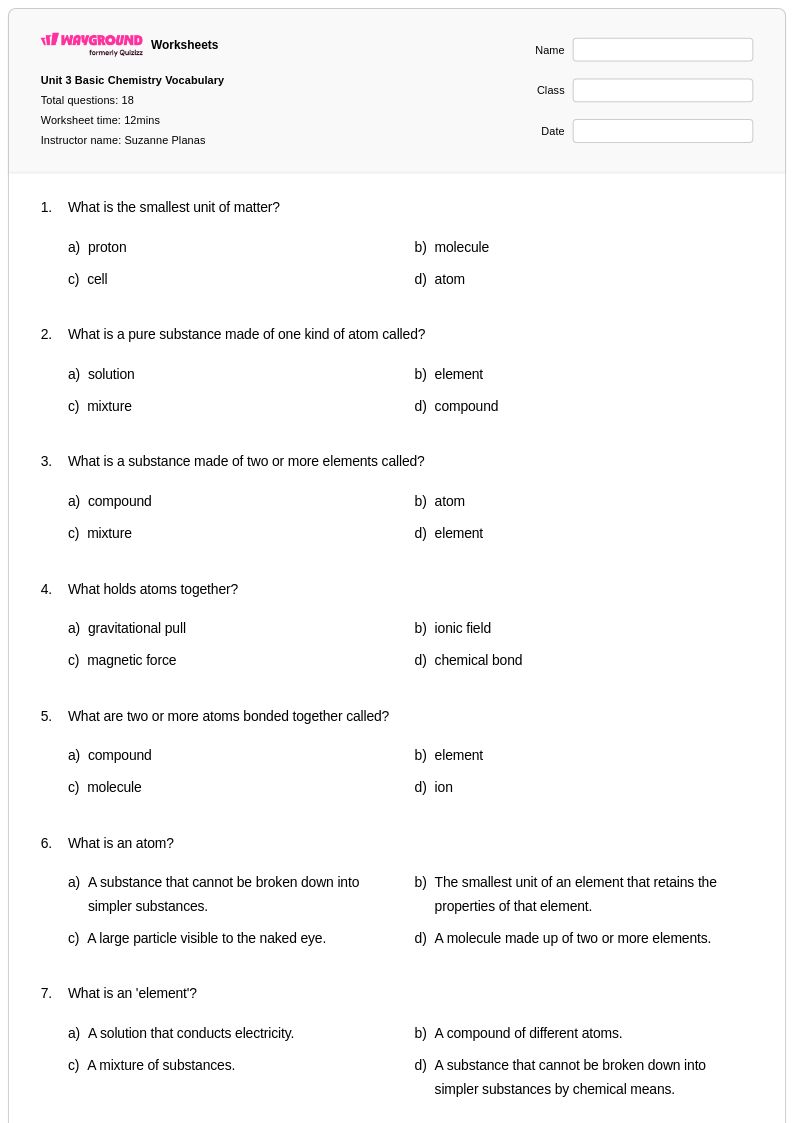
18 Q
10th - Uni
25 Q
6th - Uni
84 Q
10th
34 Q
10th
24 Q
10th
15 Q
8th - Uni
13 Q
9th - PD
211 Q
10th
21 Q
10th
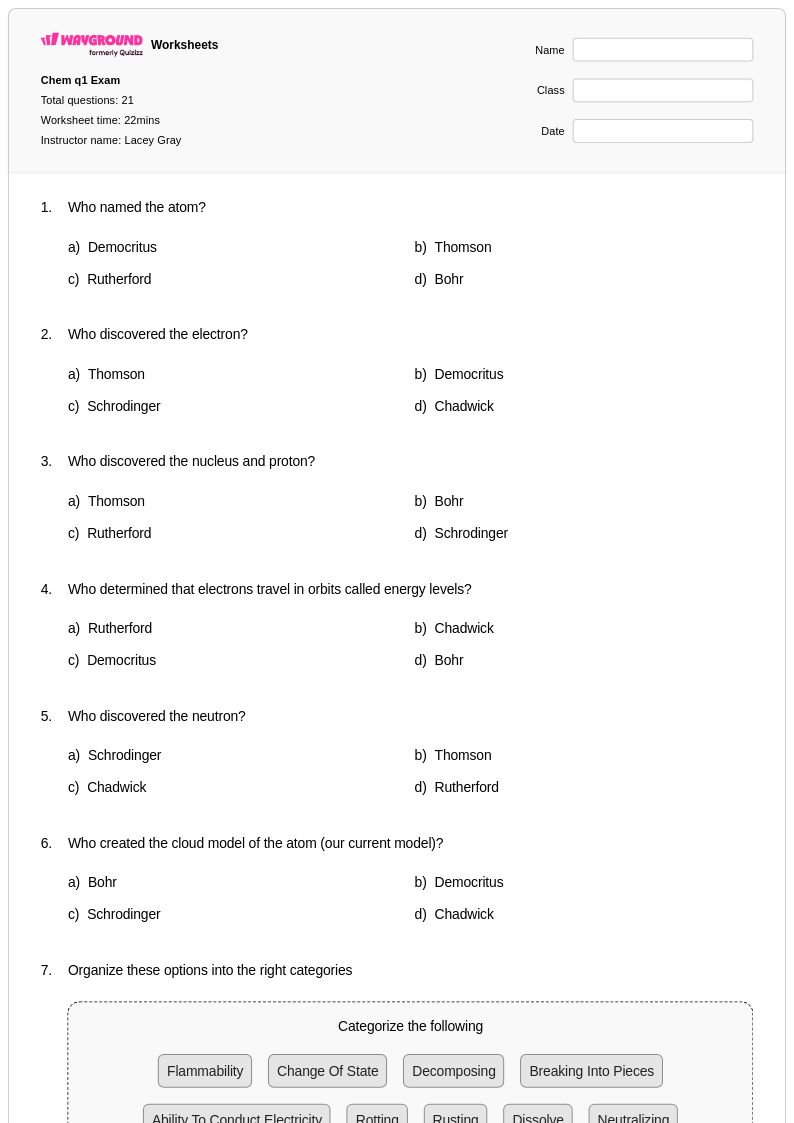
21 Q
9th - 12th
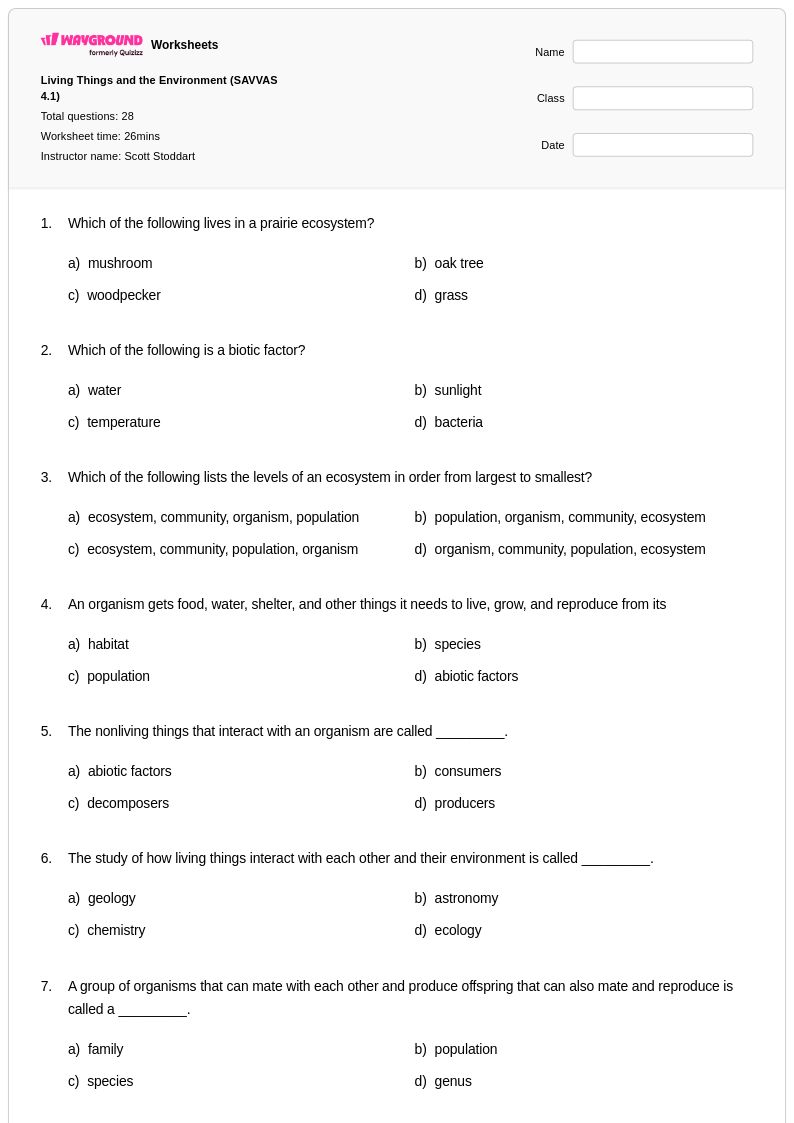
28 Q
6th - Uni
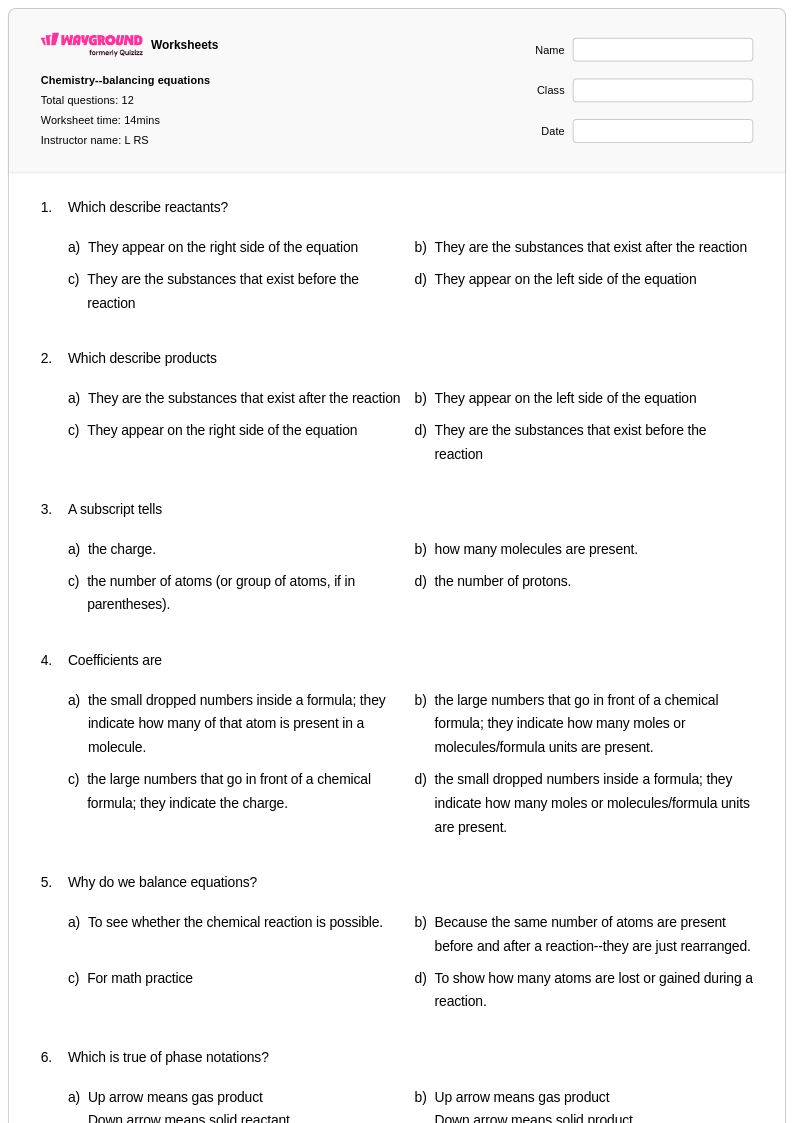
18 Q
10th
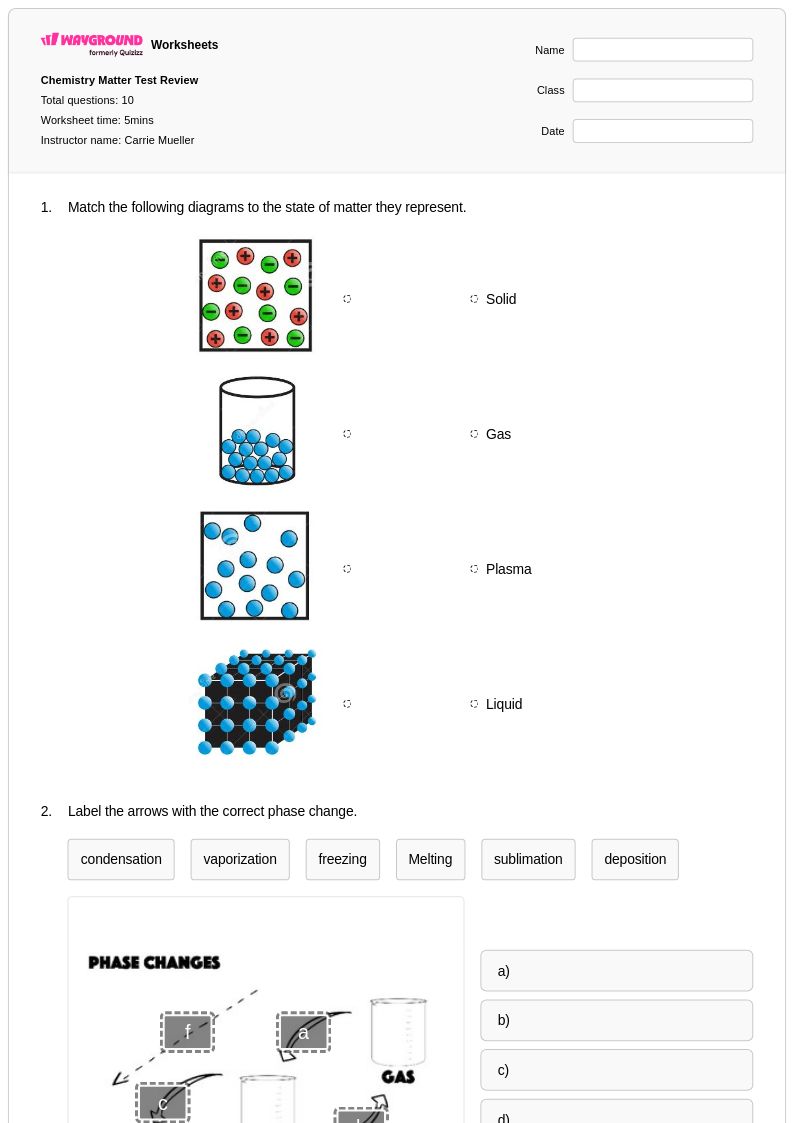
15 Q
10th
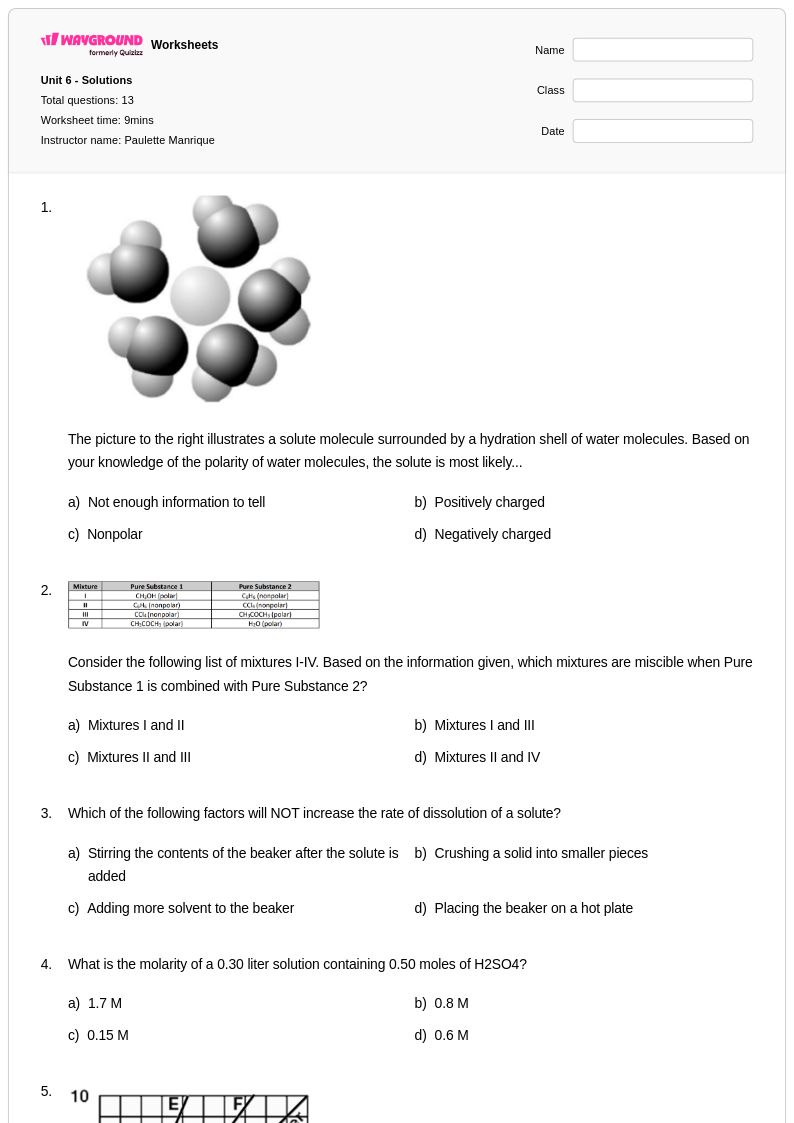
13 Q
10th
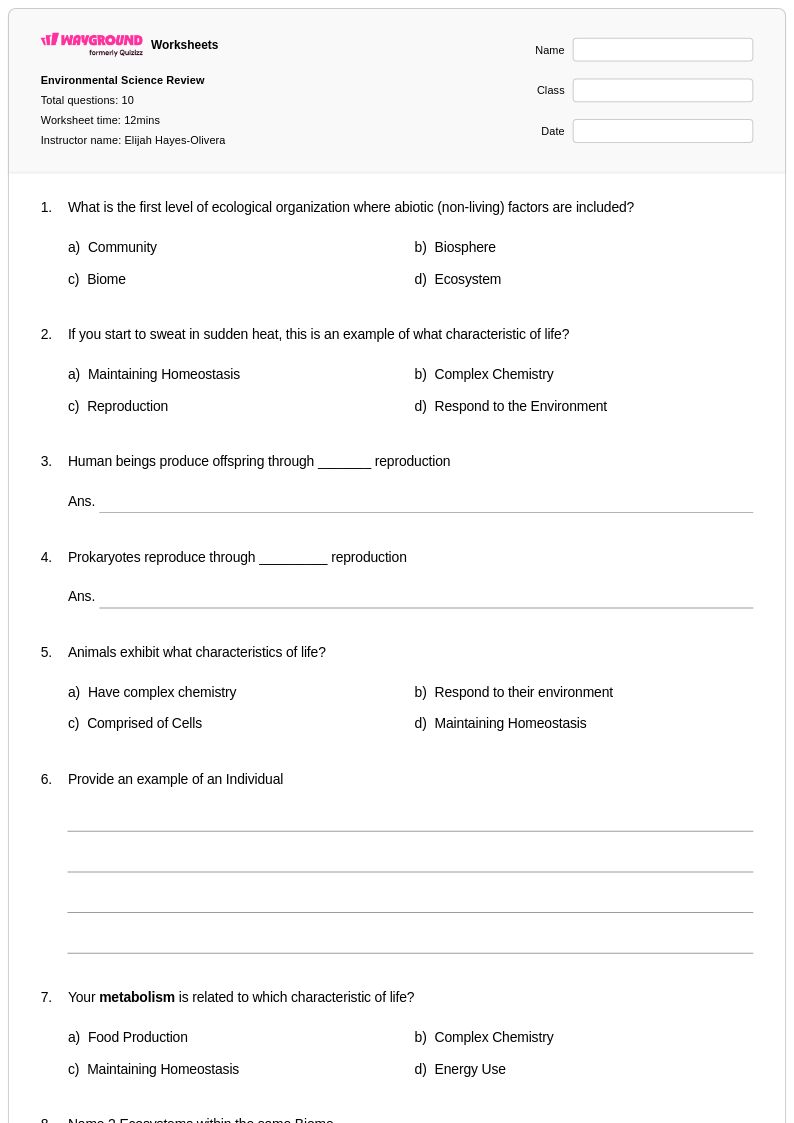
10 Q
9th - 12th
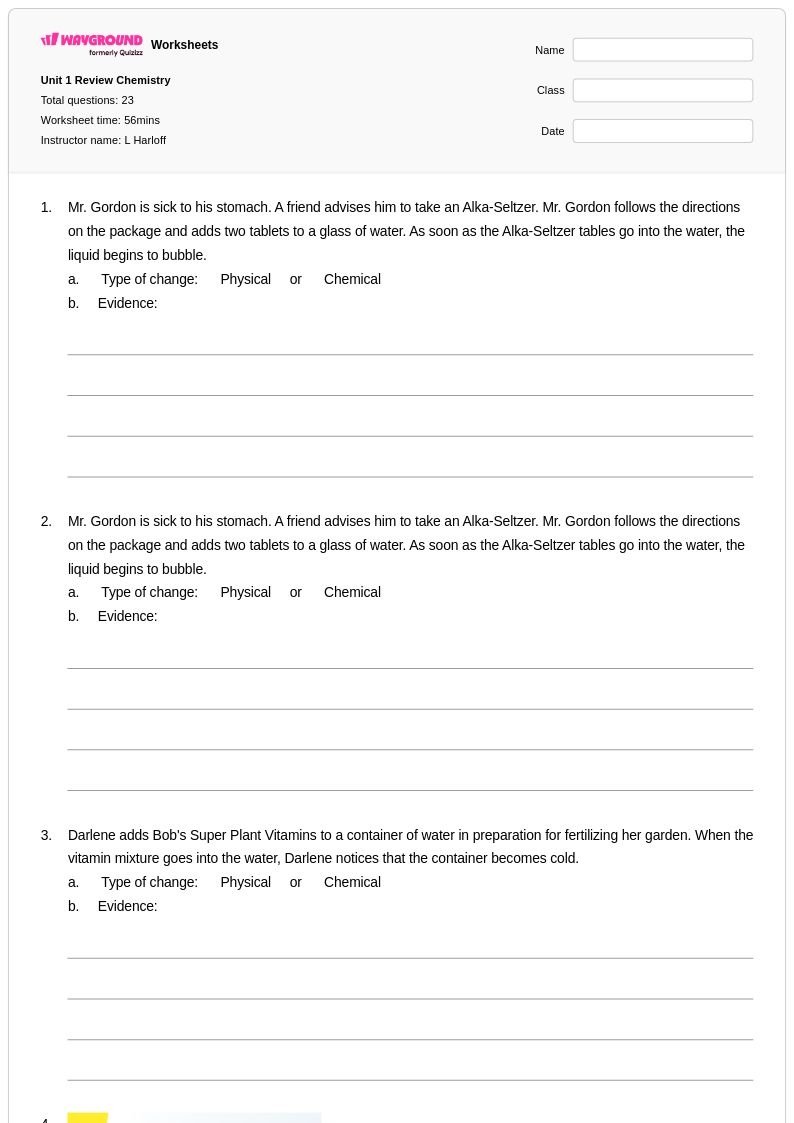
23 Q
6th - Uni
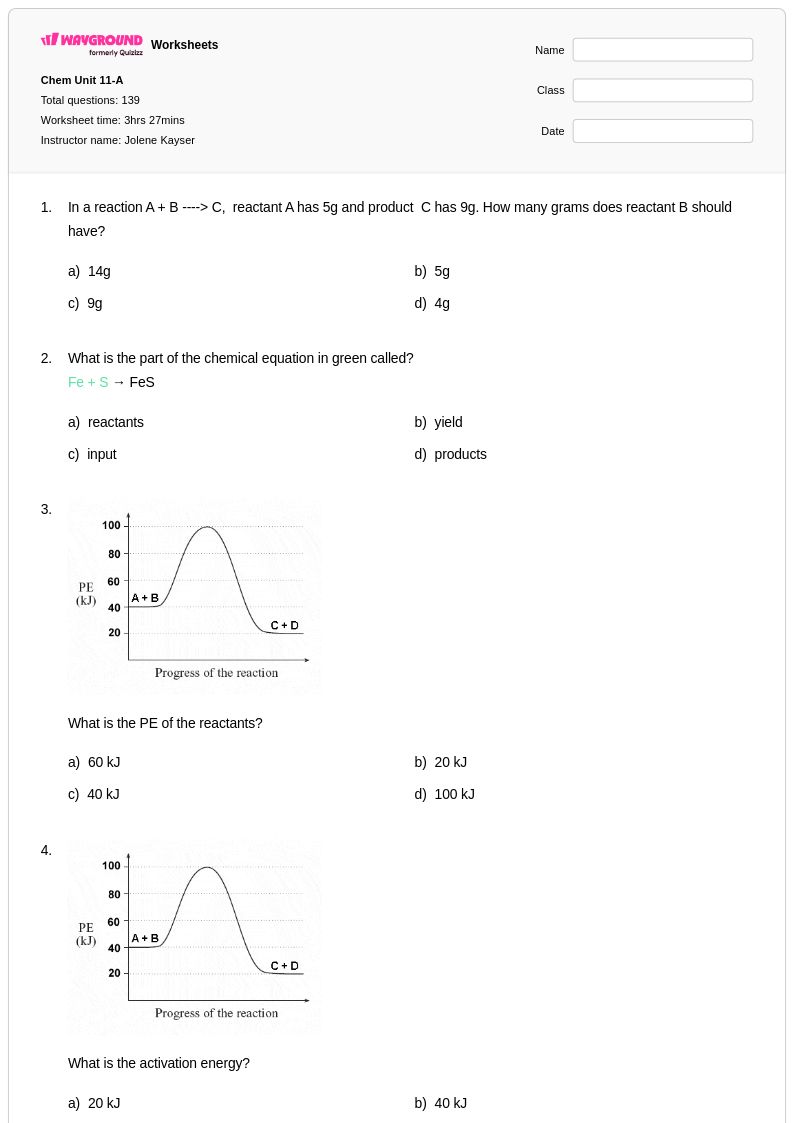
139 Q
9th - 12th
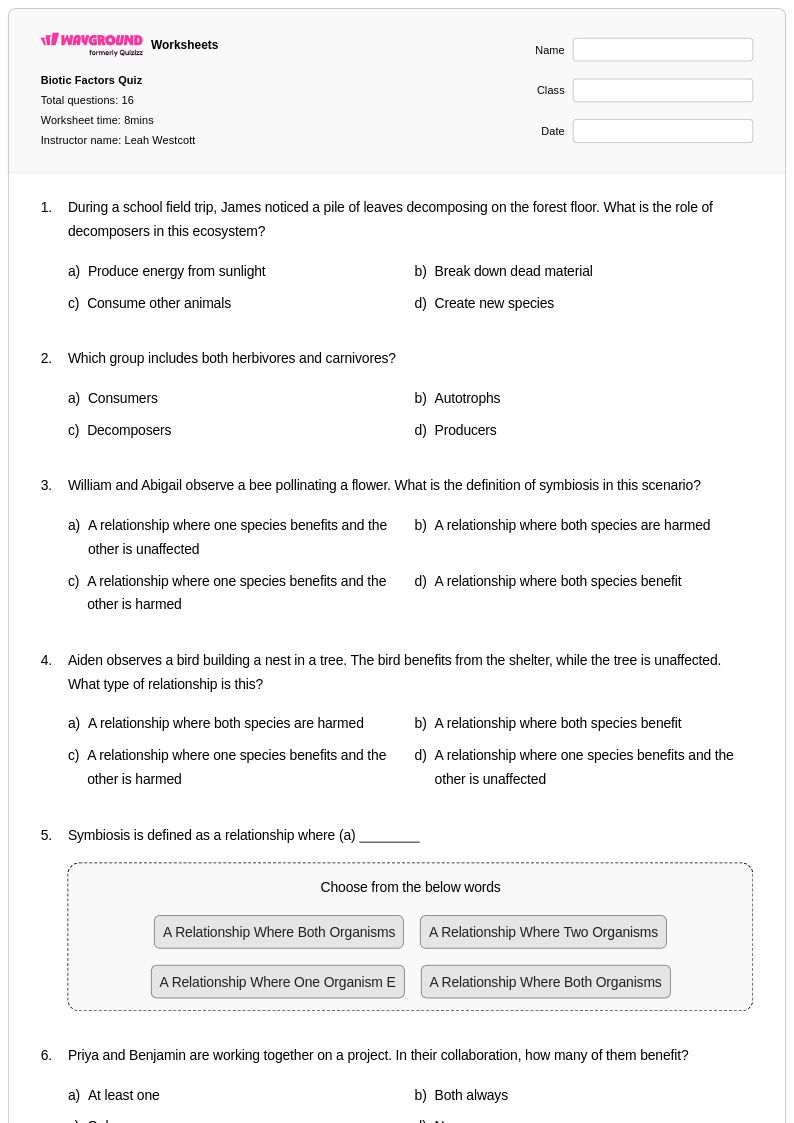
16 Q
10th - Uni

56 Q
10th
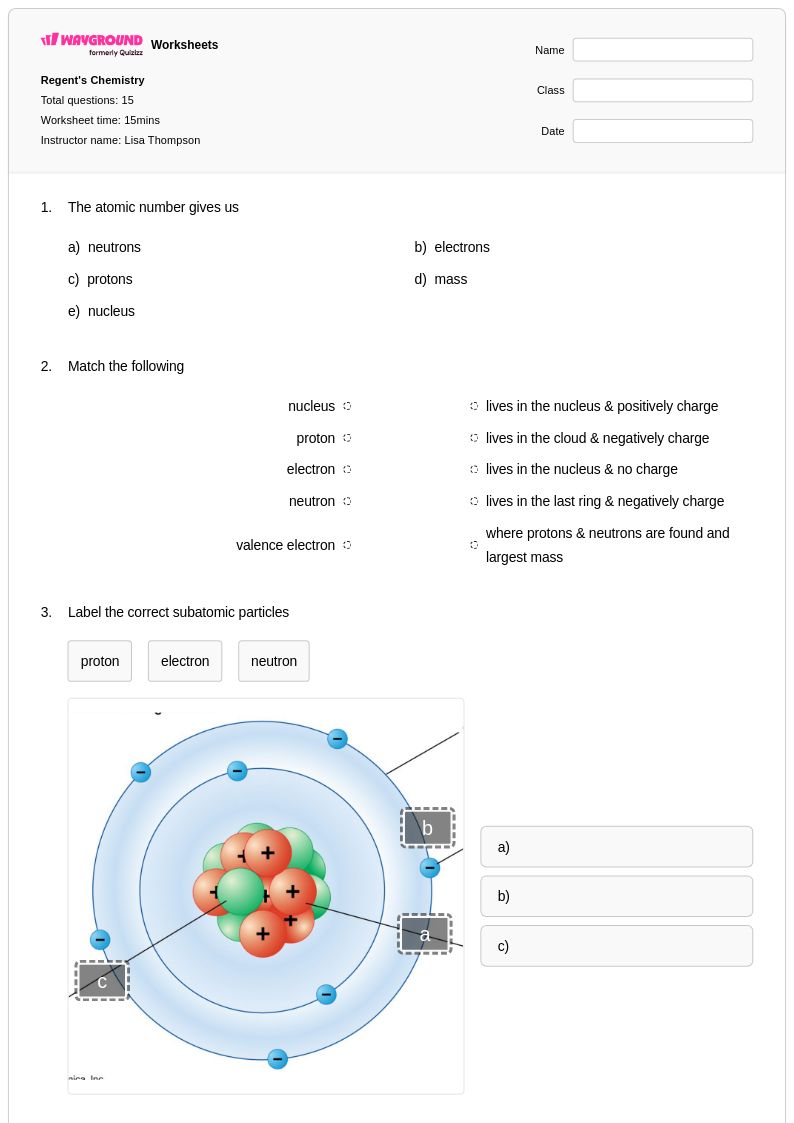
15 Q
8th - Uni
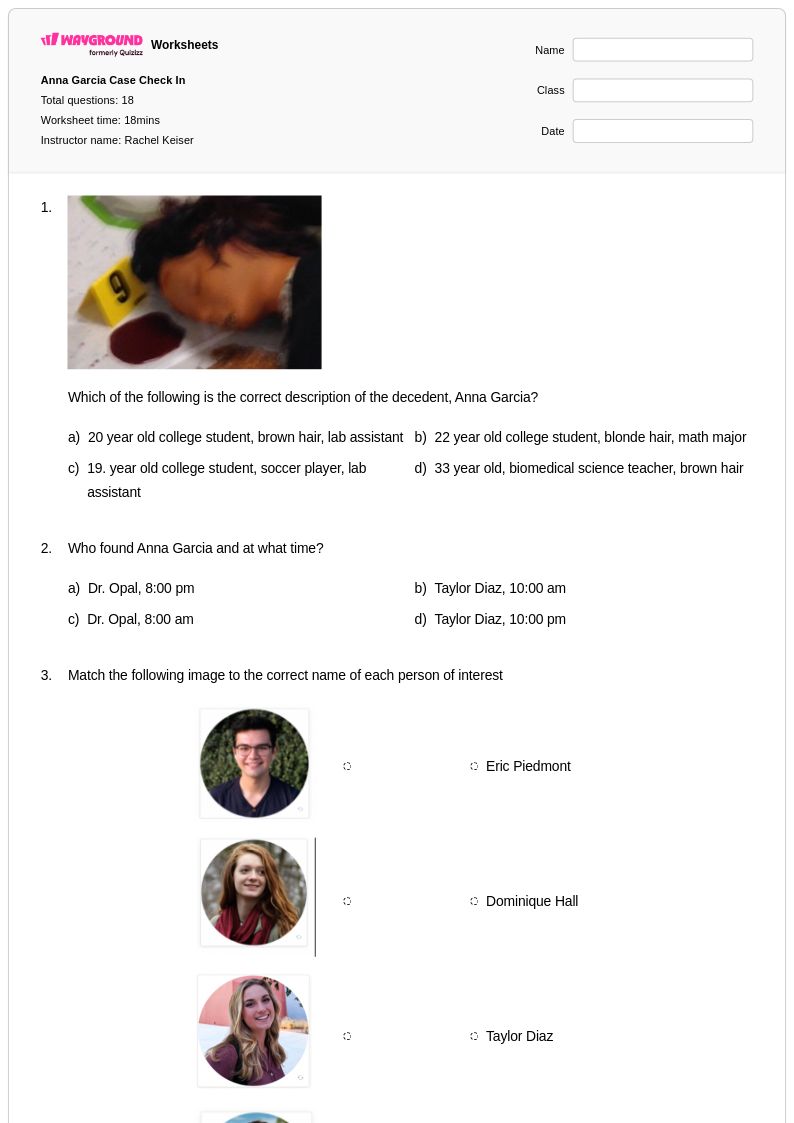
18 Q
10th
Explore Conversion Factors in Chemistry Worksheets by Grades
Explore Other Subject Worksheets for class 10
Explore printable Conversion Factors in Chemistry worksheets for Class 10
Conversion factors in chemistry represent a fundamental computational skill that Class 10 students must master to succeed in quantitative chemical analysis and problem-solving. Wayground's comprehensive collection of conversion factor worksheets provides students with systematic practice in dimensional analysis, unit conversions, and stoichiometric calculations that form the backbone of chemical mathematics. These carefully designed practice problems guide students through essential skills including converting between metric units, calculating molar masses, determining empirical and molecular formulas, and solving complex multi-step stoichiometry problems. Each worksheet comes with a detailed answer key that allows students to verify their work and understand the logical progression of dimensional analysis, while the free printable format ensures accessibility for both classroom instruction and independent study.
Wayground, formerly Quizizz, empowers chemistry educators with millions of teacher-created resources specifically designed to strengthen students' mastery of conversion factors and dimensional analysis techniques. The platform's robust search and filtering capabilities enable teachers to quickly locate worksheets that align with specific learning standards and target particular skill levels, from basic unit conversions to advanced stoichiometric calculations involving limiting reagents and percent yield. Teachers can customize these digital and printable PDF resources to match their students' diverse learning needs, creating differentiated assignments for remediation or enrichment while maintaining focus on essential conversion factor methodologies. This flexibility supports comprehensive lesson planning and provides teachers with reliable tools for ongoing skill practice, formative assessment, and targeted intervention in areas where students struggle with chemical calculations.