Free Printable Membrane Structure and Function Worksheets for Class 10
Class 10 Biology worksheets from Wayground help students master membrane structure and function through comprehensive printables, practice problems, and answer keys that reinforce cellular transport mechanisms and phospholipid bilayer concepts.
Explore printable Membrane Structure and Function worksheets for Class 10
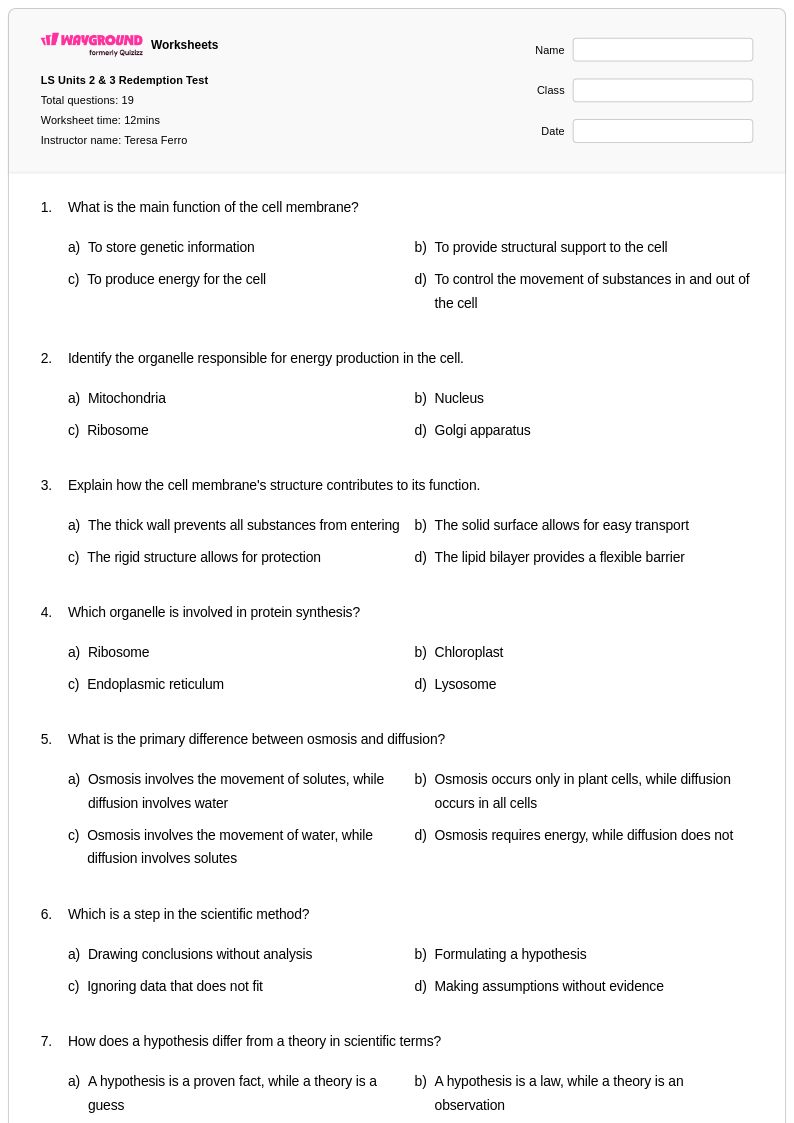
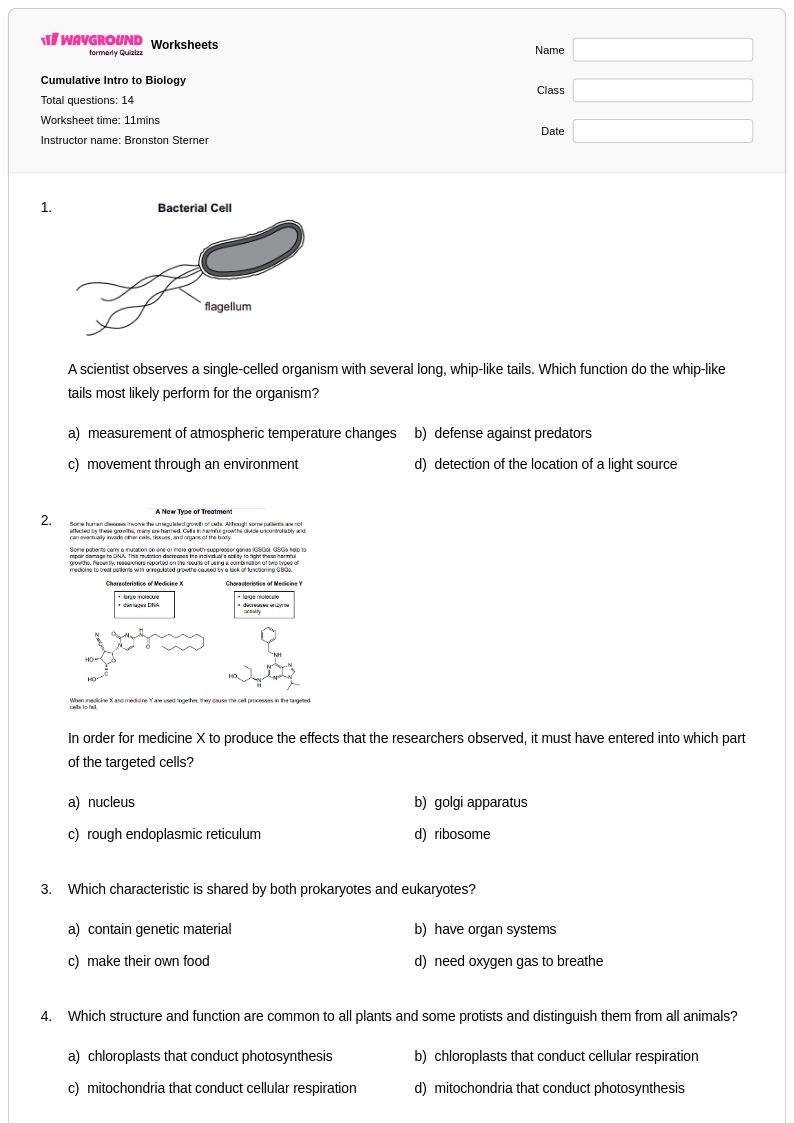
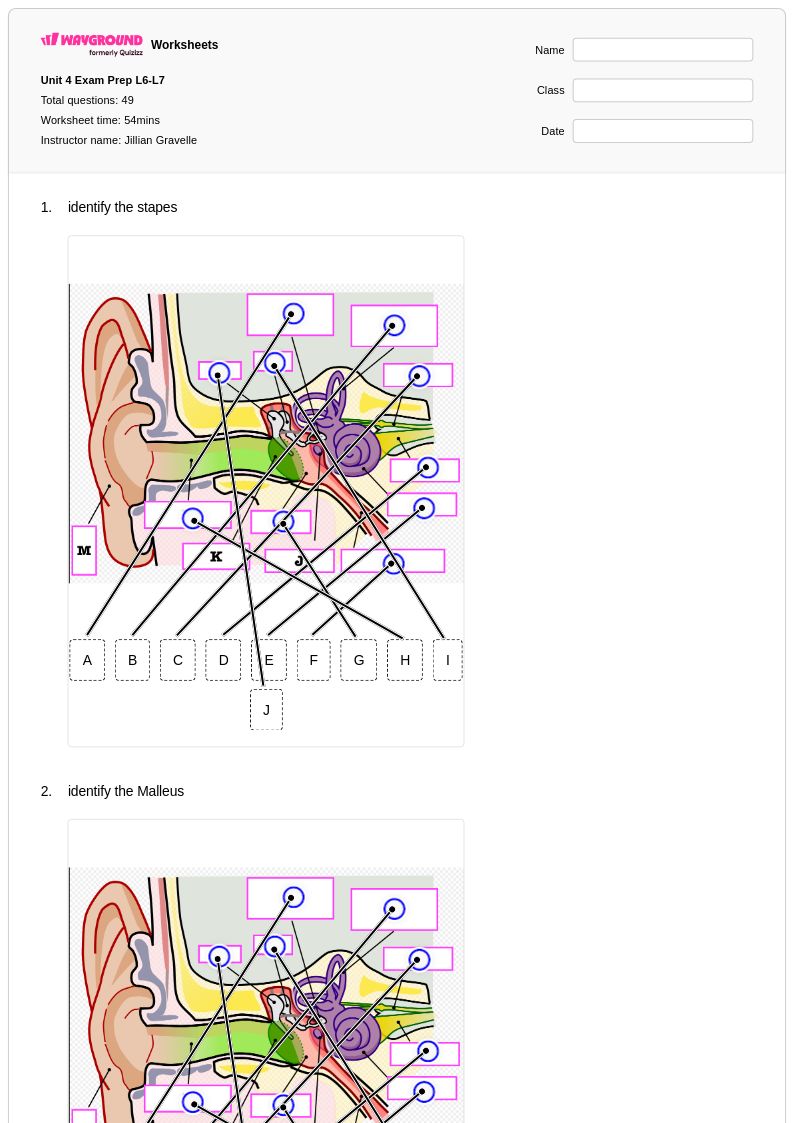
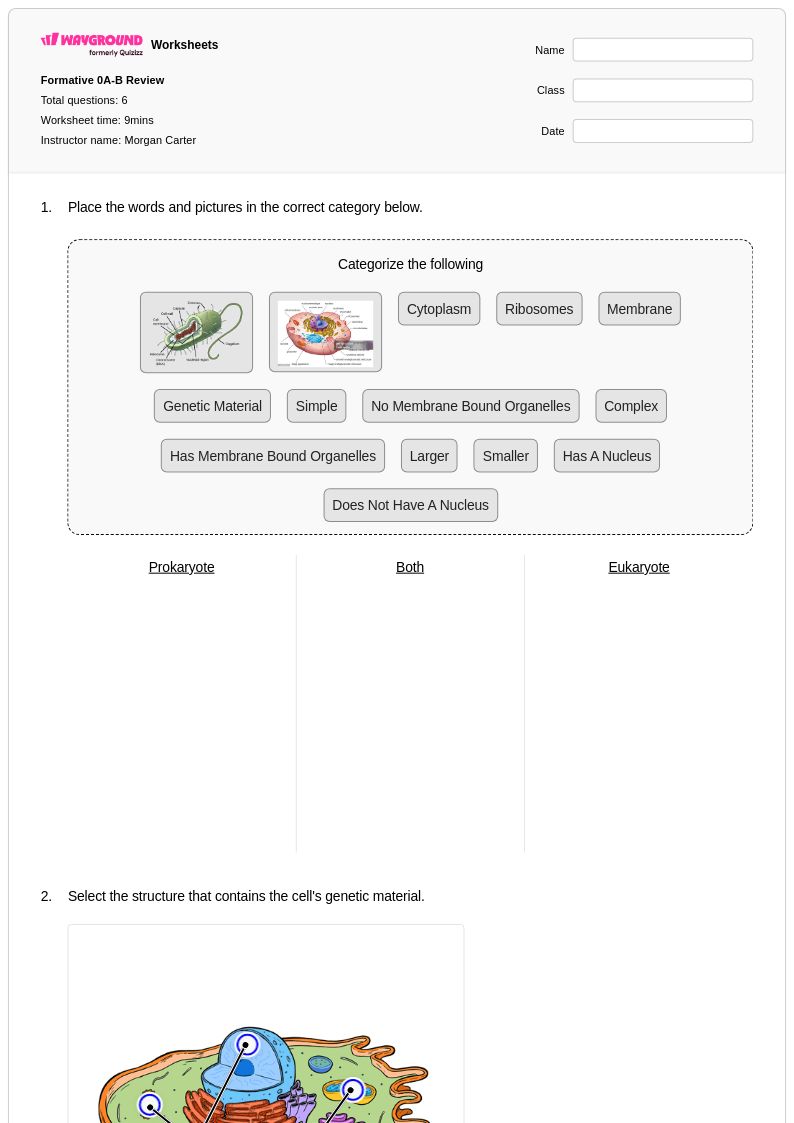
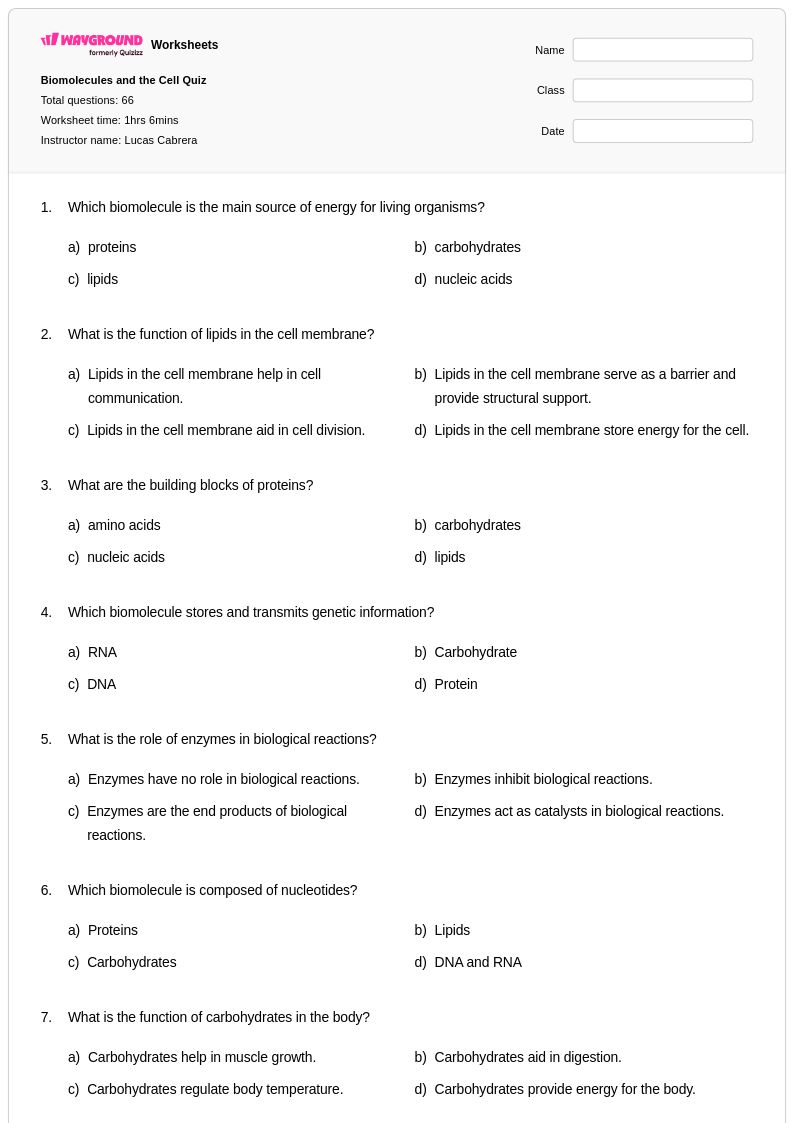
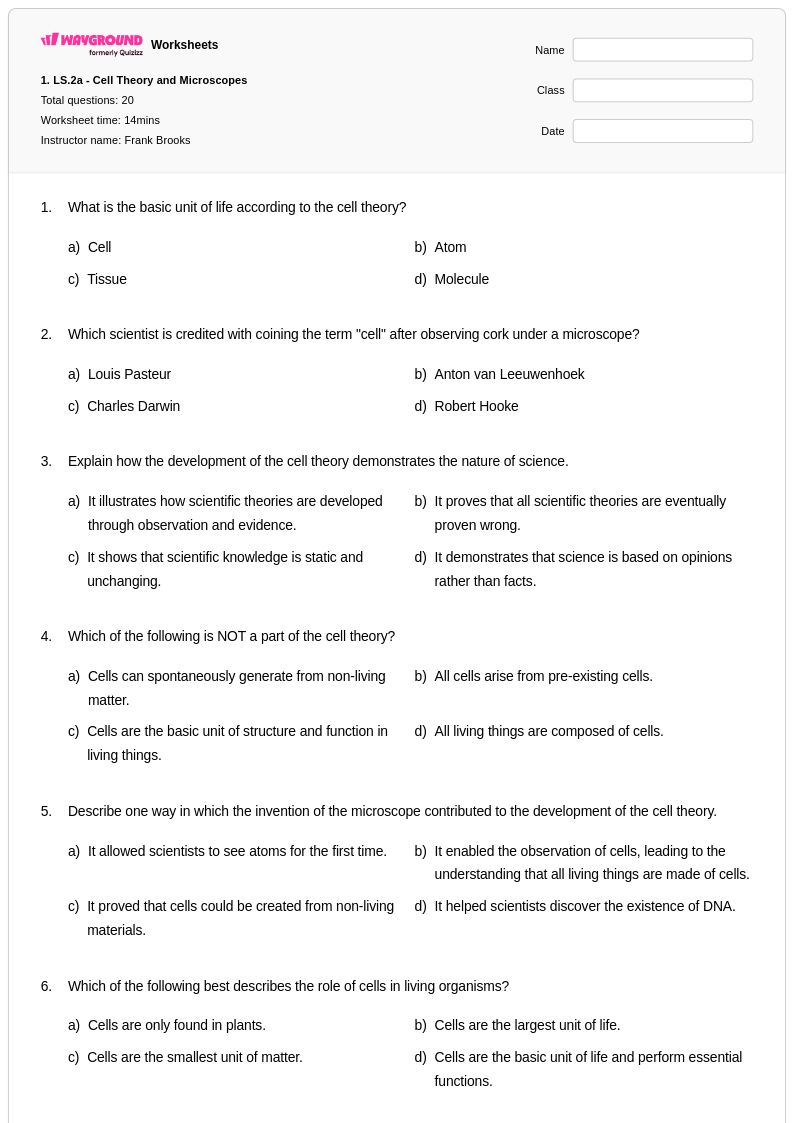
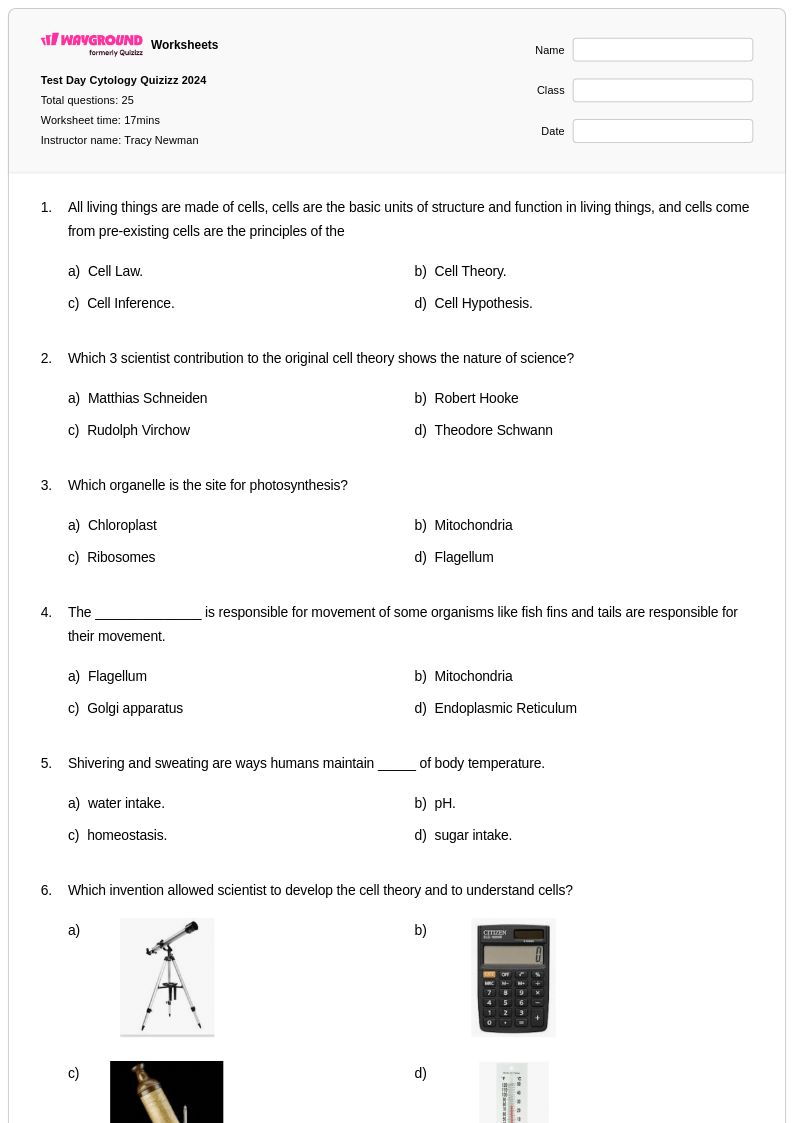
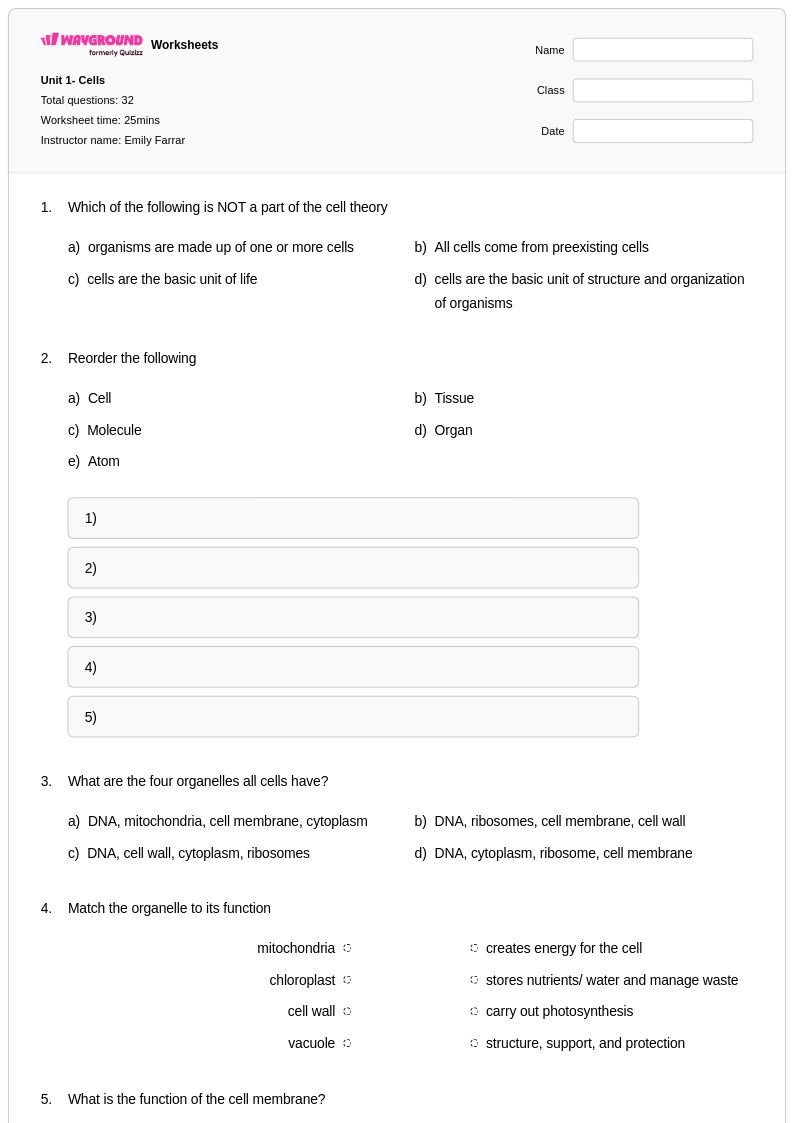
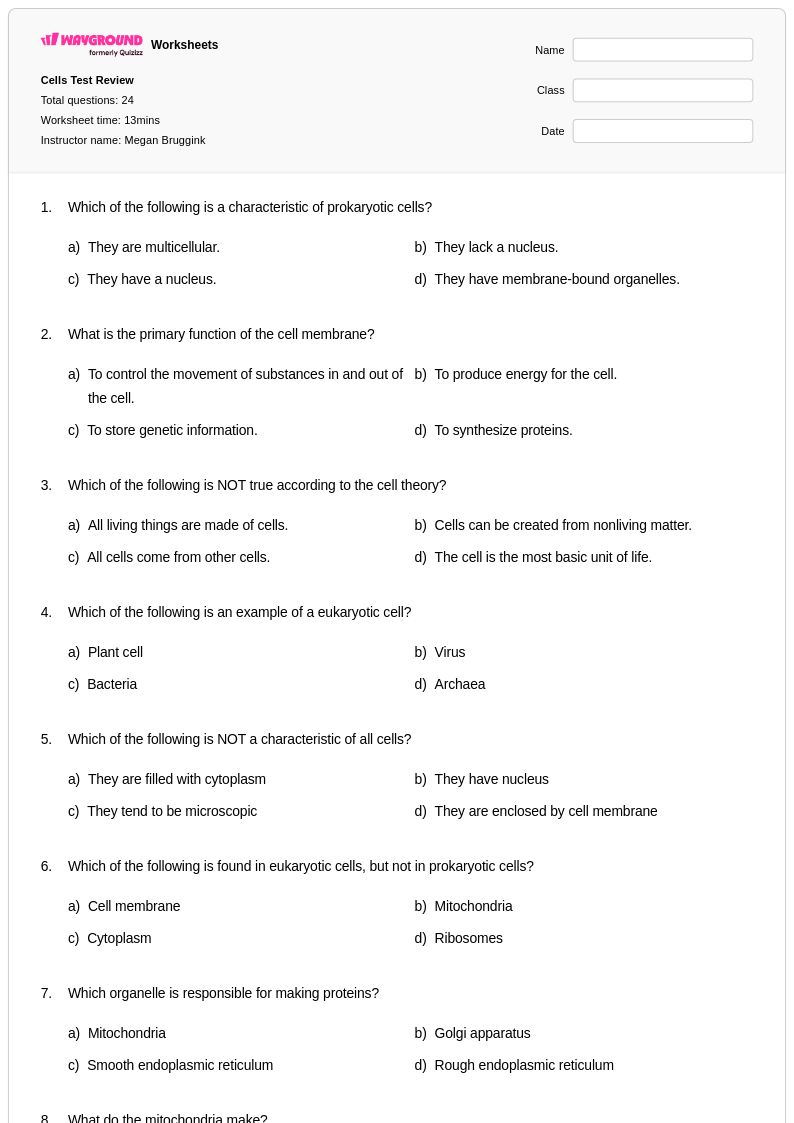
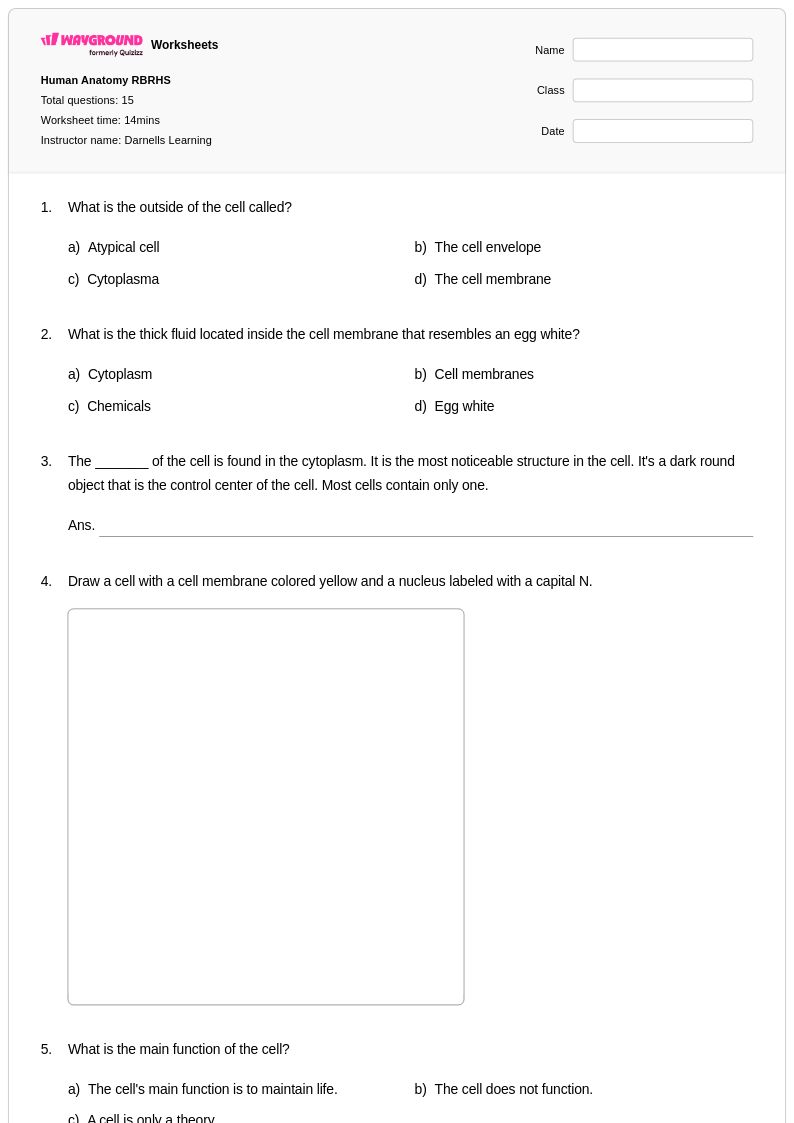
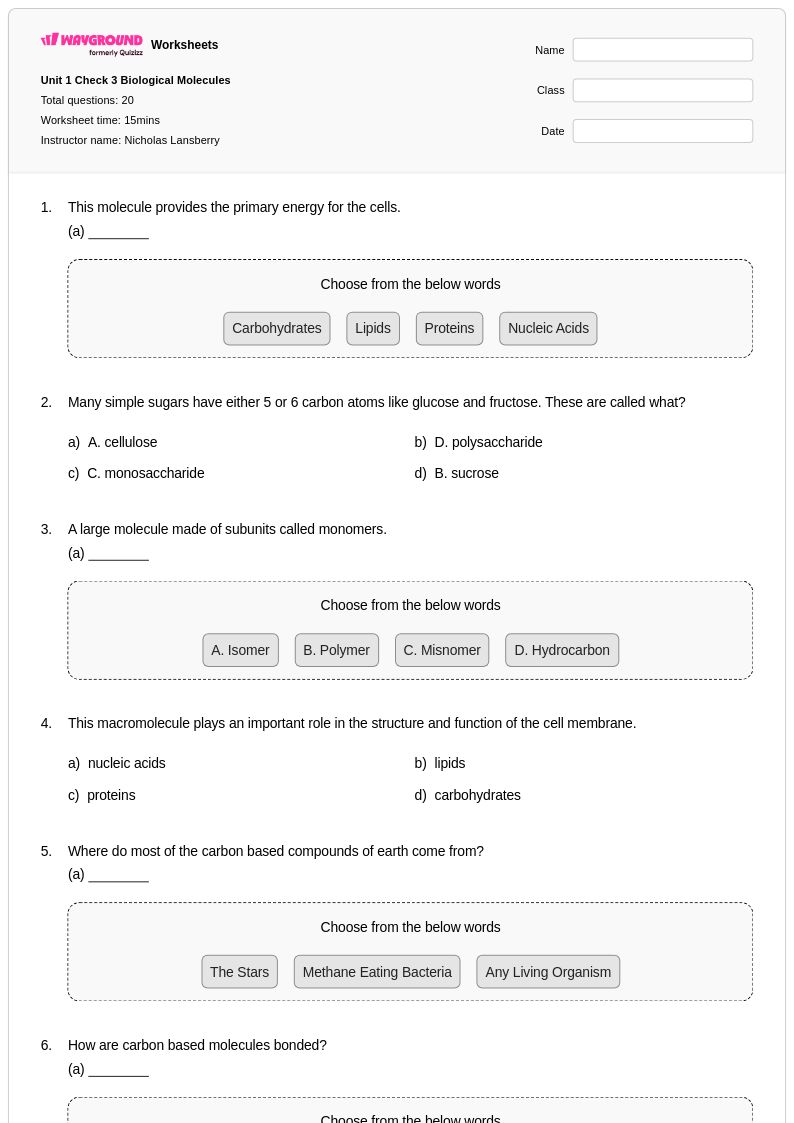
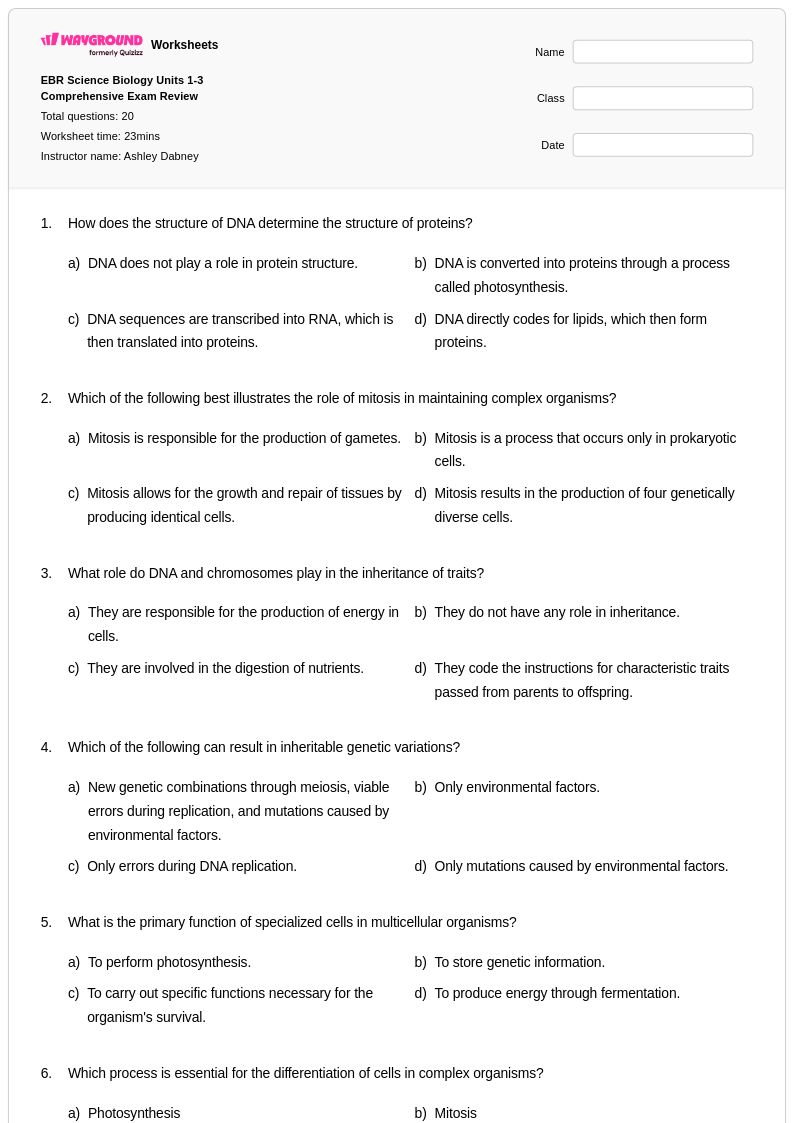
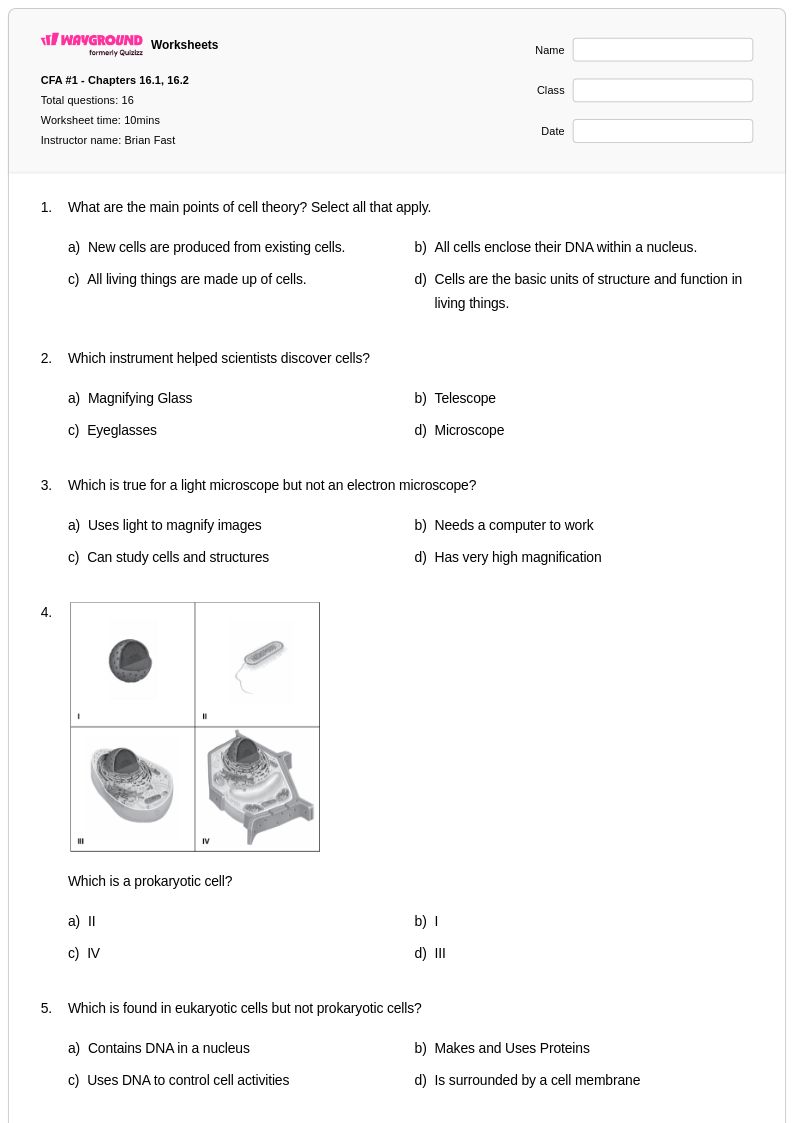
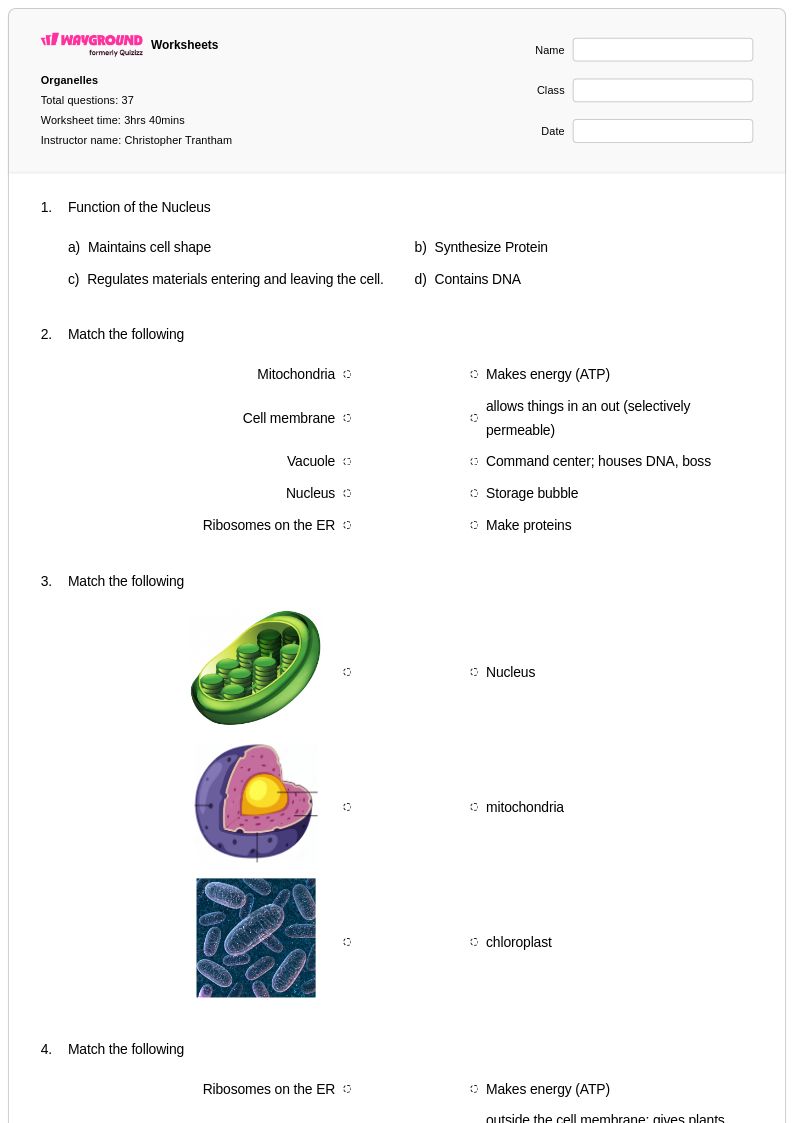
Membrane structure and function worksheets for Class 10 biology students available through Wayground provide comprehensive practice opportunities to master one of the most fundamental concepts in cellular biology. These carefully designed educational resources help students develop critical understanding of phospholipid bilayer composition, protein integration mechanisms, selective permeability principles, and transport processes including diffusion, osmosis, and active transport. The worksheet collections feature detailed answer keys that enable independent learning verification, while the pdf format ensures convenient access for both classroom instruction and home study. Students engage with practice problems that challenge them to analyze membrane models, interpret experimental data about molecular movement, and apply their knowledge to real-world cellular scenarios, building the analytical skills essential for advanced biological studies.
Wayground supports biology educators with an extensive library of millions of teacher-created membrane structure and function resources that streamline lesson planning and enhance student engagement. The platform's robust search and filtering capabilities allow teachers to quickly locate worksheets aligned with specific curriculum standards and learning objectives, while differentiation tools enable customization for varying student ability levels and learning styles. These comprehensive collections are available in both printable and digital pdf formats, providing flexibility for diverse classroom environments and teaching approaches. Teachers utilize these resources for targeted skill practice, remediation support for struggling learners, and enrichment activities for advanced students, ensuring that every Class 10 biology student can develop mastery of essential membrane concepts through appropriately challenging and scientifically accurate materials.
FAQs
How do I teach membrane structure and function to biology students?
Start by grounding students in the phospholipid bilayer as the structural foundation of the cell membrane, then build outward to membrane proteins, cholesterol, and carbohydrates. Use labeled diagrams to establish spatial understanding before introducing function. Once students can identify components, connect each structural feature to its role — for example, how cholesterol's placement between phospholipids directly regulates membrane fluidity. This structure-before-function sequencing helps students avoid treating membrane components as an unrelated list.
What exercises help students practice understanding transport mechanisms across the cell membrane?
The most effective practice exercises ask students to distinguish between passive and active transport by analyzing concentration gradients and energy requirements for each scenario. Scenario-based problems — where students determine whether a substance would move by diffusion, osmosis, facilitated diffusion, active transport, or endocytosis given specific conditions — build analytical reasoning rather than rote recall. Membrane structure and function worksheets that include labeled diagrams alongside transport problems reinforce the connection between membrane components and how each transport pathway operates.
What are the most common misconceptions students have about selective permeability?
A frequent misconception is that the cell membrane is a rigid, uniform barrier rather than a fluid, dynamic structure. Students often assume that any small molecule can pass freely and that only large molecules are blocked, when in reality polarity and charge matter as much as size. Another common error is conflating osmosis with diffusion generally — students must understand that osmosis refers specifically to water movement across a semipermeable membrane in response to solute concentration differences. Targeted practice with labeled diagrams and scenario questions helps address both errors directly.
How do students typically confuse active transport with passive transport?
Students most commonly confuse active and passive transport by focusing only on whether a protein carrier is involved, overlooking the role of energy. Facilitated diffusion also uses protein channels, so students incorrectly classify it as active transport. The critical distinction is directionality relative to the concentration gradient: passive transport moves substances down the gradient, while active transport moves them against it and requires ATP. Worksheets that present transport scenarios with explicit concentration gradient data force students to apply this distinction rather than pattern-match from memory.
How can I use membrane structure and function worksheets effectively in my classroom?
Membrane structure and function worksheets work well as guided practice following direct instruction on the fluid mosaic model, or as review tools before assessments. These worksheets are available as printable PDFs for traditional classroom use and in digital formats for technology-integrated learning environments, including the option to host them as a quiz on Wayground. Built-in answer keys make them equally useful for independent student work, teacher-led review, or stations-based learning where students self-check and correct errors in real time.
How can I differentiate membrane structure and function instruction for students at different skill levels?
For students who are still building foundational understanding, begin with worksheets focused solely on identifying and labeling membrane components before introducing transport mechanisms. More advanced students benefit from problems that require them to predict outcomes — such as what happens to a cell placed in a hypertonic solution — or to compare multiple transport pathways within a single scenario. On Wayground, teachers can also apply individual accommodations such as read-aloud support, reduced answer choices, and extended time to specific students, ensuring that differentiation happens at the assignment level without singling anyone out.