
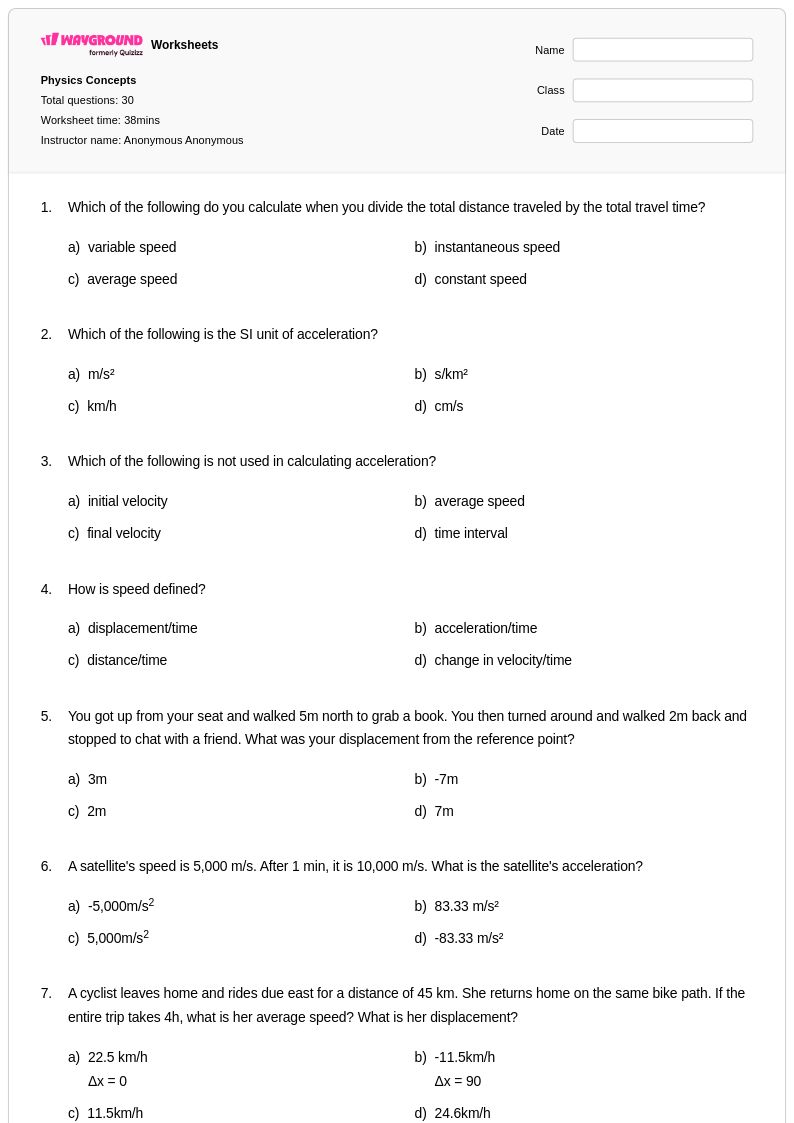
30 Q
8th
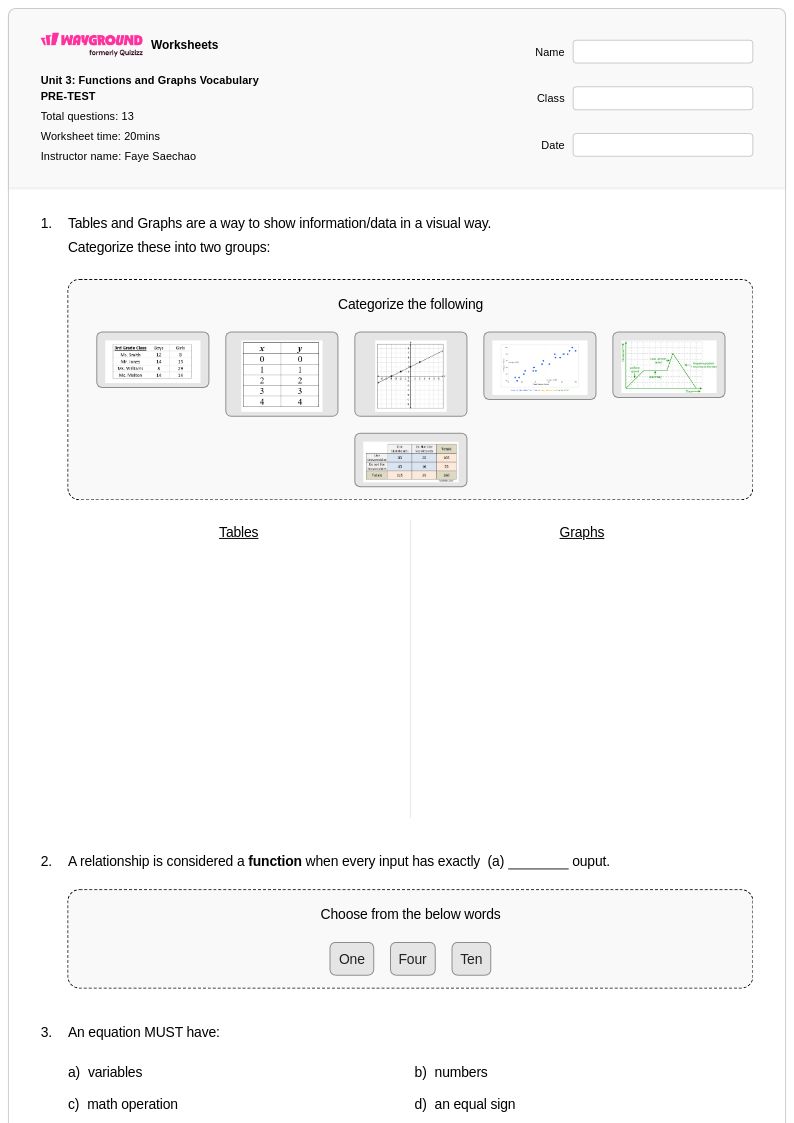
13 Q
8th
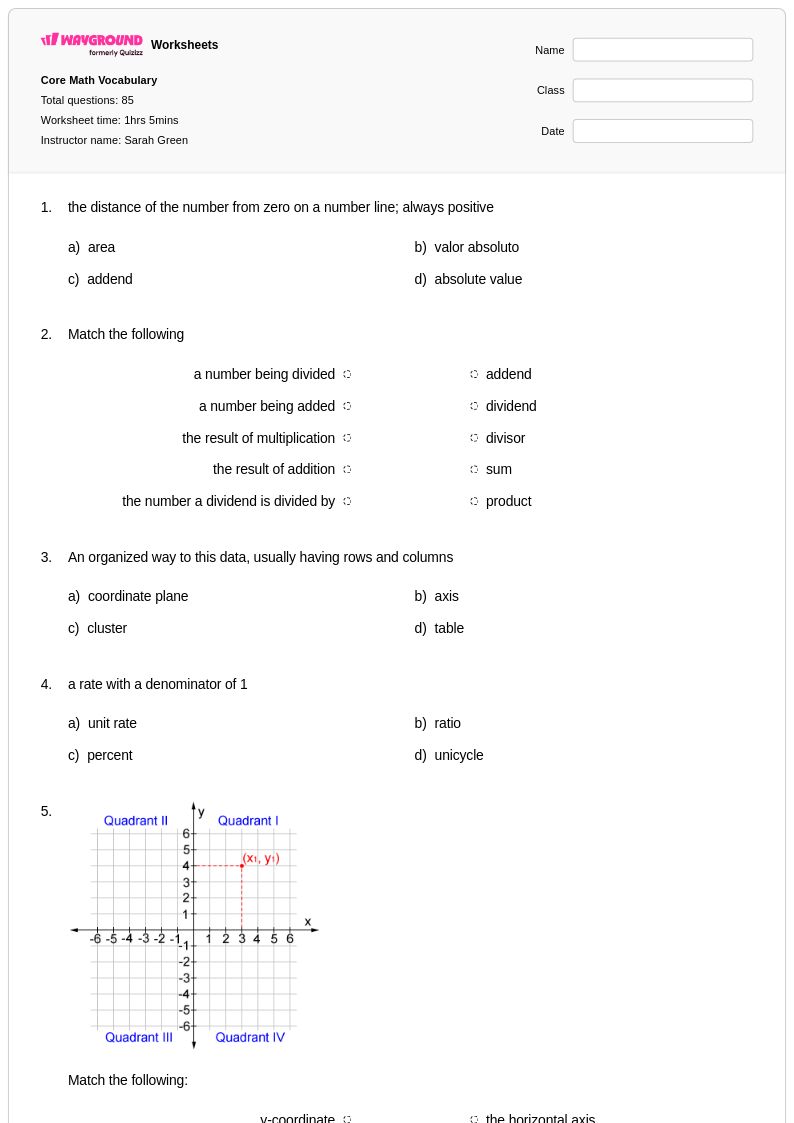
85 Q
6th - 8th
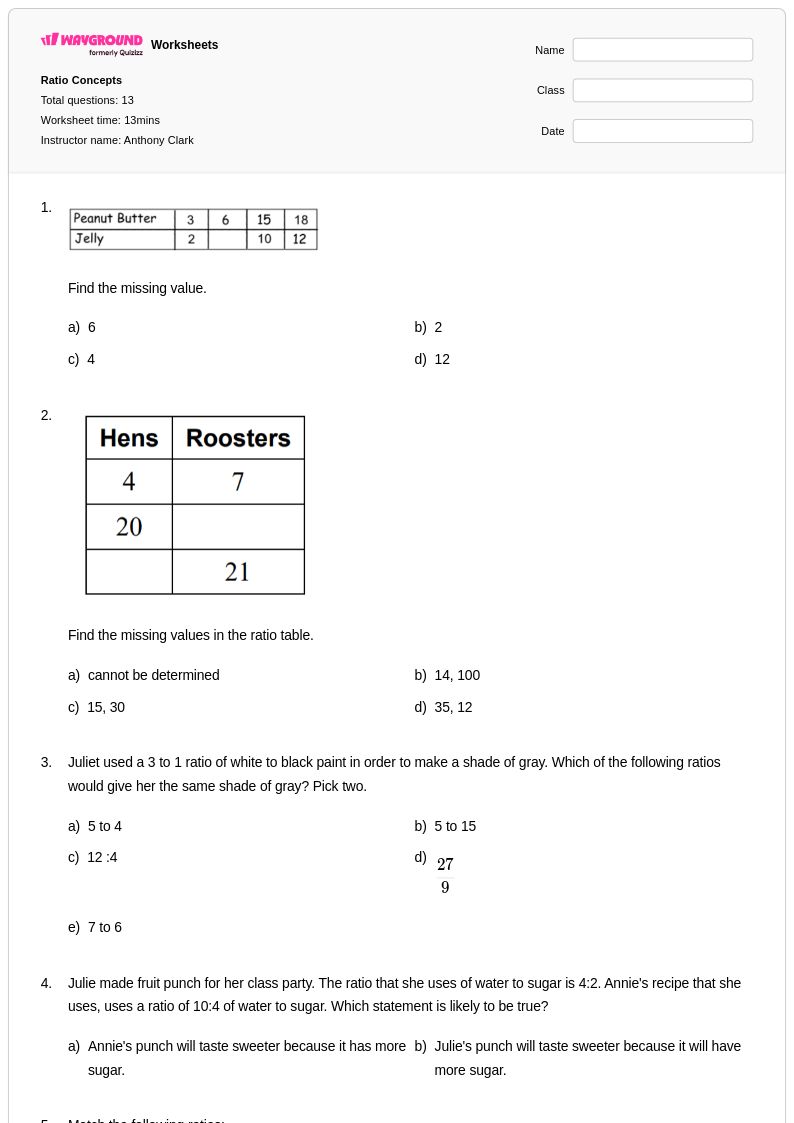
13 Q
6th - Uni
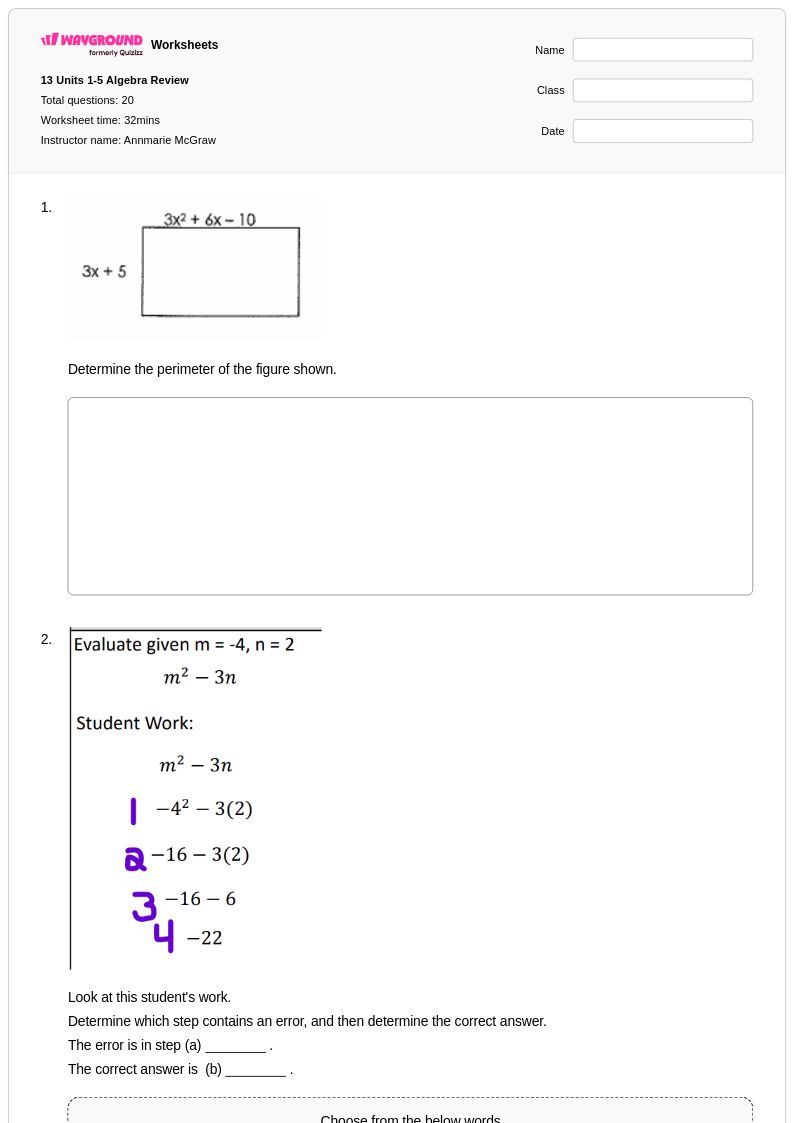
20 Q
8th
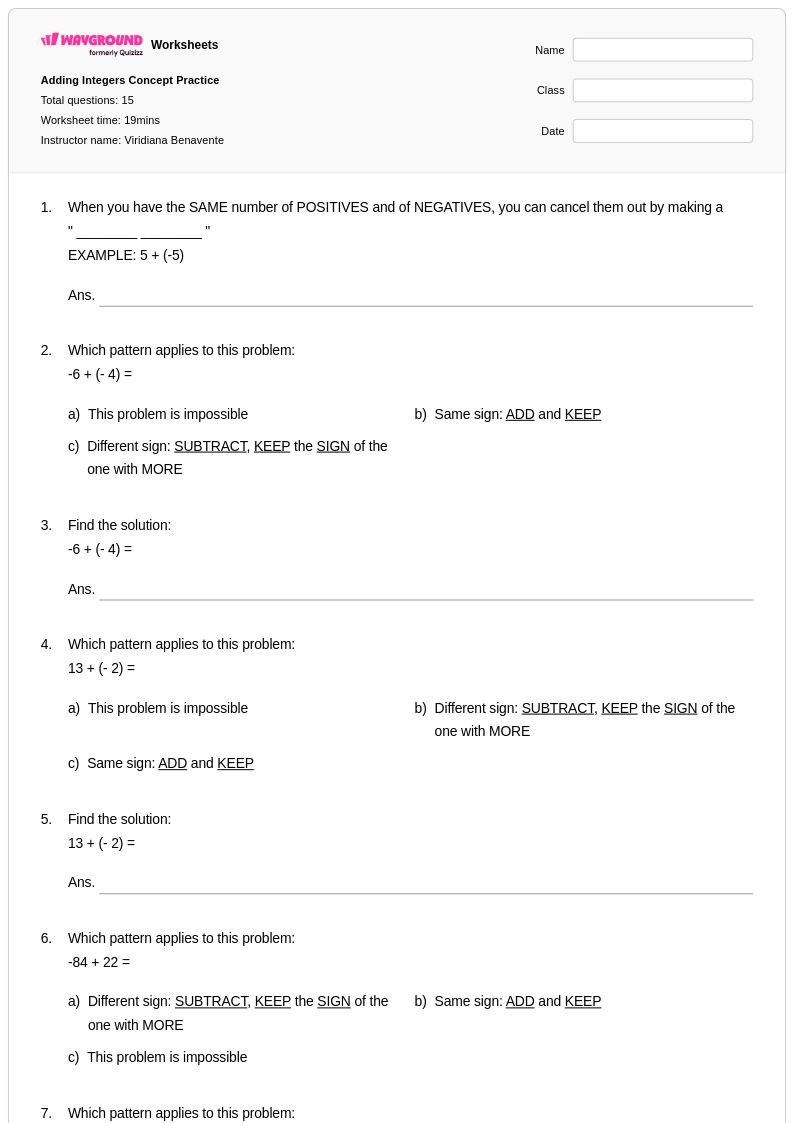
15 Q
6th - 8th
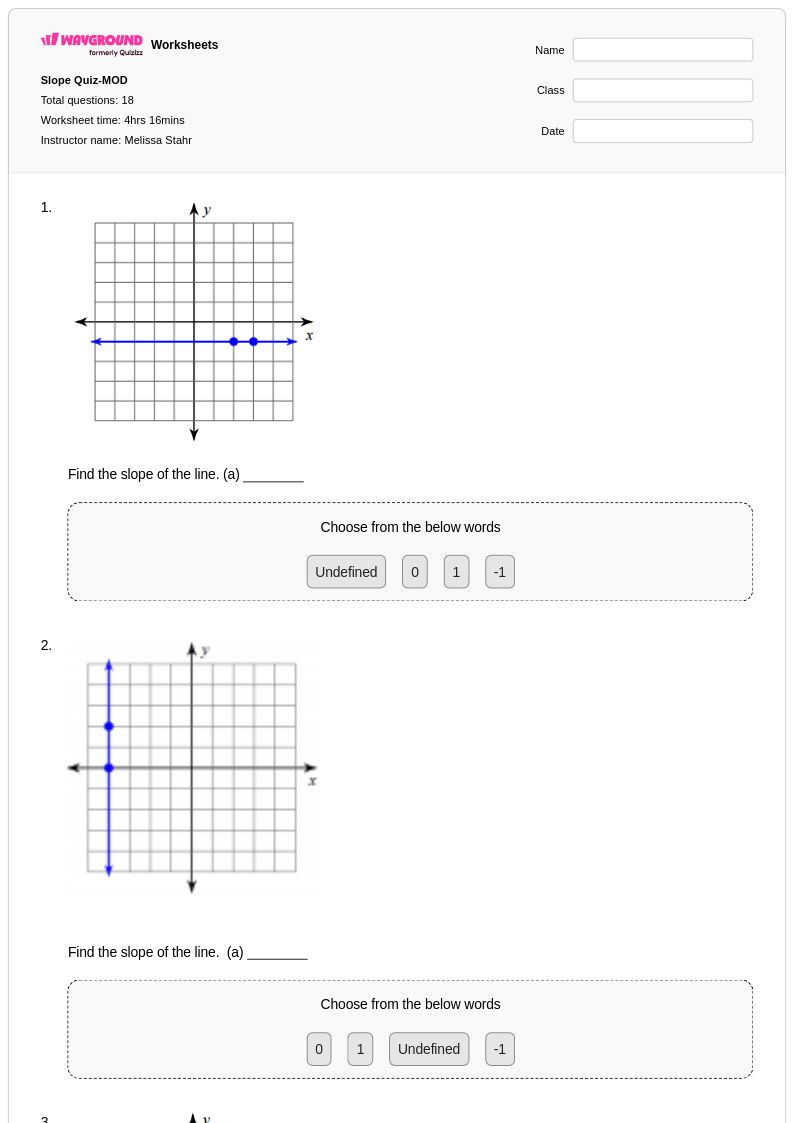
18 Q
8th
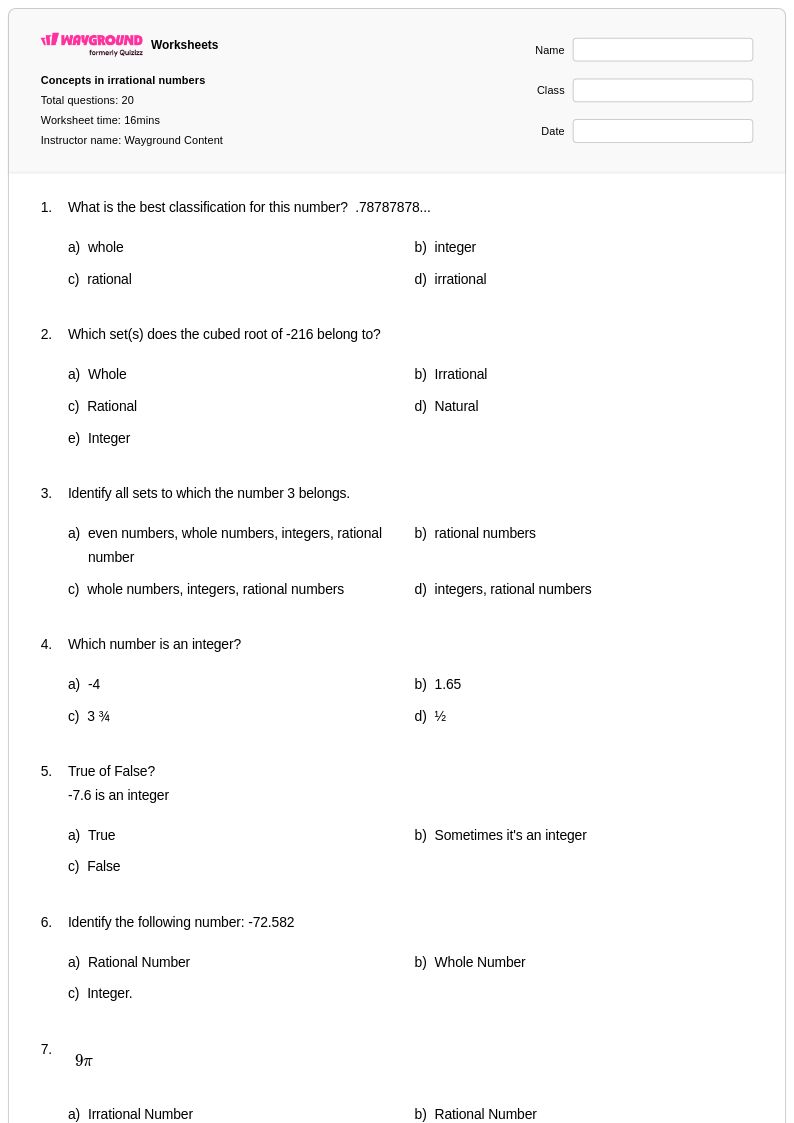
20 Q
8th
20 Q
8th
20 Q
8th
20 Q
8th
20 Q
8th
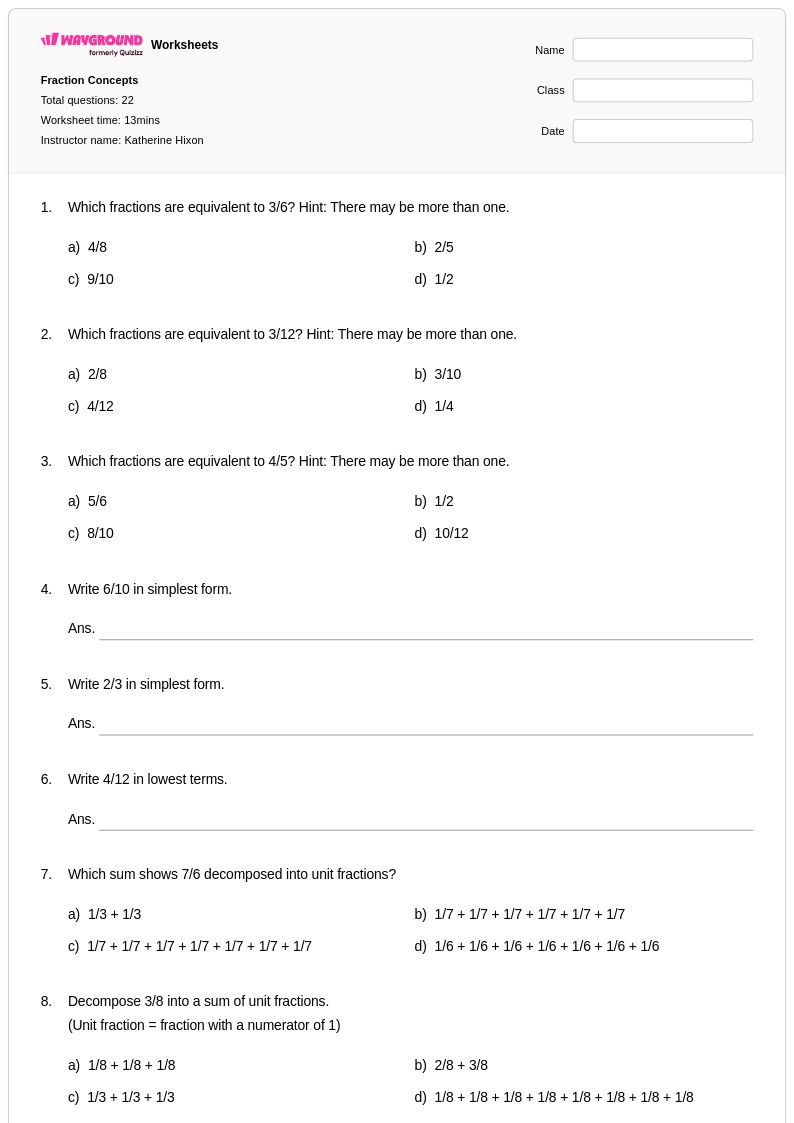
22 Q
4th - Uni
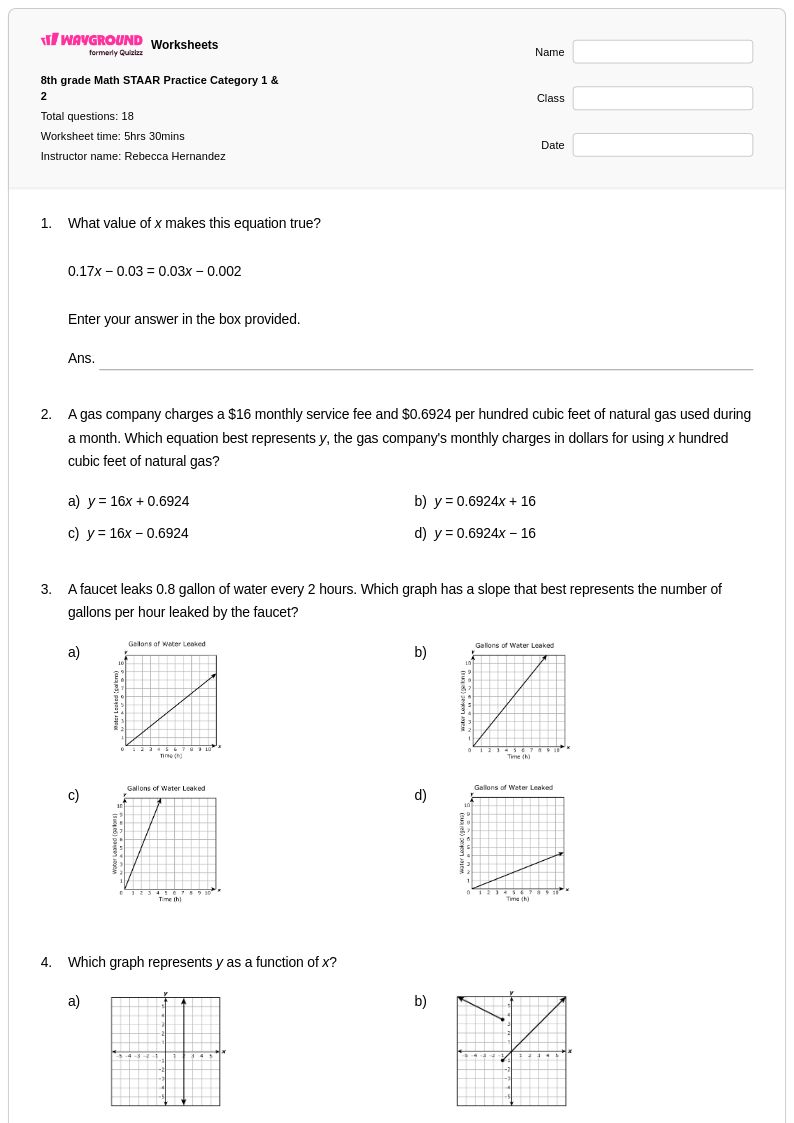
18 Q
8th
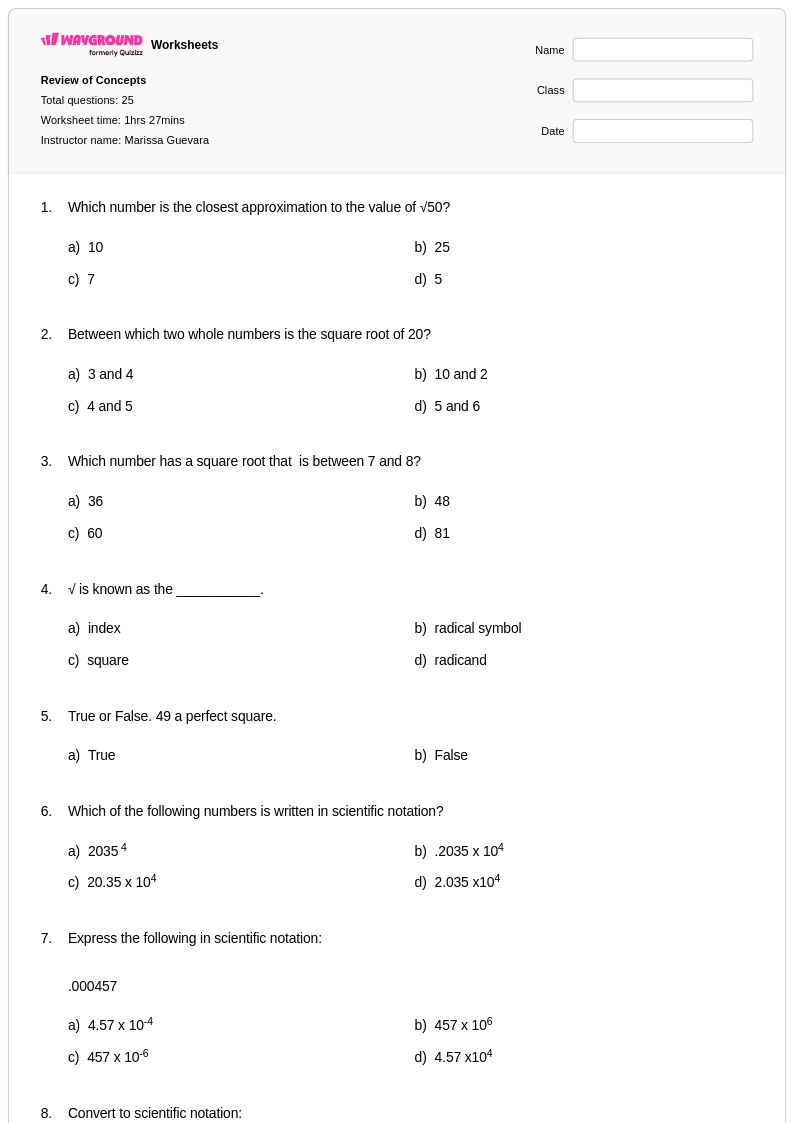
25 Q
8th
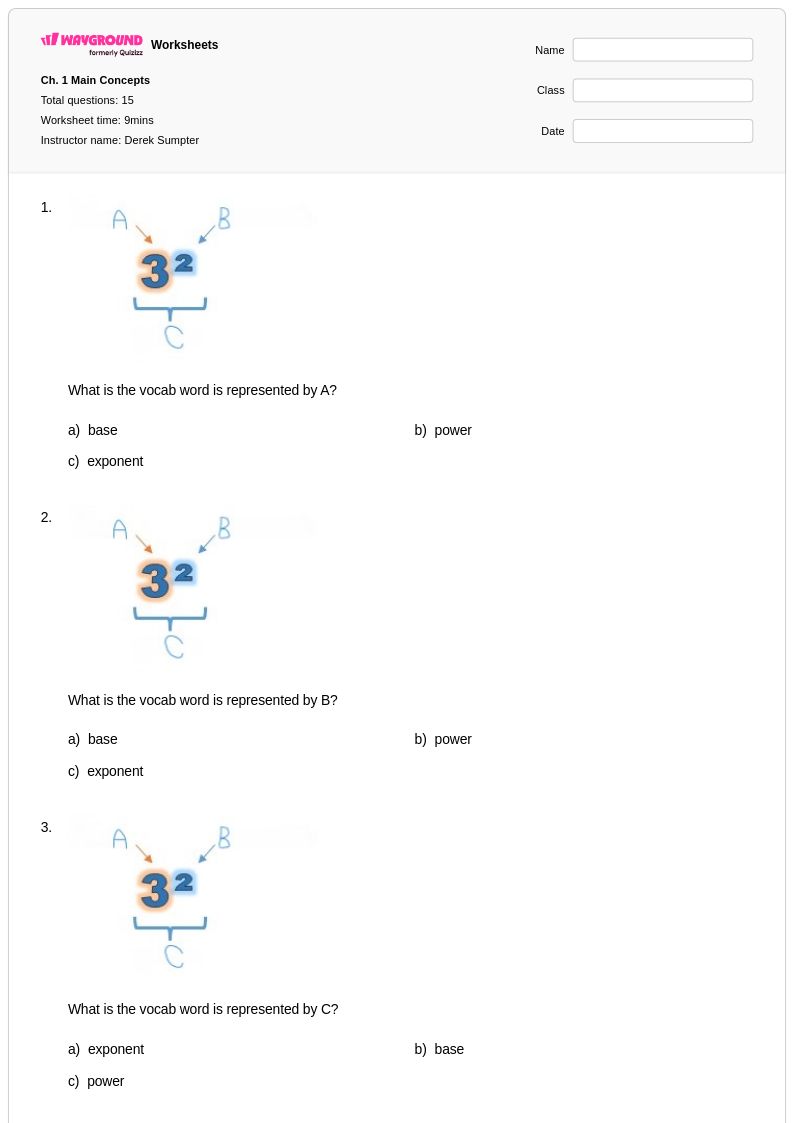
22 Q
8th
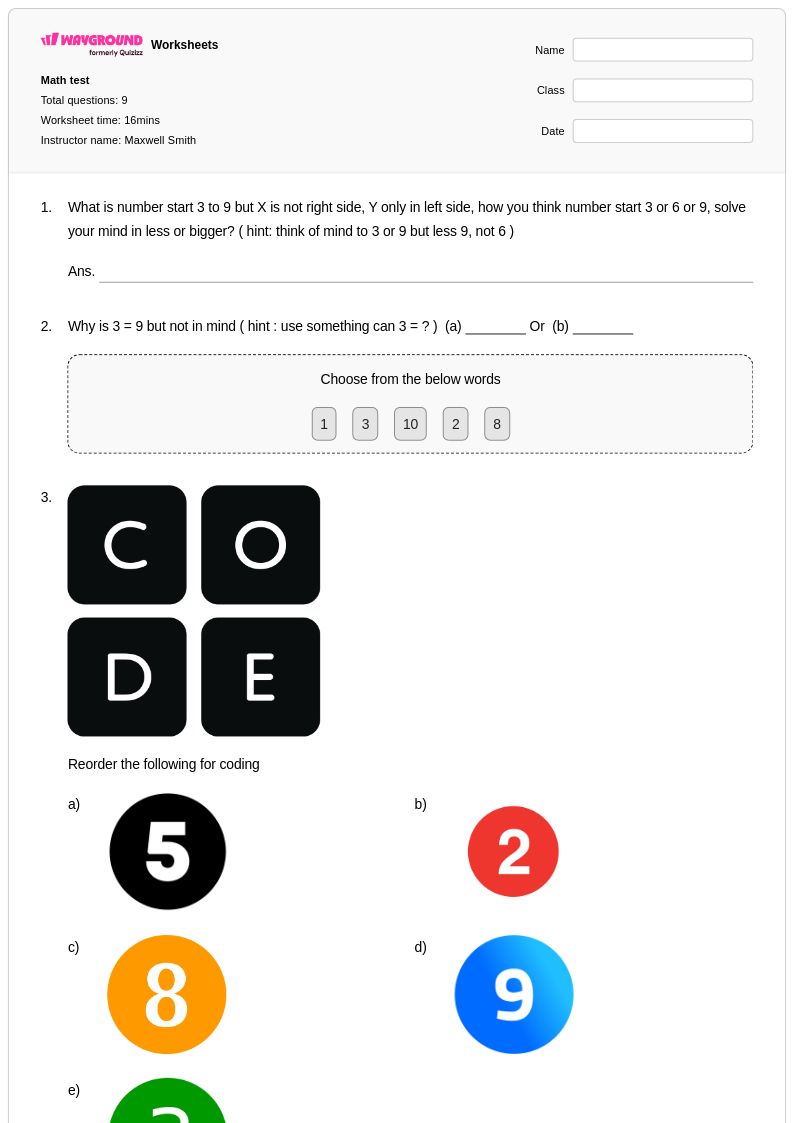
12 Q
8th
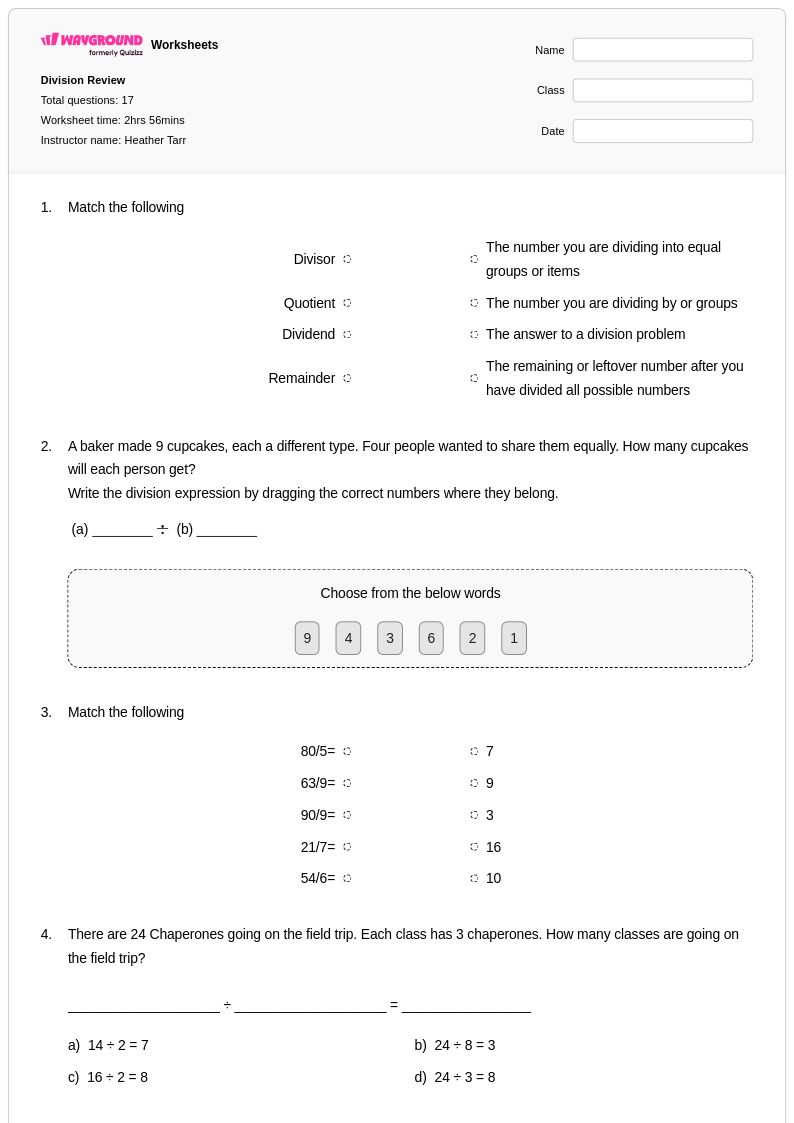
17 Q
4th - Uni
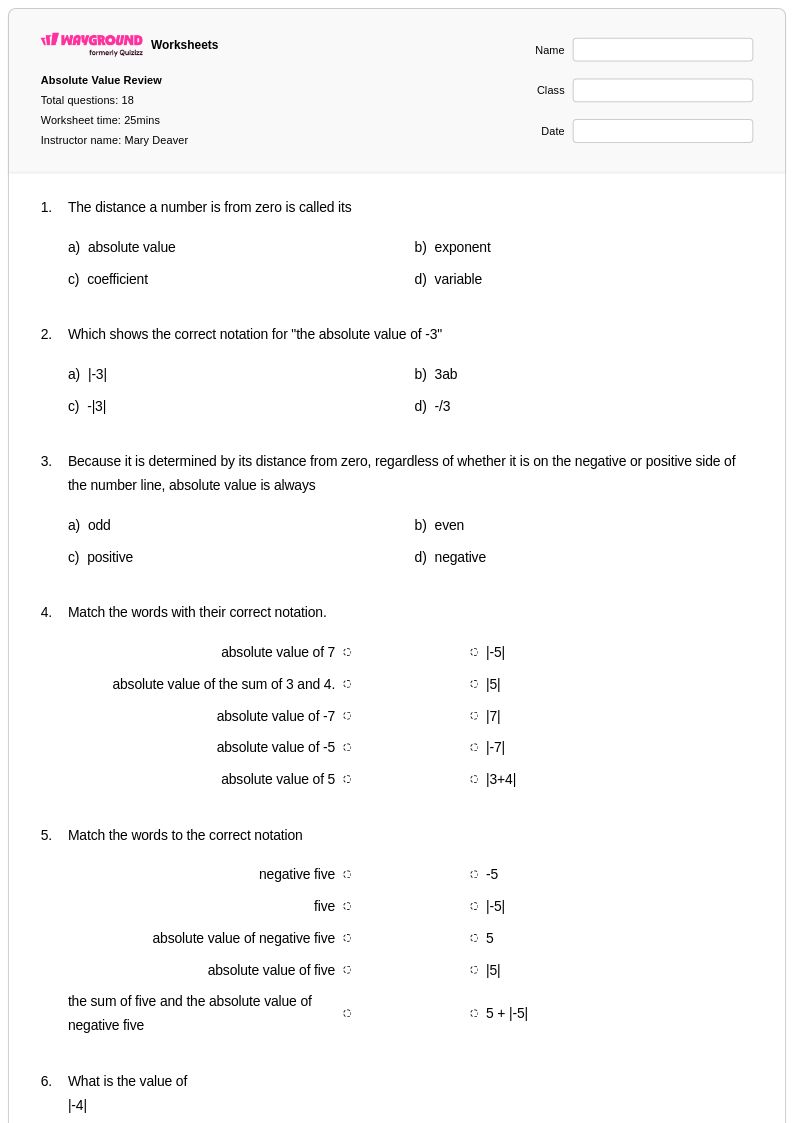
18 Q
6th - 8th
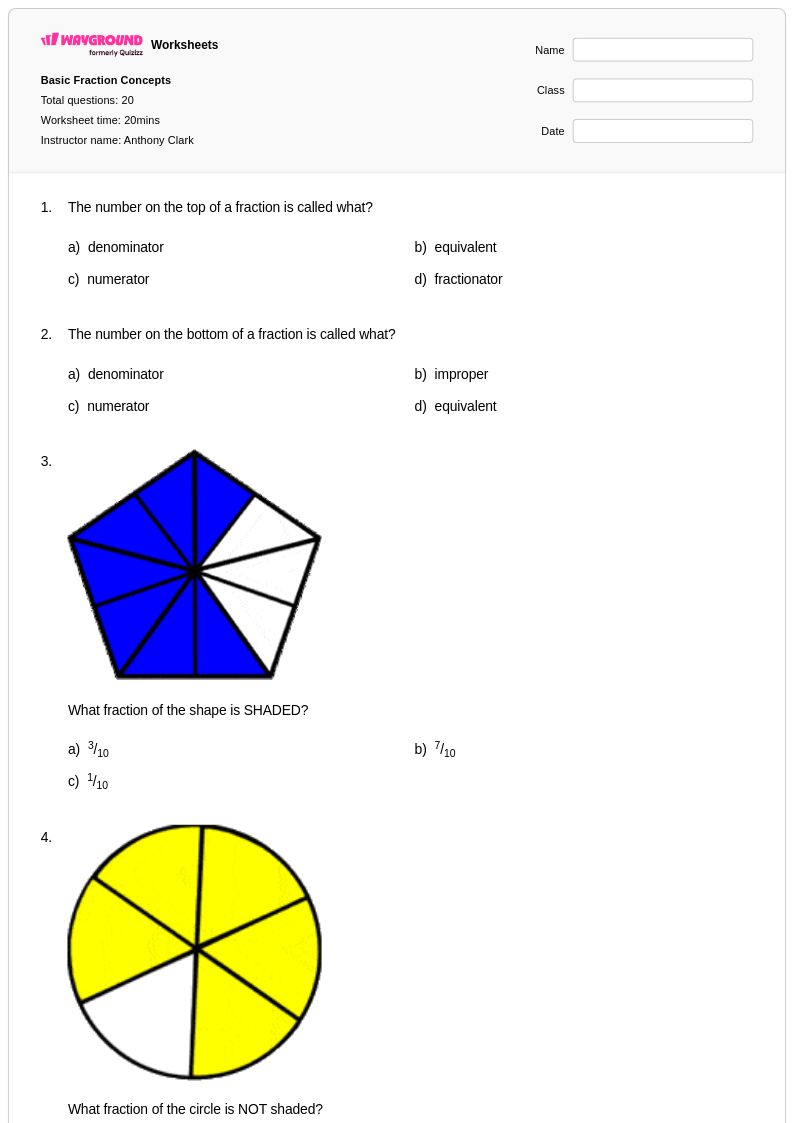
20 Q
6th - Uni
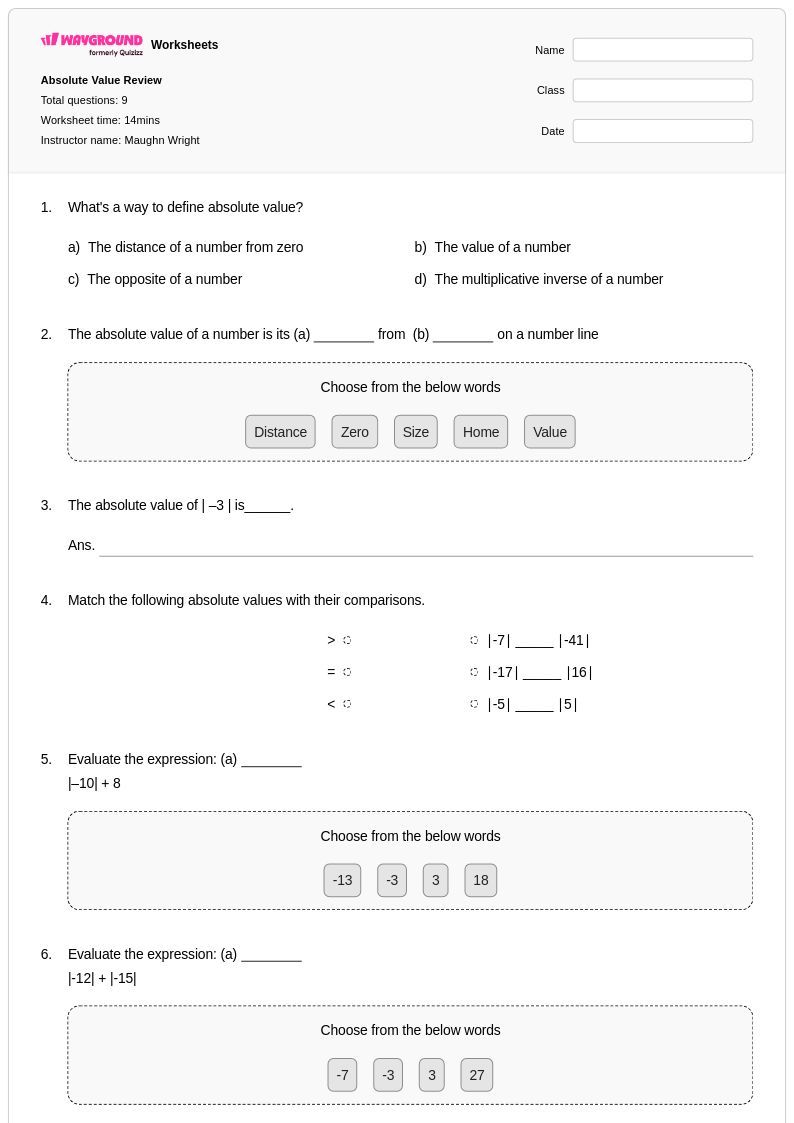
9 Q
8th
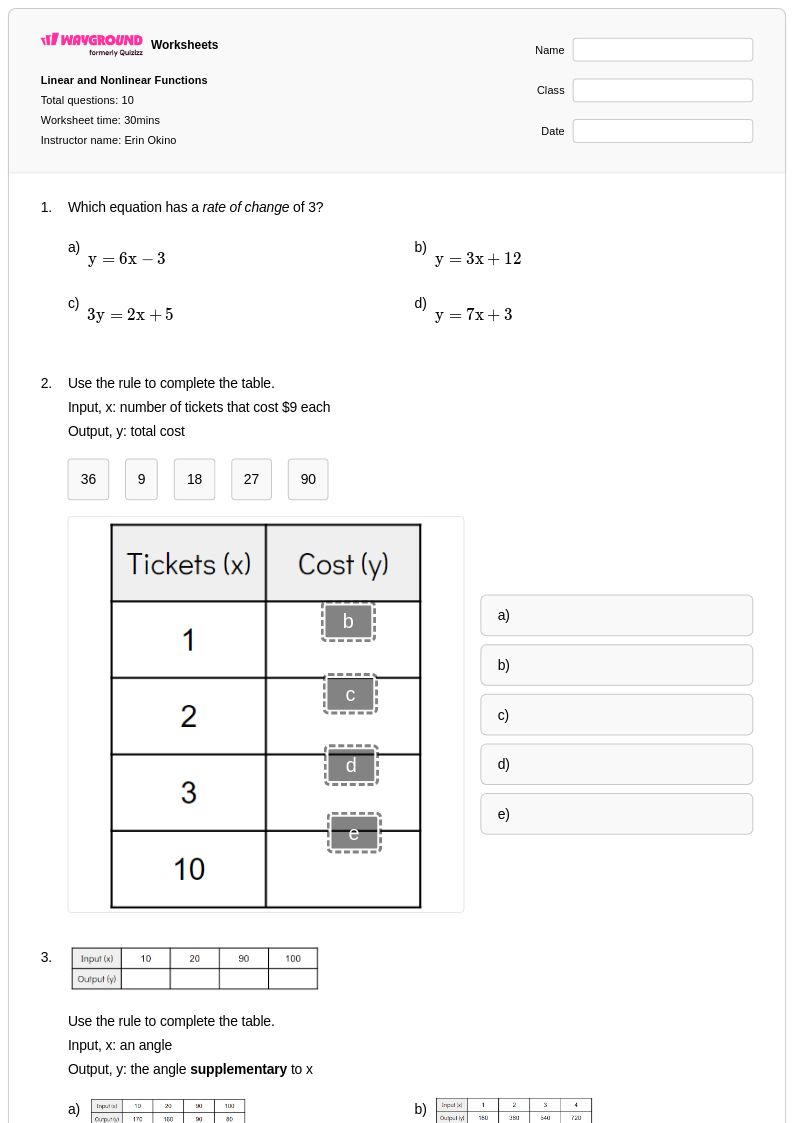
10 Q
8th
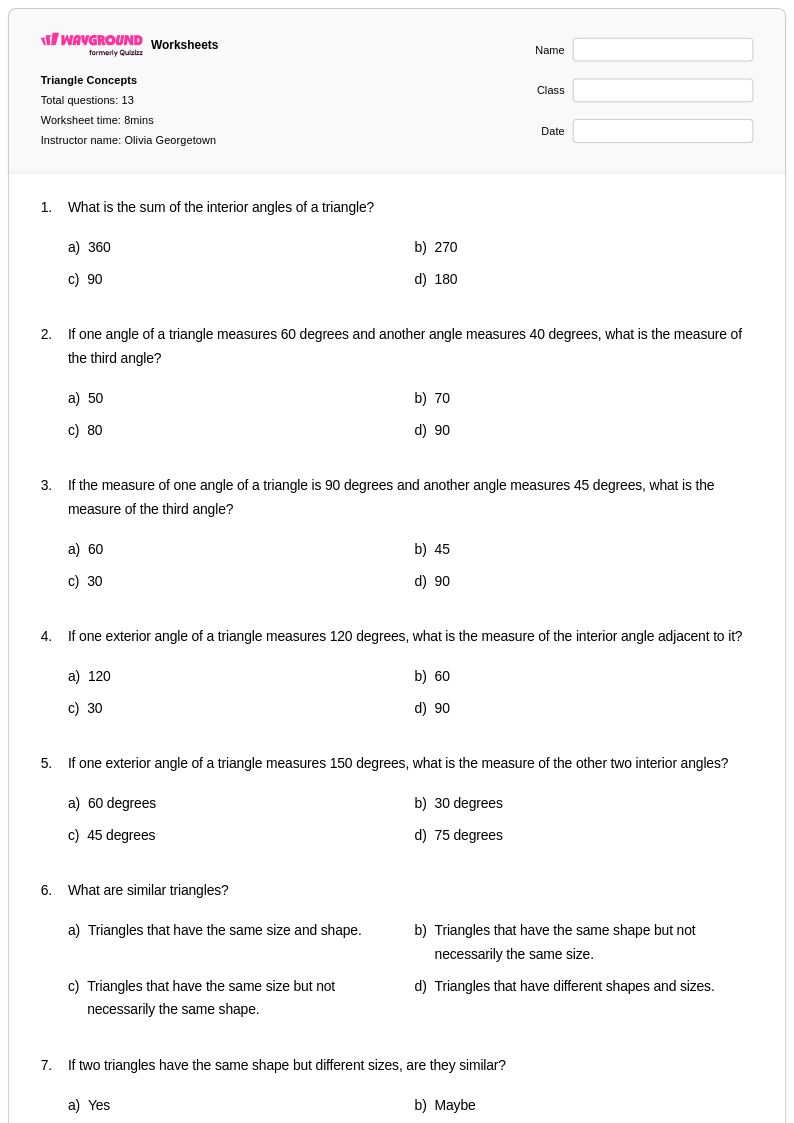
13 Q
8th
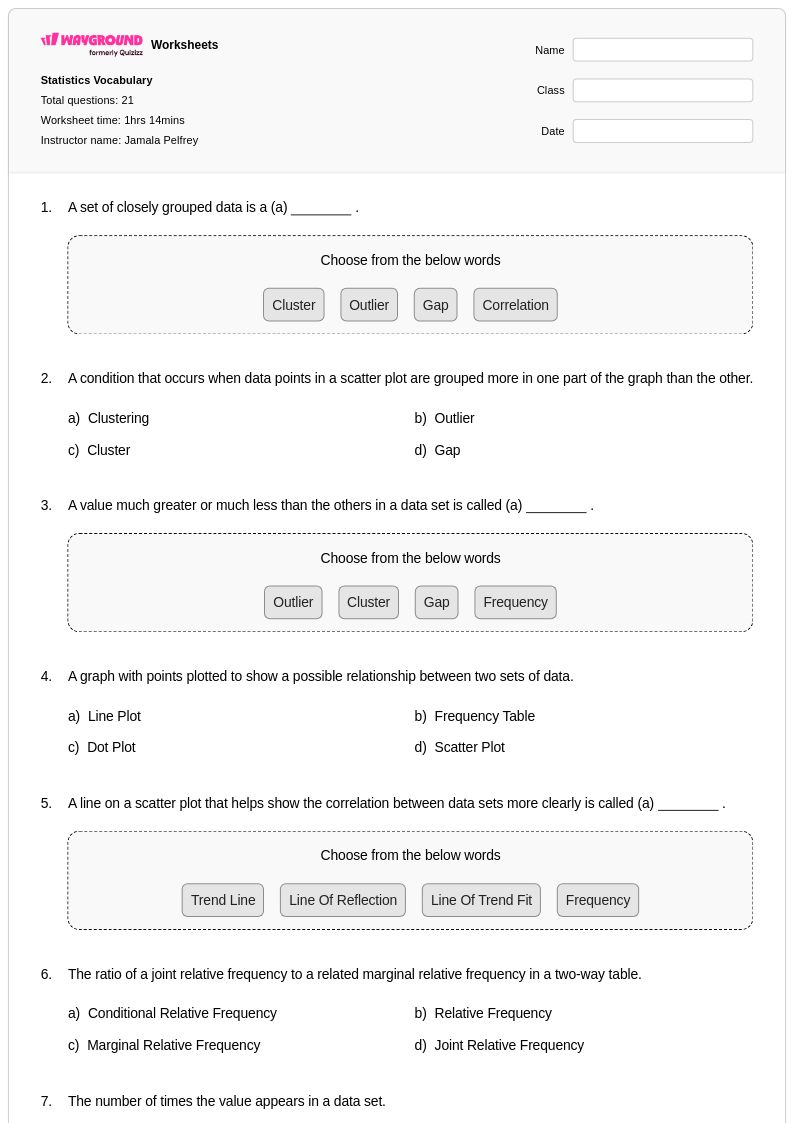
21 Q
8th
Explore Spatial Concepts Worksheets by Grades
Explore Other Subject Worksheets for class 8
Explore printable Spatial Concepts worksheets for Class 8
Spatial concepts worksheets for Class 8 mathematics through Wayground provide comprehensive practice opportunities for students to develop critical three-dimensional thinking and geometric reasoning skills. These expertly crafted resources help eighth graders master essential spatial relationships including understanding perspective, visualizing rotations and reflections, analyzing cross-sections of three-dimensional figures, and working with coordinate geometry in multiple dimensions. The worksheet collections strengthen students' ability to mentally manipulate objects, interpret geometric drawings from different viewpoints, and solve complex problems involving spatial reasoning that forms the foundation for advanced geometry and real-world applications. Each practice problem set includes detailed answer keys and is available as free printable pdf downloads, ensuring teachers have immediate access to both student materials and comprehensive solutions for effective instruction and assessment.
Wayground's extensive collection of spatial concepts worksheets draws from millions of teacher-created resources specifically designed to support Class 8 mathematics instruction with robust search and filtering capabilities that allow educators to quickly locate materials aligned to specific learning standards and student needs. The platform's differentiation tools enable teachers to customize worksheets for various skill levels within their classrooms, while flexible formatting options provide both printable pdf versions for traditional classroom use and digital formats for technology-integrated learning environments. These comprehensive features streamline lesson planning by offering ready-to-use materials for skill practice, targeted remediation for struggling learners, and enrichment opportunities for advanced students, all while maintaining the high-quality content standards that educators require for effective spatial reasoning instruction.