
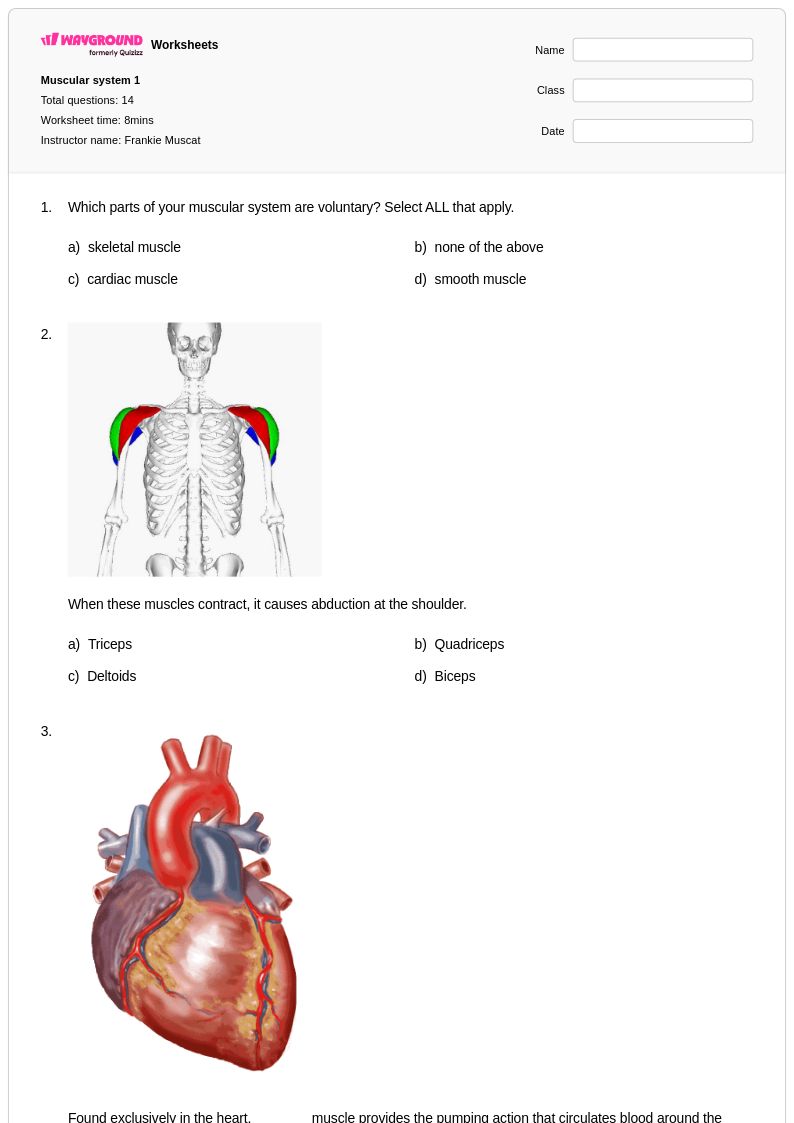
14 Q
12th
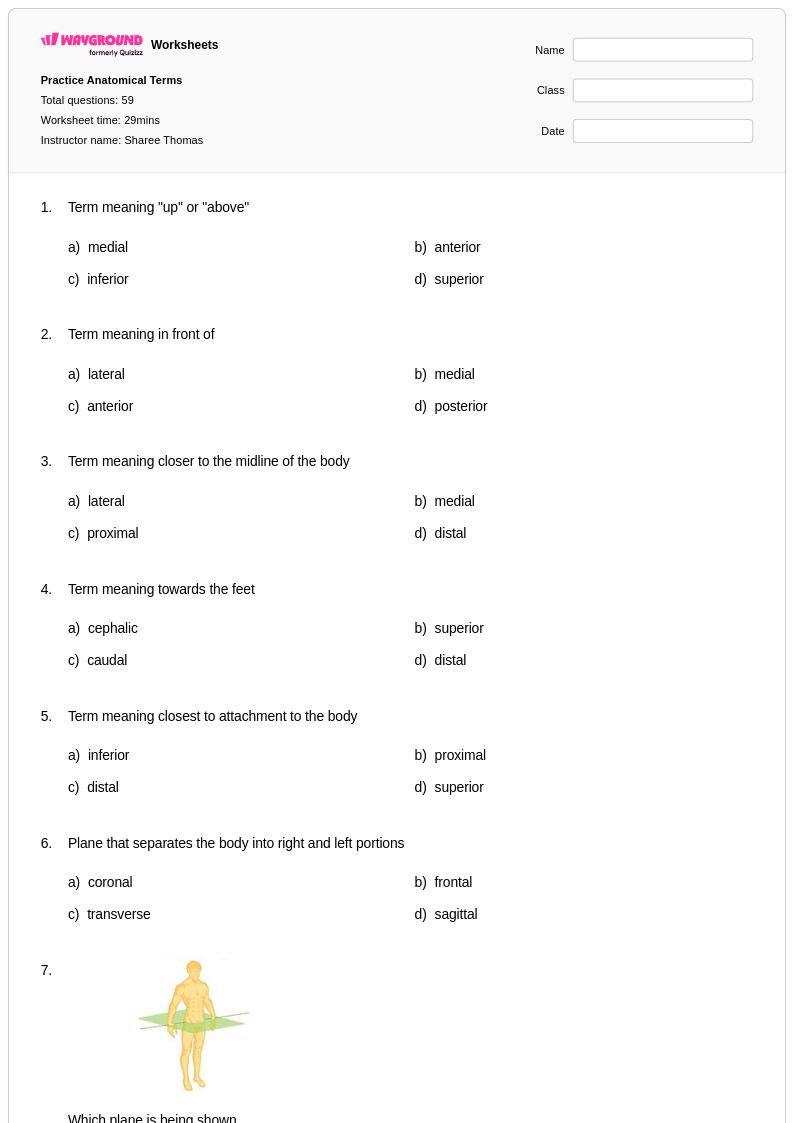
59 Q
12th
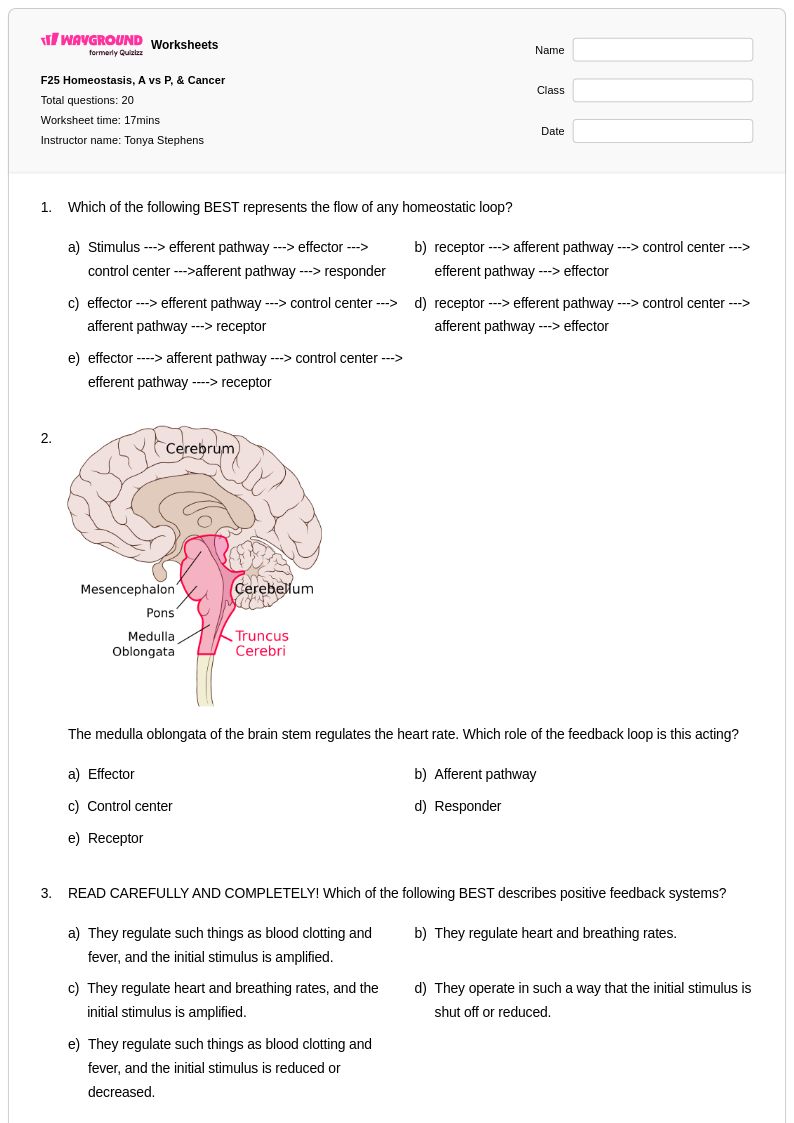
20 Q
12th
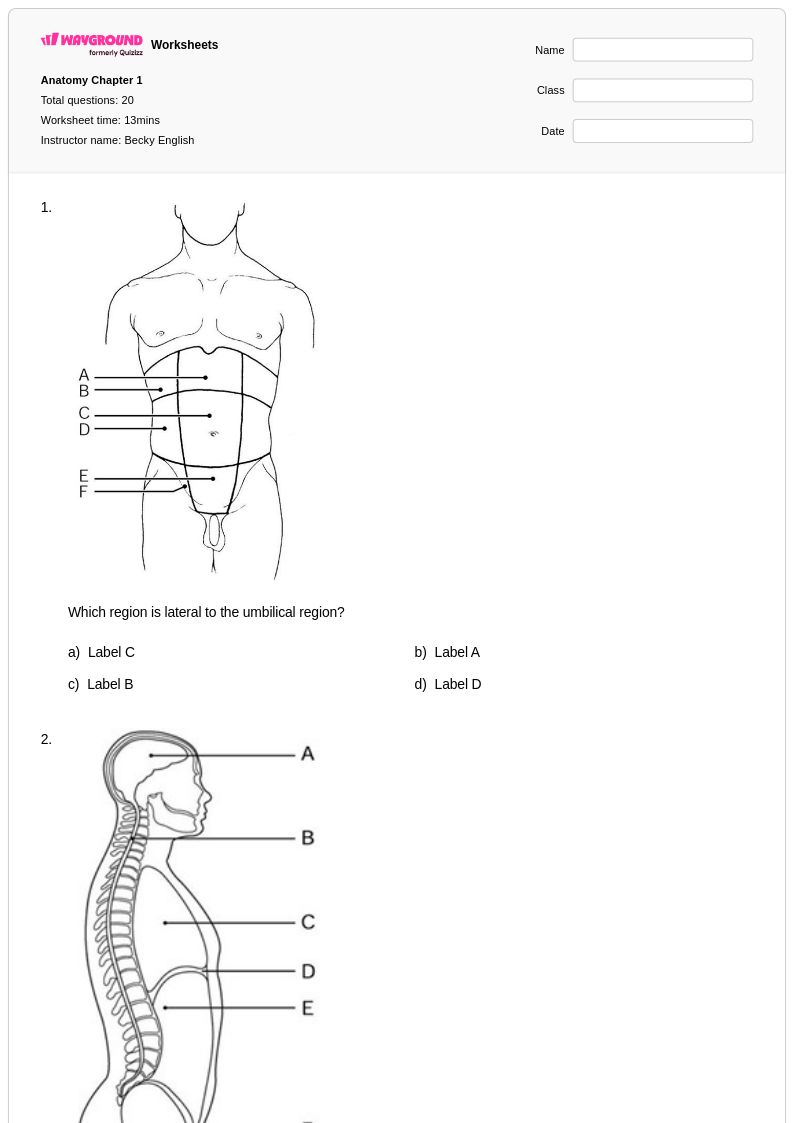
20 Q
12th
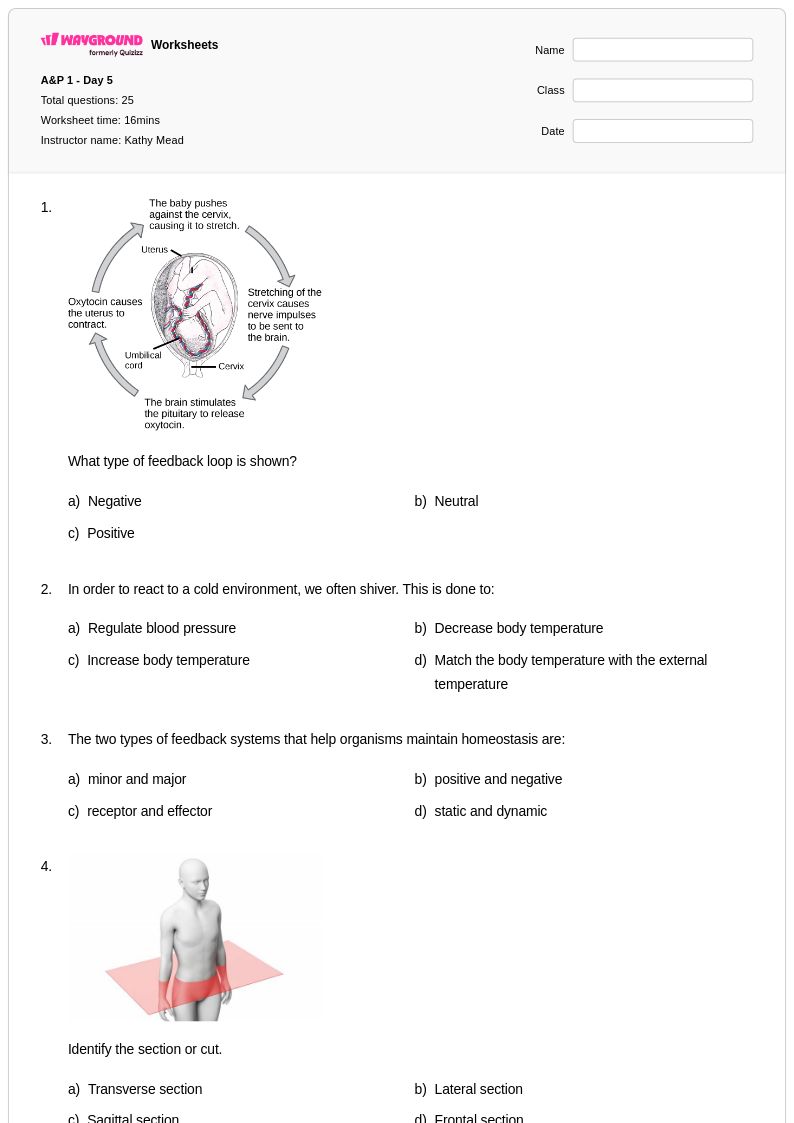
25 Q
12th
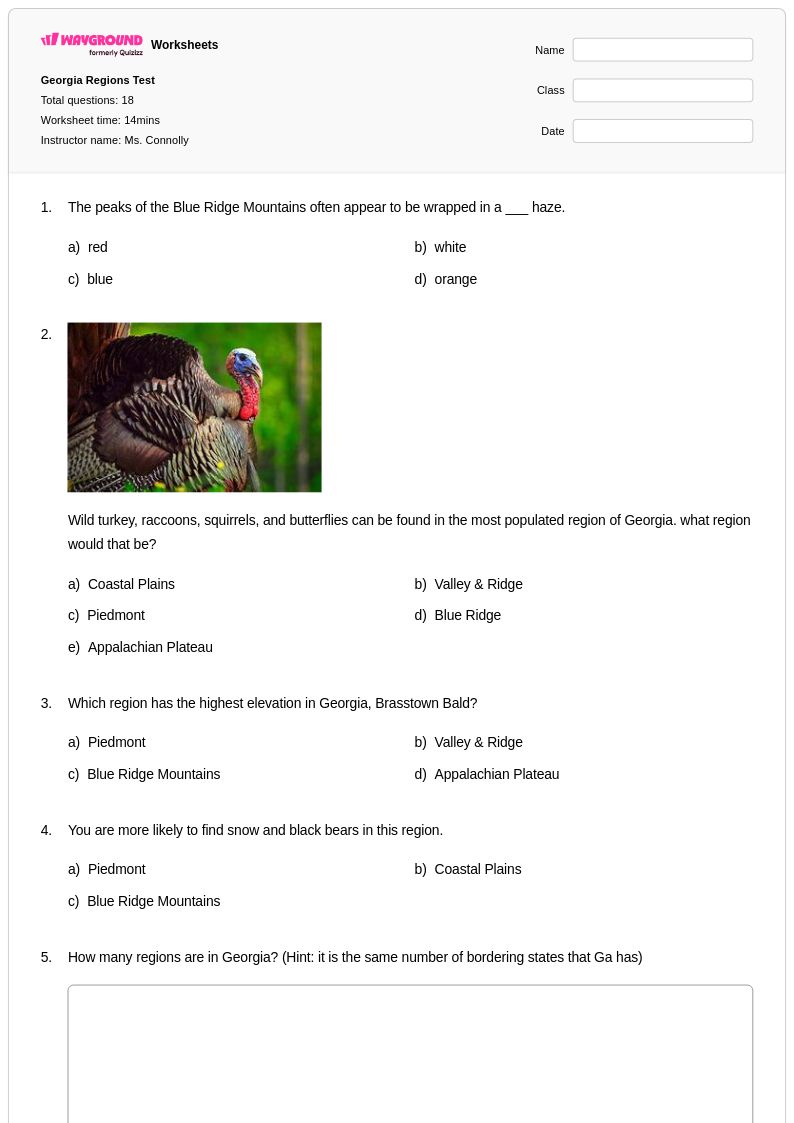
18 Q
3rd
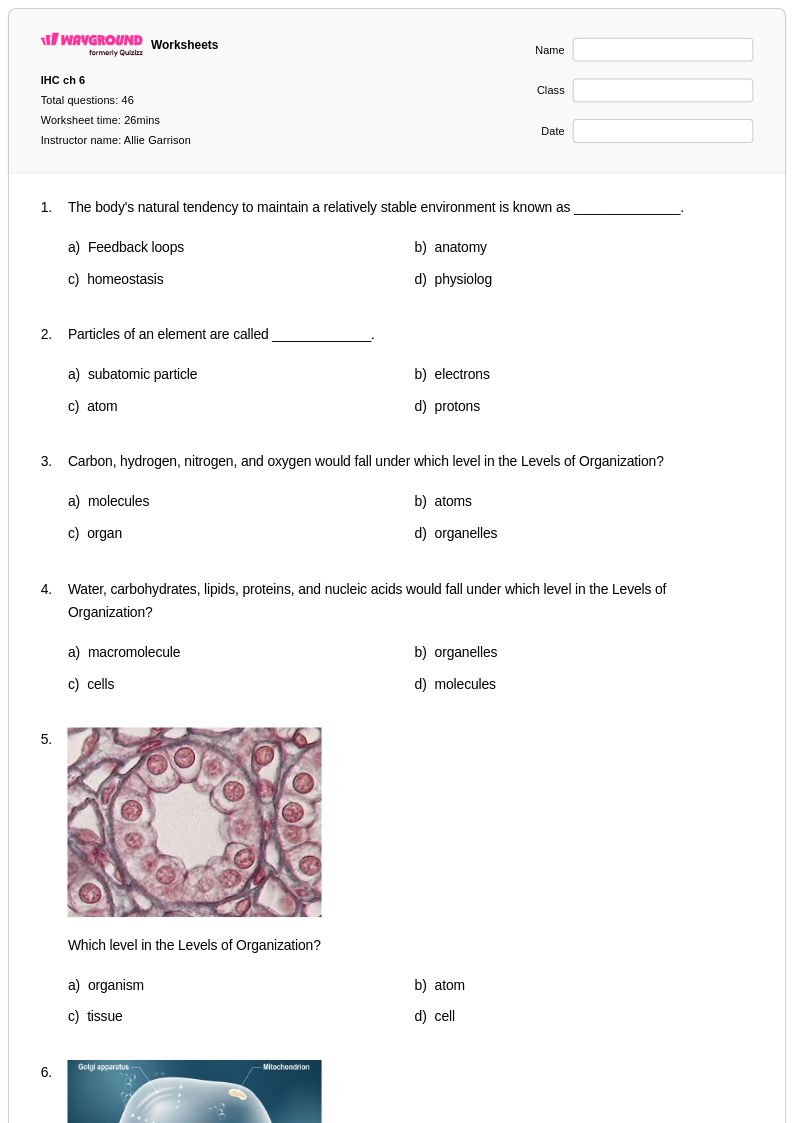
46 Q
12th
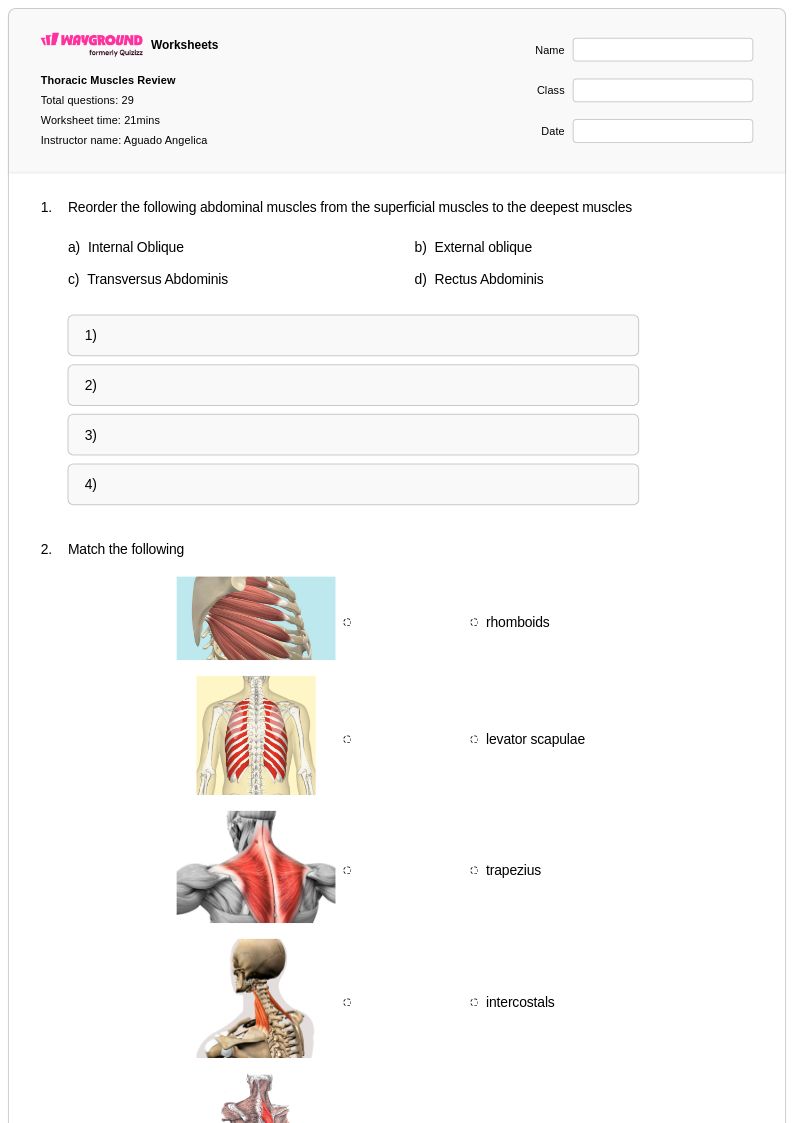
29 Q
12th
11 Q
9th

6 Q
9th - Uni
13 Q
12th
82 Q
12th
81 Q
12th
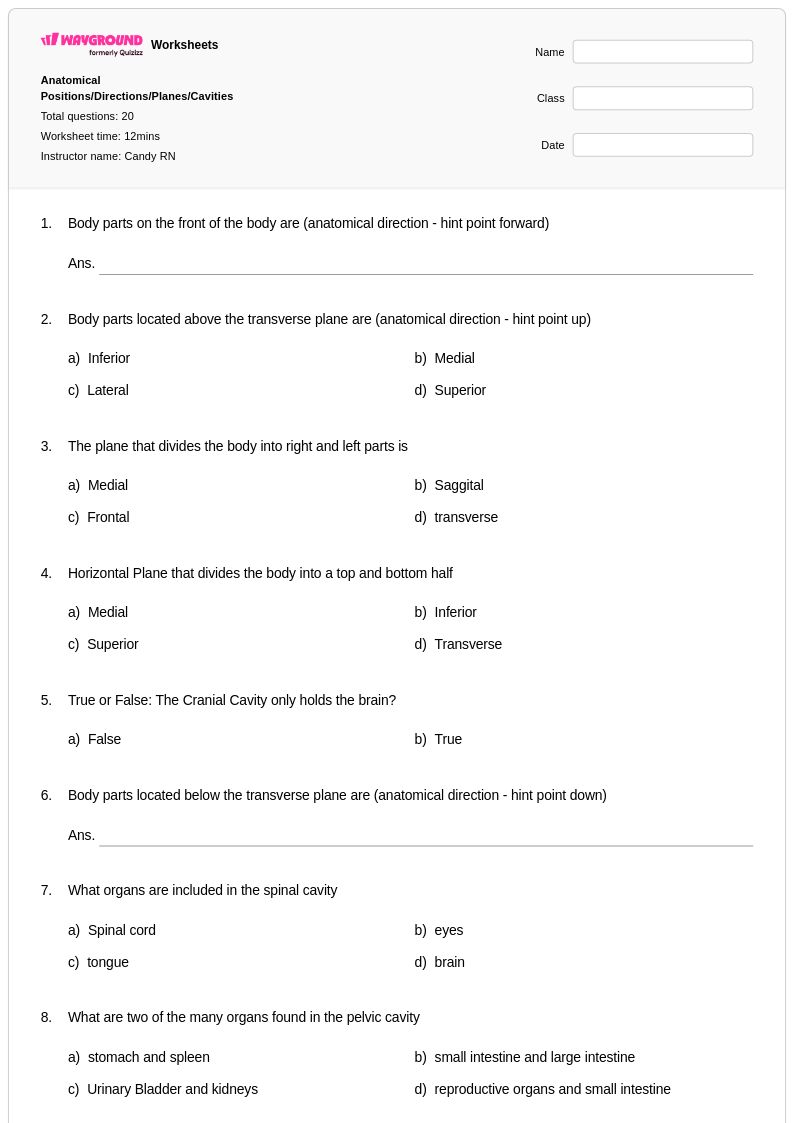
20 Q
9th - 12th
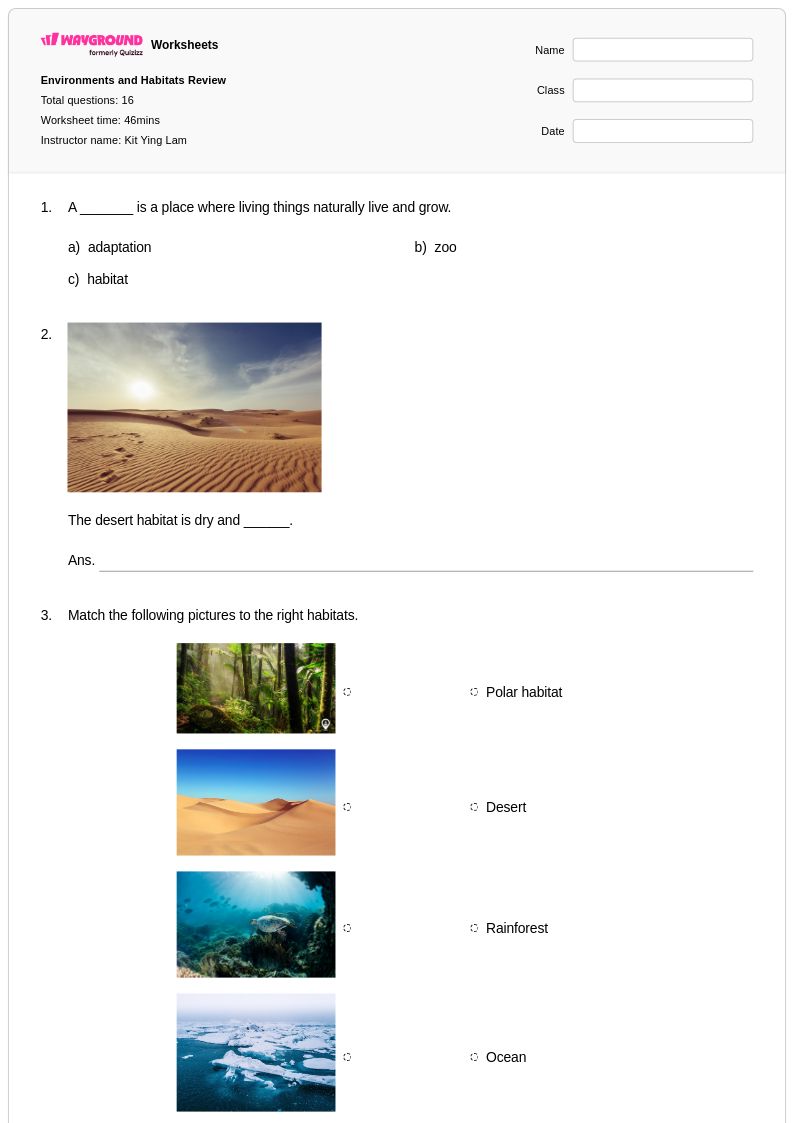
16 Q
2nd - Uni
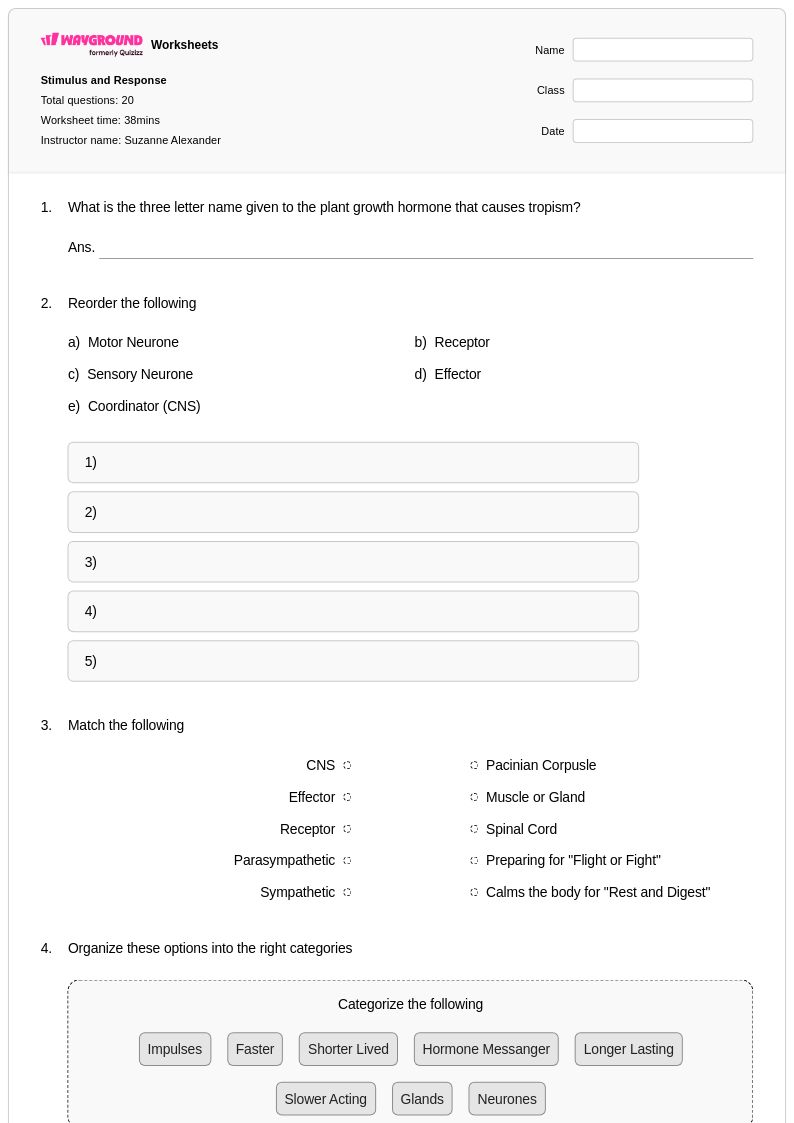
20 Q
12th
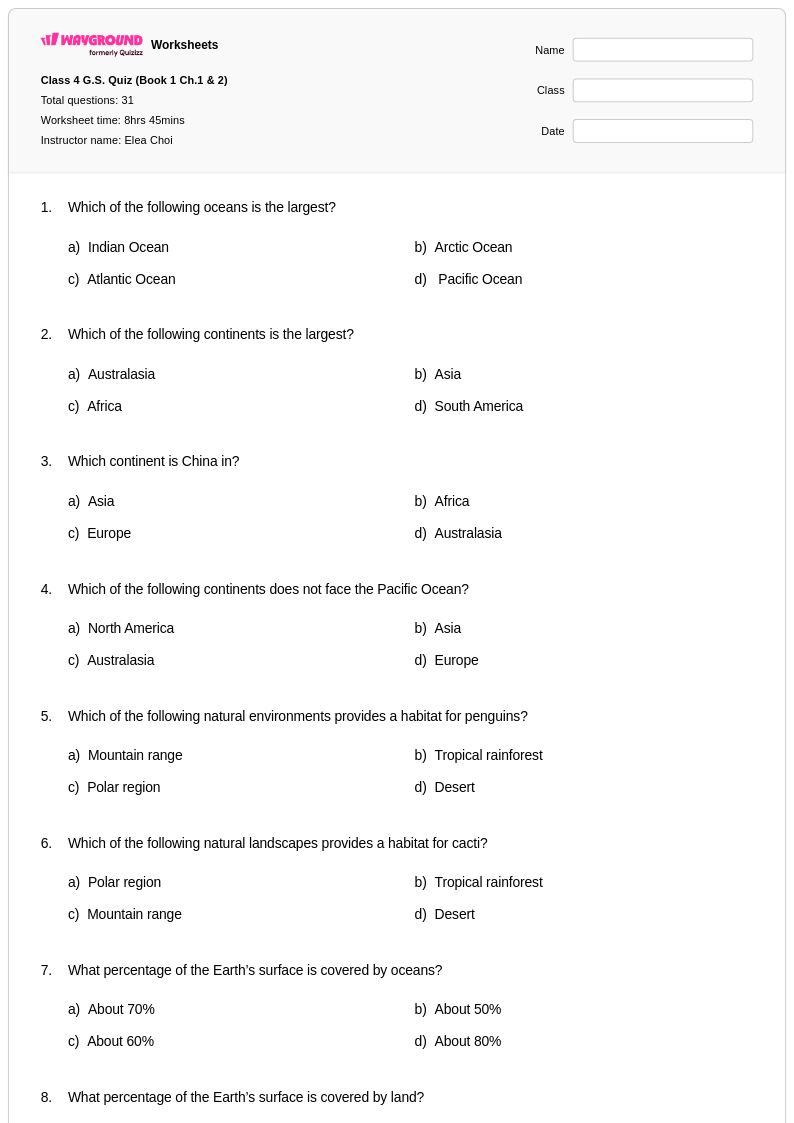
31 Q
4th
20 Q
11th
15 Q
6th
20 Q
8th
49 Q
9th - 12th
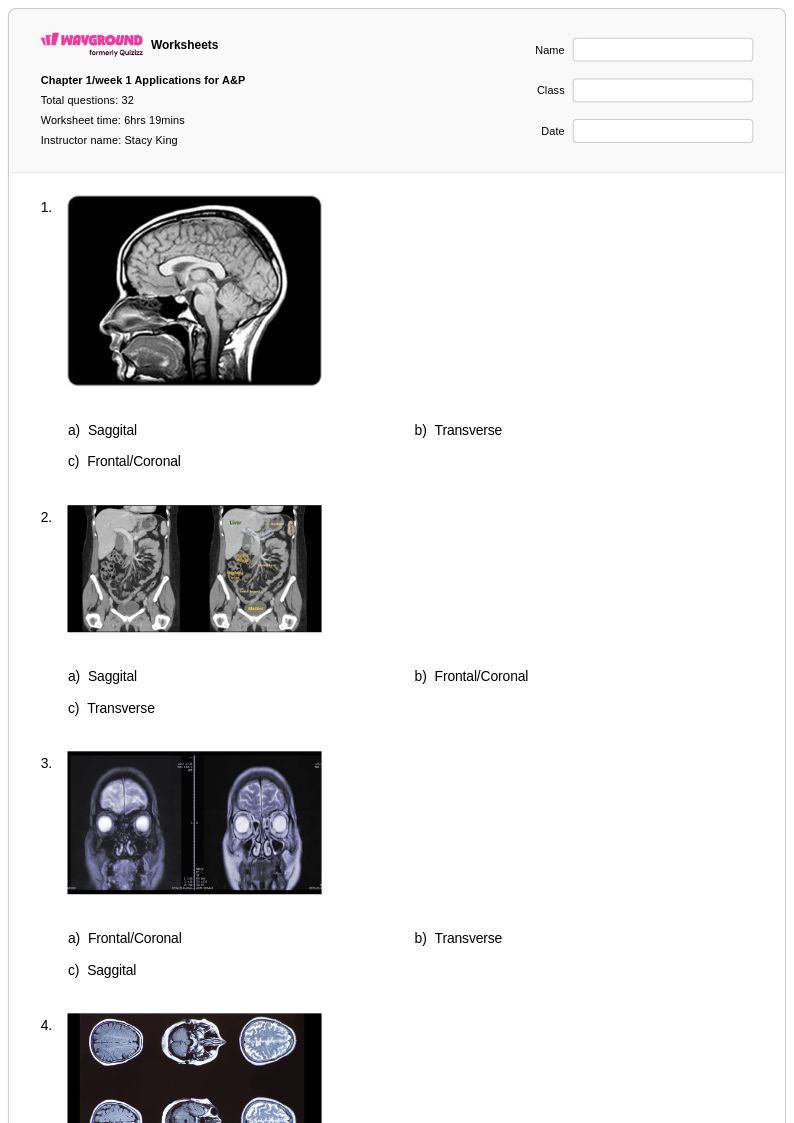
32 Q
11th - 12th
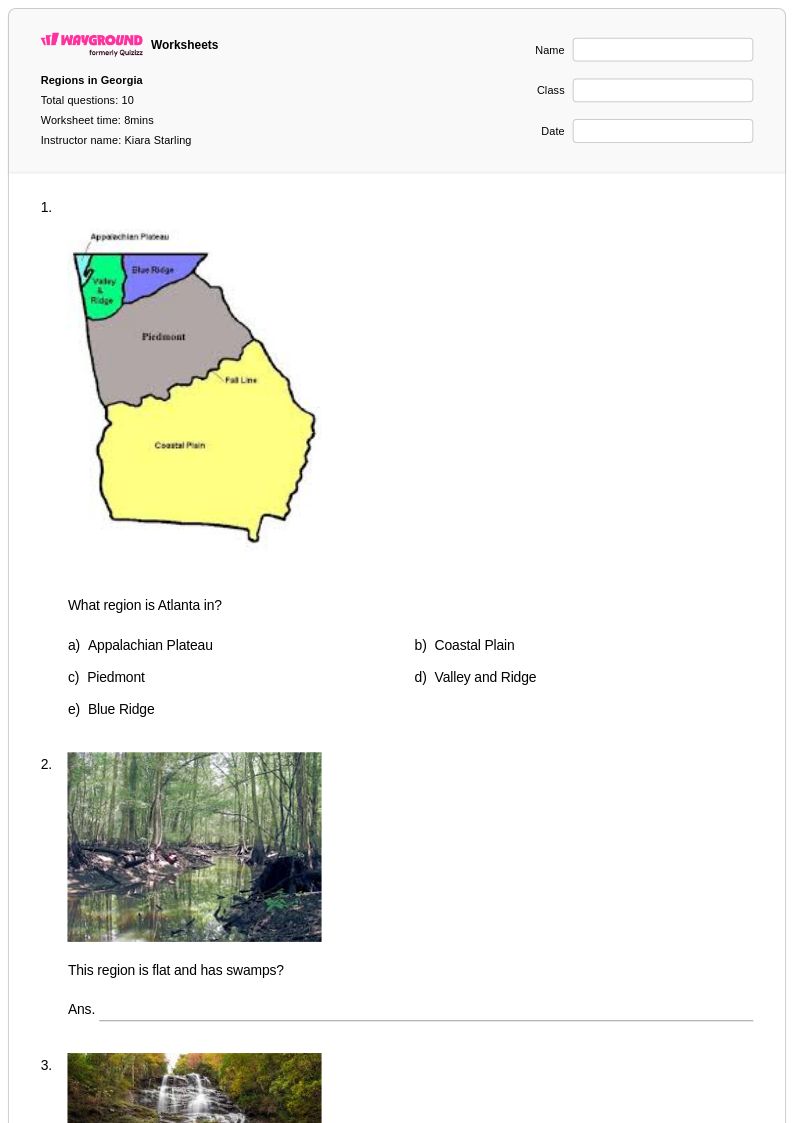
10 Q
1st - 3rd
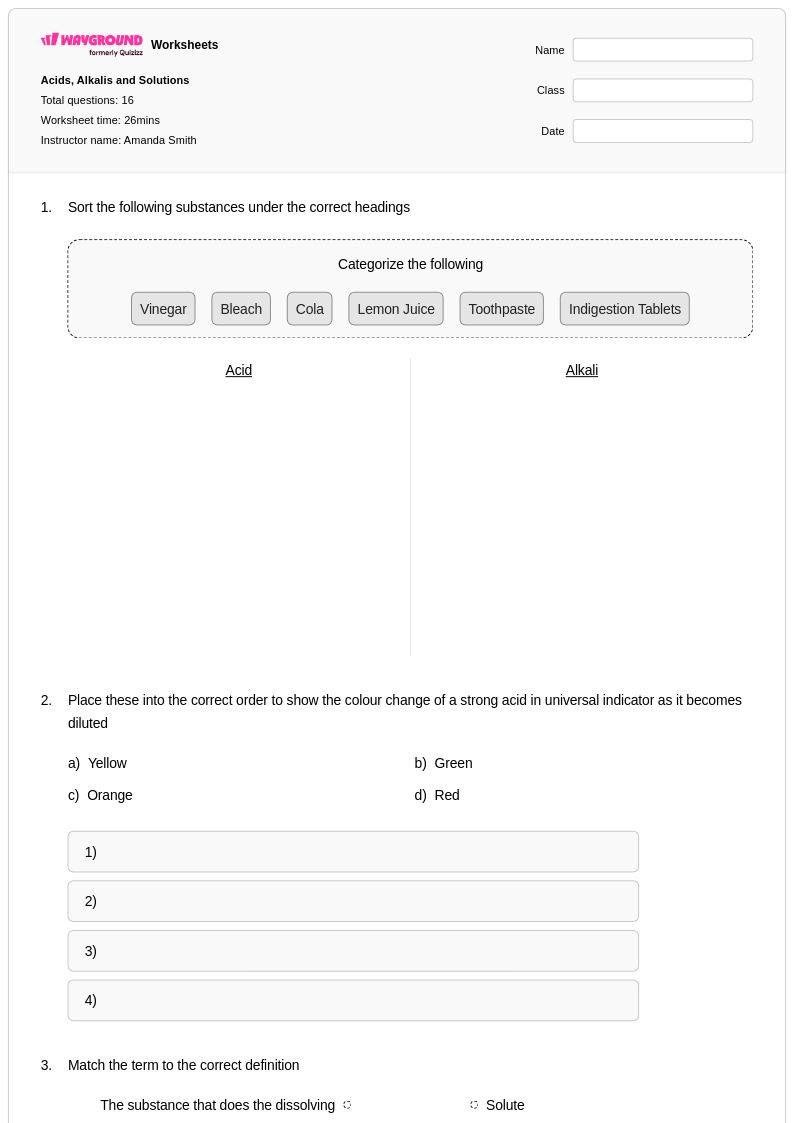
16 Q
6th
Explore Worksheets by Subjects
Explore printable Abdominal Regions and Quadrants worksheets
Abdominal regions and quadrants worksheets available through Wayground (formerly Quizizz) provide students with comprehensive practice in anatomical organization and medical terminology essential for understanding human body structure. These educational resources strengthen critical skills in spatial reasoning, anatomical landmark identification, and organ system mapping by engaging learners with detailed diagrams, labeling exercises, and clinical correlation activities. Students develop proficiency in distinguishing between the nine abdominal regions and four abdominal quadrants while mastering the precise vocabulary used in medical and healthcare settings. The practice problems within these free printables guide learners through systematic approaches to anatomical orientation, helping them visualize organ placement and understand the clinical significance of anatomical divisions. Each worksheet includes comprehensive answer keys that support independent learning and enable students to verify their understanding of complex anatomical relationships.
Wayground (formerly Quizizz) empowers educators with an extensive collection of teacher-created abdominal regions and quadrants resources drawn from millions of high-quality materials designed to enhance anatomy and physiology instruction. The platform's advanced search and filtering capabilities allow teachers to quickly locate worksheets that align with specific learning objectives and educational standards, while differentiation tools enable customization for diverse learner needs and skill levels. These versatile resources are available in both printable pdf formats for traditional classroom use and digital formats for interactive learning experiences, providing flexibility for various teaching environments and student preferences. Teachers can seamlessly integrate these materials into lesson planning for initial instruction, targeted remediation for struggling students, or enrichment activities for advanced learners, while the comprehensive scope of available practice exercises supports systematic skill development in anatomical knowledge and spatial understanding essential for success in health sciences education.
FAQs
How do I teach abdominal regions and quadrants to anatomy students?
What is the difference between abdominal quadrants and abdominal regions?
What exercises help students practice identifying abdominal regions and quadrants?
What mistakes do students commonly make when learning abdominal regions and quadrants?
How can I use abdominal regions and quadrants worksheets in my classroom?
How do I support students who struggle with anatomical terminology in abdominal region units?