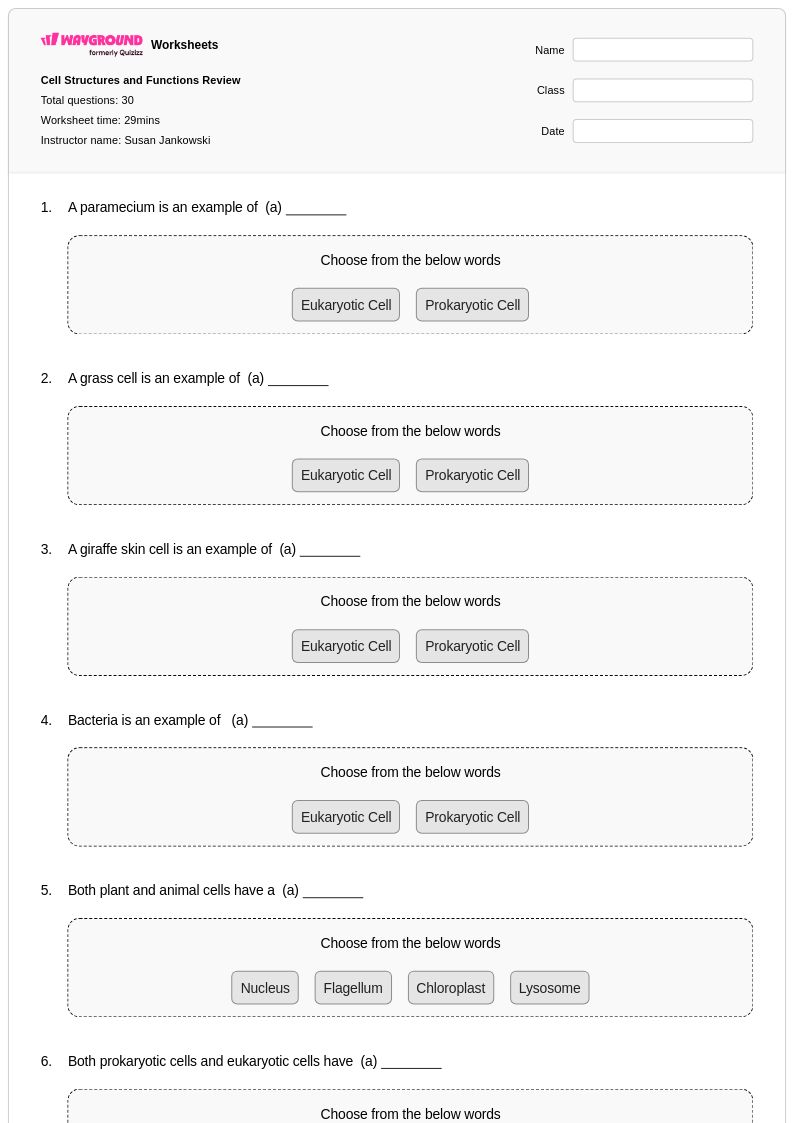
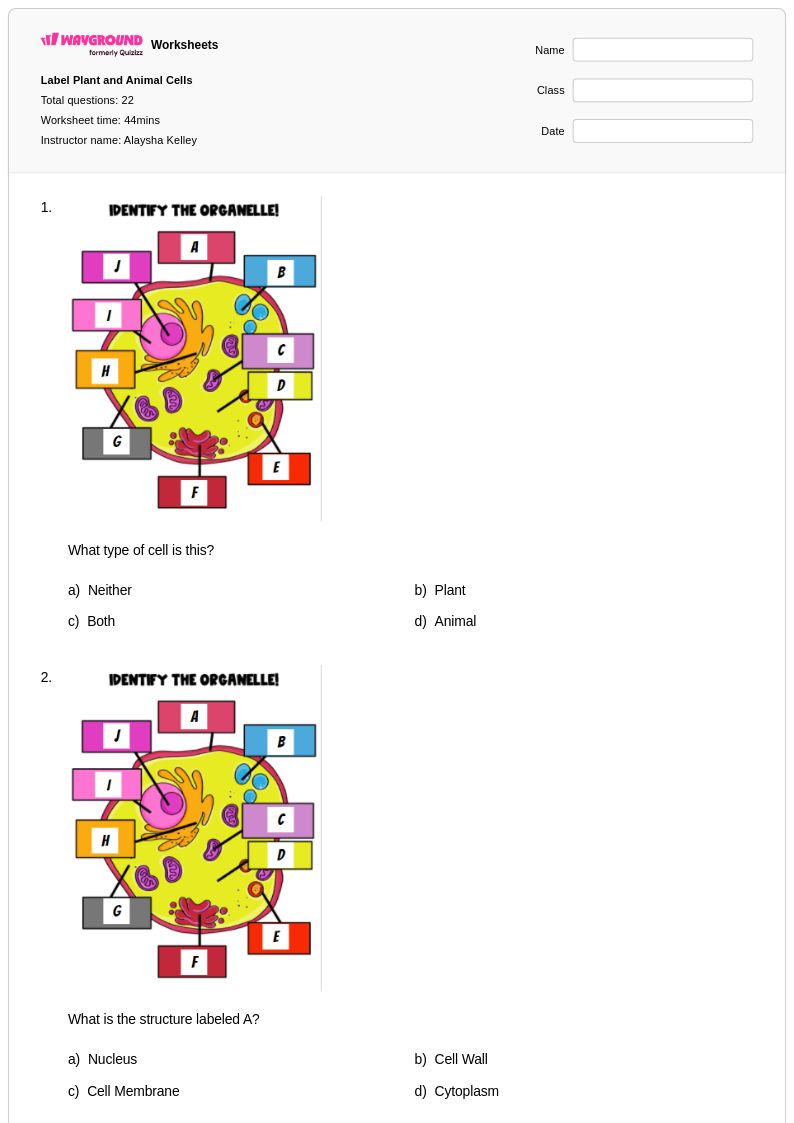
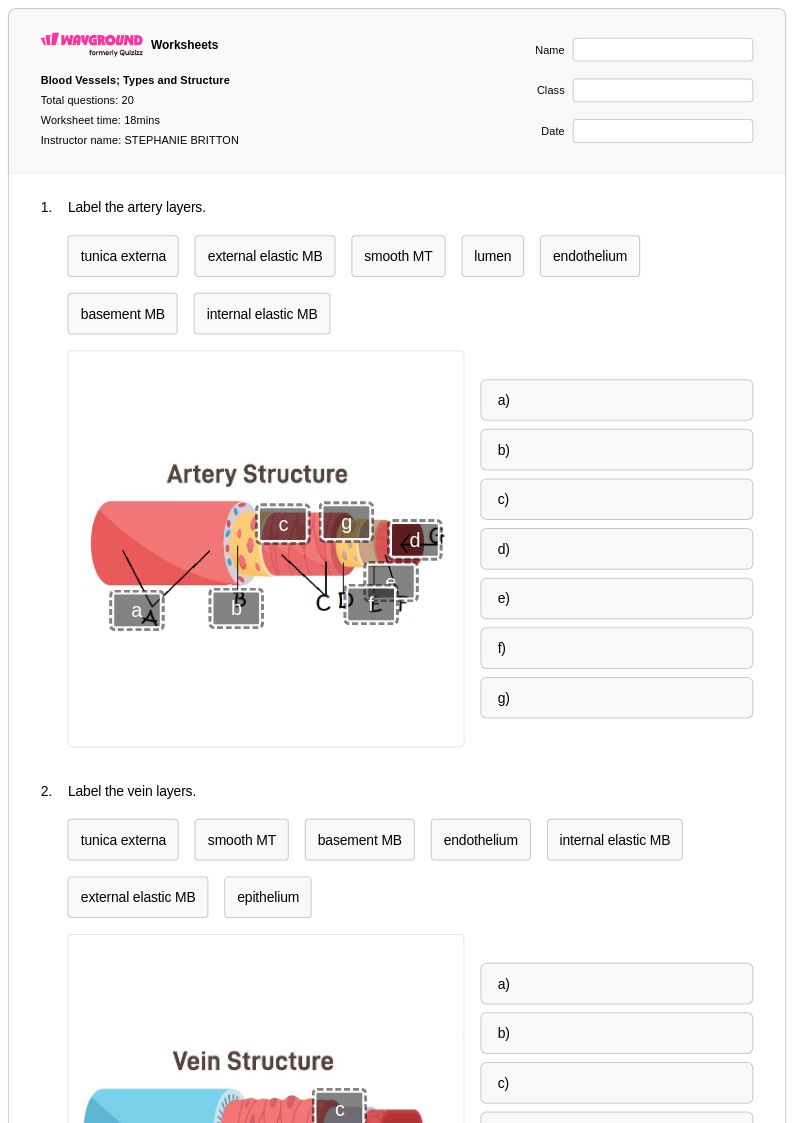
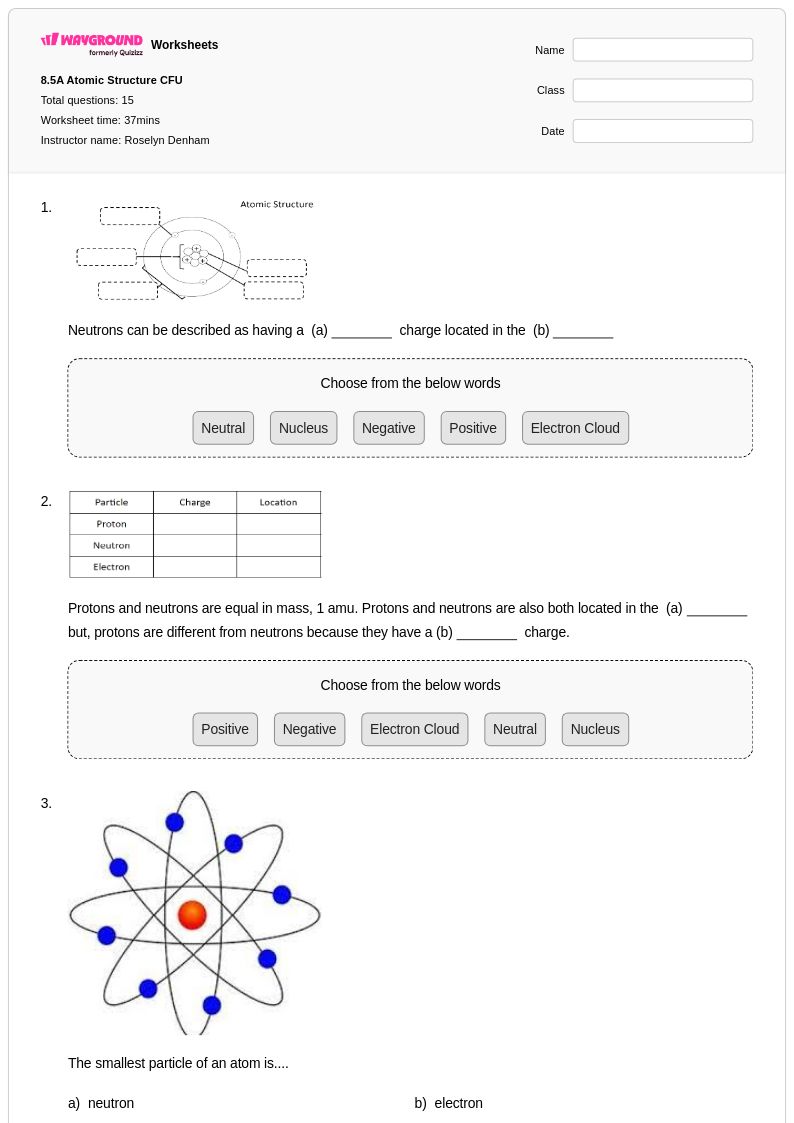
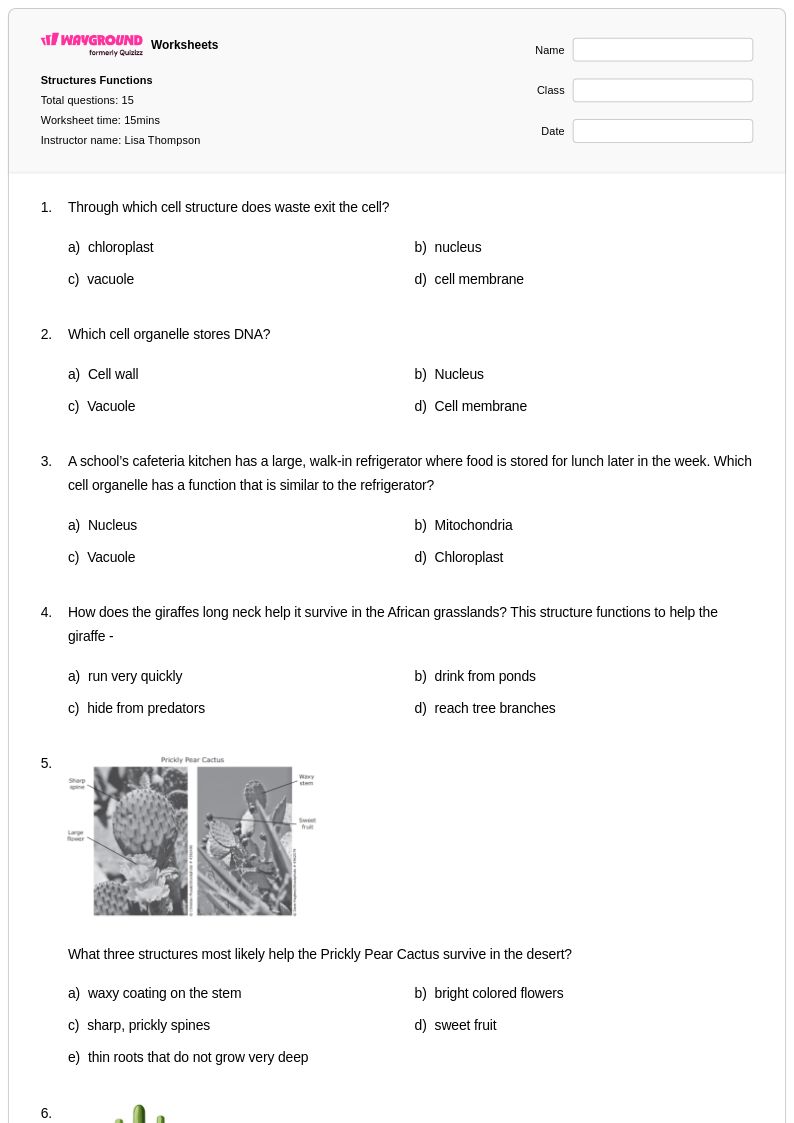
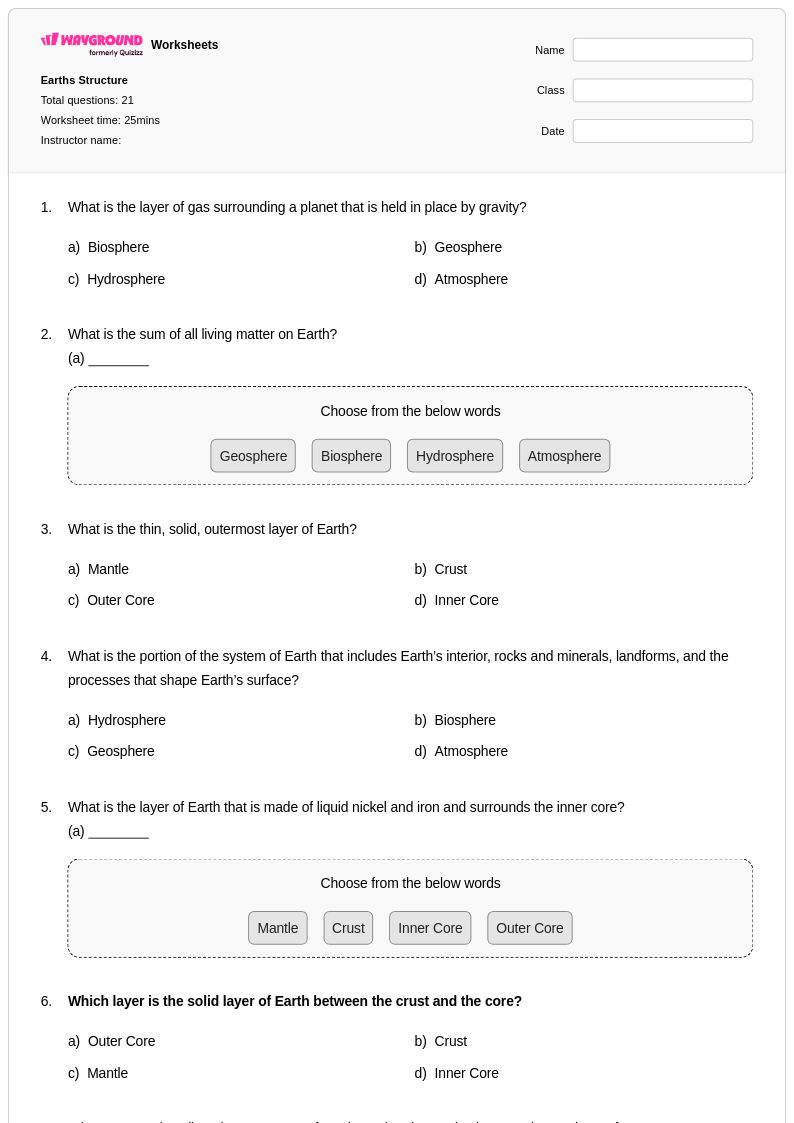
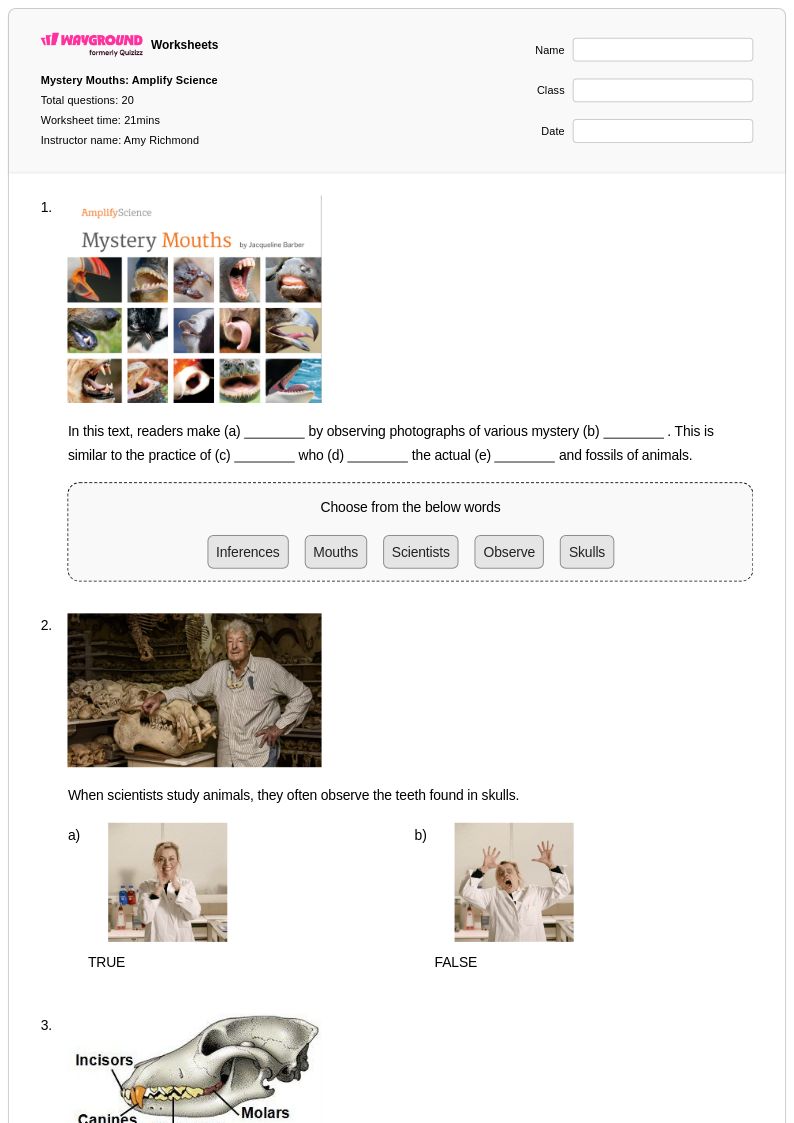
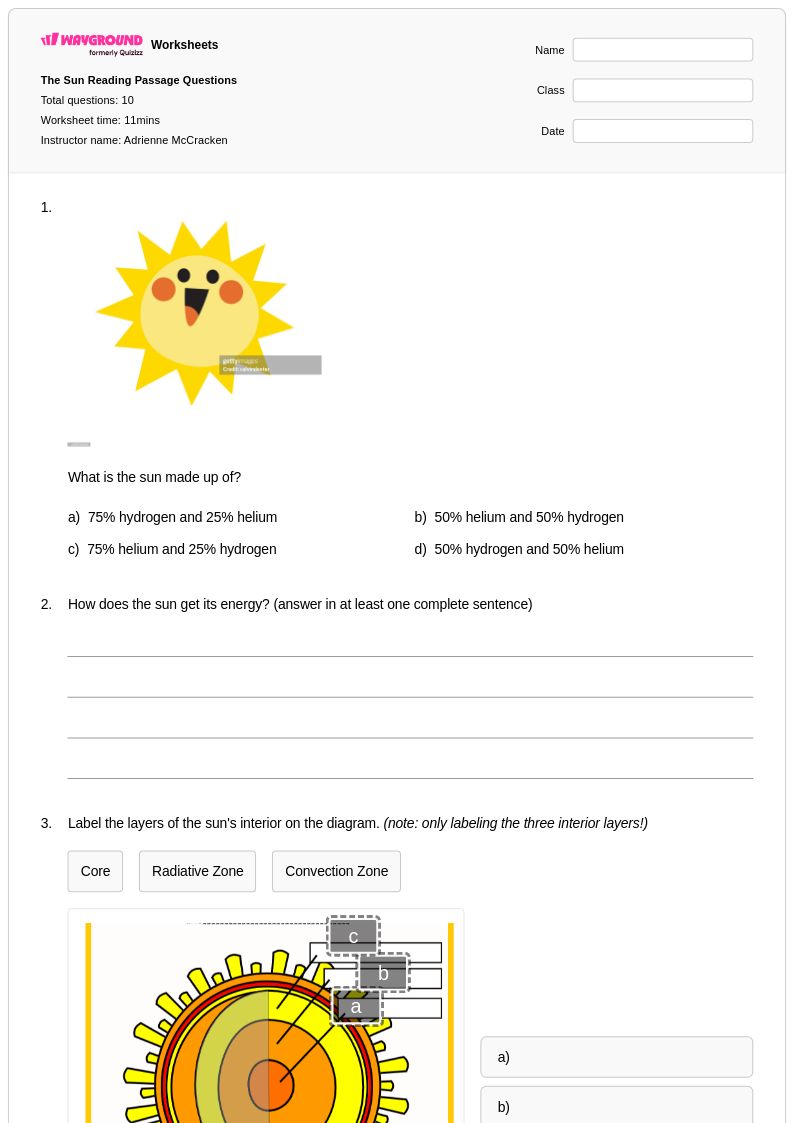
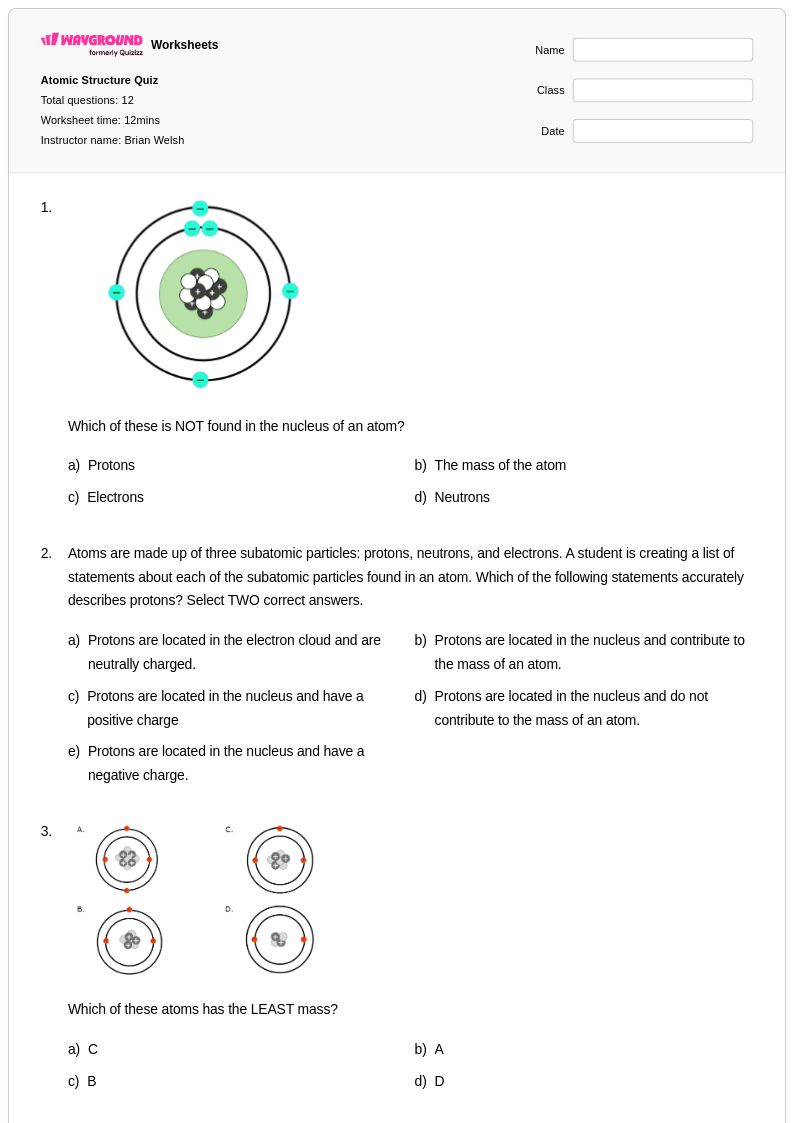
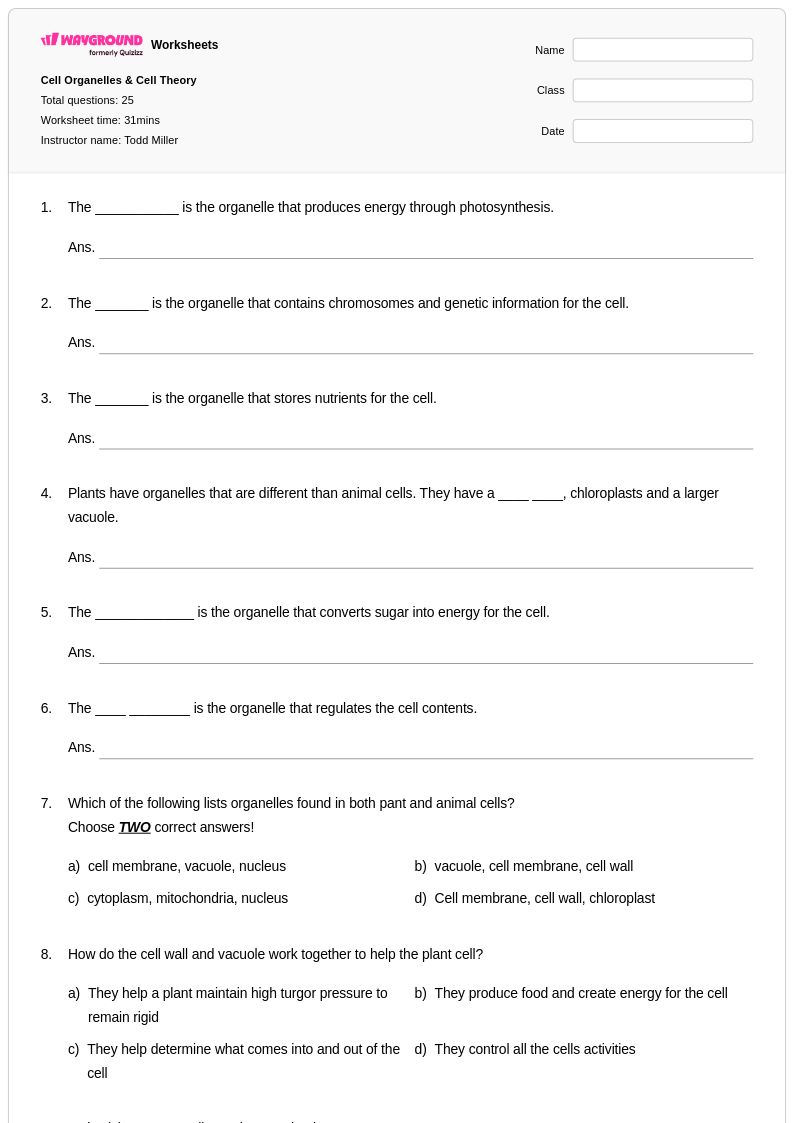
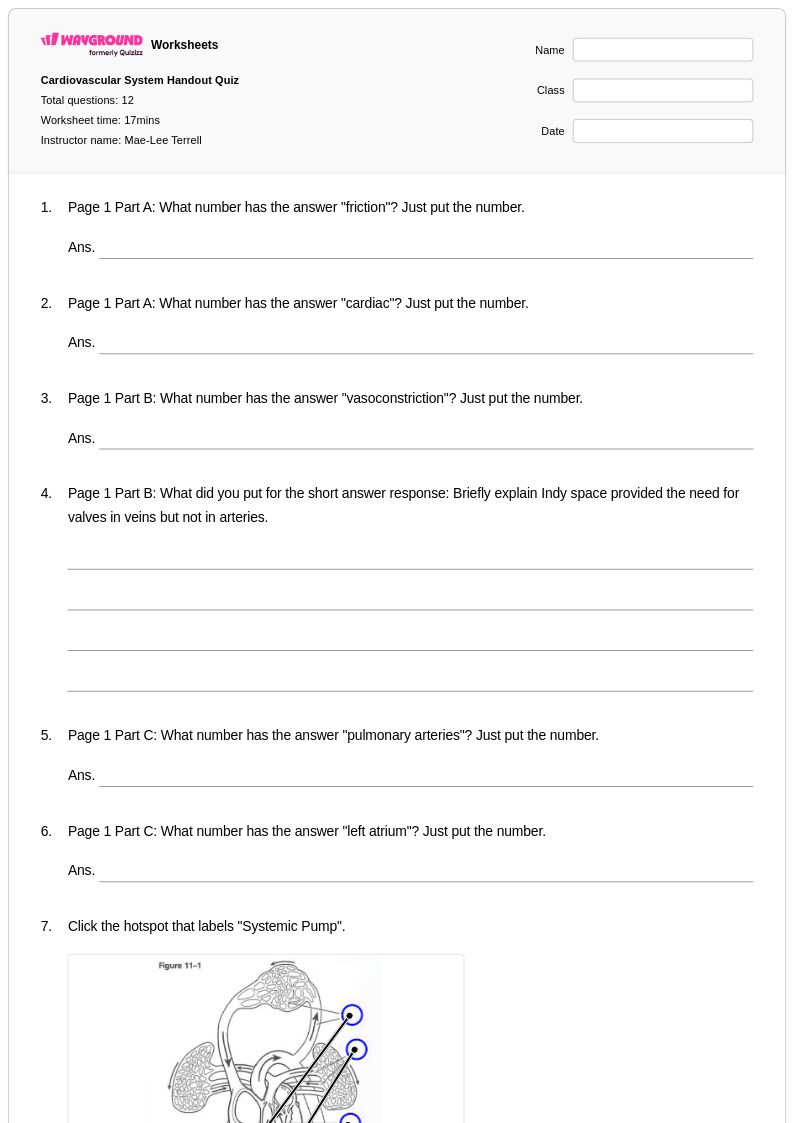
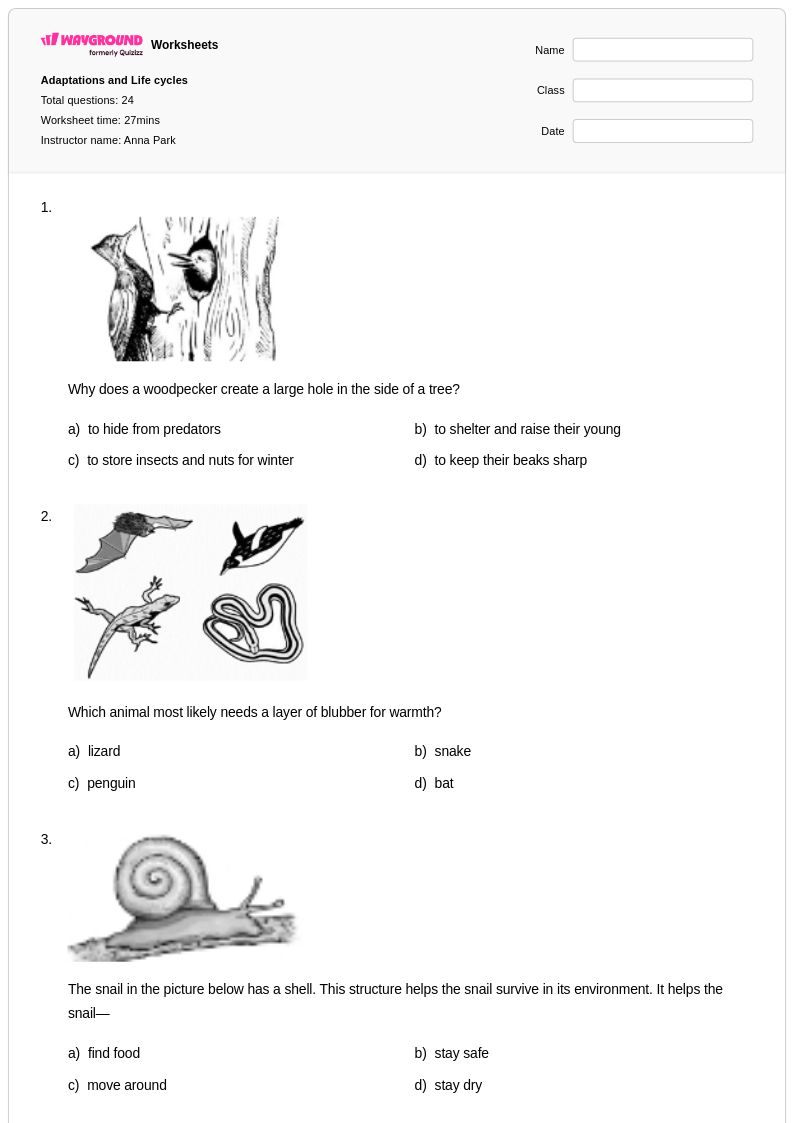
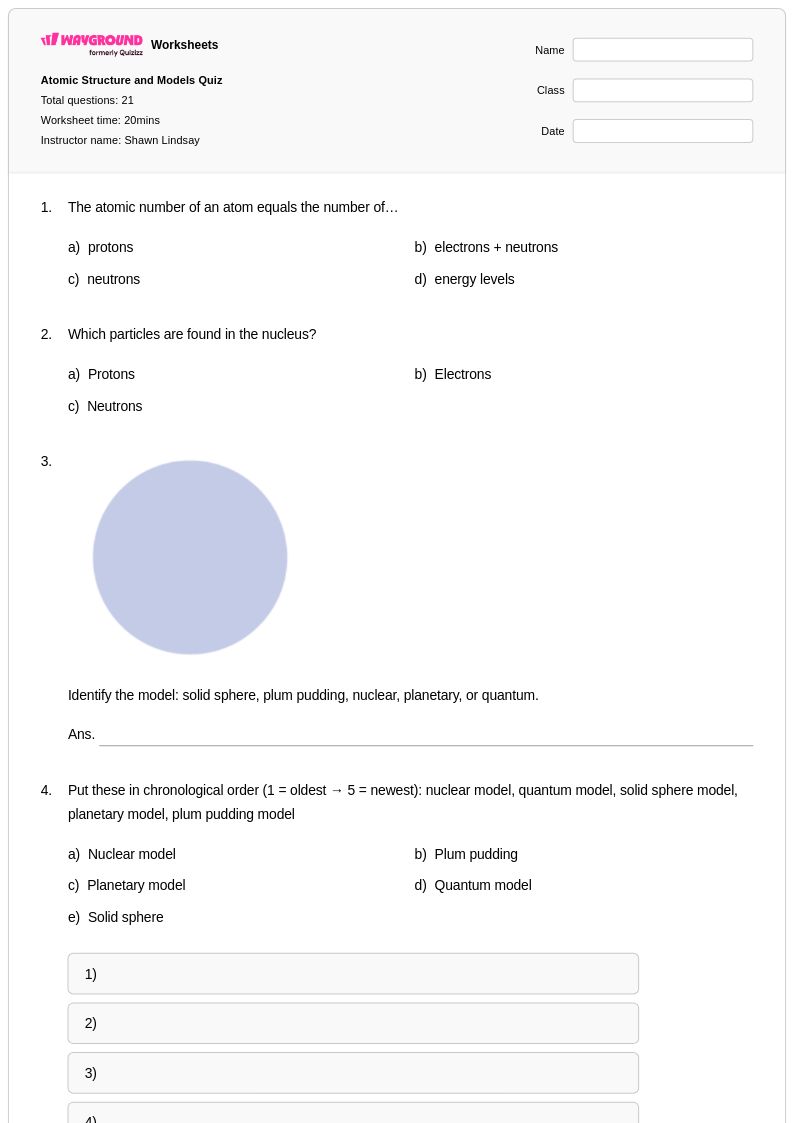
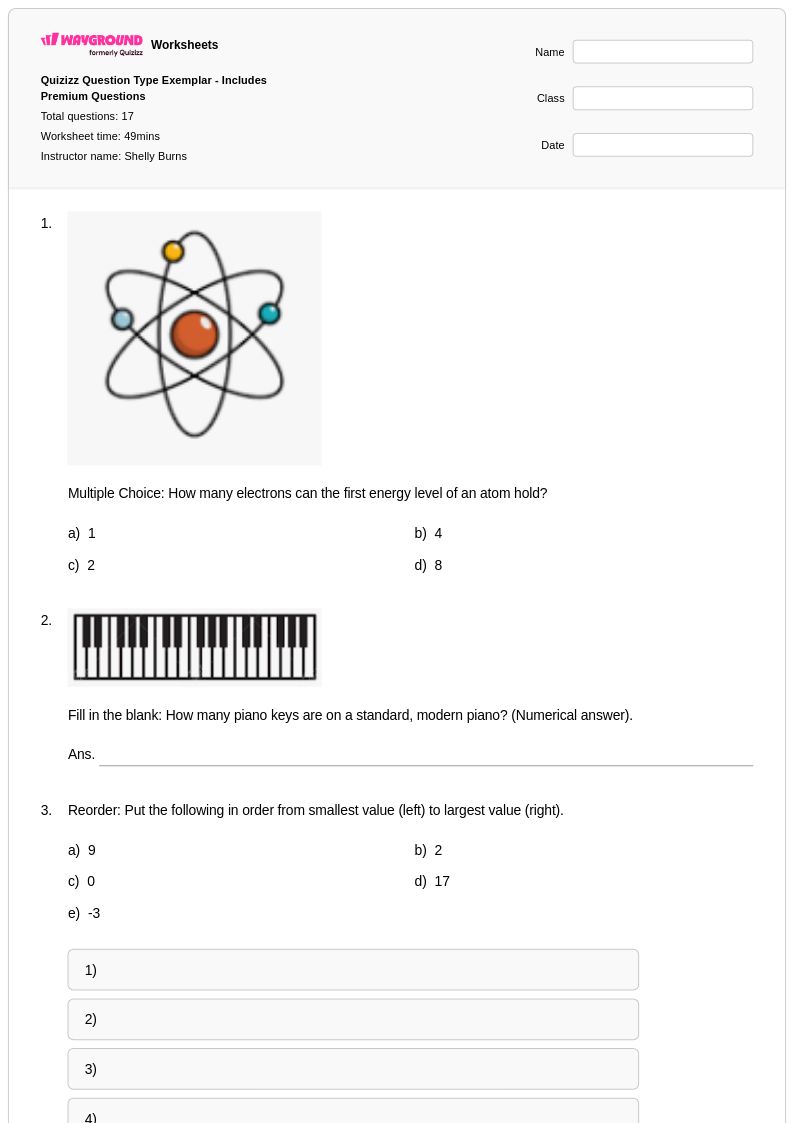
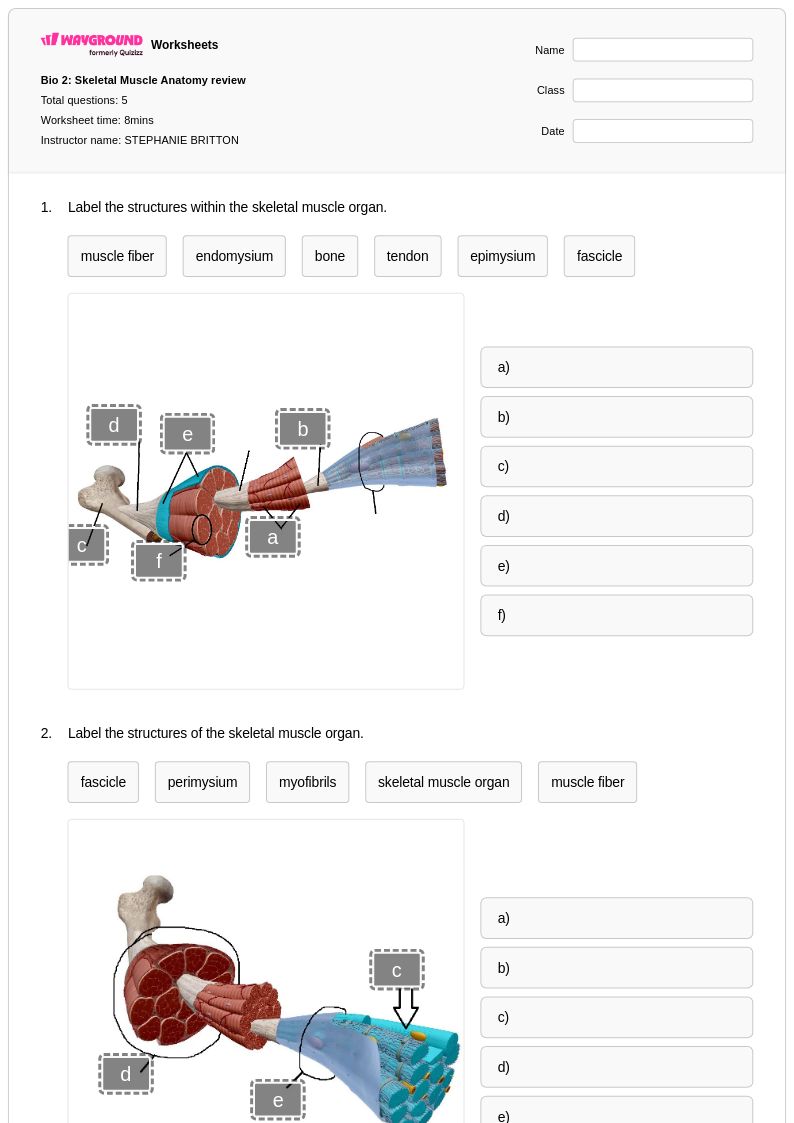
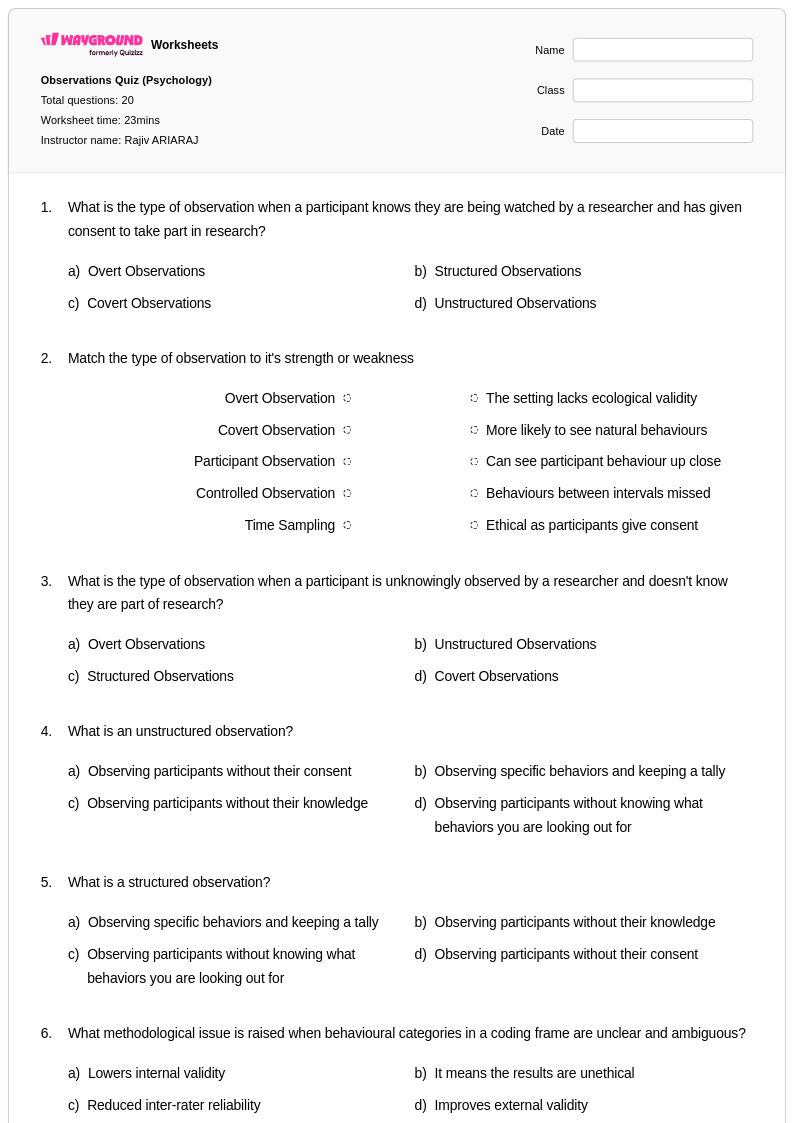
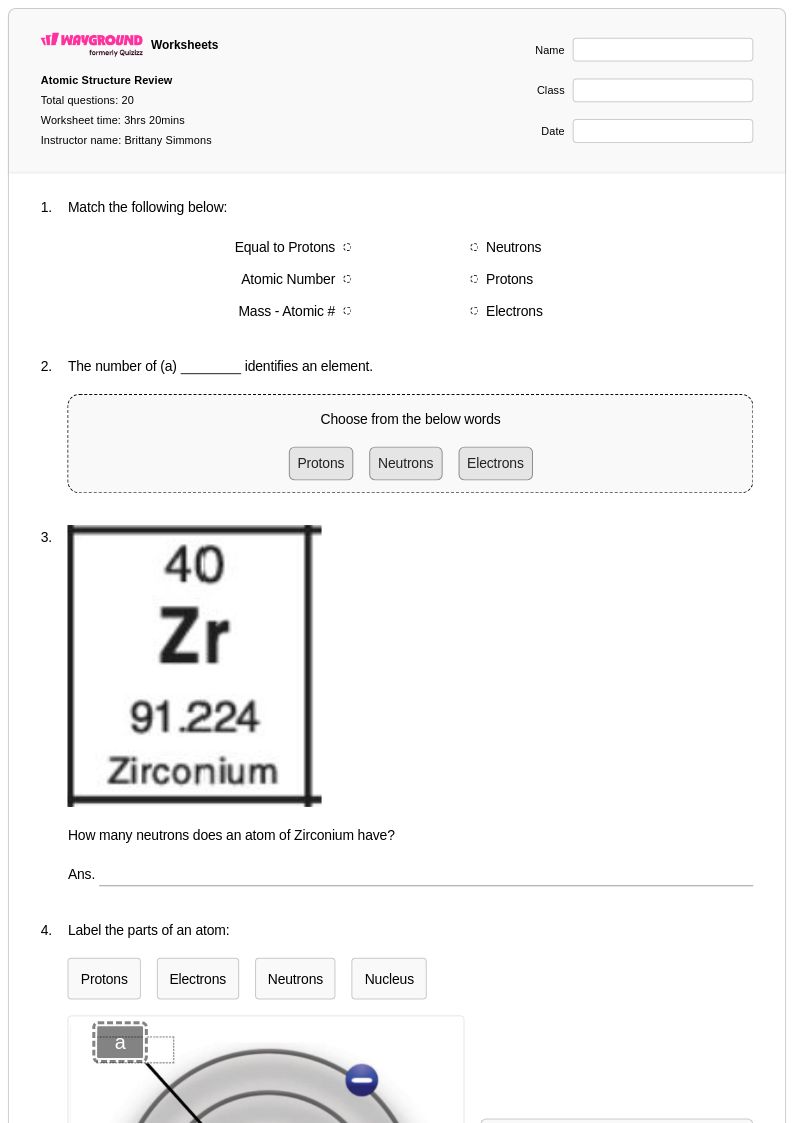
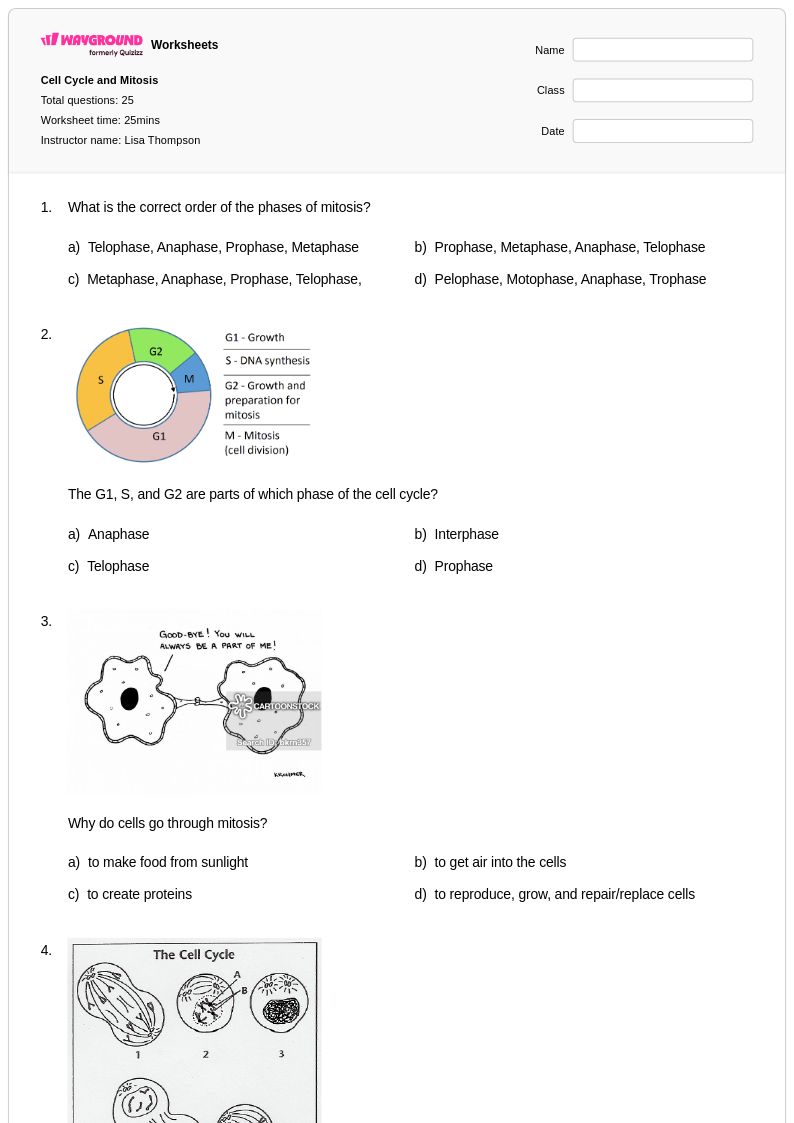
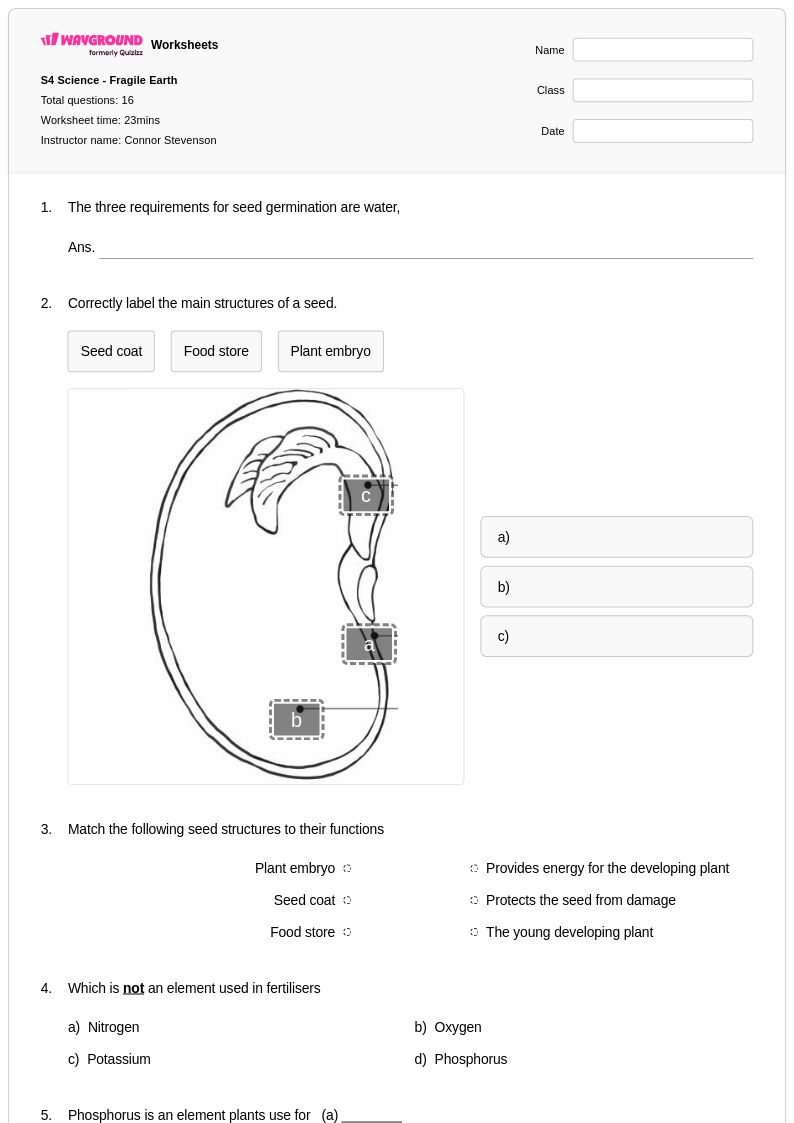
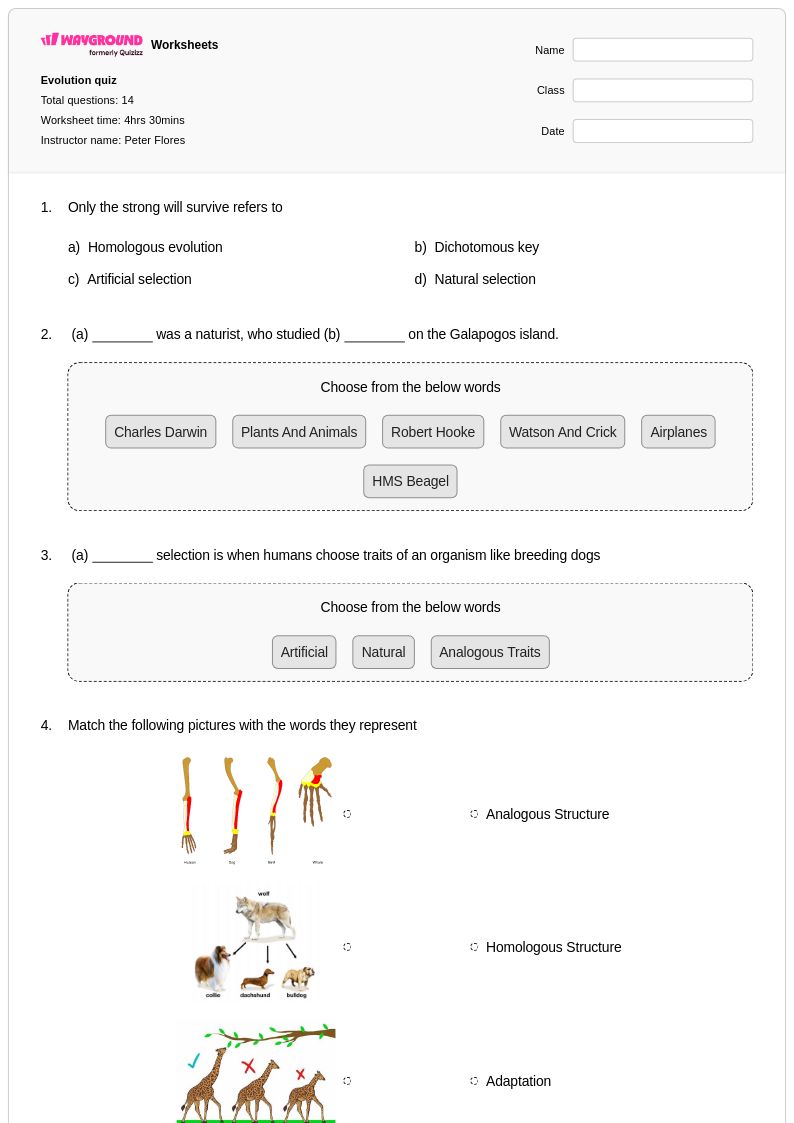
Free printable biology worksheets from Wayground help students master labeling structures through engaging practice problems and activities, complete with answer keys and downloadable PDFs for effective learning.
Labeling structures worksheets available through Wayground (formerly Quizizz) provide comprehensive practice for students to identify and annotate key components across various biological systems. These educational resources strengthen critical scientific skills including anatomical recognition, structural analysis, and precise scientific vocabulary application. Students work with detailed diagrams of cells, organs, plant structures, and biological processes, developing their ability to connect form with function in living systems. Each worksheet includes clear answer keys and comes in convenient pdf format, offering free printable options that make these practice problems accessible for both classroom instruction and independent study.
Wayground (formerly Quizizz) empowers educators with millions of teacher-created labeling structure resources that streamline biology instruction planning and delivery. The platform's robust search and filtering capabilities allow teachers to quickly locate worksheets aligned with specific standards and curriculum requirements, while differentiation tools enable customization for diverse learning needs. These resources are available in both printable pdf formats and interactive digital versions, providing flexibility for various teaching environments and student preferences. Teachers utilize these comprehensive worksheet collections for targeted skill practice, remediation support for struggling learners, and enrichment opportunities for advanced students, ensuring that all learners can master the essential skill of identifying and understanding biological structures.
FAQs
How do I teach students to label biological structures effectively?
Start by connecting each structure's physical appearance to its function before asking students to label anything. Use annotated diagrams first, then gradually remove labels to increase the cognitive demand. Repeated exposure across different diagram types, such as cells, organs, and plant structures, helps students build durable recognition rather than rote memorization of a single image.
What exercises help students practice labeling biological structures?
Blank diagram labeling activities are the most direct form of practice, requiring students to retrieve and apply scientific vocabulary without visual prompts. Matching exercises that pair structure names with functions add a layer of conceptual reinforcement. Rotating between different biological systems, such as cell organelles one week and plant anatomy the next, prevents students from pattern-matching a single familiar diagram and builds more transferable identification skills.
What mistakes do students commonly make when labeling biological structures?
The most frequent error is confusing structures that look similar, such as the cell wall and cell membrane, or the mitochondria and chloroplasts in plant cell diagrams. Students also tend to misplace labels when lines or arrows are close together, pointing to the wrong region of a diagram. A separate and common problem is using informal or incomplete terminology, such as writing 'the squiggly part' instead of 'endoplasmic reticulum,' which reflects weak scientific vocabulary rather than a conceptual misunderstanding.
How can I differentiate labeling structures worksheets for students with different learning needs?
For students who need additional support, reduce the number of structures to label in a single diagram or provide a word bank so cognitive load stays focused on recognition rather than recall. On Wayground, teachers can enable accommodations such as read aloud for students who struggle with scientific terminology, reduced answer choices to lower cognitive load, and extended time per question. These settings can be applied to individual students without disrupting the experience of the rest of the class.
How do I use Wayground's labeling structures worksheets in my classroom?
Wayground's labeling structures worksheets are available as printable PDFs for traditional classroom use and in digital formats for technology-integrated environments, giving teachers flexibility depending on their setup. Teachers can also host worksheets as a live quiz directly on Wayground, making it easy to assign as a formative check or warm-up activity. The included answer keys allow for quick self-grading or teacher-led review after students complete the activity.
How do I align labeling structures practice to specific biology standards?
Wayground's search and filtering tools allow teachers to locate labeling worksheets aligned to specific standards and curriculum requirements, reducing planning time. When selecting a worksheet, confirm it covers the exact biological system in your current unit, whether that is cellular biology, human anatomy, or plant physiology, so the vocabulary students practice matches what they will be assessed on. Sequencing worksheets from guided to independent practice across a unit helps ensure standards mastery rather than surface familiarity.