
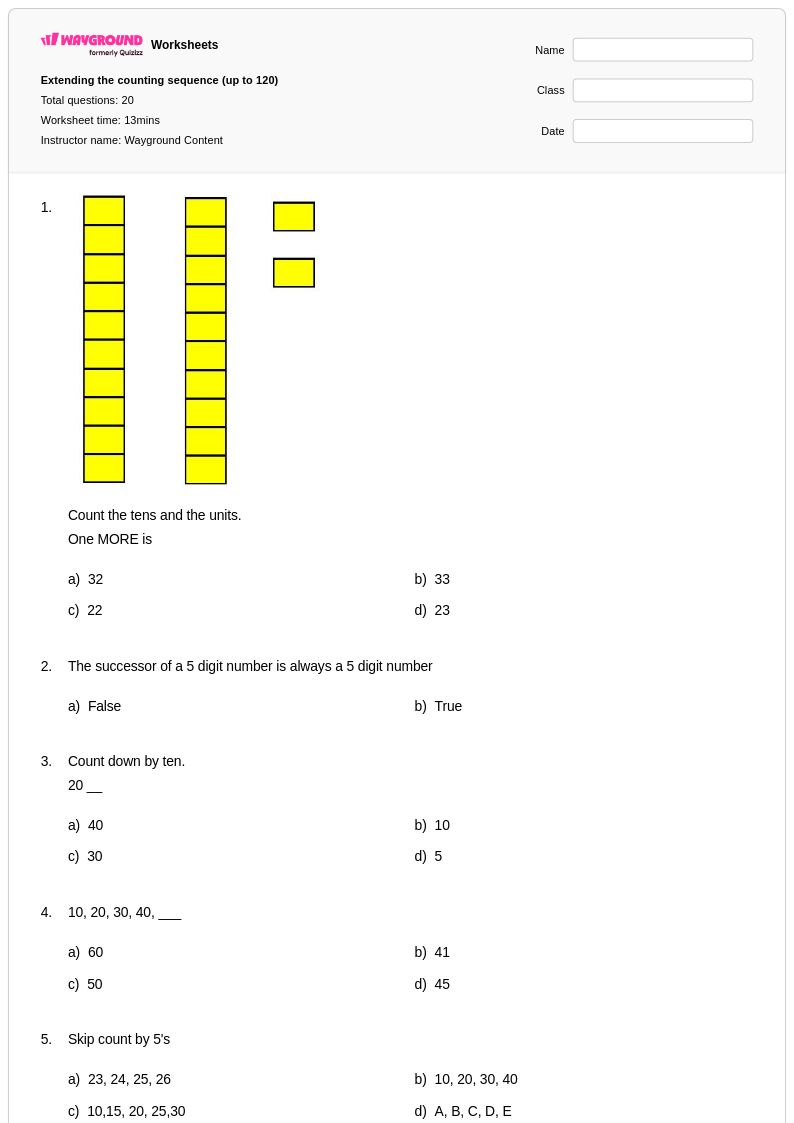
20 Q
1st
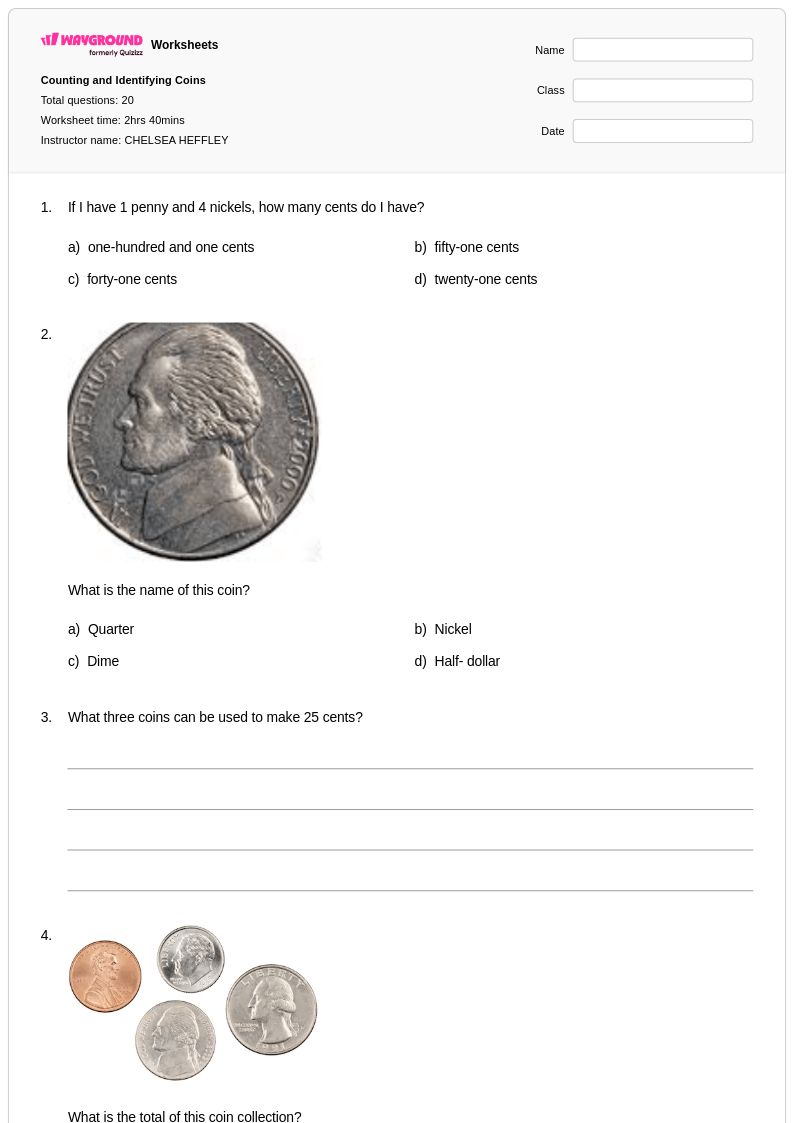
20 Q
1st - 3rd
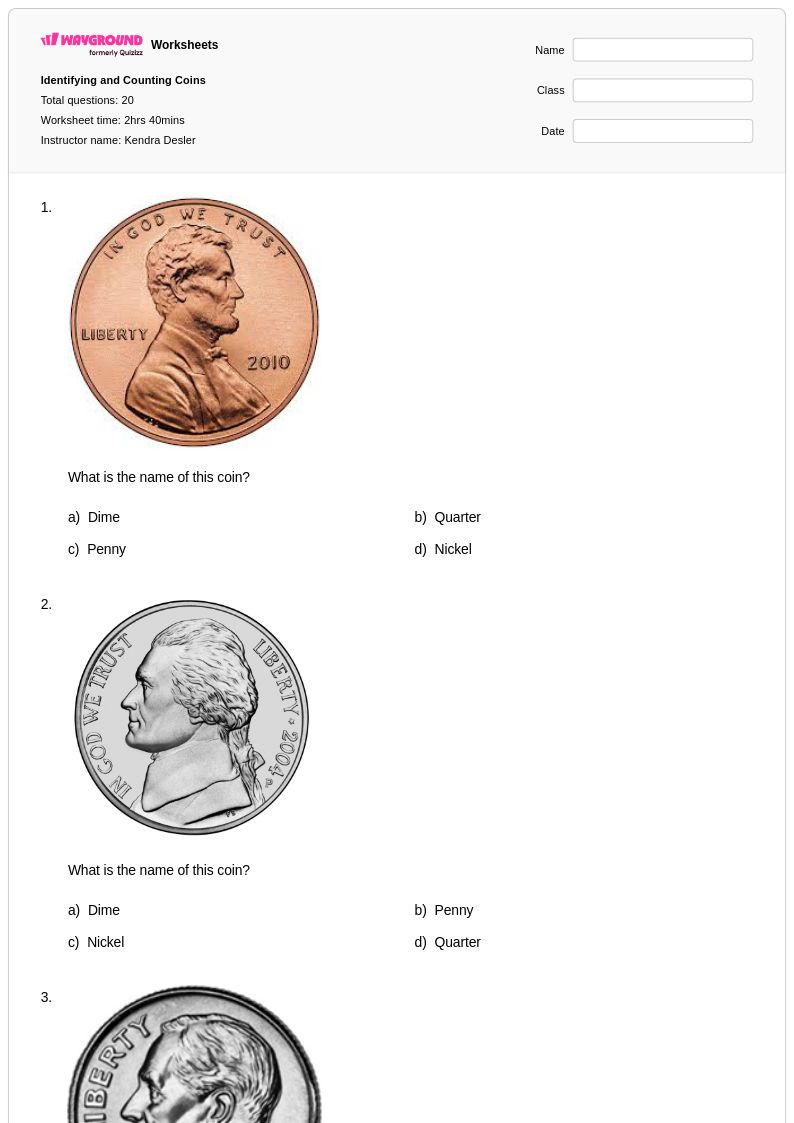
20 Q
2nd
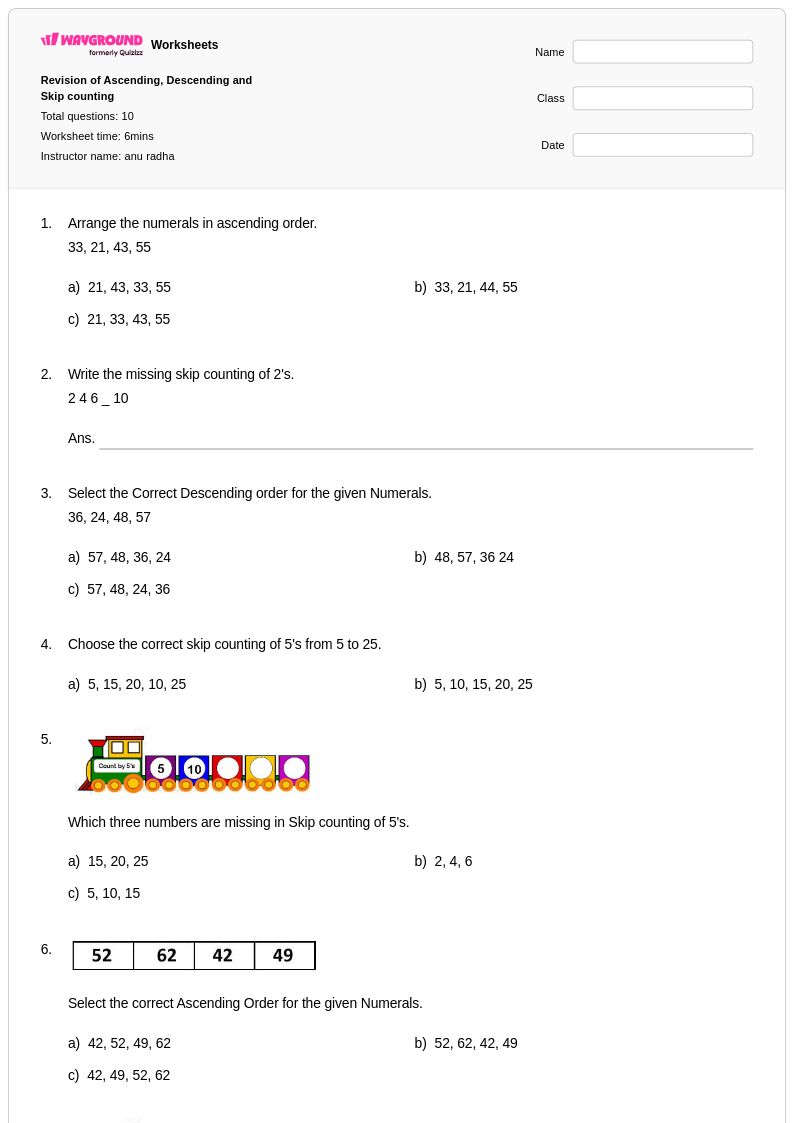
10 Q
KG
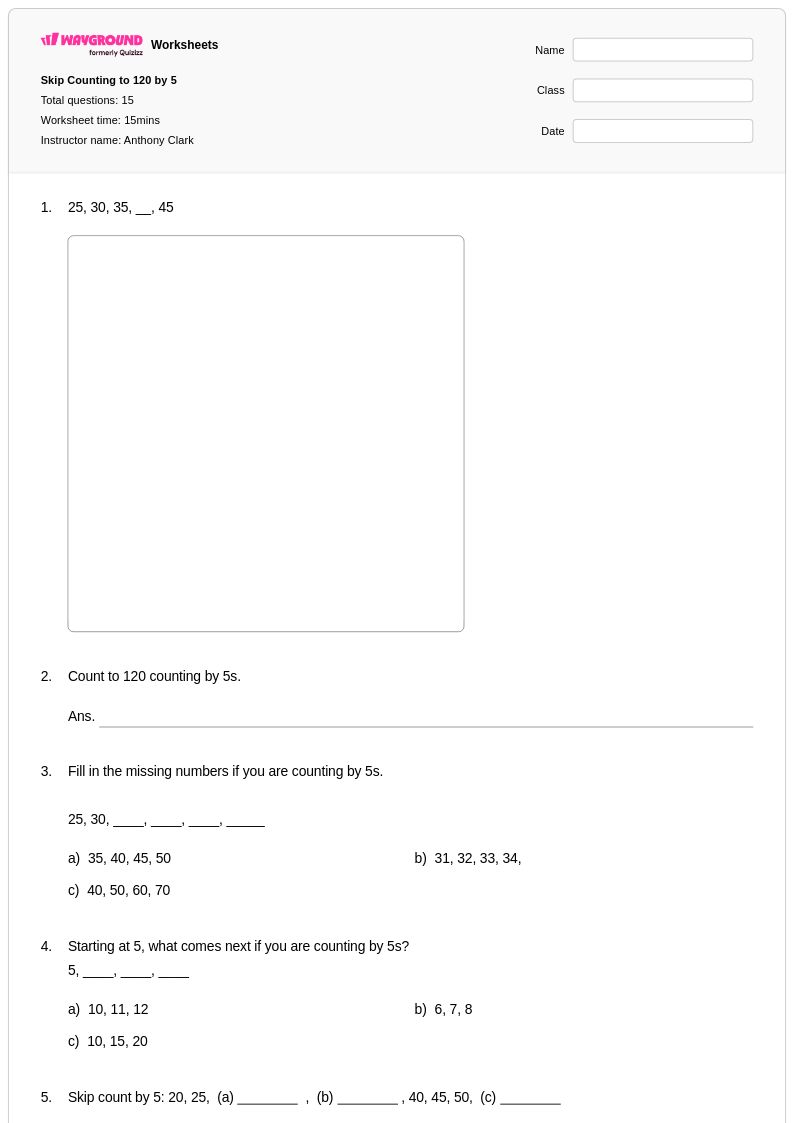
15 Q
2nd - Uni
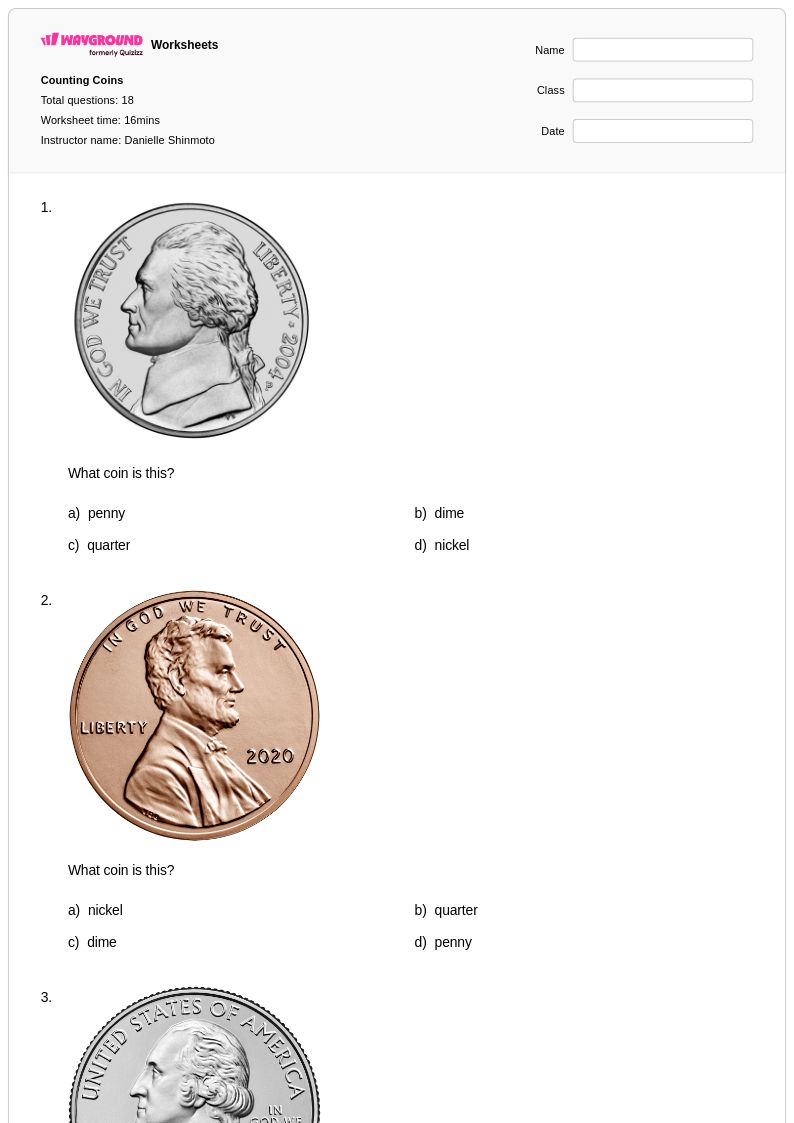
18 Q
2nd
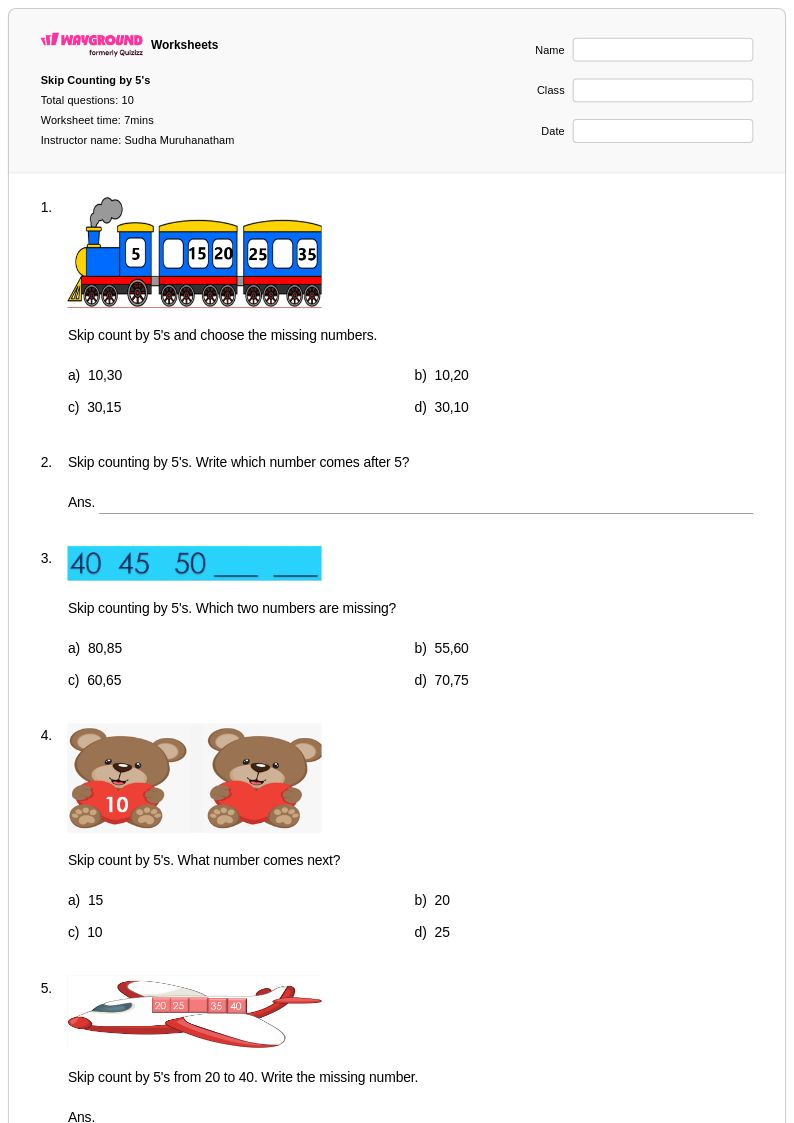
10 Q
KG
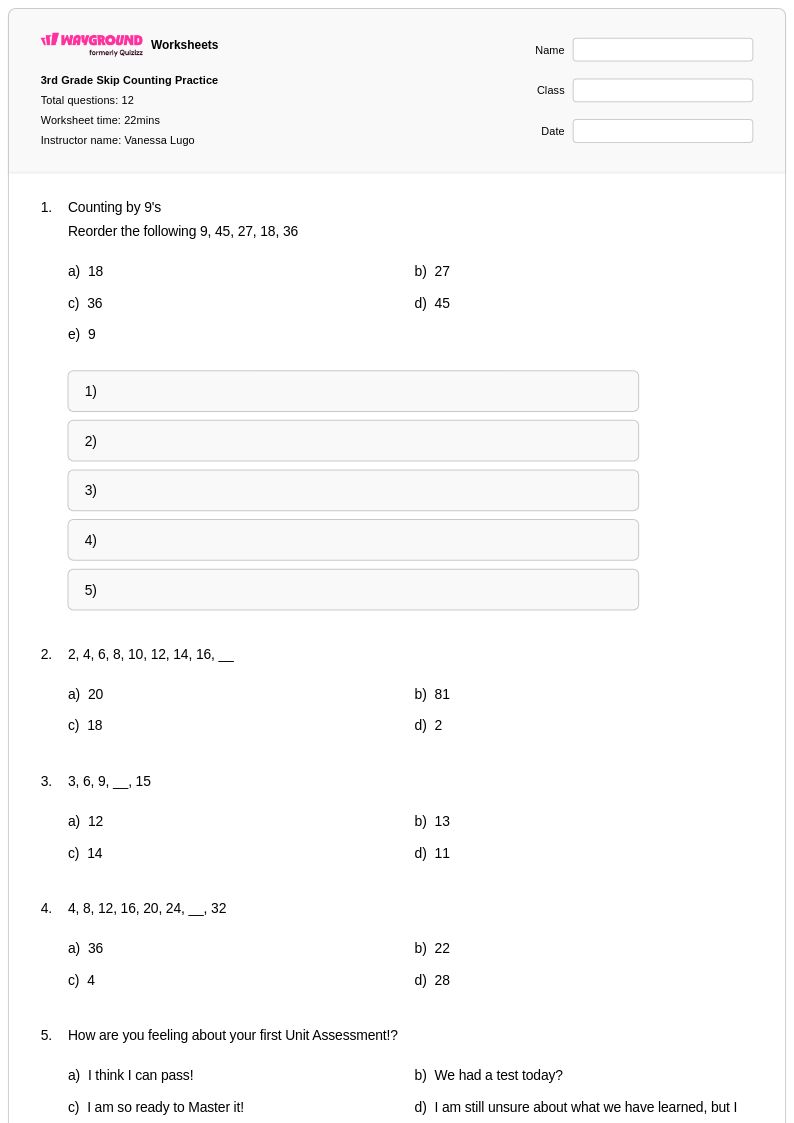
12 Q
3rd
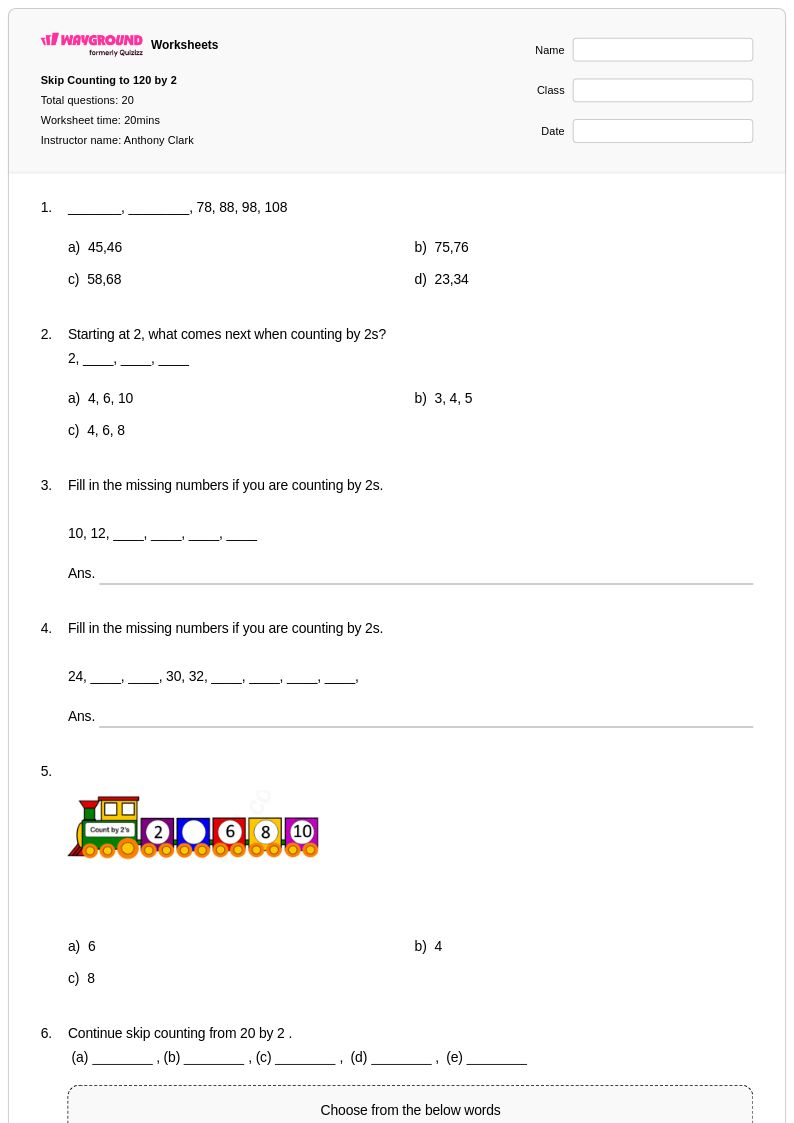
20 Q
2nd - Uni
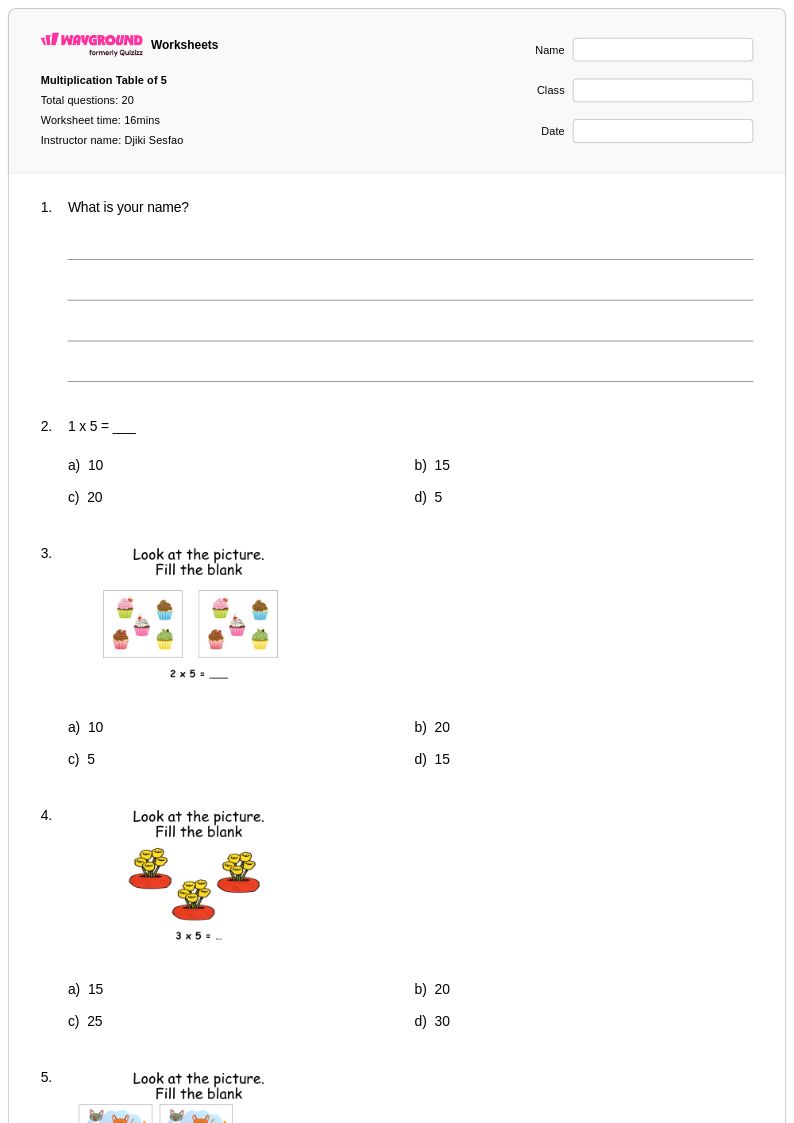
20 Q
2nd
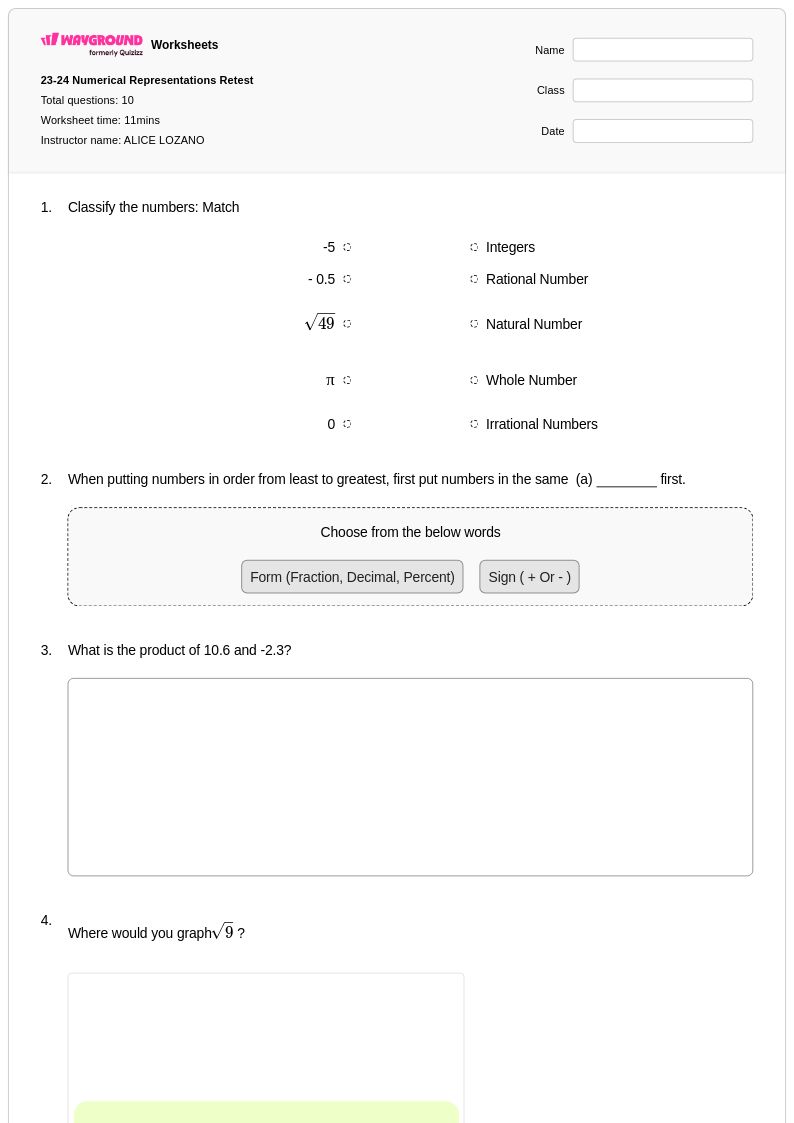
10 Q
6th - 8th
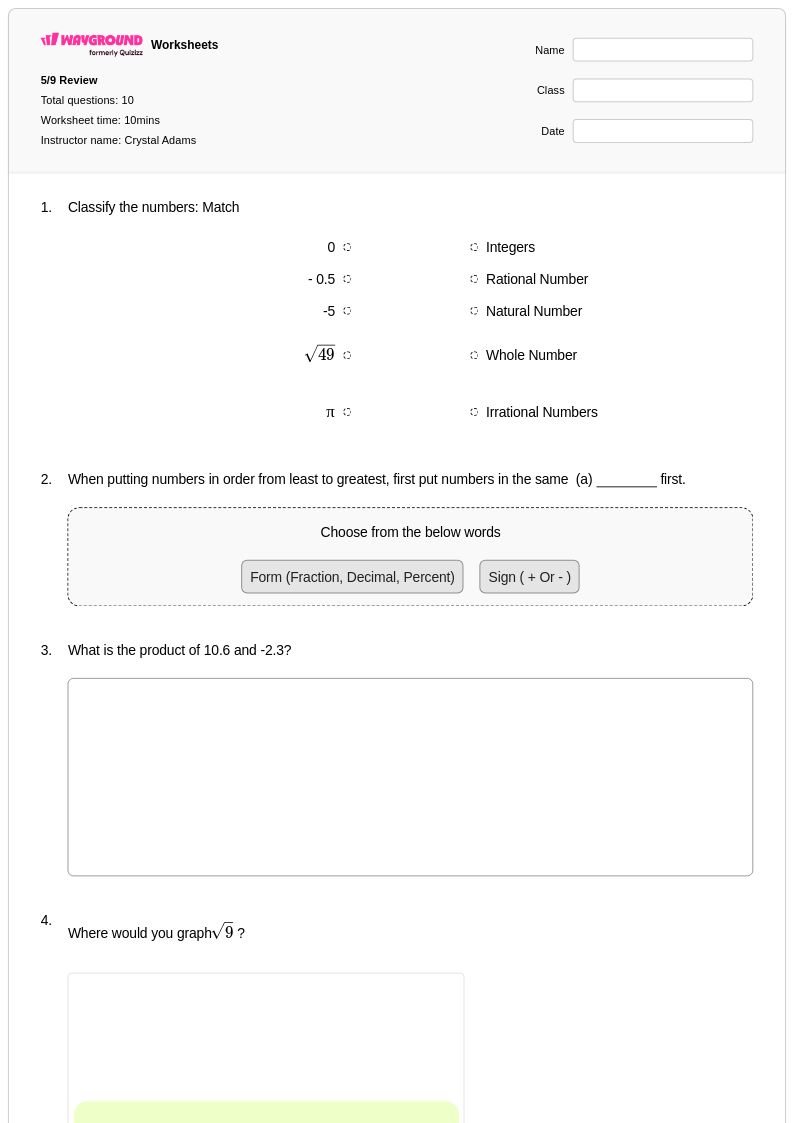
10 Q
6th - 8th
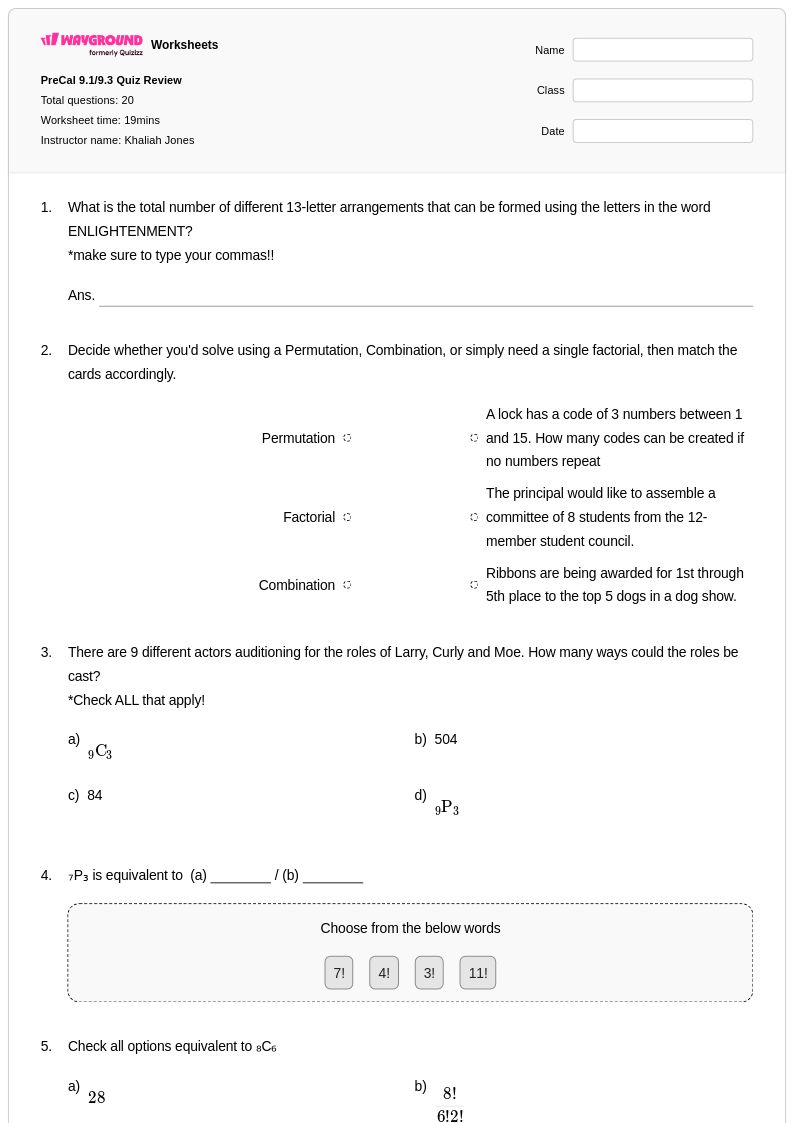
20 Q
12th
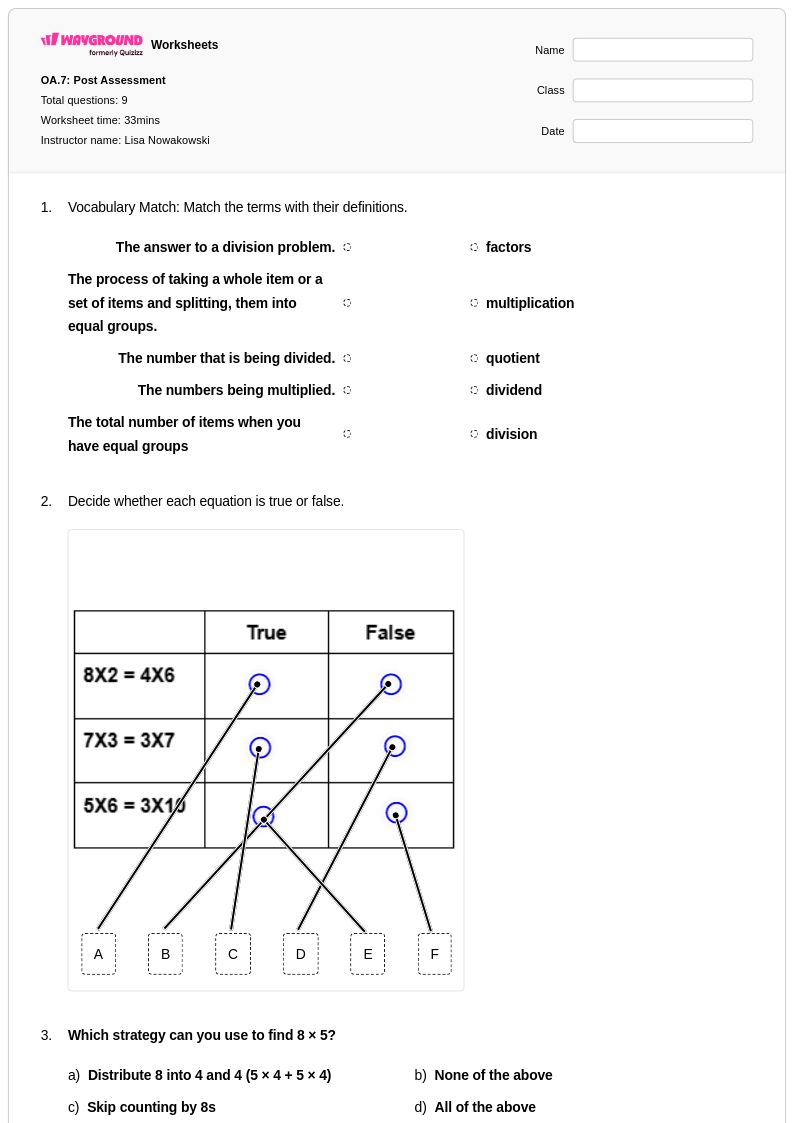
13 Q
3rd
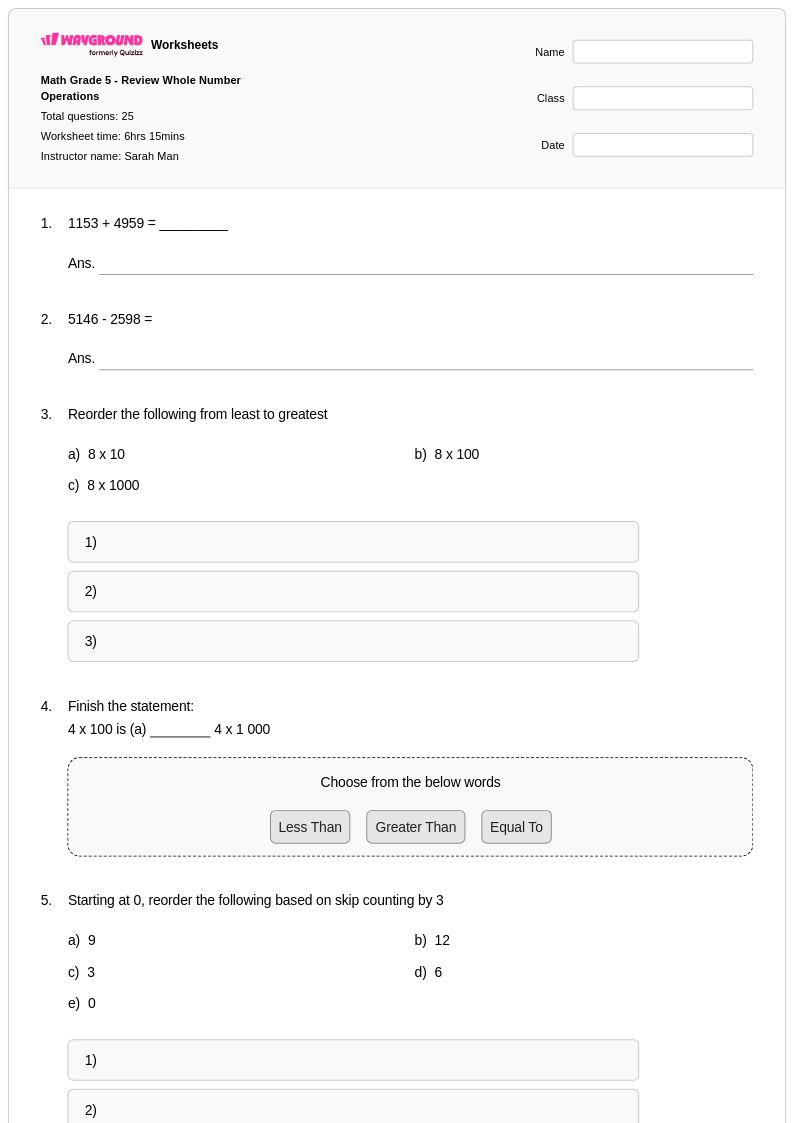
25 Q
5th
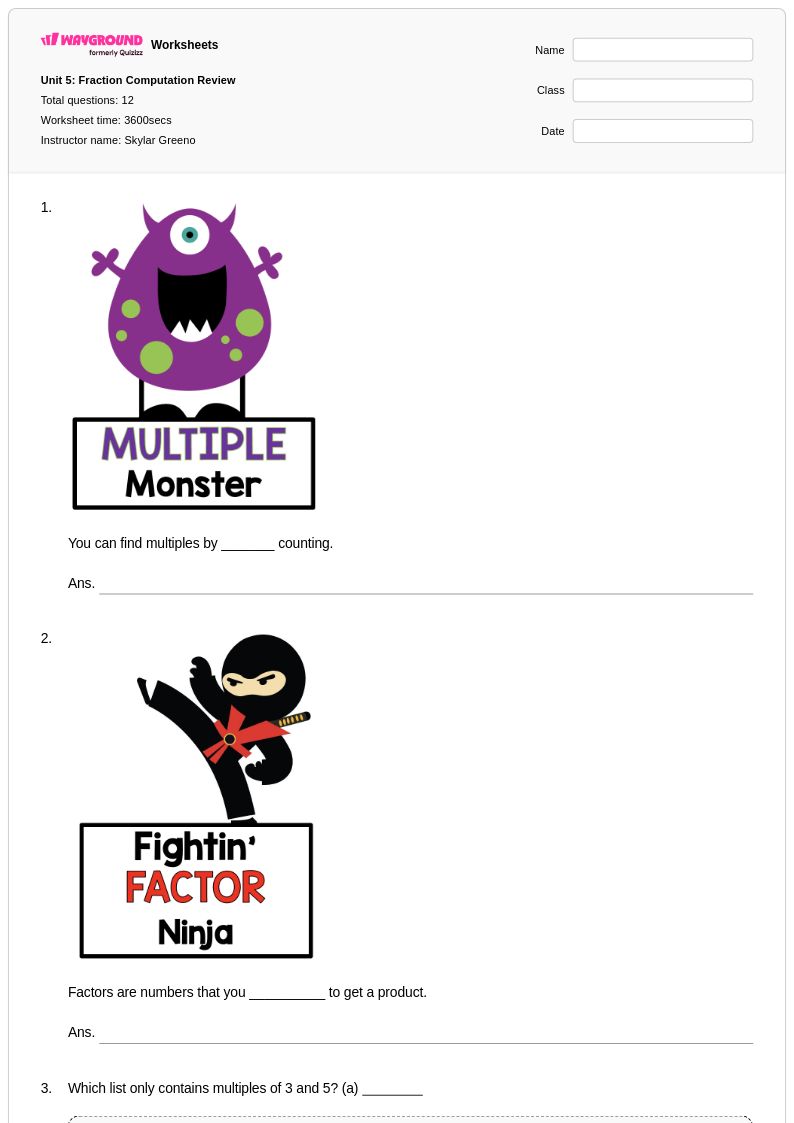
12 Q
4th
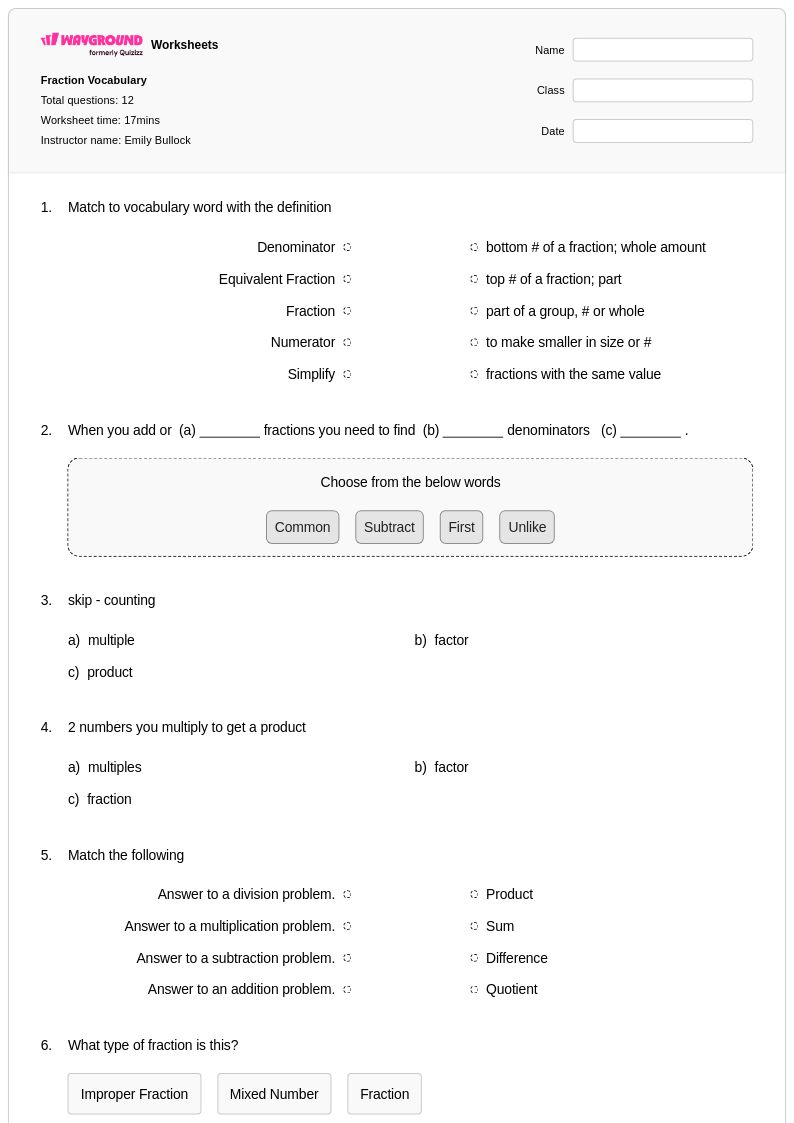
12 Q
6th
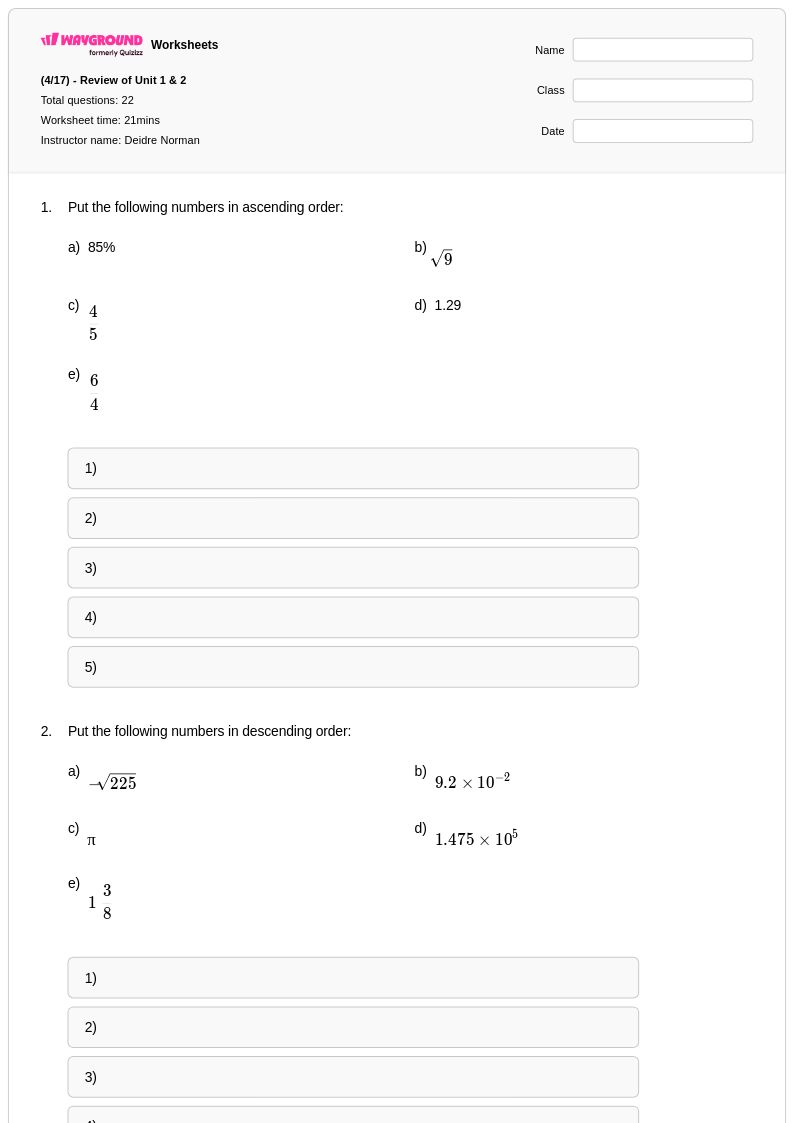
22 Q
8th
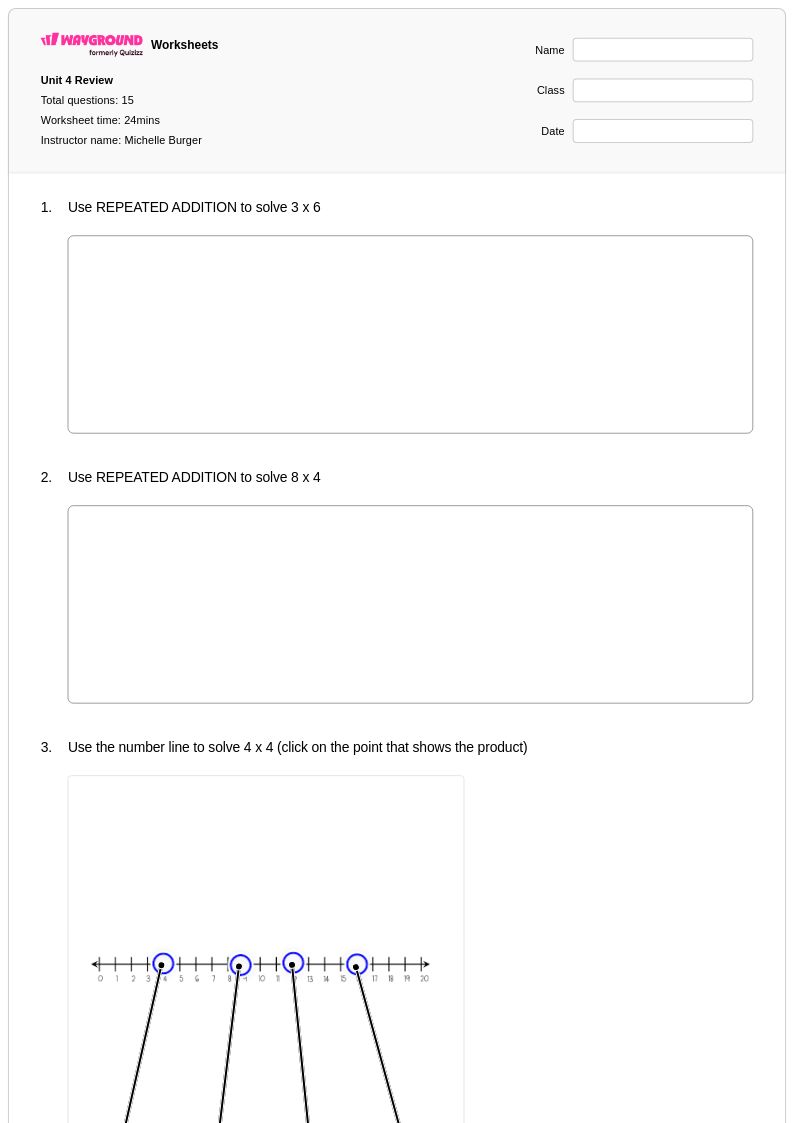
15 Q
3rd
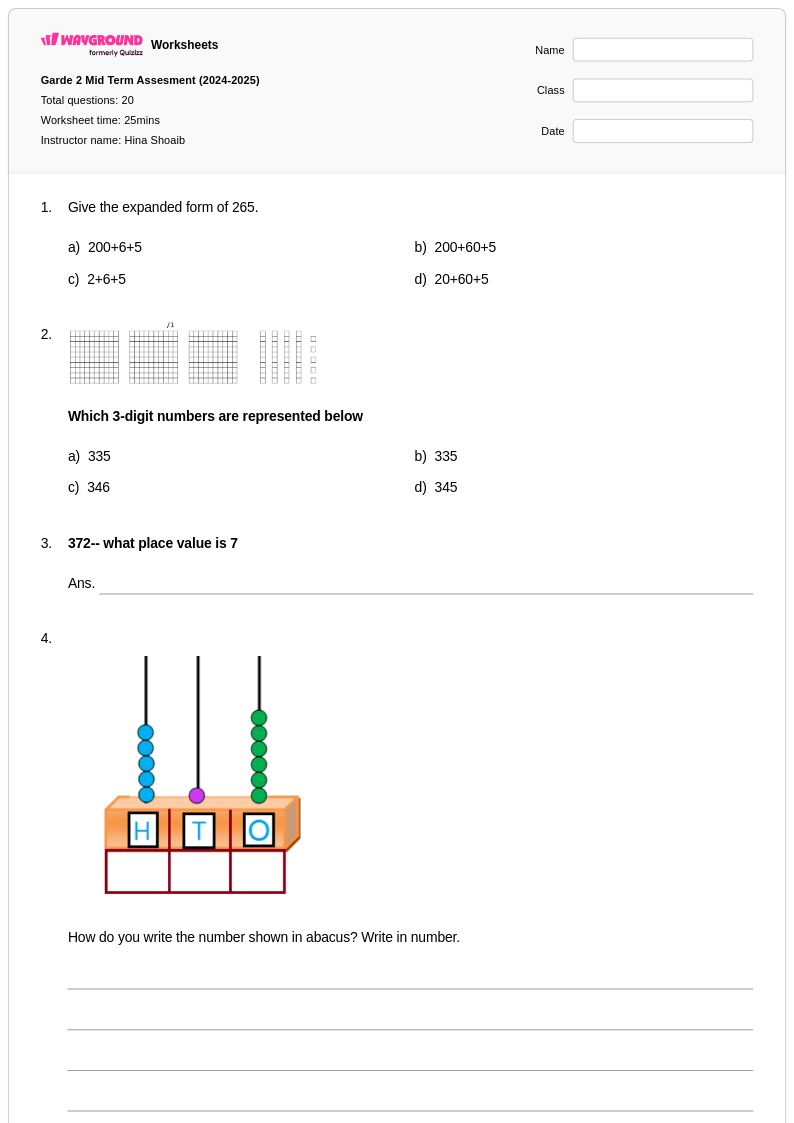
20 Q
2nd
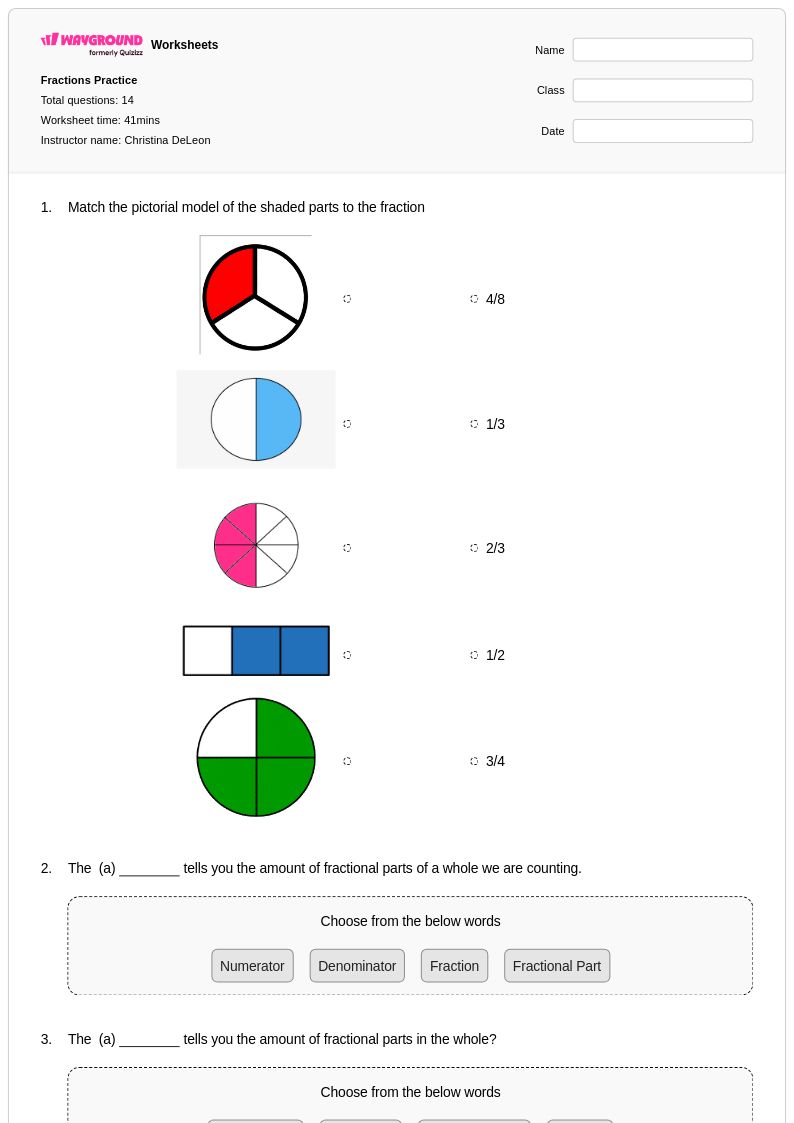
14 Q
3rd
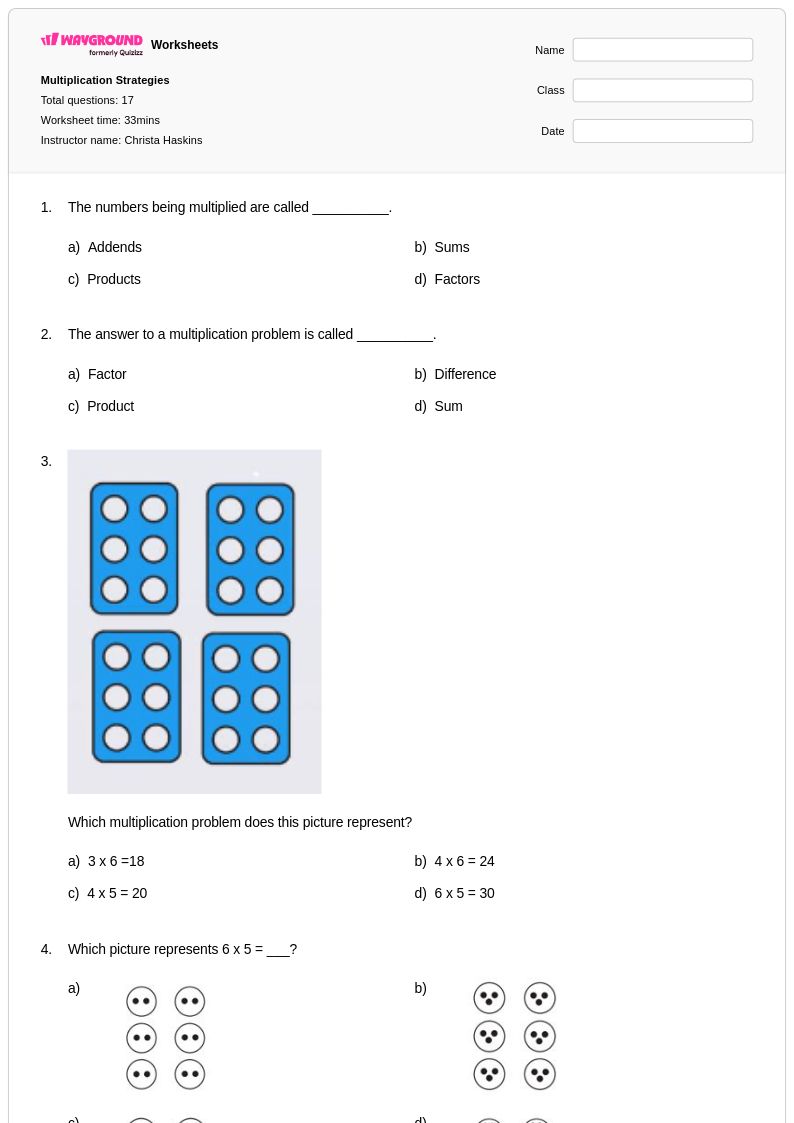
17 Q
3rd
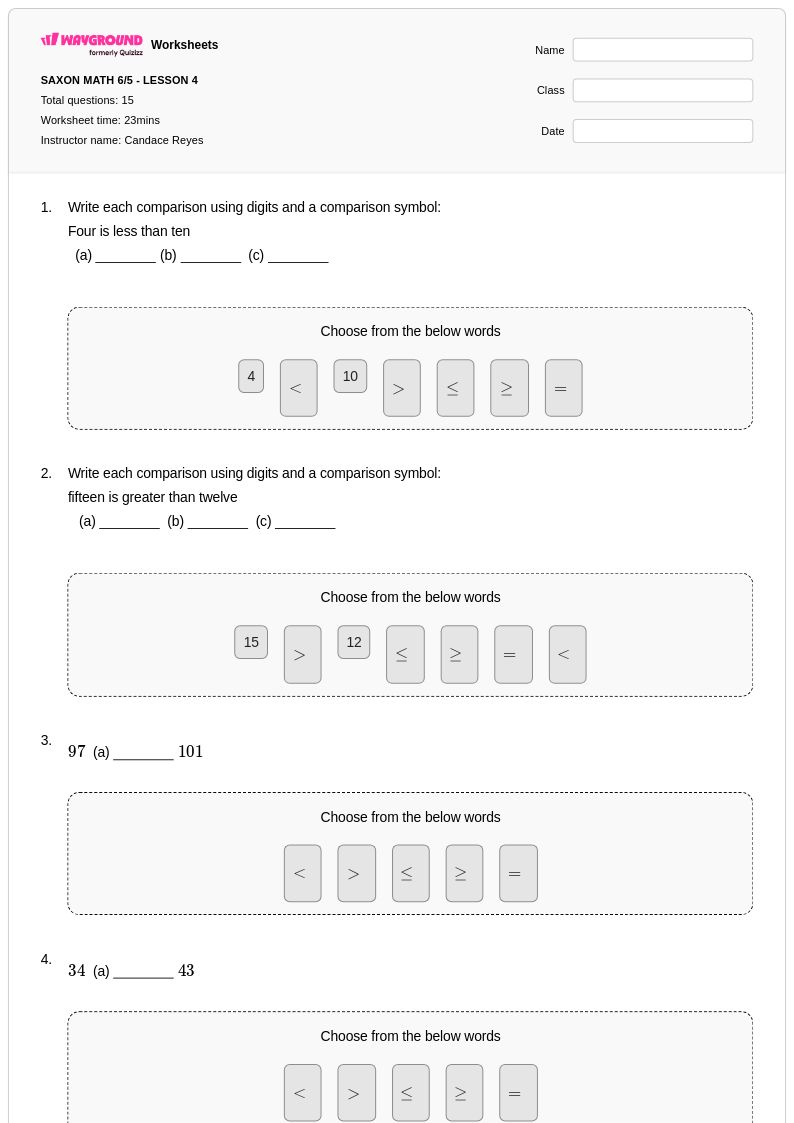
15 Q
5th
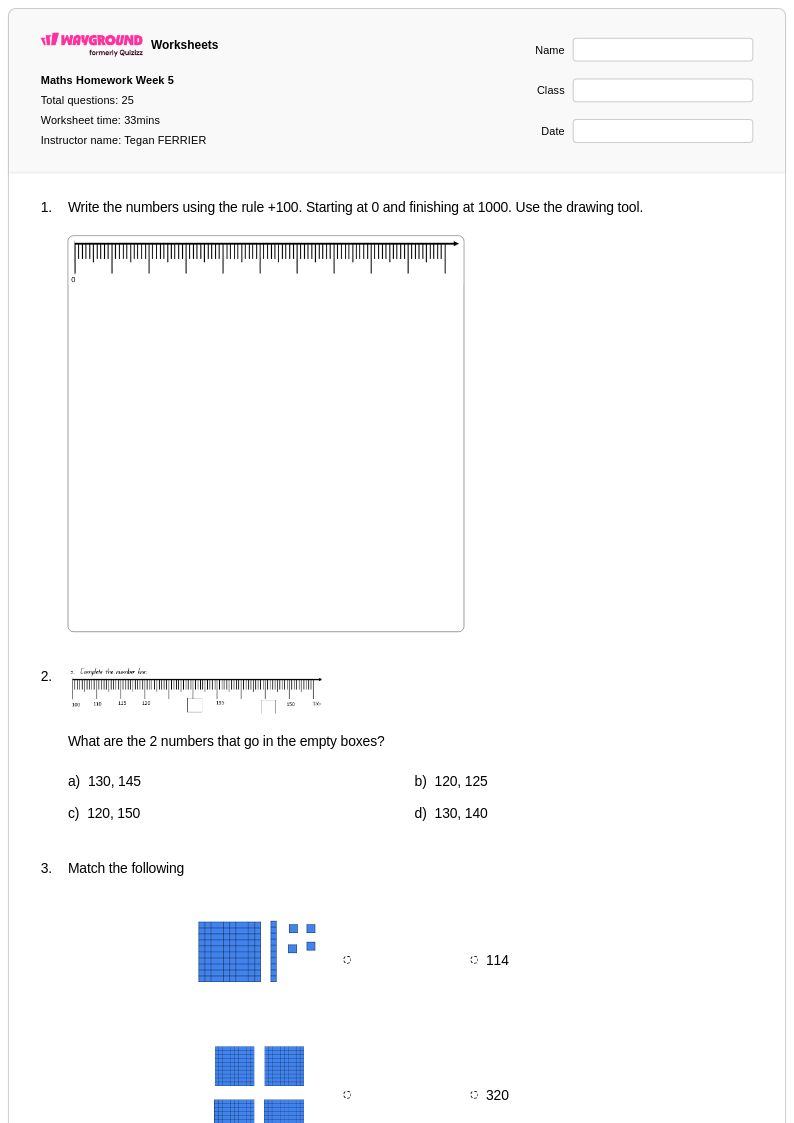
25 Q
2nd
Explore Worksheets by Grade
Explore Worksheets by Subjects
Explore printable Counting to 5 worksheets
Counting to 5 worksheets available through Wayground (formerly Quizizz) provide foundational number sense practice that helps young learners develop essential early mathematical skills. These carefully designed resources strengthen children's ability to recognize, sequence, and work with numbers one through five through engaging activities that include counting objects, identifying numerals, and understanding quantity relationships. Each worksheet collection includes comprehensive answer keys and is available as free printables in convenient pdf format, making it easy for educators to implement systematic counting practice that builds confidence with basic numerals. The practice problems progress logically from simple object counting to more complex tasks like number recognition and basic sequencing, ensuring students develop a solid understanding of these critical early numbers.
Wayground (formerly Quizizz) supports teachers with an extensive collection of counting to 5 worksheets created by millions of educators worldwide, offering robust search and filtering capabilities that make finding age-appropriate materials effortless. The platform's alignment with early learning standards ensures that worksheet selections meet curriculum requirements, while built-in differentiation tools allow teachers to customize activities for varying skill levels within their classrooms. These resources are available in both printable and digital formats, including downloadable pdf versions, giving educators the flexibility to use materials for whole-group instruction, individual practice, or homework assignments. Teachers can leverage these comprehensive worksheet collections for targeted skill practice, remediation support for struggling learners, and enrichment activities that challenge students ready to advance beyond basic counting concepts.
FAQs
How do I teach children to count to 5?
What exercises help children practice counting to 5?
What mistakes do children commonly make when counting to 5?
How can I use Wayground counting to 5 worksheets?
How does counting to 5 fit into the Common Core math progression?
How can I differentiate counting to 5 practice for mixed-ability learners?