
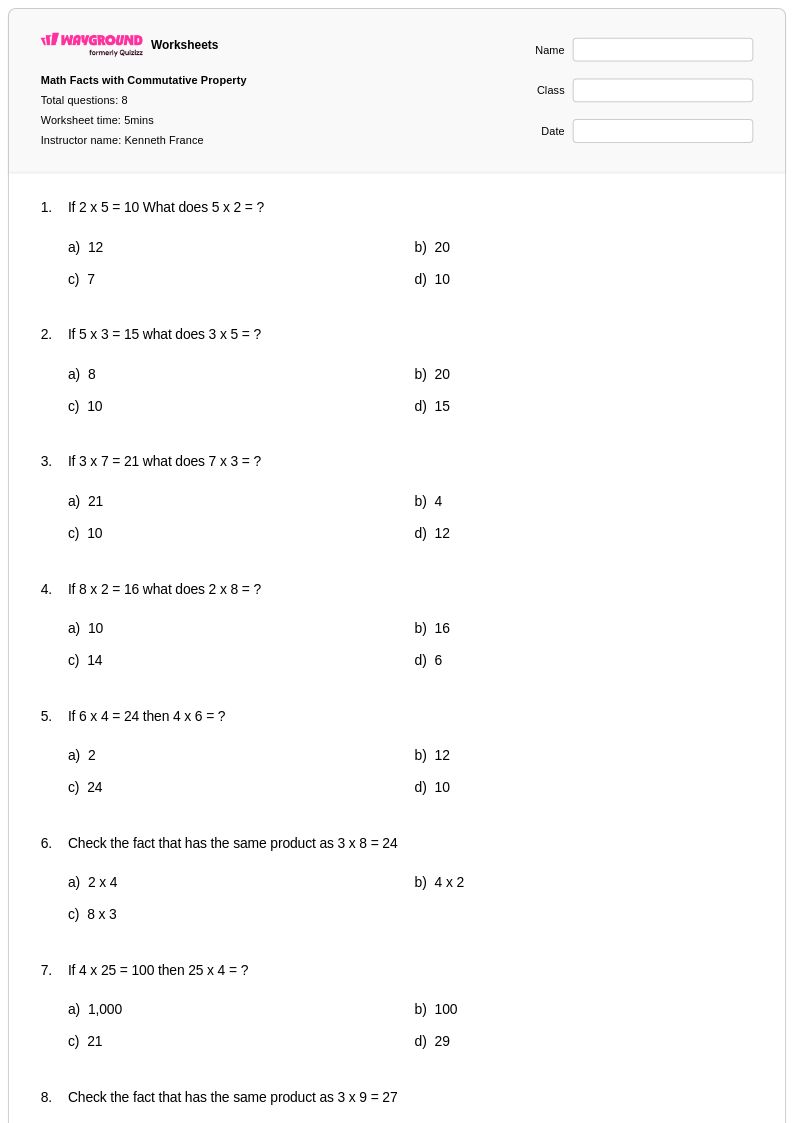
8 Q
5th
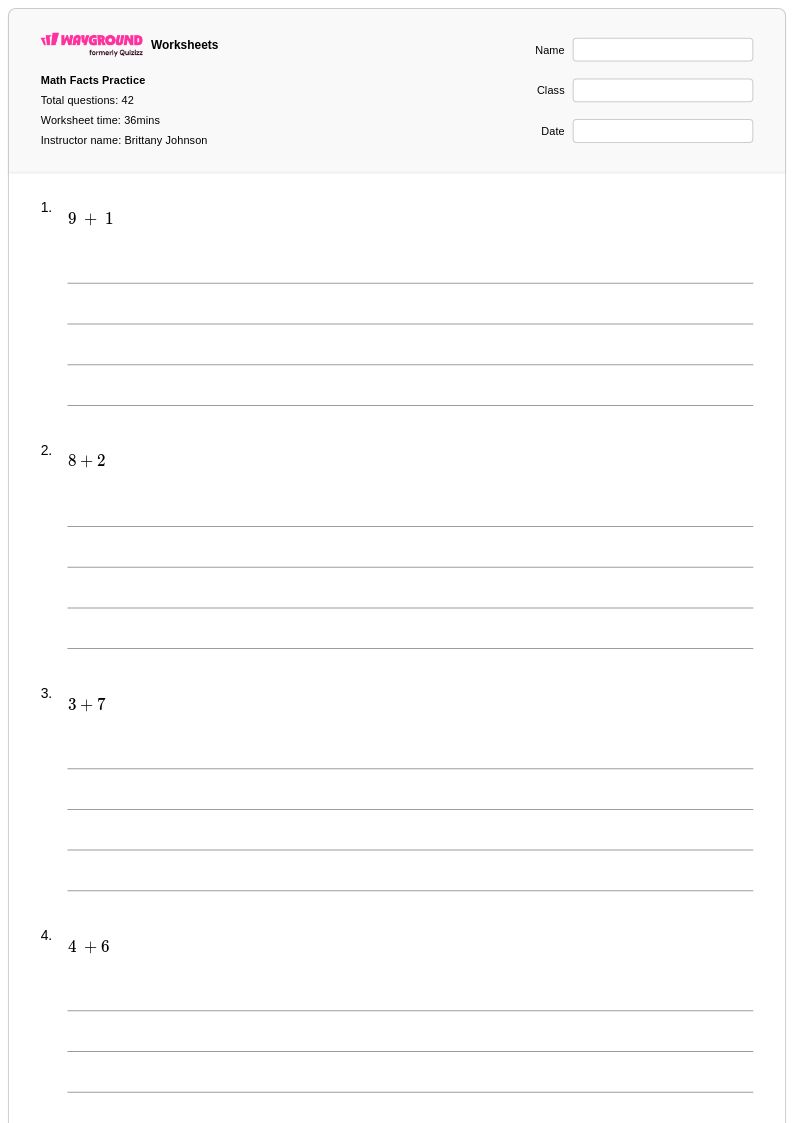
42 Q
2nd
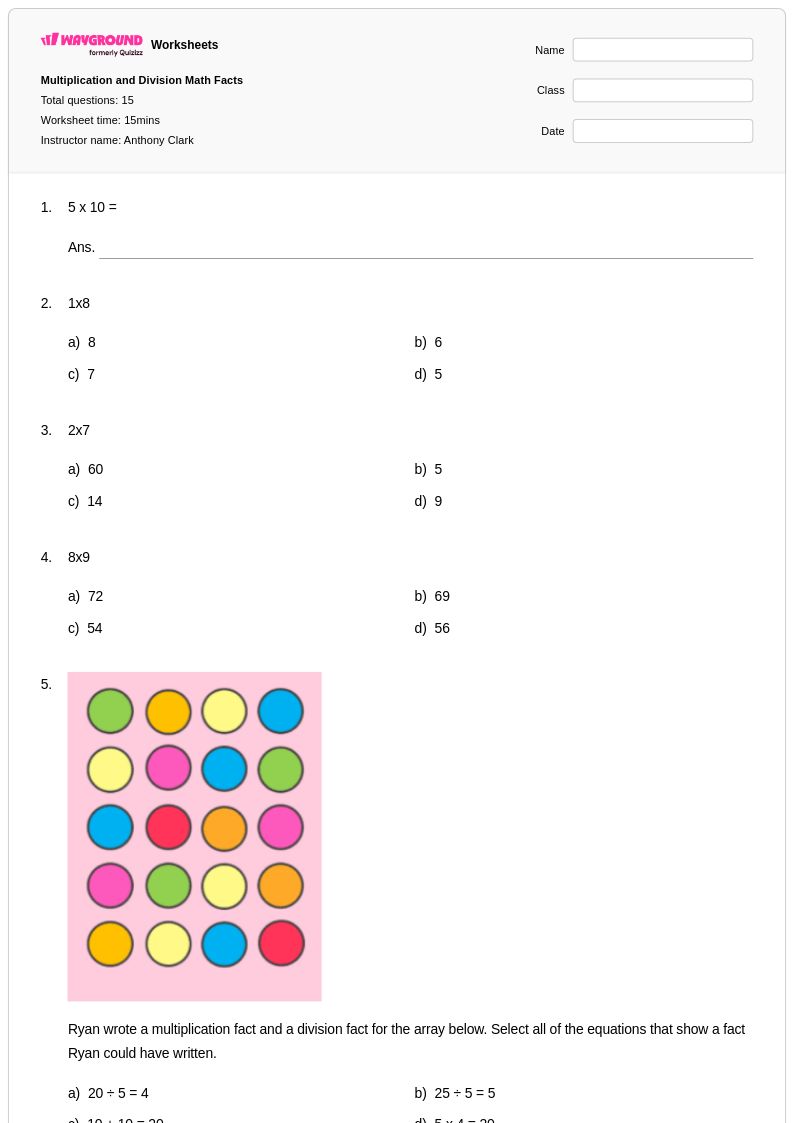
15 Q
3rd - Uni
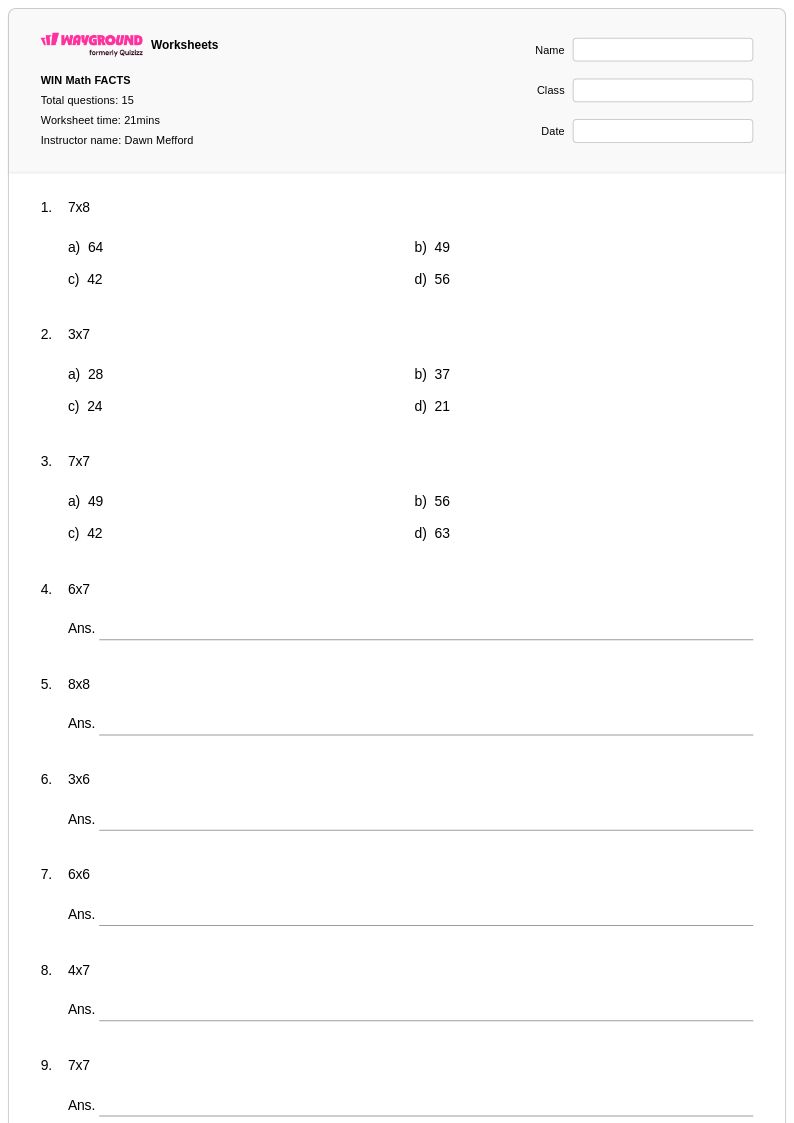
15 Q
5th
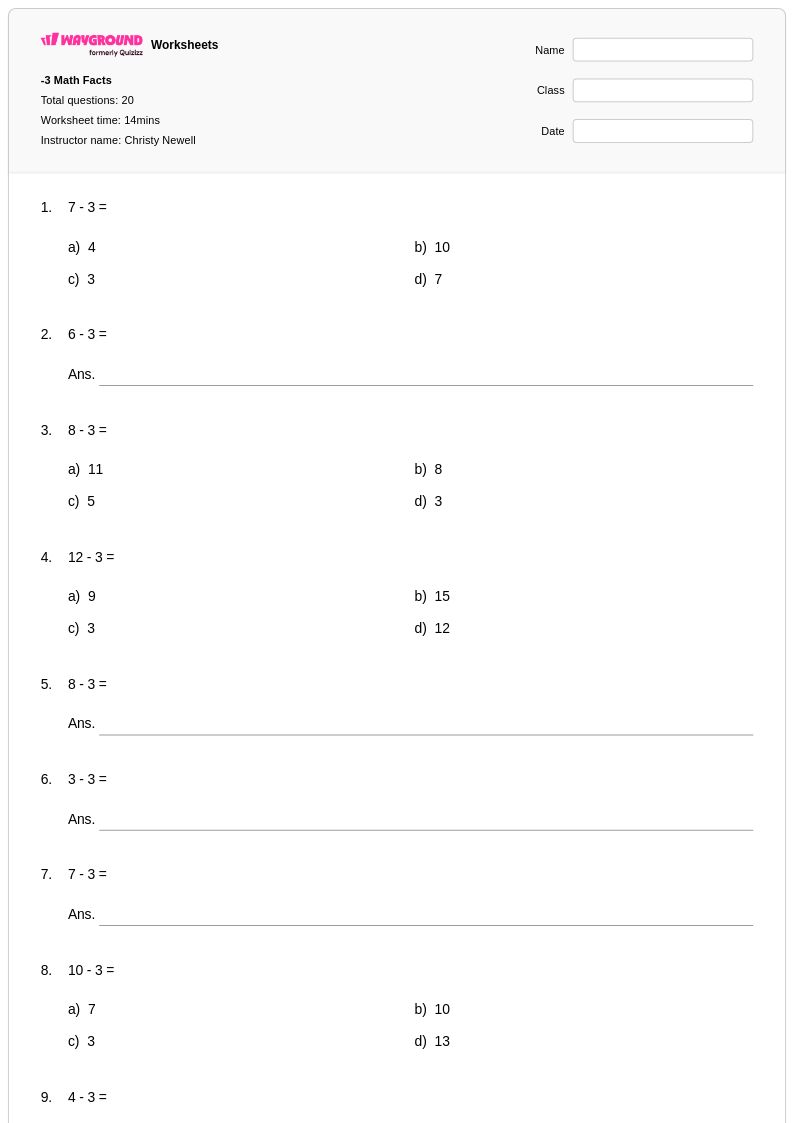
20 Q
1st
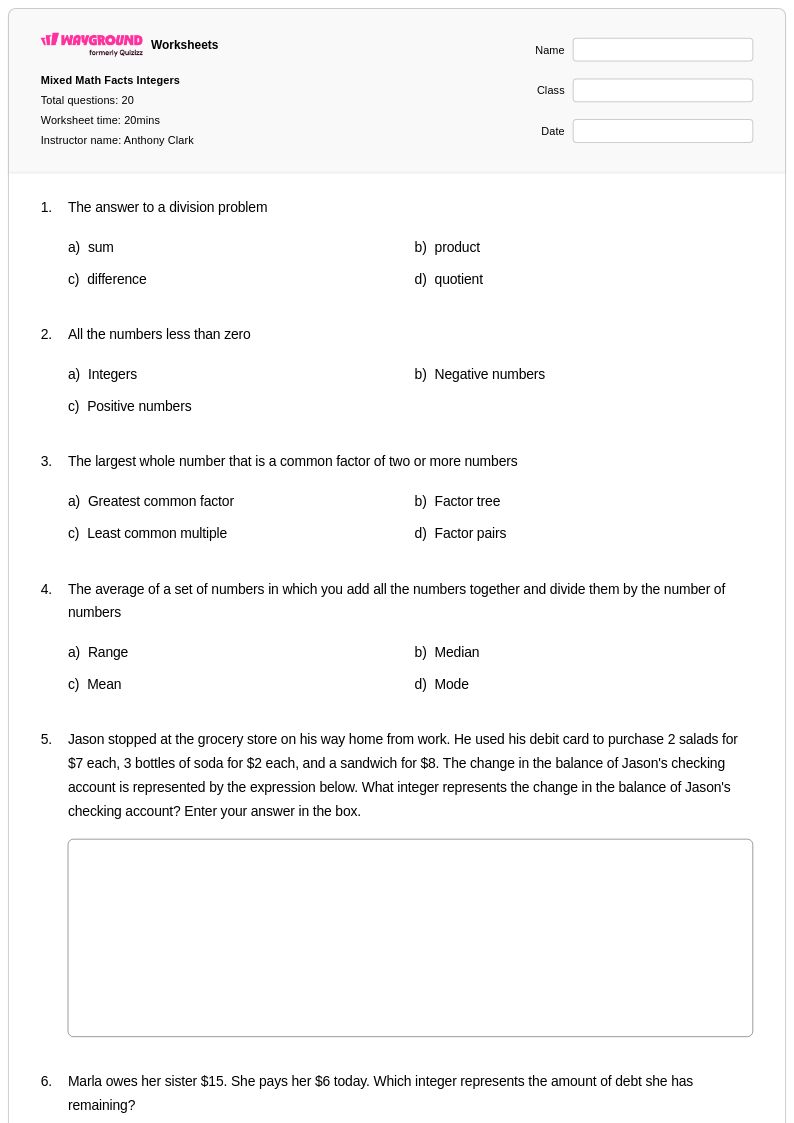
20 Q
4th - Uni
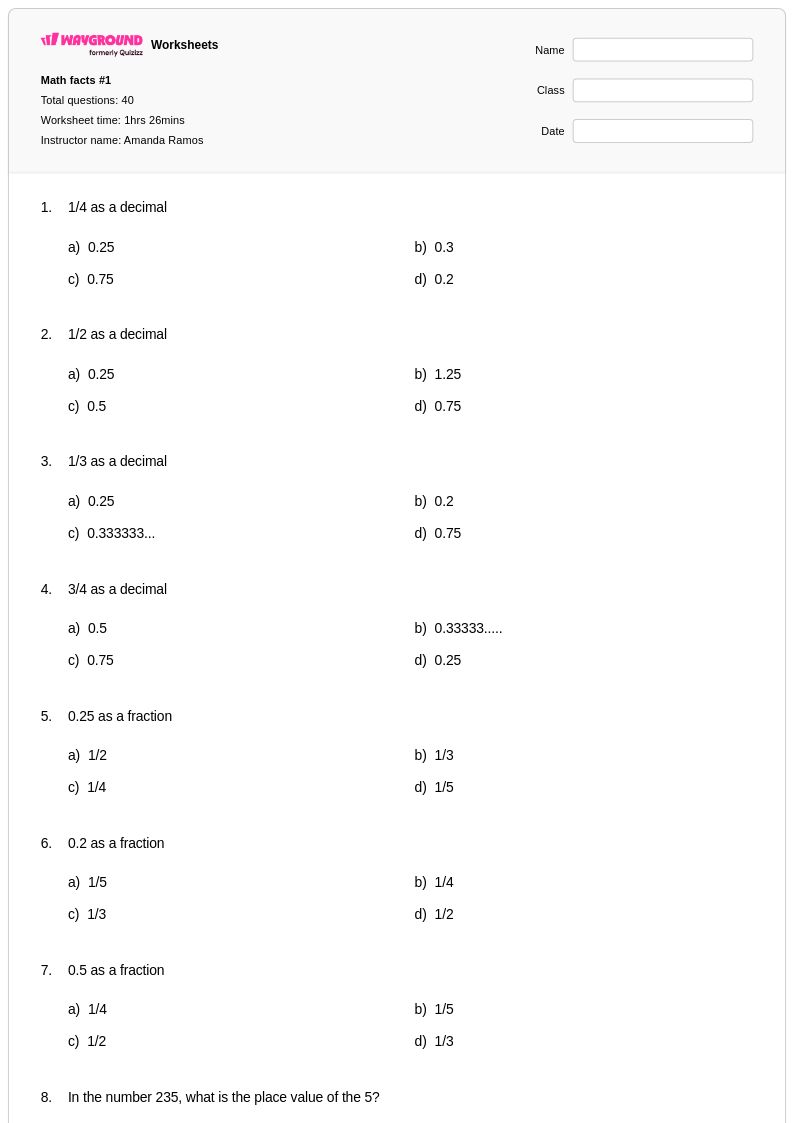
40 Q
8th
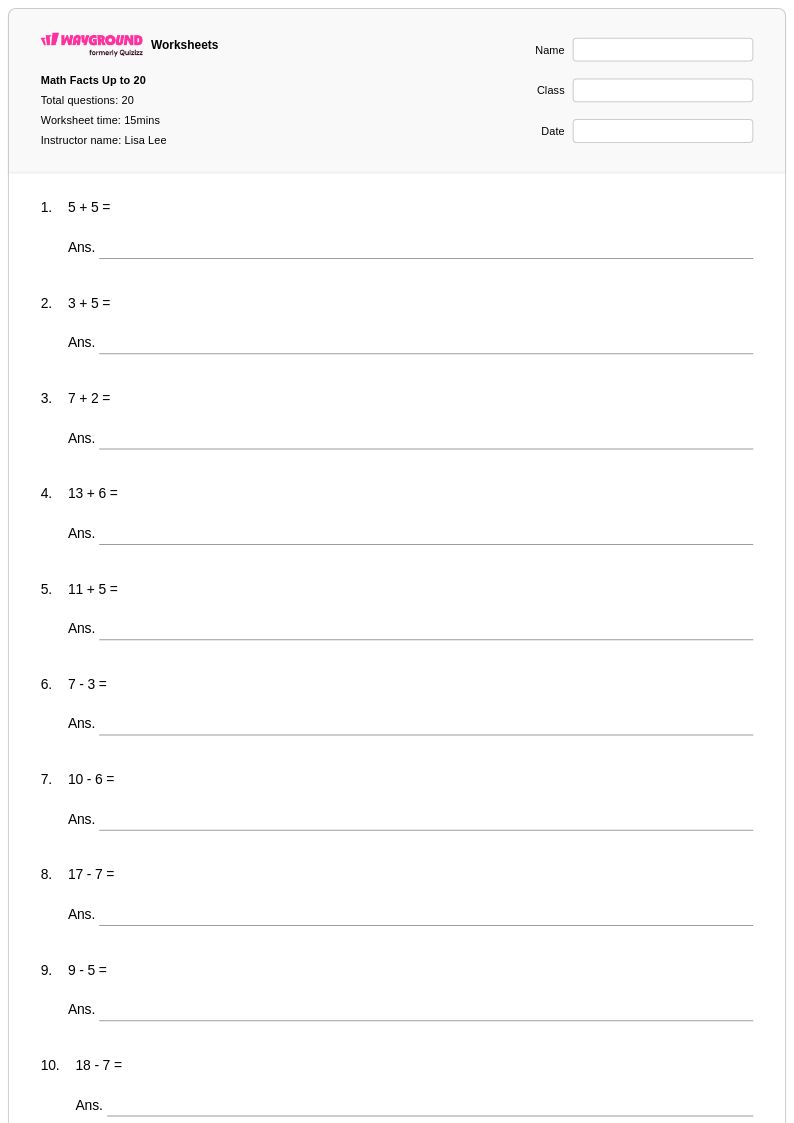
20 Q
1st
32 Q
8th
10 Q
4th
25 Q
3rd
138 Q
1st
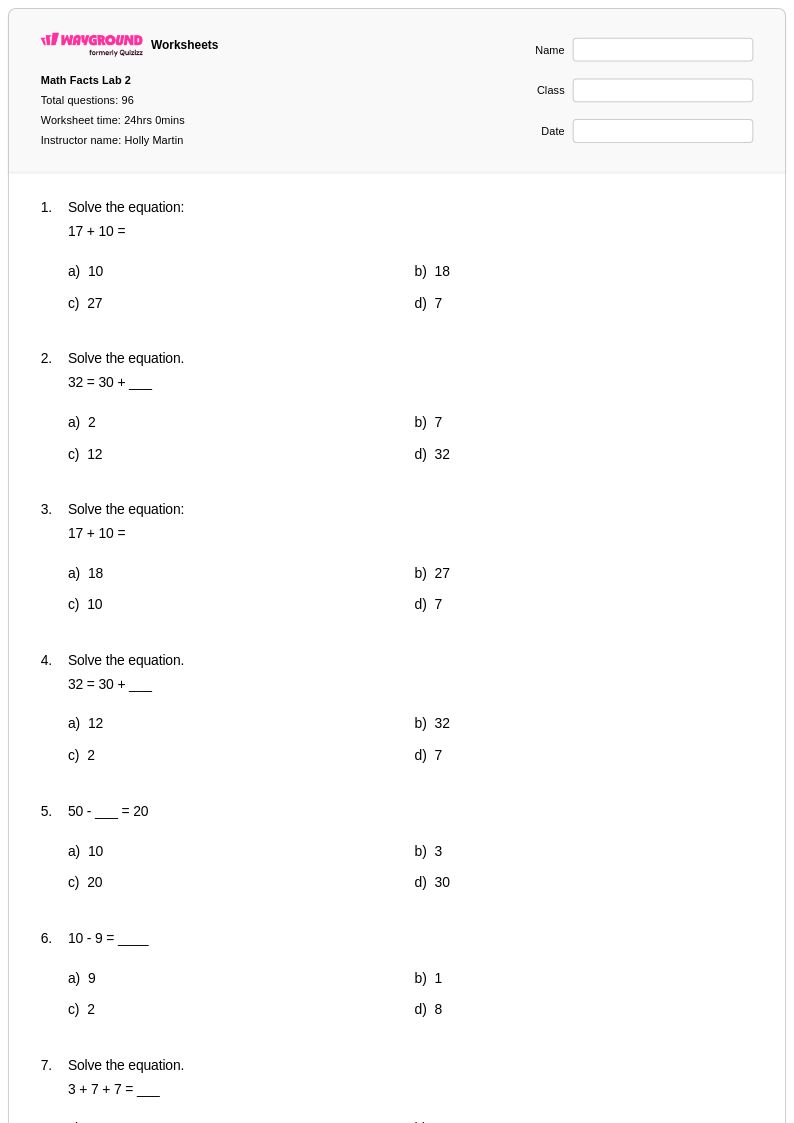
96 Q
2nd
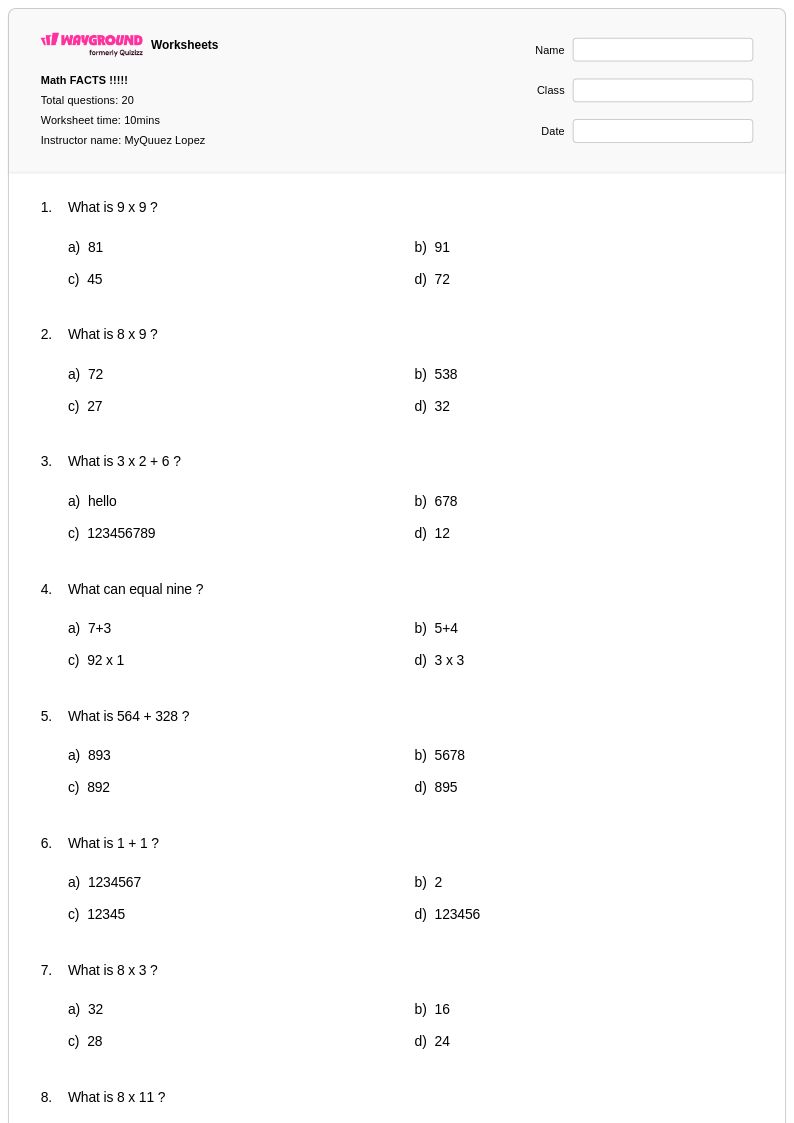
20 Q
3rd - 5th
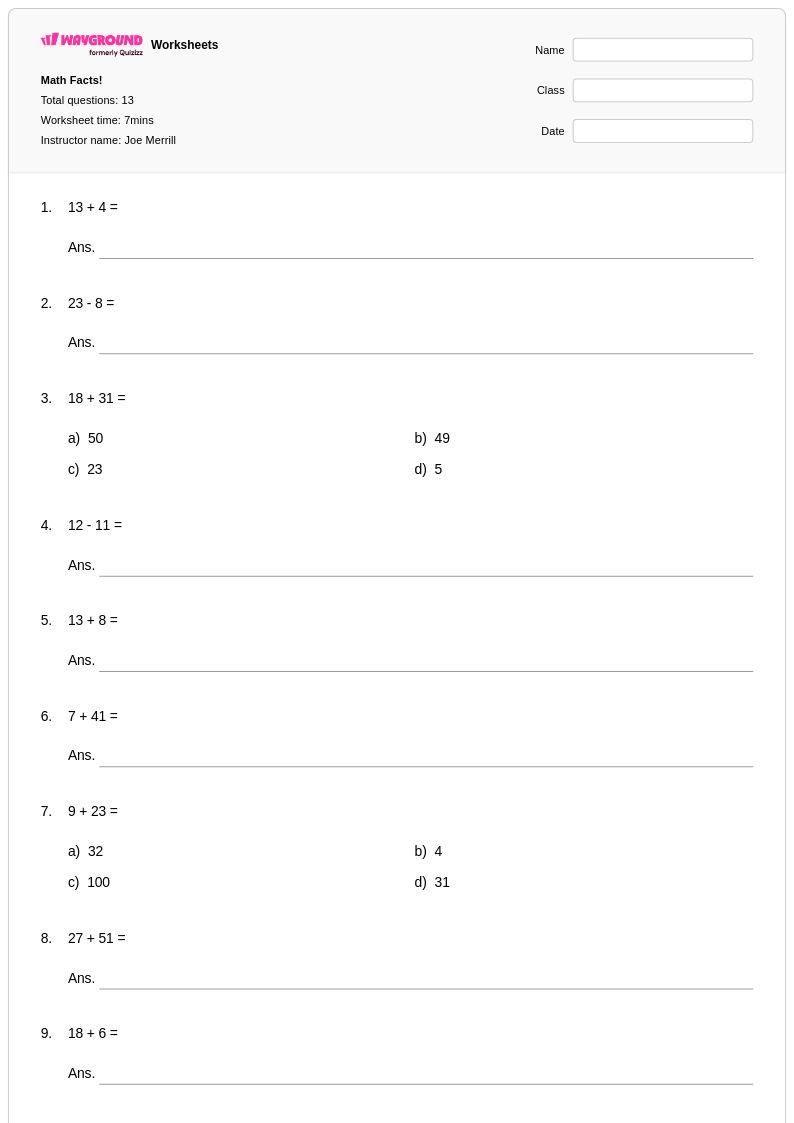
13 Q
9th - 12th
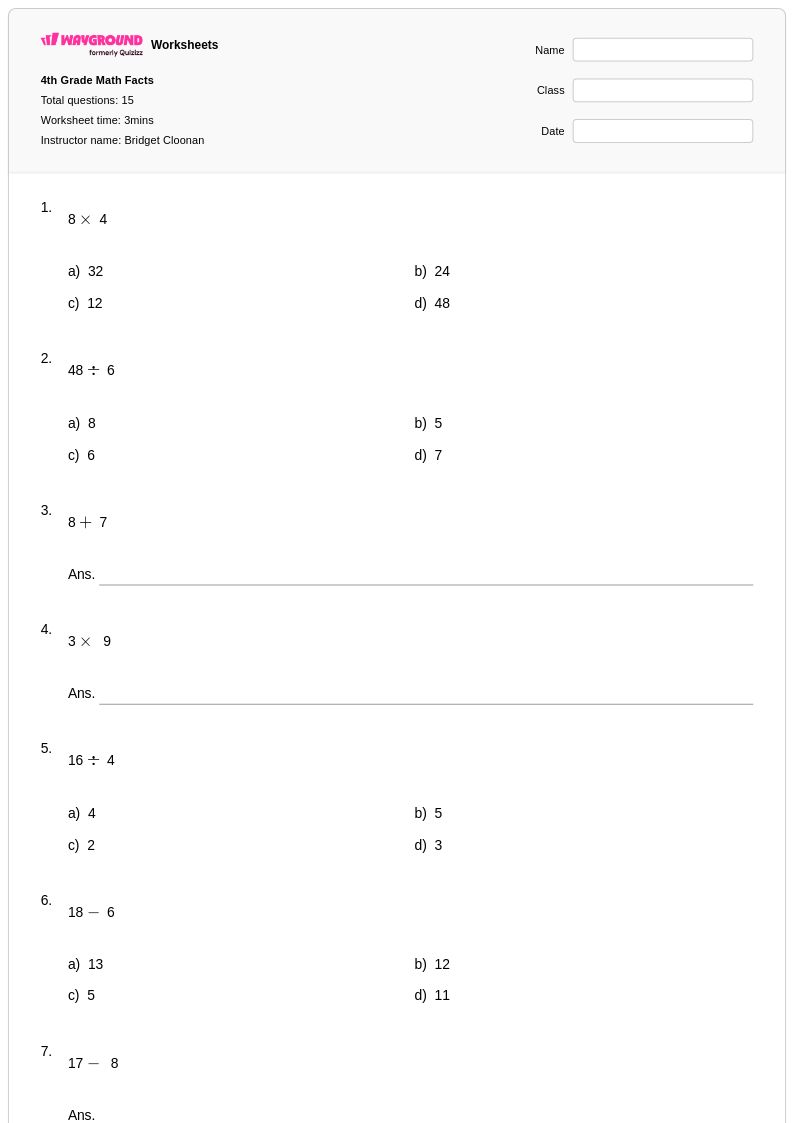
15 Q
3rd - 5th
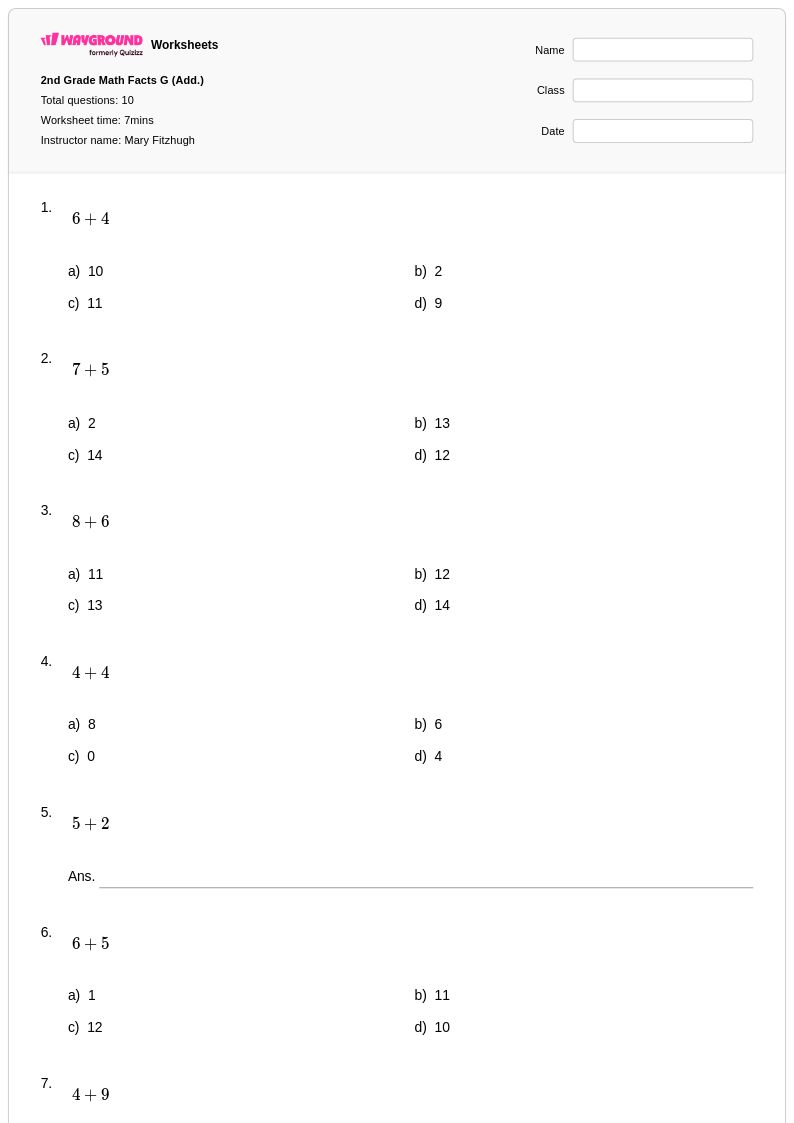
10 Q
2nd
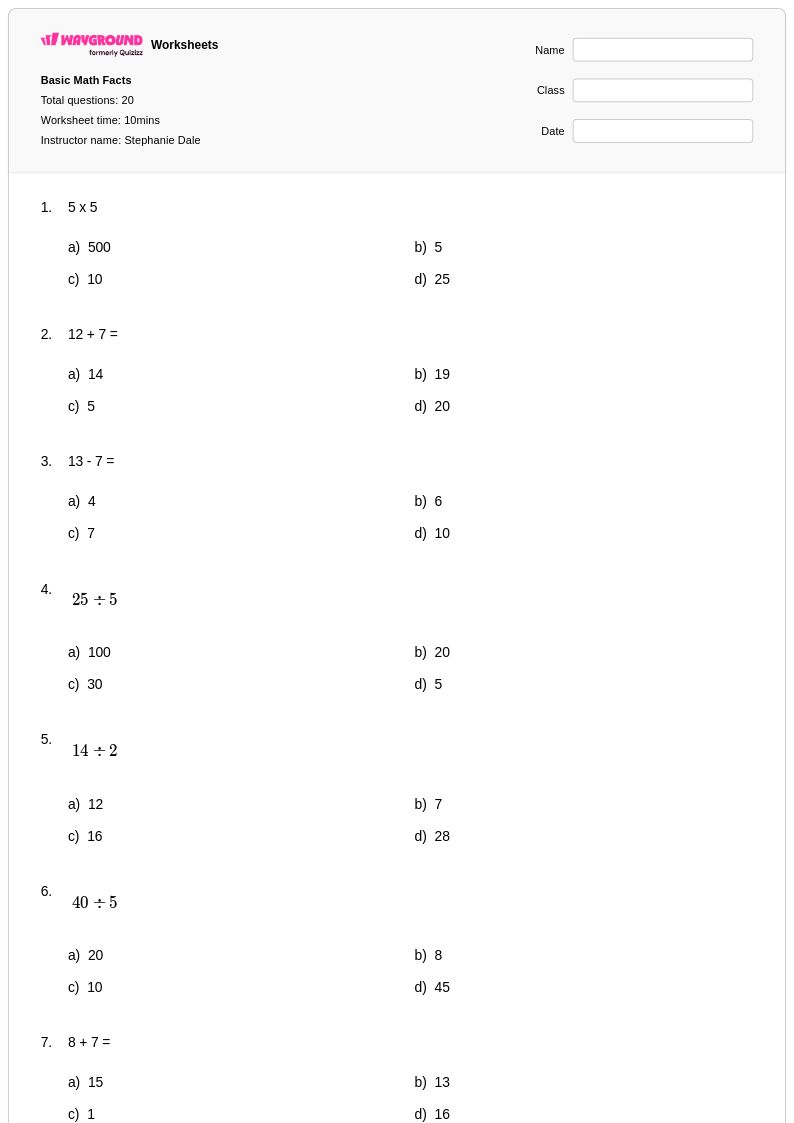
20 Q
3rd
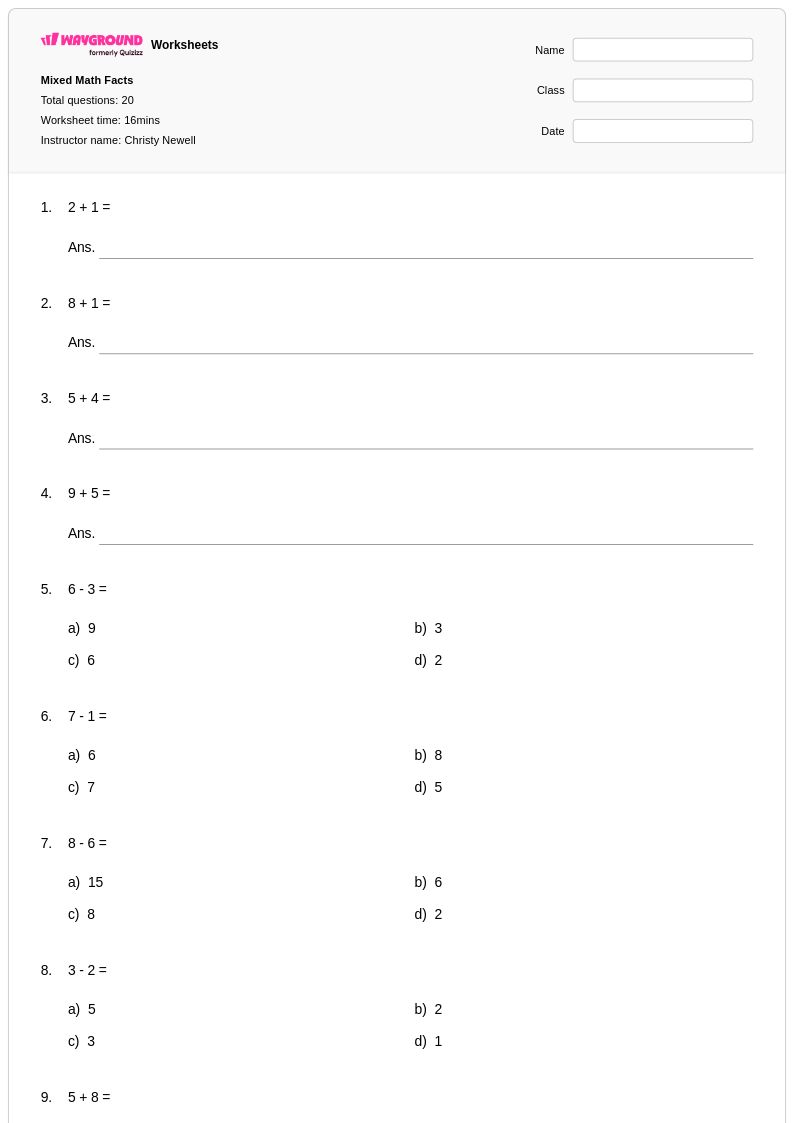
20 Q
1st
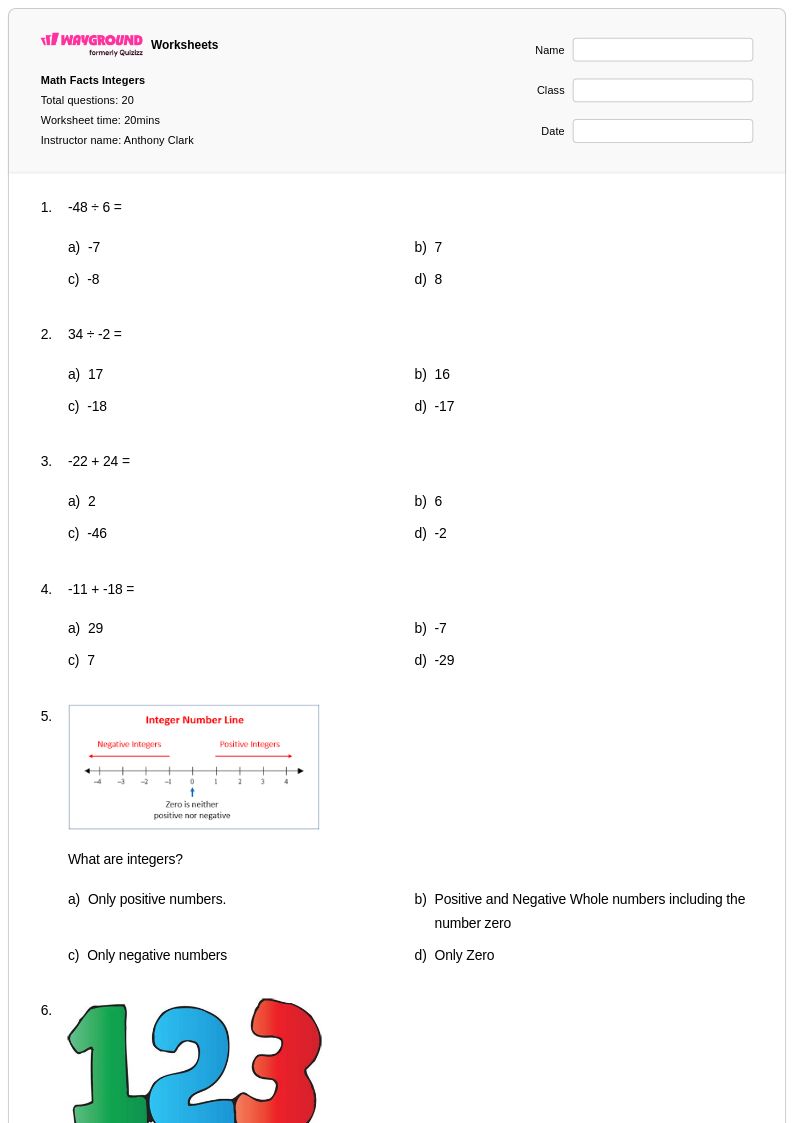
20 Q
6th - Uni
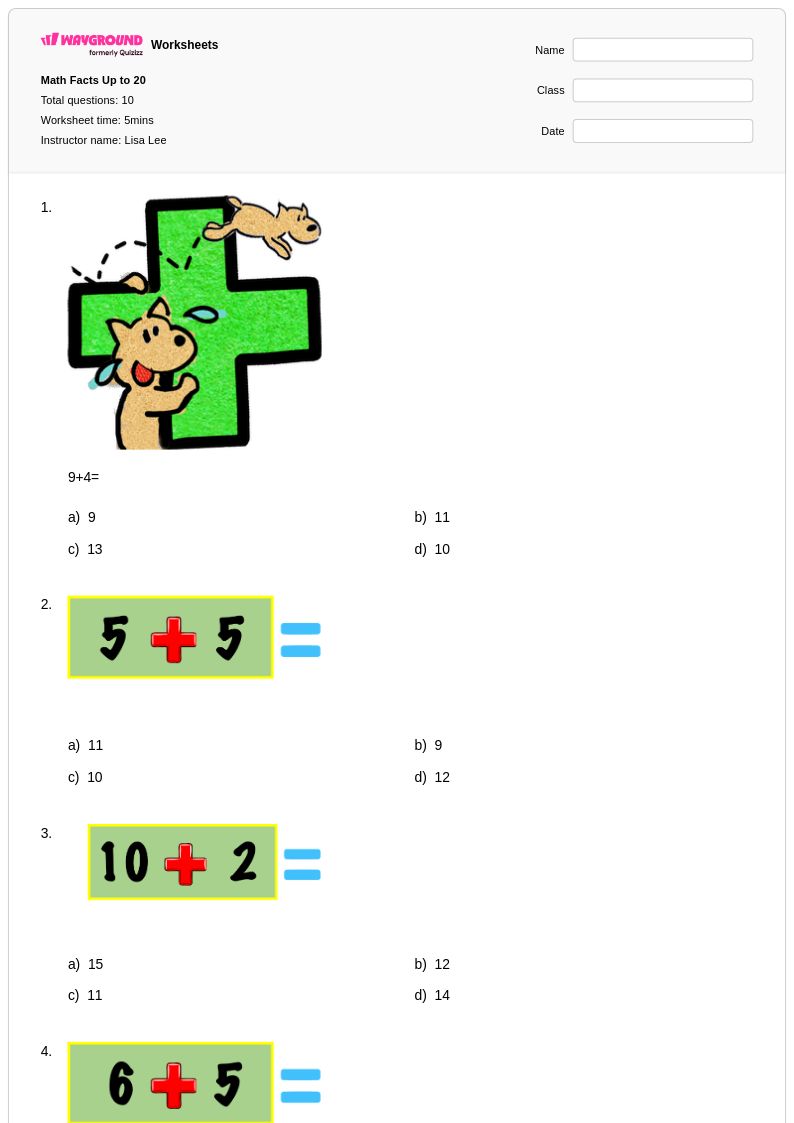
10 Q
2nd
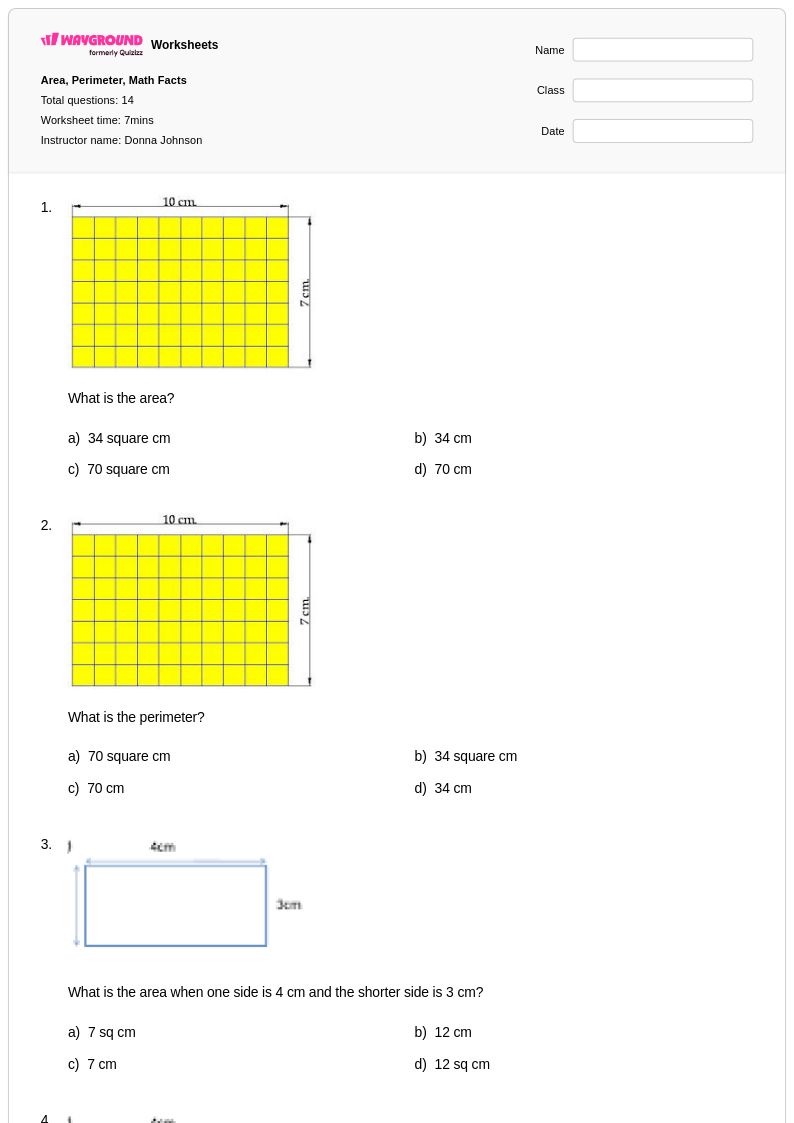
14 Q
3rd
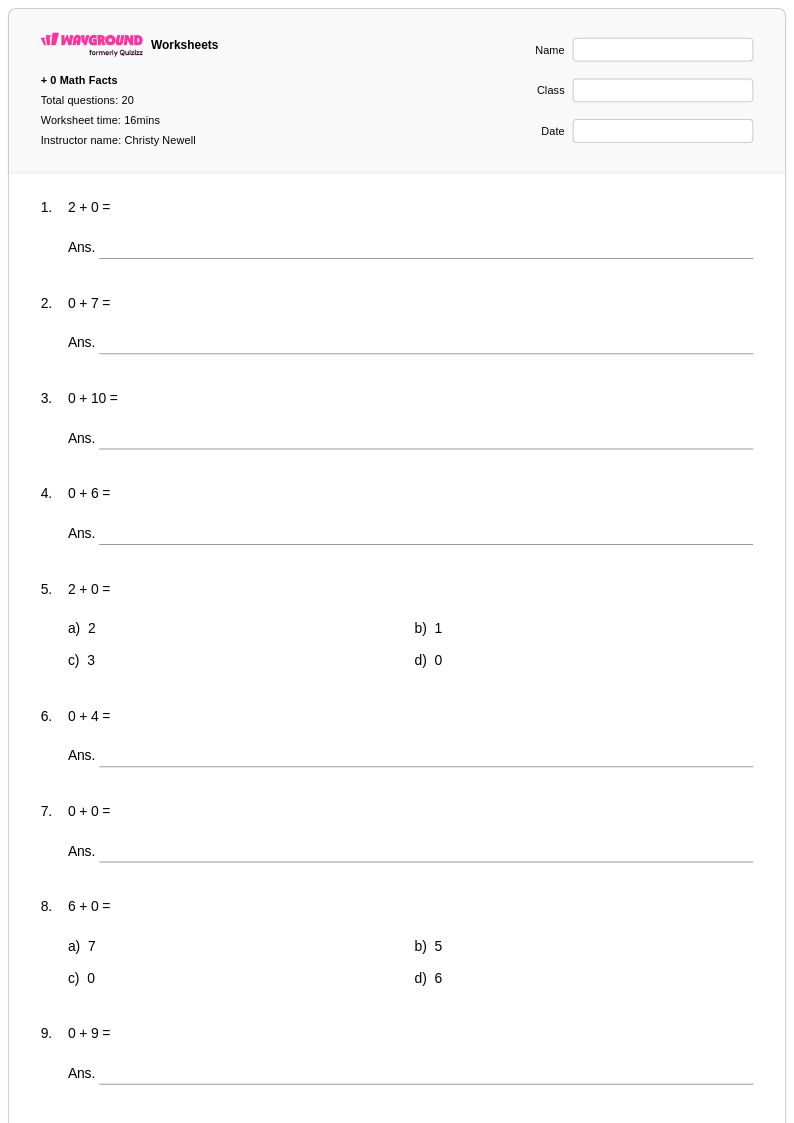
20 Q
1st
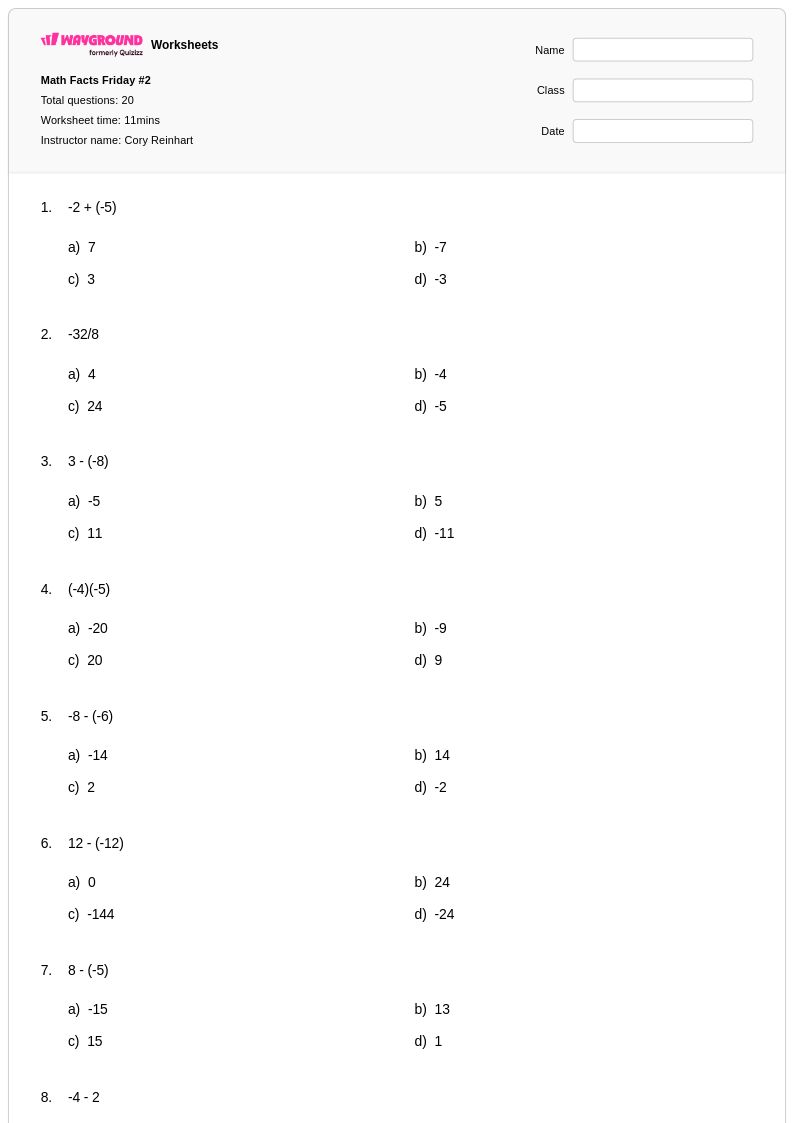
20 Q
7th
Explore Worksheets by Subjects
Explore printable Math Facts worksheets
Math facts worksheets available through Wayground (formerly Quizizz) provide essential practice for developing automatic recall of basic arithmetic operations including addition, subtraction, multiplication, and division. These carefully designed worksheets strengthen foundational computational fluency by offering systematic practice with number combinations that students must master for mathematical success. Each worksheet includes comprehensive answer keys and is available as free printables in convenient pdf format, making them accessible for both classroom instruction and independent study. The practice problems are structured to build speed and accuracy while reinforcing critical number relationships that serve as building blocks for more advanced mathematical concepts.
Wayground (formerly Quizizz) empowers educators with millions of teacher-created math facts resources that feature robust search and filtering capabilities, enabling quick identification of materials aligned to specific standards and learning objectives. The platform's differentiation tools allow teachers to customize worksheets based on individual student needs, supporting both remediation for struggling learners and enrichment for advanced students. Available in both printable and digital formats including downloadable pdf versions, these resources seamlessly integrate into diverse instructional settings and learning environments. Teachers can efficiently plan targeted skill practice sessions, monitor student progress through systematic assessment, and provide timely intervention to ensure all students develop the computational fluency essential for mathematical proficiency.
FAQs
How can I teach math facts effectively?
What kind of practice builds math fact fluency?
What are common mistakes students make when learning math facts?
How can I use these math facts worksheets in my classroom?
How do math facts fit into the Common Core standards?
How can I differentiate math facts practice for my students?