
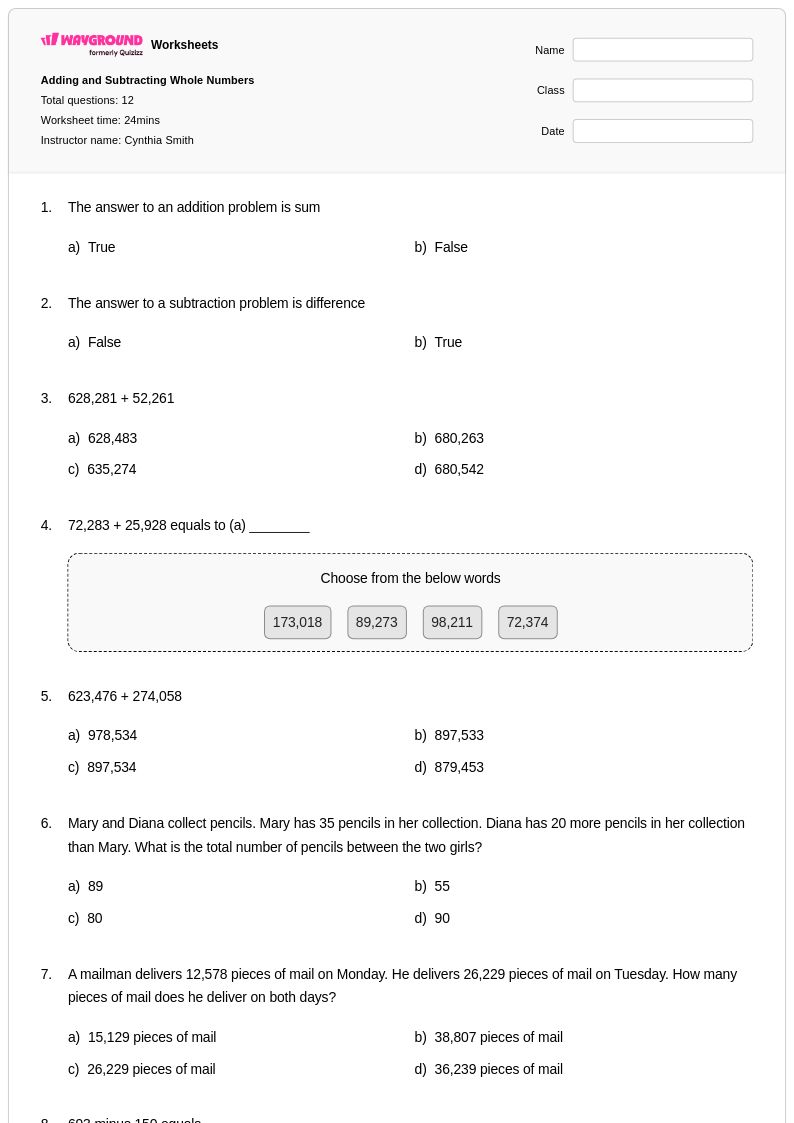
12 Q
5th
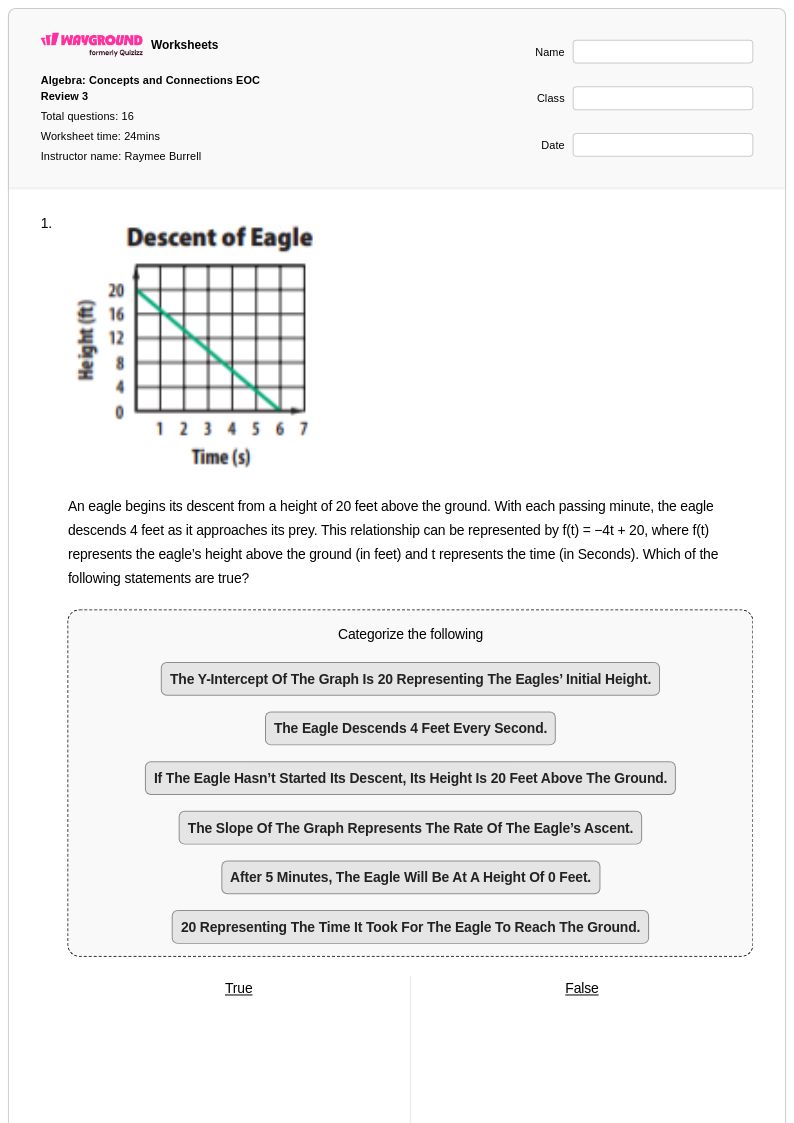
16 Q
9th
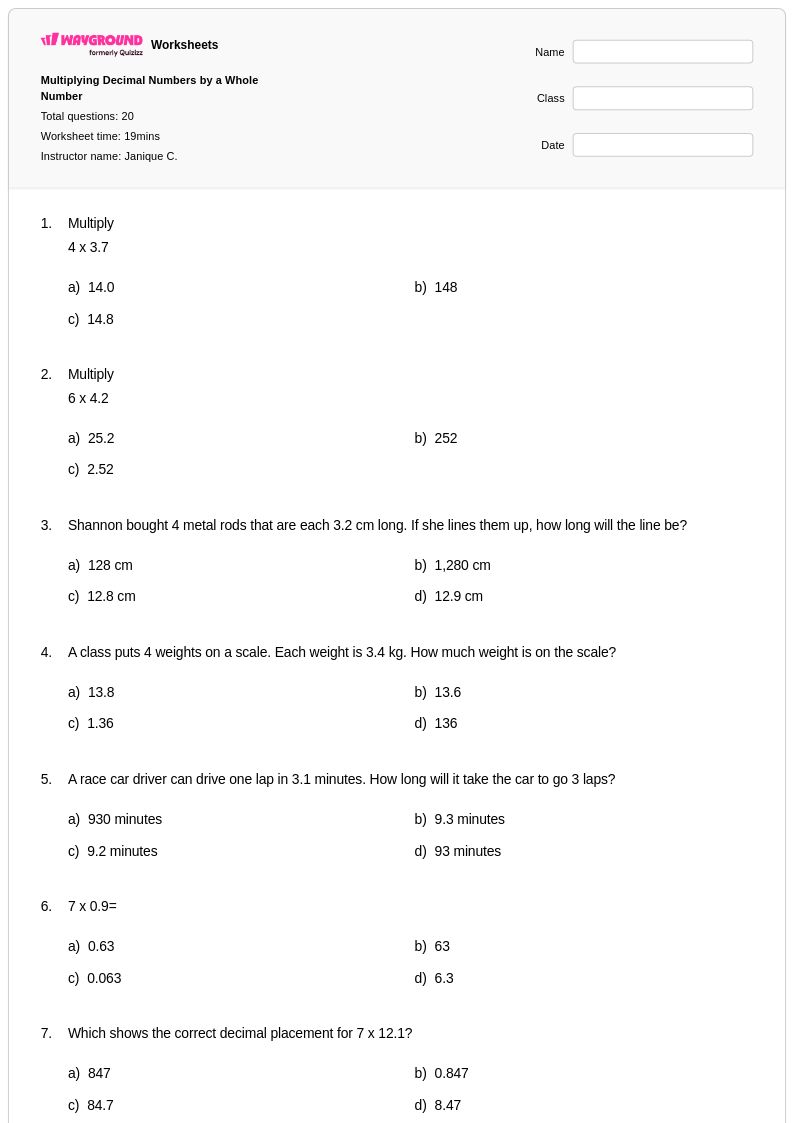
20 Q
6th
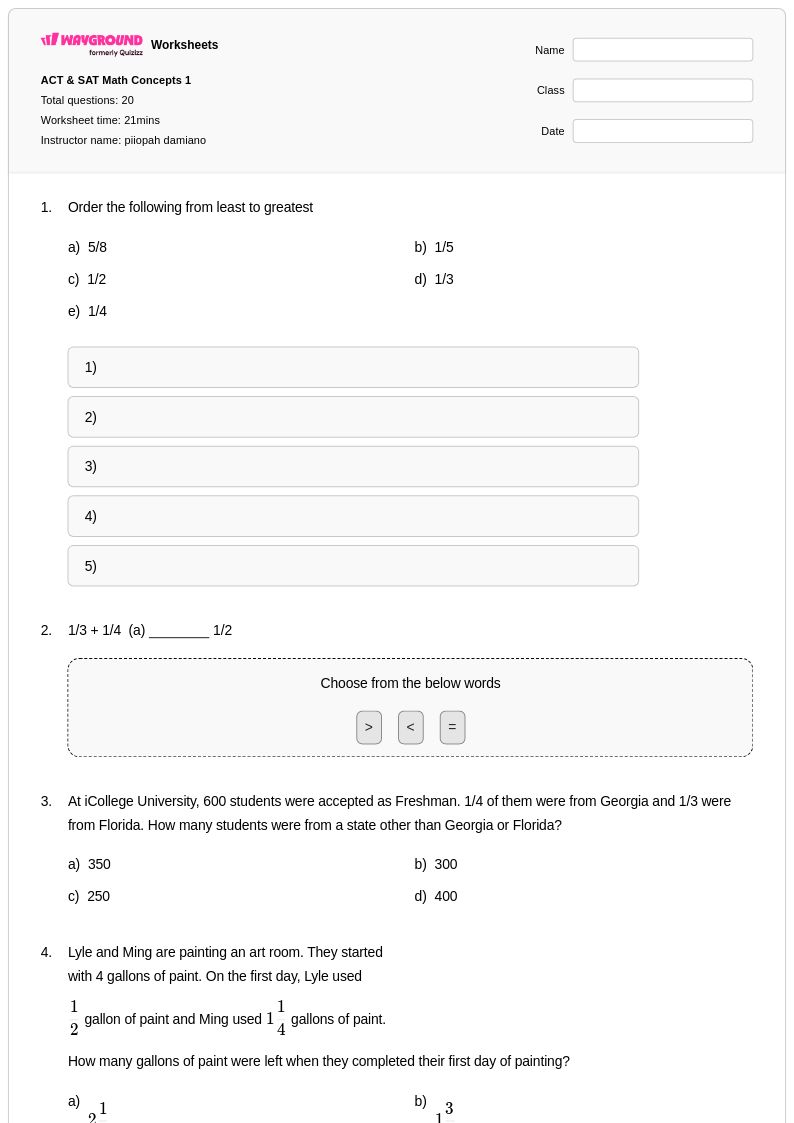
20 Q
11th
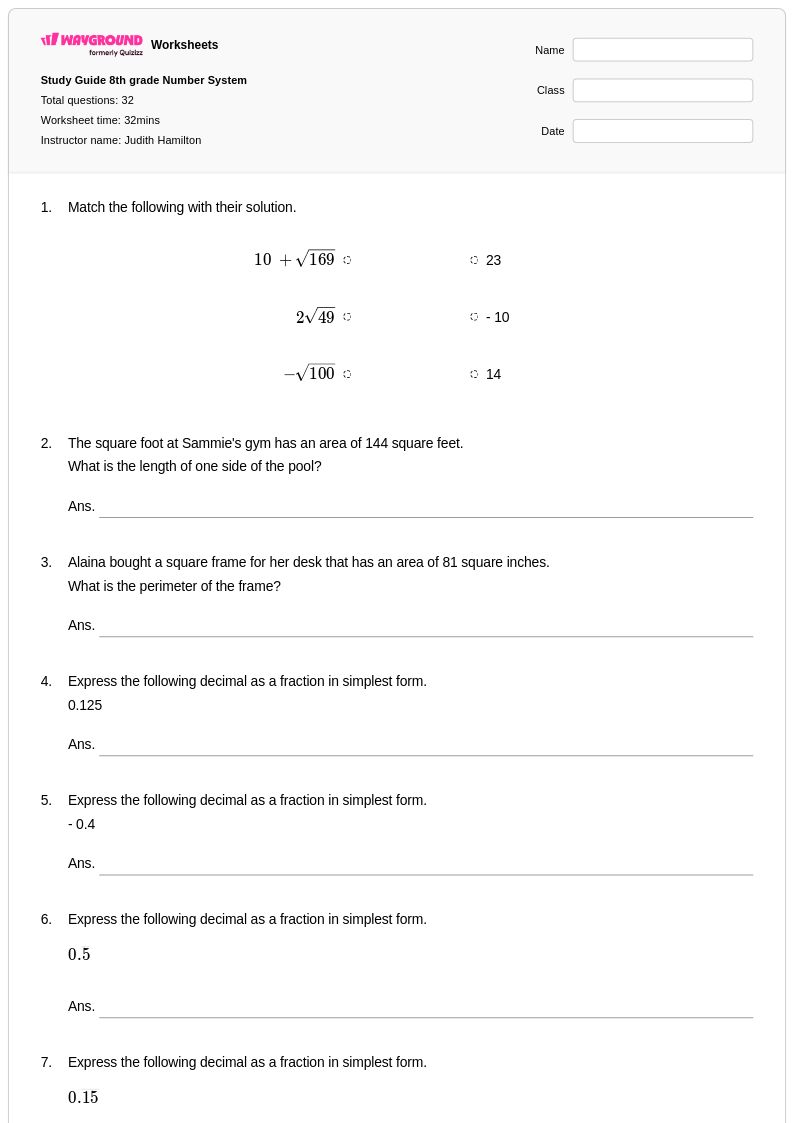
32 Q
8th
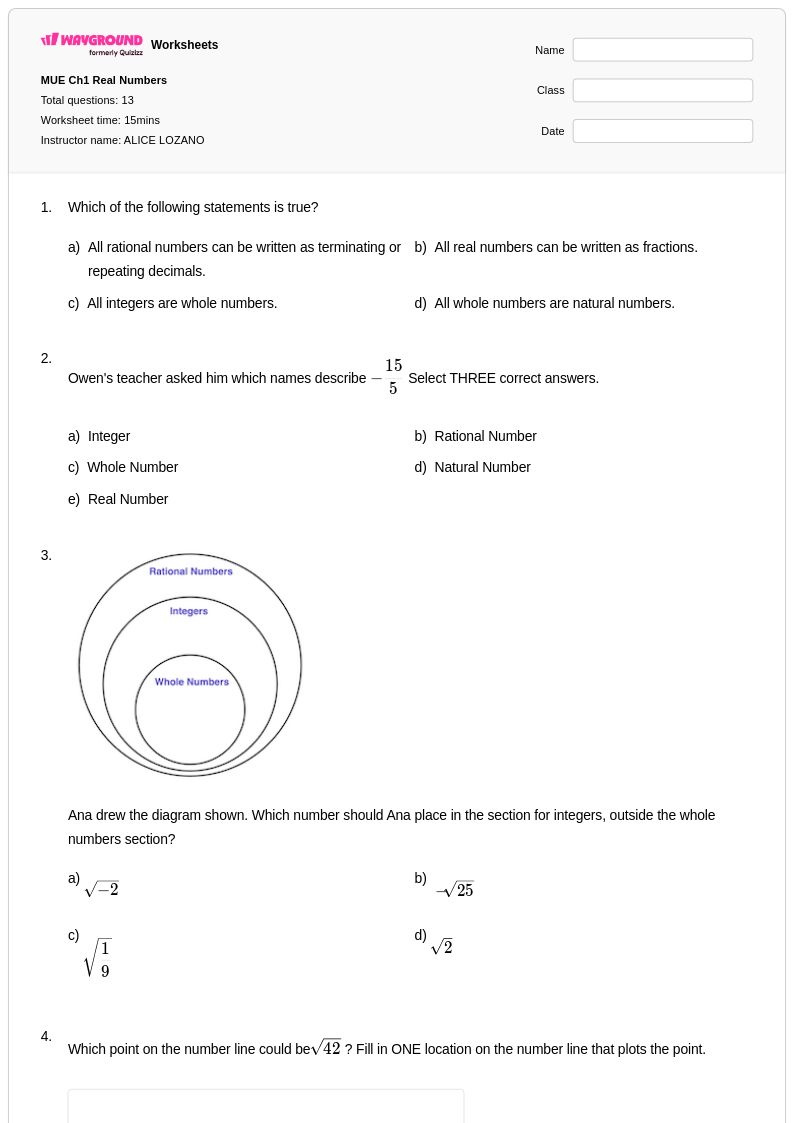
13 Q
8th
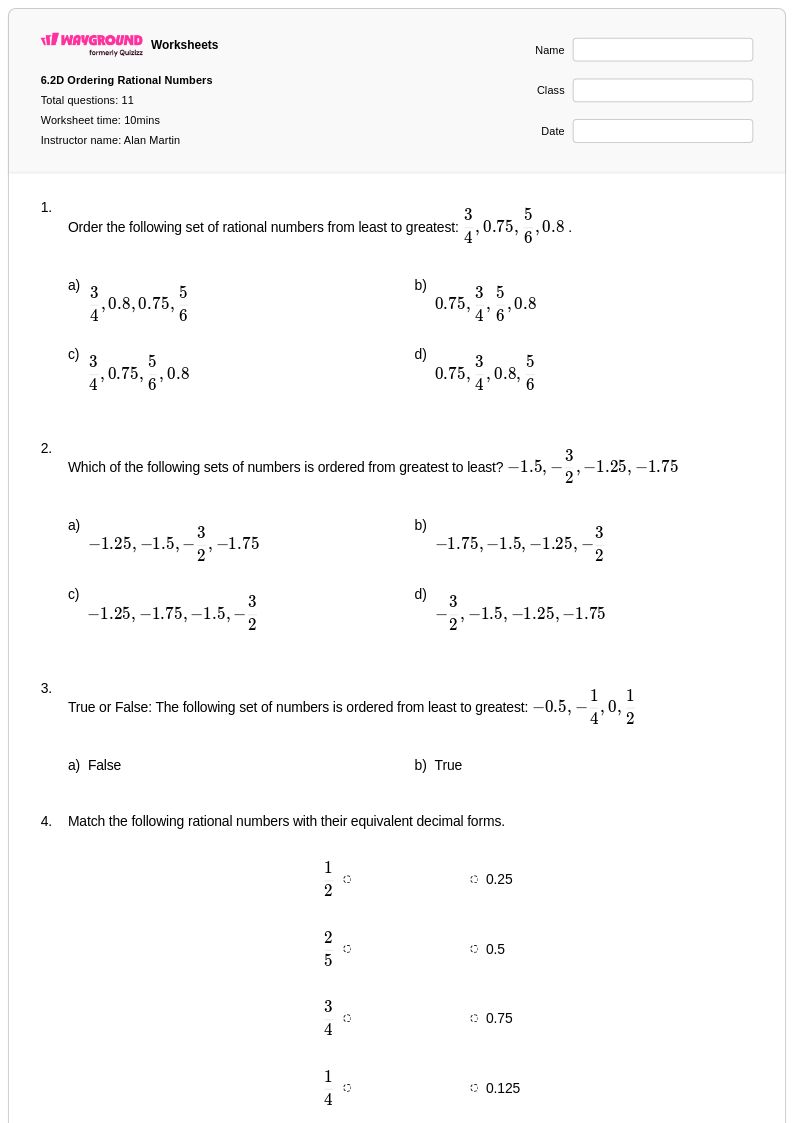
11 Q
6th
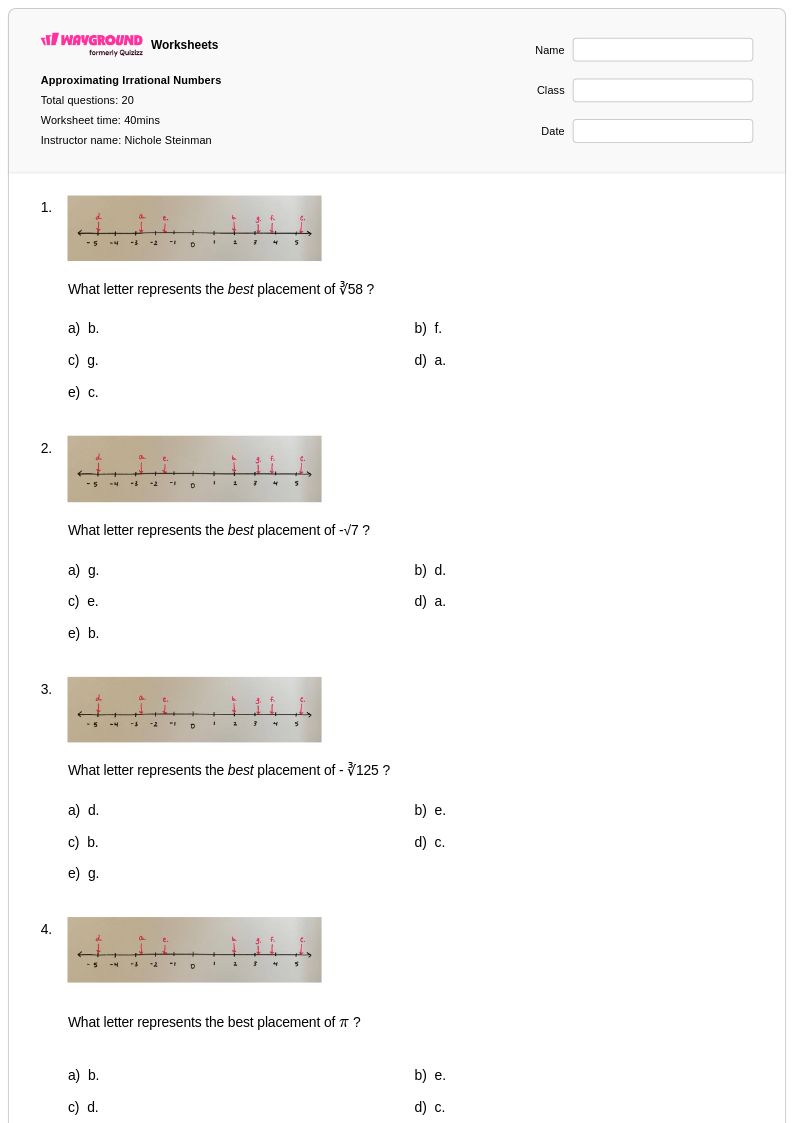
20 Q
8th
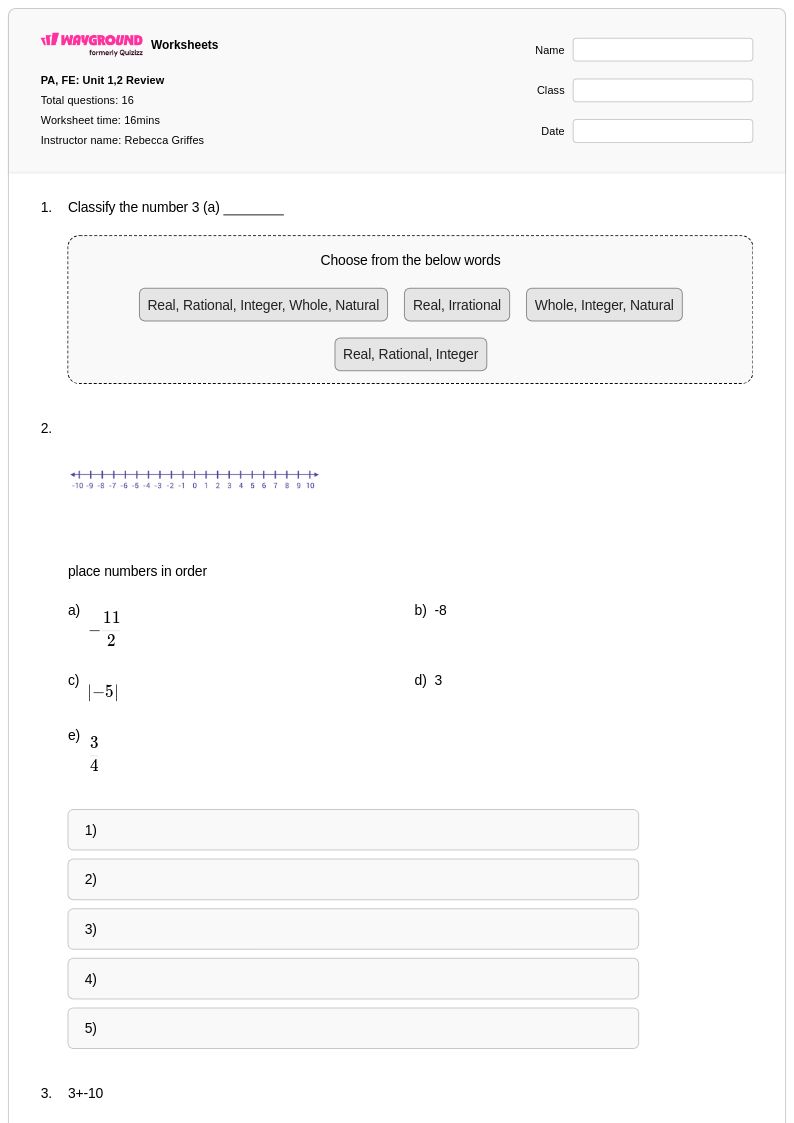
16 Q
9th - 12th
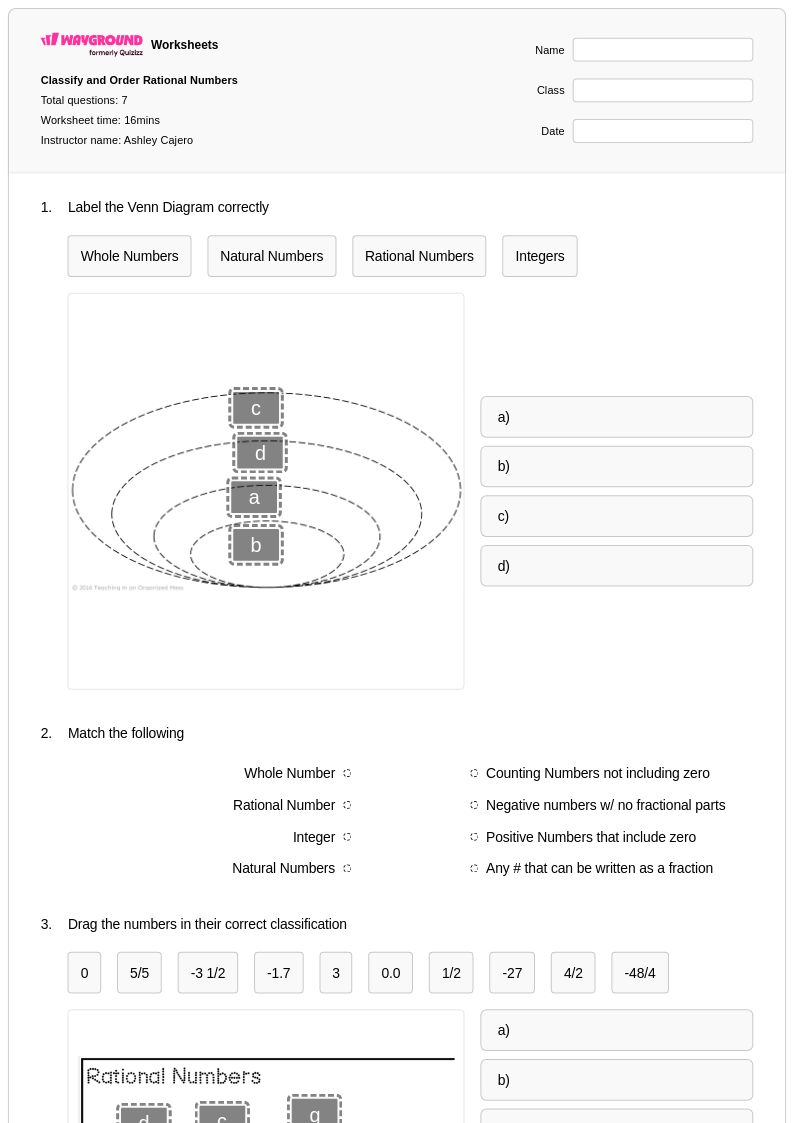
7 Q
6th
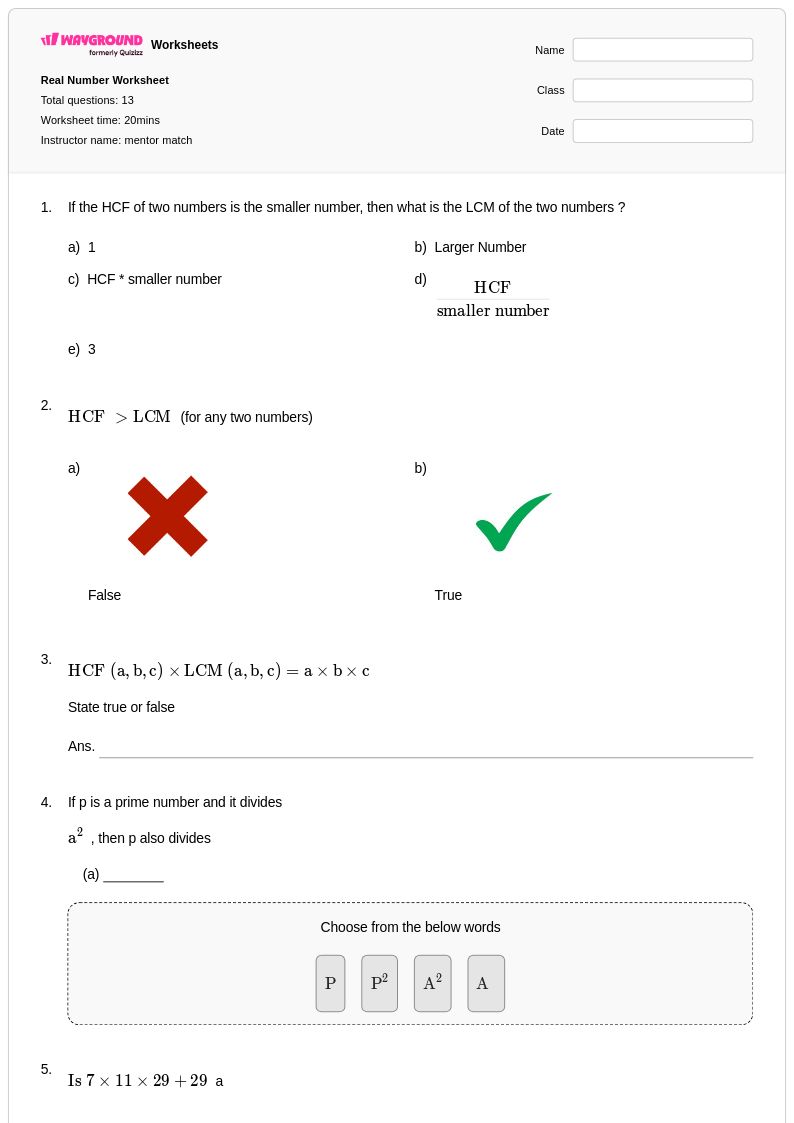
13 Q
10th
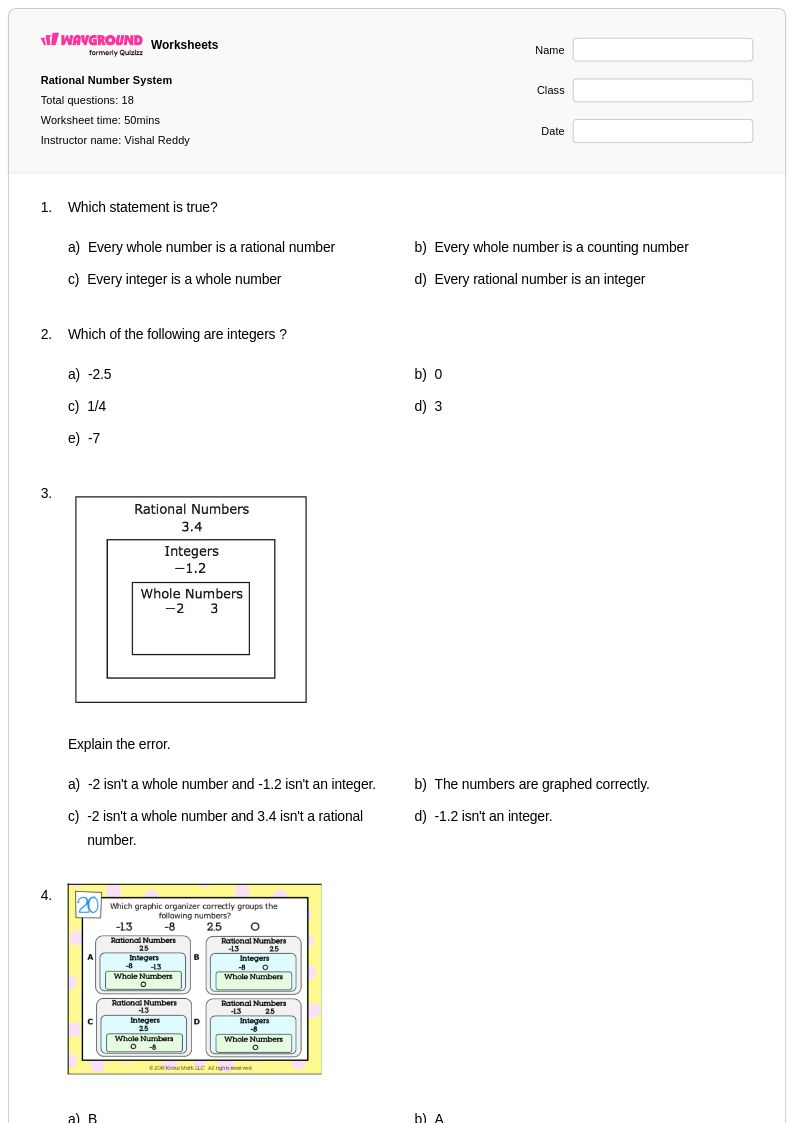
18 Q
6th - Uni
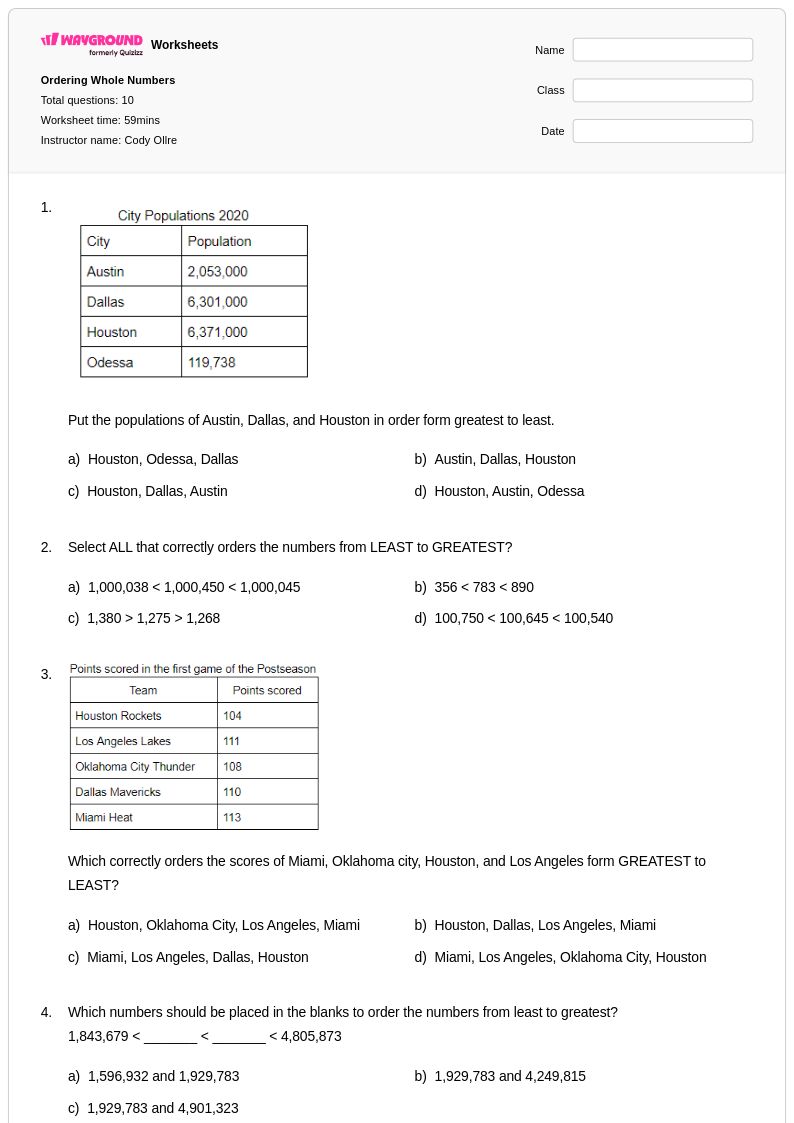
10 Q
4th
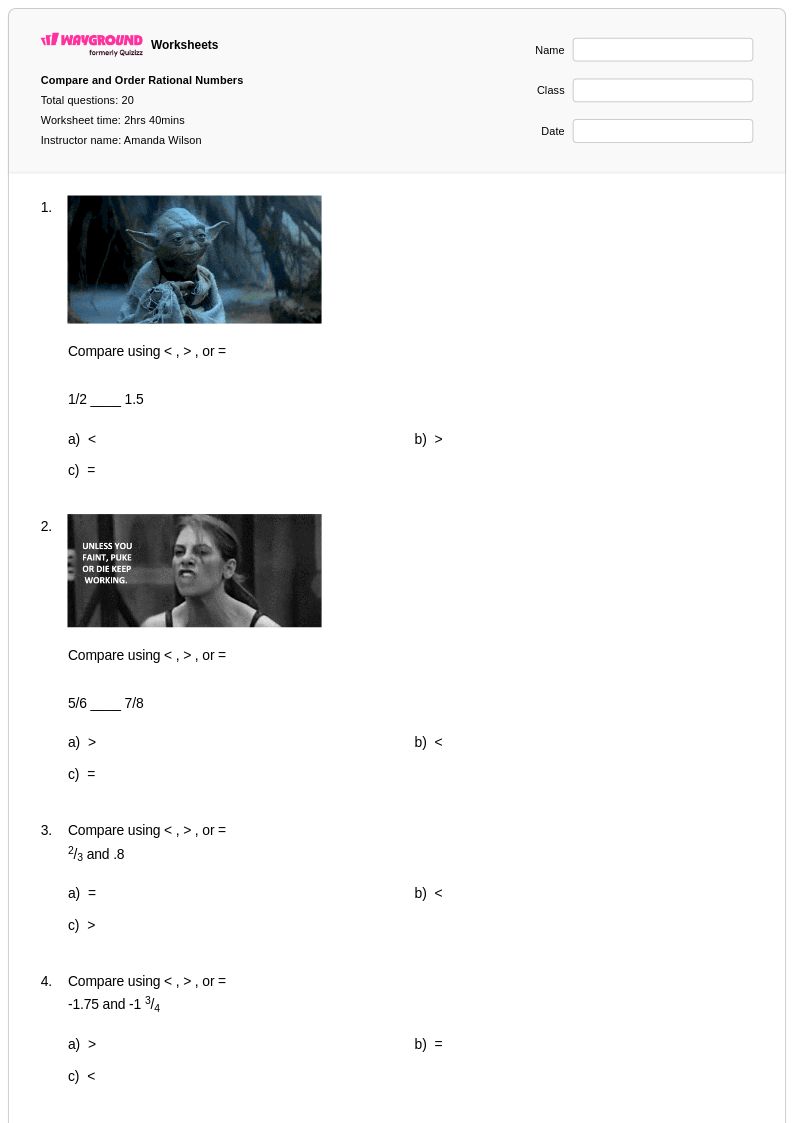
20 Q
6th
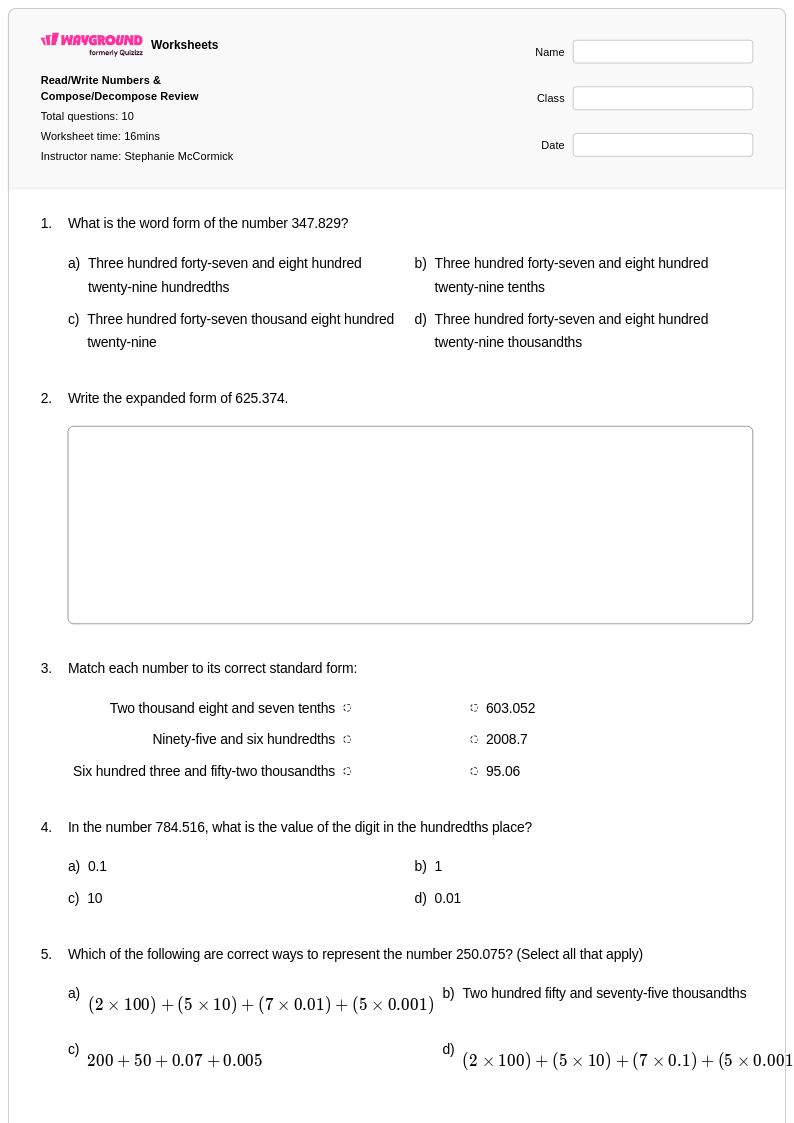
10 Q
5th
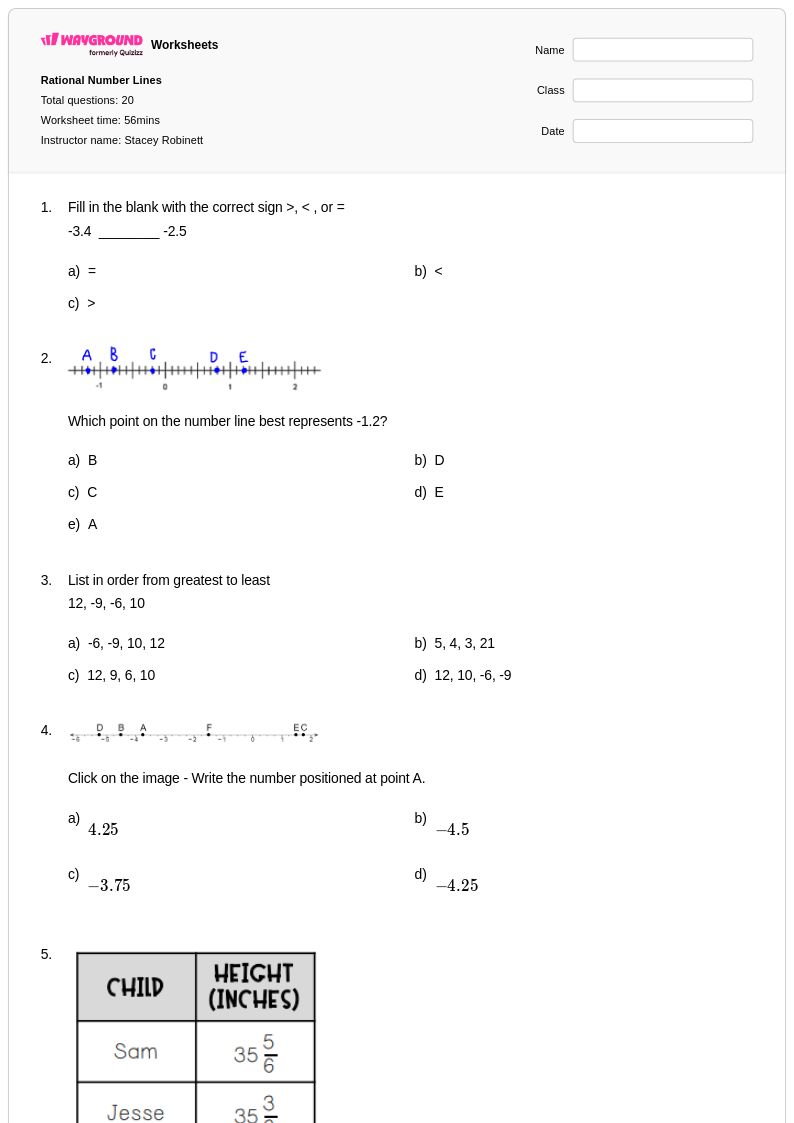
20 Q
6th - 7th
10 Q
5th
22 Q
7th
13 Q
1st
10 Q
1st
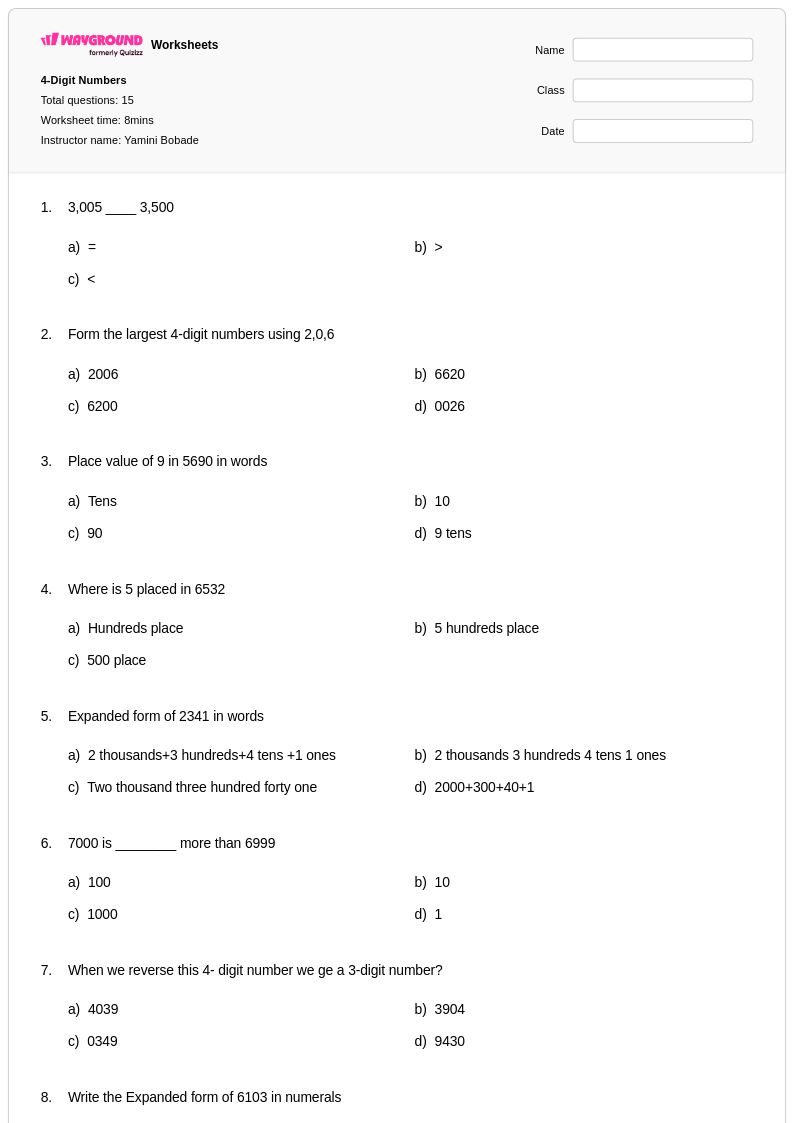
15 Q
3rd - 4th
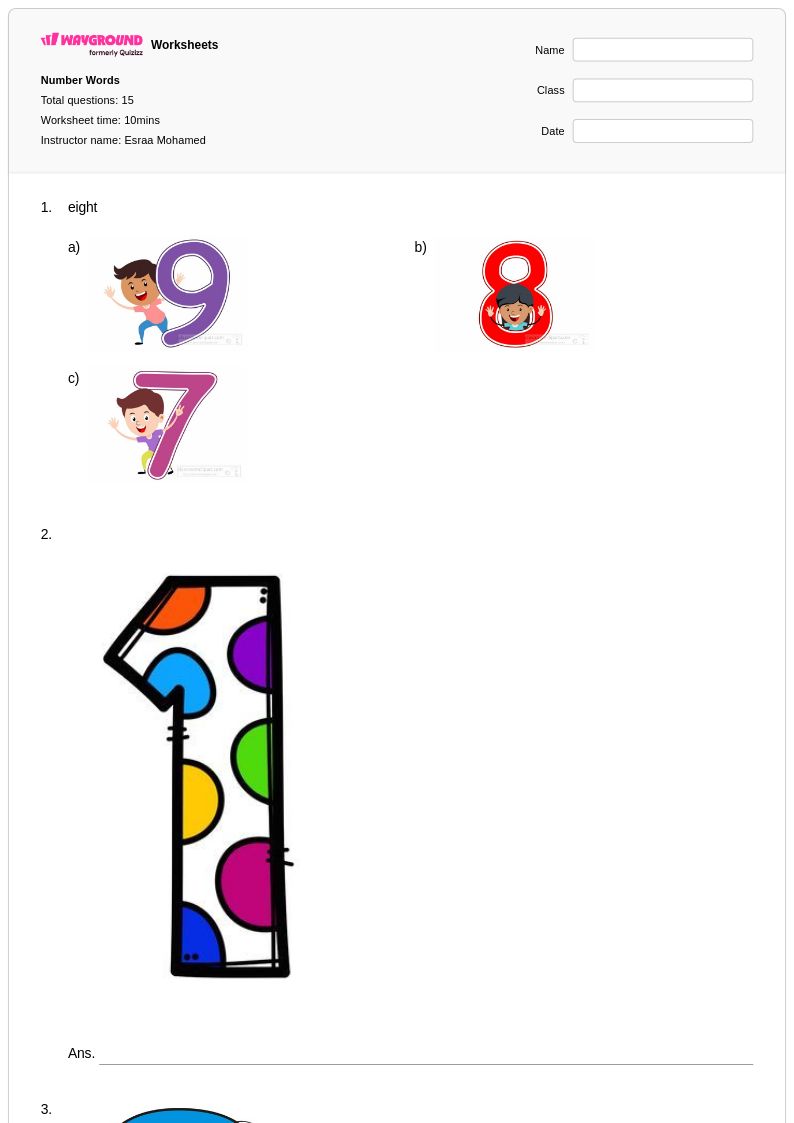
15 Q
KG - 1st
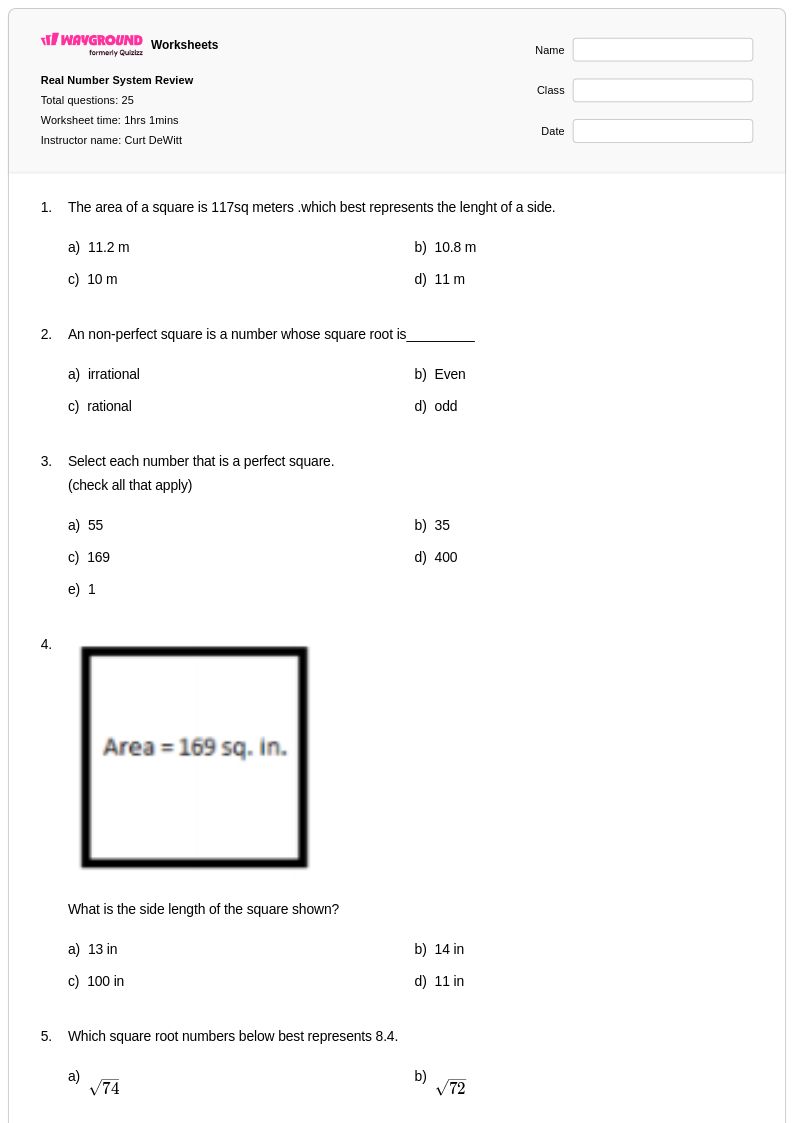
25 Q
8th
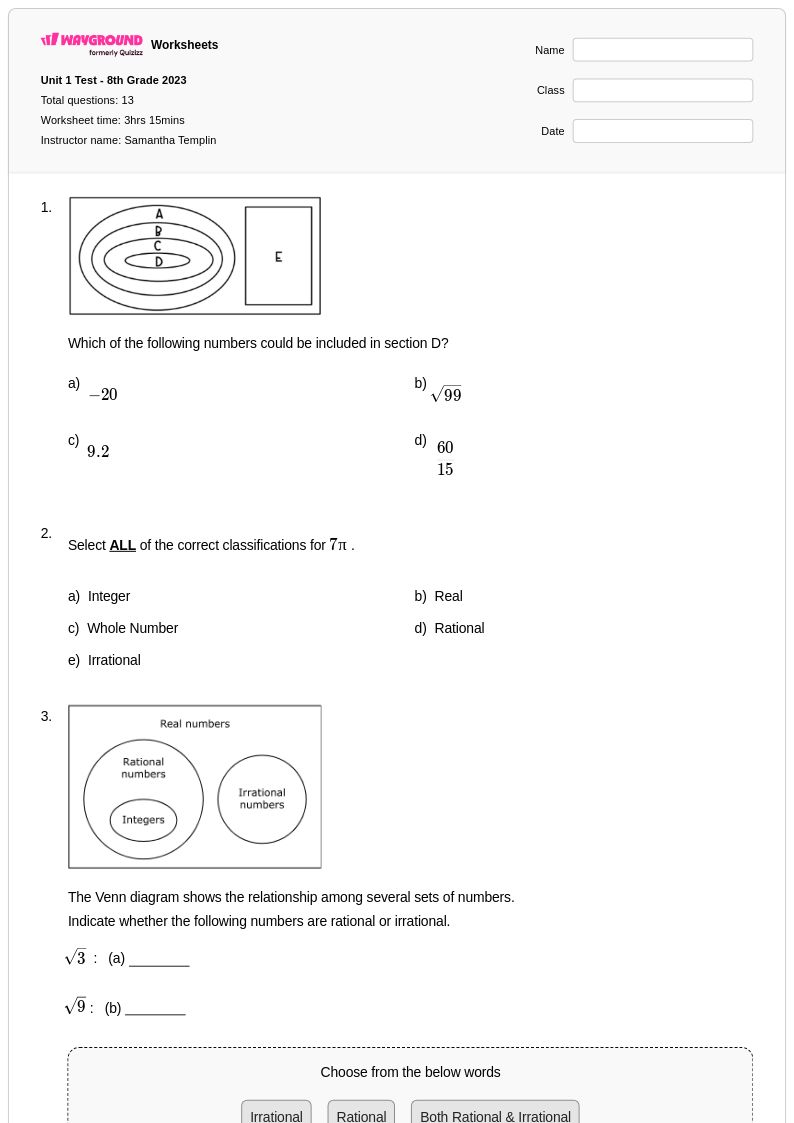
13 Q
8th
Explore Worksheets by Subjects
Explore printable Number Sublevels worksheets
Number sublevels worksheets available through Wayground (formerly Quizizz) provide educators with comprehensive resources designed to build foundational understanding of numerical hierarchies and classification systems. These carefully crafted materials help students develop critical thinking skills around how numbers can be organized into different categories and levels, from basic whole numbers to more complex numerical relationships. The worksheets strengthen students' ability to recognize patterns, understand number relationships, and classify numerical data according to various organizational frameworks. Each resource includes detailed answer keys and is available as free printables in convenient pdf format, making it easy for teachers to incorporate meaningful practice problems into their instructional routines.
Wayground (formerly Quizizz) empowers educators with an extensive collection of millions of teacher-created number sublevels resources, supported by robust search and filtering capabilities that allow for precise content discovery based on specific learning objectives. The platform's standards alignment ensures that worksheets meet curriculum requirements while offering powerful differentiation tools that enable teachers to customize materials for diverse learning needs. These flexible resources are available in both printable and digital formats, including downloadable pdf options, making them ideal for various instructional settings and learning preferences. Teachers can seamlessly integrate these materials into lesson planning for initial instruction, targeted remediation sessions, enrichment activities for advanced learners, or structured skill practice that reinforces understanding of numerical organization and classification concepts.
FAQs
What are 'number sublevels' in math?
How do I teach the concept of number relationships?
How do these worksheets help students practice number structures?
What are common misconceptions when students learn about number structures?
How does understanding number sublevels fit into the math curriculum?
How can I use these number sublevels worksheets in my classroom?