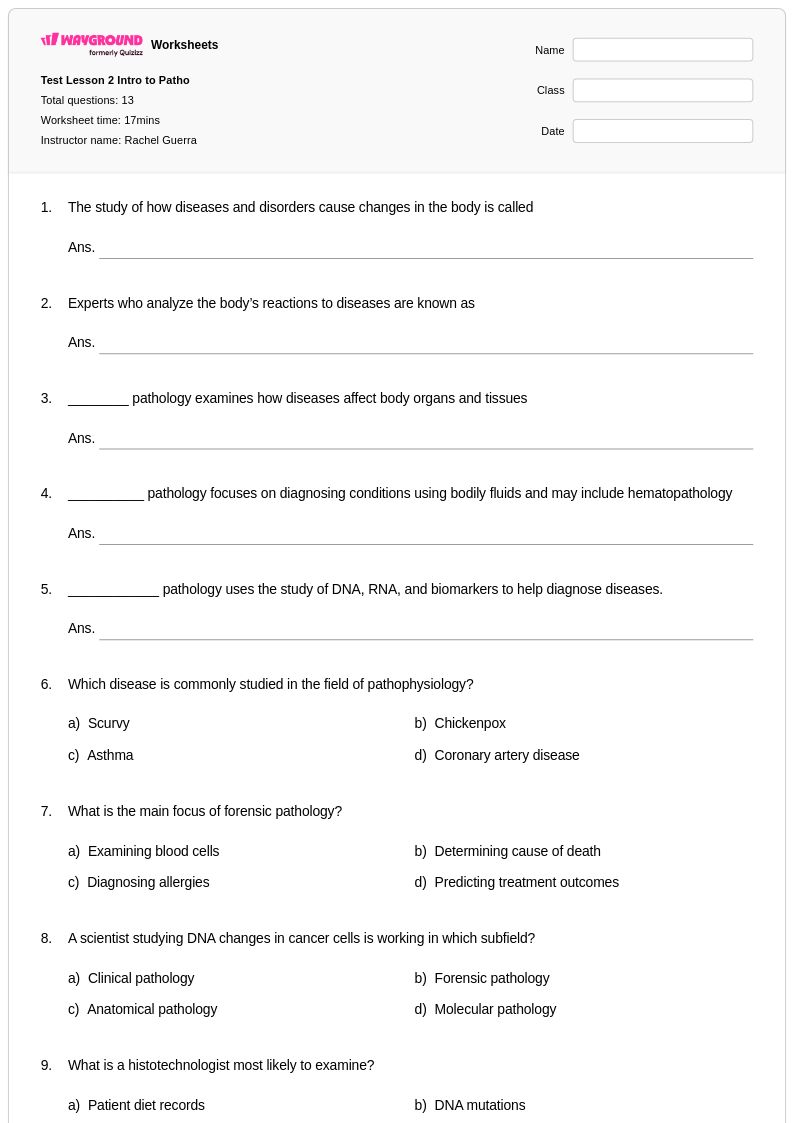
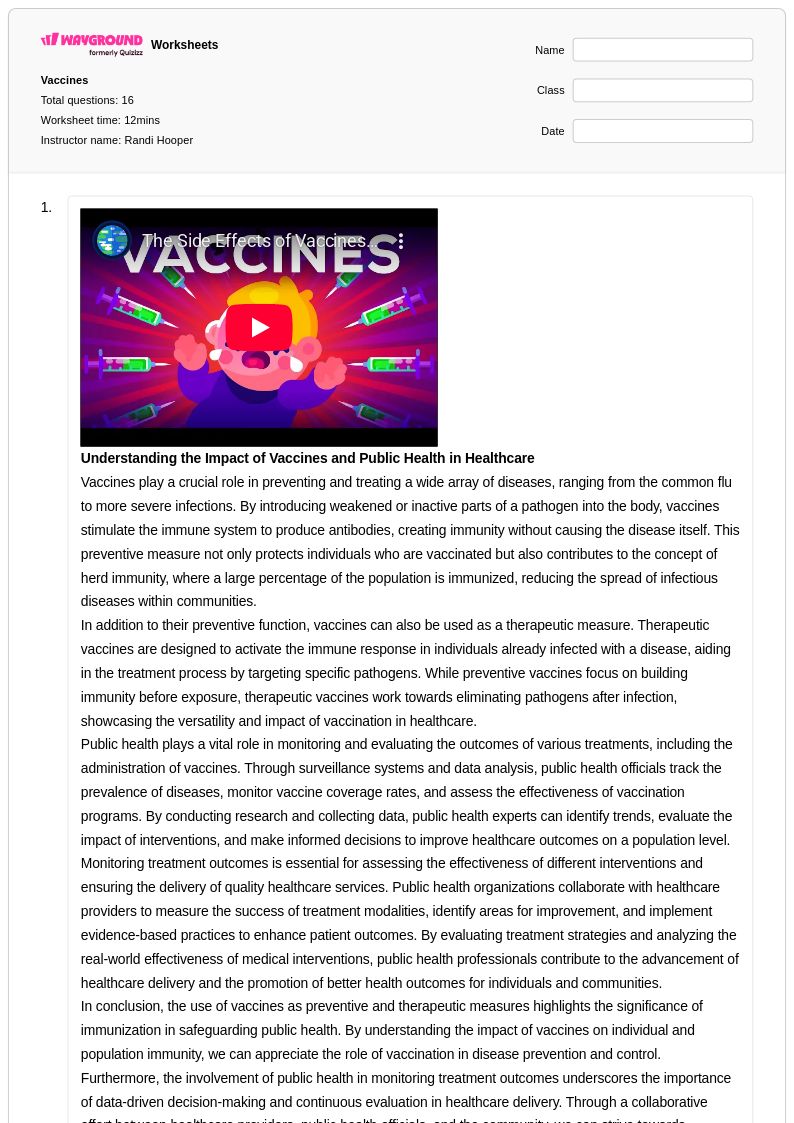
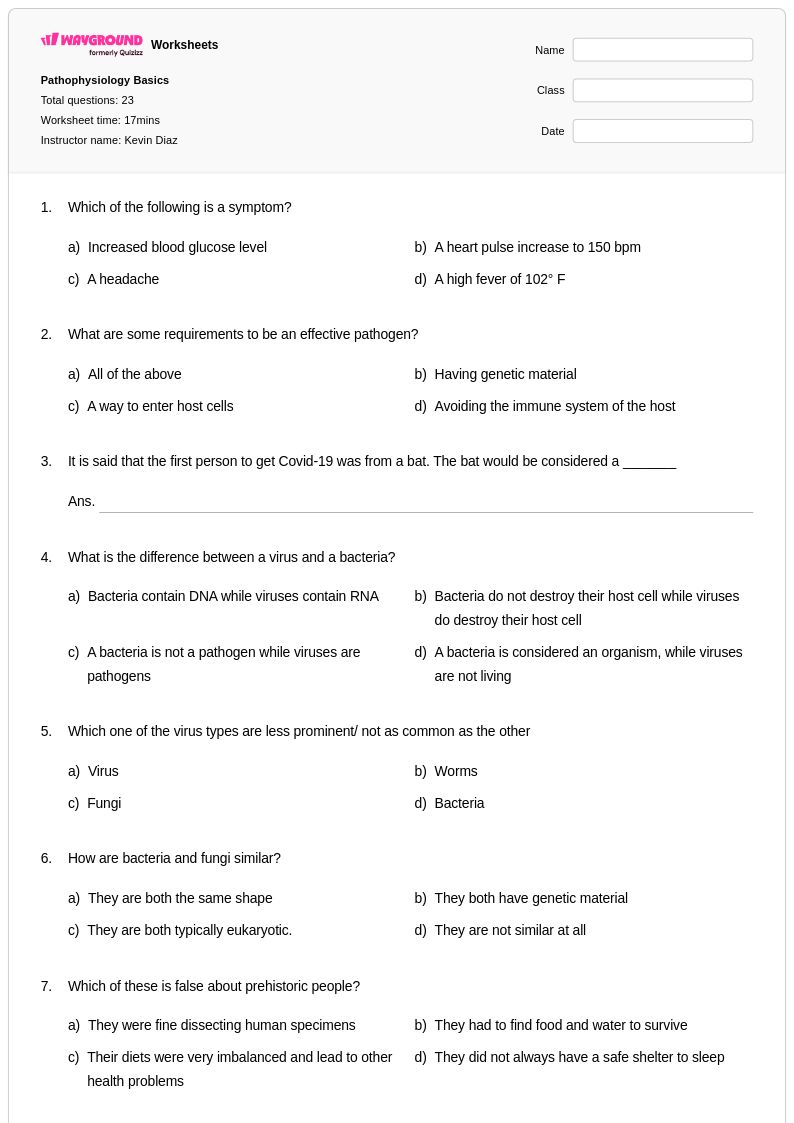
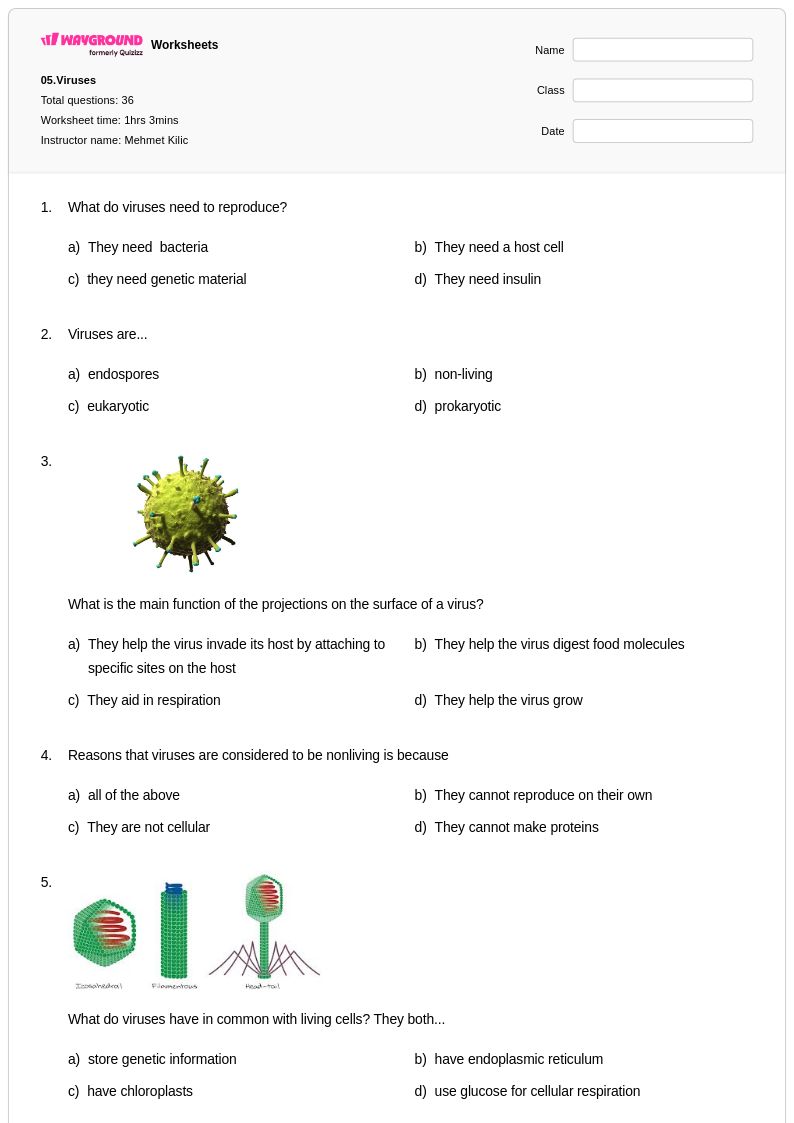
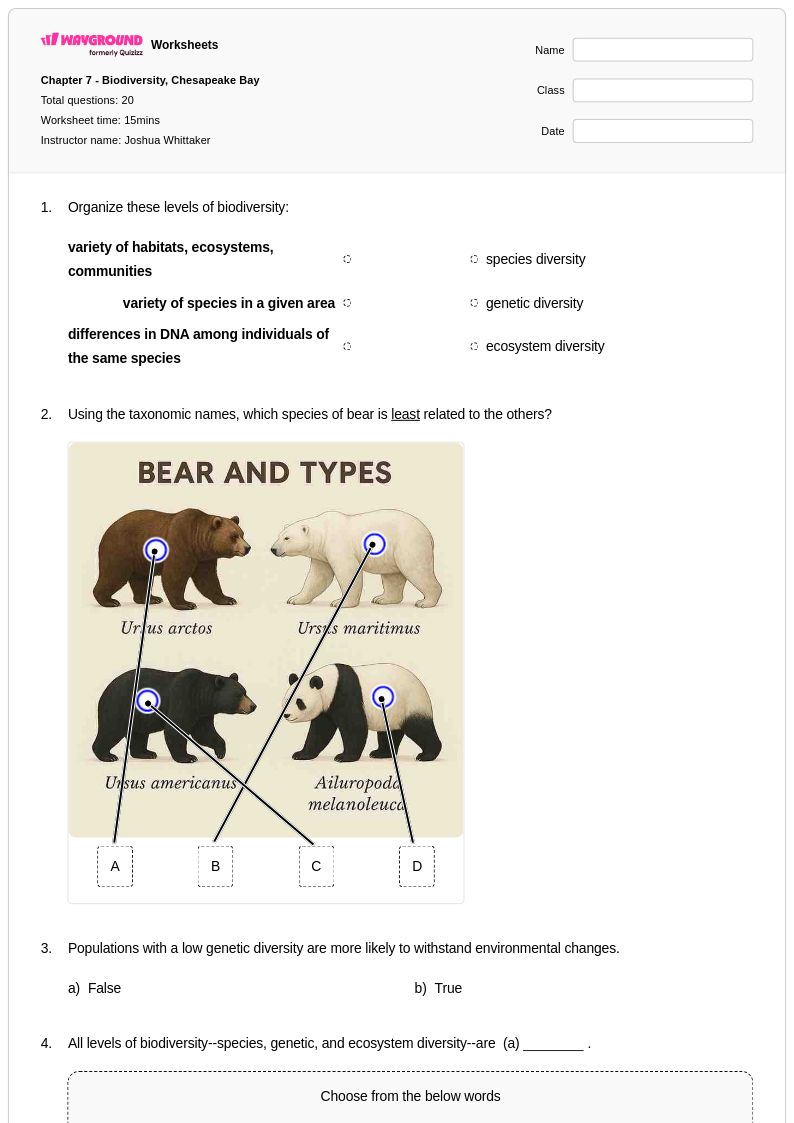
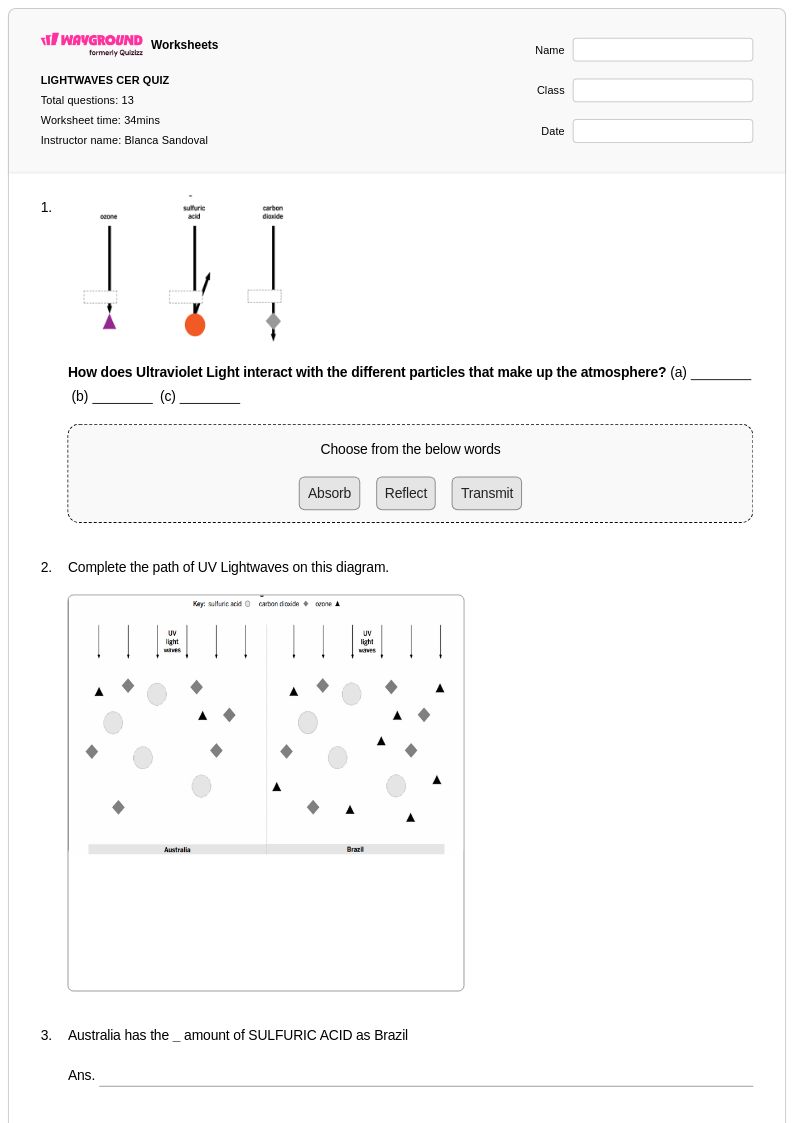
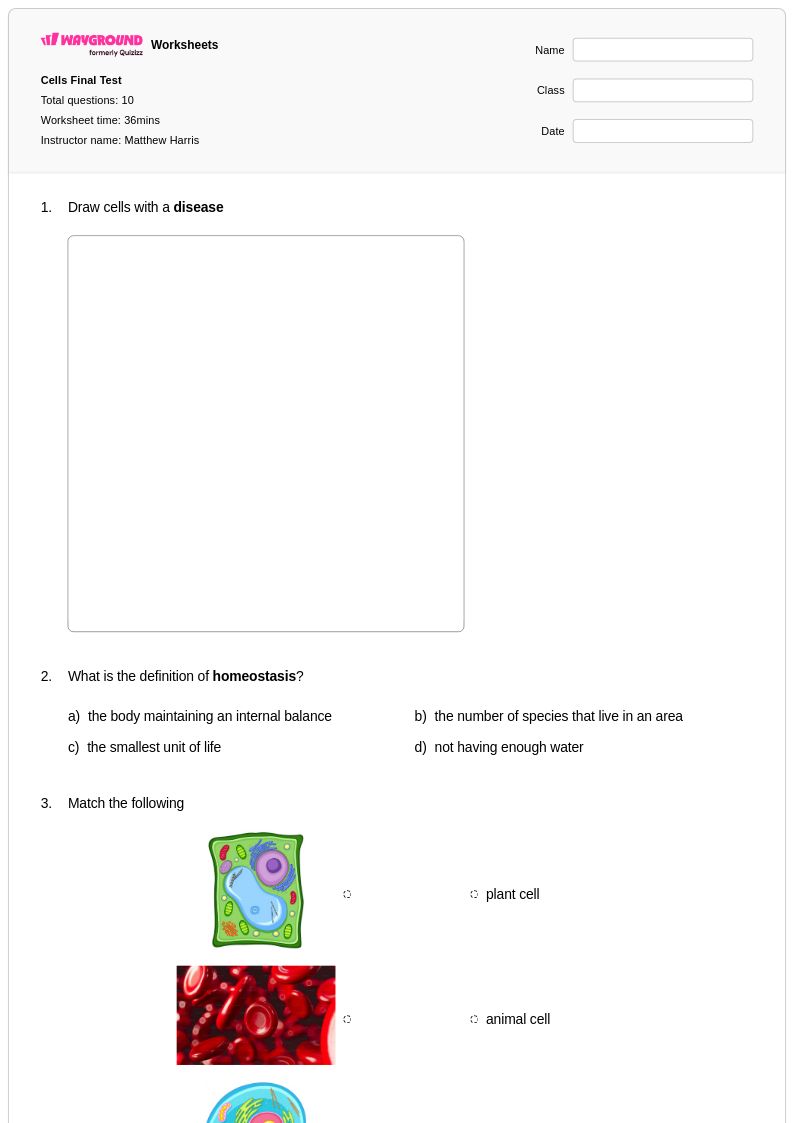
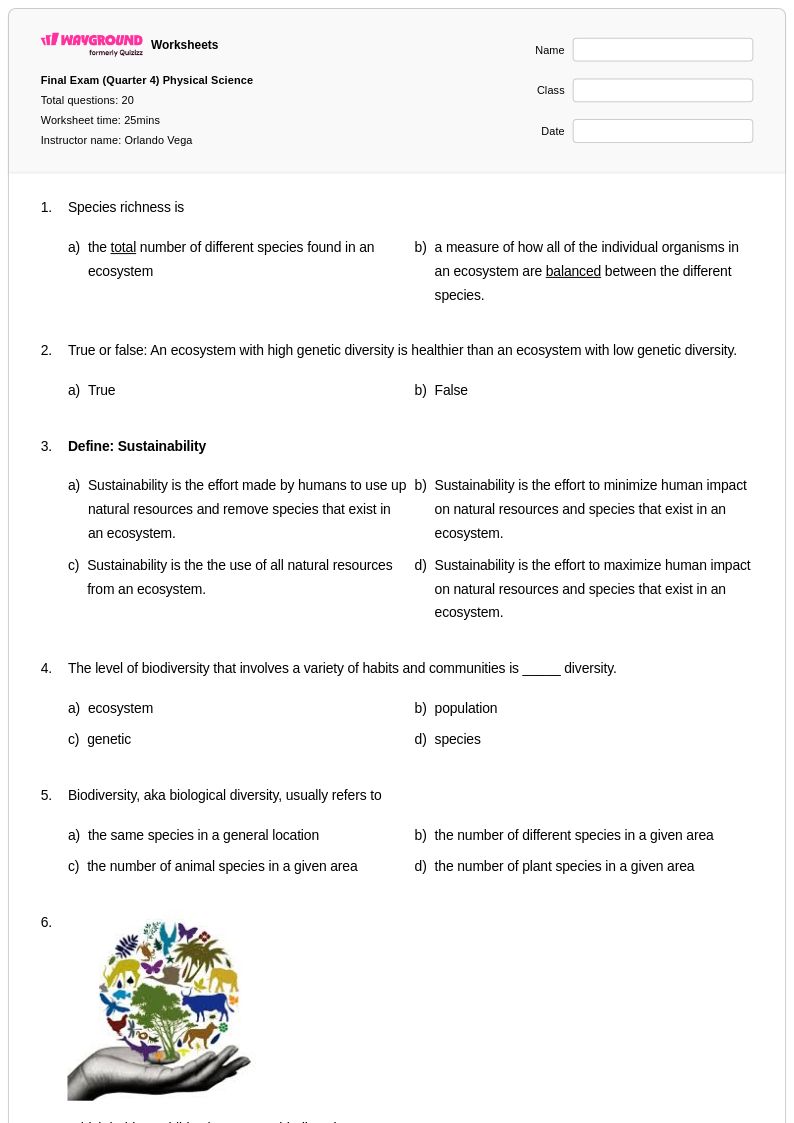
Explore Wayground's comprehensive collection of Grade 11 biology disease worksheets featuring printable PDFs and practice problems with answer keys to help students master pathogen types, immune responses, and disease prevention mechanisms.
Explore printable Diseases worksheets for Grade 11
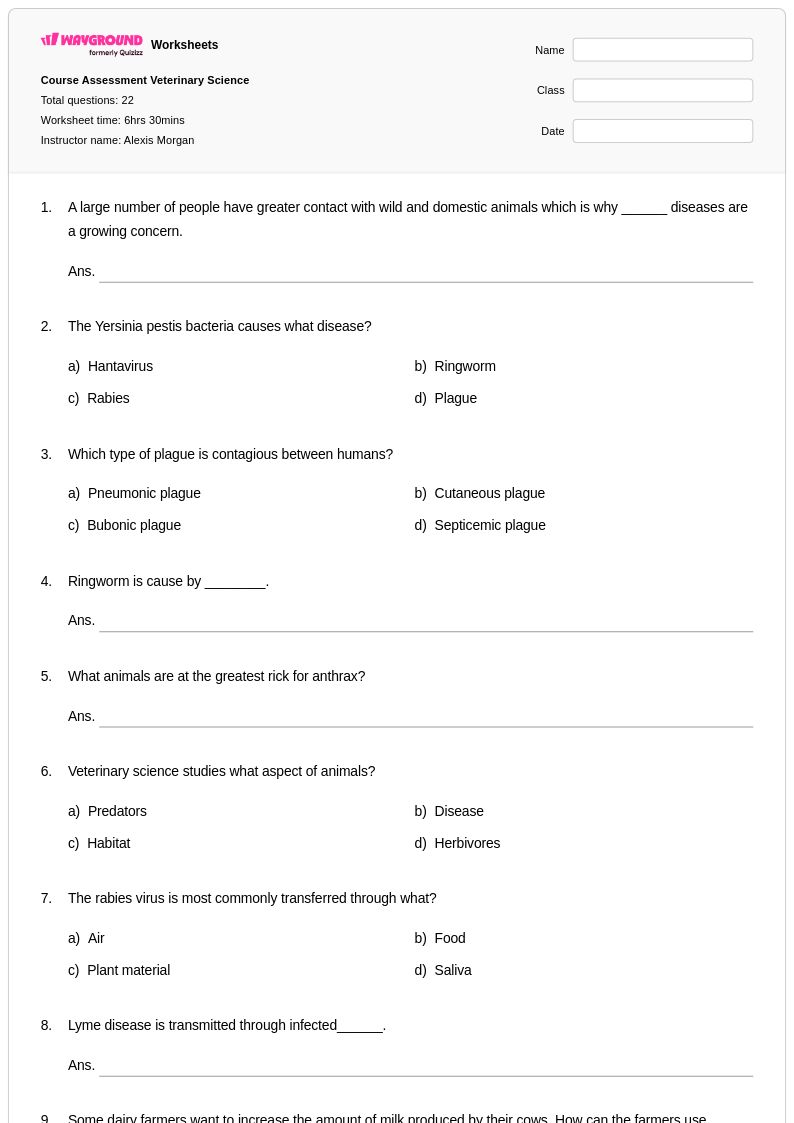
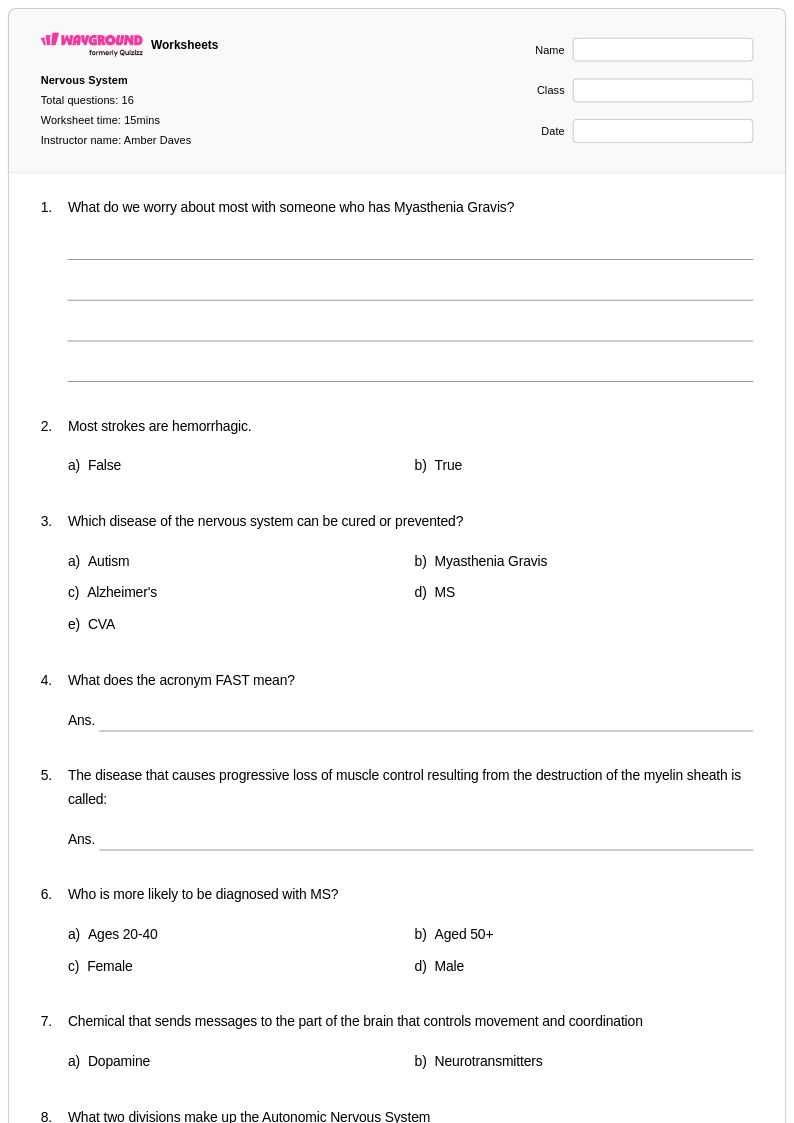
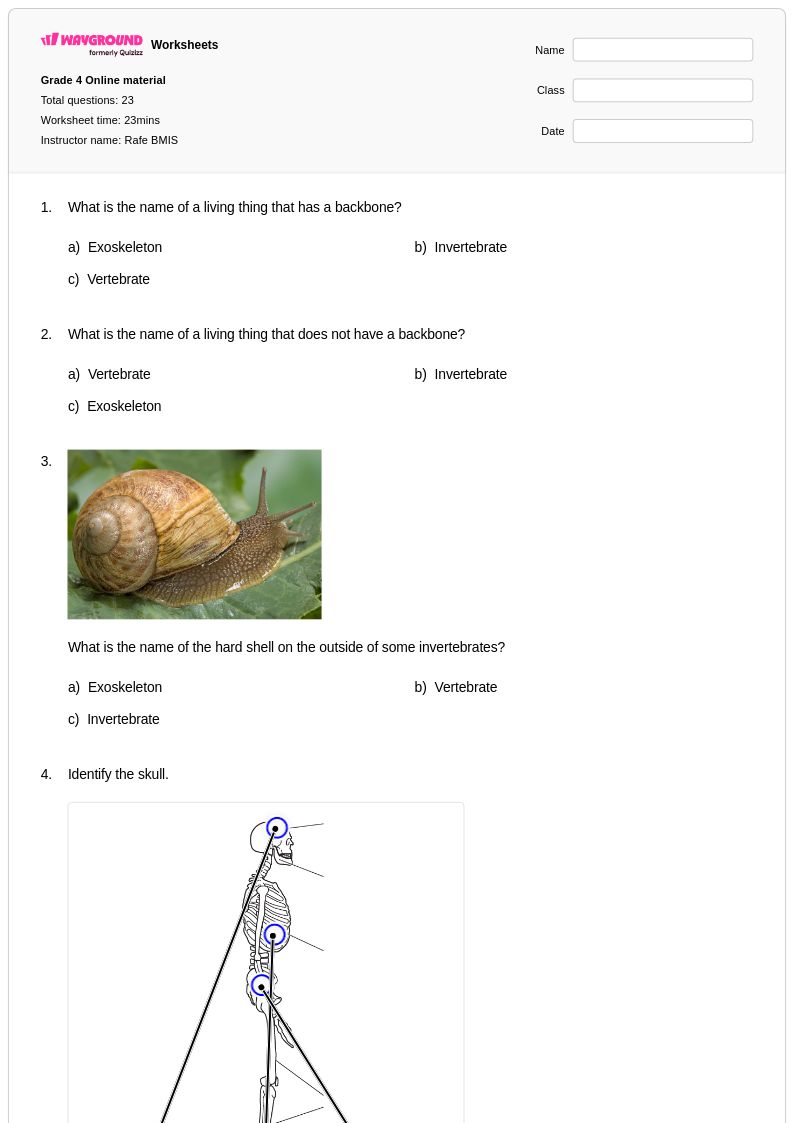
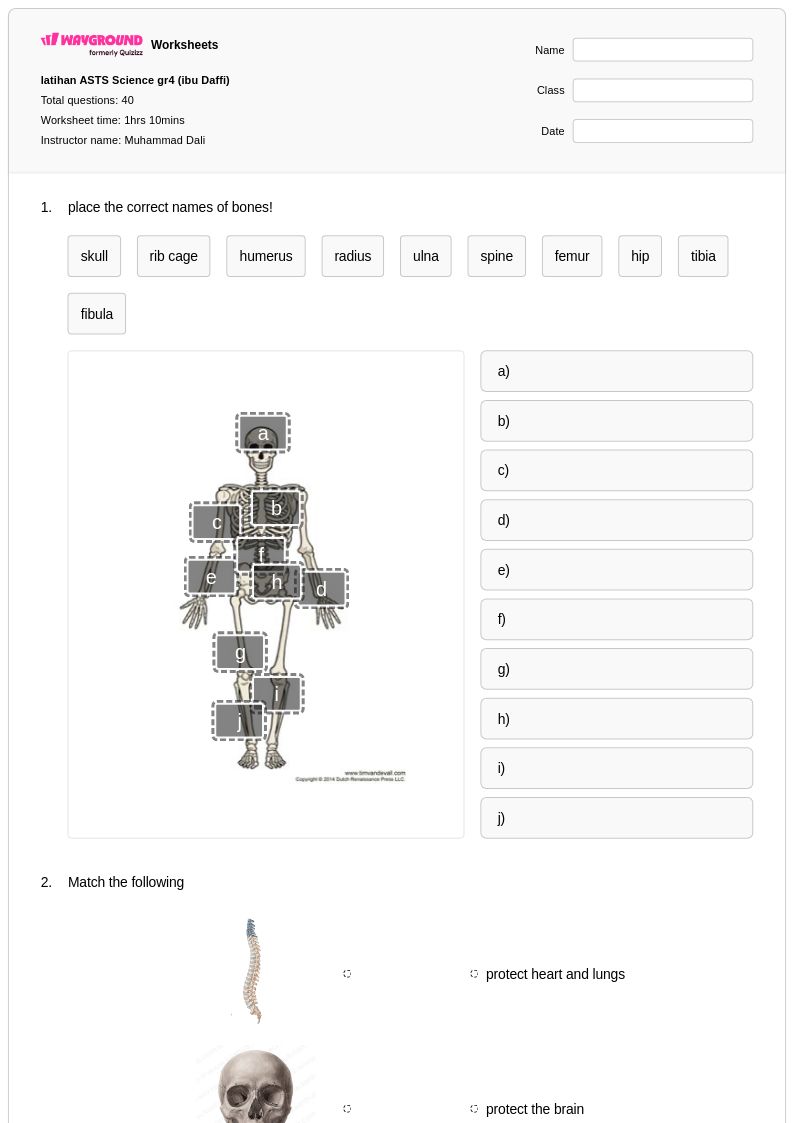
Grade 11 diseases worksheets available through Wayground (formerly Quizizz) provide comprehensive coverage of pathology concepts essential for advanced high school biology students. These expertly crafted resources strengthen critical thinking skills through detailed analysis of infectious and non-infectious diseases, disease transmission mechanisms, immune system responses, and epidemiological principles. Students engage with challenging practice problems that explore bacterial, viral, fungal, and parasitic infections, while developing proficiency in interpreting disease data, analyzing outbreak patterns, and understanding prevention strategies. The collection includes free printables with complete answer keys, allowing students to work independently through complex scenarios involving disease classification, pathogen identification, and public health interventions, all presented in convenient pdf formats that support both classroom instruction and independent study.
Wayground (formerly Quizizz) empowers educators with millions of teacher-created disease-focused worksheets that streamline lesson planning and enhance student understanding of complex pathological concepts. The platform's robust search and filtering capabilities enable teachers to quickly locate resources aligned with specific learning standards, whether targeting foundational disease concepts or advanced epidemiological analysis. These differentiation tools support diverse learning needs through customizable content that can be modified for remediation or enrichment purposes, while the flexible format options including printable and digital pdf versions accommodate various teaching environments. Teachers benefit from comprehensive collections that facilitate targeted skill practice in disease identification, transmission analysis, and prevention strategies, enabling systematic reinforcement of critical biology concepts through carefully scaffolded worksheet progressions that build student expertise in understanding human health and disease processes.
FAQs
How do I teach disease transmission to middle and high school biology students?
Effective disease transmission instruction begins with distinguishing between direct contact, droplet, airborne, vector-borne, and foodborne transmission routes before connecting each to real-world outbreaks. Using case studies of diseases like influenza, malaria, or COVID-19 helps students trace how pathogens move through populations. Pairing this with diagram-based worksheets that map transmission chains reinforces the concept and builds epidemiological thinking.
What exercises help students practice identifying pathogen types?
Practice exercises that require students to classify pathogens as bacterial, viral, fungal, or parasitic based on symptom descriptions, structural characteristics, and treatment methods are highly effective. Identification worksheets that include short case scenarios push students to apply their knowledge rather than simply recall definitions. Adding comparison charts where students contrast pathogen replication cycles and immune responses deepens conceptual understanding.
What common mistakes do students make when learning about the immune system and disease?
A frequent misconception is that antibiotics work against viral infections, which leads to confusion about treatment logic and antibiotic resistance. Students also commonly conflate the innate and adaptive immune responses, treating them as interchangeable rather than as sequential and distinct. Targeted worksheet questions that present incorrect treatment scenarios or ask students to correct flawed immune response descriptions can help surface and correct these errors.
How can I differentiate disease worksheets for students at different learning levels?
For remediation, use worksheets focused on basic pathogen identification and symptom matching before introducing transmission patterns or epidemiology. For enrichment, challenge students with outbreak investigation scenarios that require evaluating multiple variables such as incubation period, vector presence, and population immunity. On Wayground, teachers can apply accommodations such as reduced answer choices for students who need cognitive load support, read-aloud for accessibility, and extended time, all configurable per student without disrupting the rest of the class.
How do I use Wayground's disease worksheets in my classroom?
Wayground's disease worksheets are available as printable PDFs for traditional classroom use and in digital formats for technology-integrated environments, making them flexible across in-person, hybrid, and remote settings. Teachers can also host worksheets directly as a quiz on Wayground, enabling real-time student responses and automatic grading. All worksheets include answer keys, which supports both self-paced student review and efficient teacher-led correction.
How do I connect disease content to public health principles in a biology course?
Linking disease biology to public health requires students to move from understanding how individual pathogens function to analyzing how disease spreads and is controlled at the population level. Worksheets that incorporate epidemiological data, vaccination coverage scenarios, or outbreak timeline analysis help students apply biological knowledge to real public health decisions. This approach also supports cross-disciplinary thinking relevant to AP Biology, Health Science, and Environmental Science courses.