Free Printable Muscles of the Leg Worksheets for Class 6
Class 6 biology worksheets on muscles of the leg help students learn anatomical structure and function through engaging printables, practice problems, and comprehensive answer keys available as free PDF downloads from Wayground.
Explore printable Muscles of the Leg worksheets for Class 6
Muscles of the leg worksheets available through Wayground (formerly Quizizz) provide Class 6 students with comprehensive practice in understanding the structure and function of lower limb musculature. These educational resources strengthen essential biology skills including anatomical identification, muscle group classification, and understanding the relationship between muscle structure and movement. Students work through practice problems that challenge them to identify major leg muscles such as the quadriceps, hamstrings, and calf muscles while exploring how these muscles work together to enable walking, running, and jumping. Each worksheet collection includes detailed answer keys and is available as free printables in convenient PDF format, making it easy for students to reinforce their learning about skeletal muscle anatomy and the interconnected nature of the muscular system.
Wayground (formerly Quizizz) supports educators with an extensive library of millions of teacher-created resources focused on leg muscle anatomy and broader biology concepts for Class 6 learners. The platform's robust search and filtering capabilities allow teachers to quickly locate worksheets that align with specific curriculum standards and learning objectives related to human body systems. Differentiation tools enable instructors to customize content difficulty levels, ensuring that students at various skill levels can successfully engage with muscle anatomy concepts. These versatile resources are available in both printable and digital formats, including downloadable PDFs, providing flexibility for classroom instruction, homework assignments, and independent study. Teachers can seamlessly integrate these materials into lesson planning for initial instruction, targeted remediation for struggling students, enrichment activities for advanced learners, and ongoing skill practice to solidify understanding of how leg muscles contribute to human movement and overall body function.
FAQs
How do I teach the muscles of the leg to students?
Start by grouping leg muscles into functional compartments: the anterior compartment (quadriceps, tibialis anterior), posterior compartment (hamstrings, gastrocnemius, soleus), and medial compartment (adductors). Use labeled diagrams to anchor each muscle to its origin, insertion, and primary action before moving into functional movement analysis. Connecting muscle actions to observable movements like walking, running, and jumping helps students build meaningful mental models rather than memorizing isolated facts.
What exercises help students practice identifying leg muscles?
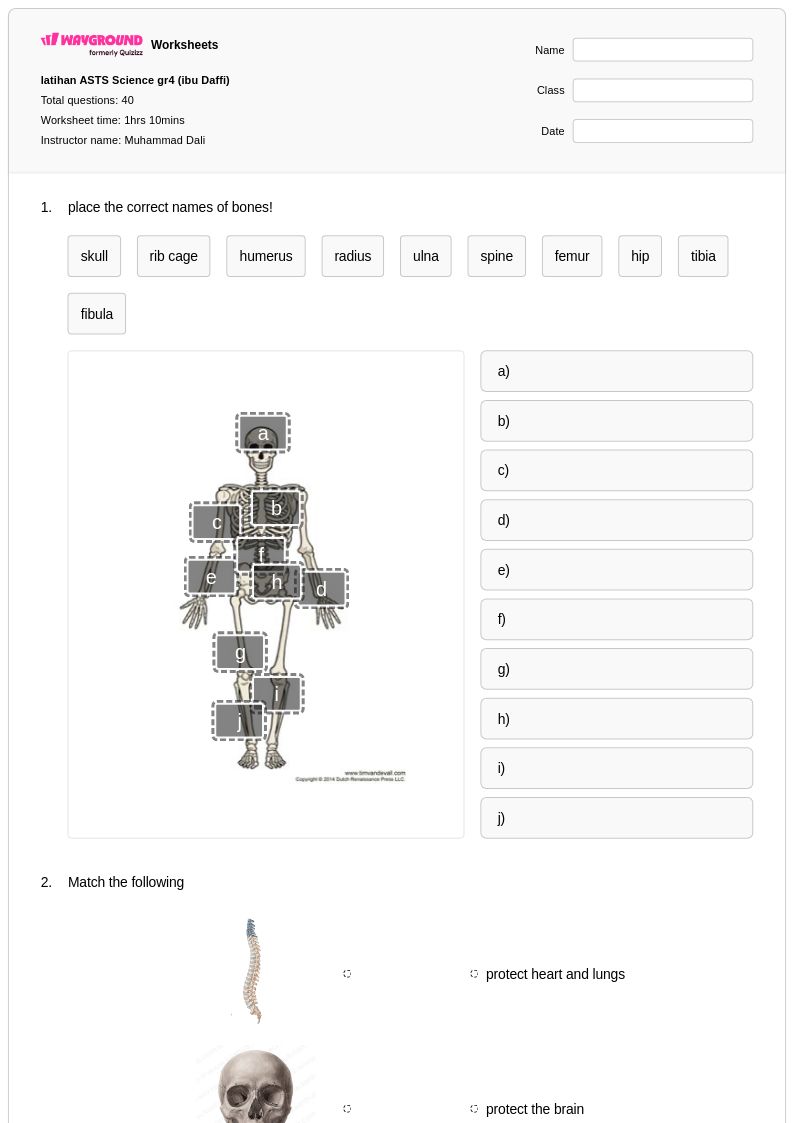
Labeling diagrams of the lower limb is one of the most effective practice formats because it requires students to actively recall muscle names and locations rather than recognize them passively. Muscle function charts that ask students to match each muscle to its action, origin, and insertion reinforce anatomical terminology in context. Practice problems that involve analyzing movement patterns, such as which muscles are active during knee extension or plantarflexion, push students toward applied understanding.
What mistakes do students commonly make when learning leg muscle anatomy?
Students frequently confuse the hamstrings and quadriceps as simple opposites without understanding their individual components, such as distinguishing the biceps femoris from the semitendinosus and semimembranosus. Another common error is misidentifying the gastrocnemius and soleus as a single muscle rather than two distinct muscles with different proximal attachments. Students also struggle with origin and insertion directionality, often reversing which end is proximal and which is distal.
How do I use Wayground's muscles of the leg worksheets in my class?
Wayground's leg muscle worksheets are available as printable PDFs for traditional classroom use and in digital formats for technology-integrated or remote learning environments. Teachers can also host worksheets as a quiz directly on Wayground, making it easy to assign practice, track completion, and review results in one place. For students who need additional support, Wayground allows teachers to apply individual accommodations such as read aloud, extended time, and reduced answer choices without other students being notified.
How do I differentiate leg muscle anatomy instruction for students at different levels?
For students who need additional support, focus first on the four major muscle groups (quadriceps, hamstrings, calf muscles, and tibialis anterior) before introducing deeper compartment-level detail. Advanced students can be challenged with clinical correlation exercises, such as identifying which muscles are affected in a given injury or gait abnormality. On Wayground, teachers can apply individual accommodations including reduced answer choices and read aloud to specific students, allowing the rest of the class to work through standard content simultaneously.
What is the best way to assess student understanding of leg muscle anatomy?
Effective assessment of leg muscle anatomy should move beyond simple recall and test whether students can apply their knowledge, for example by identifying which muscles contract during a squat or explaining why damaging the common fibular nerve affects dorsiflexion. Unlabeled diagram fill-ins are a reliable formative tool because they isolate recall without visual scaffolding. Clinical scenarios and movement analysis questions are particularly useful for summative assessment because they reveal whether students understand function, not just nomenclature.