
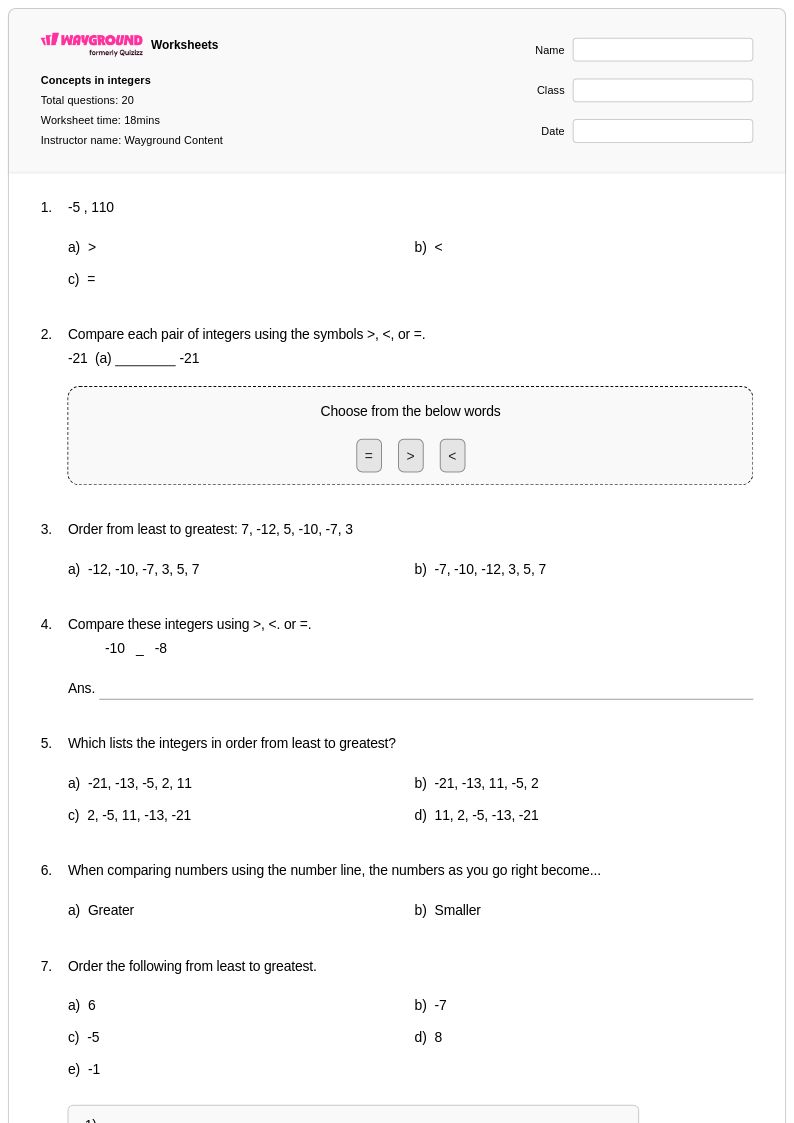
20 Hỏi
6th
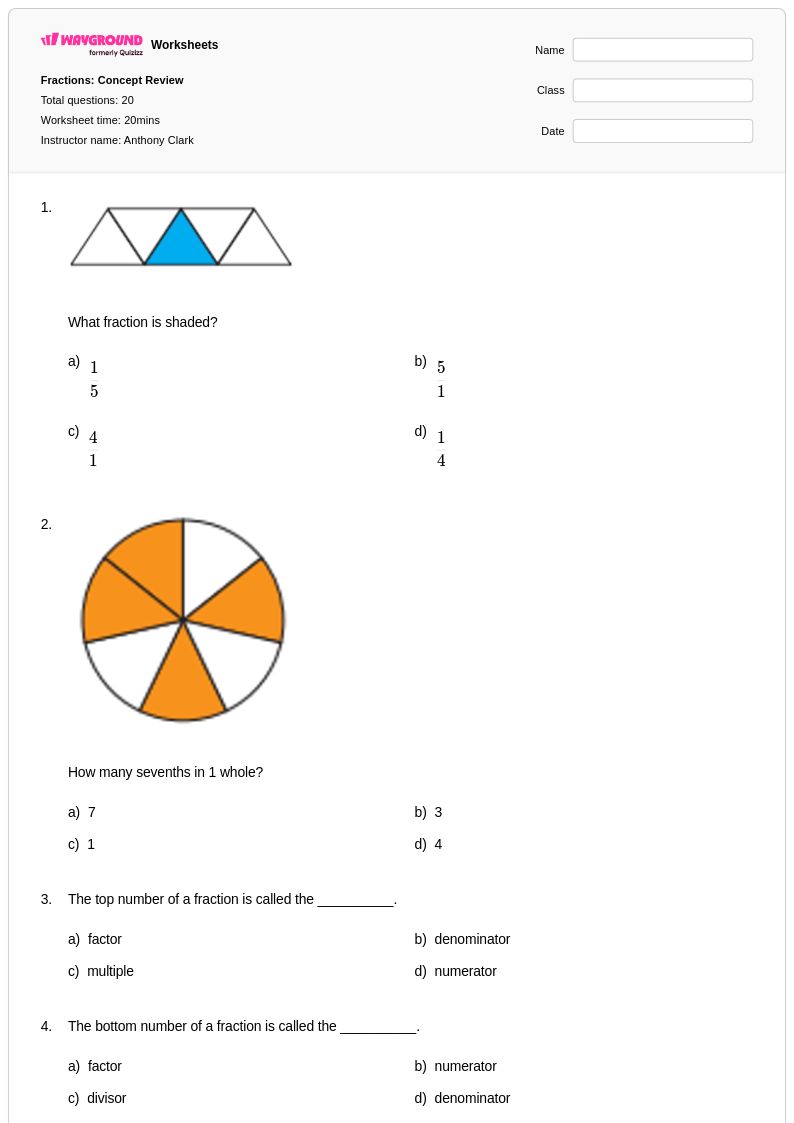
20 Hỏi
4th - Uni
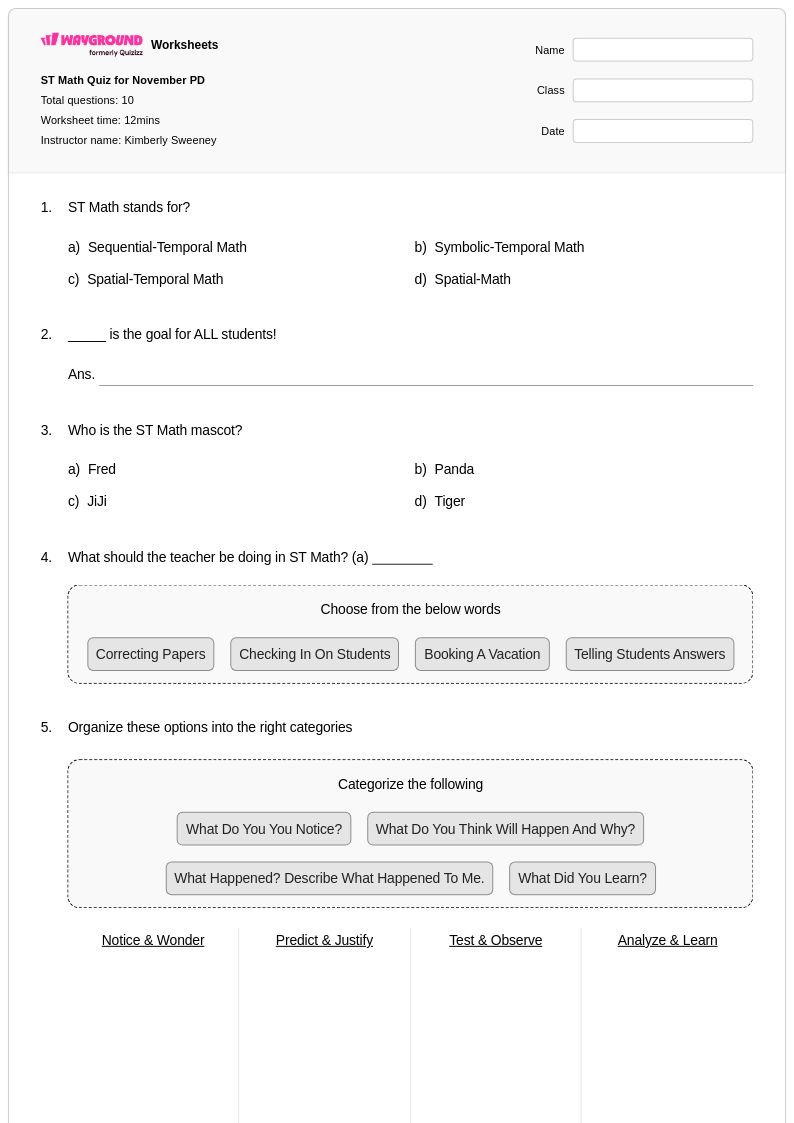
10 Hỏi
3rd
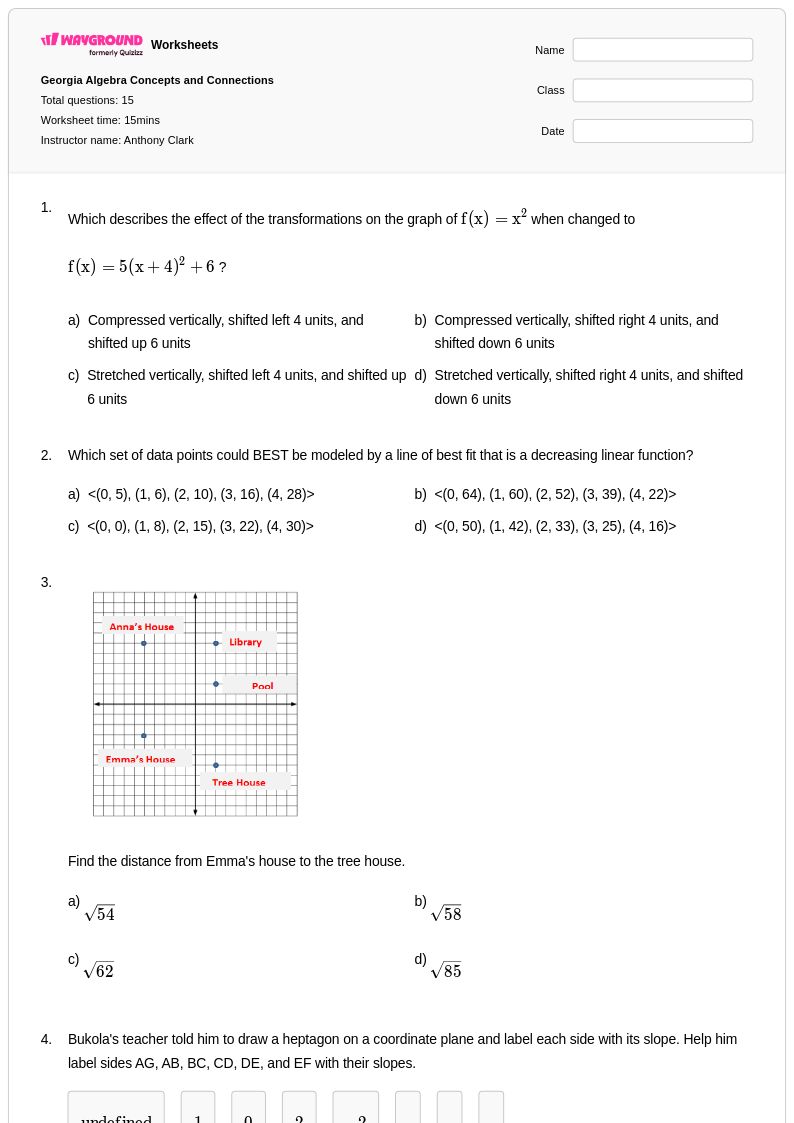
15 Hỏi
9th - Uni
10 Hỏi
PD
17 Hỏi
5th
55 Hỏi
3rd
19 Hỏi
2nd
19 Hỏi
9th - Uni
20 Hỏi
8th
20 Hỏi
4th - 5th
20 Hỏi
3rd
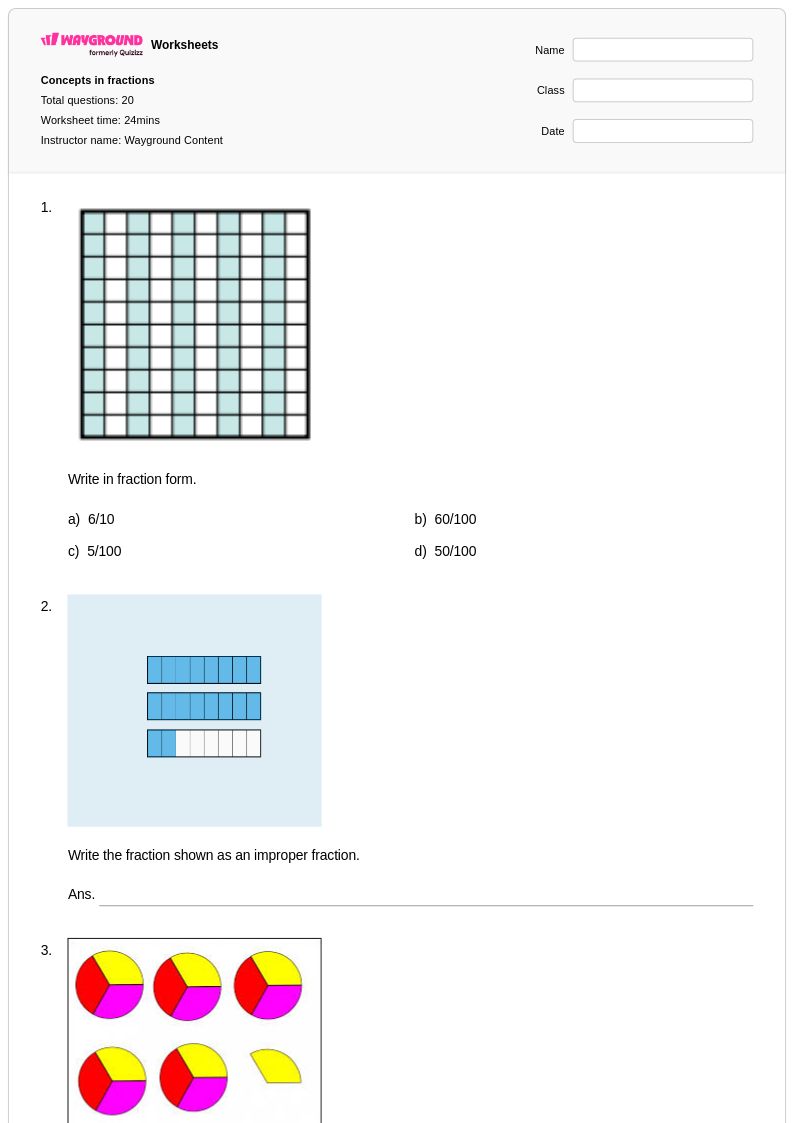
20 Hỏi
3rd
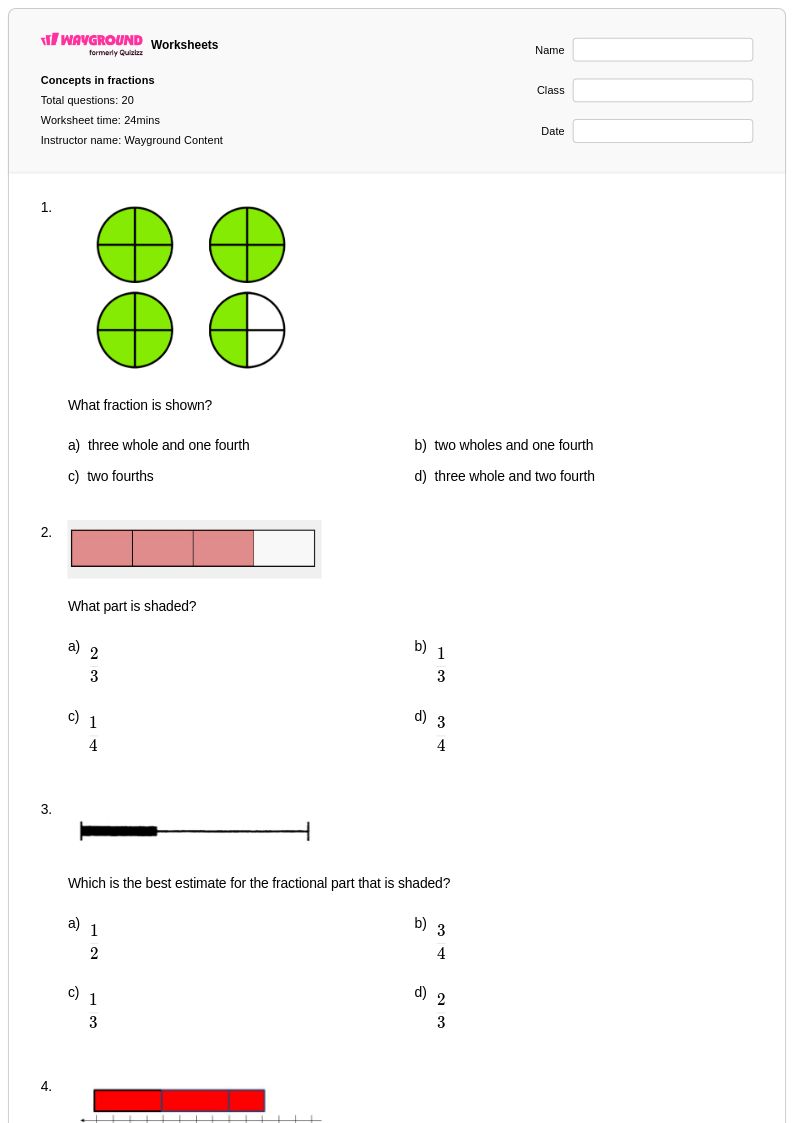
20 Hỏi
3rd
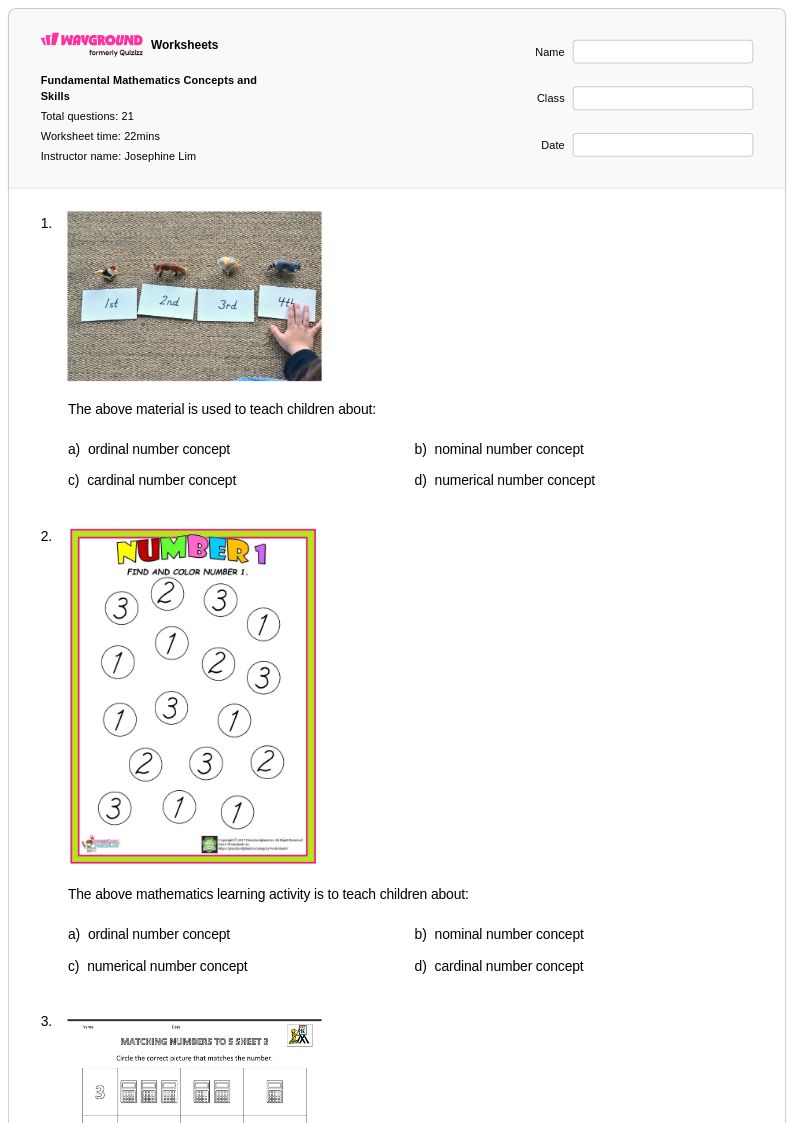
21 Hỏi
Uni
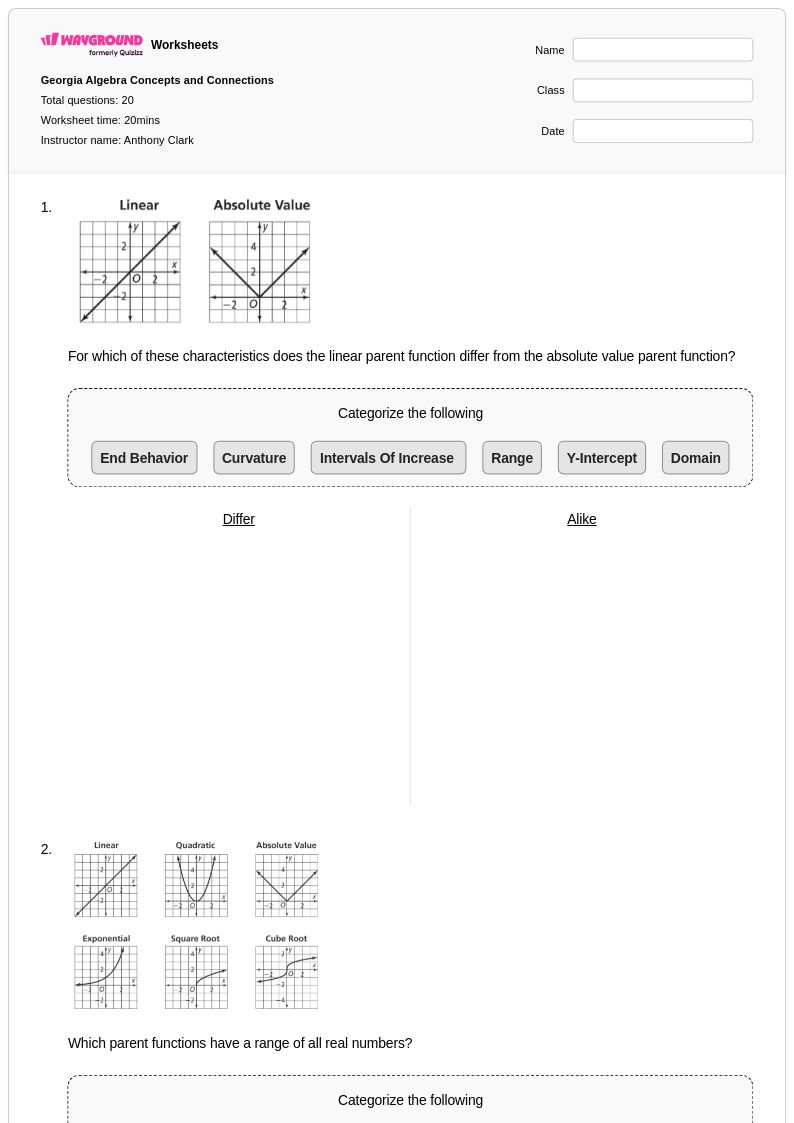
20 Hỏi
9th - Uni
17 Hỏi
4th
12 Hỏi
7th
10 Hỏi
6th
16 Hỏi
6th
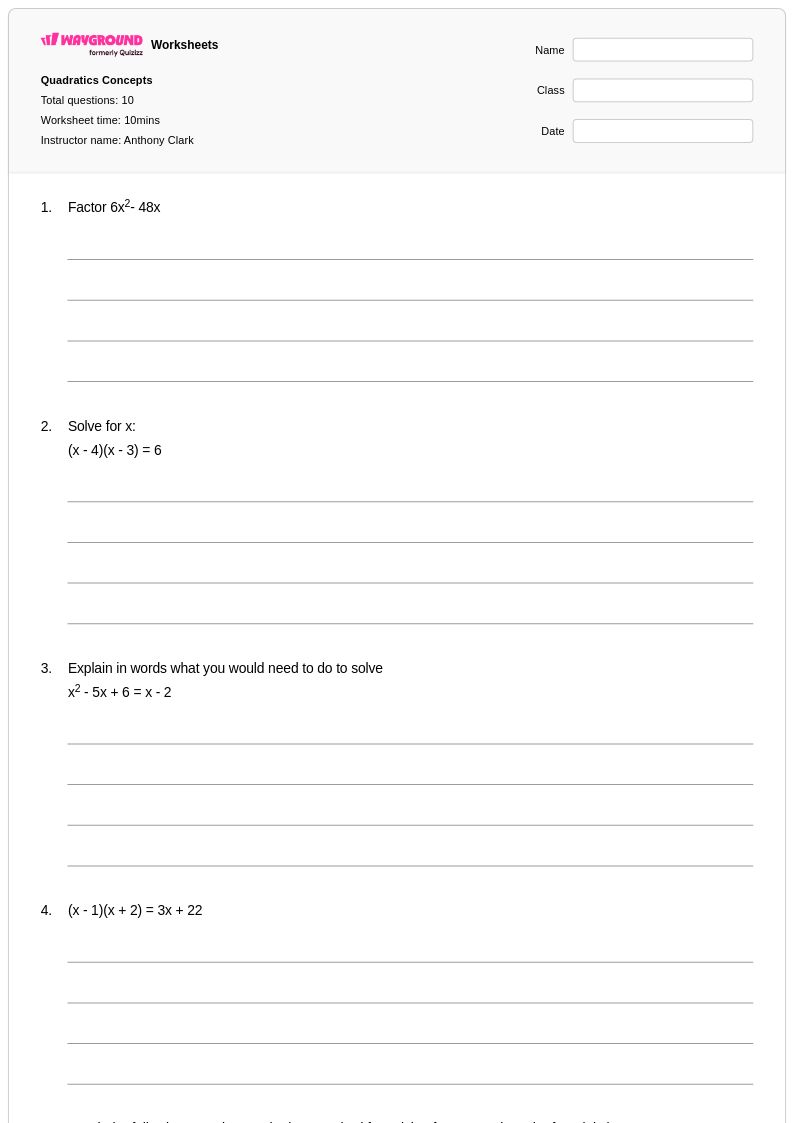
10 Hỏi
9th - Uni
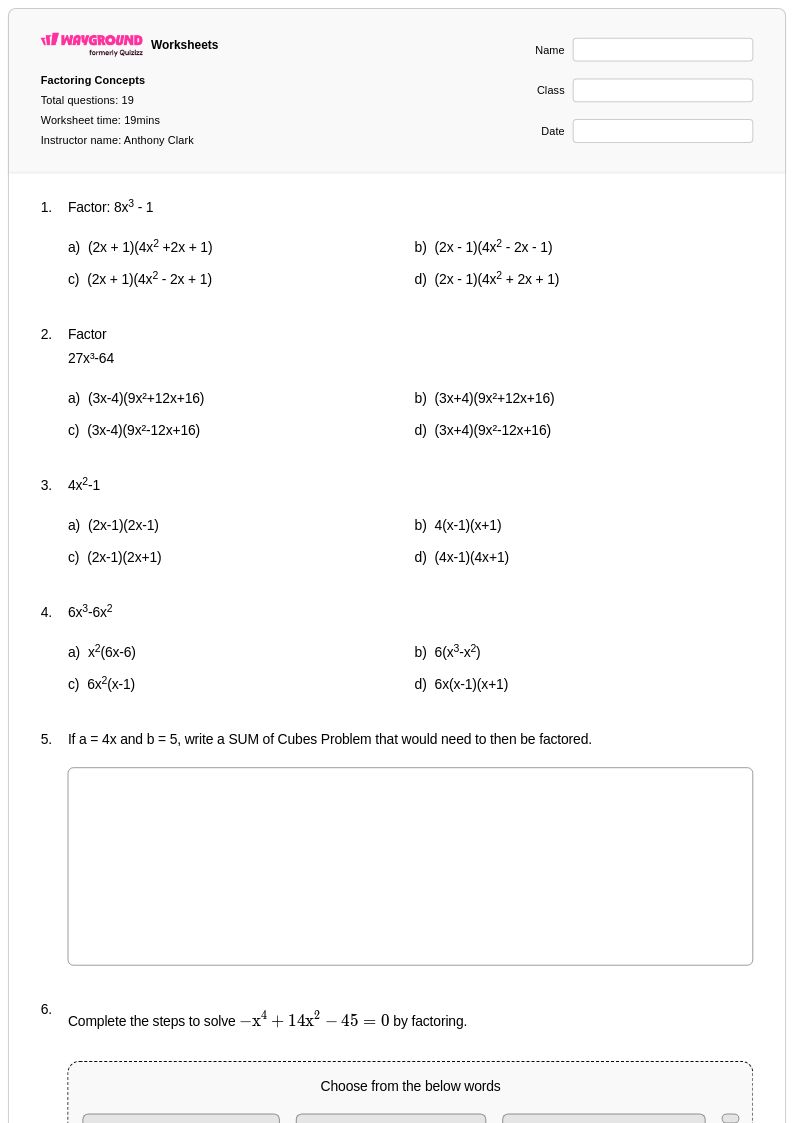
19 Hỏi
11th - Uni
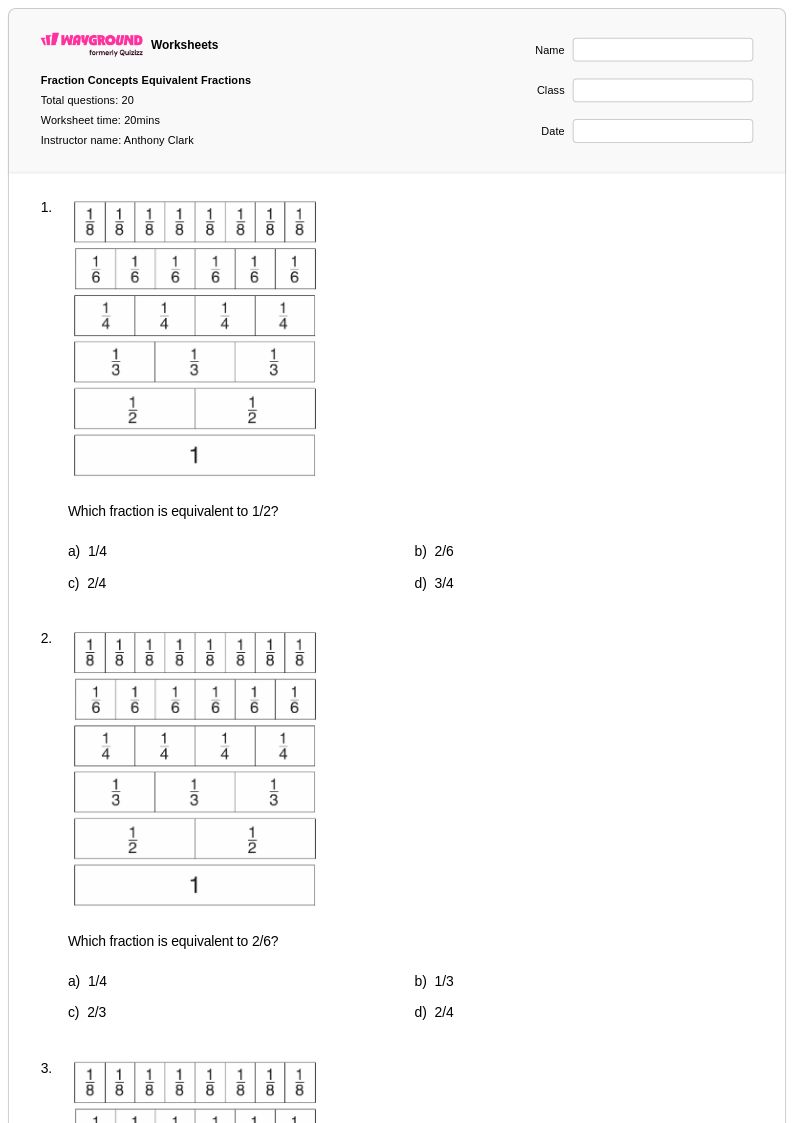
20 Hỏi
4th - Uni
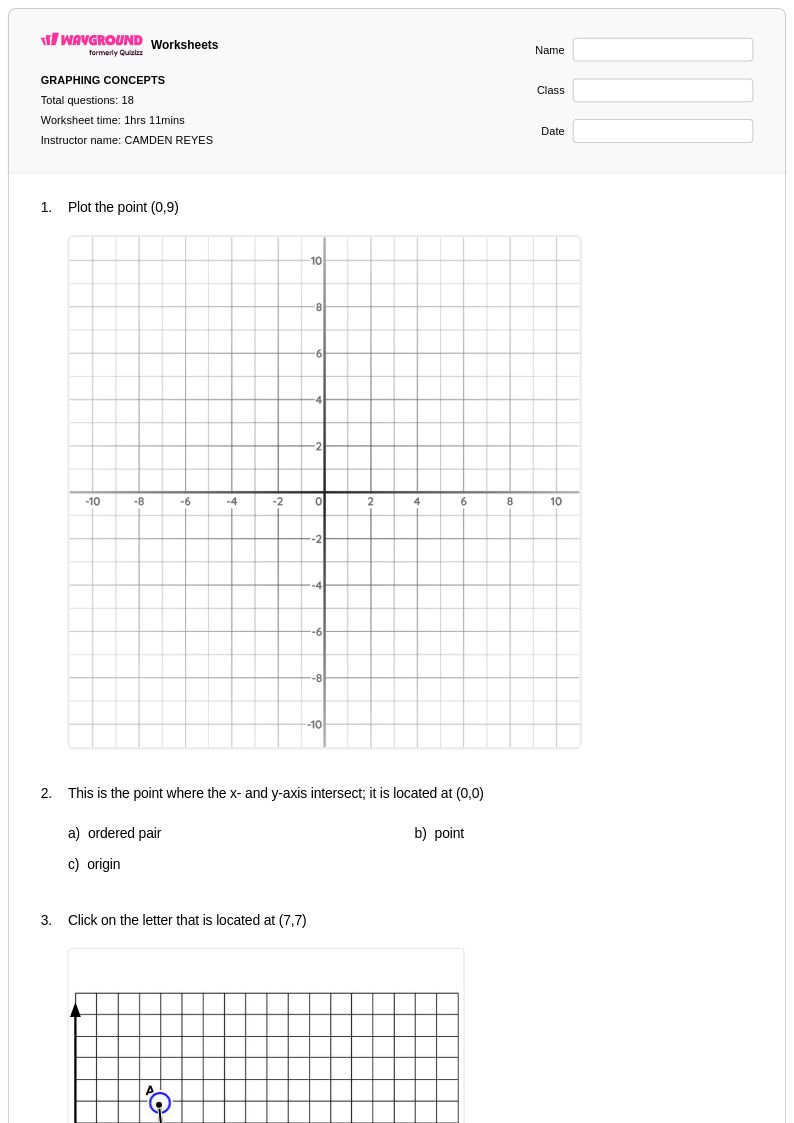
18 Hỏi
9th - 12th
Khám phá Spatial Concepts Bảng tính theo cấp độ
Khám phá các bảng tính chủ đề khác cho kindergarten
Explore printable Spatial Concepts worksheets for Kindergarten
Spatial concepts worksheets for kindergarten mathematics provide foundational learning experiences that help young students develop essential geometric thinking skills. These comprehensive worksheet collections from Wayground (formerly Quizizz) focus on building children's understanding of position, direction, and spatial relationships through engaging activities that explore concepts like above and below, inside and outside, near and far, and left and right. The practice problems are specifically designed to strengthen kindergarteners' ability to describe locations, understand positional vocabulary, and visualize spatial arrangements in their environment. Each worksheet includes clear answer keys and is available as free printables in convenient pdf format, making them accessible resources for both classroom instruction and home practice as children master these critical early geometry skills.
Wayground (formerly Quizizz) empowers educators with an extensive library of millions of teacher-created spatial concepts worksheets specifically tailored for kindergarten mathematics instruction. The platform's robust search and filtering capabilities allow teachers to quickly locate age-appropriate materials that align with early learning standards and support diverse classroom needs. These differentiation tools enable educators to customize worksheets for varying skill levels, ensuring that all students can engage meaningfully with spatial concept development whether they need additional practice or enrichment opportunities. Available in both printable and digital formats including downloadable pdfs, these flexible resources streamline lesson planning while providing teachers with reliable materials for skill practice, remediation sessions, and formative assessment of students' growing understanding of fundamental geometric spatial relationships.
FAQs
What spatial concepts should a kindergartener know?
What's the best way to teach positional words to kindergarteners?
What activities help kindergarteners practice spatial awareness?
Why do my kindergarten students confuse words like 'in front of' and 'behind'?
How can I use these kindergarten worksheets in my classroom?
How do these concepts align with early learning standards like Common Core?