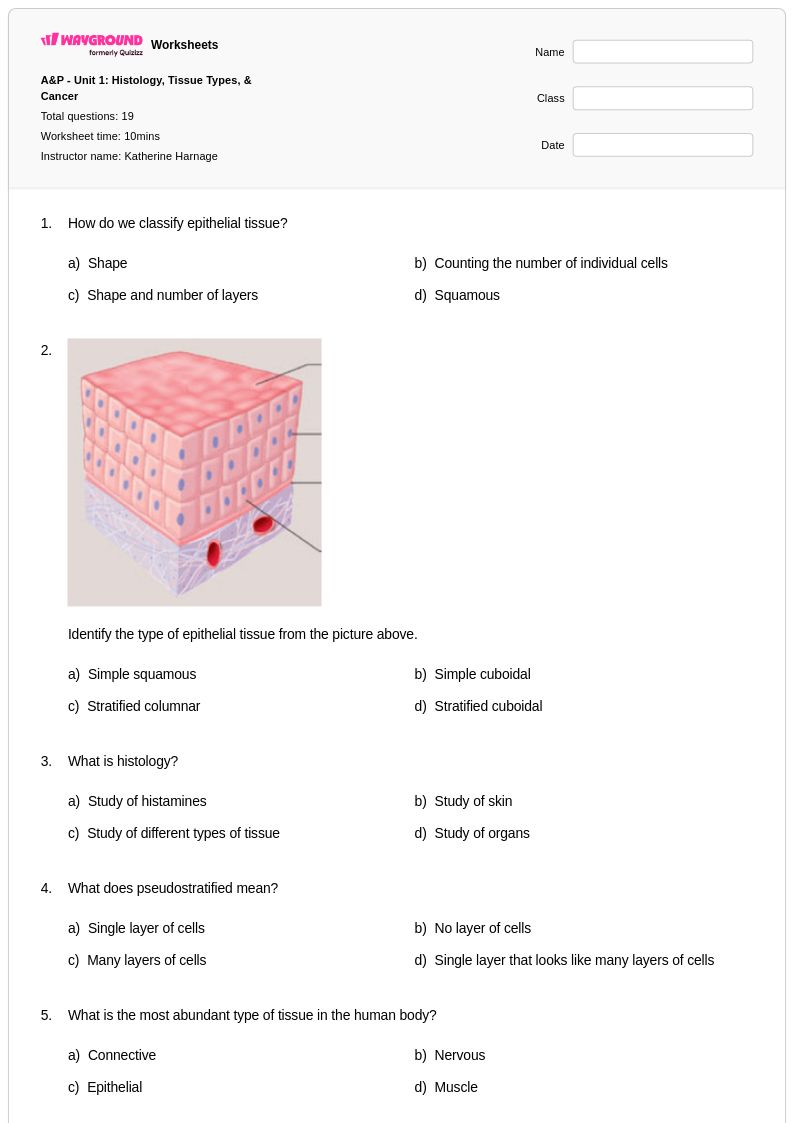
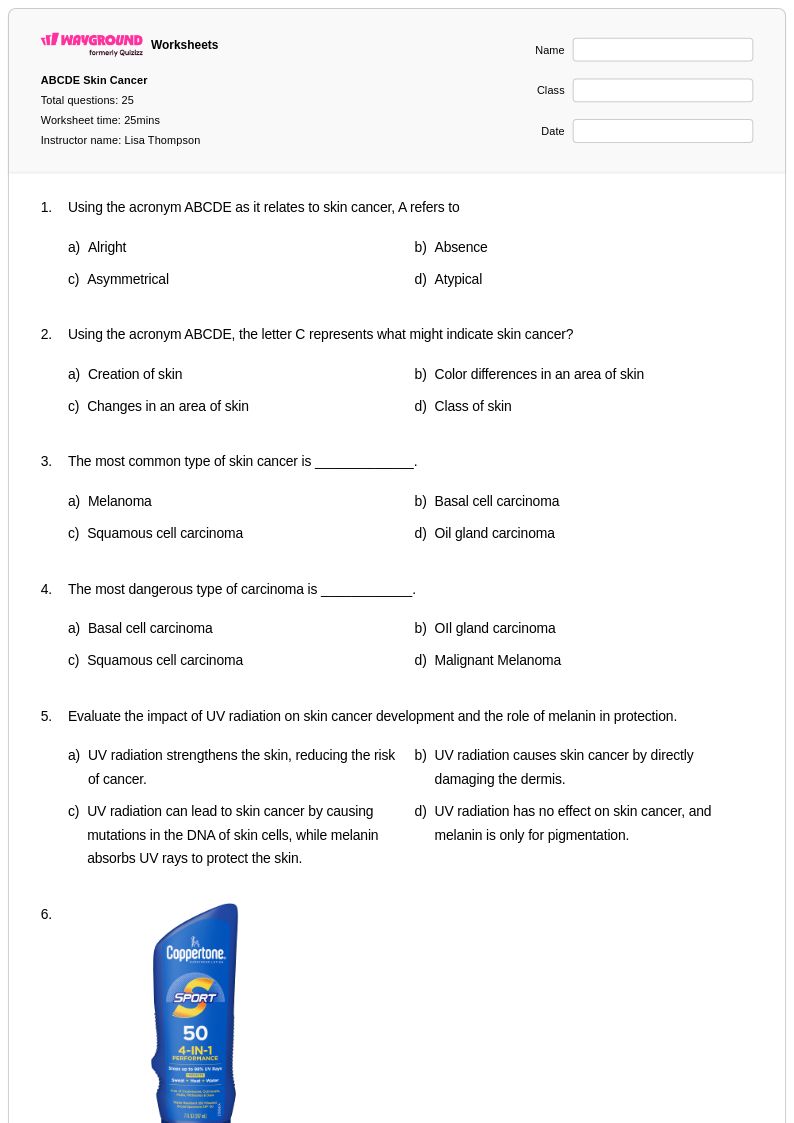
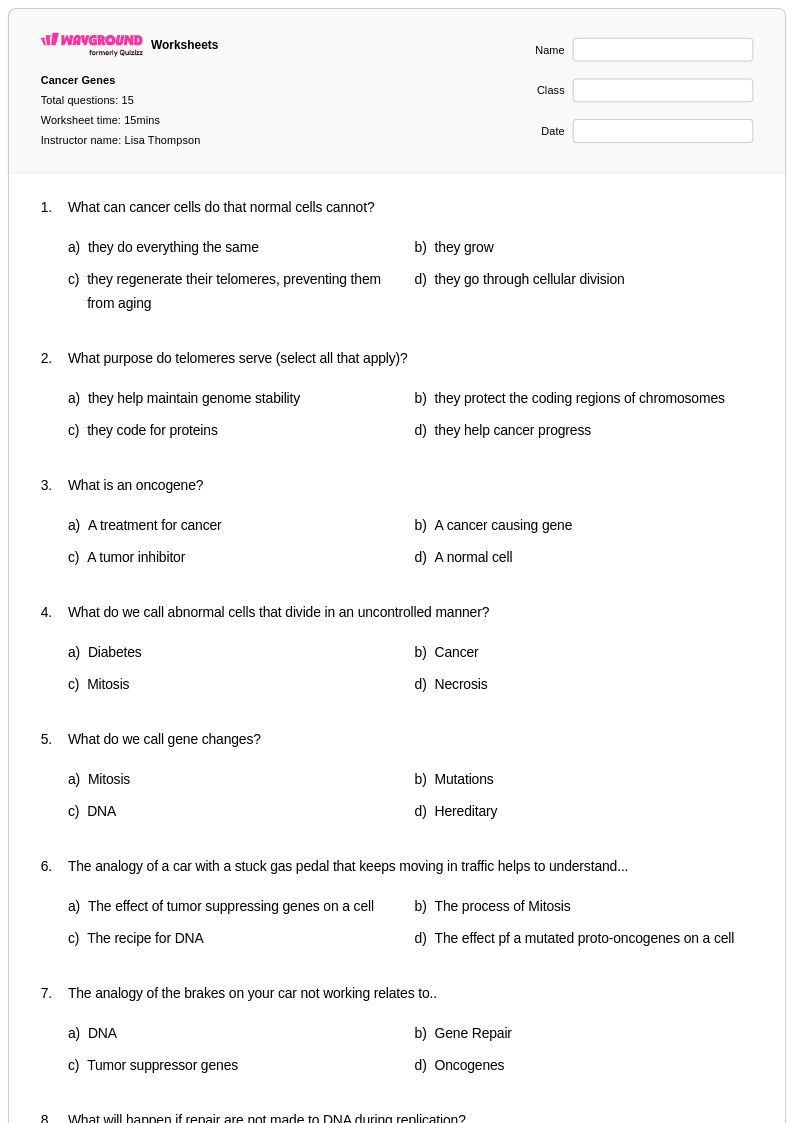
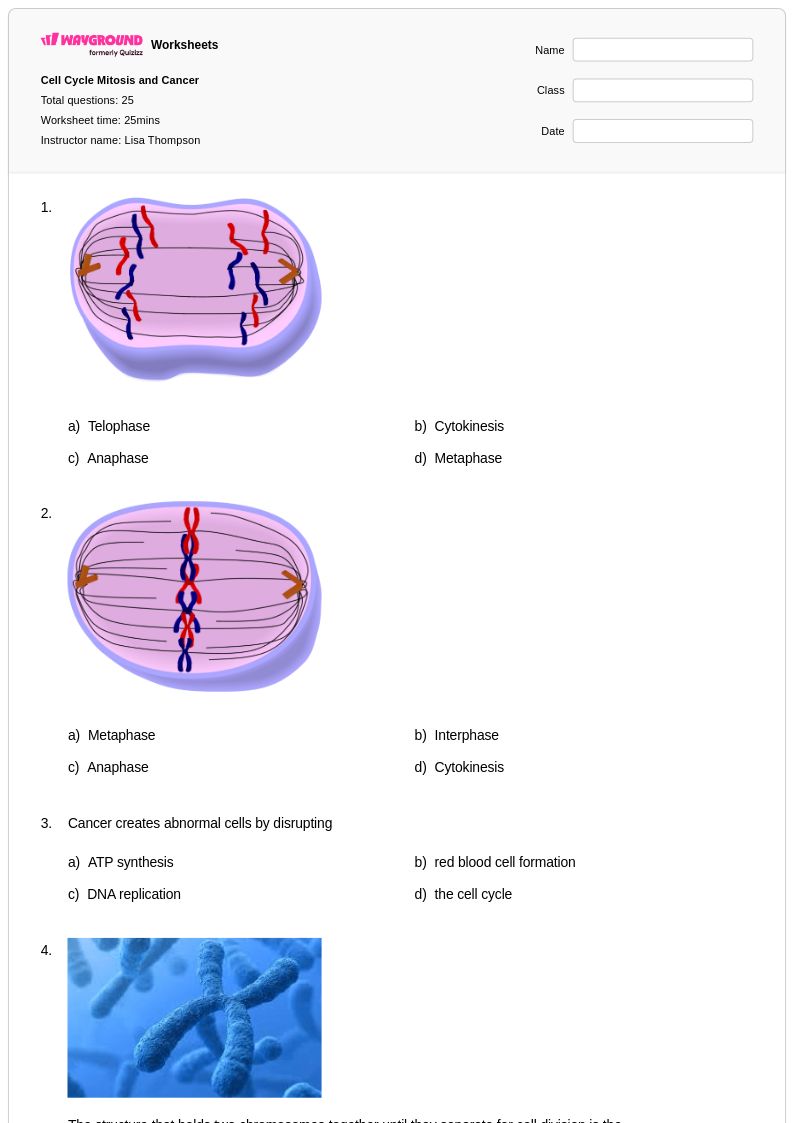
Explore Class 11 cancer biology worksheets and printables through Wayground that help students understand cellular mutations, tumor development, and cancer mechanisms with comprehensive practice problems and answer keys.
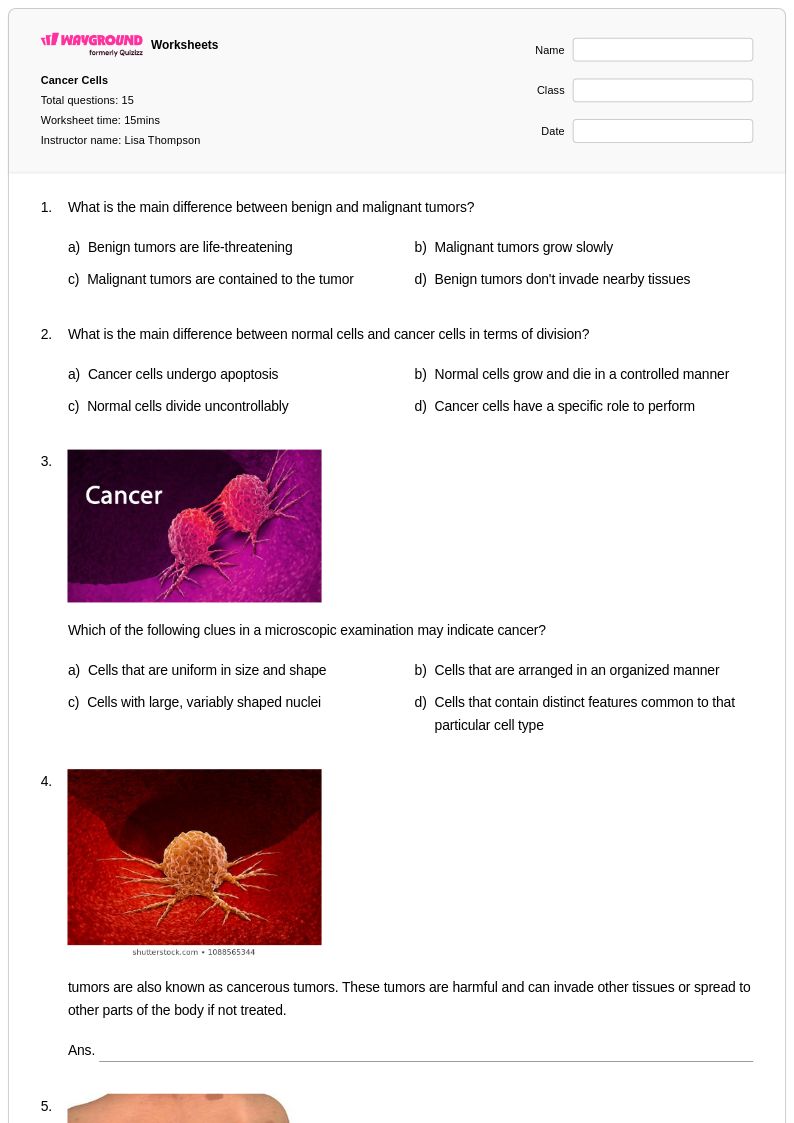
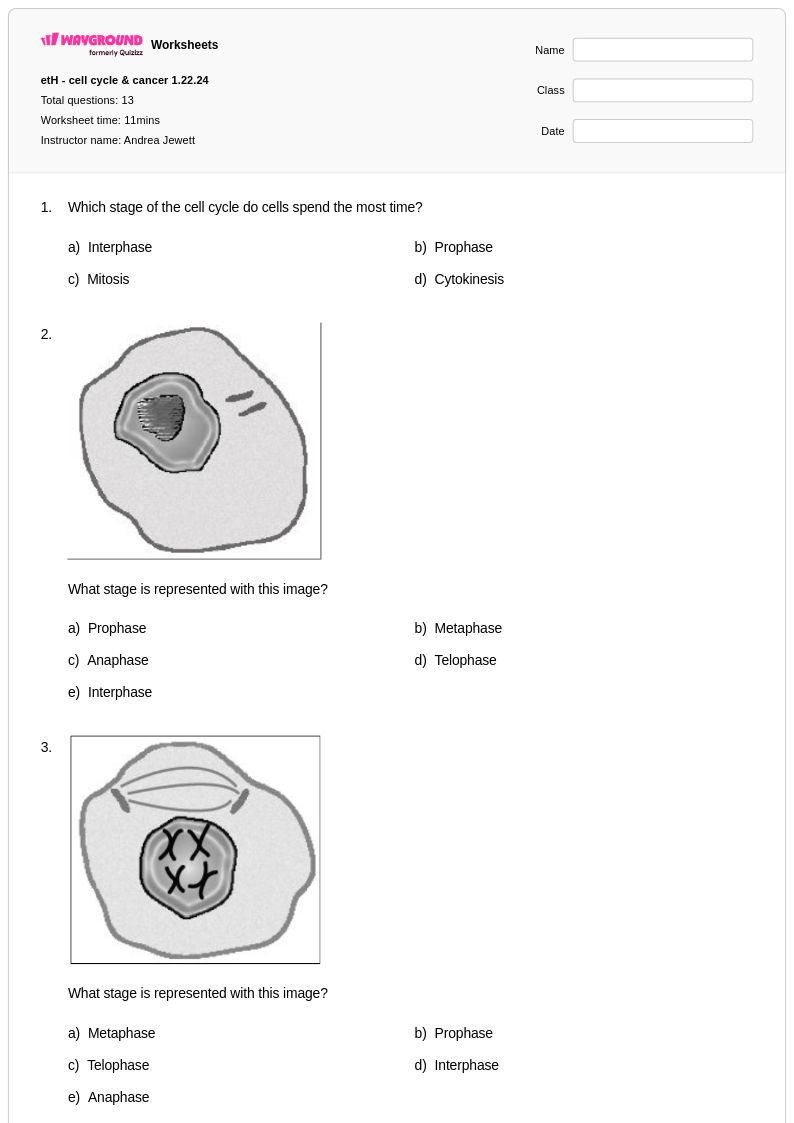
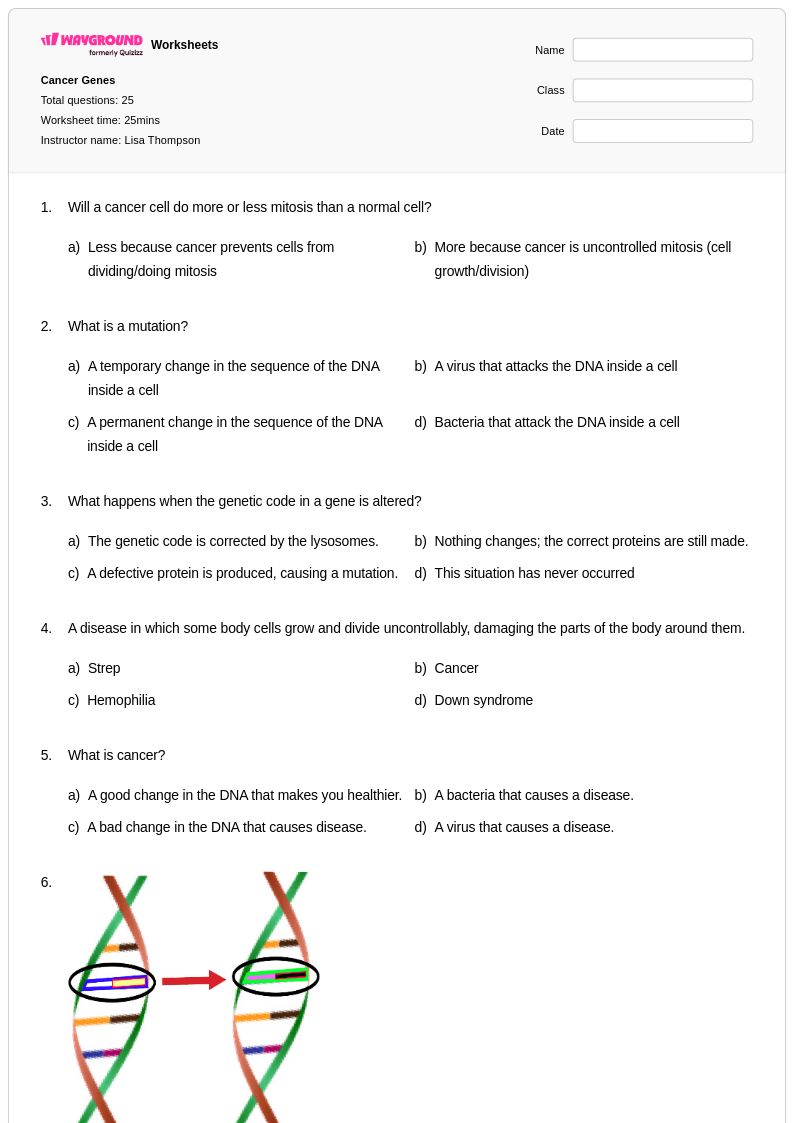
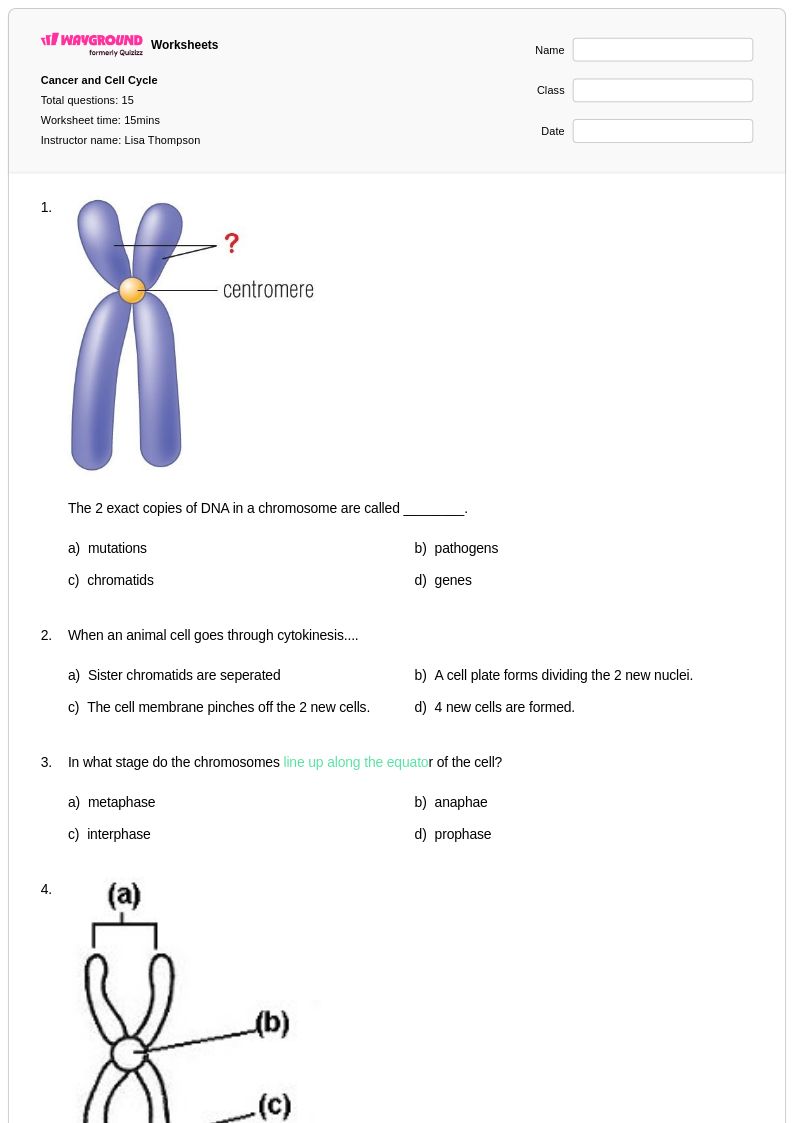
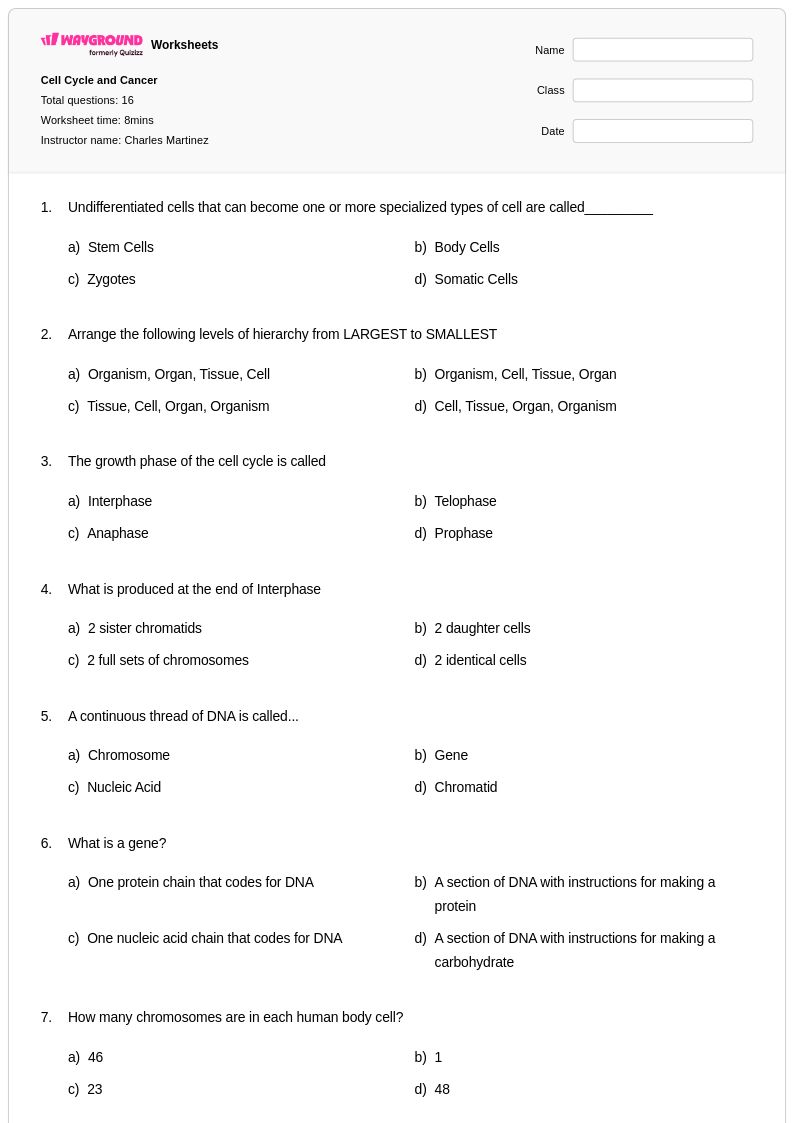
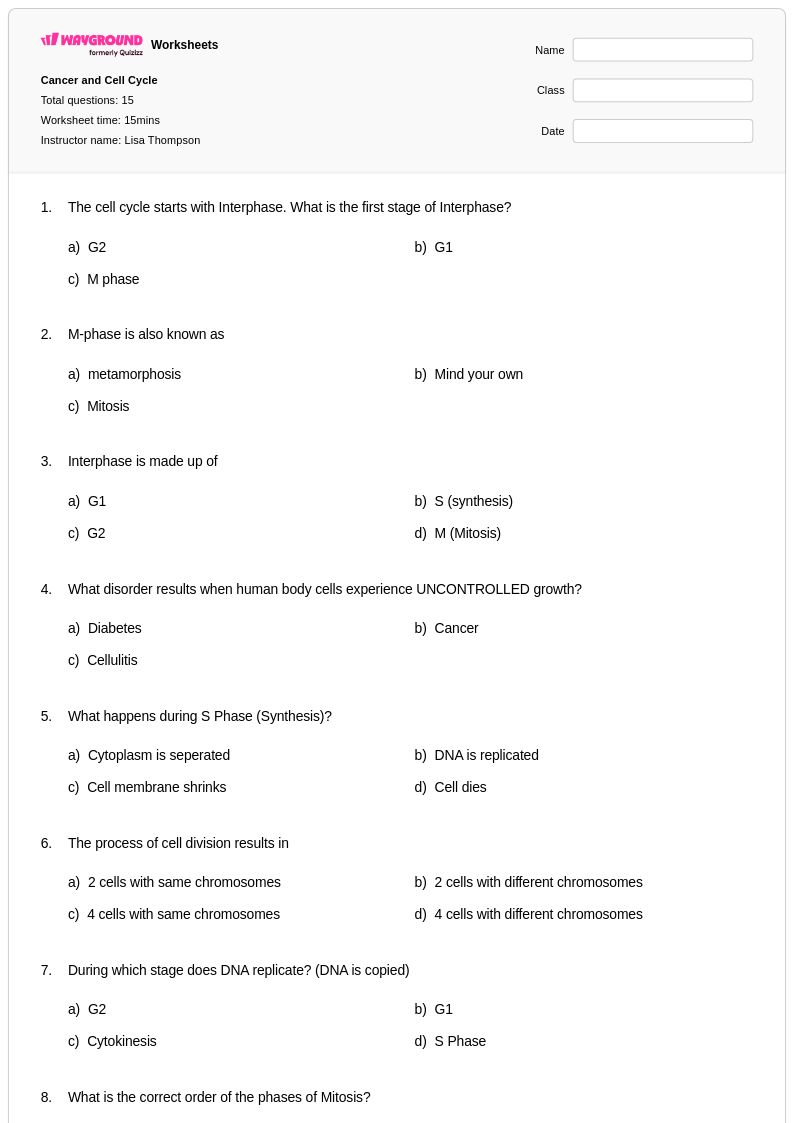
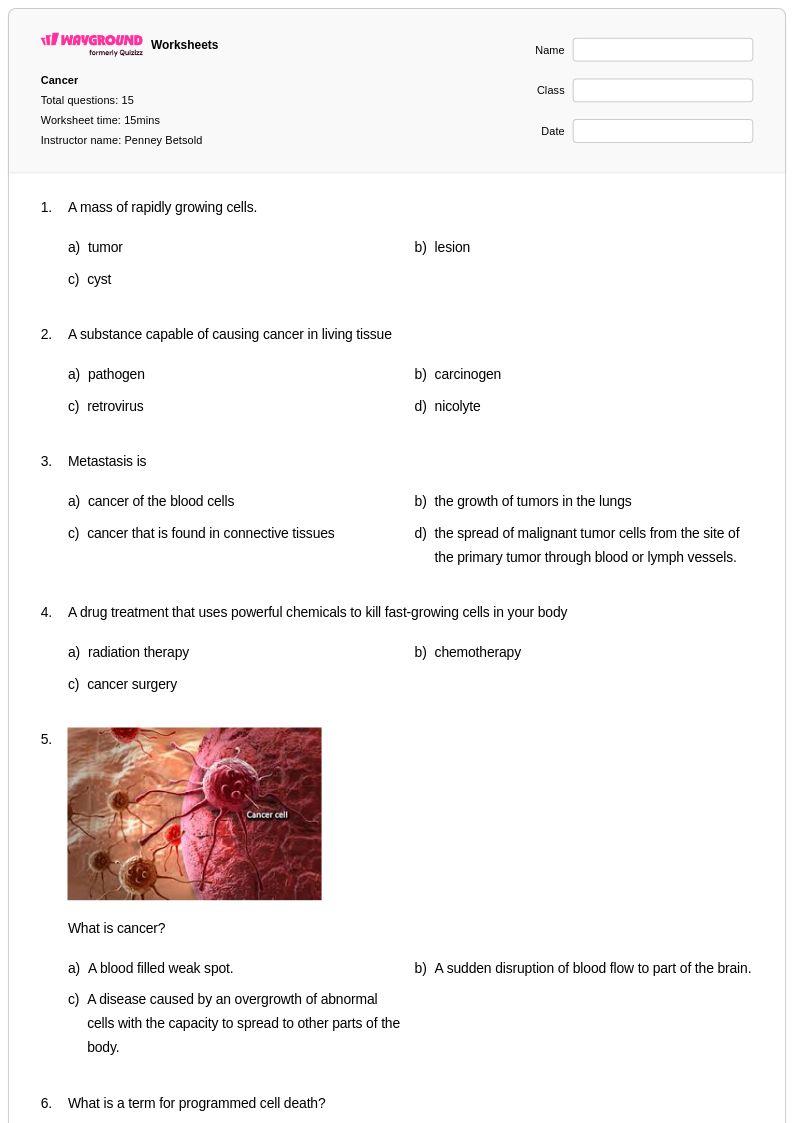
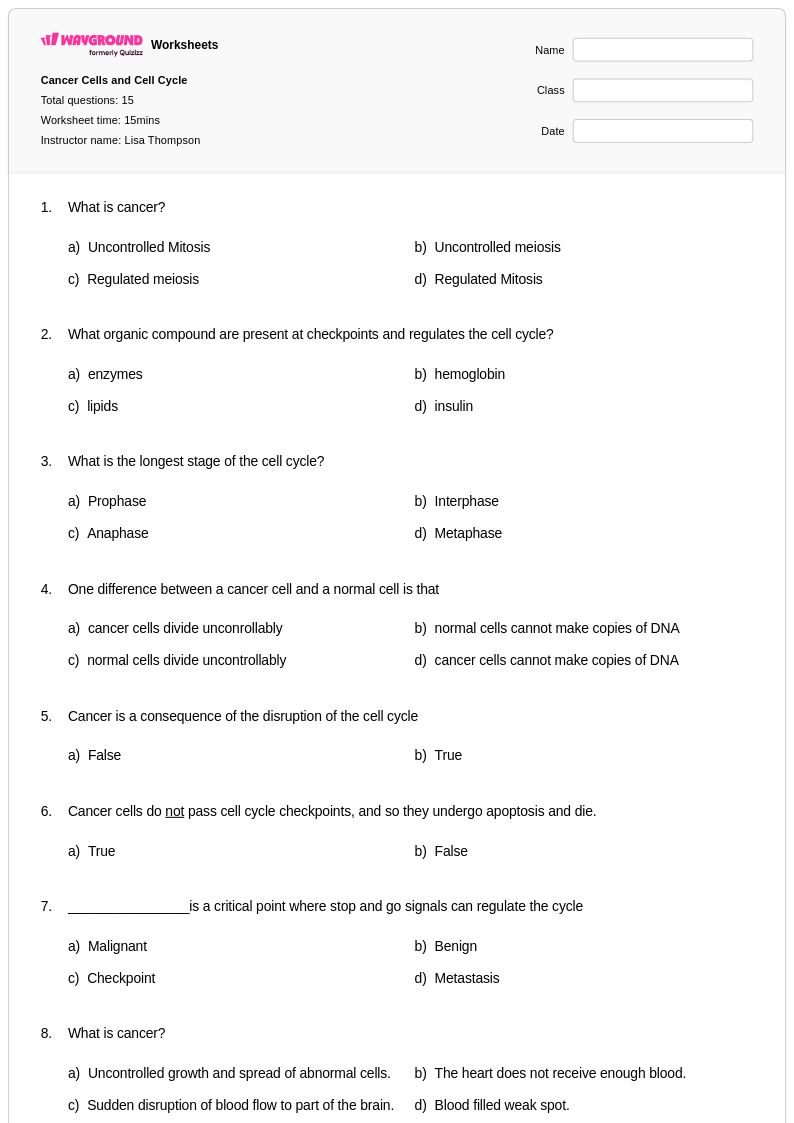
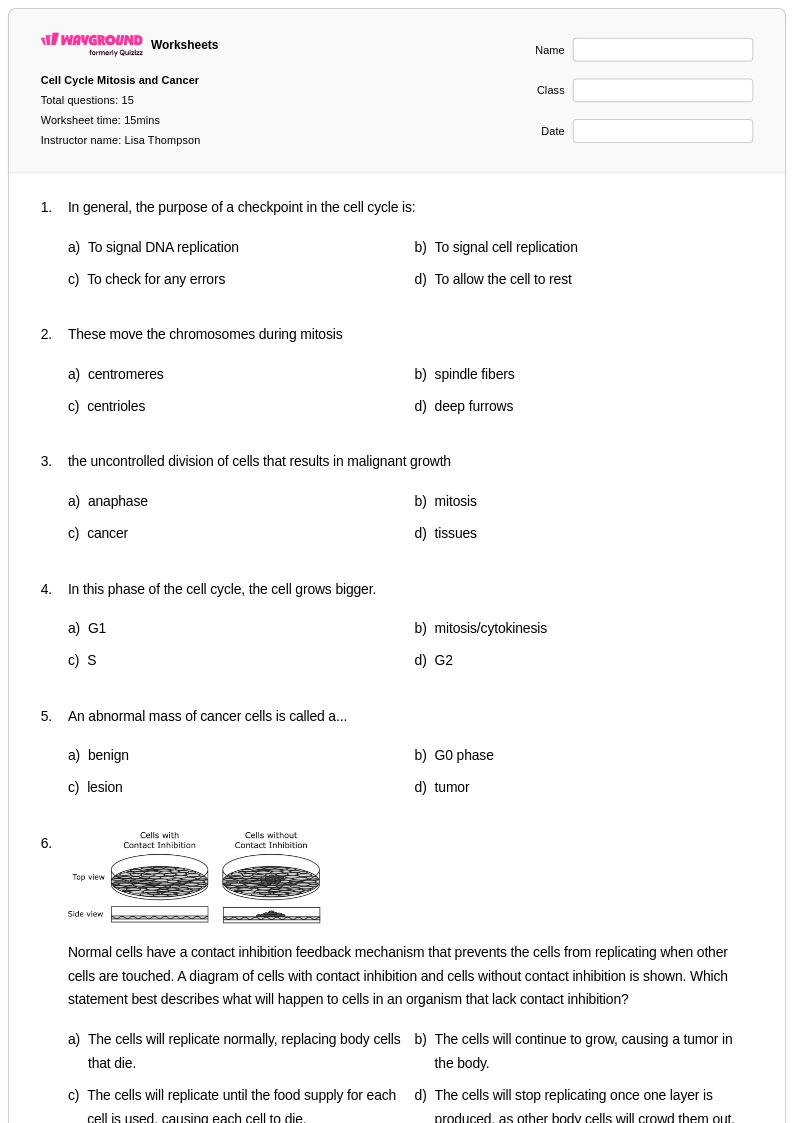
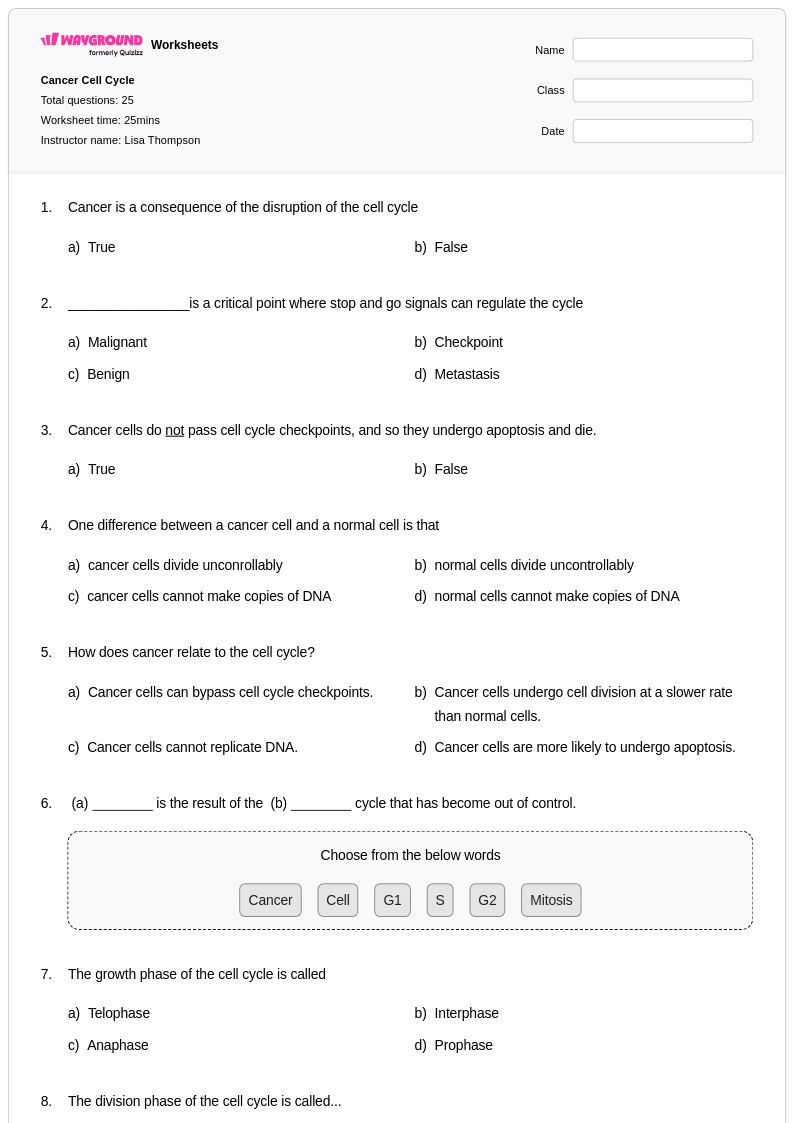
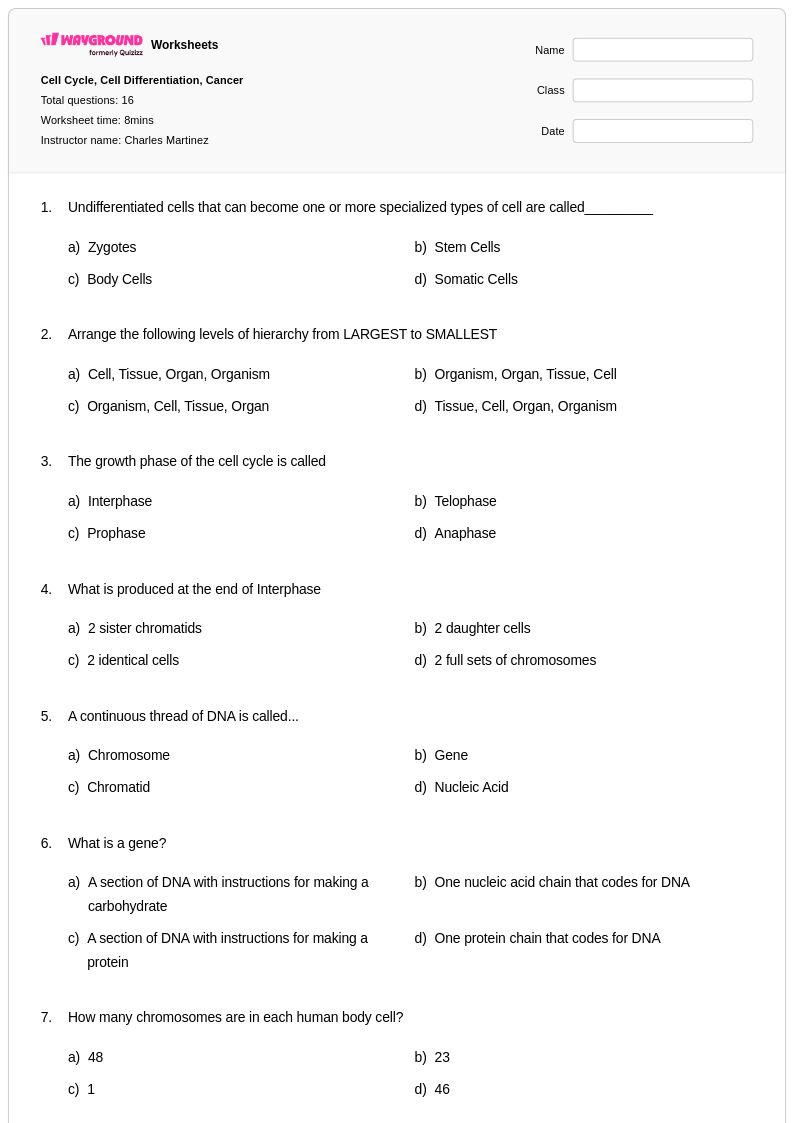
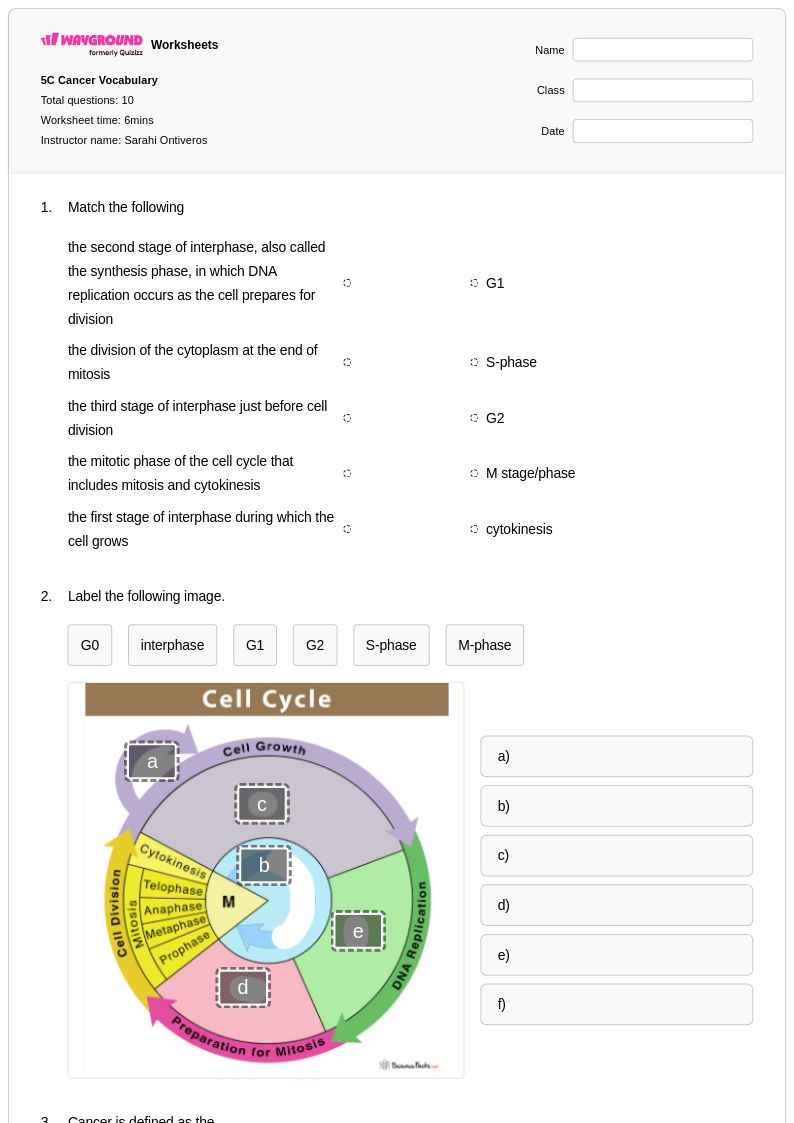
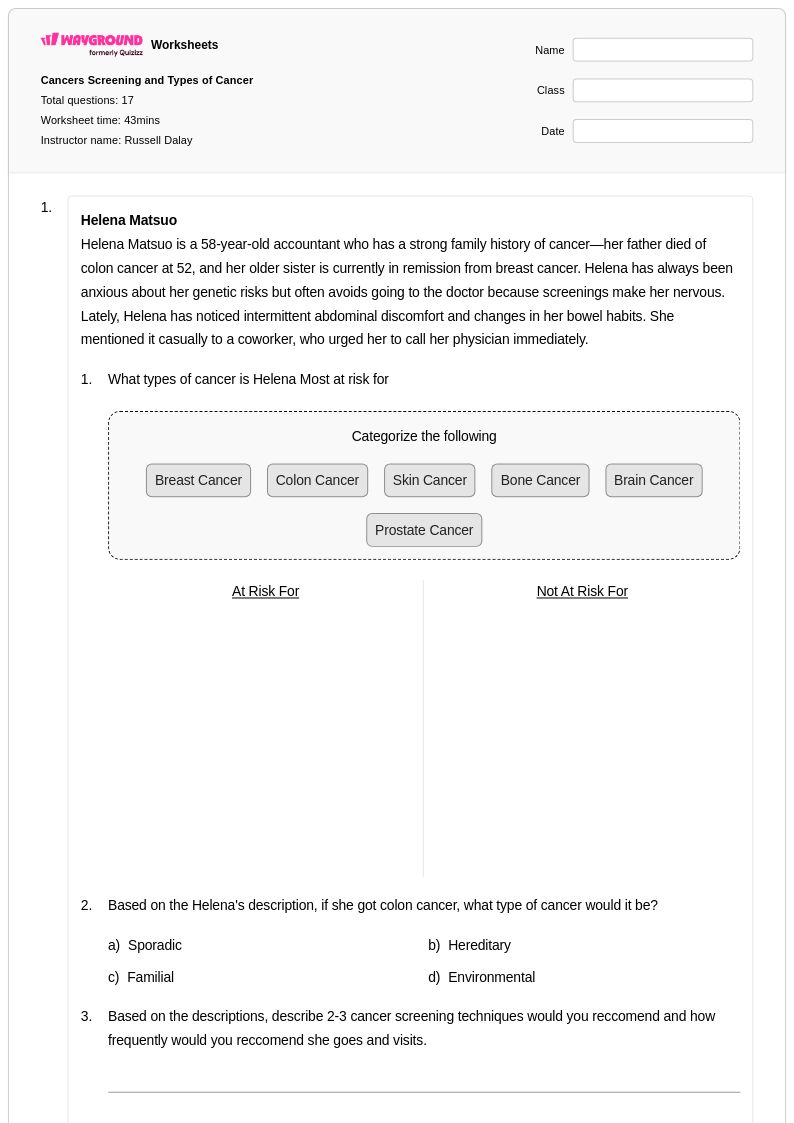
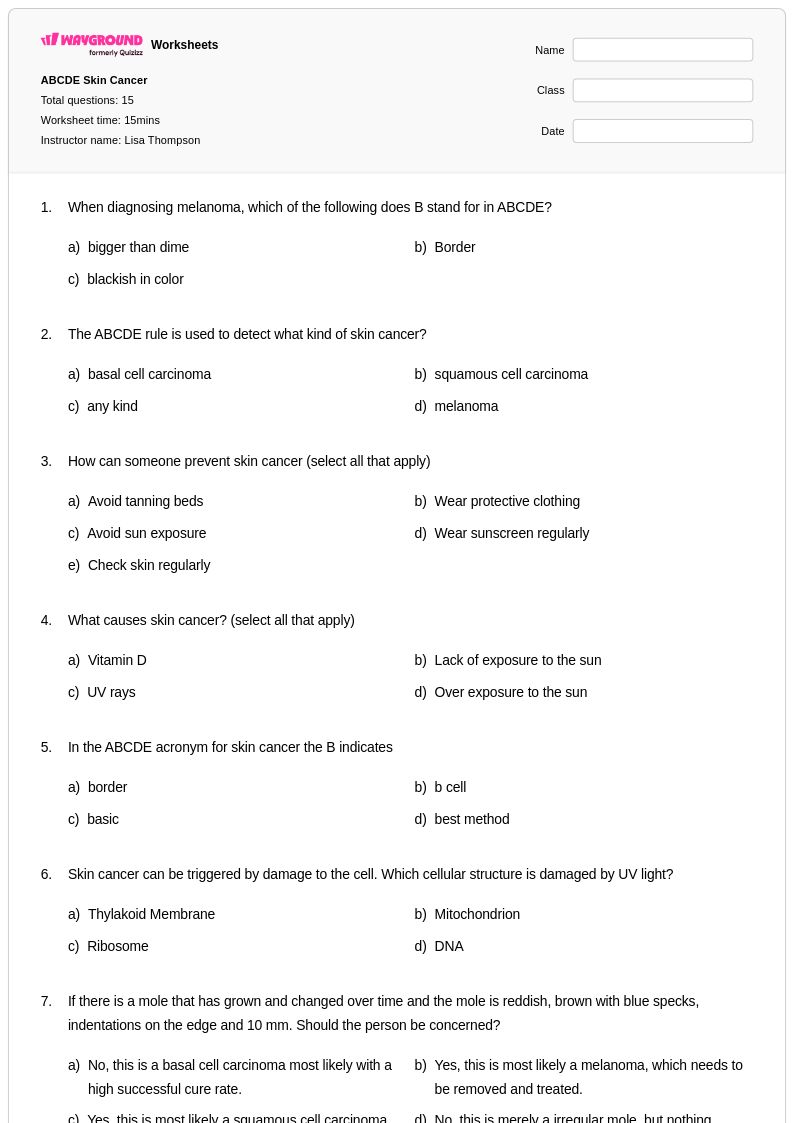
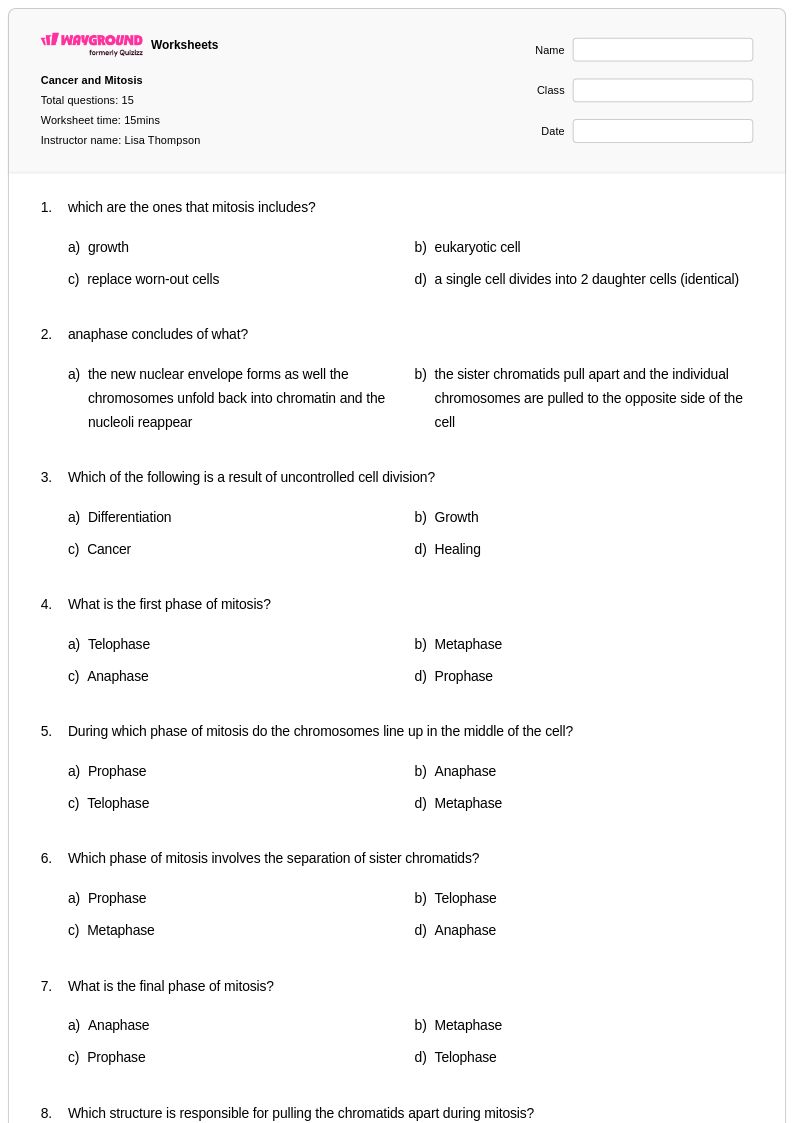
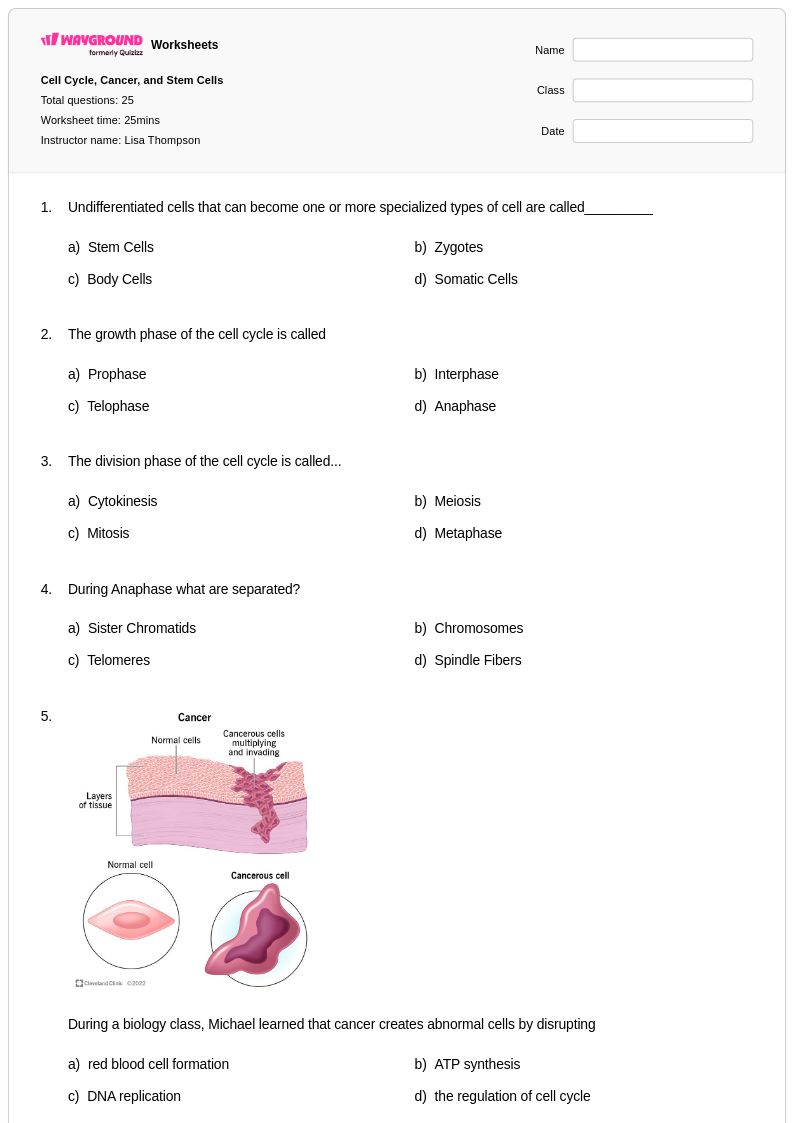
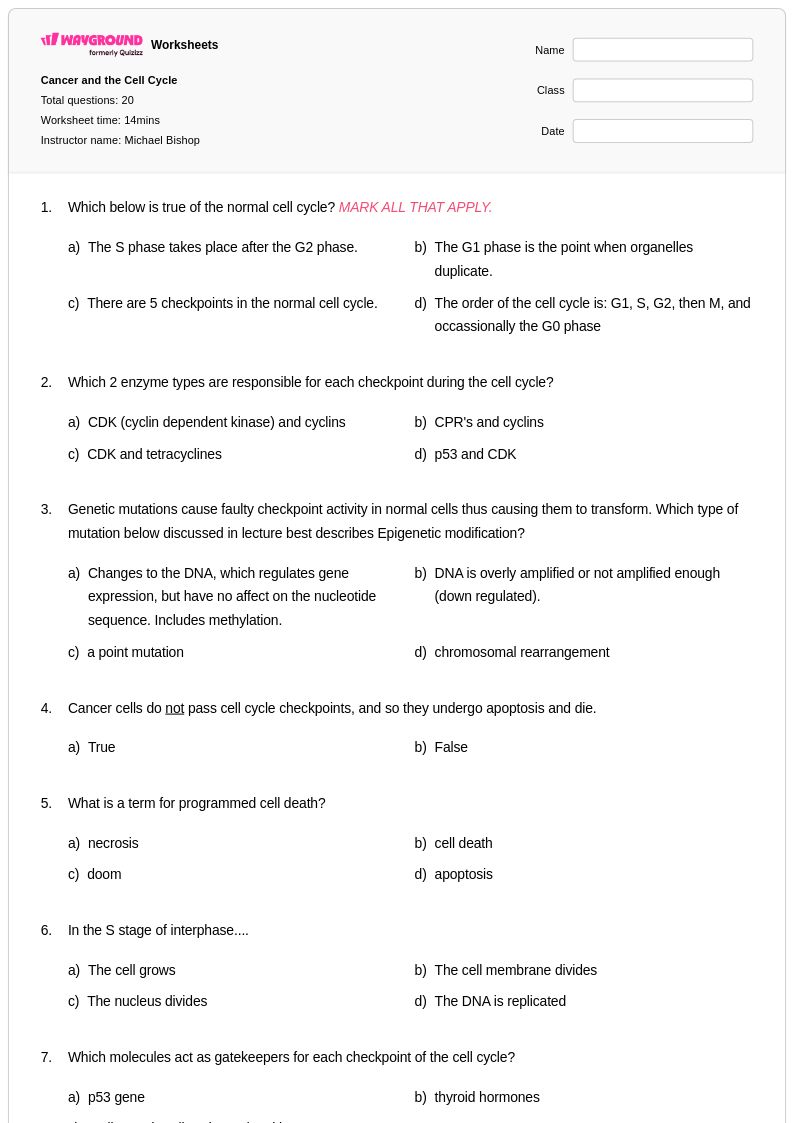
Cancer worksheets for Class 11 biology students available through Wayground (formerly Quizizz) provide comprehensive coverage of this critical cellular biology topic, helping students understand the complex mechanisms underlying malignant transformation and tumor development. These expertly designed practice problems guide students through essential concepts including cell cycle regulation, oncogenes and tumor suppressor genes, metastasis pathways, and current therapeutic approaches. The collection strengthens analytical thinking skills as students examine case studies, interpret cancer statistics, and evaluate treatment options while working through detailed scenarios that mirror real-world oncological challenges. Each worksheet includes a complete answer key and is available as a free printable pdf, enabling students to practice independently while reinforcing their understanding of how normal cellular processes become disrupted in cancerous cells.
Wayground (formerly Quizizz) empowers biology educators with an extensive library of millions of teacher-created cancer worksheets specifically designed for Class 11 students, featuring robust search and filtering capabilities that allow quick identification of materials aligned with specific learning standards and curriculum requirements. The platform's sophisticated differentiation tools enable teachers to customize content difficulty levels, modify question formats, and adapt worksheets to meet diverse student needs, whether for remediation of struggling learners or enrichment of advanced students. Available in both printable pdf and interactive digital formats, these resources streamline lesson planning by providing ready-to-use materials that can be seamlessly integrated into classroom instruction, laboratory sessions, or homework assignments, ensuring students receive targeted practice with cancer biology concepts while teachers maintain flexibility in their instructional approach.
FAQs
How do I teach cancer biology to high school students?
Effective cancer biology instruction begins with a strong foundation in normal cell cycle regulation before introducing how mutations disrupt those controls. Teachers should connect oncogenes and tumor suppressor genes to concepts students already know, such as DNA replication and protein synthesis, before moving into metastasis and treatment modalities. Case studies linking real cancer statistics to molecular mechanisms help students see clinical relevance and sustain engagement with what can feel like abstract content.
What worksheets help students practice cancer biology concepts?
Practice problems that ask students to interpret cancer statistics, analyze case studies, and trace the molecular steps of carcinogenesis are particularly effective for reinforcing key concepts. Worksheets covering cell cycle disruption, oncogenes, tumor suppressor genes, and metastasis mechanisms give students structured opportunities to apply vocabulary and processes rather than simply memorize them. Layering multiple exercise types across a unit builds the analytical skills students need for assessments and advanced coursework.
What mistakes do students commonly make when learning about cancer?
One of the most persistent misconceptions is that cancer is a single disease rather than a broad category of conditions driven by different genetic mutations and environmental factors. Students also frequently confuse oncogenes with tumor suppressor genes, misunderstanding that cancer can arise from the overactivation of growth signals or the loss of growth inhibition. Another common error is conflating metastasis with tumor growth at the primary site, when metastasis specifically refers to cancer cells migrating and establishing new tumors elsewhere in the body.
How can I use cancer biology worksheets to support students with different learning needs?
Wayground's cancer biology worksheets are available in both printable PDF and digital formats, which makes it straightforward to deploy them across in-person and remote settings. When used digitally through Wayground, teachers can apply student-level accommodations including Read Aloud for students who benefit from audio support, reduced answer choices to lower cognitive load, and extended time settings configured per student. These accommodations are saved and reusable across future sessions, so teachers do not need to reconfigure them each time a new worksheet is assigned.
How do cancer biology worksheets fit into a broader biology or health sciences unit?
Cancer biology worksheets work best as a capstone or integrative component of units covering cell division, genetics, and molecular biology, since the topic draws directly on those prior concepts. They can also serve as enrichment materials that introduce students to cutting-edge cancer research or as targeted remediation for challenging concepts like DNA repair mechanisms. For health sciences courses, these worksheets extend naturally into discussions of treatment modalities such as chemotherapy and immunotherapy, bridging biology content with real-world clinical applications.
What cancer biology topics should worksheets cover to prepare students for advanced coursework?
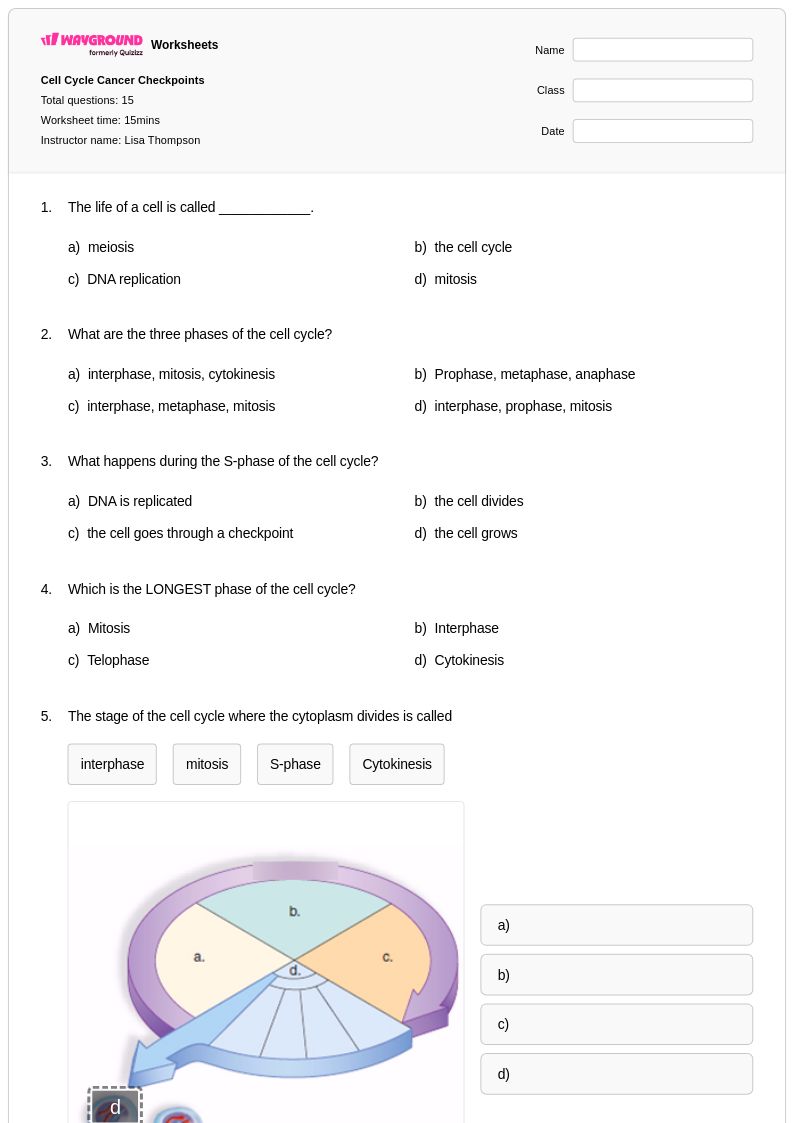
Worksheets that prepare students for AP Biology, college-level biology, or health sciences programs should cover the molecular basis of carcinogenesis, the roles of oncogenes and tumor suppressor genes, cell cycle checkpoint failures, and the mechanisms of metastasis. Exposure to treatment modalities, including chemotherapy, targeted therapy, and immunotherapy, rounds out students' understanding of how biological knowledge translates into clinical practice. Case-based problems that require students to interpret data and draw conclusions from cancer statistics are especially valuable for developing the analytical reasoning tested in advanced coursework.