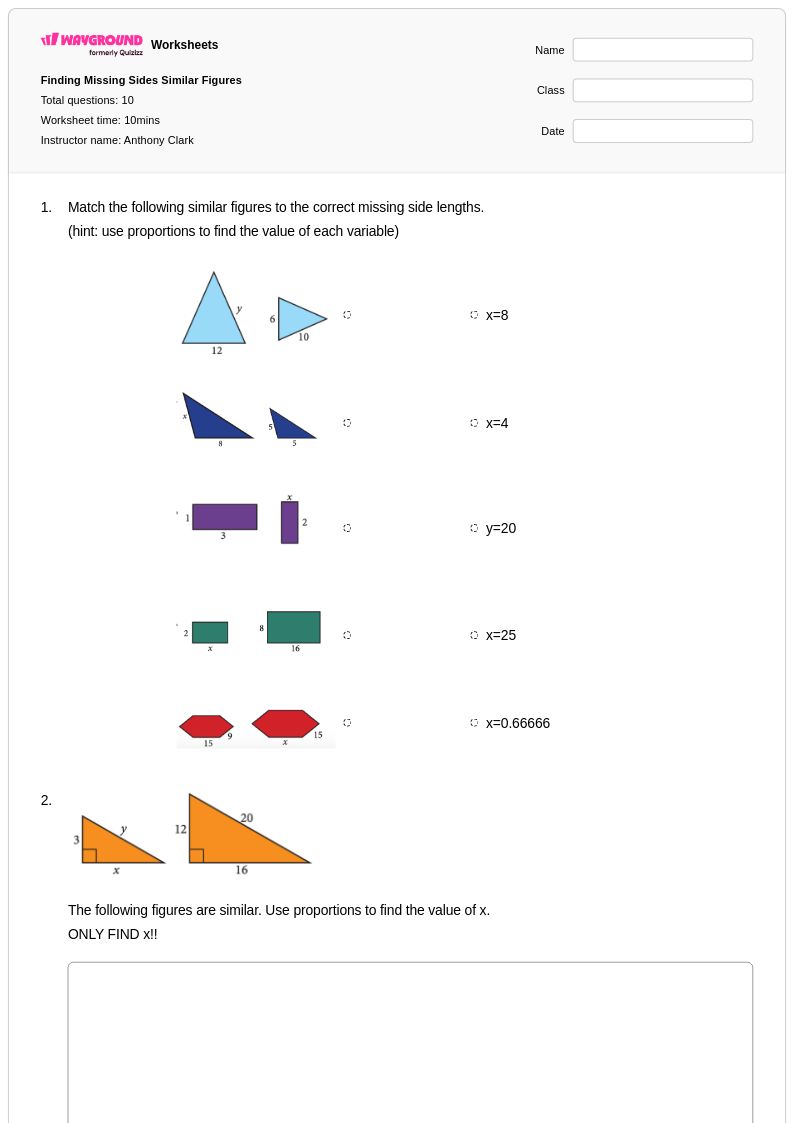
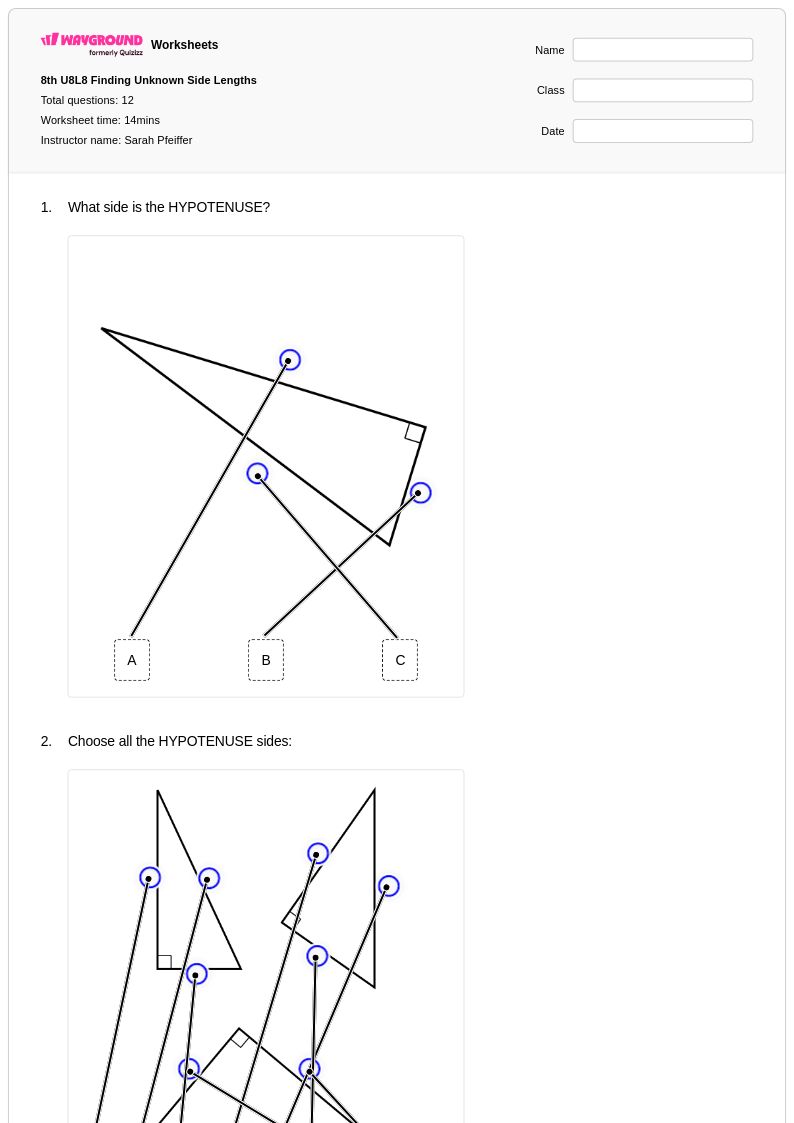
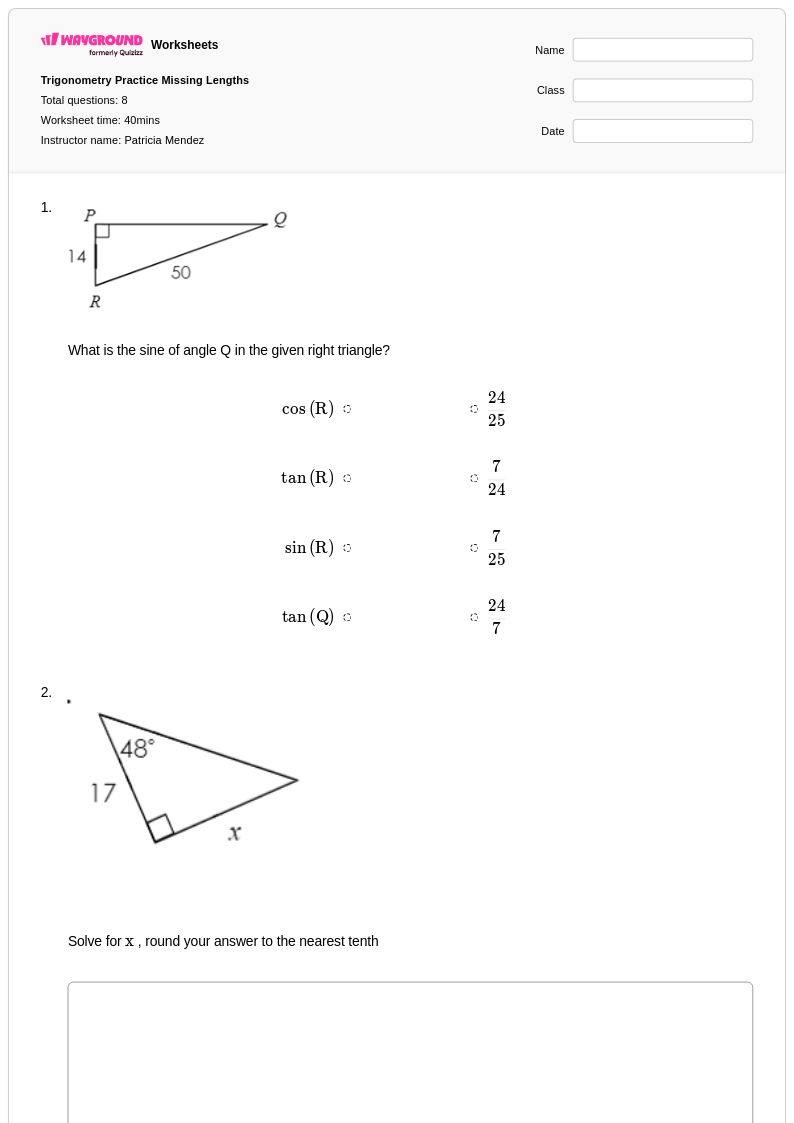
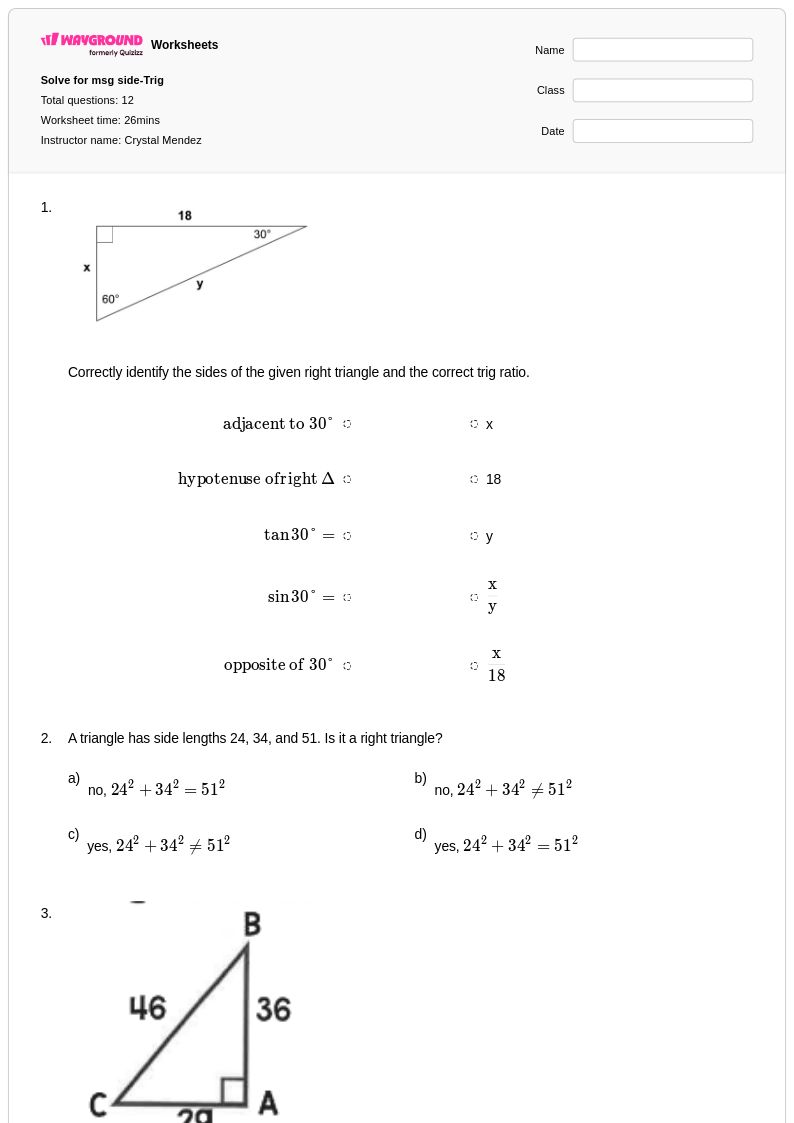
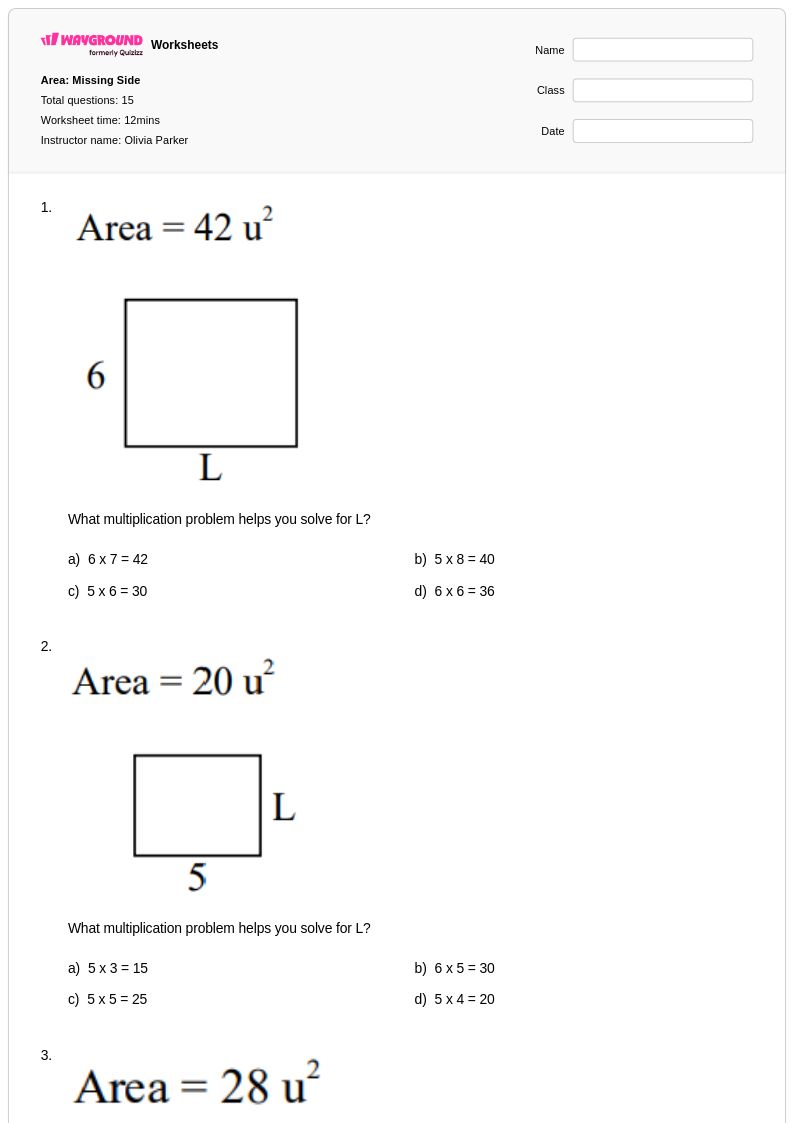
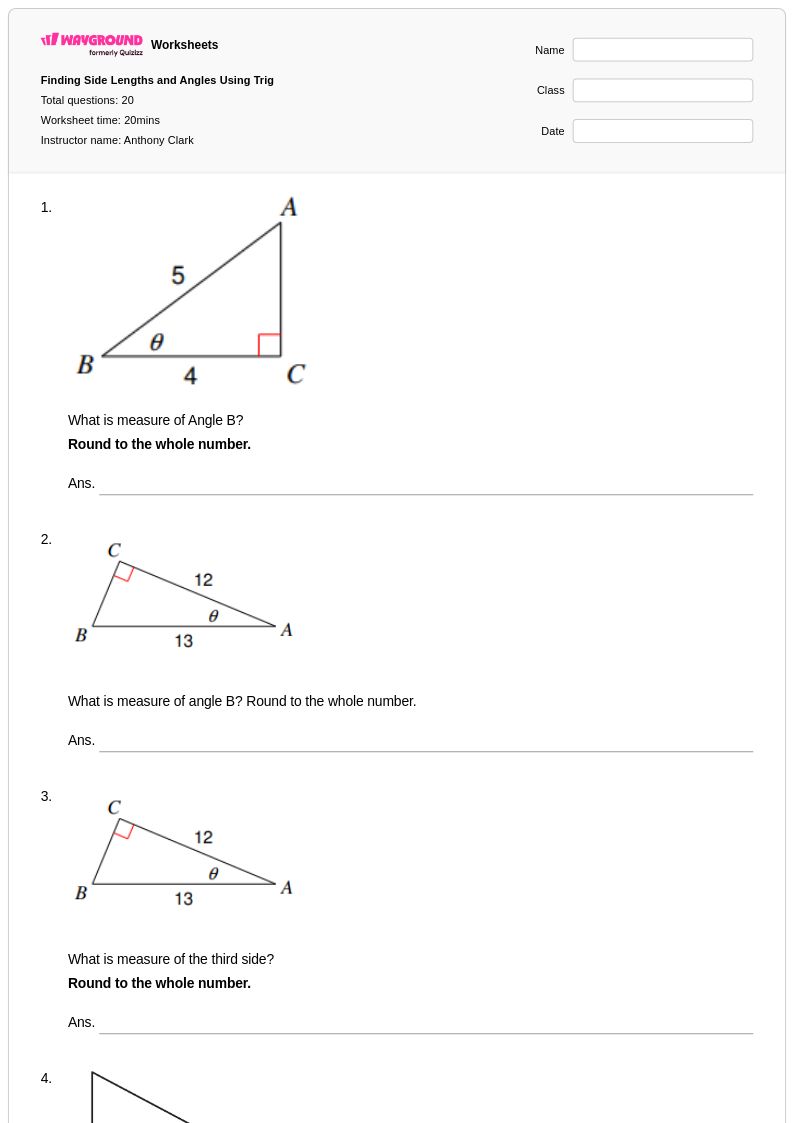
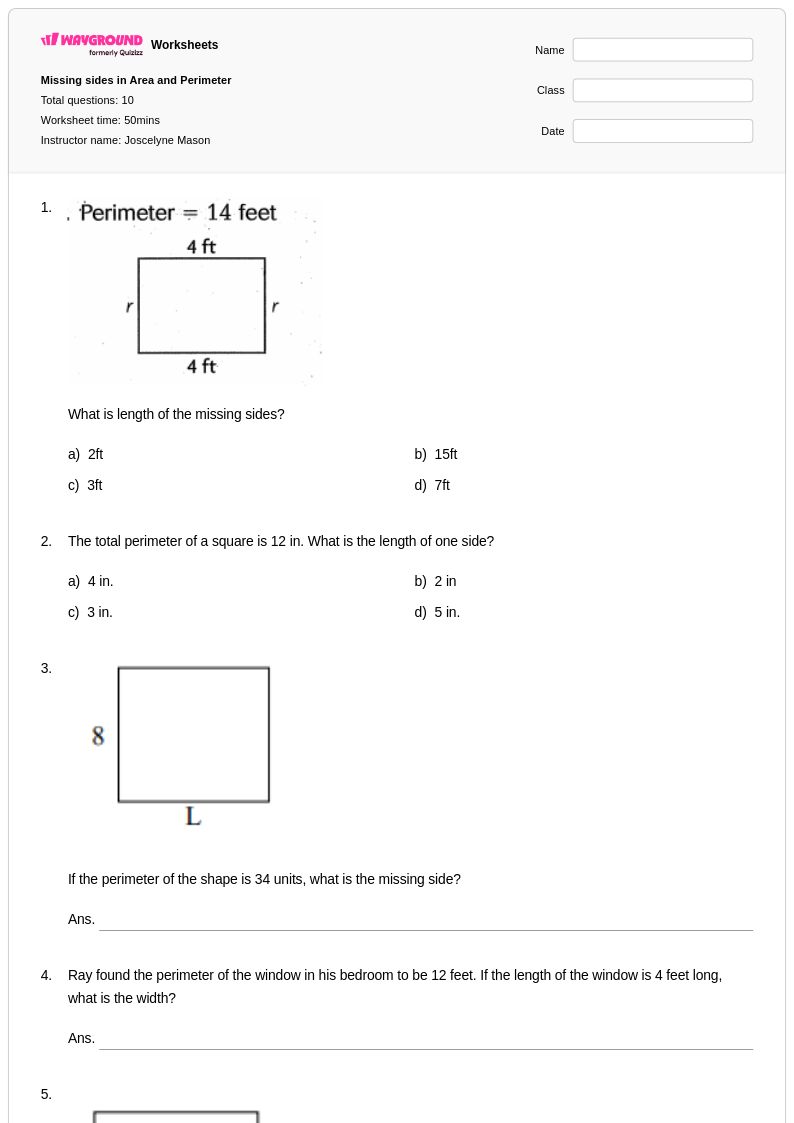
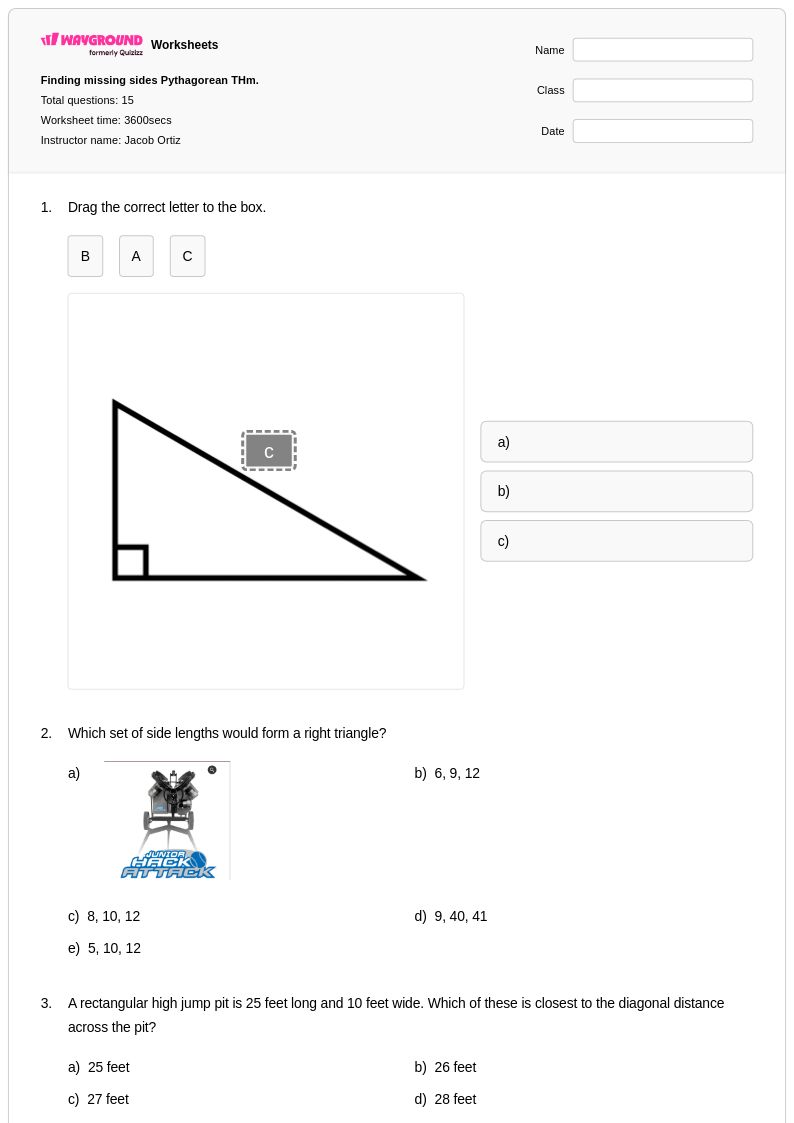
Wayground's free Finding Missing Lengths worksheets provide comprehensive geometry practice problems with answer keys, helping students master essential measurement skills through engaging printable PDFs and structured exercises.
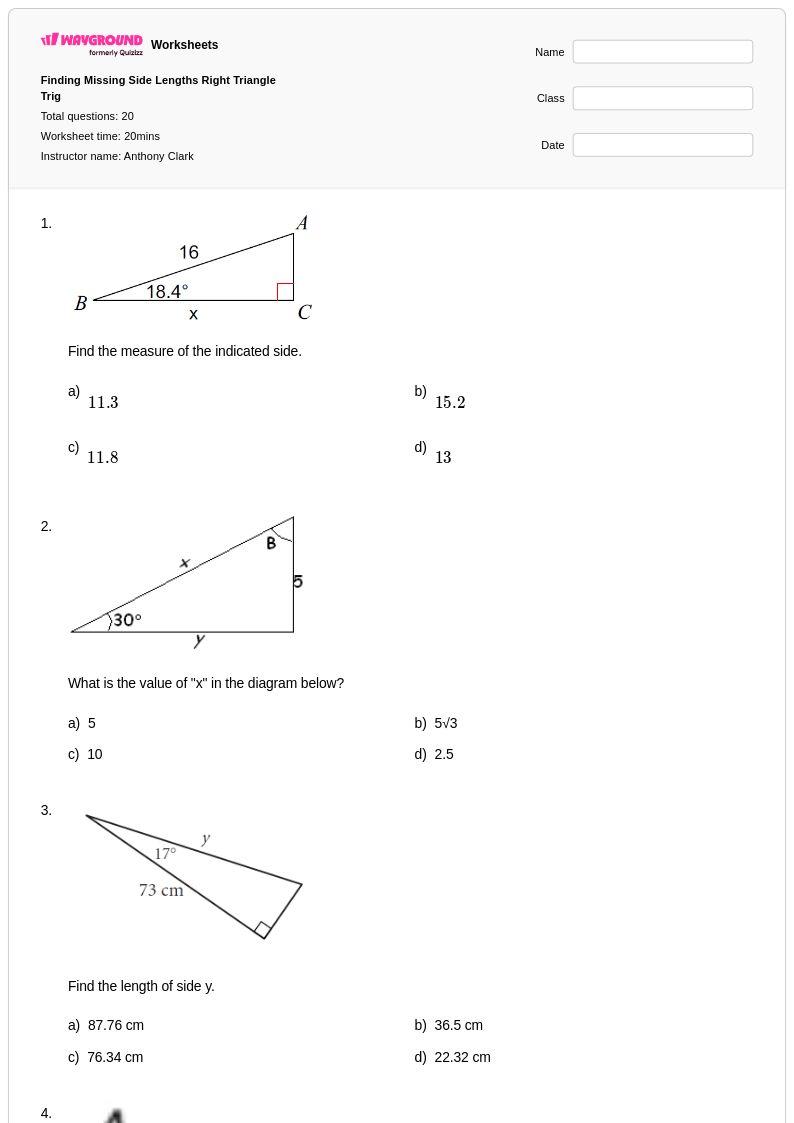
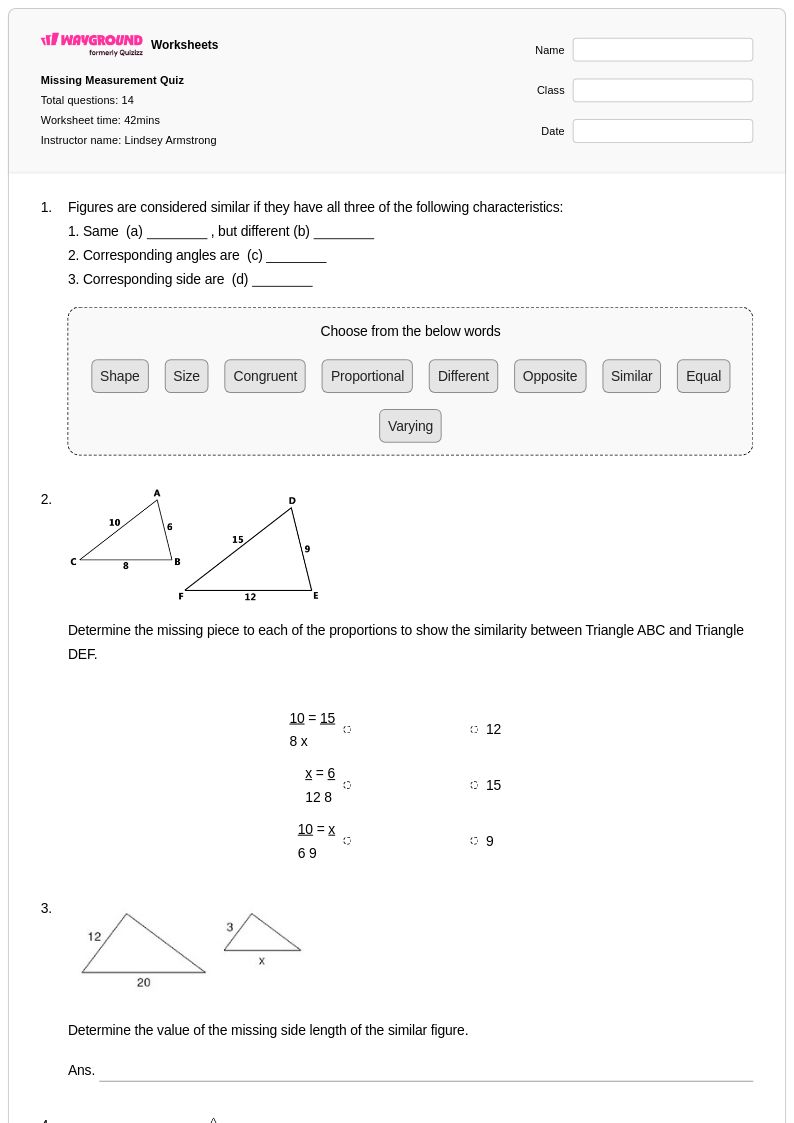
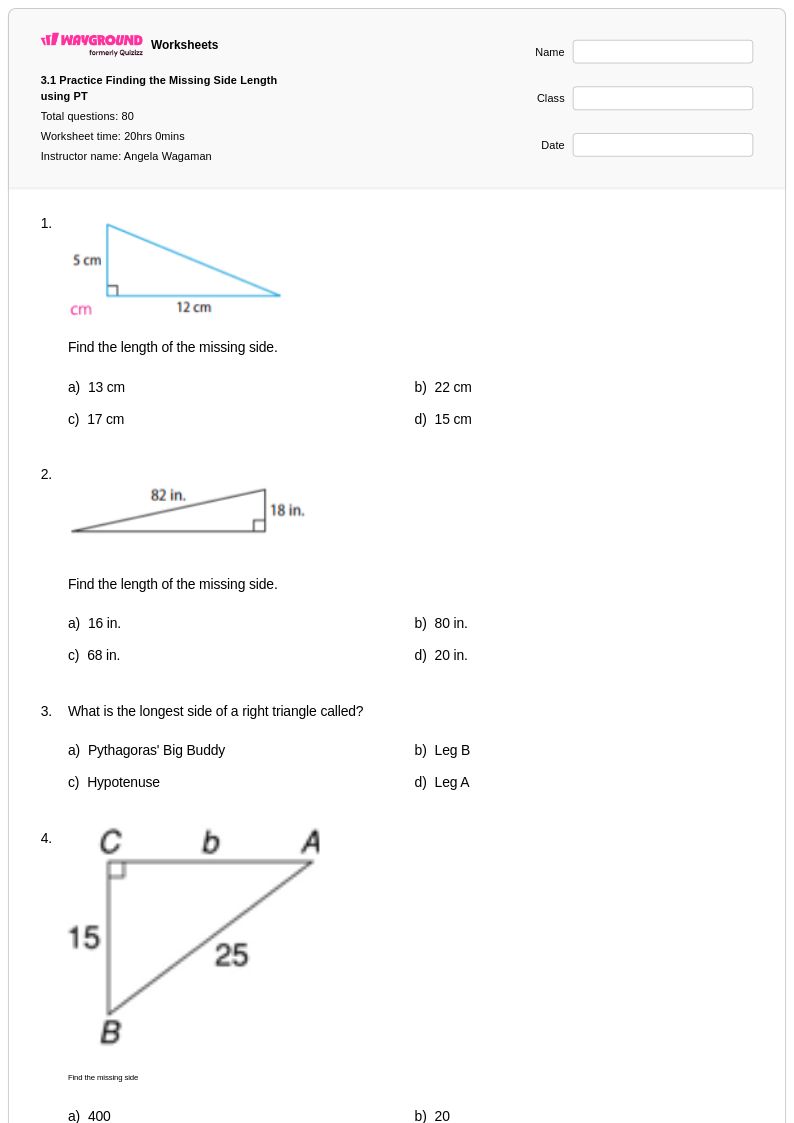
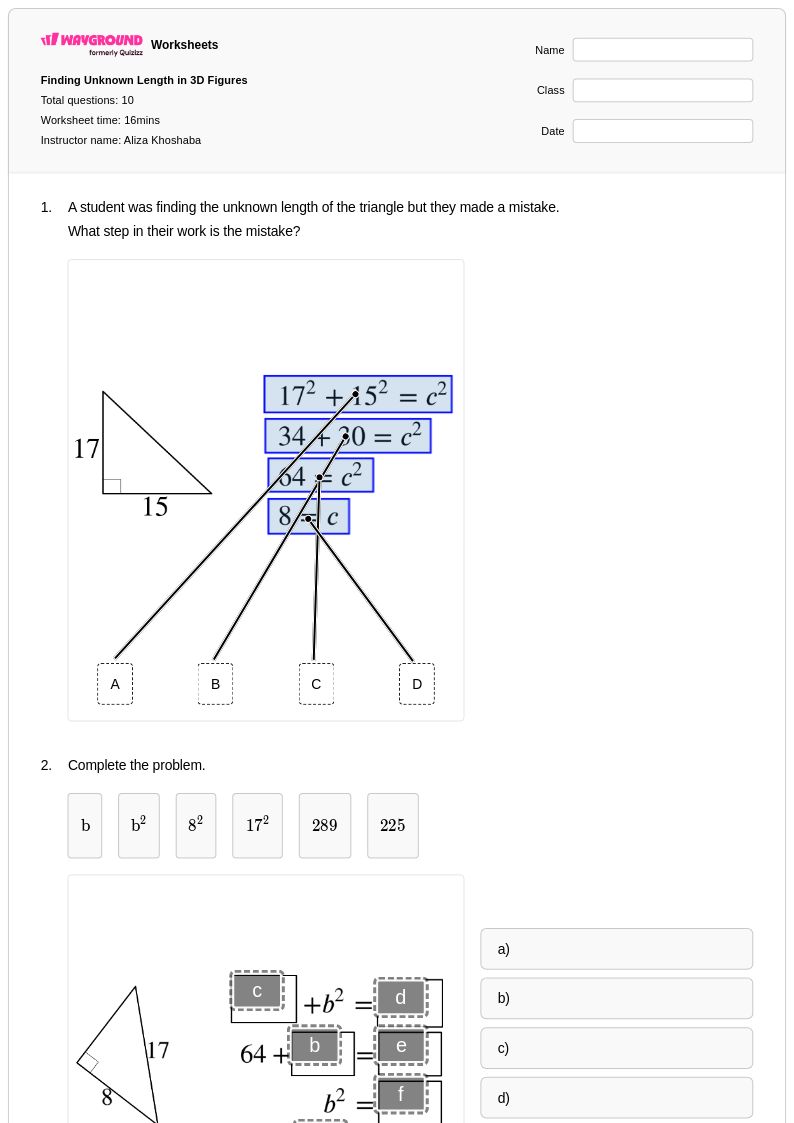
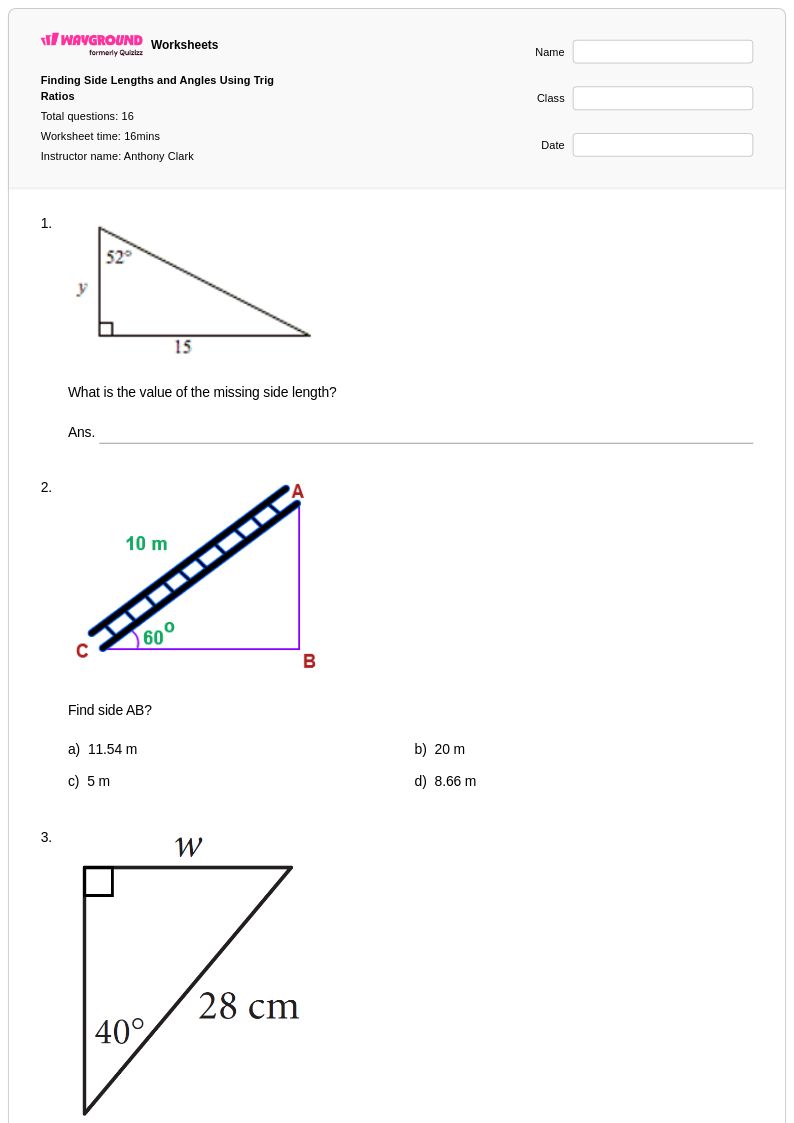
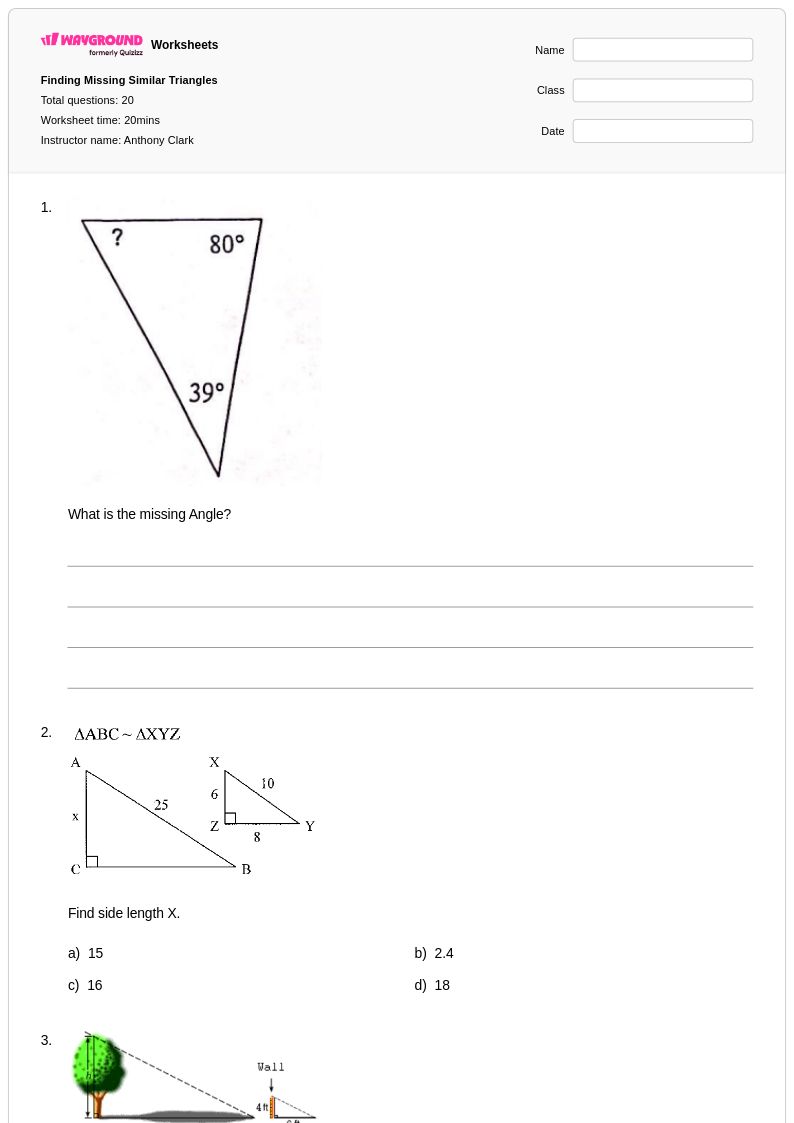
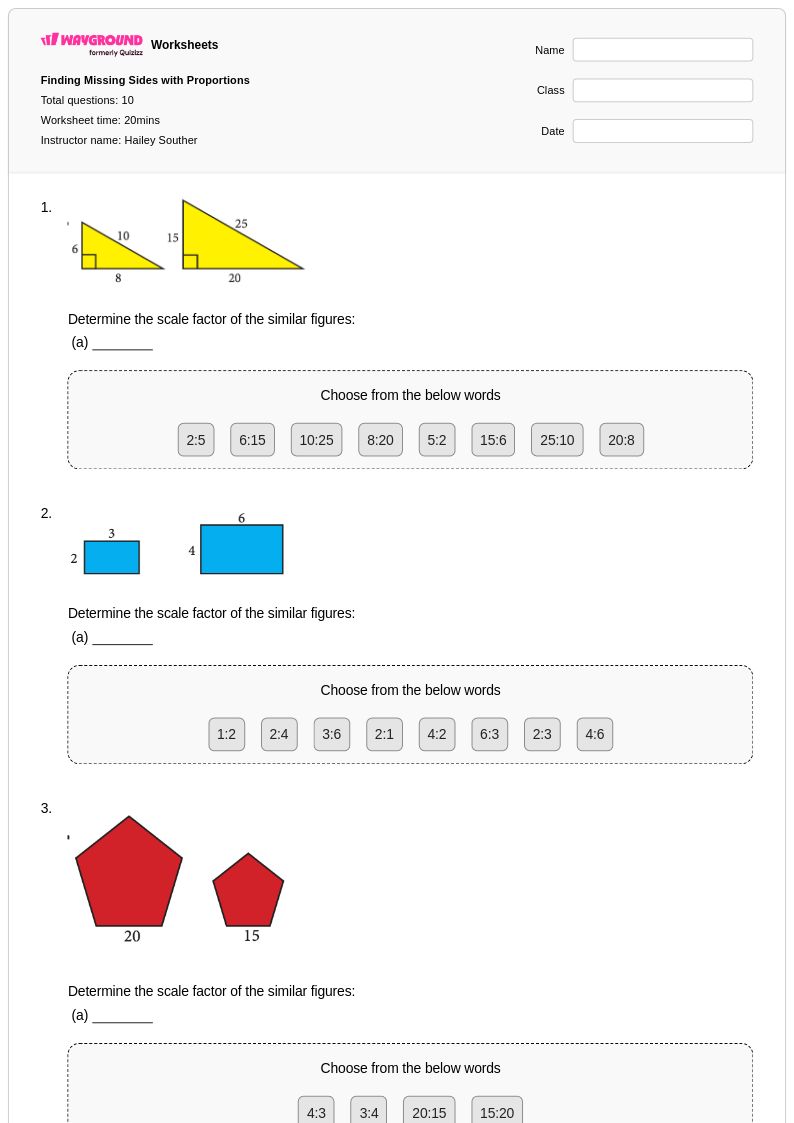
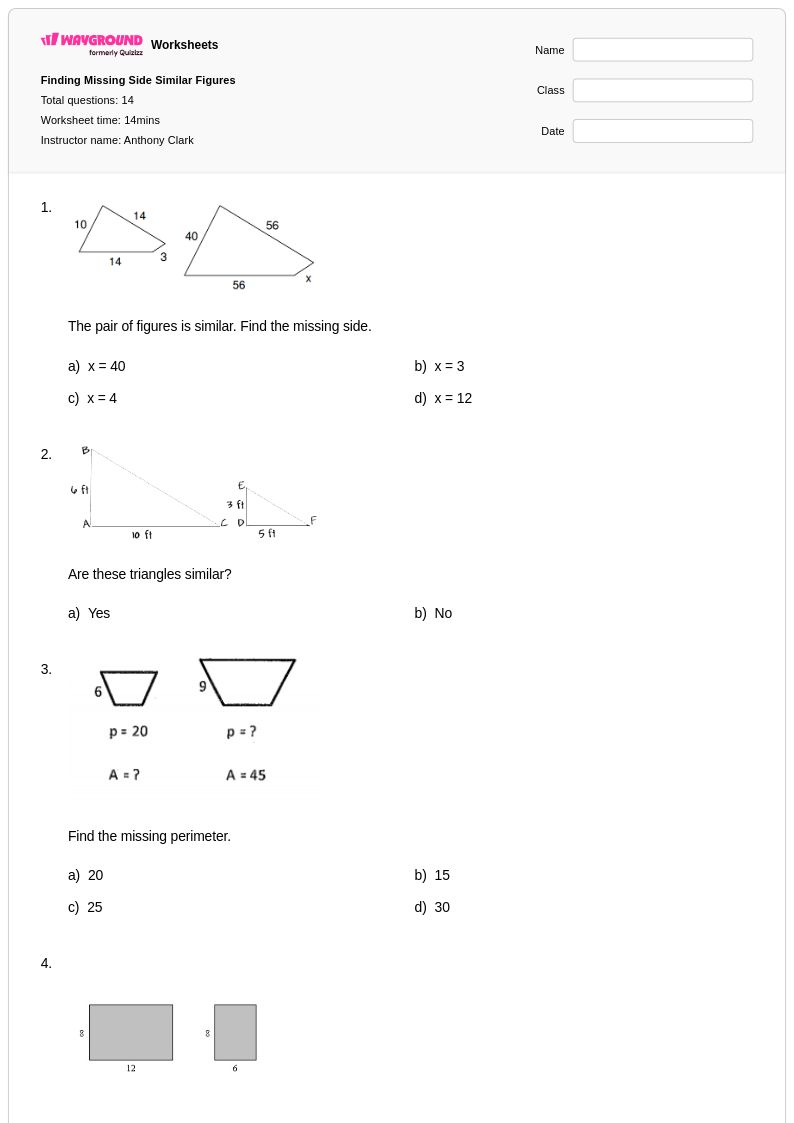
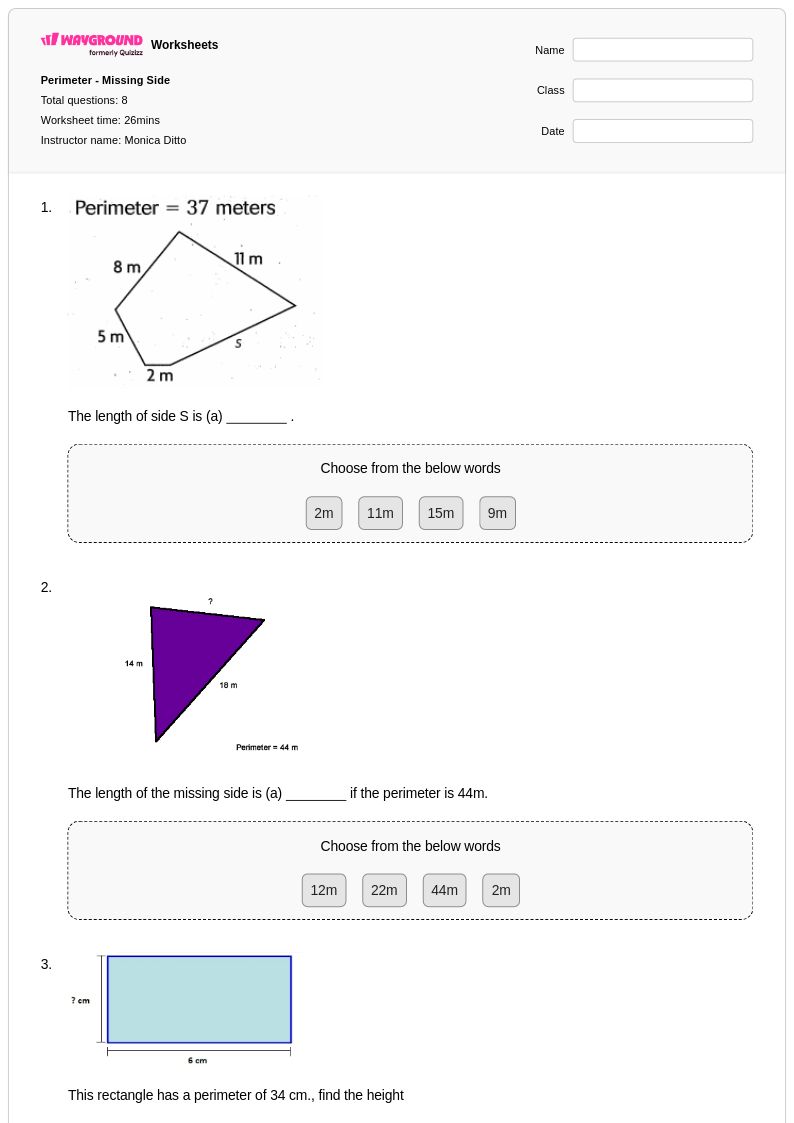
Finding missing lengths represents a fundamental skill in geometry that requires students to apply various mathematical principles including the Pythagorean theorem, similar triangles, proportional reasoning, and trigonometric relationships. Wayground's comprehensive collection of finding missing lengths worksheets provides students with systematic practice opportunities to master these essential geometric concepts through carefully structured problems that progress from basic applications to more complex multi-step scenarios. These printable resources include detailed answer keys that support independent learning and self-assessment, while the free pdf format ensures accessibility for both classroom instruction and homework assignments. The practice problems encompass diverse geometric contexts such as right triangles, similar figures, parallel lines with transversals, and coordinate geometry applications, enabling students to develop confidence in identifying appropriate solution strategies and executing precise calculations.
Wayground's extensive library of teacher-created resources supports educators in delivering effective geometry instruction through millions of professionally developed worksheets that can be easily located using advanced search and filtering capabilities. The platform's standards alignment features ensure that finding missing lengths materials correspond with curriculum requirements, while built-in differentiation tools allow teachers to customize problem difficulty levels and modify content to meet diverse student needs. These versatile resources are available in both printable and digital formats, including downloadable pdf versions that facilitate seamless integration into lesson planning, targeted remediation sessions, and enrichment activities. The flexible customization options enable educators to create personalized practice sets that address specific skill gaps, reinforce classroom learning, and provide appropriate challenge levels for accelerated learners, ultimately supporting comprehensive geometric understanding across all student ability levels.
FAQs
How do I teach finding missing lengths in geometry?
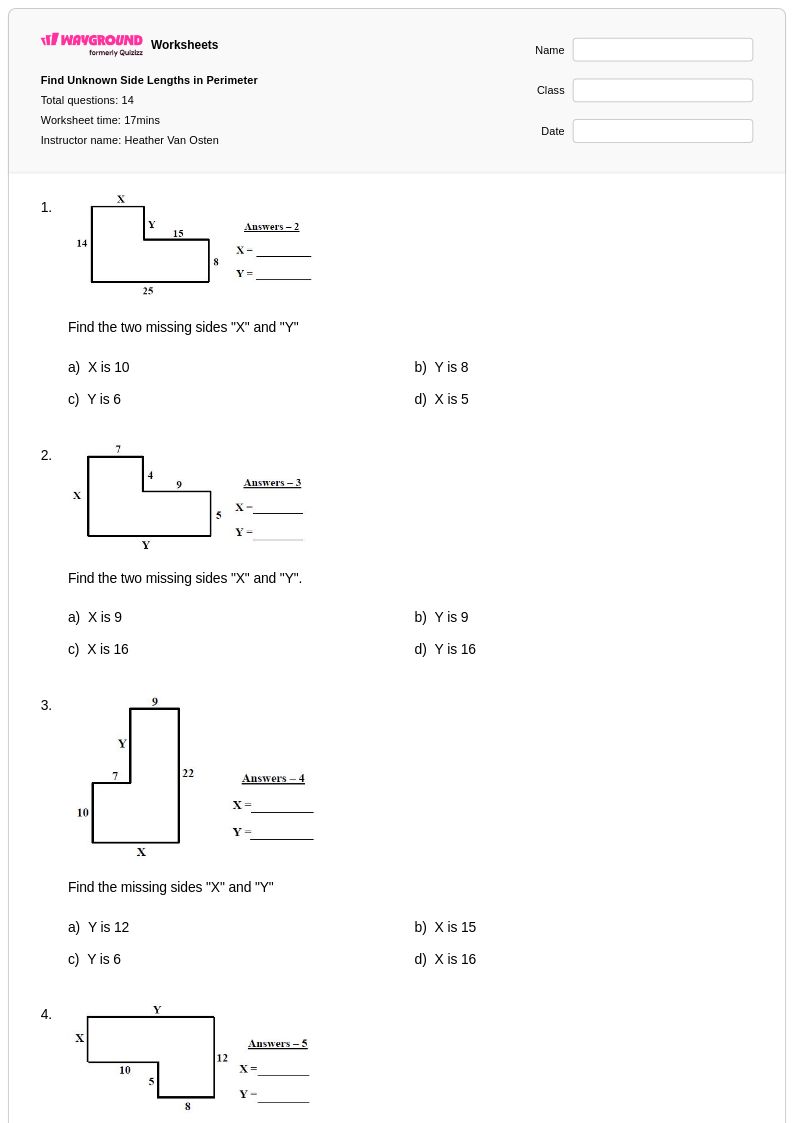
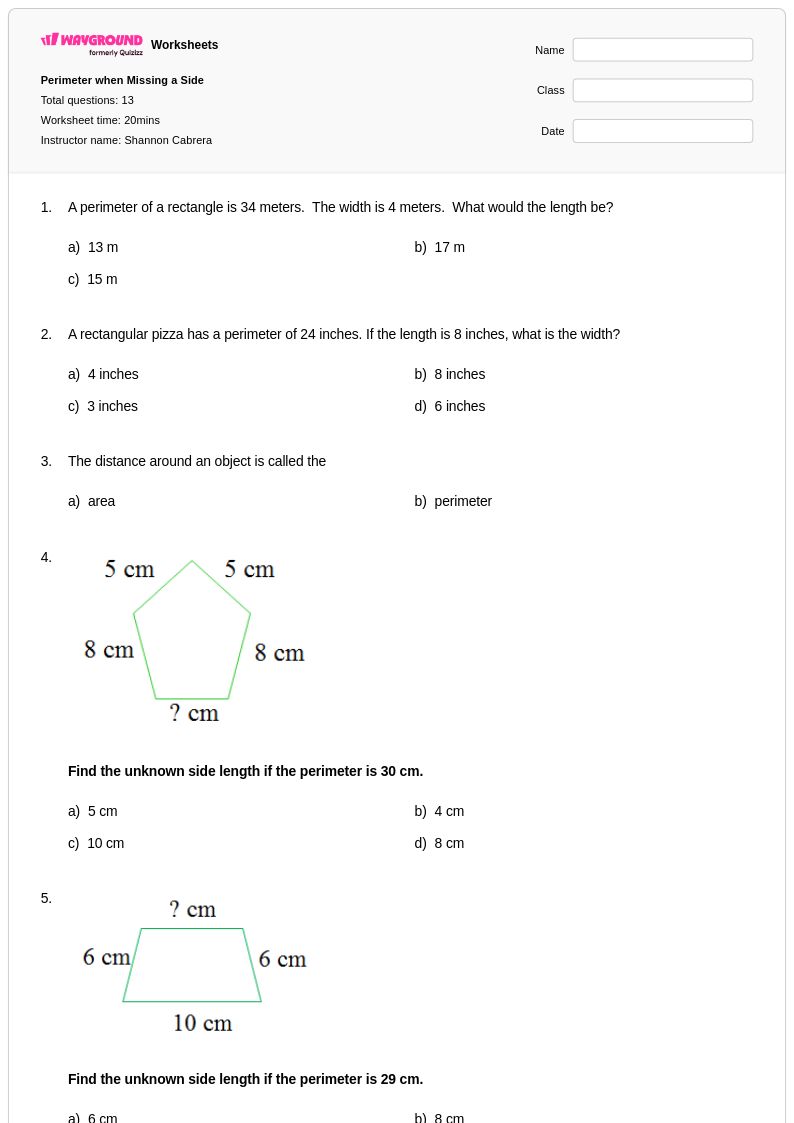
Start by anchoring each method to a specific geometric situation: the Pythagorean theorem for right triangles, proportional reasoning for similar figures, and perimeter relationships for polygons. Students often struggle when they try to memorize procedures in isolation, so build the habit of asking 'what do I know about this shape?' before selecting a strategy. Once students can identify which relationship applies, the calculation itself is usually straightforward.
What kinds of problems help students practice finding missing lengths?
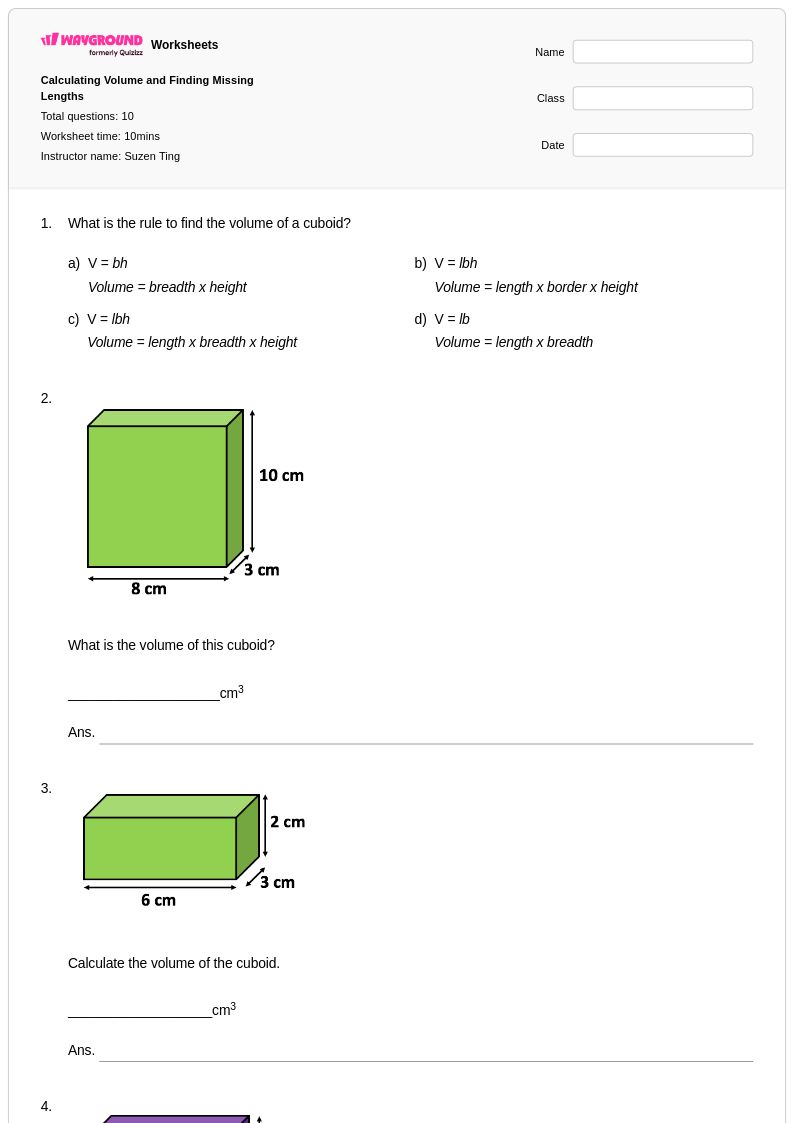
The most effective practice mixes geometric contexts rather than drilling one method at a time. Problems involving right triangles, similar figures, parallel lines with transversals, and coordinate geometry each demand a different entry point, which forces students to think before they calculate. Wayground's finding missing lengths worksheets progress from single-step applications to multi-step scenarios, so students build confidence before tackling the harder problems.
What mistakes do students commonly make when finding missing lengths?
Three errors come up repeatedly. First, students misidentify which sides are legs versus the hypotenuse in the Pythagorean theorem, especially when the triangle is rotated. Second, they set up proportions for similar figures incorrectly by mixing corresponding and non-corresponding sides. Third, they round intermediate calculations and carry the rounding error into the final answer. Catching the setup error early — before any arithmetic — prevents most of these.
How do I use Wayground's finding missing lengths worksheets in my class?
You can run these as a digital quiz hosted on Wayground or print the PDF and hand it out — same problems either way. Every worksheet includes a complete answer key, so students can check their own work during independent practice. If you go the print route, the Wayground for Teachers app lets you scan or capture student submissions for grading without re-entering anything manually.
How does finding missing lengths fit into the Common Core geometry progression?
Common Core introduces missing-length reasoning gradually: students first use area and perimeter relationships in elementary grades, then apply proportional reasoning with similar figures in middle school, and by high school they're expected to use the Pythagorean theorem fluently and extend into trigonometric ratios for non-right triangles. Finding missing lengths is the thread that connects those stages — each new tool (similarity, trig) is essentially a more powerful way to answer the same question students first encountered with basic formulas.
How can I differentiate finding missing lengths practice for mixed-ability classes?
For students who need more support, Wayground's reduced answer choices accommodation lowers the cognitive load on multiple-choice problems, and the read-aloud feature helps students who struggle to parse dense geometric language in word problems. For accessibility, you can generate an alternate version of the same worksheet with a dyslexia-friendly font or larger text — so every student is working on the same content without the layout becoming a barrier.