Free Printable Muscle Naming Worksheets for Class 11
Class 11 muscle naming worksheets and printables help students master anatomical terminology through structured practice problems, featuring free PDF downloads with comprehensive answer keys for effective biology learning.
Explore printable Muscle Naming worksheets for Class 11
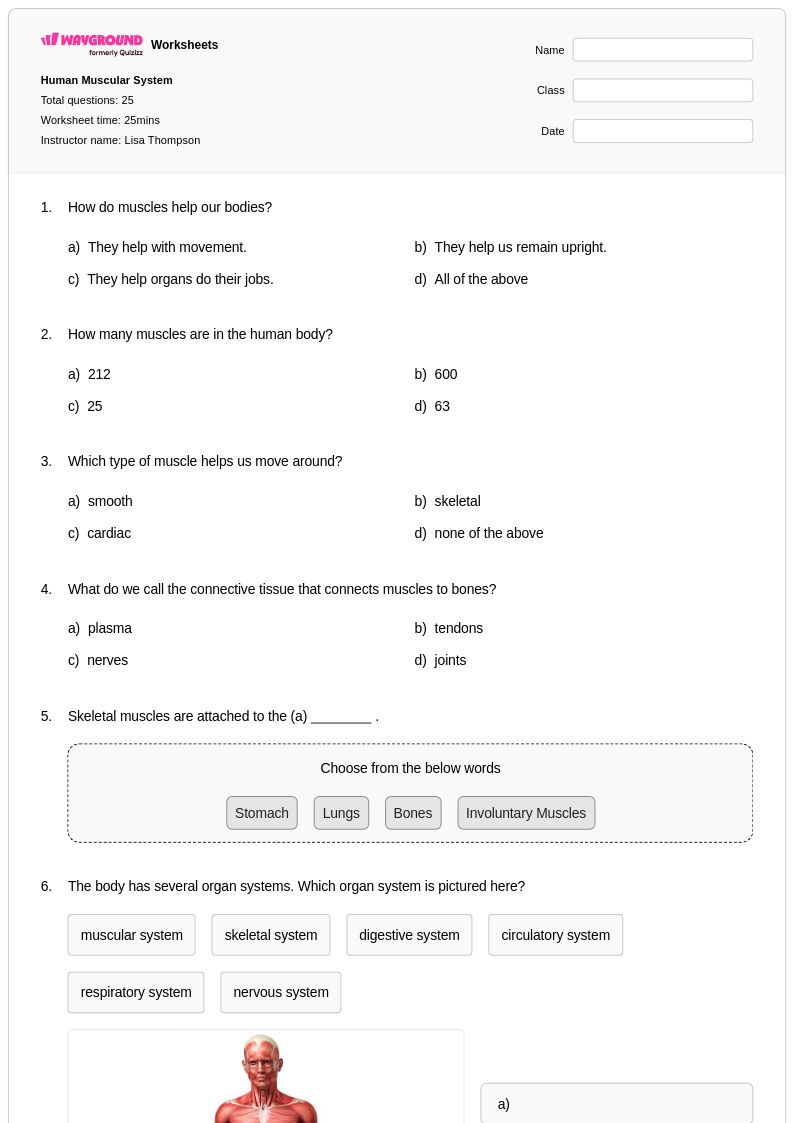
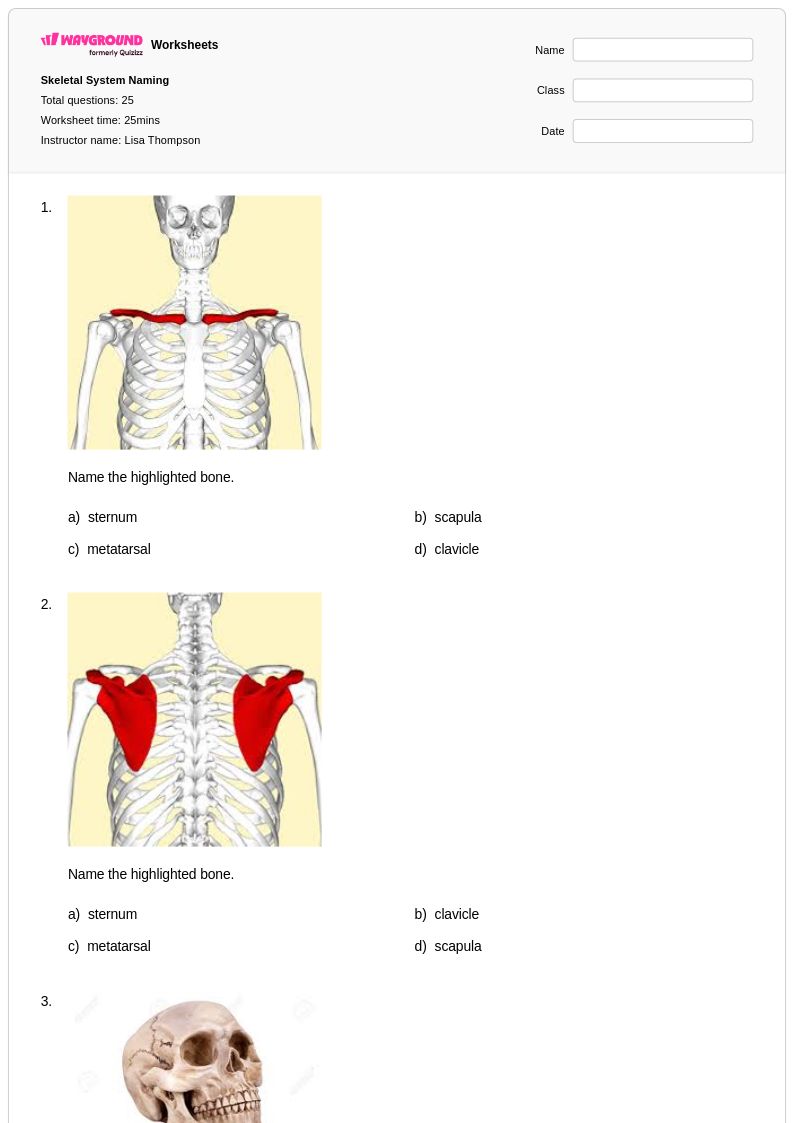
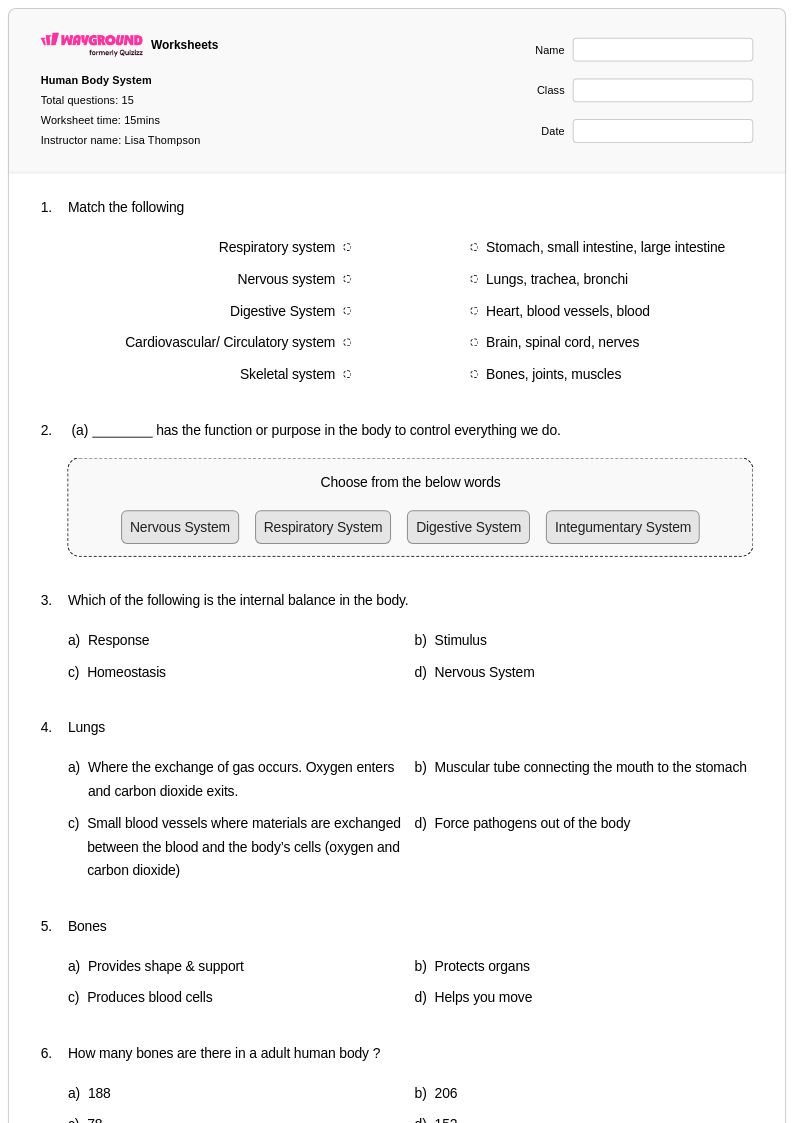
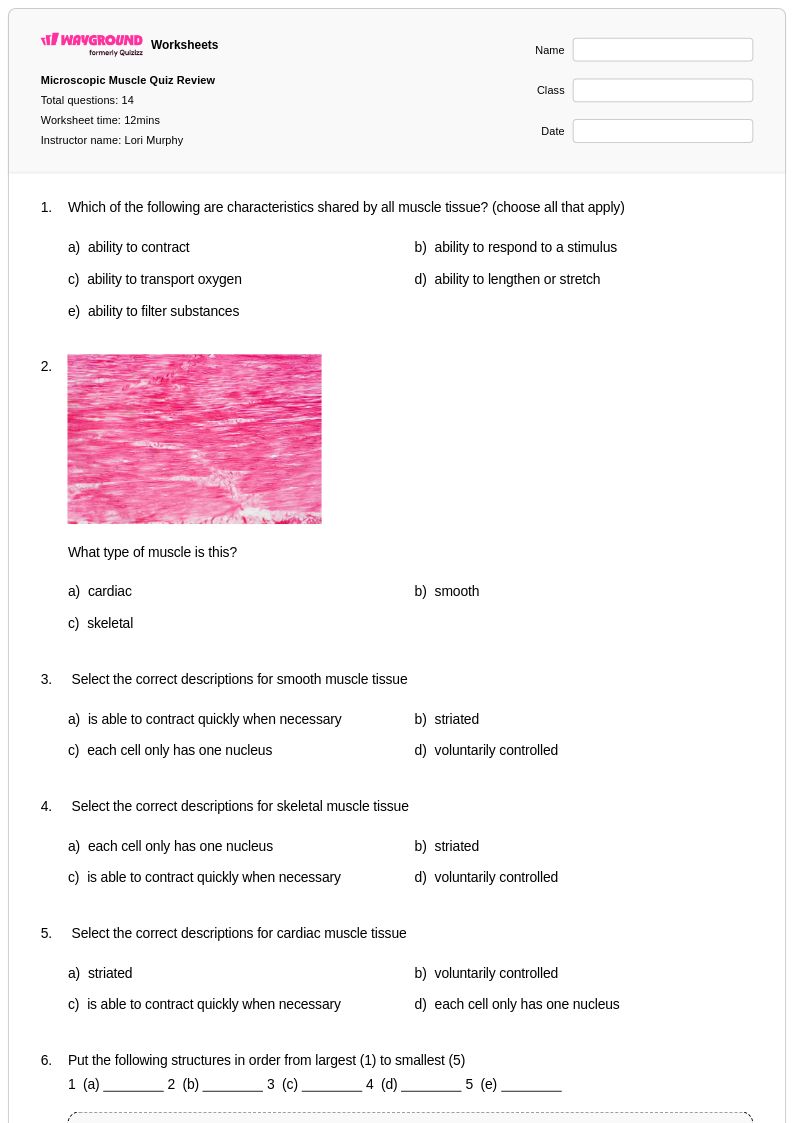
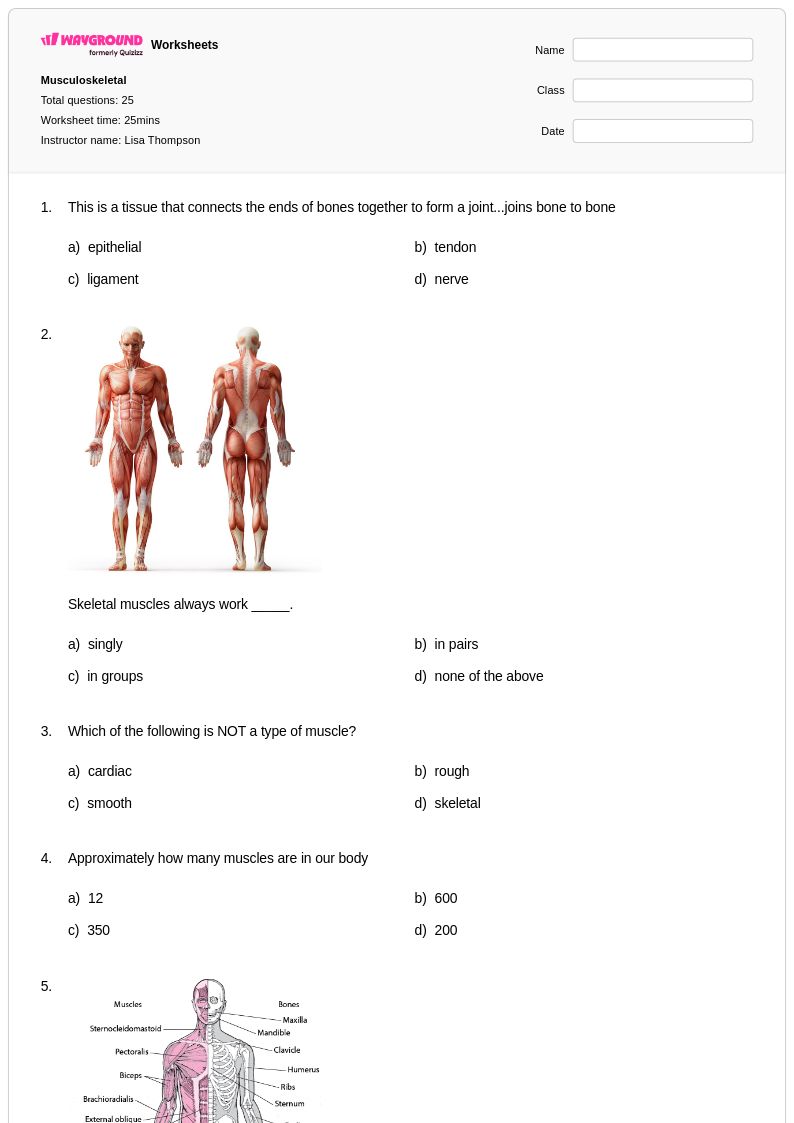
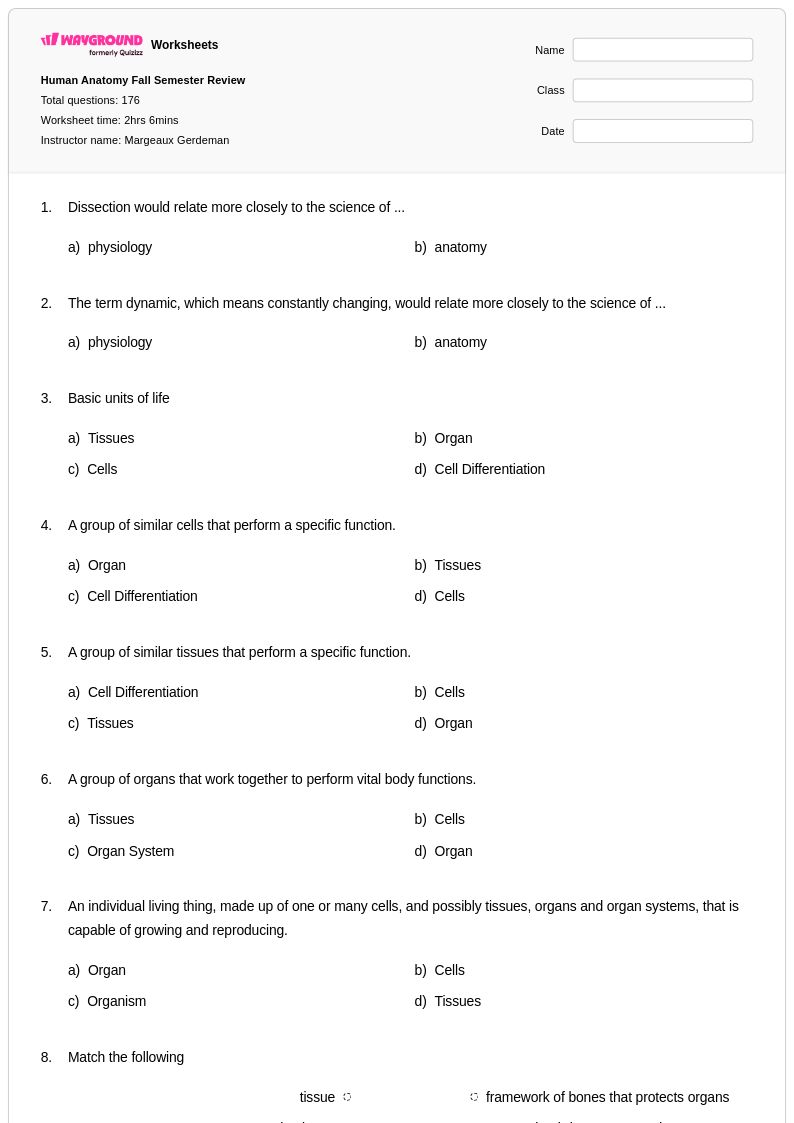
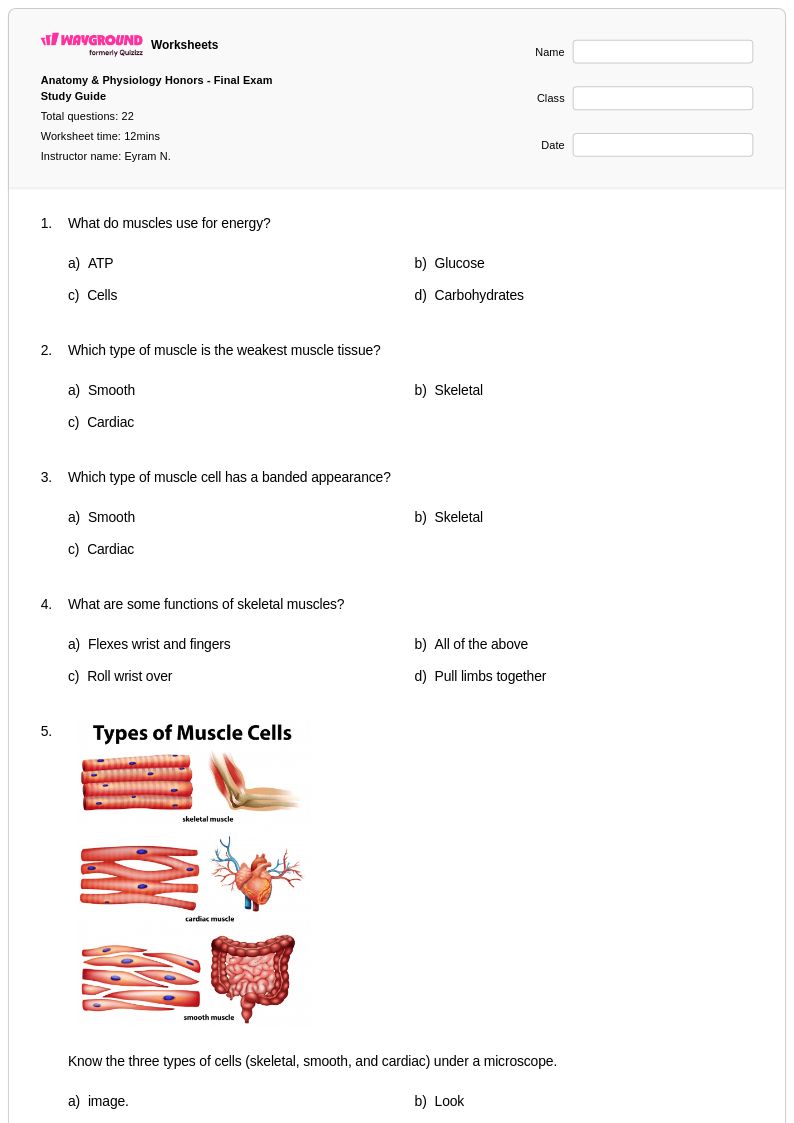
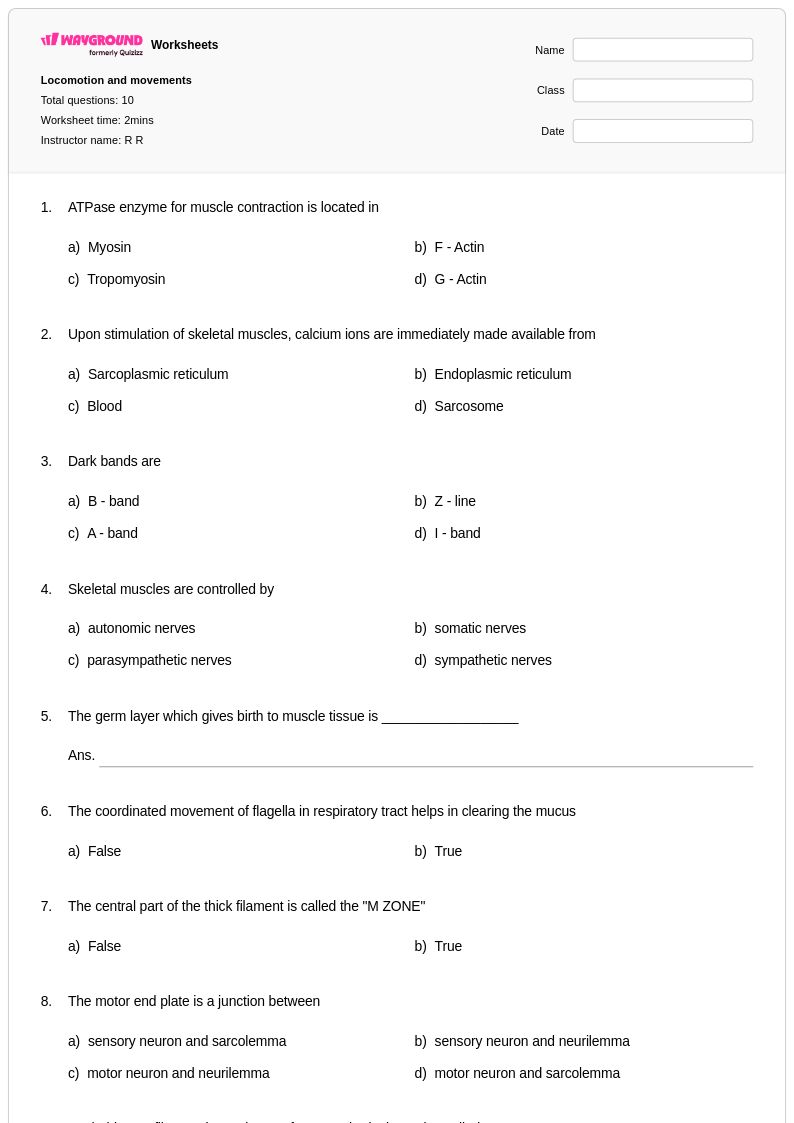
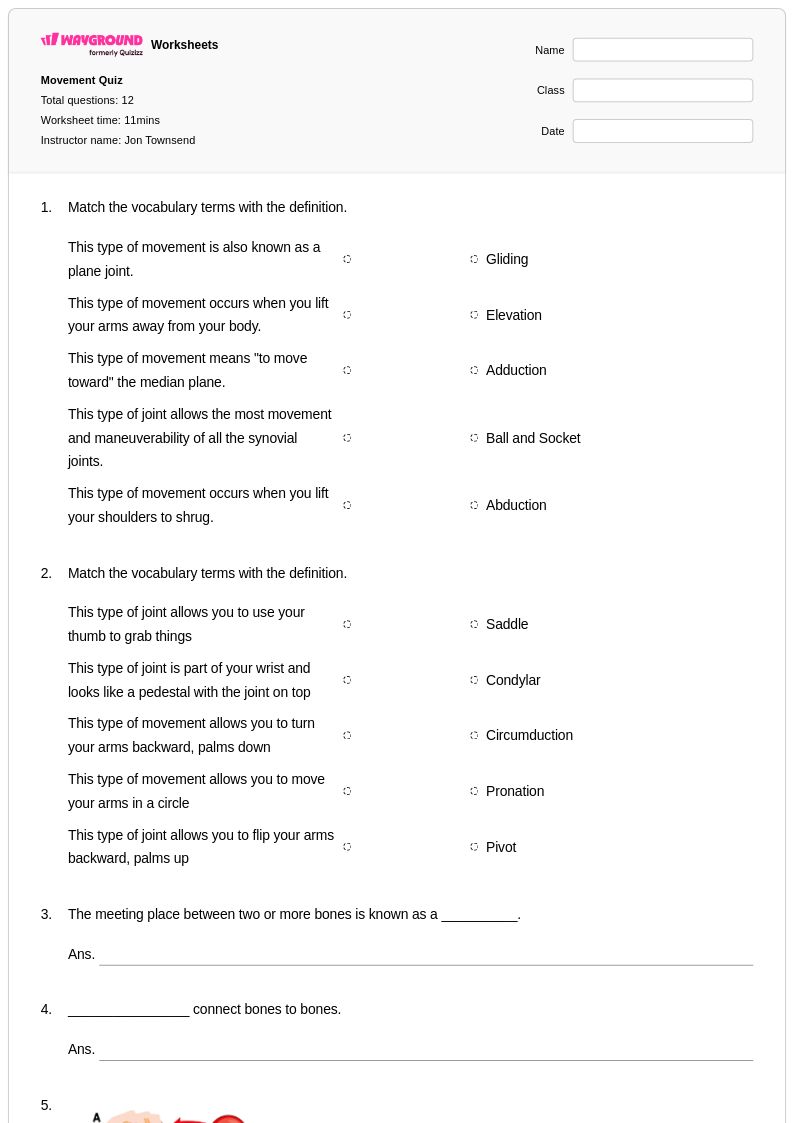
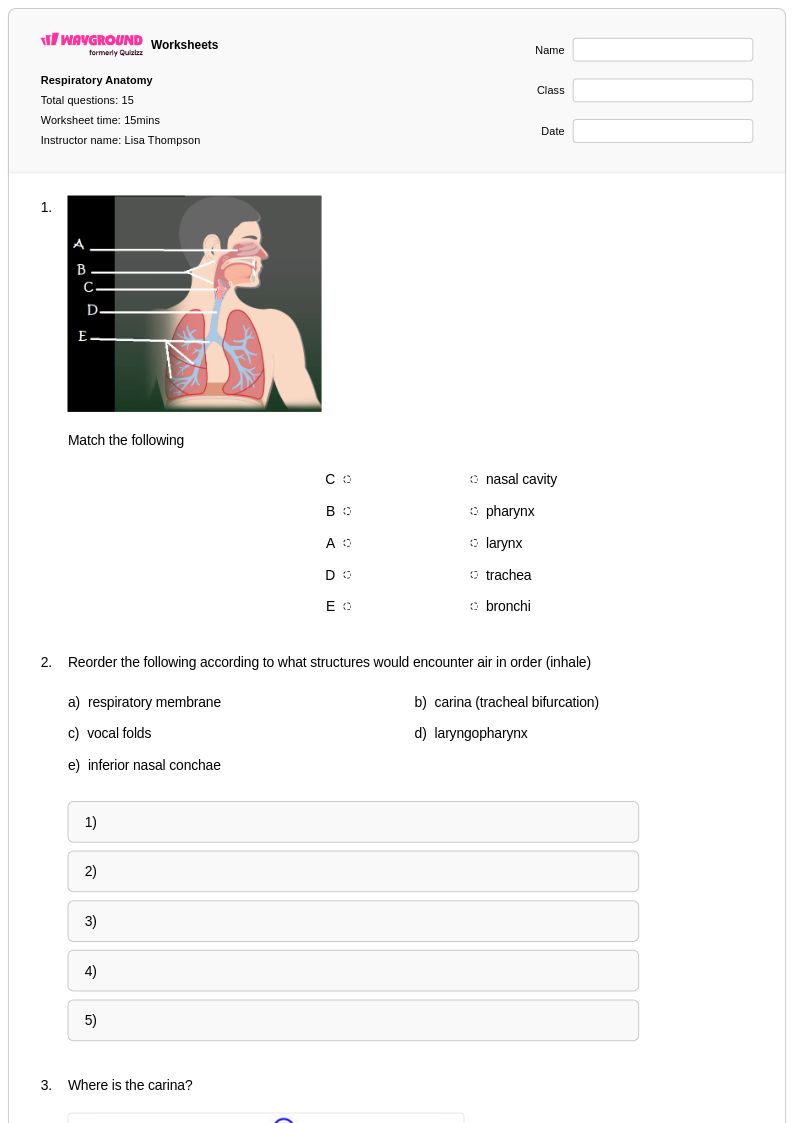
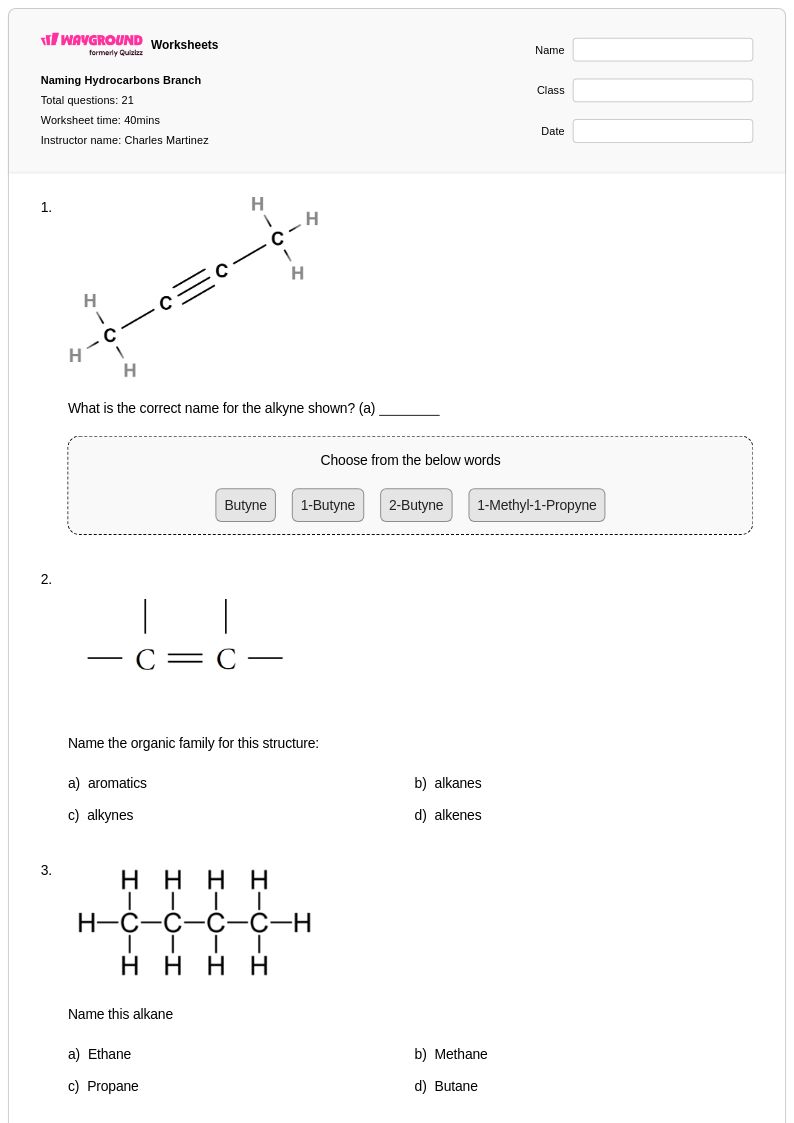
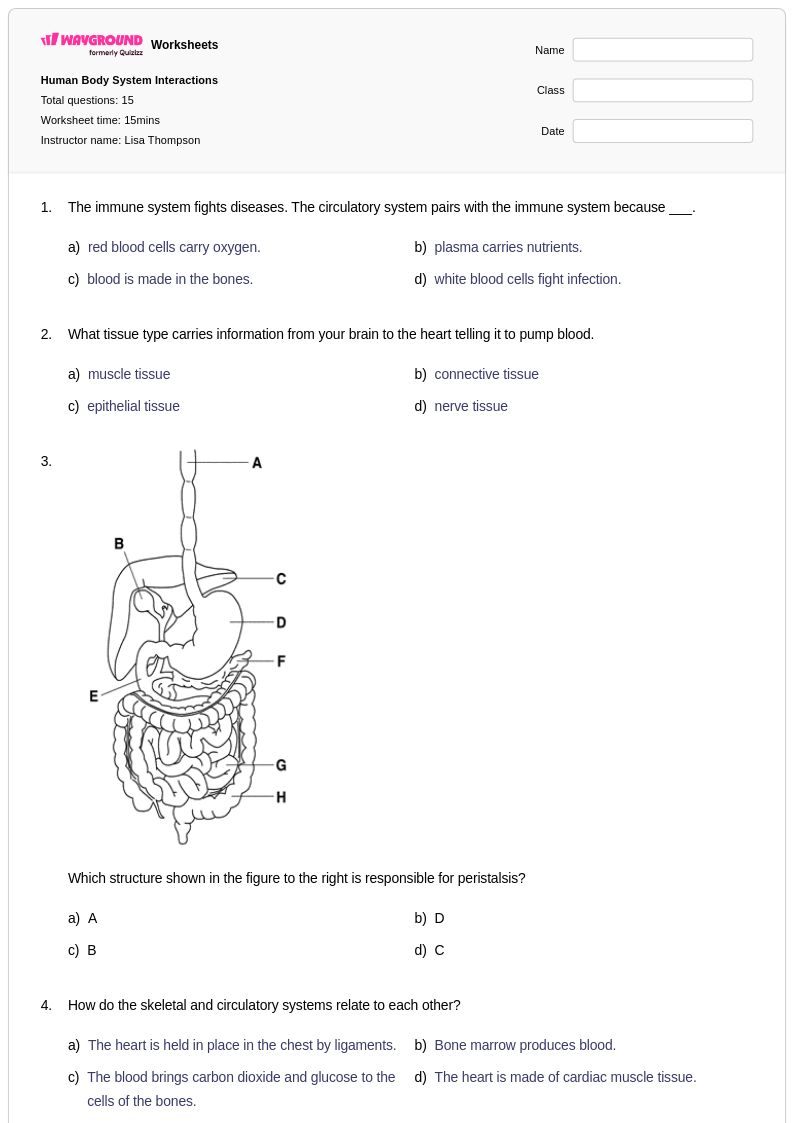
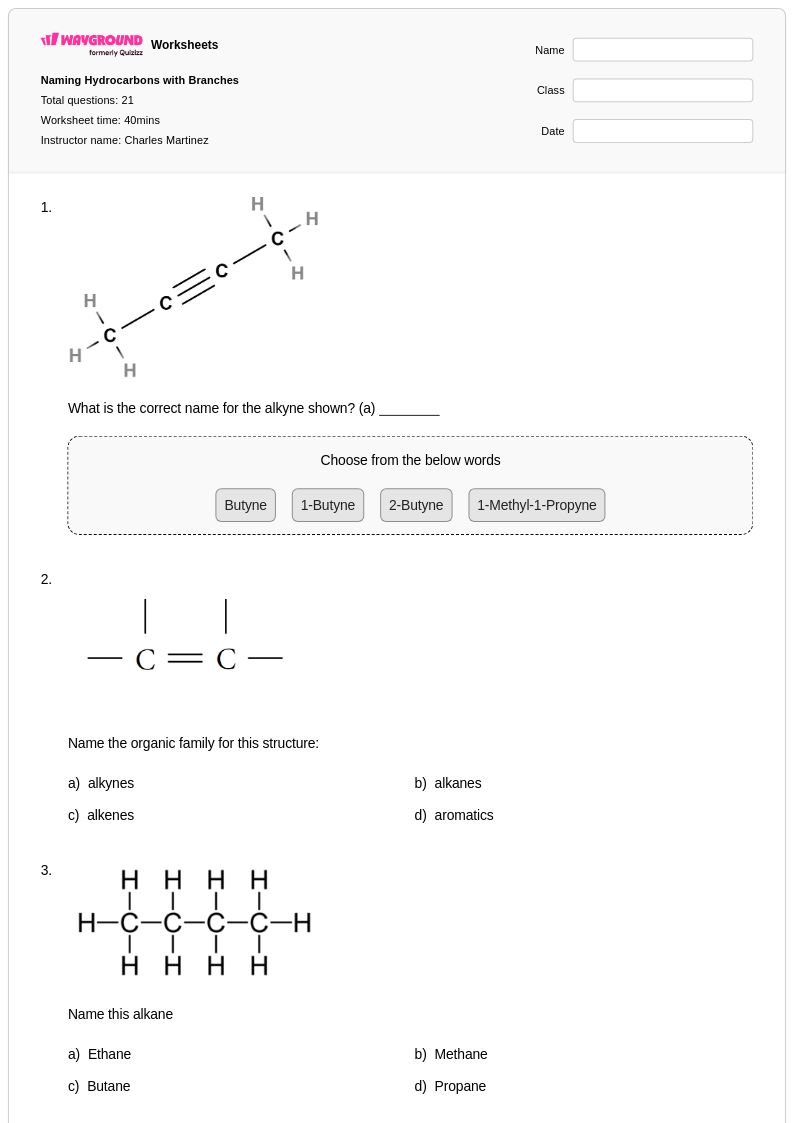
Class 11 muscle naming worksheets available through Wayground (formerly Quizizz) provide comprehensive practice with anatomical terminology and the systematic approach to identifying skeletal muscles based on their structural and functional characteristics. These carefully designed resources strengthen students' understanding of the logical naming conventions that govern muscle nomenclature, including location-based names like pectoralis major, action-based designations such as flexor carpi radialis, and descriptive terms that reference muscle shape, size, or fiber direction. Each worksheet incorporates targeted practice problems that challenge students to decode muscle names by analyzing root words, prefixes, and suffixes, while answer keys ensure accurate self-assessment and immediate feedback. The free printable materials offer structured exercises that build proficiency in recognizing patterns within anatomical terminology, enabling students to predict muscle functions and locations based solely on their scientific names.
Wayground (formerly Quizizz) supports biology educators with an extensive collection of teacher-created muscle naming resources drawn from millions of educational materials developed by experienced anatomy instructors. The platform's robust search and filtering capabilities allow teachers to quickly locate worksheets that align with specific curriculum standards and match their students' skill levels, while differentiation tools enable customization of content complexity to meet diverse learning needs. These comprehensive resources are available in both printable pdf formats for traditional classroom use and digital formats for interactive learning experiences, providing flexibility for lesson planning, targeted remediation of anatomical vocabulary gaps, and enrichment activities for advanced students. Teachers can efficiently modify existing worksheets or combine multiple resources to create comprehensive skill practice sessions that systematically build students' mastery of muscle nomenclature principles throughout their anatomy studies.
FAQs
How do I teach muscle naming conventions to anatomy students?
Teaching muscle naming works best when students learn to decode the logic embedded in each name rather than memorize terms in isolation. Break naming conventions into categories: location (e.g., tibialis), shape (e.g., deltoid), action (e.g., flexor), fiber direction (e.g., rectus, oblique), and attachment points (e.g., sternocleidomastoid). Once students recognize these patterns, unfamiliar muscles become easier to identify because the name itself describes the muscle. Reinforcing this with practice problems that ask students to apply these rules to real anatomical examples builds durable recall.
What exercises help students practice identifying and naming skeletal muscles?
Effective practice for muscle naming includes labeling diagrams of the human muscular system, matching exercises pairing muscle names to their anatomical descriptions, and fill-in-the-blank problems requiring students to apply naming rules to identify muscles like the rectus abdominis or biceps brachii. Etymology breakdowns, where students dissect each root word and directional term in a muscle name, are especially useful for building pattern recognition. Repeated exposure through varied problem formats helps students internalize the systematic logic behind anatomical nomenclature rather than relying on rote memorization.
What mistakes do students commonly make when learning muscle names?
The most common error is treating muscle names as arbitrary vocabulary rather than descriptive codes, which leads to shallow memorization that breaks down quickly on assessments. Students frequently confuse directional terms like medial and lateral or misapply fiber orientation descriptors such as rectus (straight) and oblique (diagonal). Another common mistake is conflating origin and insertion attachment sites, which undermines their ability to decode names that reference anatomical landmarks. Explicitly teaching the Latin and Greek roots behind naming conventions helps students self-correct because they can reason through an unfamiliar name rather than guess.
How can I use Wayground's muscle naming worksheets in my classroom?
Wayground's muscle naming worksheets are available as printable PDFs for traditional classroom use and in digital formats for technology-integrated environments, making them flexible across lab days, homework assignments, and test review sessions. Teachers can also host these worksheets as quizzes directly on Wayground, enabling real-time student submission and progress tracking. Each worksheet includes a detailed answer key that explains the etymology and logic behind muscle names, so students receive meaningful feedback rather than just a correct or incorrect mark. This makes them equally effective as independent practice tools or teacher-led instructional resources.
How do I differentiate muscle naming instruction for students at different skill levels?
For students who struggle with anatomical vocabulary, start with high-frequency muscles that clearly demonstrate naming rules, such as the biceps brachii (two-headed arm muscle) or deltoid (triangular), before introducing complex compound names like the sternocleidomastoid. On Wayground, teachers can apply accommodations such as reduced answer choices to lower cognitive load for individual students, or enable Read Aloud so students who struggle with Latin pronunciation can still access the terminology. Advanced students can be challenged to predict muscle function or location based solely on the name, reinforcing deeper pattern recognition without additional scaffolding.
At what level is muscle naming typically taught, and what prior knowledge do students need?
Muscle naming is most commonly taught in high school anatomy and physiology courses and introductory college biology or kinesiology programs. Students benefit from prior familiarity with basic anatomical terminology, including directional terms (anterior, posterior, medial, lateral) and a foundational understanding of the skeletal system, since many muscle names reference specific bones or bony landmarks. Without this groundwork, students often struggle to contextualize names like the sternocleidomastoid or tibialis anterior because the landmark references are meaningless. Building on directional vocabulary first makes the transition to systematic muscle nomenclature significantly smoother.