Free Printable Behavior Chain Analysis Worksheets for Class 11
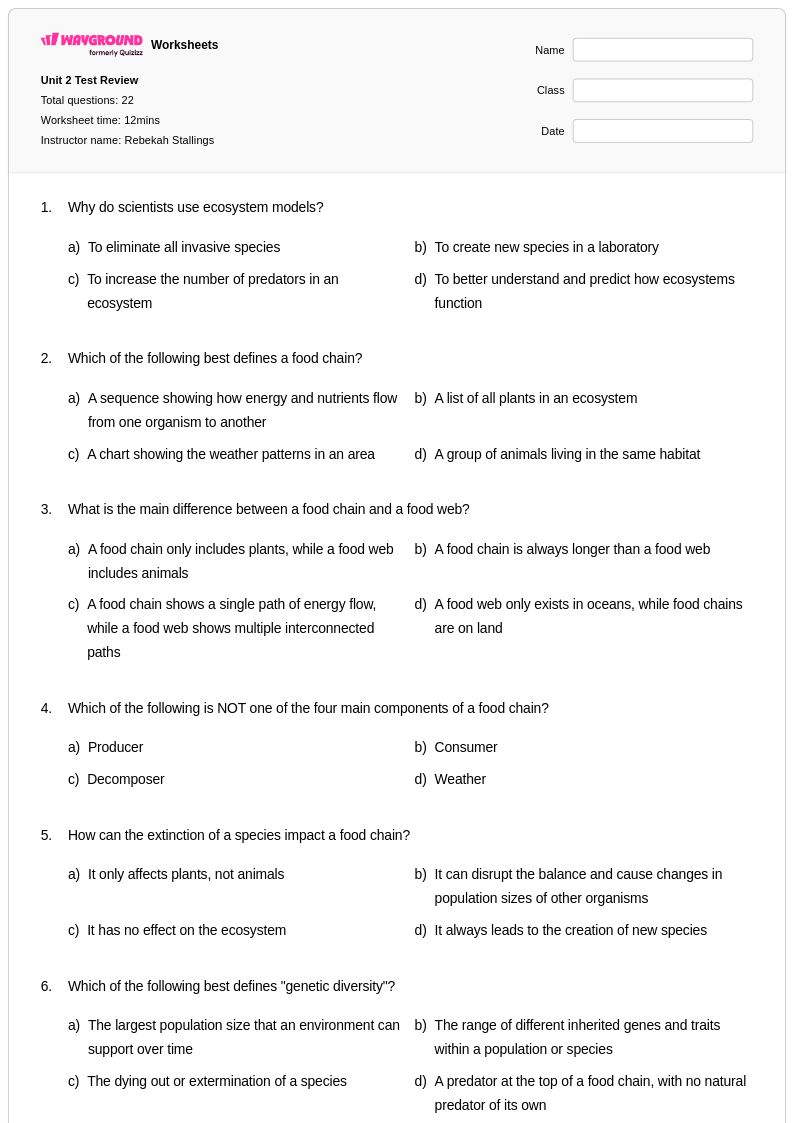
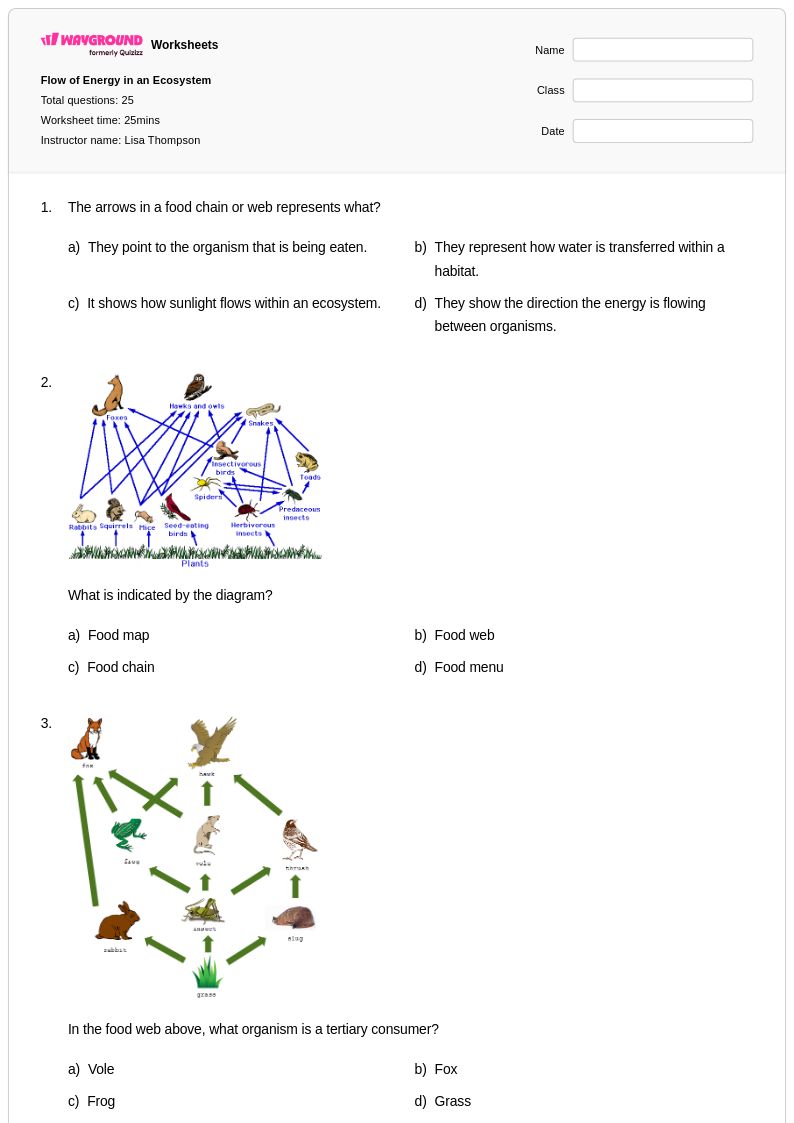
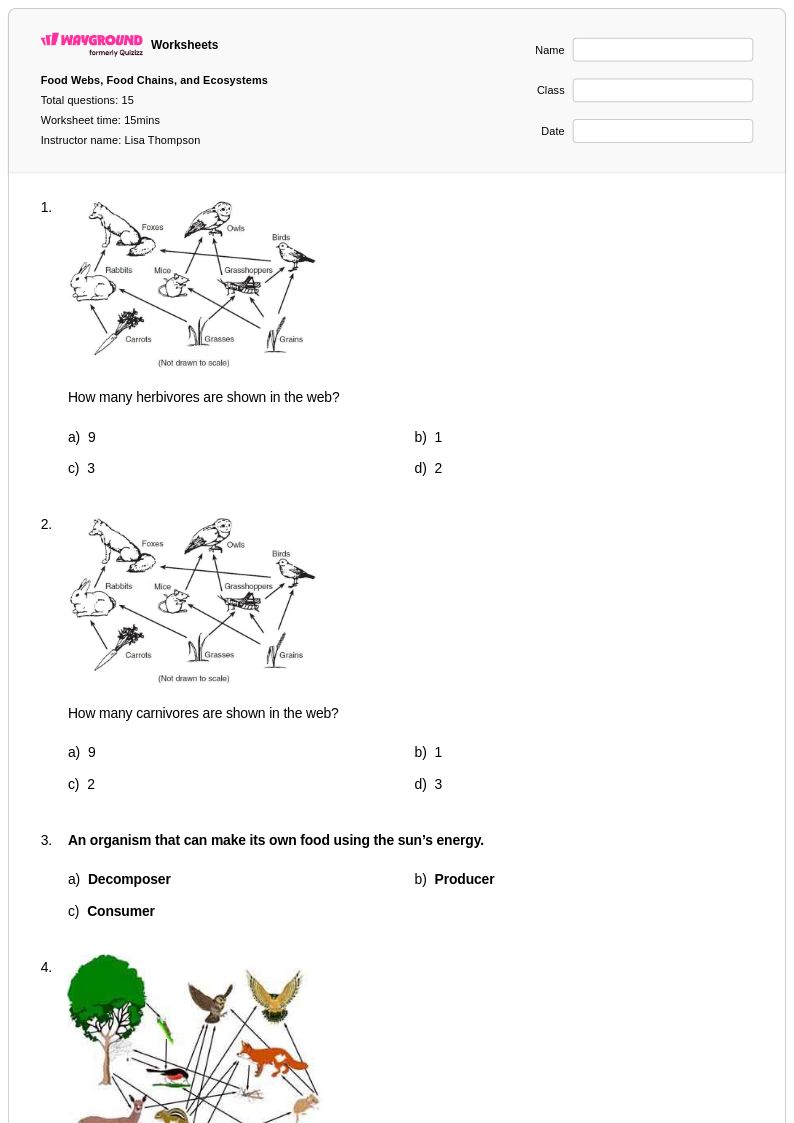
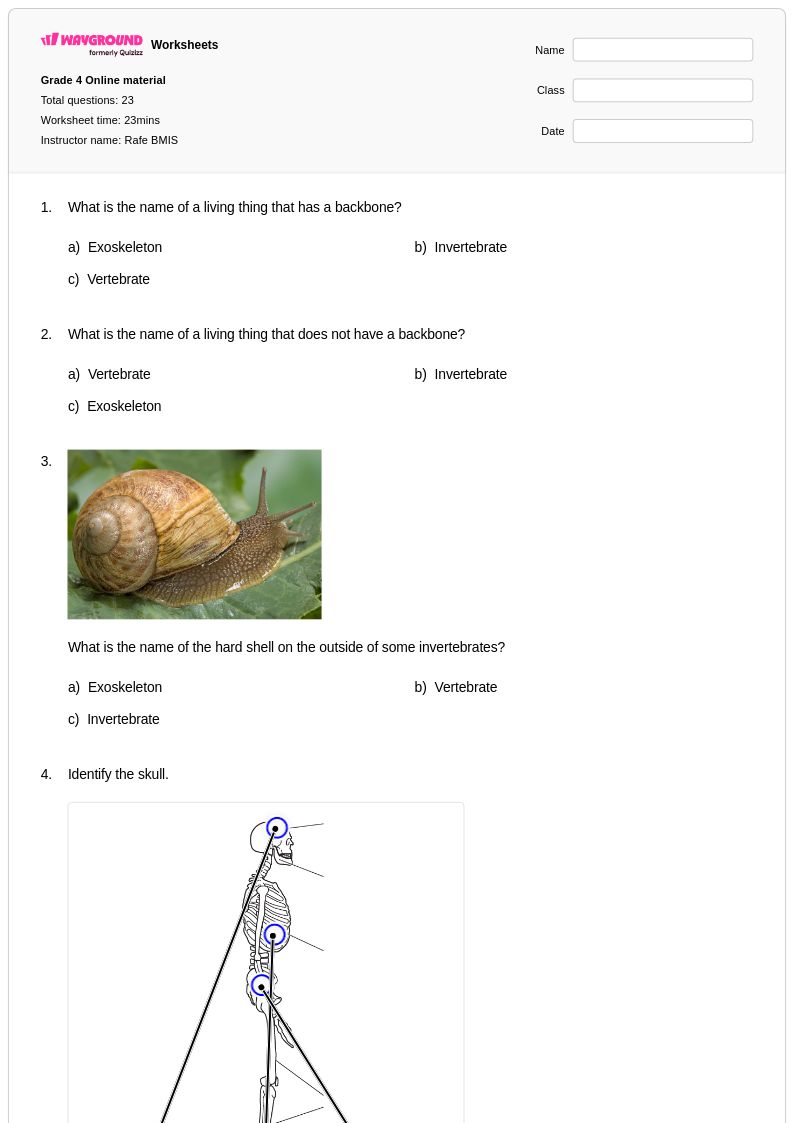
Explore Class 11 behavior chain analysis worksheets and printables that help students master the sequential steps of behavioral responses through engaging practice problems, free PDF resources, and comprehensive answer keys.
Explore printable Behavior Chain Analysis worksheets for Class 11
Behavior chain analysis worksheets for Class 11 biology students available through Wayground (formerly Quizizz) provide comprehensive resources for understanding the sequential patterns of animal behaviors and their underlying mechanisms. These expertly designed worksheets guide students through the systematic breakdown of complex behavioral sequences, helping them identify antecedent stimuli, individual behavioral components, and consequent outcomes that maintain behavioral chains in various species. Students develop critical analytical skills by examining real-world examples of foraging behaviors, mating rituals, territorial displays, and social interactions, while practice problems reinforce their ability to map behavioral sequences and identify key environmental triggers. Each worksheet includes detailed answer keys that support independent learning, and the free printable pdf format ensures accessibility for both classroom instruction and home study, allowing students to master this fundamental concept in behavioral biology.
Wayground (formerly Quizizz) empowers educators with millions of teacher-created behavior chain analysis resources that streamline lesson planning and enhance student understanding of complex biological concepts. The platform's robust search and filtering capabilities enable teachers to quickly locate Class 11 appropriate materials that align with curriculum standards, while differentiation tools allow for seamless customization to meet diverse learning needs within the classroom. These comprehensive worksheet collections are available in both printable and digital formats, including downloadable pdfs, providing flexibility for various teaching environments and student preferences. Teachers can effectively utilize these resources for targeted skill practice, remediation sessions for struggling learners, and enrichment activities for advanced students, ensuring that all Class 11 biology students develop a thorough understanding of how behavioral chains function in natural ecosystems and laboratory settings.
FAQs
How do I teach behavior chain analysis to students?
Teach behavior chain analysis by starting with a concrete, relatable example — such as a student getting into an argument after being teased — and walking through each link in the chain step by step: the antecedent, the thoughts and feelings that followed, the behavior, and the consequence. Help students understand that each link in the chain creates momentum toward the final behavior, and that breaking any link can interrupt the pattern. Visual mapping tools, such as flowcharts or sequential diagrams, are especially effective for making abstract behavioral sequences concrete and traceable.
What exercises help students practice identifying behavior chains?
Effective practice exercises include having students map out real-world or case-study behavioral scenarios by identifying each antecedent, intermediate link, and consequence in sequence. Role-play activities where students reconstruct a behavior chain after the fact — working backward from a consequence to the triggering event — build analytical precision. Worksheets that present partially completed chains and ask students to fill in missing links are particularly useful for reinforcing the structural logic of behavioral sequences.
What mistakes do students commonly make when completing a behavior chain analysis?
The most common error is skipping intermediate links and jumping directly from the antecedent to the final behavior, which misses the emotional, cognitive, and environmental steps that build the chain. Students also tend to oversimplify consequences, treating them as a single endpoint rather than recognizing that each consequence can itself become the antecedent for the next chain. Another frequent mistake is confusing antecedents with root causes — antecedents are triggering events, not explanations for why the behavior occurred.
How do behavior chain analysis worksheets support intervention planning?
Behavior chain analysis worksheets help students and clinicians identify specific points within a behavioral sequence where intervention is most feasible — for example, recognizing early emotional cues or environmental triggers before the chain gains momentum. By mapping each link explicitly, students can evaluate which links are most malleable and practice alternative responses at those decision points. This structured approach makes behavior chain analysis a practical bridge between assessment and actionable intervention strategies.
How do I use Wayground's behavior chain analysis worksheets in my classroom or practice setting?
Wayground's behavior chain analysis worksheets are available as printable PDFs for traditional pen-and-paper use and in digital formats for technology-integrated settings, making them adaptable for classrooms, clinical training environments, and independent study. Teachers and practitioners can also host these materials as a quiz directly on Wayground, enabling interactive completion and immediate feedback. Each worksheet includes a complete answer key, supporting both guided instruction and independent self-assessment without requiring additional preparation.
How can I differentiate behavior chain analysis instruction for students at different skill levels?
For students new to behavioral analysis, start with shorter chains involving fewer links and familiar social scenarios before introducing clinical or complex multi-step examples. More advanced learners can be challenged to analyze chains with competing behavioral pathways or to propose multiple intervention points and evaluate their relative effectiveness. On Wayground, teachers can adjust worksheet difficulty and content complexity to meet individual student needs, and accessibility features such as Read Aloud and reduced answer choices can be applied to support students with learning differences.