Free Printable Renal System Worksheets for Class 11
Class 11 Biology renal system worksheets from Wayground help students master kidney function, filtration processes, and urinary system anatomy through comprehensive printables, practice problems, and answer keys.
Explore printable Renal System worksheets for Class 11
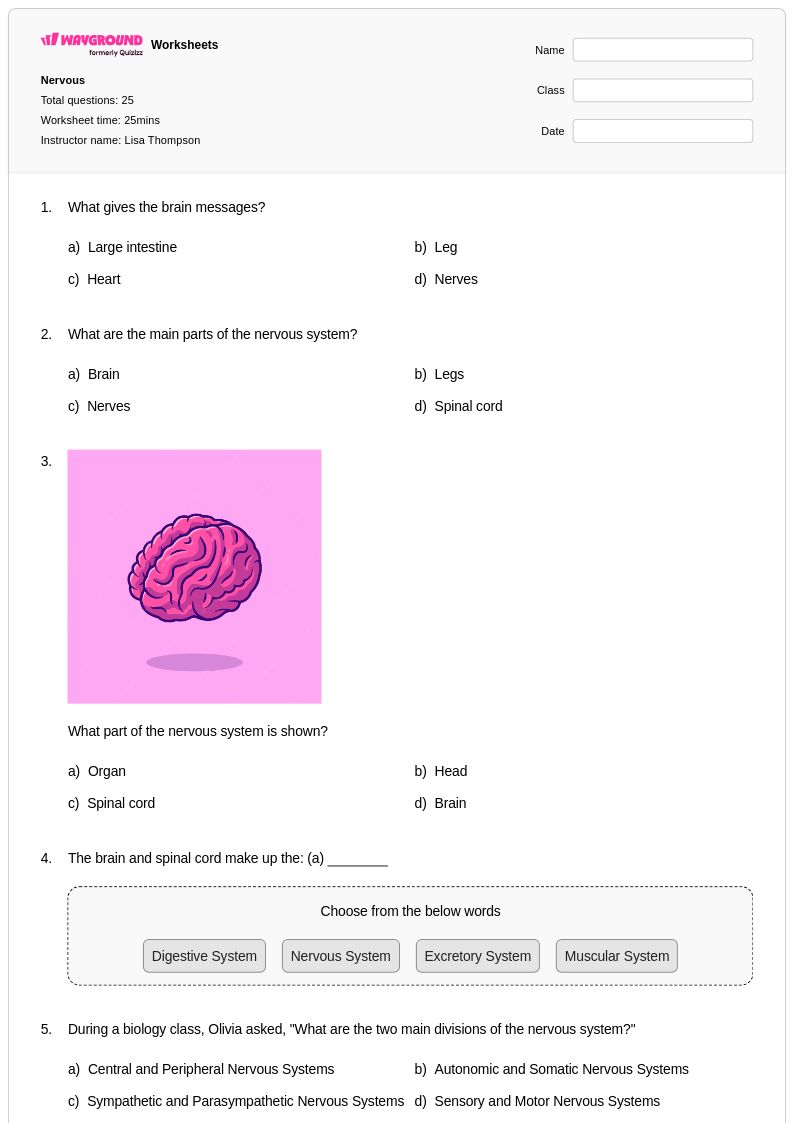
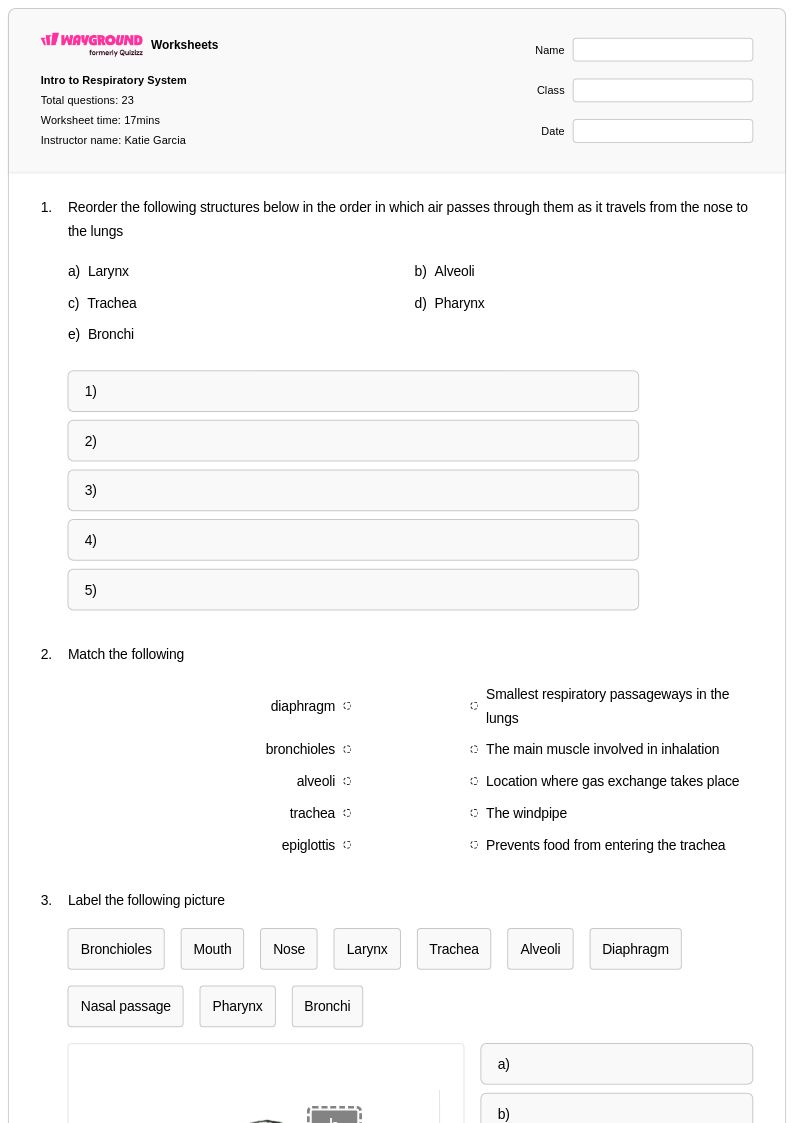
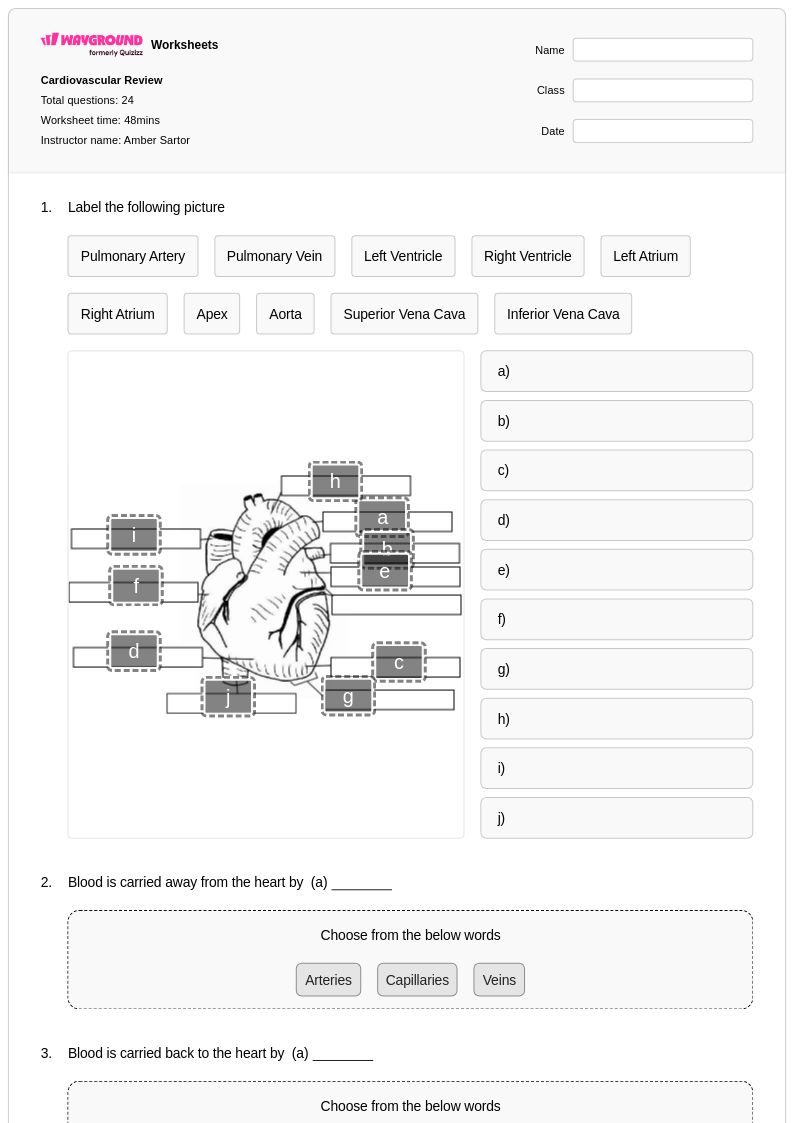
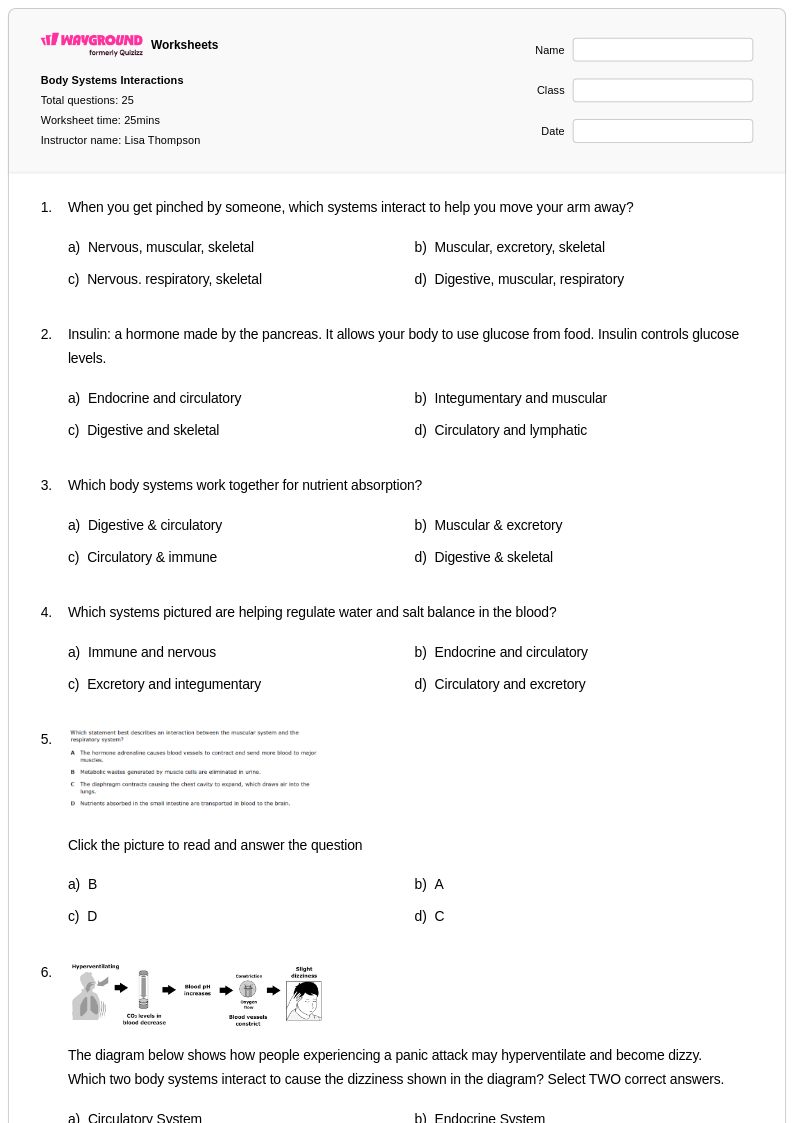
Class 11 renal system worksheets available through Wayground (formerly Quizizz) provide comprehensive coverage of kidney structure, function, and regulation essential for advanced high school biology students. These expertly designed resources strengthen critical thinking skills through detailed practice problems examining nephron anatomy, filtration processes, hormone regulation, and homeostatic mechanisms that maintain fluid and electrolyte balance. Students engage with complex concepts including glomerular filtration rates, tubular reabsorption and secretion, and the renin-angiotensin-aldosterone system through carefully scaffolded exercises that build from basic anatomical identification to sophisticated physiological analysis. Each worksheet includes a complete answer key and is available as a free printable pdf, enabling students to work independently while mastering the intricate relationships between kidney structure and function that form the foundation of human physiology understanding.
Wayground (formerly Quizizz) empowers educators with millions of teacher-created renal system resources that streamline lesson planning and support diverse learning needs in the Class 11 biology classroom. The platform's robust search and filtering capabilities allow teachers to quickly locate materials aligned with specific curriculum standards, whether focusing on basic nephron anatomy or advanced concepts like acid-base regulation and urine concentration mechanisms. Differentiation tools enable seamless adaptation of content for varying skill levels, while flexible customization options allow educators to modify existing worksheets or create targeted assessments that address individual student needs. Available in both printable and digital formats including downloadable pdfs, these resources support effective remediation for struggling learners, provide enrichment opportunities for advanced students, and offer consistent skill practice that reinforces complex renal physiology concepts throughout the academic year.
FAQs
How do I teach the renal system to high school students?
Start by grounding students in the structural hierarchy: kidney → nephron → tubular segments. Use labeled diagrams of the nephron to walk through the three core processes — glomerular filtration, tubular reabsorption, and secretion — in sequence before introducing regulatory mechanisms like the renin-angiotensin-aldosterone system (RAAS). Connecting each step to a clinical outcome (e.g., edema, hypertension) helps students see the physiological relevance and retain abstract concepts more effectively.
What exercises help students practice nephron structure and kidney function?
Labeling diagrams of the nephron, completing filtration-to-excretion flowcharts, and working through glomerular filtration rate (GFR) calculations are among the most effective practice formats. Students benefit especially from problems that trace a single substance — such as glucose or urea — through each tubular segment, reinforcing both structural knowledge and transport mechanisms in one exercise.
What mistakes do students commonly make when learning renal physiology?
The most common error is conflating filtration with excretion — students often assume that everything filtered at the glomerulus is eliminated in urine, overlooking reabsorption. A second frequent misconception is misunderstanding countercurrent multiplication: students struggle to see how the loop of Henle creates a concentration gradient rather than simply filtering fluid. Targeted practice problems that explicitly distinguish these processes help correct both errors.
How do I teach hormonal regulation of water balance in the kidneys?
Introduce ADH and aldosterone separately before connecting them to the RAAS cascade. Students should first understand where each hormone acts in the nephron (collecting duct for ADH; distal tubule and collecting duct for aldosterone) before tracking the feedback loop from blood pressure or osmolarity changes. Scenario-based problems — such as predicting urine output in a dehydrated patient — are particularly effective for reinforcing this regulation chain.
How can I use Wayground's renal system worksheets in my classroom?
Wayground's renal system worksheets are available as free printable PDFs for traditional classroom use and in digital formats for technology-integrated or remote learning environments, and can also be hosted as a quiz directly on the Wayground platform. Teachers can use them for structured practice on topics ranging from basic kidney anatomy to advanced concepts like acid-base regulation and RAAS, and the included answer keys support both independent student self-assessment and efficient teacher grading.
How do I differentiate renal system instruction for students at different skill levels?
For foundational learners, focus on gross anatomy and the sequence of urine formation before introducing transport mechanisms. Advanced students can engage with clinical applications such as the pathophysiology of chronic kidney disease or interpreting abnormal urinalysis results. On Wayground, teachers can apply individual accommodations — including read aloud, reduced answer choices, and extended time — to specific students, ensuring that the same worksheet set serves diverse learners without requiring separate lesson plans.