Free Printable Galvanic Cell Worksheets for Year 11
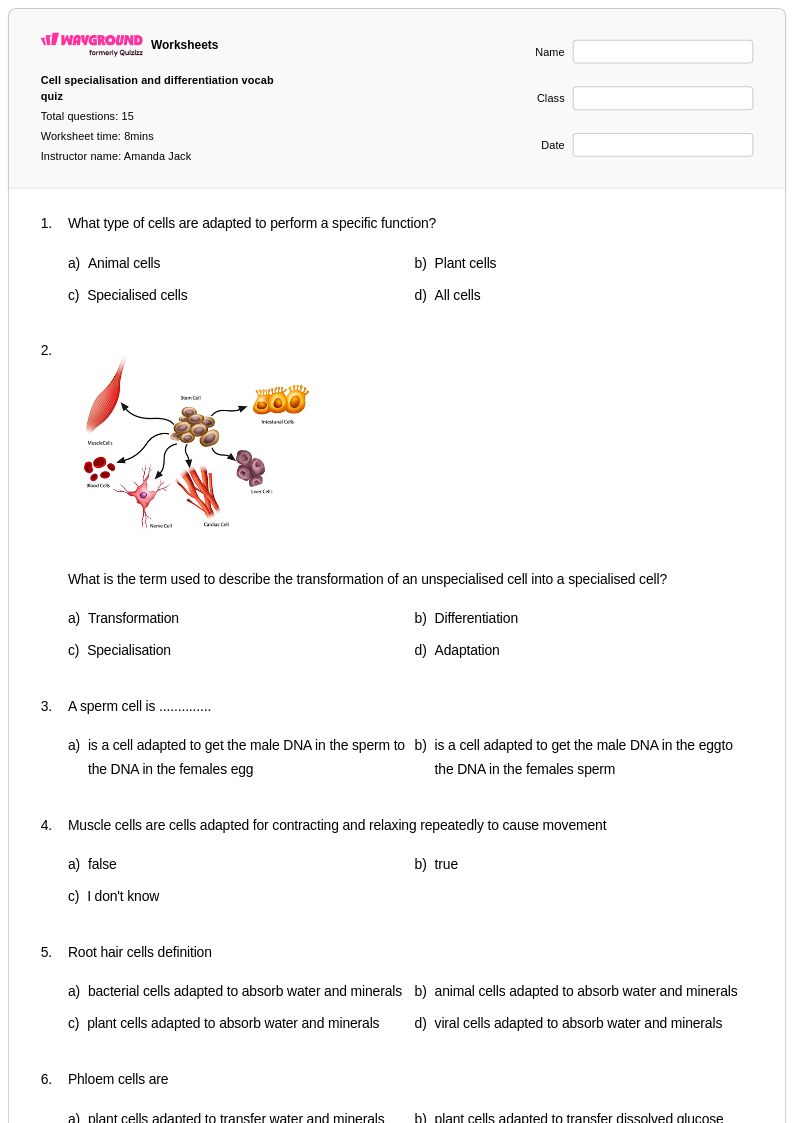
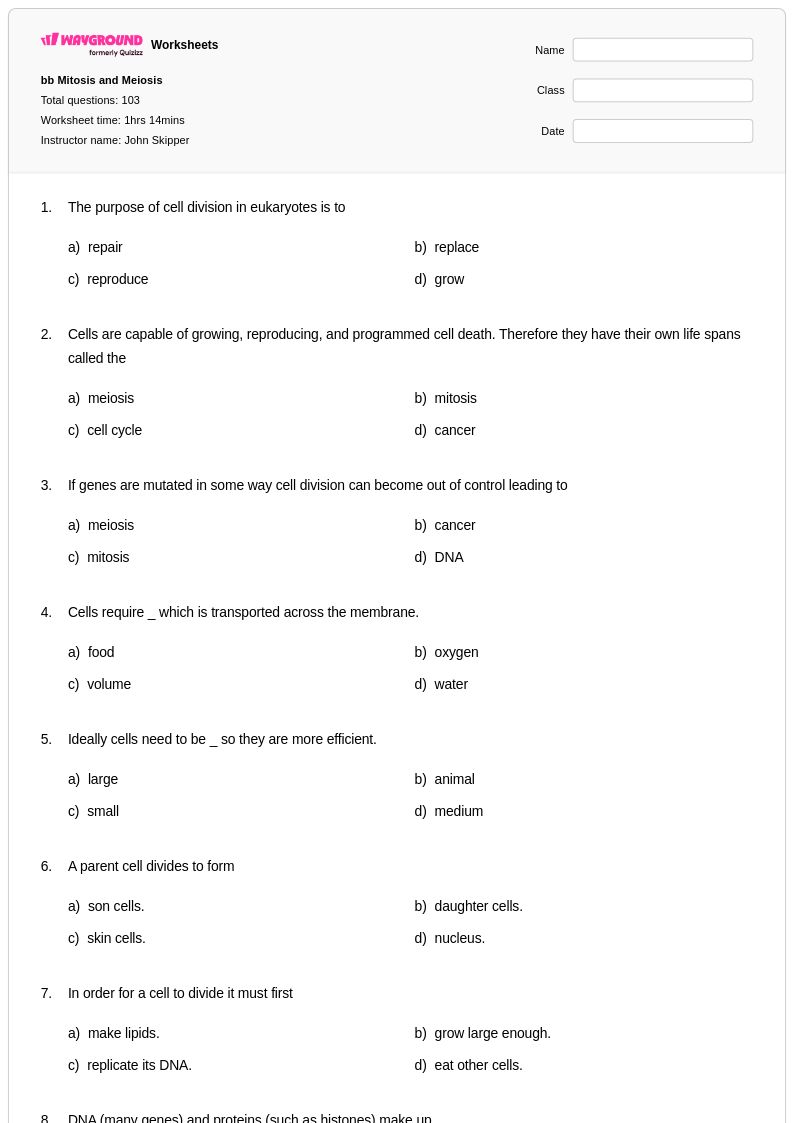
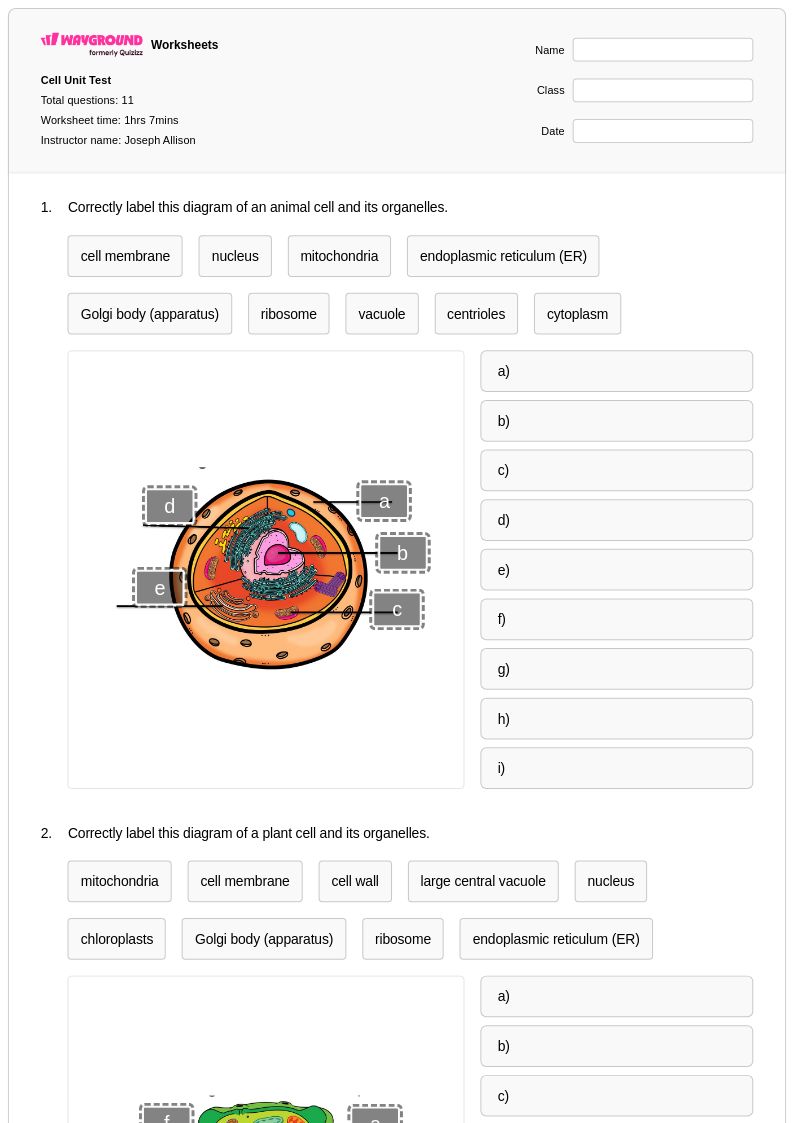
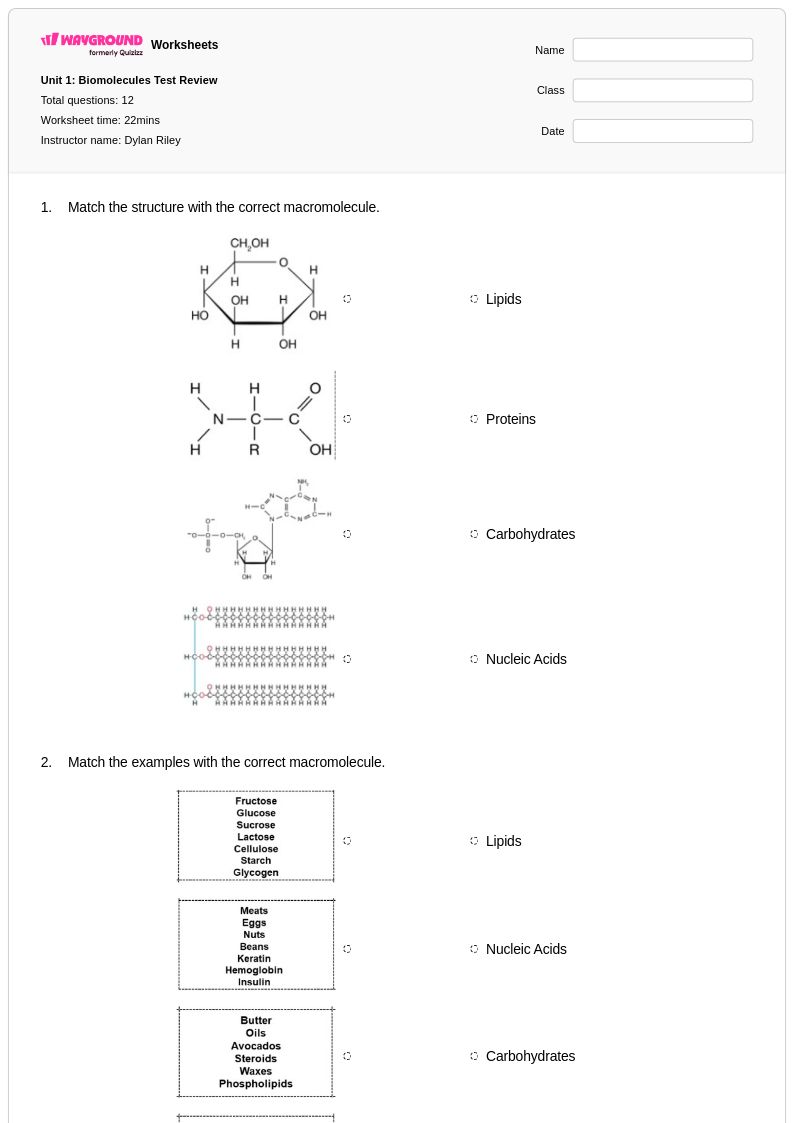
Master Year 11 galvanic cell concepts with Wayground's comprehensive collection of free worksheets, featuring printable PDFs, practice problems, and detailed answer keys to strengthen electrochemistry understanding.
Explore printable Galvanic Cell worksheets for Year 11
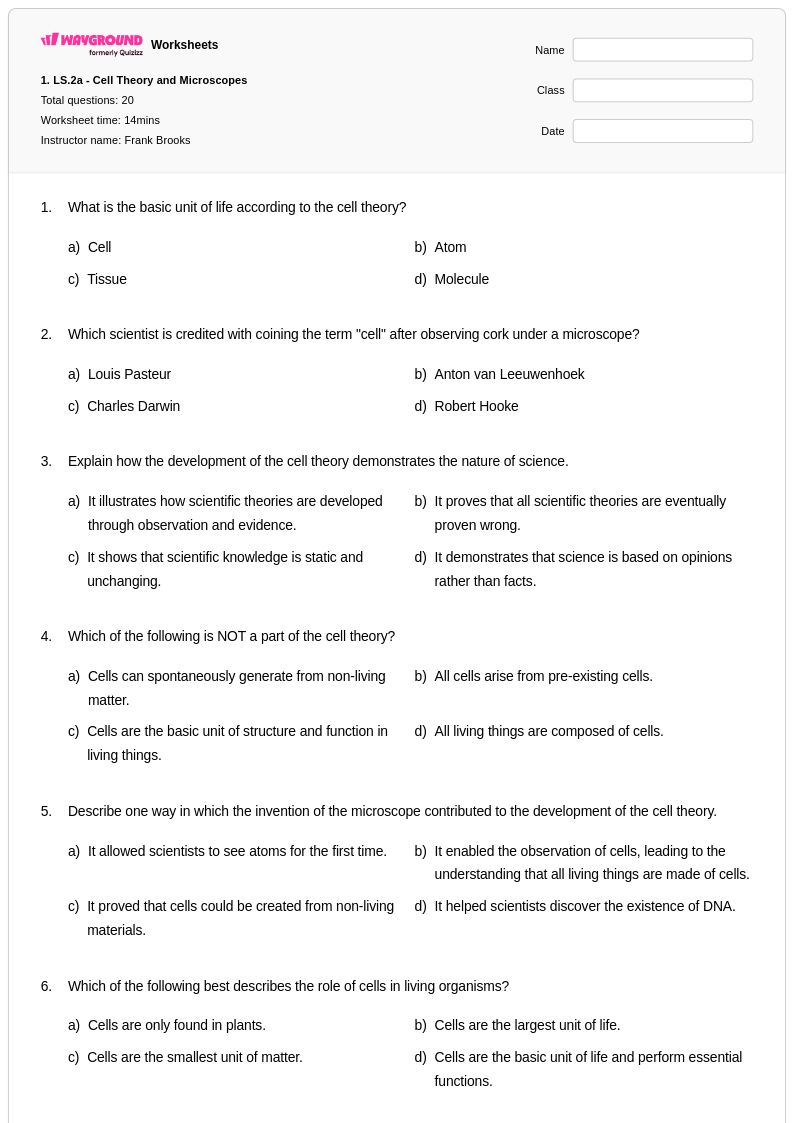
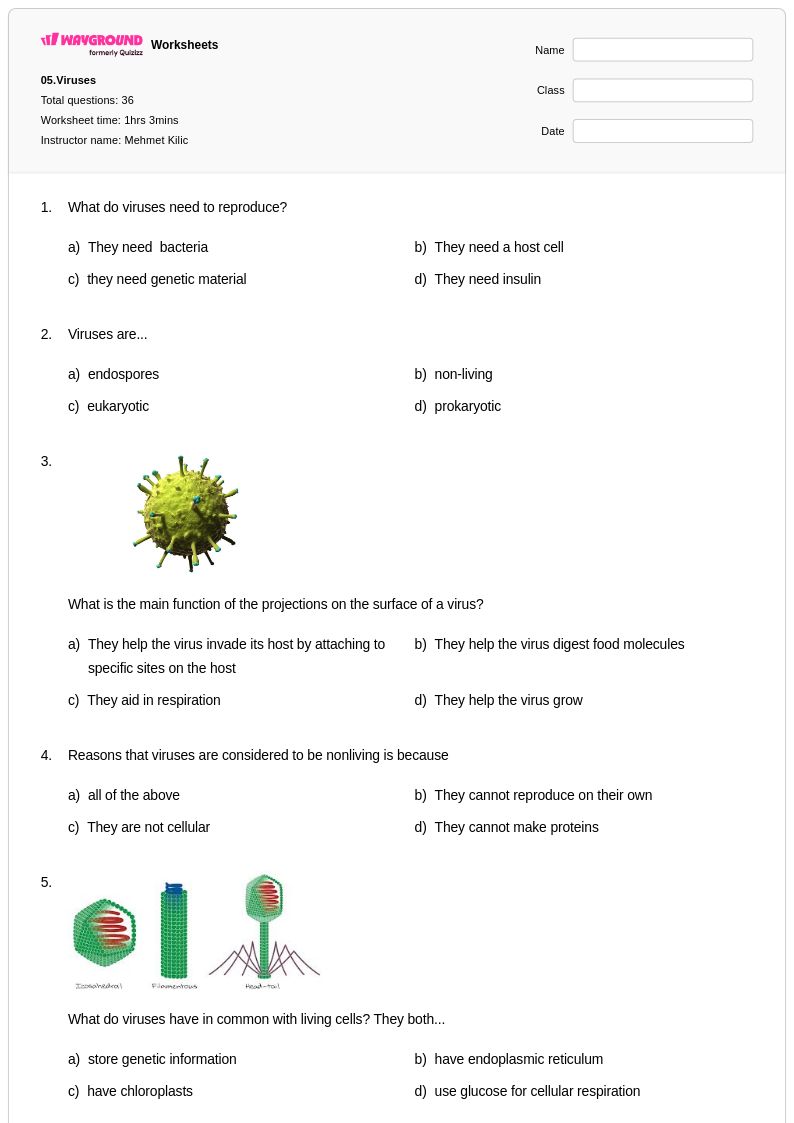
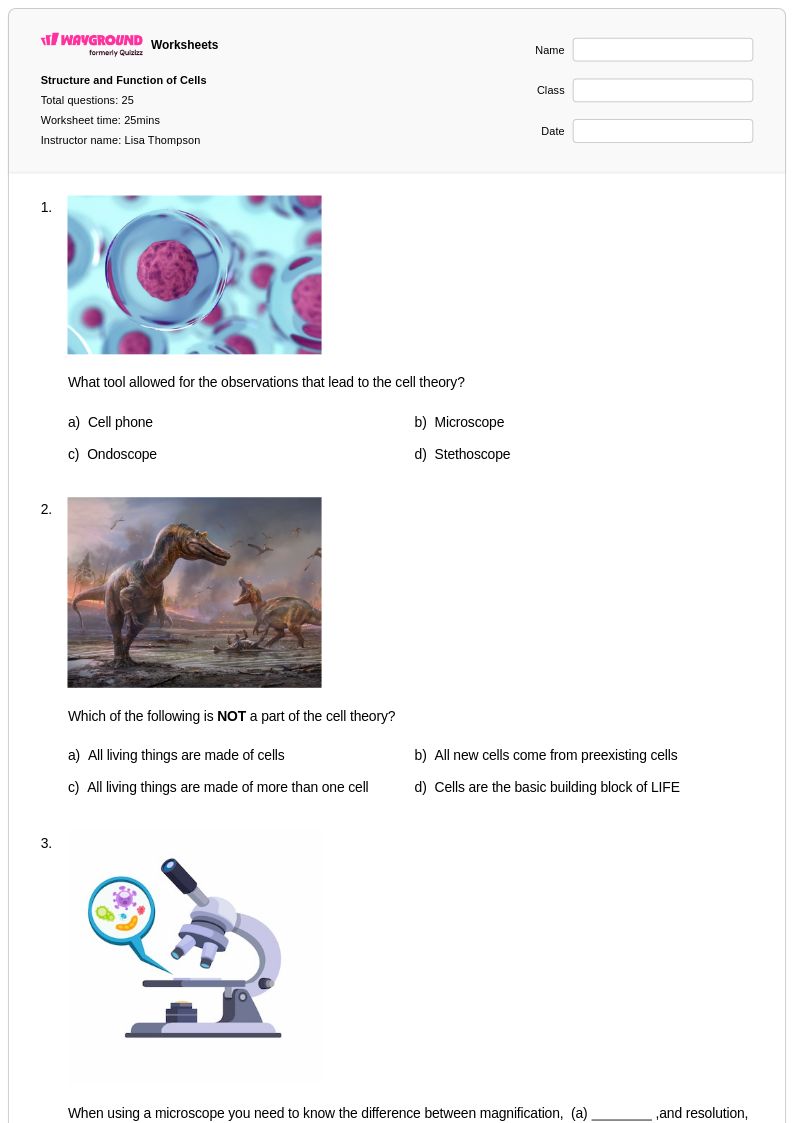
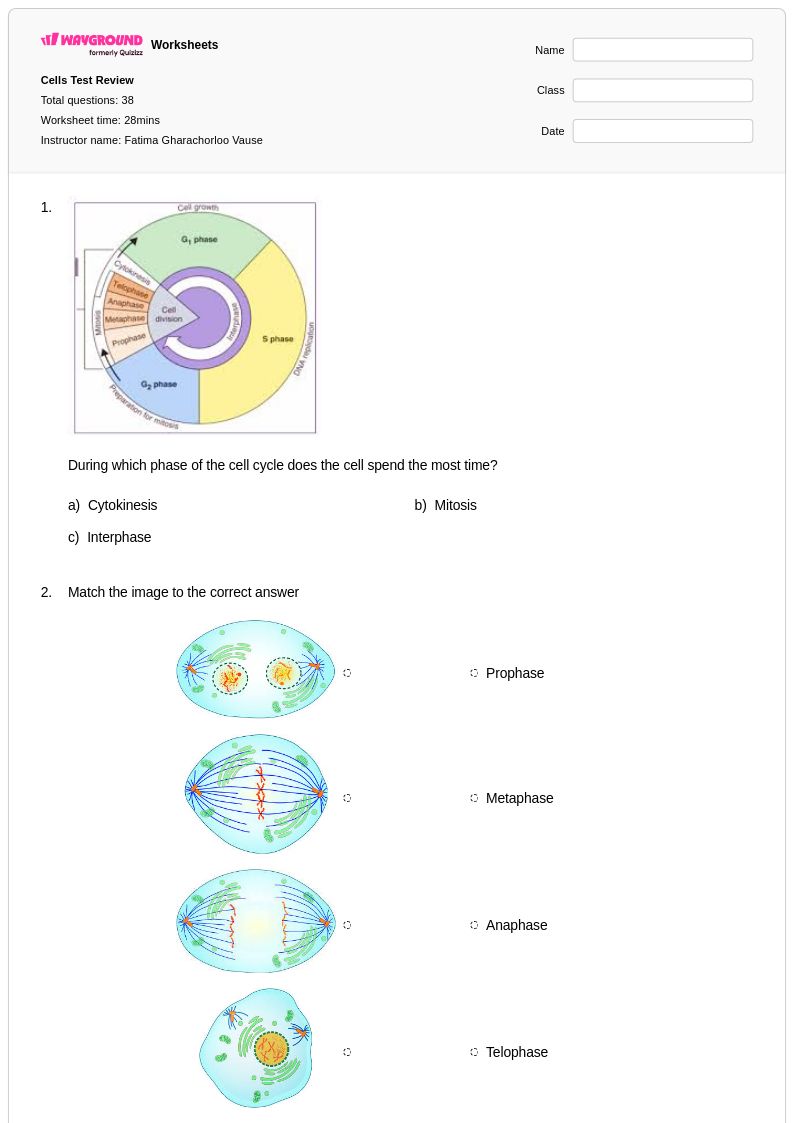
Galvanic cell worksheets for Year 11 students available through Wayground (formerly Quizizz) provide comprehensive coverage of electrochemical principles essential for advanced chemistry mastery. These educational resources strengthen students' understanding of spontaneous redox reactions, electrode potentials, and the fundamental mechanisms that drive electrical energy production in electrochemical cells. Students engage with practice problems that explore anode and cathode identification, electron flow direction, salt bridge function, and standard cell potential calculations. Each worksheet includes detailed answer keys that guide learners through complex problem-solving processes, while printable pdf formats ensure accessibility for both classroom instruction and independent study. The free materials systematically build conceptual knowledge from basic galvanic cell components to advanced applications in battery technology and corrosion processes.
Wayground (formerly Quizizz) empowers educators with millions of teacher-created galvanic cell resources that accommodate diverse instructional needs and learning objectives. The platform's robust search and filtering capabilities allow teachers to locate materials aligned with specific chemistry standards and student proficiency levels, facilitating differentiated instruction for varying academic abilities. Customization tools enable educators to modify existing worksheets or create targeted assessments that address individual learning gaps, supporting both remediation and enrichment strategies. The comprehensive collection spans printable and digital formats, including downloadable pdf versions that integrate seamlessly into lesson planning workflows. These versatile resources serve multiple pedagogical purposes, from introducing fundamental electrochemical concepts to providing intensive skill practice that prepares Year 11 students for advanced chemistry coursework and standardized assessments.
FAQs
How do I teach galvanic cells to chemistry students?
Start by grounding students in redox chemistry before introducing the physical setup of a galvanic cell, since understanding oxidation and reduction half-reactions is a prerequisite for making sense of anode and cathode roles. Use labeled diagrams to walk through electron flow, the function of the salt bridge, and the direction of ion movement before introducing cell potential calculations. Connecting cell voltage to Gibbs free energy early helps students see galvanic cells as thermodynamically driven systems rather than abstract electrochemistry constructs.
What practice problems should students work through to master galvanic cells?
Effective practice should span several skill areas: identifying the anode and cathode in a given cell setup, writing and balancing oxidation and reduction half-reactions, calculating standard cell potentials using reduction potential tables, and interpreting galvanic cell diagrams including salt bridge function. Problems that ask students to predict spontaneity using cell voltage and Gibbs free energy are especially valuable for connecting electrochemistry to broader thermodynamic concepts. Scaffolded practice that moves from diagram interpretation to calculation builds competency progressively.
What mistakes do students commonly make when working with galvanic cells?
One of the most frequent errors is confusing the anode and cathode, particularly which electrode undergoes oxidation versus reduction. Students also commonly flip the sign when calculating cell potential, especially when subtracting reduction potentials to find the overall cell voltage. Another persistent misconception is misunderstanding the role of the salt bridge, with many students believing it carries electrons rather than ions, which disrupts their understanding of how charge balance is maintained in the cell.
How do I help students who struggle with calculating standard cell potentials?
The most common source of difficulty is misapplying the formula, particularly not reversing the sign of the oxidation half-reaction when subtracting standard reduction potentials. Reinforce that the standard cell potential is always calculated as E°(cathode) minus E°(anode), and require students to explicitly label which half-reaction is reversed before performing the calculation. Pairing this procedural practice with conceptual questions about spontaneity, where a positive E°cell indicates a spontaneous reaction, helps students connect the math to the underlying chemistry rather than treating it as a memorized procedure.
How can I use Wayground's galvanic cell worksheets in my classroom?
Wayground's galvanic cell worksheets are available as both printable PDFs and in digital formats, making them adaptable for traditional classroom instruction, homework assignments, and technology-integrated or hybrid learning environments. Each worksheet includes a detailed answer key, supporting independent practice and self-assessment. Teachers can also host worksheets as a quiz directly on Wayground, enabling real-time progress tracking and engagement in a digital setting.
How do I differentiate galvanic cell instruction for students at different skill levels?
For students still developing foundational skills, start with diagram-based tasks that ask them to label cell components and trace electron flow before introducing calculations. Advanced learners can be extended into problems involving non-standard conditions using the Nernst equation or multi-step problems connecting cell voltage to equilibrium constants. On Wayground, teachers can apply accommodations such as reduced answer choices or read-aloud support to individual students without affecting the rest of the class, making it easier to serve diverse learners within the same assignment.